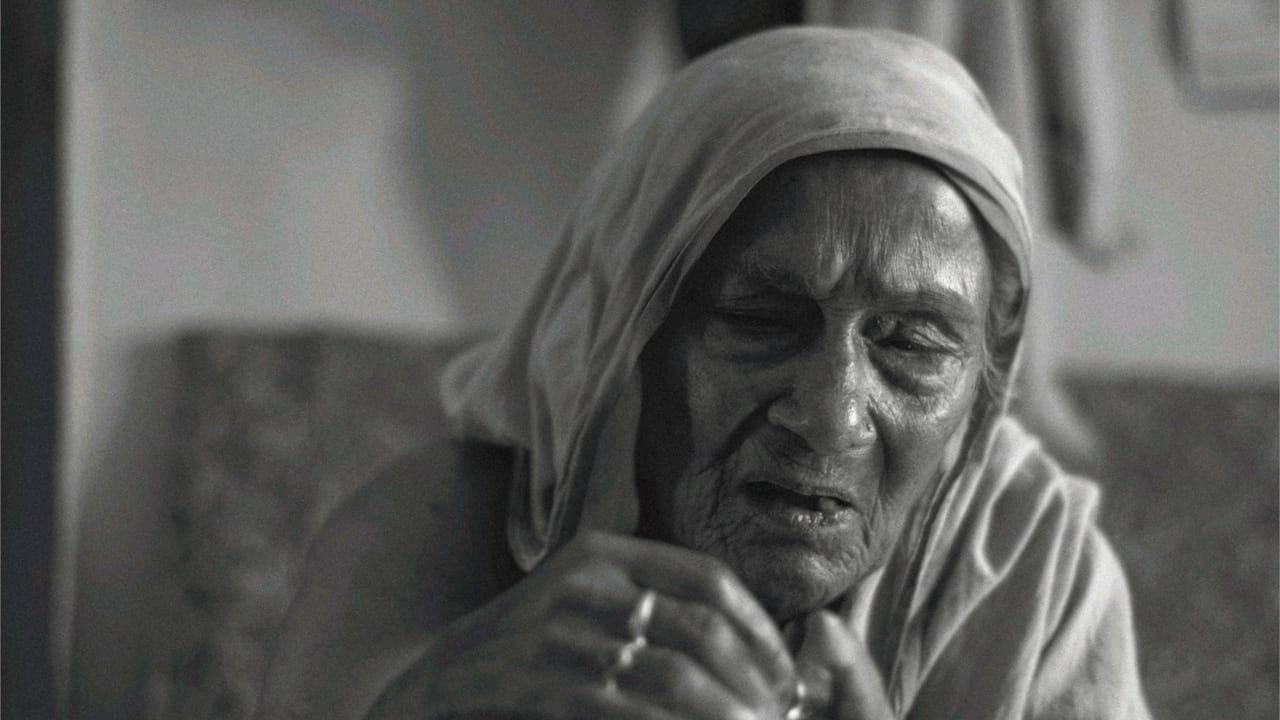

Nani Ma
2022-10-03 · 35 min · ★ 10.0
Musamoni Panigrahi (1920s–2017), fondly called “Nani Ma” by her neighbours, appears in the centre of this first film in the Baleswari dialect of India's Odia language. The story revolves around folklore and folk songs narrated by Nani Ma. Born in the 1920s in pre-independent rural India in a coastal village in the Balasore district of Odisha, she never got to go beyond the first few days of school. The film is an alternate history of a society broken through colonization, Brahminical patriarchy and a post-famine (Orissa famine of 1866, killing nearly 5 million people, one-third of the population), and the dominance of formal writing over spoken tongues. Three academics -- Damayanti Beshra, PhD (recipient of India’s fourth civilian award, “Padma Shri”), Panchanan Mohanty, PhD (noted linguist), and Laxmikanta Tripathy, PhD, DLitt (anthropologist and author) -- also appear in the film to provide contextual commentary on patriarchy, oral history and the sociolinguistic diversity.
Trailers are previews, not full movies.
No authorized playback source configured. Use the legal watch options below.
Production details
- Directors
- Subhashish Panigrahi
- Production companies
- O Foundation
- Countries
- India
- Status
- Released
Top Cast
Title information and images are supplied by TMDb. Explore our discovery guide for advice on comparing metadata and legal viewing options.
Where to watch
Availability provided by JustWatch via TMDb. Offers can change. Provider links are listed on TMDb; full playback requires a separately authorized source.
Seasons & episodes
Recommendations
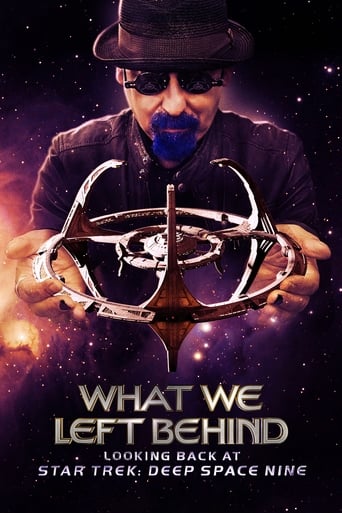
A documentary exploring the legacy of Star Trek: Deep Space Nine, the reasons it went from the black sheep of Star Trek to a beloved mainstay of the franchise, and a brainstorm with the original writers on what a theoretical eighth season of the show could look like.
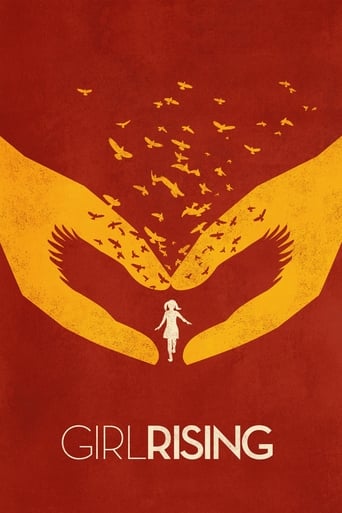
Nine filmmakers each profile a young girl from a different part of the world to weave a global tapestry of youth in the 21st century.
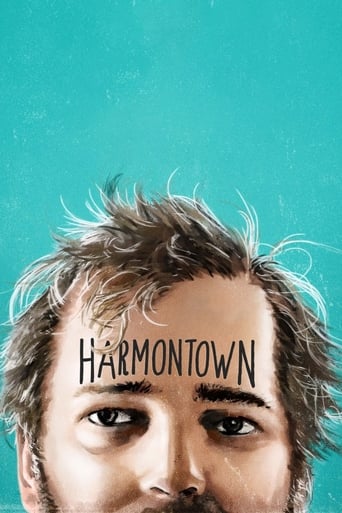
A comedic, brutally honest documentary following self-destructive TV writer Dan Harmon as he takes his live podcast on a national tour.

When Sgt. First Class Brian Eisch is critically wounded in Afghanistan, it sets him and his sons on a journey of love, loss, redemption and legacy.

Reconnecting with a pack of wolves he has followed for seven years, Bertie sets out to capture one of the Arctic's most dangerous and rarely filmed hunts: wolves taking on a bull moose, prey roughly ten times their size. Led by Kona, a striking white breeding male, the pack faces a critical winter as dwindling food supplies, an encroaching rival wolf and an aging leader threaten its survival.
Hollywood veteran Bing Russell creates the only independent baseball team in the country—alarming the baseball establishment and sparking the meteoric rise of the 1970s Portland Mavericks.

Oliver Stone charts the history of the United States from the Second World War to the present.

“The Soviet Story” is a story of an Allied power, which helped the Nazis to fight Jews and which slaughtered its own people on an industrial scale. Assisted by the West, this power triumphed on May 9th, 1945. Its crimes were made taboo, and the complete story of Europe’s most murderous regime has never been told. Until now...
An exploration of technologically developing nations and the effect the transition to Western-style modernization has had on them.

A string of threatening emails escalates into a revenge plot involving a newly married US marshal and his ex-girlfriend.

A documentary highlighting the Soviet Union's legendary and enigmatic hockey training culture and world-dominating team through the eyes of the team's Captain Slava Fetisov, following his shift from hockey star and celebrated national hero to political enemy.

A visual montage portrait of our contemporary world dominated by globalized technology and violence.
The making of Matrix Revolutions, The (2003) is briefly touched on here in this documentary. Interviews with various cast and crew members inform us how they were affected by the deaths of Gloria Foster and Aaliyah, and also delve into the making of the visual effects that takes up a lot of screen time. Written by Rhyl Donnelly

In an intimate and joyful story of love in the face of loss, celebrated poets Andrea Gibson and Megan Falley find strength—and unexpected hilarity—in what might be their final year together.
Lupita Nyong'o narrates a documentary about Peanuts and its creator, Charles M. Schulz. Famous fans—including Drew Barrymore, Kevin Smith, and Al Roker—share its influence on them, and a new animated story finds Charlie Brown on a quest.

An inside look at one of the most anticipated movie sequels ever with James Cameron and cast.
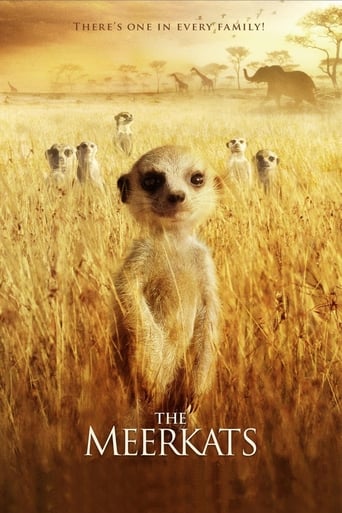
A coming of age story following a young meerkat pup, Kolo, growing up in the Kalahari desert; and an inspiring look at how one family's connection to each other and their surroundings is a model of resilience and fortitude for us all. Shot using ground-breaking techniques, this dramatised documentary is a one-of-a-kind presentation from The Weinstein Company and the BBC, featuring narration by Paul Newman.

A documentary about the making of season five of the acclaimed AMC series Breaking Bad.
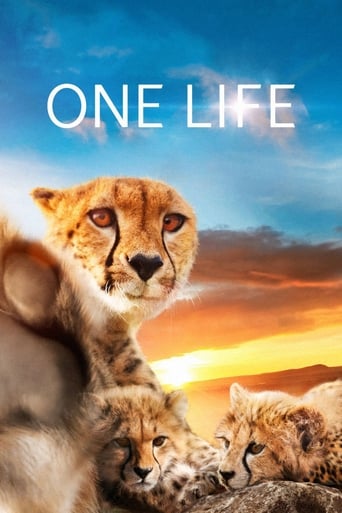
One Life captures unprecedented and beautiful sequences of animal behaviour guaranteed to bring you closer to nature than ever before, as well as a second disc packed full of never before seen extras including an exclusive making of featurette narrated by Daniel Craig.
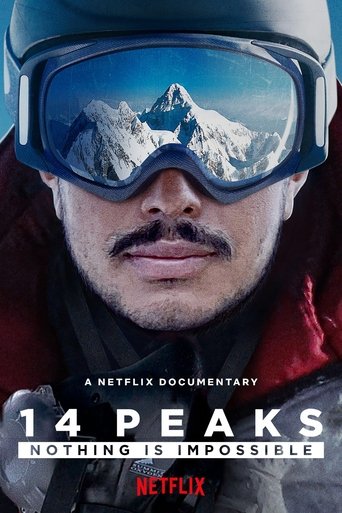
In 2019, Nepalese mountain climber Nirmal “Nims” Purja set out to do the unthinkable by climbing the world’s fourteen highest summits in less than seven months. (The previous record was eight years). He called the effort “Project Possible 14/7” and saw it as a way to inspire others to strive for greater heights in any pursuit. The film follows his team as they seek to defy naysayers and push the limits of human endurance.
Similar titles
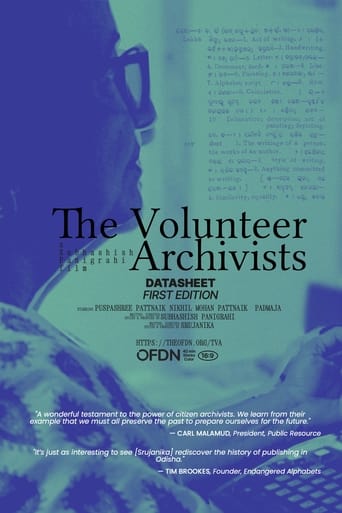
The Volunteer Archivists tells the story of Srujanika, a volunteer-led collective in the Indian state of Odisha that archived some of the rarest printer publications published in the last 200 years. The archive — Odia Bibhaba — now houses over 10,000 books and hundreds of magazines, newspapers, and dictionaries that otherwise would have been lost forever due to collective negligence and the poor state of digitization by the state archives.
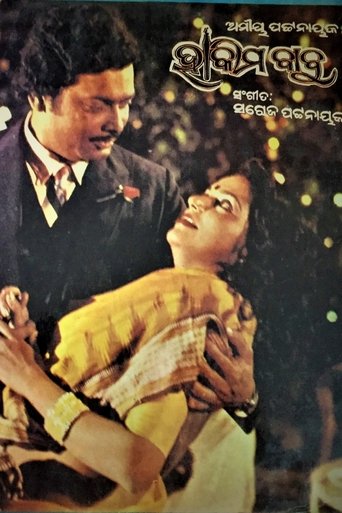
A man from lower social background qualifies and gets an administration job and to match his higher social occupation, he leaves his family, friends, and fiance. But gradually he understands his mistake and returns for his people. Finally he finds his wrong decision for the mining in his village has lead to the destruction and down fall of his people and everyone lives the village and him behind alone.
In every family, there is a guiding force, the Murabi. This Odia feature film explores the collision and convergence of two contrasting philosophies: one rooted in discipline and control, the other in joy and freedom. As life brings these worlds together, the story unfolds into a heartwarming journey that challenges, inspires, and ultimately redefines the true meaning of family, love, and togetherness.
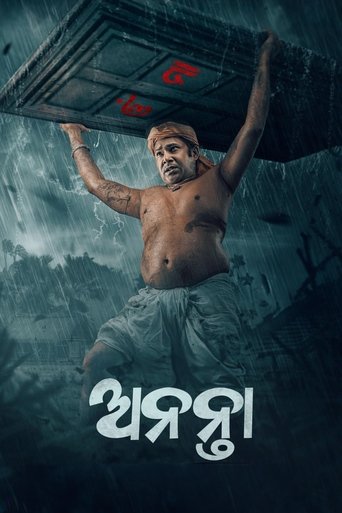
"Randi Pua Ananta" follows the journey of Ananta, a notorious troublemaker who undergoes a remarkable transformation into a selfless hero. When a devastating flood threatens his village, Ananta makes the ultimate sacrifice to save his people, proving that redemption can come in the most unexpected ways.
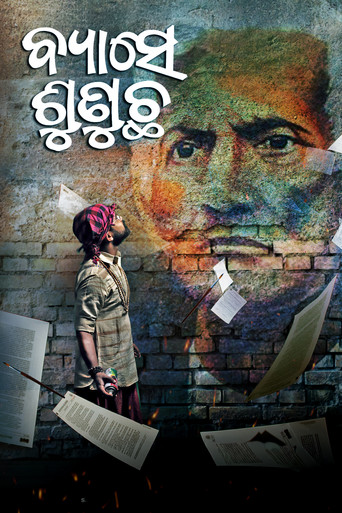
A Carefree Artist confronts The Pioneer of Odia literature Byaasakabi Fakir Mohan, to lament about the current state of the Odia Language and how it has been looked down upon by the elites of the state. Will his voice be heard?
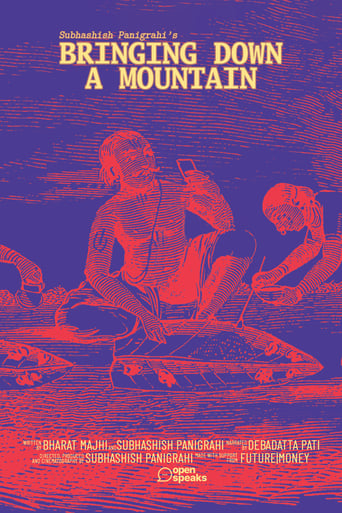
A rural village never wanted to be a city’s landfill or a distant blur in Reels but rather home to new imaginations. Bringing Down a Mountain dissects the intersecting themes of access, abolition and caste through the experiences of residents of a rural village and that of a hyper-urban city. The film follows the village residents’ dreams—of mobile data, digital payment and relief from menial work. What happens when the landfill is full, and dreams want to break free?
Documentary about the way in which the citizens of the town of Aguada, Puerto Rico asserted their civil rights before the construction of a coal plant that the government intended to establish in the municipality.

Kansas City PBS is proud to present a documentary that looks back at the years Charlie “Bird” Parker spent in Kansas City and his lasting legacy on the Kansas City jazz scene. Bird: Not Out of Nowhere features rarely seen archival footage of Parker, interviews with musicians and historians, and live performances from Kansas City’s most talented jazz musicians.

This making of The Hunger Games: Mockingjay - Part 2 is presented in 8 parts. Each part gives an in depth view of one aspect of creating the movie. You can see how special effects were used; costumes and make-up was done; all about the casting and location of the movie; and much more. This is done by interviews with the cast and crew as well as with fragments from the movie and images from behind the scenes. - Walking through Fire: Concluding the Saga (13:07) - Real or Not Real: Visual Design (9:57) - High Value Targets: The Acting Ensemble (16:33) - From Head to Toe: Costumes, Make-up and Hair (13:38) - Navigation the Minefield: Production in Atlanta, Paris and Berlin (13:06) - Collateral Damage: Stunts, Special Effects and Weapons (18:04) - Tightening the Noose: The Post-production Process (28:43) - A Different World: Reflection (22:33).

Changes is a documentary and live DVD released in September 2004 by the hard rock band Godsmack. The DVD was recorded in early 2004. That same month, the group also released "Batalla de los Tambores" a drum dual between Shannon and Sully, available only via online services such as Apple's iTunes Music Store, Real, Napster, and the Zune Marketplace.[1] The DVD has been certified Gold by the RIAA.

A documentary following Kobe Bryant during one day of the 2008 NBA playoffs.

"Wheat," is a historical action drama about the women left behind when their men have gone off to war -- and the lies they are told to keep them from knowing the awful truth.

A Polish countess is dispatched by her country to become Napoleon Bonaparte's mistress at the urging of Polish leaders, who feel she might influence him to support Polish independence.
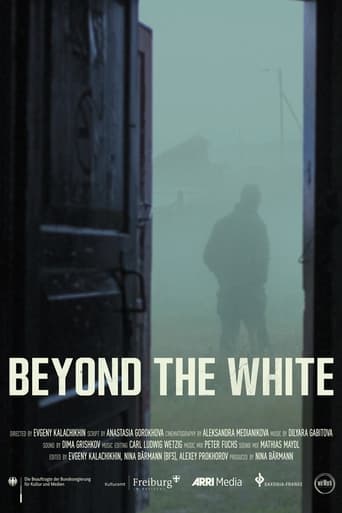
In Northern Russia, a few dozen people still live in their traditional houses surrounded by water, stone, and sand. Cut off from vital infrastructure, almost forgotten by regional governance, these people have to cope with their everyday struggles.
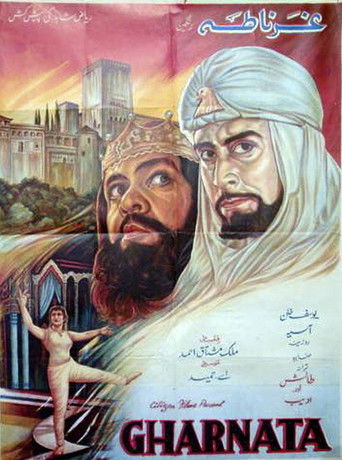
Gharnata (Granada) was the last Muslim region in Spain, which was fall on January 2, 1492. The last Muslim ruler Emir Muhammad XII surrendered complete control to Fernando V and Isabella I, after the last battle of the Granada War.

Rosie Lovell and fellow hosts journey across the globe to uncover the rich story behind tea: the second most widely consumed beverage on Earth.

MamaPan is an artisan bakery practicing social economy. A small business that makes a huge difference in the lives of the women who are part of it. Two of them stubbornly fight to keep the business going. Their employees, all single mothers, do their best to change their lives: a former homeless, a Roma illiterate and a financially struggling mother of three.

A dive into the 80s, a joyful, surprising, provocative, and sometimes serious era. A true immersion that culminates in what remains today: an incredible wealth of unforgettable hits. This decade, the last without the internet or cell phones, is synonymous with carefree abandon and freedom. A time when anything was possible. Nothing was censored or sanitized. Some might shock and provoke, while others revolutionized society.
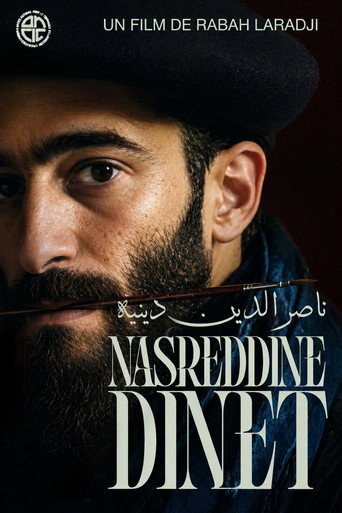
Étienne Dinet (إتيان دينيه), born March 28, 1861 in Paris, where he died on December 24, 1929, was a French painter and lithographer. He was one of the leading representatives of Orientalist painting at the turn of the 19th and 20th centuries. Obtaining a scholarship in 1884, Dinet undertook his first trip to southern Algeria in the region of Bou-Saâda, the Naili culture having a profound impact on him, as he would return there many times until he settled in his first Algerian studio in Biskra in 1900. In 1905, he bought a house in Bou-Saâda to spend three-quarters of the year there. In 1907, on his advice, the Villa Abd-el-Tif was created in Algiers, modeled on the Villa Medici in Rome. Having lived much of his life in Algeria, he called himself Nasreddine Dinet (نصر الدين ديني) after converting to Islam. On January 12, 1930, he was buried in the Bou-Saâda cemetery, where a museum that houses many of his works bears his name.