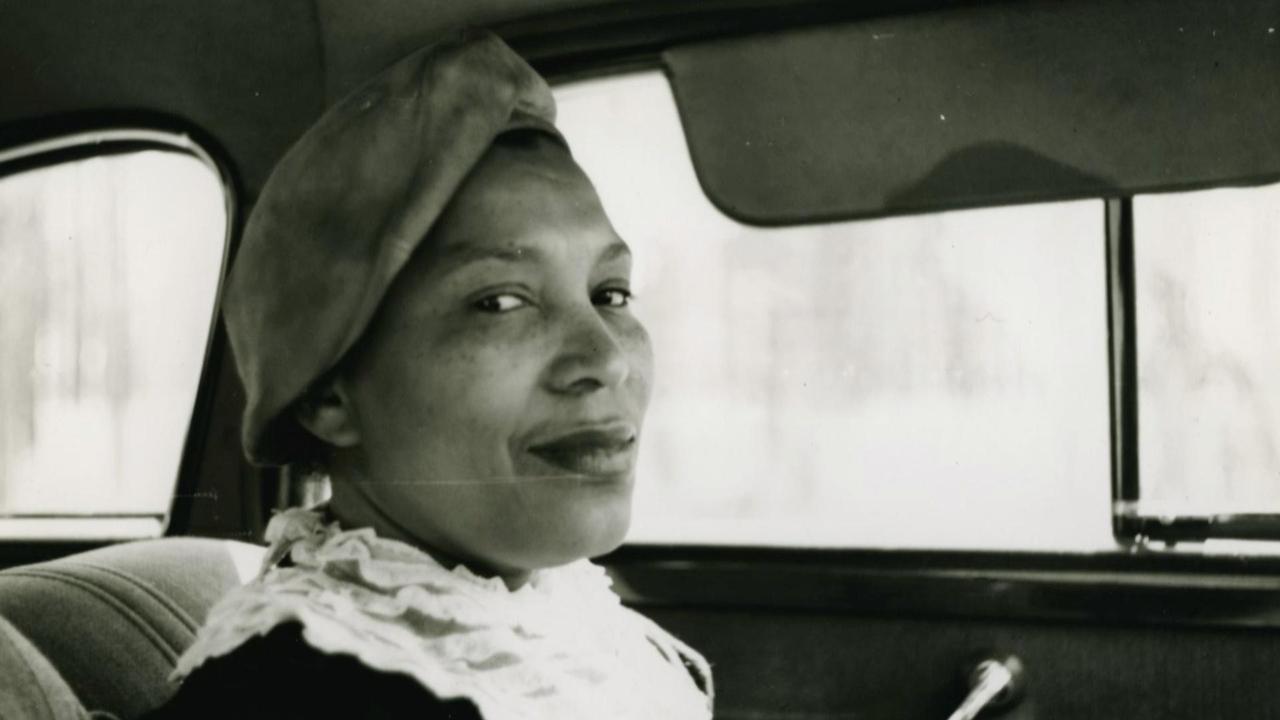

Zora Neale Hurston: Claiming a Space
2023-01-17 · 112 min · ★ 5.0
Raised in the small all-Black Florida town of Eatonville, Zora Neale Hurston studied at Howard University before arriving in New York in 1925. She would soon become a key figure of the Harlem Renaissance, best remembered for her novel, Their Eyes Were Watching God. But even as she gained renown in the Harlem literary circles, Hurston was also discovering anthropology at Barnard College with the renowned Franz Boas. She would make several trips to the American South and the Caribbean, documenting the lives of rural Black people and collecting their stories. She studied her own people, an unusual practice at the time, and during her lifetime became known as the foremost authority on Black folklore.
Trailers are previews, not full movies.
No authorized playback source configured. Use the legal watch options below.
Production details
- Directors
- Tracy Heather Strain
- Production companies
- PBS
- Countries
- United States of America
- Status
- Released
Top Cast
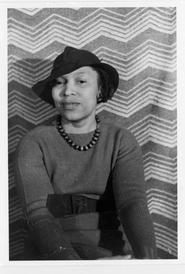 Zora Neale HurstonSelf (archive footage)
 Vanessa WilliamsNarrator (voice)
 Bahni TurpinZora Neale Hurston (voice)
Title information and images are supplied by TMDb. Explore our discovery guide for advice on comparing metadata and legal viewing options.
Where to watch
Availability provided by JustWatch via TMDb. Offers can change. Provider links are listed on TMDb; full playback requires a separately authorized source.
Streaming
PBS Documentaries Amazon Channel
Rental
Amazon Video
Purchase
Amazon Video
Free
Kanopy
View authorized watch options on TMDbSeasons & episodes
Recommendations

Diaries, audiotapes, videotapes and testimonials from friends and colleagues offer insight into the life and career of Gilda Radner -- the beloved comic and actress who became an icon on Saturday Night Live.
Using the book 'Fragments', which collects Marilyn Monroe's poems, notes and letters, and with participation from the Arthur Miller and Truman Capote estates who have contributed more material, each of the actresses will embody the legend at various stages in her life.

In the Realms of the Unreal is a documentary about the reclusive Chicago-based artist Henry Darger. Henry Darger was so reclusive that when he died his neighbors were surprised to find a 15,145-page manuscript along with hundreds of paintings depicting The Story of the Vivian Girls, in What is Known as the Realms of the Unreal, of the Glodeco-Angelinnian War Storm, Cased by the Child Slave Rebellion.

Musician and performance artist Laurie Anderson reflects on the deaths of her husband Lou Reed, her mother and her beloved dog.

As a visually radical memoir, CAMERAPERSON draws on the remarkable footage that filmmaker Kirsten Johnson has shot and reframes it in ways that illuminate moments and situations that have personally affected her. What emerges is an elegant meditation on the relationship between truth and the camera frame, as Johnson transforms scenes that have been presented on Festival screens as one kind of truth into another kind of story—one about personal journey, craft, and direct human connection.
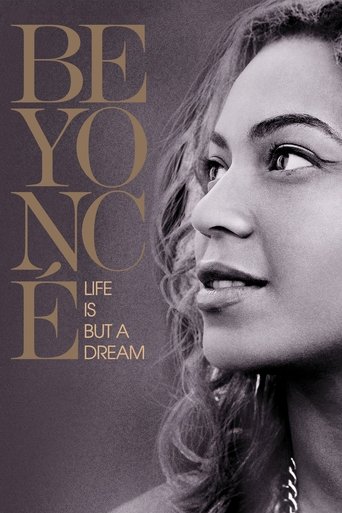
Life Is But a Dream is a HBO documentary about the life of US singer Beyoncé Knowles during the years 2011 and 2012 and on the recording of her fifth album. The film was directed by Beyoncé herself. The film shows Beyoncé from intimate moments of her pregnancy to behind the scenes and rehearsals of the main concerts of that time.

Documentary filmmaker Amy Berg investigates the life of 30-year pedophile Father Oliver O'Grady and exposes the corruption inside the Catholic Church that allowed him to abuse countless children. Victims' stories and a disturbing interview with O'Grady offer a view into the troubled mind of the spiritual leader who moved from parish to parish gaining trust ... all the while betraying so many.
Documentary about the art of film editing. Clips are shown from many groundbreaking films with innovative editing styles.

Cameramen and women discuss the craft and art of cinematography and of the "DP" (the director of photography), illustrating their points with clips from 100 films, from Birth of a Nation to Do the Right Thing. Themes: the DP tells people where to look; changes in movies (the arrival of sound, color, and wide screens) required creative responses from DPs; and, these artisans constantly invent new equipment and try new things, with wonderful results. The narration takes us through the identifiable studio styles of the 30s, the emergence of noir, the New York look, and the impact of Europeans. Citizen Kane, The Conformist, and Gordon Willis get special attention.
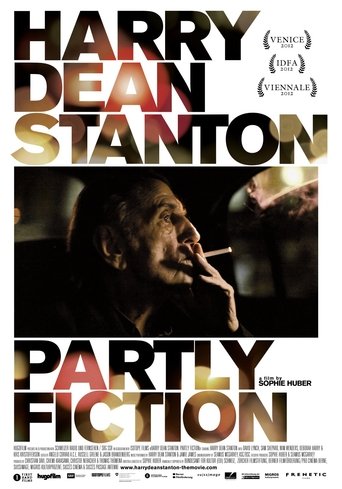
An impressionistic portrait of the iconic actor Harry Dean Stanton comprised of intimate moments, film clips from some of his 250 films and his renditions of American folk songs.
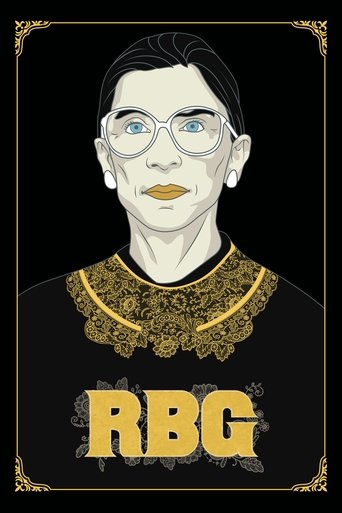
Justice Ruth Bader Ginsburg now 84, and still inspired by the lawyers who defended free speech during the Red Scare, Ginsburg refuses to relinquish her passionate duty, steadily fighting for equal rights for all citizens under the law. Through intimate interviews and unprecedented access to Ginsburg’s life outside the court, RBG tells the electric story of Ginsburg’s consuming love affairs with both the Constitution and her beloved husband Marty—and of a life’s work that led her to become an icon of justice in the highest court in the land.
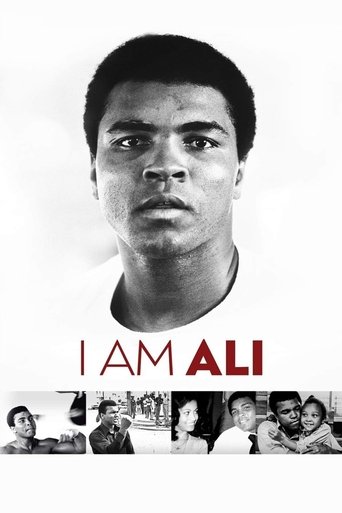
Unprecedented access to Muhammad Ali's personal archive of "audio journals" as well as interviews and testimonials from his inner circle of family and friends are used to tell the legend's life story.
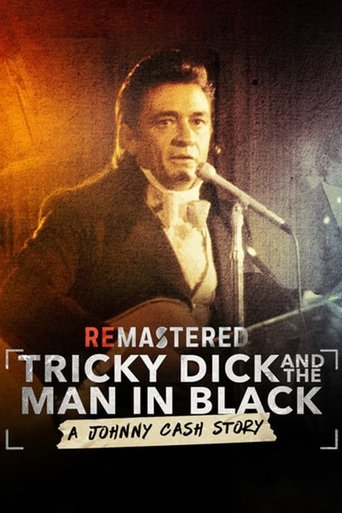
This documentary chronicles Johnny Cash's 1970 visit to the White House, where Cash's emerging liberal ideals clashed with Richard Nixon's policies.
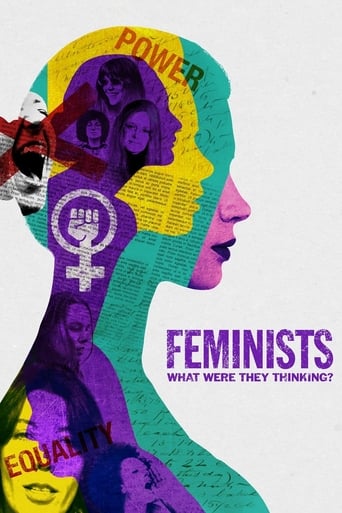
In 1977, a book of photographs captured an awakening - women shedding the cultural restrictions of their childhoods and embracing their full humanity. This documentary revisits those photos, those women and those times and takes aim at our culture today that alarmingly shows the need for continued change.
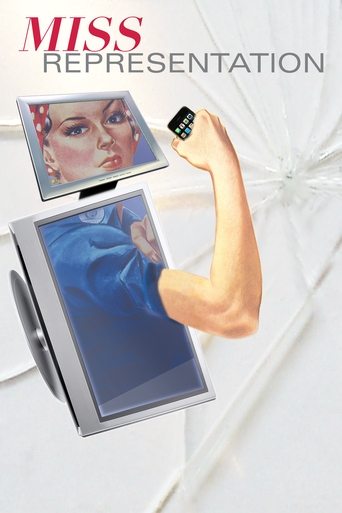
The film MISS REPRESENTATION exposes how American youth are being sold the concept that women and girls’ value lies in their youth, beauty and sexuality. Explores the under-representation of women in positions of power and influence in America, and challenges the media's limited portrayal of what it means to be a powerful woman. It’s time to break that cycle of mistruths.
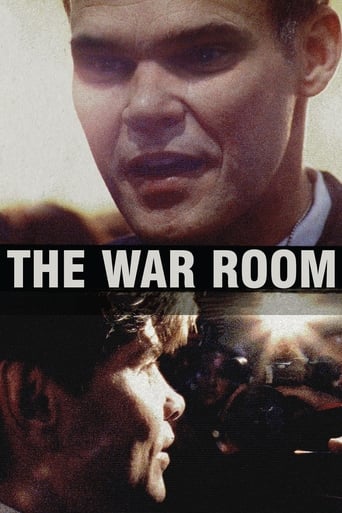
A behind-the-scenes documentary about the Clinton for President campaign, focusing on the adventures of spin doctors James Carville and George Stephanopoulos.

The epic life story of Alice Guy-Blaché (1873–1968), a French screenwriter, director and producer, true pioneer of cinema, the first person who made a narrative fiction film; author of hundreds of movies, but banished from history books. Ignored and forgotten. At last remembered.
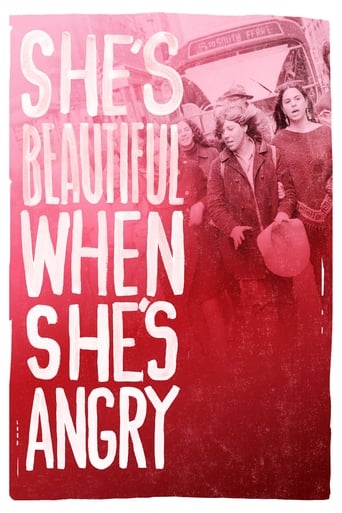
A documentary that resurrects the buried history of the outrageous, often brilliant women who founded the modern women's movement from 1966 to 1971.

A compilation of over 30 years of private home movie footage shot by Lithuanian-American avant-garde director Jonas Mekas, assembled by Mekas "purely by chance", without concern for chronological order.
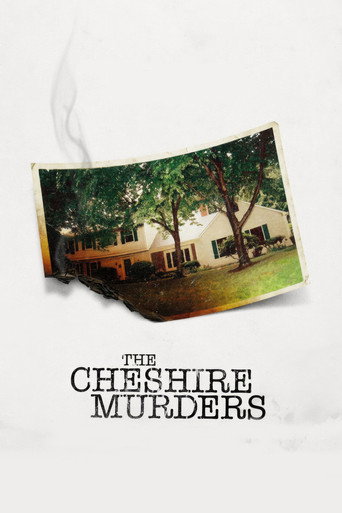
In the early-morning hours of July 23, 2007, in Cheshire, Conn., ex-convicts Steven Hayes and Joshua Komisarjevsky broke into the family home of William Petit, his wife, Jennifer, and their daughters, Michaela, 11, and Hayley, 17. Dr. Petit was beaten and tied to a pole in the basement. The three women were bound in their bedrooms while the men ransacked the house. The brutal ordeal continued throughout the morning, ending with rape, arson and a horrific triple homicide.
Similar titles

This film is an album of Native womanhood, portraying a proud matriarchal society that for centuries has been pressured to adopt different standards and customs. All of the women featured share a belief in the importance of tradition as a source of strength in the face of change.
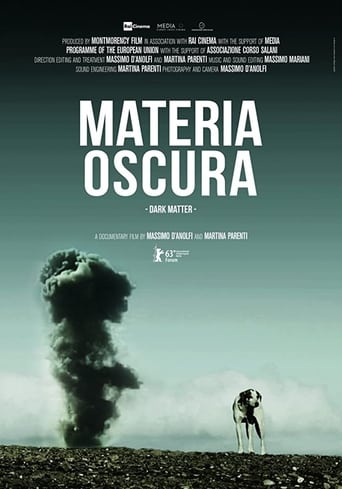
Materia oscura tells the story of a war zone in peacetime. The film location is the Salto di Quirra test range (Sardinia, Italy) where, for over fifty years, governments around the world have tested 'new weapons' and where the Italian government has carried out controlled explosions of old weapon stocks, inexorably endangering the territory.

An intimate look into the lives of one of the most iconic folk-rock bands in America - the Indigo Girls. With never-before-seen archival and intimate vérité the film dives into the songwriting and storytelling of the music that transformed a generation.

This movie takes us in the daily battle of 12 cartoonists around the world : France, Mexico, Israël, China, Russia, Ivory Coast...
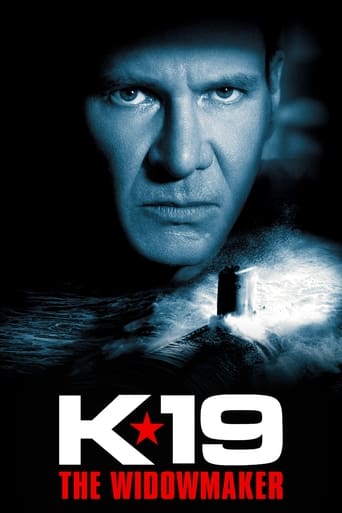
When Russia's first nuclear submarine malfunctions on its maiden voyage, the crew must race to save the ship and prevent a nuclear disaster.
Chuck Close, an astounding portrait of one of the world's leading contemporary painters, was one of two parting gifts (her second is a film on Louise Bourgeois) from Marion Cajori, a filmmaker who died recently, and before her time. With editing completed by filmmaker Ken Kobland, Chuck Close lives the life and work of a man who has reinvented portraiture. Close photographs his subjects, blows up the image to gigantic proportions, divides it into a detailed grid and then uses a complex set of colors and patterning to reconstruct each face.
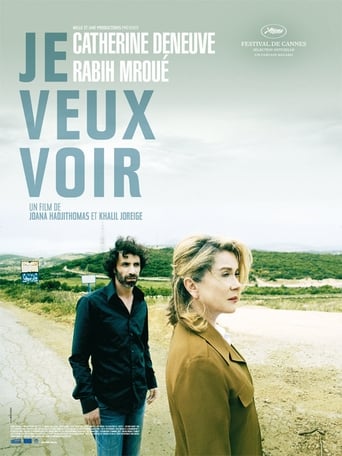
July 2006. Another war breaks out in Lebanon. The directors decide to follow a movie star, Catherine Deneuve and a friend, actor and artist Rabih Mroue;, on the roads of South Lebanon. Together, they will drive through the regions devastated by the conflict. It is the beginning of an unpredictable, unexpected adventure...
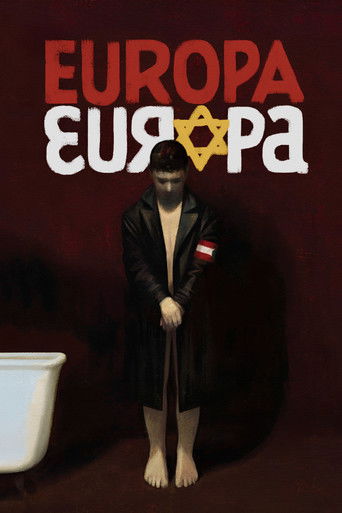
A Jewish boy separated from his family in the early days of WWII poses as a German orphan and is taken into the heart of the Nazi world as a 'war hero' and eventually becomes a Hitler Youth.
In 1947, two years after the end of the Second World War, Film Journal No. 1 was released in Sarajevo. Fifty years later, after the collapse of the Communist bloc, this newsreel was lost in the confusion of the fighting in Yugoslavia. In Journal No. 1 Hito Steyerl attempts to find out how the footage got lost and what was on this document from the Sutjeska studio. In the simultaneous projection of Journal No. 1 the ‘unattainability of an historical zero hour of the national identity’ takes concrete form: The lost newsreel reports on a literacy campaign as well as Muslim women confidently removing their headscarves. We listen however to eyewitnesses trying to recapture the lost content and we see the artist Arman Kulasic making a number of drawings that resemble the story-boards for the lost film. What appears to be moments of great change remain limited by subjective and uncertain memory. The film was premiered at documenta 12.
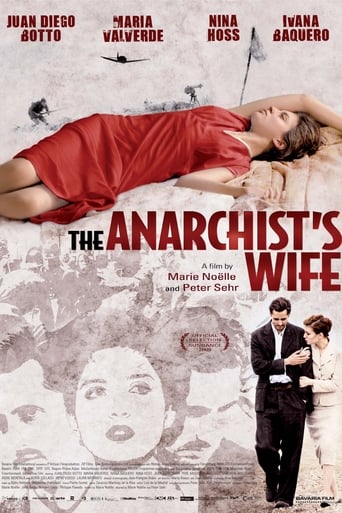
Manuela is left behind when her husband Justo fights for his ideals against Franco's Nationalists during the Spanish Civil War. He is deported to a concentration camp, and upon his release, continues the fight against nationalism in the French resistance. Years pass without a word from him, but his wife never gives up hope of seeing him again.

A look at the life of legendary American pilot Amelia Earhart, who disappeared while flying over the Pacific Ocean in 1937 in an attempt to make a flight around the world.
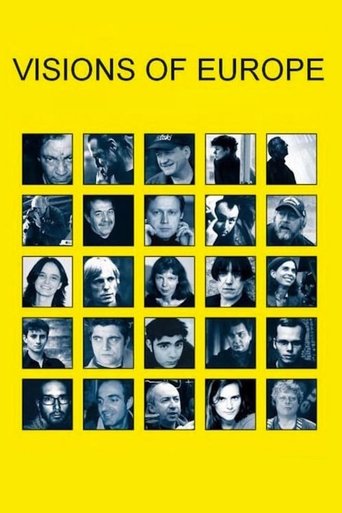
Twenty-five films from twenty-five European countries by twenty-five European directors.

Helen Hill remembers her grandfather just before his death (in part) by a metaphor involving him as a rapidly diminishing mouse.

In the summer of 1977, NASA sent Voyager 1 and Voyager 2 on an epic journey into interstellar space. Together and alone, they will travel until the end of the universe. Each spacecraft carries a golden record album, a massive compilation of images and sounds embodying the best of Planet Earth. According to Carl Sagan, “[t]he spacecraft will be encountered and the record played only if there are advanced space-faring civilizations in interstellar space. But the launching of this bottle into the cosmic ocean says something very hopeful about life on this planet.” While working on the golden record, Sagan met and fell madly in love with his future wife Annie Druyan. The record became their love letter to humankind and to each other. In the summer of 2010, I began my own hopeful voyage into the unknown. This film is a love letter to my fellow traveler. - Penny Lane

In 1945, 160 German cities lay in ruins and the loss of millions of lives, billions in material assets and countless cultural treasures was mourned throughout Europe... With the question “How could it happen?”, the film goes back to the year 1914, when the “primal catastrophe of the 20th century” took its course with the First World War.
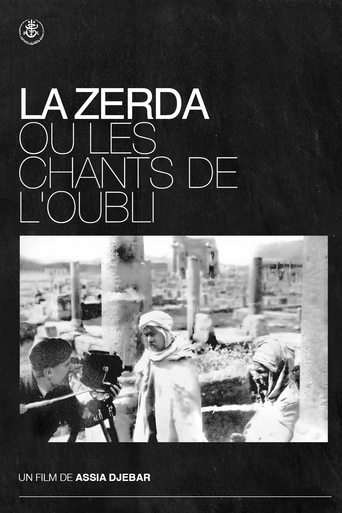
“La Zerda and the songs of oblivion” (1982) is one of only two films made by the Algerian novelist Assia Djebar, with “La Nouba des femmes du mont Chenoua” (1977). Powerful poetic essay based on archives, in which Assia Djebar – in collaboration with the poet Malek Alloula and the composer Ahmed Essyad – deconstructs the French colonial propaganda of the Pathé-Gaumont newsreels from 1912 to 1942, to reveal the signs of revolt among the subjugated North African population. Through the reassembly of these propaganda images, Djebar recovers the history of the Zerda ceremonies, suggesting that the power and mysticism of this tradition were obliterated and erased by the predatory voyeurism of the colonial gaze. This very gaze is thus subverted and a hidden tradition of resistance and struggle is revealed, against any exoticizing and orientalist temptation.
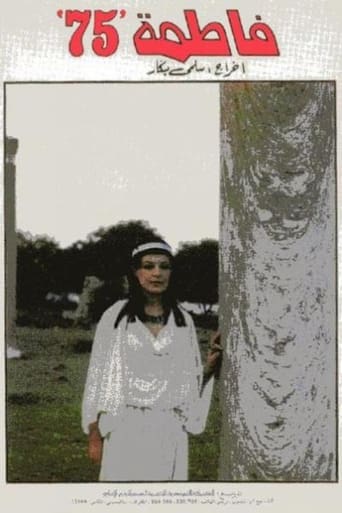
A pioneering film from Tunisia, Fatma 75 is the first non-fiction film by a Tunisian woman, a feminist essay film, and the first in a series of powerful films about strong female figures in the country. The film was made in the UN International Women's Year 1975, and has long been recognised as one of the most important films from North Africa, but has never officially been seen before due to censorship.

Examines the impact a century of struggling for survival has on a native people. It weaves the Crow tribe's turbulent past with modern-day accounts from Robert Yellow-tail, a 97-year-old Crow leader and a major reason for the tribe's survival. Poverty and isolation combine with outside pressures to undermine the tribe, but they resist defeat as "Contrary Warriors," defying the odds.
The space of the junkyard allows various ‘crash’ narratives to unfold, with the stories of actual crashes and the remnants and afterlife of these machines becoming metaphors for economic decline. This is an investigation of planes as they are parked during the economic downturn, stored and recycled, revealing unexpected connections between economy, violence and spectacle, finding perfect example in the form of the Boeing 4X-JYI, an aircraft first acquired by film director Howard Hughes for TWA, which was subsequently flown by the Israeli Airforce before finding its way to the Californian desert to be blown up for the Hollywood blockbuster Speed. Through intertwined narratives of people, planes and places Steyerl reveals cycles of capitalism incorporating and adapting to the changing status of the commodity, but also points at a horizon beyond this endless repetition.

Art, activism and disability are the starting point for what unfolds as a funny and intimate portrait of five surprising individuals. Director Bonnie Sherr Klein (Not a Love Story, and Speaking Our Peace) has been a pioneer of women's cinema and an inspiration to a generation of filmmakers around the world. SHAMELESS: the ART of Disability marks Klein's return to a career interrupted by a catastrophic stroke in 1987. Always the activist, she now turns the lens on the world of disability culture, and ultimately, the transformative power of art.