Narcotic Deaths
1970-01-23 · 48 min · Not rated
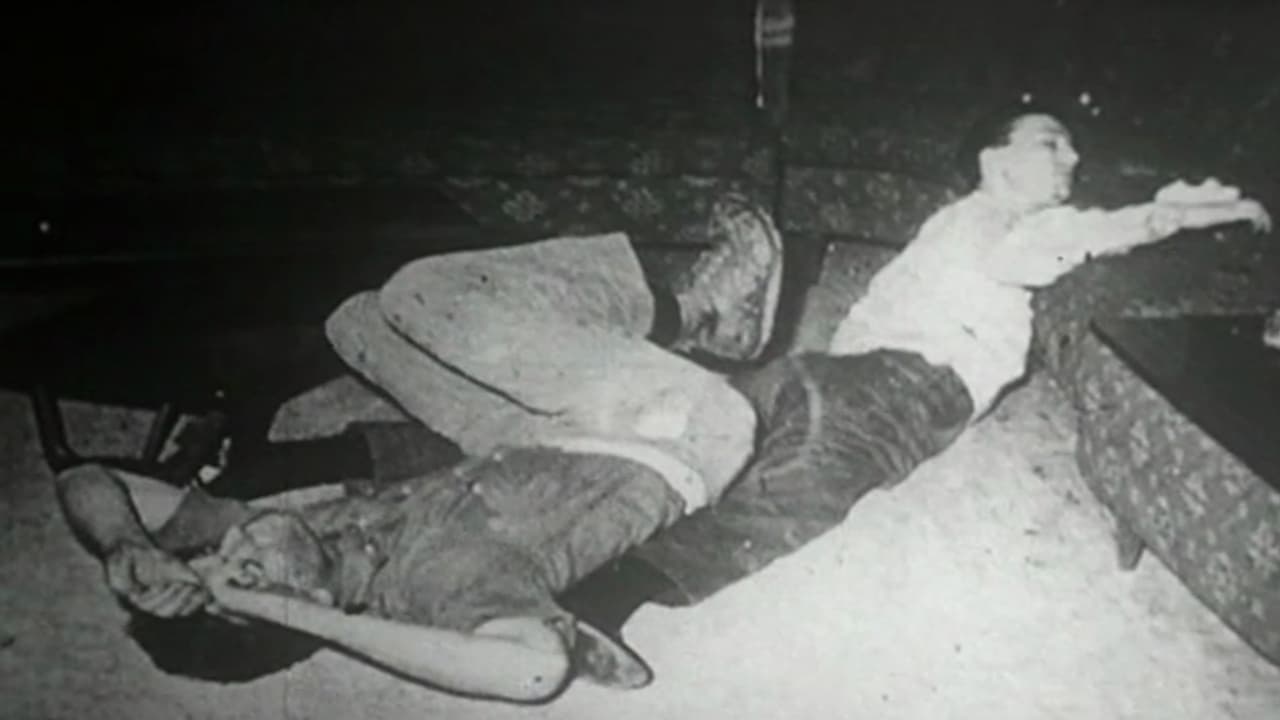
The purpose of this presentation is to discuss the types of narcotic deaths and drugs encountered by Dr. Milton Helpern in his post as Chief Medical Examiner for New York City and to describe internal and external body changes resulting from narcotism. This objective is achieved with the use of photographs of overdose victims and the equipment found and used by addicts. According to this presentation narcotic addiction which has been a problem for many years has increased markedly within the last twenty years. The use of amphetamines and marijuana is discussed briefly and the equipment used by addicts is described and illustrated. Dr. Helpern then shows photographs of overdose victims and describes the circumstances under which the body was found.
Trailers are previews, not full movies.
No authorized playback source configured. Use the legal watch options below.
Production details
- Directors
- Unavailable
- Production companies
- Unavailable
- Countries
- Unavailable
- Status
- Released
Top Cast
Title information and images are supplied by TMDb. Explore our discovery guide for advice on comparing metadata and legal viewing options.
Where to watch
Availability provided by JustWatch via TMDb. Offers can change. Provider links are listed on TMDb; full playback requires a separately authorized source.
Availability not listed for this country.
Seasons & episodes
Recommendations

Janis Joplin is one of the most respected and iconic rock & roll singers of all time, a tragic and misunderstood figure who captivated millions of listeners and blazed new creative trails before her death in 1970 at age 27. Director Amy Berg explored Joplin's story in depth. A portrait of a complicated, driven and often beleaguered artist. Joplin's own words recount a series of letters she wrote to her family over the years. Janis was a vessel of energy when she sang. Her rapid rise and untimely death changed music forever.
In the past 40 years, the War on Drugs has accounted for 45 million arrests, made America the world's largest jailer, and destroyed impoverished communities at home and abroad. Yet drugs are cheaper, purer, and more available today than ever. Where did we go wrong?

Told through performances, TV interviews, home movies, family photographs, private letters and unpublished memoirs, the film reveals the essence of an extraordinary woman who rose from humble beginnings in New York City to become a glamorous international superstar and one of the greatest artists of all time.

Musician and performance artist Laurie Anderson reflects on the deaths of her husband Lou Reed, her mother and her beloved dog.

Daniel Craig candidly reflects on his 15 year adventure as James Bond. Including never-before-seen archival footage from Casino Royale to the upcoming 25th film No Time To Die, Craig shares his personal memories in conversation with 007 producers, Michael G Wilson and Barbara Broccoli.

Long-lost footage from Elvis Presley's legendary Las Vegas residency in the 1970s woven together with rare 16mm footage from Elvis on Tour, and 8mm from the Graceland archive, plus recordings of Elvis telling "his side of the story" rediscovered during Baz Luhrmann's research for his 2022 film, Elvis.

As a visually radical memoir, CAMERAPERSON draws on the remarkable footage that filmmaker Kirsten Johnson has shot and reframes it in ways that illuminate moments and situations that have personally affected her. What emerges is an elegant meditation on the relationship between truth and the camera frame, as Johnson transforms scenes that have been presented on Festival screens as one kind of truth into another kind of story—one about personal journey, craft, and direct human connection.

The life and career of an actor, artist, and icon. His own journey through his own camera.
Reaching 29,029 feet, Mount Everest has long captivated mountaineers of all stripes. But a peak that draws athletes and mountaineers to new heights isn’t without danger — or a dark side. Perhaps the peak’s greatest mystery is the missing body of Andrew “Sandy” Irvine who disappeared alongside George Leigh Mallory in 1924 just 800 vertical feet from the summit. In Lost on Everest, we follow along as a team of elite climbers with new intel on the location of his missing body set out to solve what may be mountaineering’s great mystery. Along with the body, the team hopes to find Irvine’s camera and the footage that could rewrite history.

The life of Mr. Spock, as well as that of Leonard Nimoy, the actor who played him for almost fifty years, written and directed by his son: Adam.
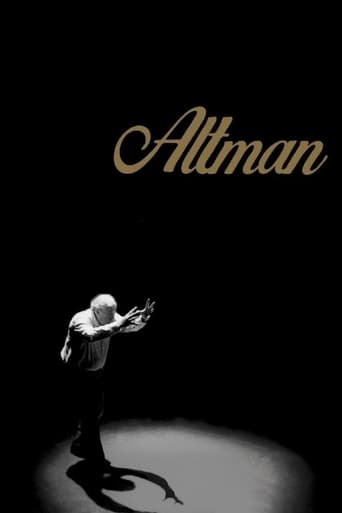
Robert Altman's life and career contained multitudes. This father of American independent cinema left an indelible mark, not merely on the evolution of his art form, but also on the western zeitgeist. With its use of rare interviews, representative film clips, archival images, and musings from his family and most recognizable collaborators, Altman is a dynamic and heartfelt mediation on an artist whose expression, passion and appetite knew few bounds.
Deep Web gives the inside story of one of the most important and riveting digital crime sagas of the century -- the arrest of Ross William Ulbricht, the 30-year-old entrepreneur convicted of being 'Dread Pirate Roberts,' creator and operator of online black market Silk Road. As the only film with exclusive access to the Ulbricht family, Deep Web explores how the brightest minds and thought leaders behind the Deep Web and Bitcoin are now caught in the crosshairs of the battle for control of a future inextricably linked to technology, with our digital rights hanging in the balance.
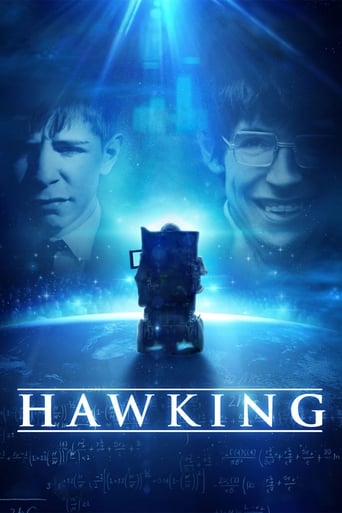
The extraordinary story of the planet’s most famous contemporary scientist, told in his own words and by those closest to him. Made with unique access to Hawking’s private life, this is an intimate and moving journey into Stephen's world, both past and present.
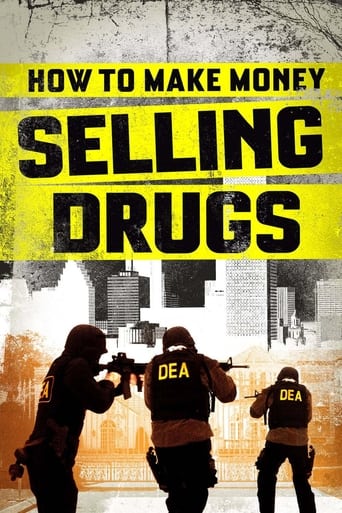
Ten easy steps show you how to make money from drugs, featuring a series of interviews with drug dealers, prison employees, and lobbyists arguing for tougher drug laws.
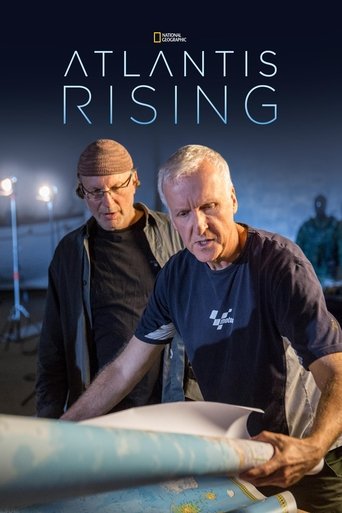
James Cameron and Simcha Jacobovici go on an adventure to find the lost city of Atlantis by using Greek philosopher Plato as a virtual treasure map.
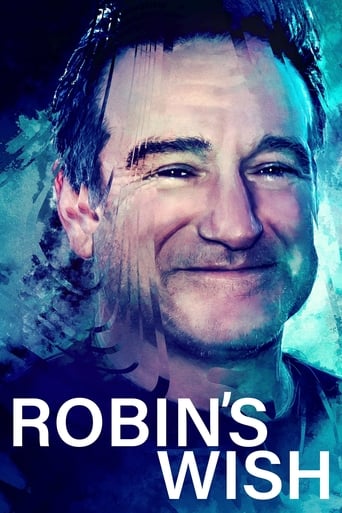
The final word in the story of what really happened to Robin Williams at the end of his life, focusing on his fight against a deadly neurodegenerative disorder known as Lewy body dementia.
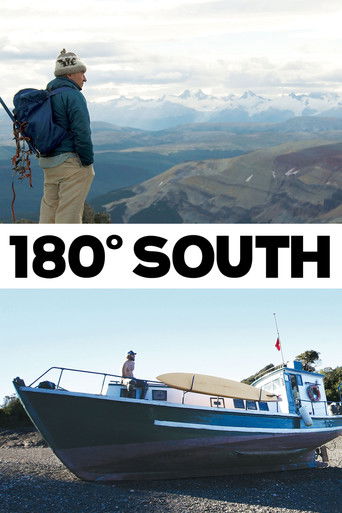
The film follows adventurer Jeff Johnson as he retraces the epic 1968 journey of his heroes Yvon Chouinard and Doug Tompkins to Patagonia.
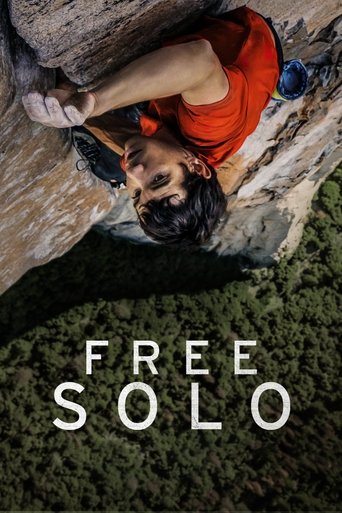
Follow Alex Honnold as he attempts to become the first person to ever free solo climb Yosemite's 3,000 foot high El Capitan wall. With no ropes or safety gear, this would arguably be the greatest feat in rock climbing history.

A documentary about how a dominant cultural and demographic institution both sustains their traditional activities and adapts to the digital revolution.

A documentary about ten very different lives connected by having appeared onscreen wearing masks or helmets in Star Wars.
Similar titles
This follow-up to the 1989 documentary ONE YEAR IN A LIFE OF CRIME revisits three of the original subjects in New Jersey during a five-year period in the 1990s. We share in their triumphs and setbacks as they navigate lives of poverty, drug abuse, AIDS, and petty crime.
Documentary revealing just how dangerous too much fat is to our most vital internal organs. The programme follows a specialist pathology team as they conduct a post-mortem on the body of a 17-stone woman whose body was donated to medical science. Their findings, as they dissect the body and its organs, are startling, exposing the devastating impact of obesity with stunning visuals and fascinating medical facts. Morbid obesity reduces life expectancy by an average of nine years and is blamed for over 30,000 deaths in the UK every year. With 65 per cent of people already overweight or obese, this extraordinary film is a powerful contribution to the debate about fat, food, lifestyle and how the health service will cope with the growing obesity crisis.
This short film takes a look at addiction and whom it affects, specifically those in the medical profession. It was sponsored in the interest of the medical profession by Winthrop Laboratories Limited

This experimental 1970 color documentary film, ostensibly designed to provoke classroom discussion employs a boldly unconventional approach to addressing the issues of drug addiction, featuring the music of Canadian singer-songwriter Bruce Cockburn. The film eschews narration for montage effects and extended fly-on-the-wall scenes of various drug users in conversation.
“Use Your Eyes” is a police training film produced by the Alhambra Police Department, California, in 1970. It is intended to demonstrate to police officers how to search a residence for evidence of marijuana use, and what rights they have to search the property once certain prima facia evidence is established.
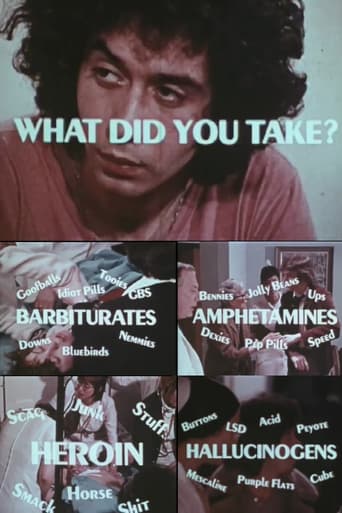
Stresses recognition and treatment of drug abuse emergencies, accurate identification of symptoms, and immediate clinical procedures. Presents scenes of actual cases in the emergency room and adjoining physician's offices of Beth Israel Medical Center in New York City. Viewers observe emergency treatment of patients in the major classes of drugs commonly abused, opiates, depressants, stimulants, and hallucinogens. The film demonstrates to health professionals that successful management of drug overdoses can save most lives and avert additional organic and psychiatric complications.
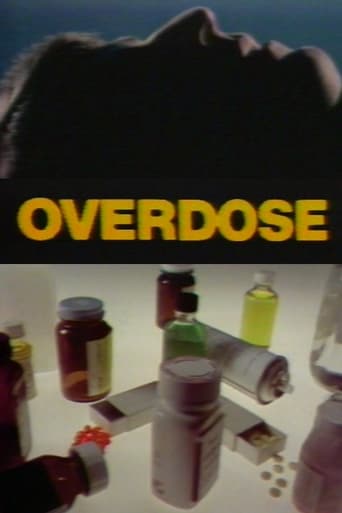
This program is an overview of best practices to keep a person who has overdosed alive between discovery and hospitalization. Practices include quickly finding or identifying the substance the person on which the person has overdosed and traveling to a hospital or other treatment site immediately. Several simulations of different situations are shown, and the narrator asks the viewer what he or she would do differently. It provides an excellent overview of the basic prehospital approach to an overdosed patient. The initial field management of a patient is covered, accompanied by well-done scenarios illustrating incorrect technique. Although the inclusion of more medical detail would have been beneficial, this is a compelling presentation which is highly recommended for use.
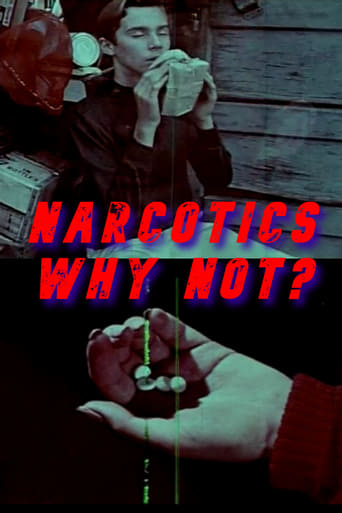
This film presents a series of extemporaneous interviews with teenagers and young adults who have taken narcotics for "kicks," "association," or "curiosity." Residents of the California Rehabilitation Center relate how they were introduced to narcotics, why they wished they had not used drugs or narcotics, and what the future holds for them. Film is shot in Hollywood, Calif.
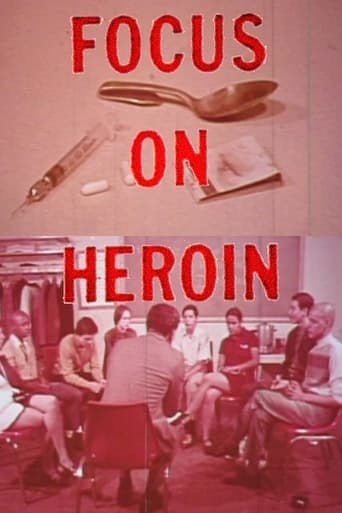
This film points out the risks of being a heroin addict. Explains that addicts cannot be identified solely with one particular socio-economic level and cannot always be detected by appearance. Addicts and ex-addicts describe the first and subsequent drugs they used.
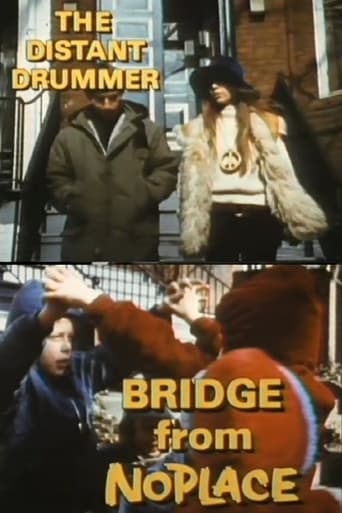
This film describes the 1960s drug culture. Addicts discuss their experiences in the United States and in Vietnam. Dr. Stanley Yolles, director of the National Institute of Mental Health (NIMH), talks about the drug culture and the NIMH role in prevention and treatment. The tape describes growth in the use of marijuana and heroin. In 1966, the Narcotic Addict Rehabilitation Act is the first law to give the addict a choice of treatment or jail. Synanon in California is a private, self-help, residential community that helps people deal with their addictions. New York's Daytop Village works not only with addicts on addictions, but on developing a new lifestyle. Methadone, though still experimental, has proved to be an effective treatment for heroin addiction.
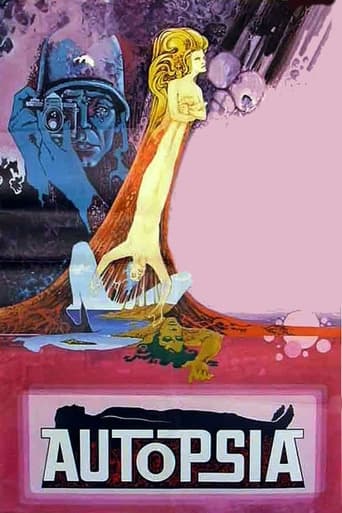
Mondo-style docudrama about a war correspondent who comes back home and has a spiritual crisis about his own mortality. Surreal fantasy sequences are mixed with graphic real autopsy footage.

Documentary following Jason Mewes' withdrawal from heroin and his struggle to stay clean.
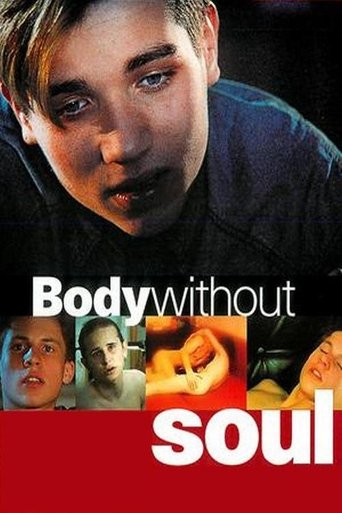
A stark documentary about young male prostitutes in Prague, aged 15 to 18, who work the streets, train stations, and clubs. Through candid interviews and behind-the-scenes footage of gay porn shoots, the film explores their lives, struggles, and dreams, touching on themes of exploitation, identity, AIDS, and survival.

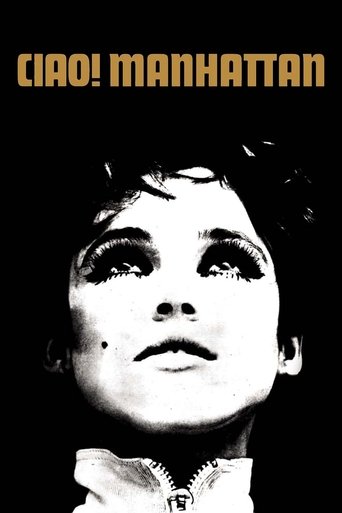
Fiction and documentary mingle in a freewheeling portrait of Susan Superstar, a New York celebrity on a drug-fueled downward slide that mirrors Edie Sedgwick’s own self-destructive spiral.

Educational film about the dangers of drug use and abuse in high school. Framed around the death of a classmate from overdose.
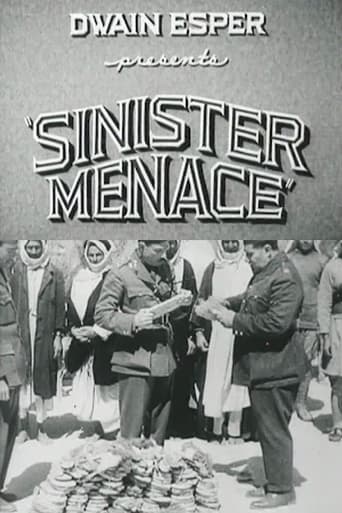
Early "shockumentary", apparently shot in Egypt, which documents the habits of opium addicts. The interiors of drug dens are shown, and at the conclusion the film an addict is shown collapsing on a sand dune; the booming voice of the narrator informs us that the addict has perished. Footage used is from the silent film Dope Fiends.

An educational video exploring drug addiction, including footage of real-life addicts going through rehab therapy.

A documentary on the life of Amy Winehouse, the immensely talented yet doomed songstress. We see her from her teen years, where she already showed her singing abilities, to her finding success and then her downward spiral into alcoholism and drugs.
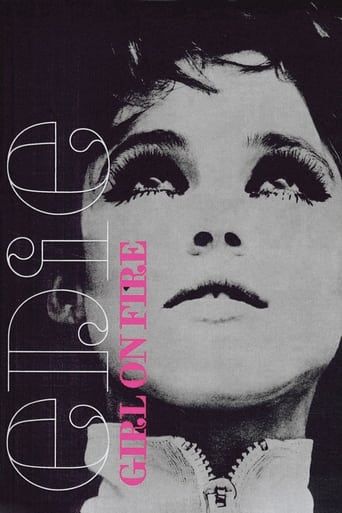
Model, film star, muse, socialite, icon. Edie Sedgwick was the very first "it" girl of the Andy Warhol Factory scene. The arc of her life traced the rise and fall of the 1960s recklessness. After being the toasted by the whole of New York City, Edie died alone of a drug overdose in California at the age of 28. She was both the harbinger of celebrity culture and someone who stood entirely outside of it, an artist who painted life, bravely and spontaneously, with her own hand.