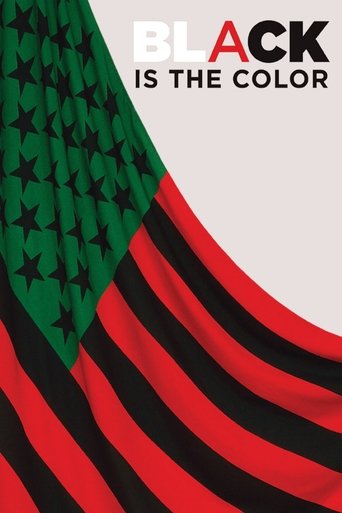
Black Is the Color: African-American Artists and Segregation
2016-07-07 · 52 min · Not rated
Black Is the Color highlights key moments in the history of Black visual art, from Edmonds Lewis’s 1867 sculpture Forever Free, to the work of contemporary artists such as Whitfield Lovell, Kerry James Marshall, Ellen Gallagher, and Jean-Michel Basquiat. Art historians and gallery owners place the works in context, setting them against the larger social contexts of Jim Crow, WWI, the civil rights movement and the racism of the Reagan era, while contemporary artists discuss individual works by their forerunners and their ongoing influence.
Trailers are previews, not full movies.
No authorized playback source configured. Use the legal watch options below.
Production details
- Directors
- Jacques Goldstein
- Production companies
- Les Films d'Ici, Bachibouzouk, ARTE
- Countries
- France
- Status
- Released
Top Cast
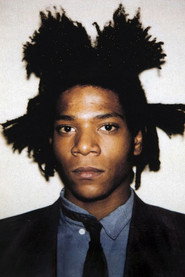 Jean-Michel Basquiat
 Patrick AlbenqueNarrator
Title information and images are supplied by TMDb. Explore our discovery guide for advice on comparing metadata and legal viewing options.
Where to watch
Availability provided by JustWatch via TMDb. Offers can change. Provider links are listed on TMDb; full playback requires a separately authorized source.
Streaming
OVID
Rental
Amazon Video, Apple TV Store
Purchase
Amazon Video, Apple TV Store
Free
Kanopy, Fawesome
With ads
Plex, Tubi TV
View authorized watch options on TMDbSeasons & episodes
Recommendations
In 1936, Victor H. Green (1892-1960) published The Negro Motorist Green Book, a book that was both a travel guide and a survival manual, to help African-Americans navigate safe those regions of the United States where segregation and Jim Crow laws were disgracefully applied.
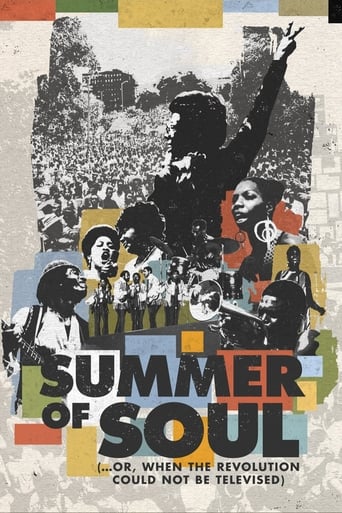
During the same summer as Woodstock, over 300,000 people attended the Harlem Cultural Festival, celebrating African American music and culture, and promoting Black pride and unity. The footage from the festival sat in a basement, unseen for over 50 years, keeping this incredible event in America's history lost — until now.
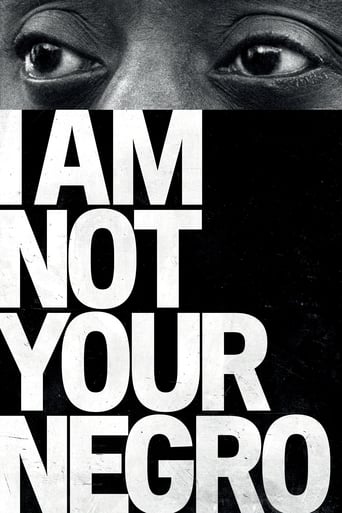
Working from the text of James Baldwin’s unfinished final novel, director Raoul Peck creates a meditation on what it means to be Black in the United States.
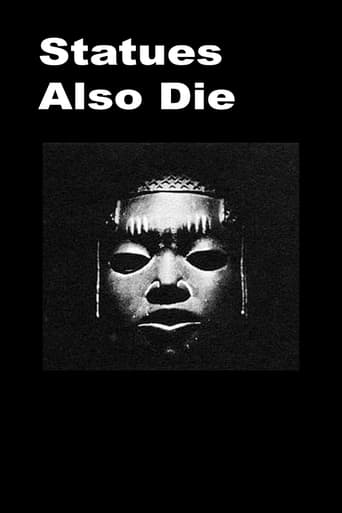
Commissioned by the journal Présence Africaine, this short documentary examines how African art is devalued and alienated through colonial and museum contexts. Beginning with the question of why African works are confined to ethnographic displays while Greek or Egyptian art is celebrated, the film became a landmark of anti-colonial cinema and was banned in France for eight years.

Cameramen and women discuss the craft and art of cinematography and of the "DP" (the director of photography), illustrating their points with clips from 100 films, from Birth of a Nation to Do the Right Thing. Themes: the DP tells people where to look; changes in movies (the arrival of sound, color, and wide screens) required creative responses from DPs; and, these artisans constantly invent new equipment and try new things, with wonderful results. The narration takes us through the identifiable studio styles of the 30s, the emergence of noir, the New York look, and the impact of Europeans. Citizen Kane, The Conformist, and Gordon Willis get special attention.

The history of cinematic sound, told by legendary sound designers and visionary filmmakers.
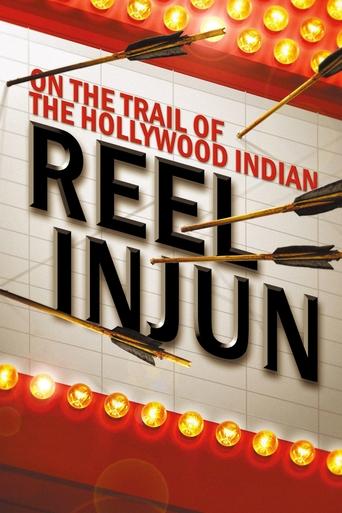
The evolution of the depiction of the various Native American peoples in cinema, from the silent era to the present day: how their image on the screen has changed the way to understand their history and culture.
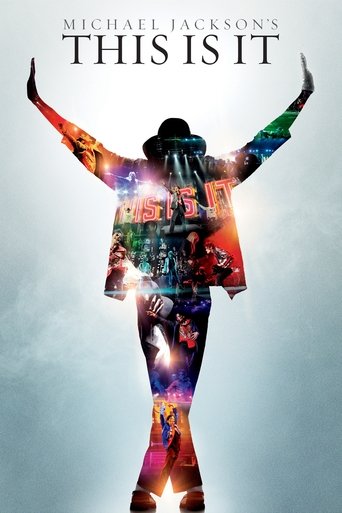
A compilation of interviews, rehearsals and backstage footage of Michael Jackson as he prepared for his series of sold-out shows in London.
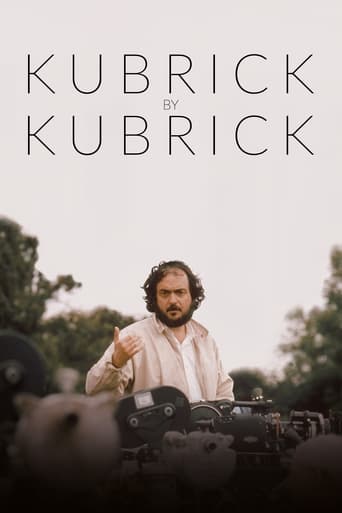
American filmmaker Stanley Kubrick (1928–1999), one of the greatest in history, but also one of the most reserved, gave few interviews throughout his long career, and none of them were filmed. A first-person journey through his life and work, based on a recorded conversation with French film critic Michel Climent.
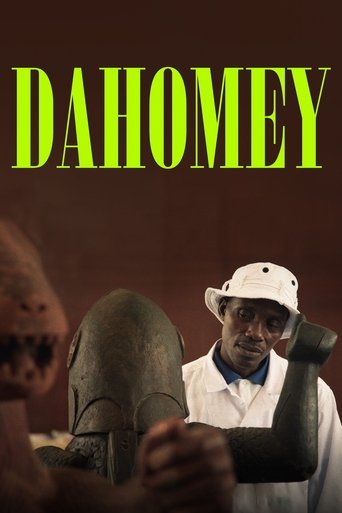
Thousands of royal artifacts of Dahomey, a West African kingdom, were taken by French colonists in the 19th century for collection and display in Paris. Centuries later, a fraction returned to their home in modern-day Benin. This dramatized documentary follows the journey of 26 of the treasures as told by cultural art historians, embattled university students, and one of the repatriated statues himself.
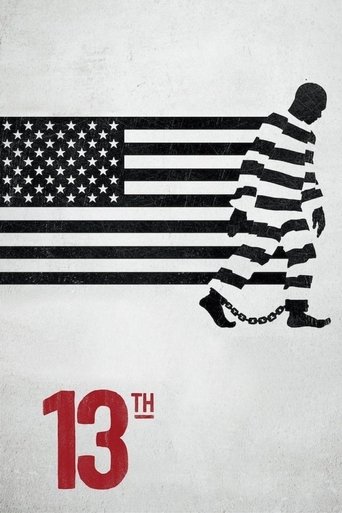
An in-depth look at the prison system in the United States and how it reveals the nation's history of racial inequality.
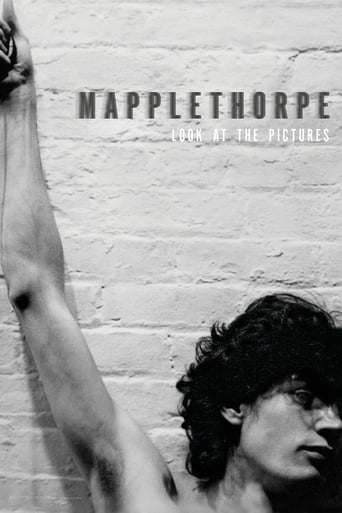
Nude men in rubber suits, close-ups of erections, objects shoved in the most intimate of places—these are photographs taken by Robert Mapplethorpe, known by many as the most controversial photographer of the twentieth century. Openly gay, Mapplethorpe took images of male sex, nudity, and fetish to extremes that resulted in his work still being labelled by some as pornography masquerading as art. But less talked about are the more serene, yet striking portraits of flowers, sculptures, and perfectly framed human forms that are equally pioneering and powerful.
A story of two coalitions – ACT UP and TAG (Treatment Action Group) – whose activism and innovation turned AIDS from a death sentence into a manageable condition. Despite having no scientific training, these self-made activists infiltrated the pharmaceutical industry and helped identify promising new drugs, moving them from experimental trials to patients in record time.
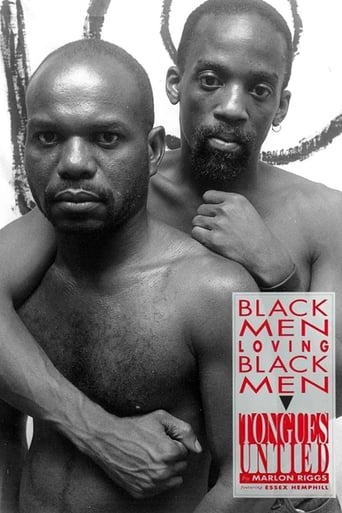
Marlon Riggs, with assistance from other gay Black men, especially poet Essex Hemphill, celebrates Black men loving Black men as a revolutionary act. The film intercuts footage of Hemphill reciting his poetry, Riggs telling the story of his growing up, scenes of men in social intercourse and dance, and various comic riffs, including a visit to the "Institute of Snap!thology," where men take lessons in how to snap their fingers: the sling snap, the point snap, the diva snap.
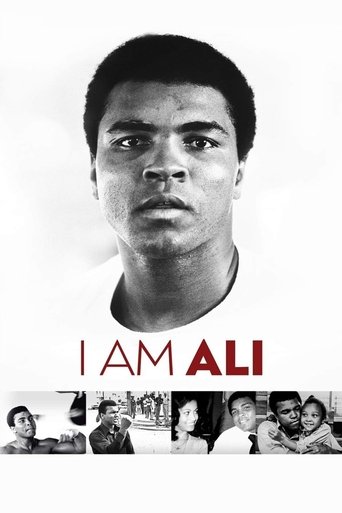
Unprecedented access to Muhammad Ali's personal archive of "audio journals" as well as interviews and testimonials from his inner circle of family and friends are used to tell the legend's life story.

Oliver Stone charts the history of the United States from the Second World War to the present.
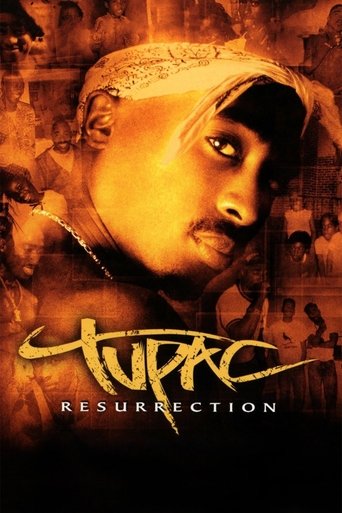
Home movies, photographs, and recited poetry illustrate the life of Tupac Shakur, one of the most beloved, revolutionary, and volatile hip-hop MCs of all time.

Though legendary lyricist Howard Ashman died far too young, his impact on Broadway, movies, and the culture at large were incalculable. Told entirely through rare archival footage and interviews with Ashman’s family, friends, associates, and longtime partner Bill Lauch, Howard is an intimate tribute to a once-in-a-generation talent and a rousing celebration of musical storytelling itself.
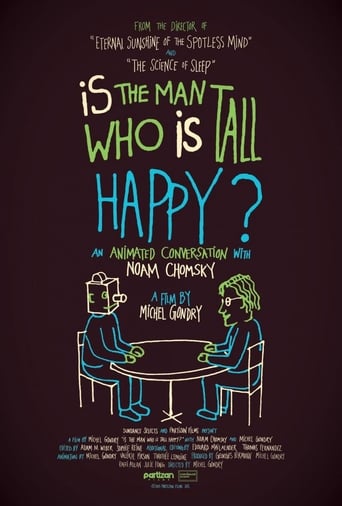
A series of interviews featuring linguist, philosopher and activist Noam Chomsky done in hand-drawn animation.
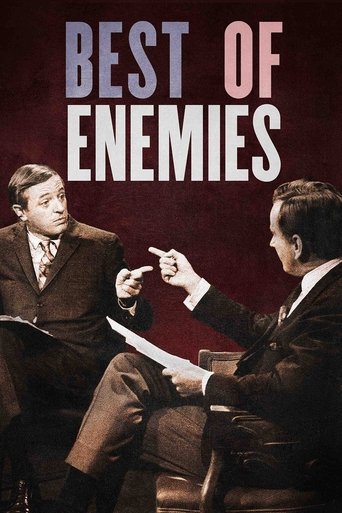
A documentary about the legendary series of nationally televised debates in 1968 between two great public intellectuals, the liberal Gore Vidal and the conservative William F. Buckley Jr. Intended as commentary on the issues of their day, these vitriolic and explosive encounters came to define the modern era of public discourse in the media, marking the big bang moment of our contemporary media landscape when spectacle trumped content and argument replaced substance. Best of Enemies delves into the entangled biographies of these two great thinkers, and luxuriates in the language and the theater of their debates, begging the question, "What has television done to the way we discuss politics in our democracy today?"
Similar titles
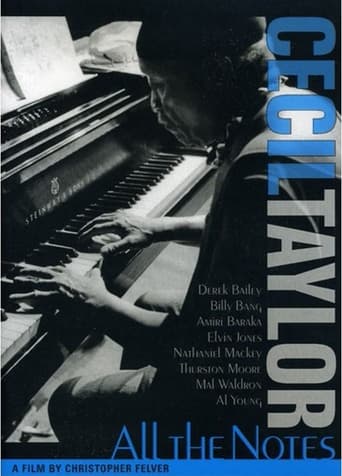
Cecil Taylor was the grand master of free jazz piano. "All the Notes" captures in breezy fashion the unconventional stance of this media-shy modern musical genius, regarded as one of the true giants of post-war music. Seated at his beloved and battered piano in his Brooklyn brownstone the maestro holds court with frequent stentorian pronouncements on life, art and music.
The true story of Mamie Till Mobley's relentless pursuit of justice for her 14-year-old son, Emmett Till, who, in 1955, was lynched while visiting his cousins in Mississippi.

In the history of “The Simpsons,” few characters outside the title family have had as much cultural impact as Apu Nahasapeemapetilon, the Springfield convenience store owner. Comedian Hari Kondabolu is out to show why that might be a problem.
Stonecutters emigrated from northern Italy to Barre, Vermont, the "Granite Capital of the World." Follow the artisans and their families from quarries, workshops and schools in Italy to granite carving sheds in New England, as they seek their own identities, choosing what to keep and what to cut away from their American and Italian legacies.
Not everything has been told about World War One. This documentary tries to explain how tens of millions of men could have suffered the unbelievable toughness of life in trenches during the 4 year ordeal. How could they have accepted the idea of a sure death or injury while not being able to tell why they were fighting.
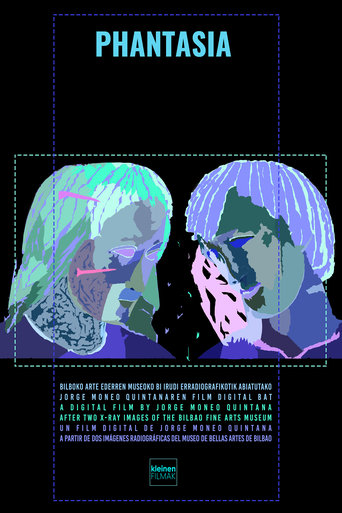
X-ray images were invented in 1895, the same year in which the Lumière brothers presented their respective invention in what today is considered to be the first cinema screening. Thus, both cinema and radiography fall within the scopic regime inaugurated by modernity. The use of X-rays on two sculptures from the Bilbao Fine Arts Museum generates images that reveal certain elements of them that would otherwise be invisible to our eyes. These images, despite being generally created for technical or scientific purposes, seem to produce a certain form of 'photogénie': they lend the radiographed objects a new appearance that lies somewhere between the material and the ethereal, endowing them with a vaporous and spectral quality. It is not by chance that physics and phantasmagoria share the term 'spectrum' in their vocabulary.
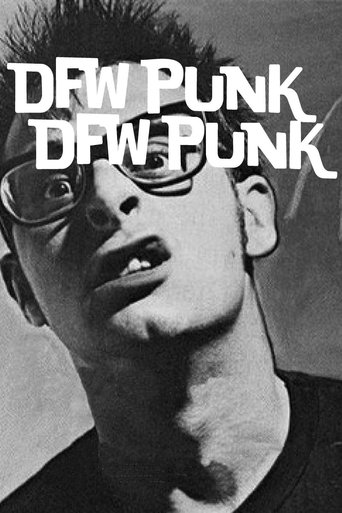
DFW Punk, covering the Dallas/Ft. Worth punk/new wave scene. If you thought Texas in the late ’70s was all about urban cowboys, country tunes and bible-thumping, get ready to be proved dead wrong. 2007, MiniDV.

Short documentary of David Lynch building a lamp.
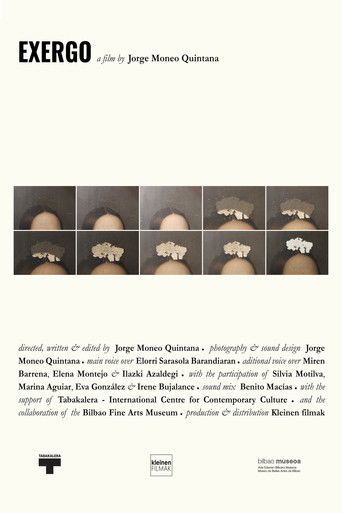
Departing from peripheral details of some paintings of the Bilbao Fine Arts Museum, a female narrator unravels several stories related to the economic, social and psychological conditions of past and current artists.
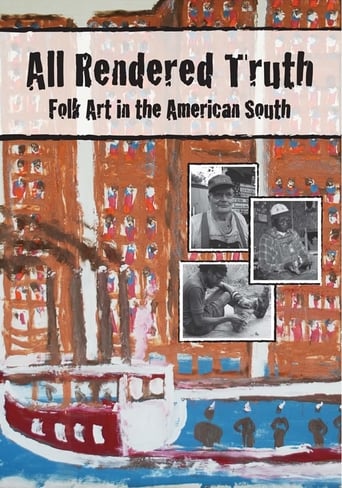
A film documenting the soulful art, environments, and voices of self-taught artists on the back roads of the American South.


An analysis of the impact on the United States Latino community of immigration policies promoted by President Donald Trump.
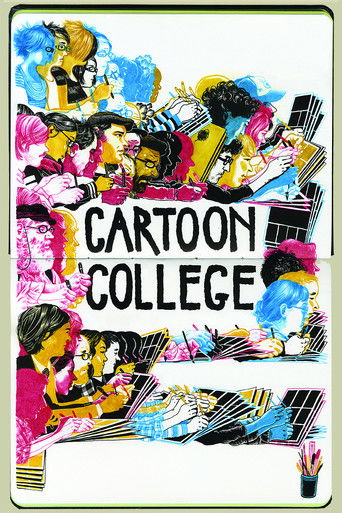
Every fall, The Center for Cartoon Studies invites 20 aspiring cartoonists to White River Junction, Vermont for a no-holds-barred education in comics. Those who complete the two-year program earn a Master of Fine Arts degree and are ready to face the hardship of a career in one of the world's most drudgery-inducing art forms. This is their story.
Poème Électronique is an 8-minute piece of electronic music by composer Edgard Varèse, written for the Philips Pavilion at the 1958 Brussels World’s Fair. The Philips corporation commissioned Le Corbusier to design the pavilion, which was intended as a showcase of their engineering progress. The pavilion was shaped like a stomach, with a narrow entrance and exit on either side of a large central space. As the audience entered and exited the pavilion, the electronic composition Concret PH by Iannis Xenakis (who also acted as Le Corbusier's architectural assistant for the pavilion's design) was heard. Poème électronique was synchronized to a film of black and white photographs selected by Le Corbusier which touched on vague themes of human existence.

This film made by a Palestinian-Israeli collective shows the destruction of the occupied West Bank's Masafer Yatta by Israeli soldiers and the alliance which develops between the Palestinian activist Basel and Israeli journalist Yuval.
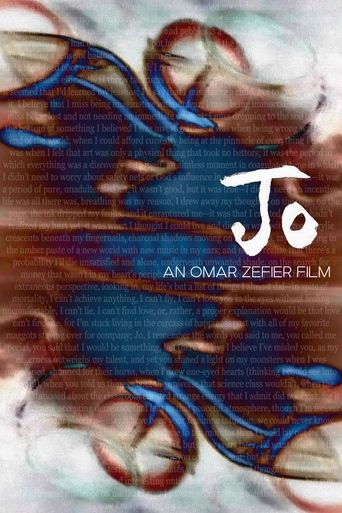
Jo; or The Act of Riding a Bike is Zefier's third film.
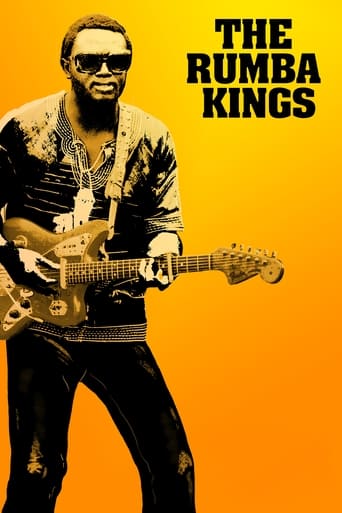
In the fifties, when the future Democratic Republic of Congo was still a Belgian colony, an entire generation of musicians fused traditional African tunes with Afro-Cuban music to create the electrifying Congolese rumba, a style that conquered the entire continent thanks to an infectious rhythm, captivating guitar sounds and smooth vocals.