Paris, June 1971
1971-01-01 · 16 min · Not rated
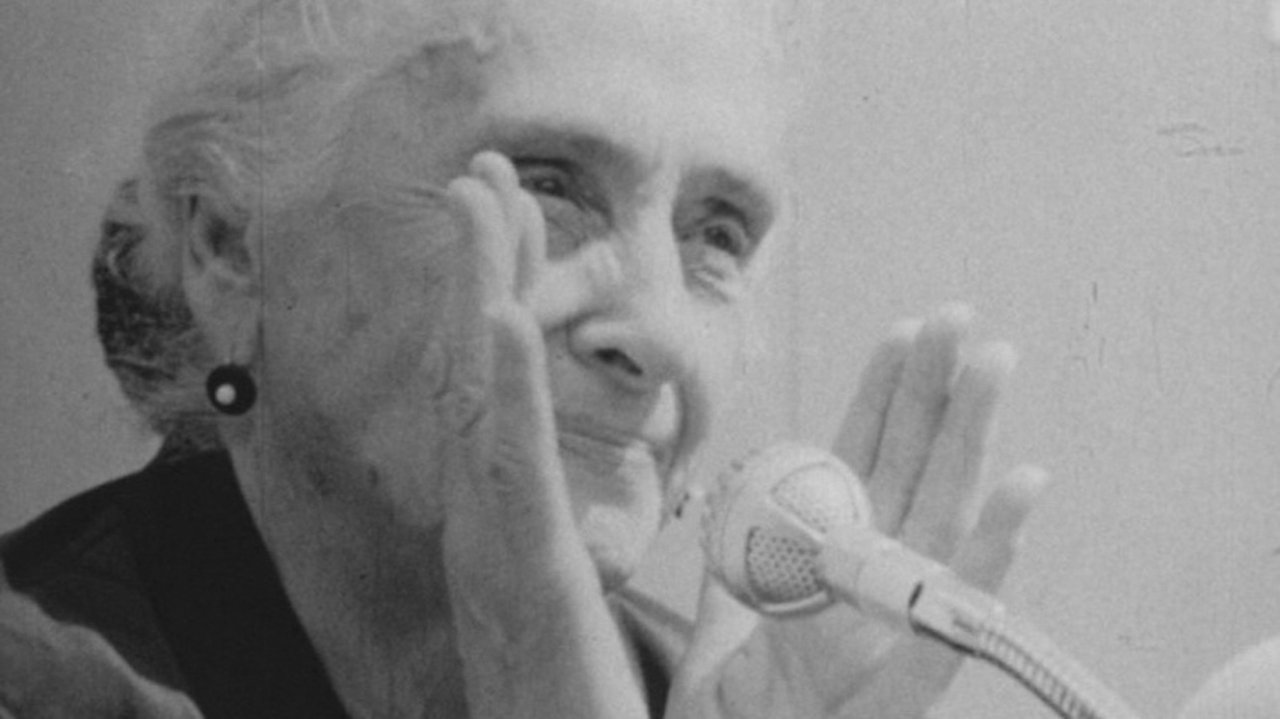
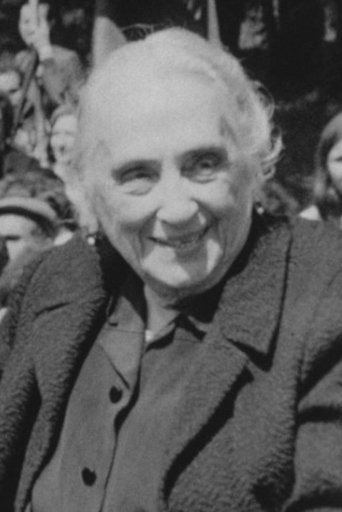
On June 20th, 1971, thousands of Spanish Republicans from all around Europe meet up in Montreuil, France to take part in an event initiated by the French and the Spanish Communist Parties, to protest against Franco's dictatorship.
Trailers are previews, not full movies.
No authorized playback source configured. Use the legal watch options below.
Production details
- Directors
- Unavailable
- Production companies
- Unicité
- Countries
- France, Spain
- Status
- Released
Top Cast
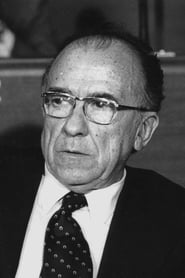 Santiago CarrilloHimself
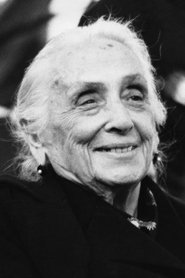 Dolores IbárruriHerself
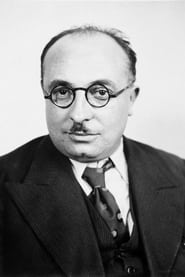 Jacques DuclosHimself
Title information and images are supplied by TMDb. Explore our discovery guide for advice on comparing metadata and legal viewing options.
Where to watch
Availability provided by JustWatch via TMDb. Offers can change. Provider links are listed on TMDb; full playback requires a separately authorized source.
Availability not listed for this country.
Seasons & episodes
Recommendations
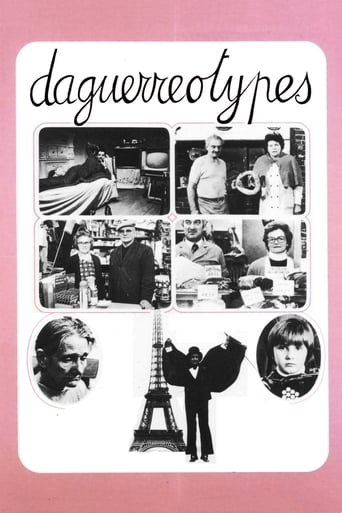
An intimate portrait of the small shops and shopkeepers of the Rue Daguerre in Paris, a picturesque street that has been the filmmaker’s home for more than 50 years.
A road trip across five countries to explore the social and political movements as well as the mainstream media's misperception of South America while interviewing seven of its elected presidents.

The film follows adventurer Jeff Johnson as he retraces the epic 1968 journey of his heroes Yvon Chouinard and Doug Tompkins to Patagonia.
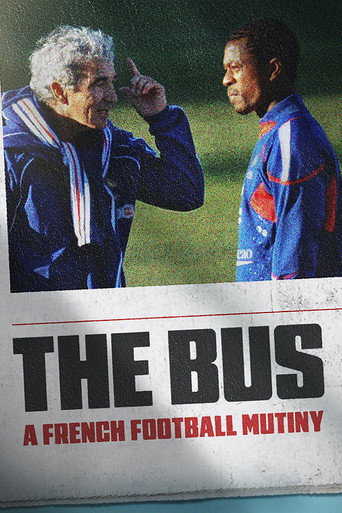
This documentary revisits the French football team's controversial 2010 World Cup and the bus strike that sparked global headlines and national outrage.

A documentary about ten very different lives connected by having appeared onscreen wearing masks or helmets in Star Wars.

This revealing documentary honors the legendary Sidney Poitier—iconic actor, filmmaker, and civil rights activist. Featuring interviews with Denzel Washington, Spike Lee, Halle Berry, and more.
This revealing portrait of Cuba follows the lives of Fidel Castro and three Cuban families affected by his policies over the last four decades.
Academy Award winner Errol Morris pulls back the curtain on the storied life and career of David Cornwell, the former spy known to the literary world as John le Carré.
Captured during Billie Eilish's sold-out world tour, a concert experience from one of the most celebrated and successful artists of her generation, presented in immersive 3D.
A backstage and on-stage look at Justin Bieber during his rise to super stardom.

Al Pacino's deeply-felt rumination on Shakespeare's significance and relevance to the modern world through interviews and an in-depth analysis of "Richard III."

An inside look at one of the most anticipated movie sequels ever with James Cameron and cast.

A documentary about how a dominant cultural and demographic institution both sustains their traditional activities and adapts to the digital revolution.
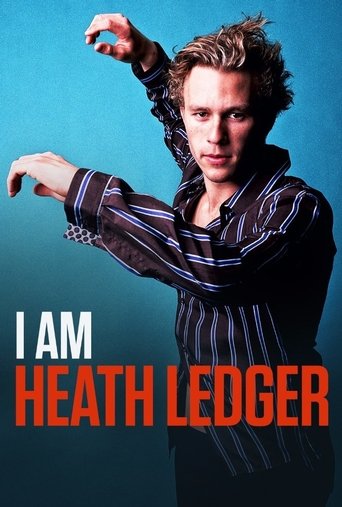
The life and career of an actor, artist, and icon. His own journey through his own camera.
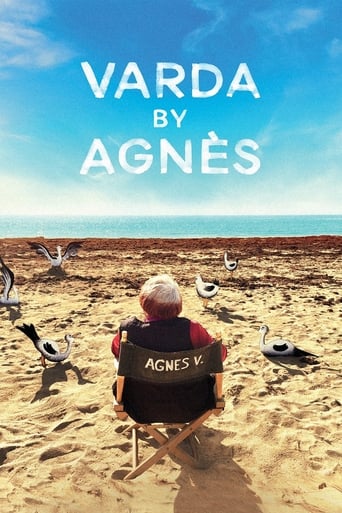
An unpredictable documentary from a fascinating storyteller, Agnès Varda’s last film sheds light on her experience as a director, bringing a personal insight to what she calls "cine-writing," traveling from Rue Daguerre in Paris to Los Angeles and Beijing.
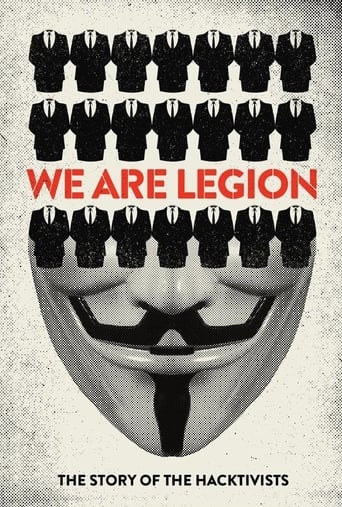
Takes us inside the world of Anonymous, the radical "hacktivist" collective that has redefined civil disobedience for the digital age. The film explores early hacktivist groups like Cult of the Dead Cow and Electronic Disturbance Theater, then moves to Anonymous' raucous beginnings on the website 4chan. Through interviews with current members, people recently returned from prison or facing trial, writers, academics, activists and major players in various "raids," the documentary traces Anonymous’ evolution from merry pranksters to a full-blown movement with a global reach, the most transformative civil disobedience of our time.
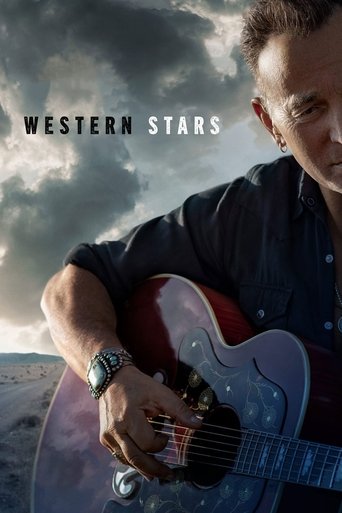
The incomparable Bruce Springsteen performs his critically acclaimed latest album and muses on life, rock, and the American dream, in this intimate and personal concert film co-directed by Thom Zimny and Springsteen himself.
Using the book 'Fragments', which collects Marilyn Monroe's poems, notes and letters, and with participation from the Arthur Miller and Truman Capote estates who have contributed more material, each of the actresses will embody the legend at various stages in her life.
'The Seat' is an unprecedented inside look that led to a once-in-a-generation driver change in Mercedes and F1 history. It reveals the private conversations that led the Mercedes team and Toto Wolff, its Team Principal and CEO, to its decision to promote 18-year-old Italian-born Kimi Antonelli to a Formula 1 Driver, making him the third-youngest rookie in the sport's history. The film follows Kimi, in the lead up to his first Formula 1 season as he takes on his destiny.

In this fascinating Oscar-nominated documentary, American guitarist Ry Cooder brings together a group of legendary Cuban folk musicians (some in their 90s) to record a Grammy-winning CD in their native city of Havana. The result is a spectacular compilation of concert footage from the group's gigs in Amsterdam and New York City's famed Carnegie Hall, with director Wim Wenders capturing not only the music -- but also the musicians' life stories.
Similar titles
Bosnian Croat writer Miljenko Jergović and Serbian writer Marko Vidojković replace one another by the steering wheel of Yugo, a symbol of their common past while driving on the Brotherhood and Unity Highway that stretched across five of six republics of Yugoslavia.
"El campo para el hombre" was a politically militant documentary about the small holdings of land in the north of Spain and the large estates in the south of the country. This film portrays the exploitation and misery of the Spanish peasants, but also their class-consciousness and their will to fight for their rights and freedom. The film was shot in the late years of Franco's dictatorship, so it was made in secrecy (the directors were connected to the Spanish Communist Party).
1968, The Socialist Republic of Romania. Women catch up on the latest tendencies in beachwear, the young hippies of Hamburg are harshly criticized by Romanian students, while Nicolae Ceaușescu reads the famous defiance speech against the intervention of the Warsaw Pact troops in Czechoslovakia. Floating solemnly over all this is The Internationale, sung on a stadium by a crowd of pioneers dressed in white shirts and red ties. A certainty for each probability: the documentary is at the same time a history lesson and an ideological warning sign, the director’s endeavour permanently draws our attention to the functions of the propaganda film, yet without tarnishing the fascination that dwells in the core of the images, that of the figures that wave at us from a past buried in commonplaces and political parti pris.
A film about the dramatic and extraordinary fate of the lonely man who confronted the meat grinder of the communist regime. Georgy Konstantinov, 19 years old, blew up Stalin's monument in Sofia and death passed him by only because the dictator died two days later. He miraculously survived 10 years in prison and psychiatric wards and managed to escape to France. His State Security file numbers more than 40,000 pages. Even today, he does not cease to expose the crimes of the regime with the strength of truth and of his character.
An account of the life and work of the Polish writer Stanisław Lem (1921-2006), a key figure in science fiction literature involved in mysteries and paradoxes that need to be enlightened.
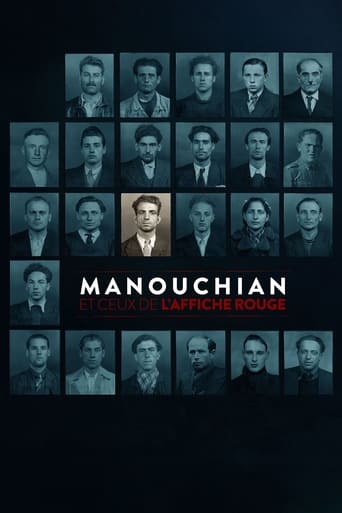
In February 1944, in a courtyard at Fresnes Prison, the Germans staged a spectacle to stigmatize a group of communist resistance fighters—all foreigners and mostly Jewish—who had been arrested a few weeks earlier. The propaganda aimed to discredit these fighters, portraying them as terrorists and criminals, even though they had managed to carry out numerous attacks against the occupiers in Paris. The red poster, plastered in thousands of copies across the country, would immortalize them in legend. They were subsequently executed at Mont-Valérien, near Paris. Missak Manouchian, the Armenian who led these fighters, now embodies this group in the collective memory as he is enshrined in the Panthéon, on behalf of all his comrades, 80 years after their execution.
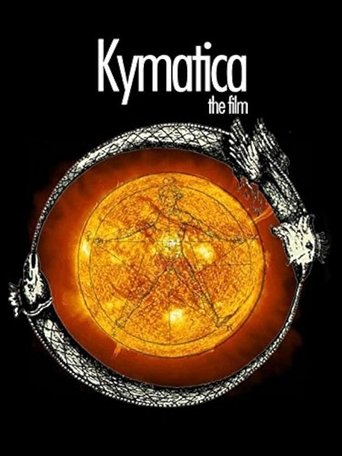
Ben Stewart, the bright young musician and philosopher who brought us the sleeper hit "Esoteric Agenda", unveils his new work, Kymatica!. Kymatica will venture into the realm of Cymatics and Shamanic practices. It will offer insight into the human psyche and discuss matters of spirituality, altered states of consciousness and much more! Not to be missed!
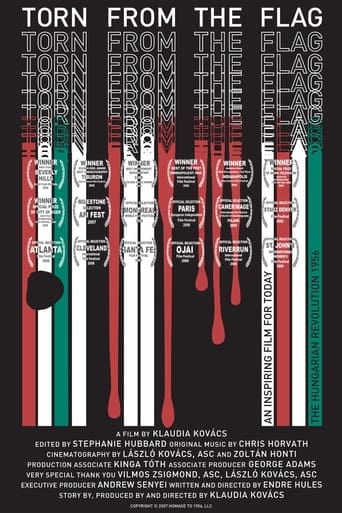
A sociopolitical historical documentary-thriller about the international decline of communism and the 1956 Hungarian Revolution.
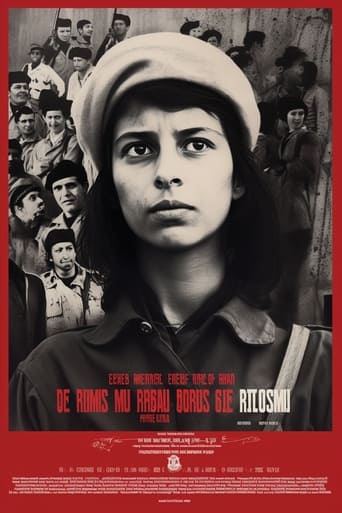
"Jeunesse Rouge" is a documentary exploring young French Communist revolutionaries fighting for a just and equal society. The film follows their organizing and mobilizing, while delving into the history of the Communist movement in France. Archival footage and interviews with activists show their passionate commitment, from protests and strikes to political education. It highlights the power of youth activism and their potential to bring about change in the face of systemic inequality.
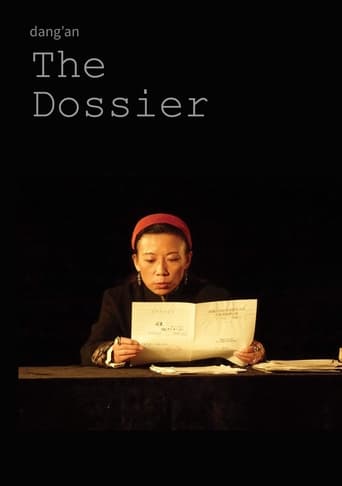
Tibetan writer Tsering Woeser's efforts to document and present the reality of Tibet were considered a "political problem" by the Chinese Party-state and she was fired from her job. Since then, she has persevered as an independent writer and has continued to speak out for the sufferings of Tibetan people. Zhu Rikun, the director, came into possession of Tsering's official dossier which then became the main thread of this film. The first half of the movie is centred around her reading of the dossier; be patient as the theme grows and her interviews document the changed direction her career took including footage from Tibet.
This film was shot in Cuba in 1994. The opportunity came when Russel Porter, an Australian documentary filmmaker, was invited to teach at the international film and television school (EICTV) located some forty kilometers from Havana. He took the opportunity to make a film about life in Cuba today. He examines how people are surviving the hardships caused initially by the "blockade" imposed by the USA over 30 years ago and increased by the more recent loss of trade with the countries of Eastern Europe. The goal was to faithfully and objectively portray the current atmosphere and character of this "little island in the Caribbean." Apart from Russel and producer Denise Patience, the film crew was Cuban: cinematographer Alejandro Perez, sound recordist Lenin de los Reyes, production manager Elaine Santos, and local liaison Alex Alday.

March 9th, 1953, 5 million people attend Stalin’s funeral. A revolutionary lacking in both charisma and stature, Stalin came to power almost by chance, and his 30-year reign saw him become the most Machiavellian and bloodthirsty of dictators. The man who insisted on being called “The Father of the People” massacred his own countrymen, and was responsible for the death of some 20 million people. Soon forgetting his former ideological stance, he mercilessly crushed anyone who opposed him, in both word and deed. His camps for reform through hard labor – known as “gulags” – turned 18 million Russians into slaves. He not only murdered his opponents but his best friends too, and even sometimes members of his own family. His cruelty knew no bounds. Through colorized archive material rich in previously unseen footage, and many accounts from the period including some from Stalin himself, this documentary tells the story of a man who turned a dream into a nightmare.
A 1987 documentary about the Revolutionary Communist Party of the USA and its founder and chairman, Bob Avakian.
Inside the Khmer Rouge takes an in-depth look at the history, domination, and current status of the Khmer Rouge (a Communist regime) in Cambodia. The film features revealing interviews with soldiers of both the modern Khmer Rouge and those who fight in opposition. A comprehensive timeline of the regime's five-year occupation in Cambodia is dissected and includes a review of key individuals, ideologies, and locations where devastation hit hardest. Following this, the film takes a look at the effects on the Cambodian citizens upon the retraction of Vietnamese forces. Inside the Khmer Rouge continues to investigate the current tactics the modern Khmer Rouge implement and their attempts to persuade followers in order to rebuild and expand their regime. Oppositely, local forces or "jungle soldiers" discuss their devices for assuring the destruction and atrocities once caused by the Khmer Rouge never happen again.
Born in Austria in 1903, Jacob Rosenfeld was imprisoned in Dachau. He manages to flee and takes refuge in Shanghai, like 30,000 other people. He exercised his profession there and sought to get involved in 1941 alongside the revolutionaries of the Chinese Communist Party. Rosenfeld becomes a surgeon on the war front between China and Japan. Thanks to his talents as a doctor and an organizer, he soon became close to Mao Tsé-Toung. In 1945, he was appointed general, responsible for the health of the armies and the entire liberated area. He is now called General Luo. Later, he became the Minister of Health of the first communist government. Thanks to his journal found in 2001, this documentary traces its extraordinary destiny.
Spain, 1968. An analysis of the political and social situation of the country, suffocated by the boot of General Franco's tyrannical regime. (Filmed clandestinely in Madrid and Barcelona during the spring of 1968.)

Starting in 1881 this film shows the personal battle between Lenin's Ulyanov family and the royal Romanovs that eventually led to the Russian revolution.