Recuerdos del futuro: Raúl Pellegrín
1992-01-01 · Runtime unavailable · Not rated
Trailers are previews, not full movies.
No authorized playback source configured. Use the legal watch options below.
Production details
- Directors
- Unavailable
- Production companies
- Unavailable
- Countries
- Unavailable
- Status
- Released
Top Cast
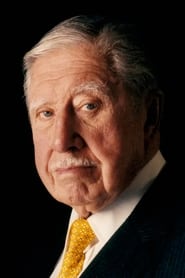 Augusto Pinochet
Title information and images are supplied by TMDb. Explore our discovery guide for advice on comparing metadata and legal viewing options.
Where to watch
Availability provided by JustWatch via TMDb. Offers can change. Provider links are listed on TMDb; full playback requires a separately authorized source.
Availability not listed for this country.
Seasons & episodes
Recommendations
The chronicle of the political tension in Chile in 1973 and of the violent counter revolution against the democratically elected government of Salvador Allende.
A road trip across five countries to explore the social and political movements as well as the mainstream media's misperception of South America while interviewing seven of its elected presidents.
Guzmán’s final installment shifts from covering the actions of Allende’s opponents to those who battled to revive & promote their toppled leader’s vision for a new Chile.

Al Pacino's deeply-felt rumination on Shakespeare's significance and relevance to the modern world through interviews and an in-depth analysis of "Richard III."

In an intimate and joyful story of love in the face of loss, celebrated poets Andrea Gibson and Megan Falley find strength—and unexpected hilarity—in what might be their final year together.

A string of threatening emails escalates into a revenge plot involving a newly married US marshal and his ex-girlfriend.
A documentary on why 'Money Heist' sparked a wave of enthusiasm around the world for a lovable group of thieves and their professor.
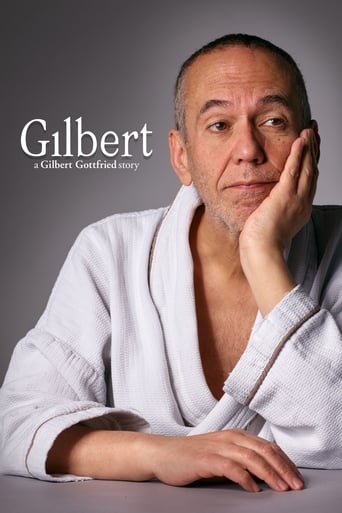
The life and career of one of comedy's most inimitable modern voices, Mr. Gilbert Gottfried.

A visual montage portrait of our contemporary world dominated by globalized technology and violence.

A detailing of the rise to prominence and global sporting superstardom of six supremely talented young Manchester United football players (David Beckham, Nicky Butt, Ryan Giggs, Paul Scholes, Phil and Gary Neville). The film covers the period 1992-1999, culminating in Manchester United's European Cup triumph.
A documentary on the life of Uruguayan politician and former guerrilla fighter José Mujica.
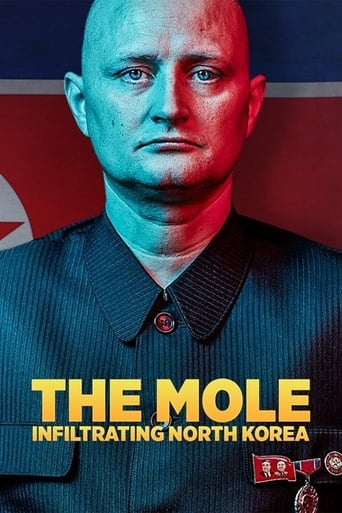
A real-life undercover thriller about two ordinary men who embark on an outrageously dangerous ten-year mission to penetrate the world's most secretive and brutal dictatorship: North Korea.
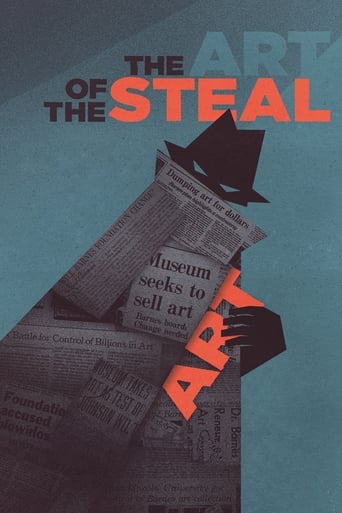
A gripping tale of intrigue and mystery in the art world, this film traces the history of a collection of Post-Impressionist paintings - worth billions - which became the subject of a power struggle after the death of its owner. Dr. Albert Barnes.

An inside look at one of the most anticipated movie sequels ever with James Cameron and cast.
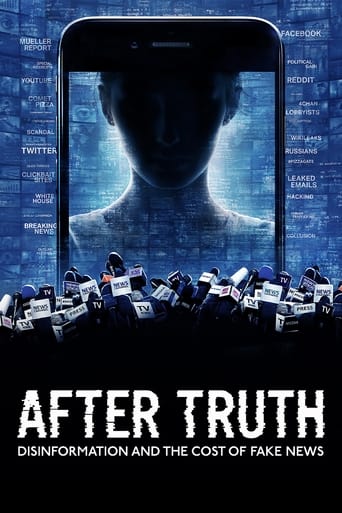
An investigation into the ongoing threat caused by the phenomenon of “fake news” in the U.S., focusing on the real-life consequences that disinformation, conspiracy theories and false news stories have on the average citizen.
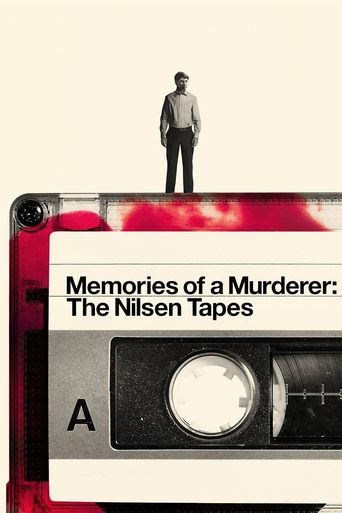
Serial killer Dennis Nilsen narrates his life and horrific crimes via a series of chilling audiotapes recorded from his jail cell.

Retrospective documentary about the making of the horror cult classic "The Return of the Living Dead."

Documentary filmmaker Amy Berg investigates the life of 30-year pedophile Father Oliver O'Grady and exposes the corruption inside the Catholic Church that allowed him to abuse countless children. Victims' stories and a disturbing interview with O'Grady offer a view into the troubled mind of the spiritual leader who moved from parish to parish gaining trust ... all the while betraying so many.
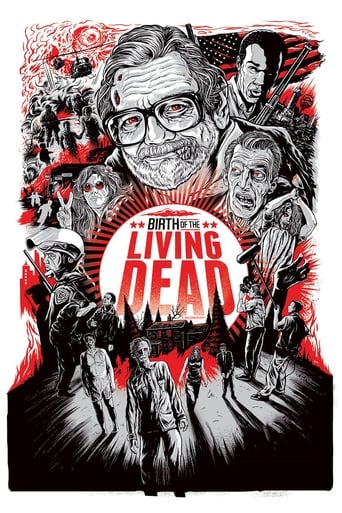
A behind the scenes look into George Romero's groundbreaking horror classic Night of the Living Dead.
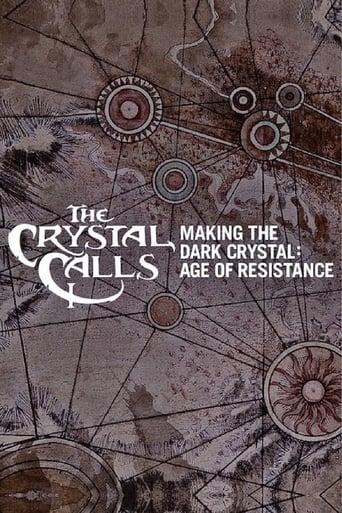
Go behind the scenes with stars, puppeteers and creators as they bring Jim Henson's magical world of Thra back to life in a sweeping fantasy series.
Similar titles
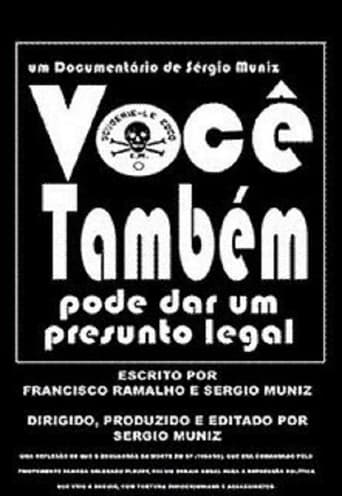
Amid the civil-military dictatorship implanted with the 1964 coup, Sergio Muniz had the idea of making a documentary about the action of the Death Squad. At the time, the press still had some freedom to disseminate the work of these death squads formed by police officers of various ranks, and that he acted on the outskirts of cities like Sao Paulo and Rio de Janeiro. The victims of police repression (as today) were men, poor and black, and this condition is supposed criminals.
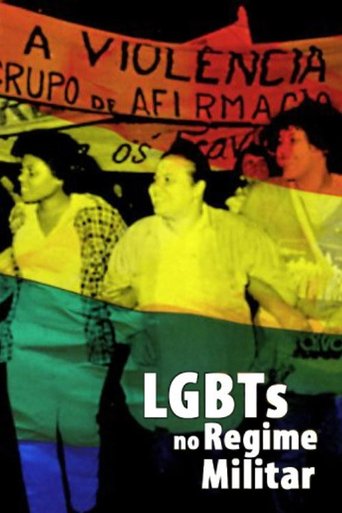
In 1980, the first march of gays, lesbians and transvestites took place in Brazil in protest against the constant police operations that took place in São Paulo, which aimed to repress these groups. Based on Renan Quinalha's doctoral thesis, “Against morality and good customs: the sexual politics of the Brazilian dictatorship (1964-1988)”, carried out by the Institute of International Relations, a series of four 5 minute videos about the birth of the LGBT movement during the Military Regime.
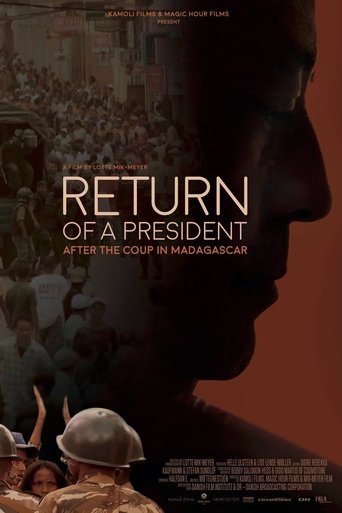
In a fascinating geopolitical drama, Danish filmmaker Mik-Meyer closely follows Ravalomanana as he attempts to return from exile in South Africa to Madagascar, under the threat of arrest and bodily harm.

Images of Argentinian companies and factories in the first light of day, seen from the inside of a car, while the director reads out documents in voiceover that reveals the collusion of the same concerns in the military dictatorship’s terror.

A group of young politicians campaigning against an authoritarian constitution speak up, spark hope and ignite a once-in-a-generation movement in this energetic exploration of the recent elections in Thailand.
It follows Chilean writer Antonio Skármeta as he celebrates the end of the autocrats. Cheerful farewell rituals accompany others facing political persecution on their way to fly home.

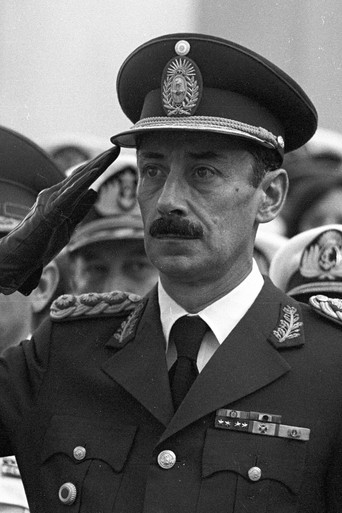
Faced with a lack of prosecution of those accused of crimes against humanity committed during Argentina’s military dictatorship, family members and descendants of the country’s estimated 30,000 disappeared took action. In the mid-1990s, they began gathering outside of accused perpetrators’ homes and workplaces to publicly shame them and raise awareness about the government’s systematic and brutal targeting of its people — and how it had gone unpunished. The human rights group HIJOS (Sons and Daughters for Identity and Justice Against Forgetfulness and Silence) led and labeled this direct-action style of protest “escrache,” or exposure.

A historical and present day look at the Wilmington Massacre of 1898 and how the descendants of the victims of the event are asking for legal action in regards to compensation.

Swiss television documentary on the first years of the dictatorship, filmed (in color) in 1977 by a team led by director André Gazut and journalist Claude Smadja. Strongly critical of authoritarianism and the failures of the economic model that was beginning to be adopted, the report shows different aspects of the ideological and technical implementation of the military government. From the purge in universities to the precariousness of the Minimum Employment Program, from the revenge of employers in the countryside to the lamentable composition of the constitutional commission, the show is full of conversations with personalities close to the regime (Jaime Guzmán, Maximilianio Errázuriz, Manuel Valdés, Ruy Barbosa, Arturo Fontaine Aldunate, among others) which is interspersed with testimonies from residents and farmers, victims of violence and poverty.

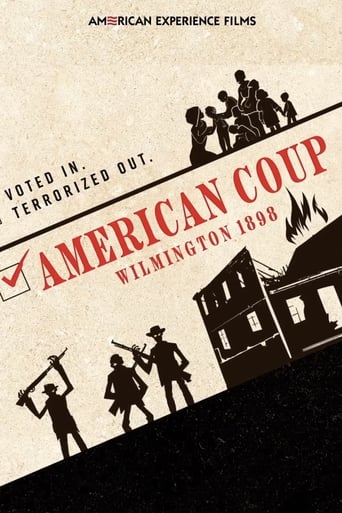
The little-known story of a deadly race massacre and carefully orchestrated insurrection in North Carolina’s largest city in 1898 — the only coup d’état in the history of the US. Stoking fears of 'Negro Rule', self-described white supremacists used intimidation and violence to destroy Black political and economic power and overthrow Wilmington’s democratically-elected, multi-racial government. Black residents were murdered and thousands were banished. The story of what happened in Wilmington was suppressed for decades until descendants and scholars began to investigate. Today, many of those descendants — Black and white — seek the truth about this intentionally buried history.
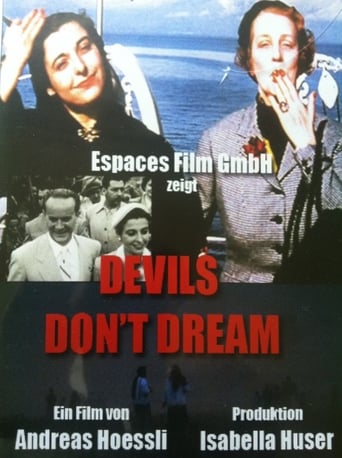
Before his journey into exile Jacobo Arbenz, the overthrown President of Guatemala, is presented to photographers stripped down to his underwear: an image seen around the world. Arbenz had led the successful 1944 revolt against the military dictatorship, a regime that had oppressed Guatemala since colonialism. Arbenz, the son of Swiss immigrants, was celebrated as a national hero. Elected President in 1950, Arbenz was not a member of any party - he didn't issue any manifestos. But he began to fulfill his promises - farmers got their own land. 'The first act of justice since colonial times,' said Arbenz. In the early 1950s, with the Cold War intensifying, then Vice President Richard Nixon said, 'Arbenz is not a Guatemalan President.' Nixon called him 'a foreigner, manipulated by foreign powers.' The young President of Guatemala was soon overthrown, declared a traitor, and chased out of the country.

In June 1934, Hitler decided to eliminate the powerful leadership of the SA. With his pistol drawn, he entered the Hotel Hanselbauer in Bad Wiessee on June 30, where his friend Ernst Röhm and other SA functionaries were staying. The three-day murder operation within the SA's own ranks has gone down in history as the "Night of the Long Knives".
Finally, 33 years later, the whole truth behind the attempted coup d'état that shook Spain on the afternoon of February 23, 1981, is revealed by those who lived through those dreadful hours; a deep look behind the heavy curtain which hides the real mastermind, waiting to be unmasked.
This short documentary explores how the Ilustrada section of the Folha de S. Paulo newspaper had to fight back against censorship from the military dictatorship in Brazil after Lourenço Diaféria, one of its columnists, published an article criticising the patron of the Brazilian army, Duque de Caxias.
A leftist revolutionary or a reformist democrat? A committed Marxist or a constitutionalist politician? An ethical and moral man or, as Richard Nixon called him, a "son of a bitch"? In SALVADOR ALLENDE, acclaimed Chilean filmmaker Patricio Guzmán (The Battle of Chile and Chile, Obstinate Memory) returns to his native country thirty years after the 1973 military coup that overthrew Chile's Popular Unity government to examine the life of its leader, Salvador Allende, both as a politician and a man.

A young idealist and his future wife forge an unbreakable bond while navigating turbulent times—discover the untold story of how they shaped a nation's foundation.
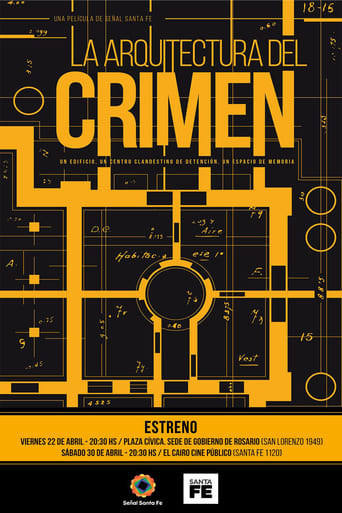
At the end of the last civil-military dictatorship, a camouflage operation took place in the Information Service, an office of the former Rosario Police Headquarters that operated as a clandestine detention center in the heart of the city. This architectural intervention, not recorded in the plans, obscures the survivors' accounts and hides the traces of crimes against humanity. Drawing on images, previously unpublished archives, and survivor testimonies, the documentary explores the scars of political repression and highlights the importance of preserving memorial spaces to ensure the transmission of fundamental events in our contemporary history.