
Sainte-Anne, hôpital psychiatrique
· 88 min · ★ 10.0
Documentary made with the patients of wards 15 and 17 of the Sainte-Anne psychiatric hospital in Paris in 2008-2009.
Trailers are previews, not full movies.
No authorized playback source configured. Use the legal watch options below.
Production details
- Directors
- Ilan Klipper
- Production companies
- Les Films Grain de Sable, ARTE
- Countries
- Unavailable
- Status
- Released
Top Cast
Cast unavailable.
Title information and images are supplied by TMDb. Explore our discovery guide for advice on comparing metadata and legal viewing options.
Where to watch
Availability provided by JustWatch via TMDb. Offers can change. Provider links are listed on TMDb; full playback requires a separately authorized source.
Availability not listed for this country.
Seasons & episodes
Recommendations
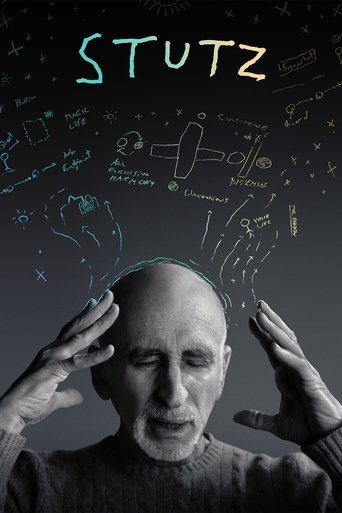
In candid conversations with actor Jonah Hill, leading psychiatrist Phil Stutz explores his early life experiences and unique, visual model of therapy.
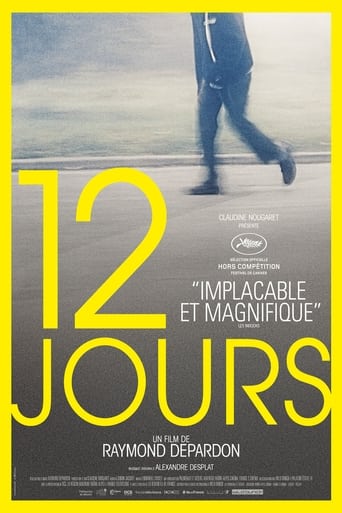
A new documentary by filmmaker-photographer Raymond Depardon – where justice and psychiatry meet.
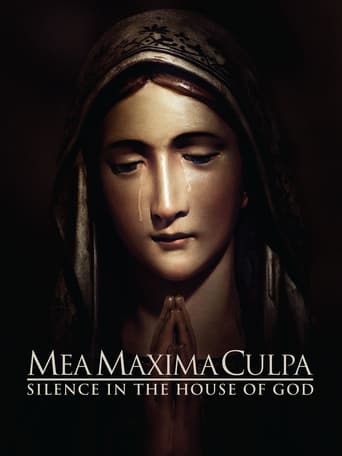
Alex Gibney explores the charged issue of pedophilia in the Catholic Church, following a trail from the first known protest against clerical sexual abuse in the United States and all way to the Vatican.

Through deeply personal interviews with her siblings and an examination of the photographs, letters, and belongings left behind, Mariska assembles a new portrait of her mother Jayne Mansfield, an extraordinary and complex woman.
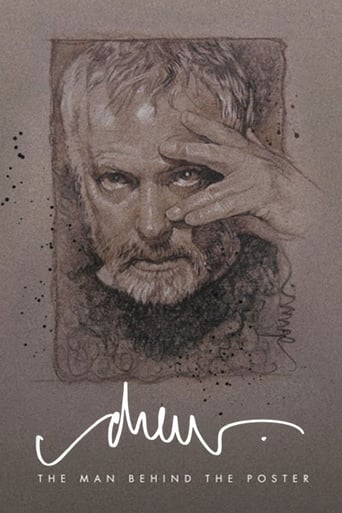
A documentary on legendary movie-poster artist Drew Struzan.

Behind-the-scenes documentary revealing what goes on inside the colourful, privileged, and sometimes stressful Christian Dior fashion house.

A documentary chronicling Queen and Lambert's incredible journey since they first shared the stage together on "American Idol" in 2009.

A string of threatening emails escalates into a revenge plot involving a newly married US marshal and his ex-girlfriend.
Follow the evolution of the 'Halloween' movies over the past twenty-five years. It examines why the films are so popular and revisits many of the original locations used in the films - seeing the effects on the local community. For the first time, cast, crew, critics and fans join together in the ultimate 'Halloween' retrospective.

In the Realms of the Unreal is a documentary about the reclusive Chicago-based artist Henry Darger. Henry Darger was so reclusive that when he died his neighbors were surprised to find a 15,145-page manuscript along with hundreds of paintings depicting The Story of the Vivian Girls, in What is Known as the Realms of the Unreal, of the Glodeco-Angelinnian War Storm, Cased by the Child Slave Rebellion.

In an intimate and joyful story of love in the face of loss, celebrated poets Andrea Gibson and Megan Falley find strength—and unexpected hilarity—in what might be their final year together.
Director Jean-Luc Godard reflects in this movie about his place in film history, the interaction of film industry and film as art, as well as the act of creating art.
On the night of Oct. 2, 2005, Hart and Dana Perry's 15-year-old son Evan jumped to his death from his New York City bedroom window. This moving film is the story, told by his filmmaker parents and others who knew him, of Evan’s life and death, and his life-long struggle with bipolar disorder. It delves into the complexity of Evan's disease, sharing his family's journey through the maze of mental illness. In showing how one family deals with generations of loss and grief, the film defies the stigma related to mental illness and suicide and tells a human story that touches everyone.
The Adamant is a unique day-care centre. A floating structure located on the Seine in the heart of Paris, it welcomes adults suffering from mental disorders, offering the kind of care that grounds them in time and space and helps them to recover or keep up their spirits. The team running it tries to resist the deterioration and dehumanisation of psychiatry as best as they can.
An interview with film director Roman Polanski conducted during his period of house arrest, discussing his life and work.

Alexander McQueen's rags-to-riches story is a modern-day fairy tale, laced with the gothic. Mirroring the savage beauty, boldness and vivacity of his design, this documentary is an intimate revelation of McQueen's own world, both tortured and inspired, which celebrates a radical and mesmerizing genius of profound influence.

Artists in LA discover the work of forgotten Polish sculptor Stanislav Szukalski, a mad genius whose true story unfolds chapter by astounding chapter.
Hollywood veteran Bing Russell creates the only independent baseball team in the country—alarming the baseball establishment and sparking the meteoric rise of the 1970s Portland Mavericks.

Director Michael Apted revisits the same group of British-born adults after a 7 year wait. The subjects are interviewed as to the changes that have occurred in their lives during the last seven years.
A history of the ill-fated 1994 production of “The Fantastic Four” that was executive produced by Roger Corman.
Similar titles
‘Voices from the Shadows’ shows the brave and sometimes heartrending stories of five ME patients and their carers, along with input from Dr Nigel Speight, Prof Leonard Jason and Prof Malcolm Hooper. These were filmed and edited between 2009 and 2011, by the brother and mother of an ME patient in the UK. It shows the devastating consequences that occur when patients are disbelieved and the illness is misunderstood. Severe and lasting relapse occurs when patients are given inappropriate psychological or behavioural management: management that ignores the severe amplification of symptoms that can be caused by increased physical or mental activity or exposure to stimuli, and by further infections. A belief in behavioural and psychological causes, particularly when ME becomes very severe and chronic, following mismanagement, is still taught to medical students and healthcare professionals in the UK. As a consequence, situations similar to those shown in the film continue to occur.
Psychiatrist Dr. Dean Brooks, who appears in the film One Flew Over The Cuckoo's Nest, and others discuss how jails and prisons have become our new asylums and how community care, especially inadequately funded community care, is failing to help people. They also discuss the need for what his granddaughter, Dr. Ulista Brooks, describes as “true asylums” — the construction of new modern mental hospitals, and other important issues regarding care for the mentally ill.
Impudence wins! The cheeky impostor with a secondary school diploma pretends to be "successful" as a court expert and senior physician. TV-docudrama featuring Uwe Bohm
A homeless man with schizophrenia slowly embraces antipsychotic medication under Hawaii's only willing psychiatrist and a court mandate, while a man in recovery offers rare insight into mental illness as he fights to reclaim stability.
An actual patient, Gloria Szymanski, allowed herself to be filmed while engaged in therapy with three different therapists, distinguished by their different orientations but sharing their therapeutic endeavors. Poster illustration by Kati Szilágyi.
Documentary film exploring the rise of mechanistic philosophy and the exploitation of human beings under modern hierarchical systems. Topics covered include behaviorism, scientific management, workplace democracy, schooling, frustration-aggression hypothesis, and human experimentation.
As a result of the 2008 documentary"Generation Rx," thousands of people wrote director Kevin P. Miller to share their experiences on psychiatric drugs. Miller combines their gripping tales with the latest mental health research, science, and medical health perspectives.

Things are busy at the Paris hospital where young psychiatrist Jamal and his colleagues work. The place is run down, the staff are exhausted, budgets are constantly being slashed. You know the story, but you’ve rarely seen it conveyed as engagingly as in ‘On the Edge’, which employs a handheld camera and meaningful, artistic interventions to observe the daily routine at the psychiatric ward. The deeply sympathetic Jamal is an everyday hero with an exemplary, humanistic disposition, for whom the most important prerequisites for mental health – and for a healthy society in general – are good relationships with other people. He puts his philosophy into practice by listening patiently, giving good advice and organising theatre exercises based on Molière. Realism and idealism, however, are in balance for the young doctor, at least as long as the institutional framework holds up.
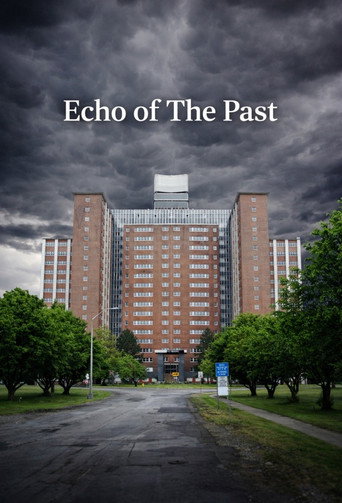
A historical documentary documenting the rise, function, and abandonment of a 17 story building that once housed The Rochester Psychiatric Center. This film tells the story of the building through historical footage, interviews of former staff and patients who recount their memories of the behemoth facility while also exploring the abandoned building as it is today.
Employing methods of direct cinema–observation, limited stylization, and non-intervention–this stark look into the State Prison for the Criminally Insane in Bridgewater, Massachusetts shows its denizens, who were often kept in barren cells and infrequently bathed, forced to strip naked publicly, force feeding, and the indifference and bullying by many of the hospital's staff.
Inside the dramatic search for a cure to ME/CFS (Myalgic Encephalomyelitis/Chronic Fatigue Syndrome). 17 million people around the world suffer from what ME/CFS has been known as a mystery illness, delegated to the psychological realm, until now. A scientist in the only neuro immune institute in the world may have come up with the answer. An important human drama, plays out on the quest for the truth.

With unique and exclusive testimonies from doctors, nurses, loved ones, and patients we go behind closed doors to examine a high security psychiatric facility that takes care of some of the most dangerous patients.

In 1950 Jerome Hill went to Zurich with the intention of making a film about Dr. Carl G. Jung. The project was abandoned when Hill decided that Jung was not a good subject. After Hill's death, Jonas Mekas edited the film which focuses on Dr. Jung as a person.
Signed by neurology professor Camillo Negro and cinematographer Roberto Omegna for the Società Anonima Ambrosio of Turin, Neuropathology is one of the first and most significant scientific documentaries in the history of cinema. Premiering in Italy on February 17, 1908, this film meticulously records a series of clinical cases of patients with various pathologies of the nervous system observed at the Cottolengo Hospital and neuropathological clinics in Turin between 1906 and 1908. The material includes studies of convulsions, spasms, ocular paralysis, ataxia, epileptic seizures, and other neurological disorders, presented with a didactic and scientific objective for physicians and neurology students.
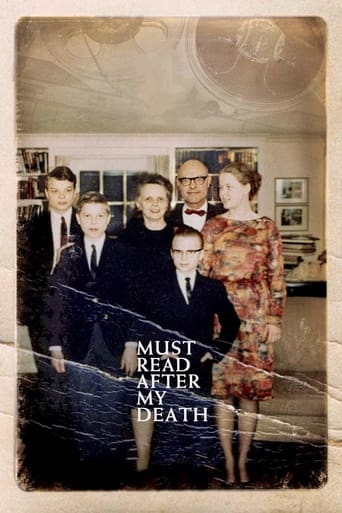
A grandmother dies and leaves behind hours of secret film and audio recordings as well as an envelope with the words “Must read after my death,” which reveal a dark history for her family to discover.
Cut off from his loved ones due to the strict COVID-19 lockdown at the long-term care facility where he lives, a quadriplegic rabbi is filmed by his daughter while reflecting on love, mortality and longing.
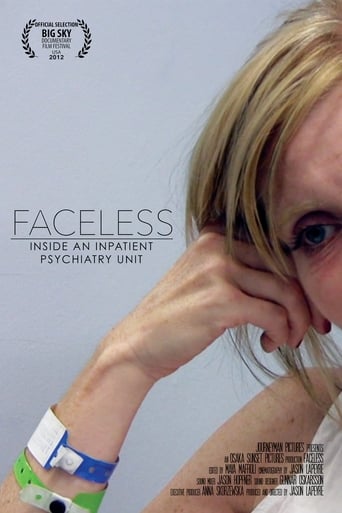
Faceless is a documentary film about the workings of an inpatient psychiatry unit, seen through the eyes of both the patients trying to get well and the staff trying to help them.
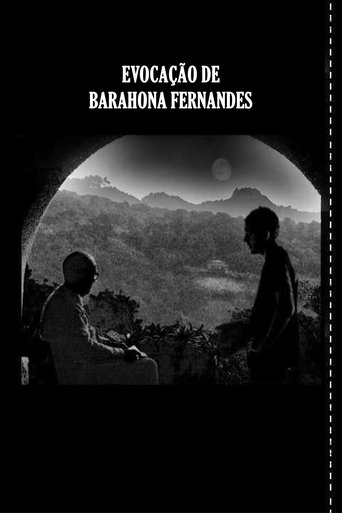
"Evocação de Barahona Fernandes" is a short documentary directed by José Barahona, focusing on his grandfather, the esteemed Portuguese psychiatrist Barahona Fernandes. The film delves into Fernandes's influential anthropological-medical model and its significant contributions to the field of psychopathology. Through intimate storytelling, the documentary offers a personal perspective on Fernandes's legacy, highlighting his profound impact on understanding mental health and the human psyche.
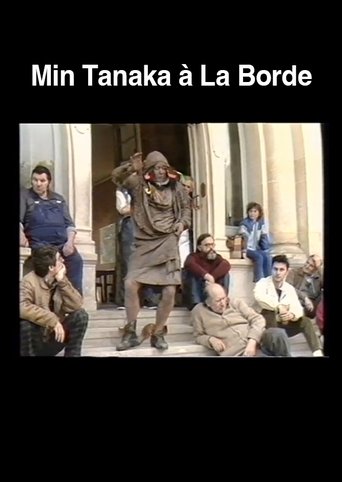
Japanese butô dancer Min Tanaka performs at La Borde hospital for its residents. The residents reflect on the performance and the collective unconscious on camera. Among the residents speaking, one can spot actor Pierre Clémenti.