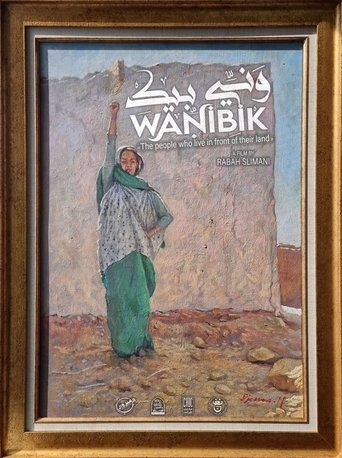
WANIBIK: The people who live in front of their land
2022-10-12 · Runtime unavailable · Not rated
The film, shot in the Saharawi refugee population camps, tells the story of a group of students from a film school who, for their final year project, decide to shoot on the Wall of Shame erected and mined by Morocco, in the middle of the current war that is being waged after the breaking of the ceasefire by the Alawite regime in November 2020.
Trailers are previews, not full movies.
No authorized playback source configured. Use the legal watch options below.
Production details
- Directors
- Rabah Slimani
- Production companies
- EL MIROIRE PROD
- Countries
- Algeria
- Status
- Released
Top Cast
Cast unavailable.
Title information and images are supplied by TMDb. Explore our discovery guide for advice on comparing metadata and legal viewing options.
Where to watch
Availability provided by JustWatch via TMDb. Offers can change. Provider links are listed on TMDb; full playback requires a separately authorized source.
Availability not listed for this country.
Seasons & episodes
Recommendations

A love letter from a young mother to her daughter, the film tells the story of Waad al-Kateab’s life through five years of the uprising in Aleppo, Syria as she falls in love, gets married and gives birth to Sama, all while cataclysmic conflict rises around her. Her camera captures incredible stories of loss, laughter and survival as Waad wrestles with an impossible choice– whether or not to flee the city to protect her daughter’s life, when leaving means abandoning the struggle for freedom for which she has already sacrificed so much.
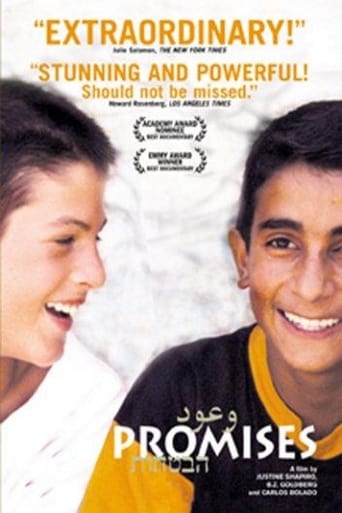
Documentarians Justine Shapiro and B.Z. Goldberg traveled to Israel to interview Palestinian and Israeli kids ages 11 to 13, assembling their views on living in a society afflicted with violence, separatism and religious and political extremism. This 2002 Oscar nominee for Best Feature Documentary culminates in an astonishing day in which two Israeli children meet Palestinian youngsters at a refugee camp.

When Allied forces liberated the Nazi concentration camps in 1944-45, their terrible discoveries were recorded by army and newsreel cameramen, revealing for the first time the full horror of what had happened. Making use of British, Soviet and American footage, the Ministry of Information’s Sidney Bernstein (later founder of Granada Television) aimed to create a documentary that would provide lasting, undeniable evidence of the Nazis’ unspeakable crimes. He commissioned a wealth of British talent, including editor Stewart McAllister, writer and future cabinet minister Richard Crossman – and, as treatment advisor, his friend Alfred Hitchcock. Yet, despite initial support from the British and US Governments, the film was shelved, and only now, 70 years on, has it been restored and completed by Imperial War Museums under its original title "German Concentration Camps Factual Survey".
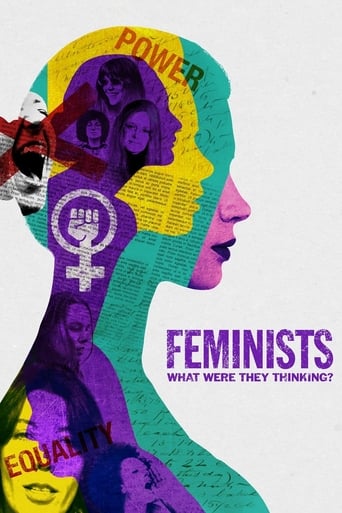
In 1977, a book of photographs captured an awakening - women shedding the cultural restrictions of their childhoods and embracing their full humanity. This documentary revisits those photos, those women and those times and takes aim at our culture today that alarmingly shows the need for continued change.
What does it mean to lead men in war? What does it mean to come home? Hell and Back Again is a cinematically revolutionary film that asks and answers these questions with a power and intimacy no previous film about the conflict in Afghanistan has been able to achieve. It is a masterpiece in the cinema of war.
During the chaotic final weeks of the Vietnam War, the North Vietnamese Army closes in on Saigon as the panicked South Vietnamese people desperately attempt to escape. On the ground, American soldiers and diplomats confront a moral quandary: whether to obey White House orders to evacuate only U.S. citizens.

A documentary on the expletive's origin, why it offends some people so deeply, and what can be gained from its use.

An unprecedented and intimate look at the life, work and enduring legacy of British actress Audrey Hepburn (1929-1993).

Amber Heard and Nicole Kidman discuss their characters Mera and Atlanna.
As daily airstrikes pound civilian targets in Syria, a group of indomitable first responders risk their lives to rescue victims from the rubble.

With a first-person look at the notorious Crips and Bloods, this film examines the conditions that have lead to decades of devastating gang violence among young African Americans growing up in South Los Angeles.

Stars of "The Walking Dead," Andrew Lincoln and Danai Gurira, walk down memory lane and visit iconic locations where pivotal moments between their characters, Rick and Michonne, were filmed.

Morgan Spurlock tours the Middle East to discuss the war on terror with Arabic people.

Produced and presented as evidence at the Nuremberg war crimes trial of Hermann Göring and twenty other Nazi leaders, this film consists primarily of dead and surviving prisoners and of facilities used to kill and torture during the World War II.

Documentary filmmaker Amy Berg investigates the life of 30-year pedophile Father Oliver O'Grady and exposes the corruption inside the Catholic Church that allowed him to abuse countless children. Victims' stories and a disturbing interview with O'Grady offer a view into the troubled mind of the spiritual leader who moved from parish to parish gaining trust ... all the while betraying so many.
A behind the scenes look into George Romero's groundbreaking horror classic Night of the Living Dead.

Pete Postlethwaite stars as a man living alone in the devastated future world of 2055, looking at old footage from 2008 and asking: why didn’t we stop climate change when we had the chance?
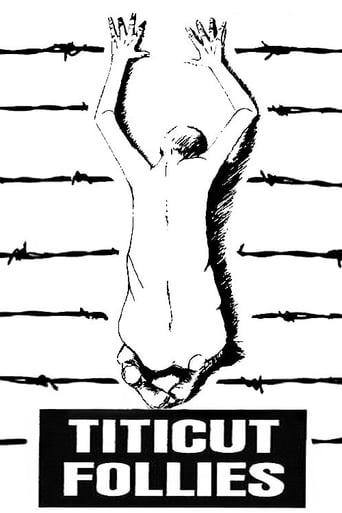
Employing methods of direct cinema–observation, limited stylization, and non-intervention–this stark look into the State Prison for the Criminally Insane in Bridgewater, Massachusetts shows its denizens, who were often kept in barren cells and infrequently bathed, forced to strip naked publicly, force feeding, and the indifference and bullying by many of the hospital's staff.
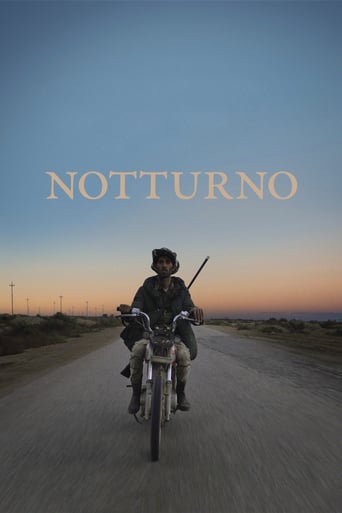
Shot over three years on the borders between Iraq, Kurdistan, Syria and Lebanon, the film depicts the everyday struggles of people attempting to rebuild their lives amongst the devastating effects of civil wars, dictatorships, foreign invasions, and the deadly presence of ISIS.

A visual montage portrait of our contemporary world dominated by globalized technology and violence.
Similar titles

Jake Rademacher reconnects with his brothers and soldiers he embedded with in Iraq. He creates a unique “then and now” journey into the toll of war and a never before seen look at war fighters and the veterans they become.
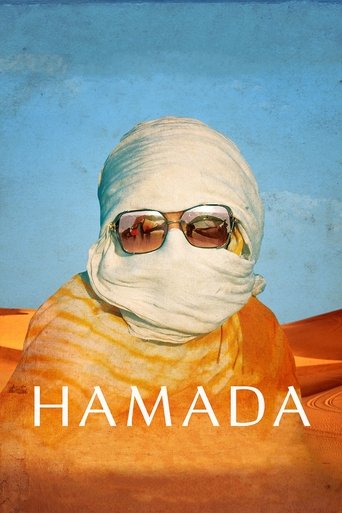
Filled with vitality, humor and unexpected situations, Hamada paints an unusual portrait of a group of young friends living in a refugee camp in the middle of nowhere. Western Sahara is known as “the last colony in Africa” and this conflict is the longest and one of the least known ongoing disputes in the continent, but the Sahrawi people refuse to become invisible.
A discovery of the pictorial art that Ndebele women traditionally practice in South Africa: painting the walls of their houses.
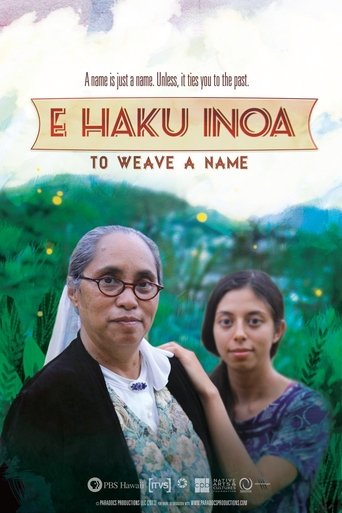
A mother and daughter, estranged by divorce and mental health issues, reconnect through patience, understanding, and their a shared appreciation of their Native Hawaiian heritage.
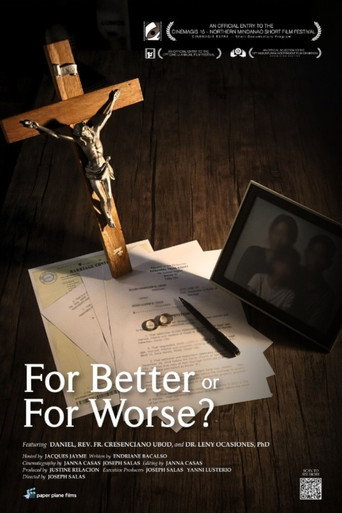
The Philippines remains the only nation without legalized divorce. Through the perspectives of a controversial priest, a women's rights advocate, and a child of a separated couple, this documentary explores whether the legalization of divorce in the country would be for better or worse.
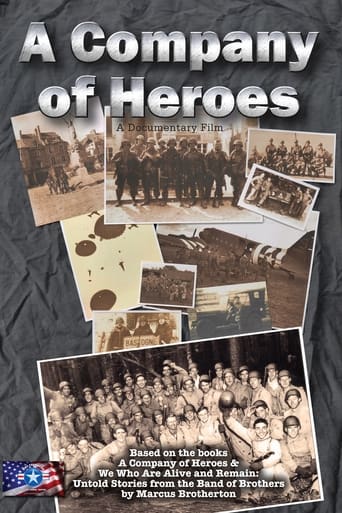
Easy Company, the 2nd Battalion of the 506th Parachute Infantry Regiment of the 101st Airborne Division, fought their way through Europe, liberated concentration camps, and drank a victory toast in April 1945 at Hitler's hideout. Veterans from Easy Company, along with the families of three deceased others, recount their horrors and victories, bonds they made and the friends they lost.
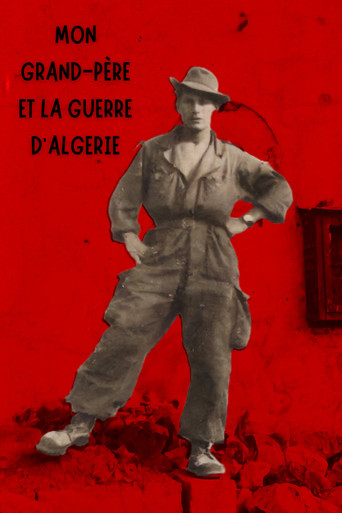
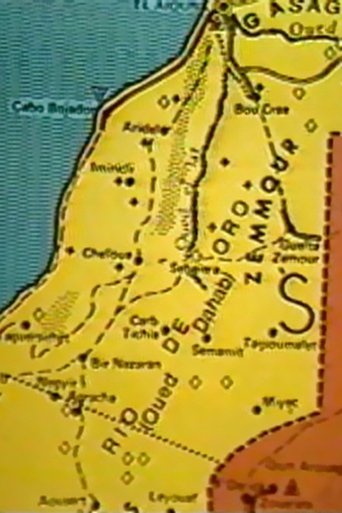
A historical analysis of the on-going war in the Western Sahara. Liza Bear interviews Abdullah Majdid, the Polisario Front's United Nations representative. The tape addresses Morocco's U.S.-backed military effort to subjugate the indigenous Sahrawi population and annex one of the world's largest phosphate deposits, as well as the Sahrawis' conditions for a referendum.
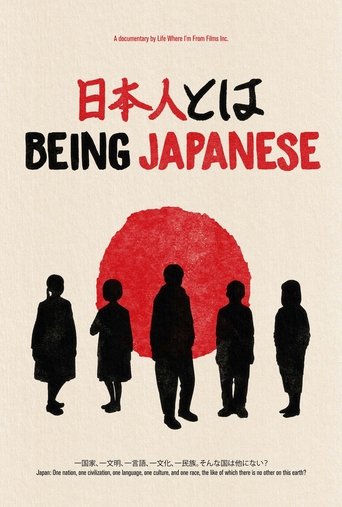
A documentary exploring what it means to be Japanese.
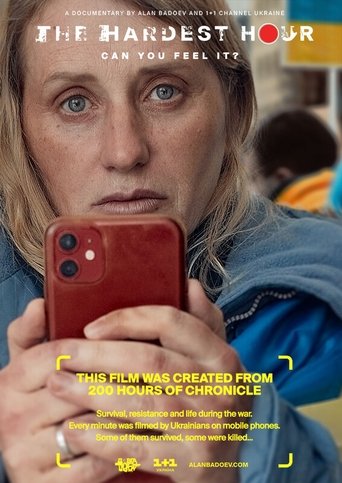
The unique testimony of the tragic events and crimes of russia through the eyes of Ukrainians, which the entire world must see and feel. Film was created from 200 hours of chronicles: survival, resistance, and life during the war. Every minute was filmed by Ukrainians with their mobile phones. Each story in the documentary is a film captured and filmed by Ukrainians on their devices.
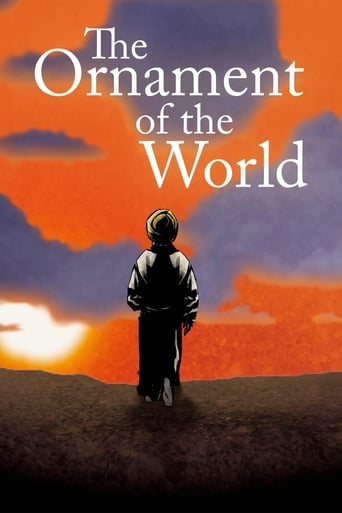
Filmed in Cordoba, Granada, Seville, and Toledo, this documentary retraces the 800-year period in medieval Spain when Muslims, Christians, and Jews forged a common cultural identity that frequently transcended their religious differences, revealing what made this rare and fruitful collaboration possible, and what ultimately tore it apart.

An examination of the United States’ involvement in war, focusing on its impact on political decisions, national identity, and the lives of its people.
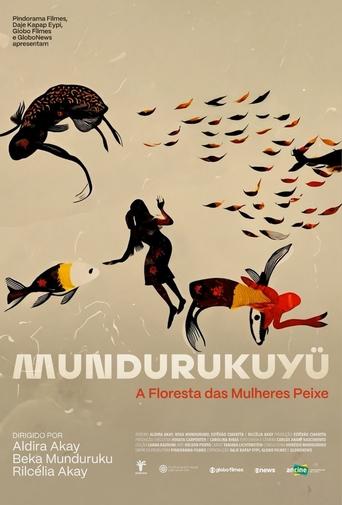
Using the camera as a weapon to defend their ancestral land in Brazil, three women of the Daje Kapap Eypi audiovisual collective lovingly record their Munduruku traditions and their mythology of humans transforming into forest plants and animals.
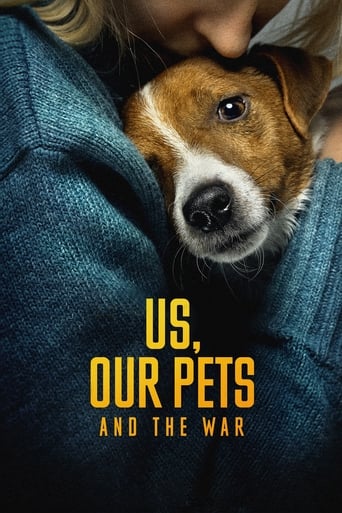
Amid violence and war, Ukrainian citizens are coming together to rescue animals that have been left behind by those forced to flee. From cats and dogs in abandoned buildings to lions and tigers in the nation’s zoos, extraordinary rescue efforts are underway to bring them to safety. The film is a tribute to the very best of the human spirit despite the horrors of war.
Departing from peripheral details of some paintings of the Bilbao Fine Arts Museum, a female narrator unravels several stories related to the economic, social and psychological conditions of past and current artists.
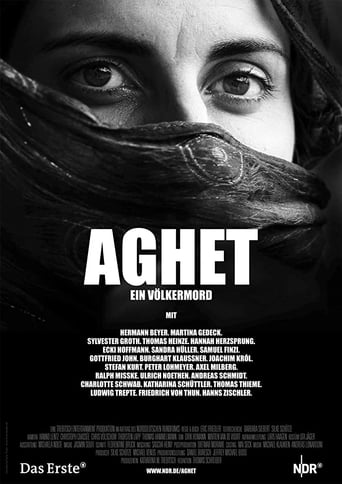
2010 documentary film on the Armenian Genocide by the Young Turk government of the Ottoman Empire during World War I. It is based on eyewitness reports by European and American personnel stationed in the Near East at the time, Armenian survivors and other contemporary witnesses which are recited by modern German actors.

She and Claude Chabrol formed one of the most prolific couples in the history of cinema. Through their relationship, and through film clips, reports and broadcasts, a portrait, imbued with humor and elegance, of the actress Stéphane Audran emerges.
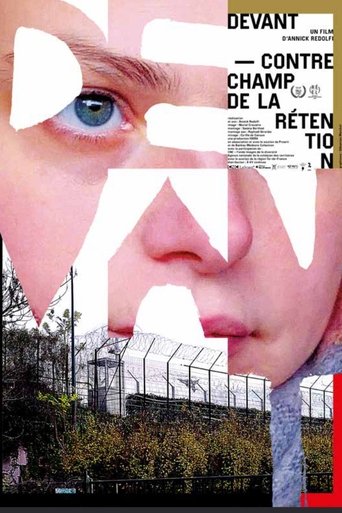
Pauline, Norah, Kristina and others wait for hours, sitting under a hut deep in the Bois de Vincennes. In front of the administrative detention center (CRA) in Paris, they have all come to see their loved ones locked up. Lives on hold, awaiting deportation or release. On this stage, these women tell their stories, talk to each other, share their experience, their revolt and their dreams with new visitors. They are the mirror of migrant detention, its reverse view.