Even the Olives Are Bleeding
1976-02-04 · 63 min · Not rated
An RTÉ documentary on Irish involvement in the Spanish Civil War, 1936-1939.
Trailers are previews, not full movies.
No authorized playback source configured. Use the legal watch options below.
Production details
- Directors
- Unavailable
- Production companies
- RTÉ
- Countries
- Ireland, Spain
- Status
- Released
Top Cast
Title information and images are supplied by TMDb. Explore our discovery guide for advice on comparing metadata and legal viewing options.
Where to watch
Availability provided by JustWatch via TMDb. Offers can change. Provider links are listed on TMDb; full playback requires a separately authorized source.
Availability not listed for this country.
Seasons & episodes
Recommendations

In an intimate and joyful story of love in the face of loss, celebrated poets Andrea Gibson and Megan Falley find strength—and unexpected hilarity—in what might be their final year together.

When Allied forces liberated the Nazi concentration camps in 1944-45, their terrible discoveries were recorded by army and newsreel cameramen, revealing for the first time the full horror of what had happened. Making use of British, Soviet and American footage, the Ministry of Information’s Sidney Bernstein (later founder of Granada Television) aimed to create a documentary that would provide lasting, undeniable evidence of the Nazis’ unspeakable crimes. He commissioned a wealth of British talent, including editor Stewart McAllister, writer and future cabinet minister Richard Crossman – and, as treatment advisor, his friend Alfred Hitchcock. Yet, despite initial support from the British and US Governments, the film was shelved, and only now, 70 years on, has it been restored and completed by Imperial War Museums under its original title "German Concentration Camps Factual Survey".

A string of threatening emails escalates into a revenge plot involving a newly married US marshal and his ex-girlfriend.

A documentary on the expletive's origin, why it offends some people so deeply, and what can be gained from its use.

Through deeply personal interviews with her siblings and an examination of the photographs, letters, and belongings left behind, Mariska assembles a new portrait of her mother Jayne Mansfield, an extraordinary and complex woman.

This revealing documentary honors the legendary Sidney Poitier—iconic actor, filmmaker, and civil rights activist. Featuring interviews with Denzel Washington, Spike Lee, Halle Berry, and more.

A documentary on the life of John Lennon, with a focus on the time in his life when he transformed from a musician into an antiwar activist.

A detailing of the rise to prominence and global sporting superstardom of six supremely talented young Manchester United football players (David Beckham, Nicky Butt, Ryan Giggs, Paul Scholes, Phil and Gary Neville). The film covers the period 1992-1999, culminating in Manchester United's European Cup triumph.

Ranjit, a farmer in India, takes on the fight of his life when he demands justice for his 13-year-old daughter, the victim of a brutal gang rape. His decision to support his daughter is virtually unheard of, and his journey unprecedented.
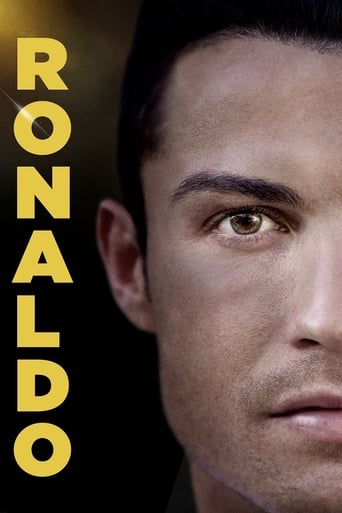
Filmed over 14 months with unprecedented access into the inner circle of the man and the sport, this is the first official and fully authorised film of one of the most celebrated figures in football. For the first time ever, the world gets vividly candid and un-paralleled, behind-closed-doors access to the footballer, father, family-man and friend in this moving & fascinating documentary. Through in-depth conversations, state of the art football footage and never before seen archival footage, the film gives an astonishing insight into the sporting and personal life of triple Ballon D'Or winner Cristiano Ronaldo at the peak of his career. From the makers of ‘Senna’ and ‘Amy’, Ronaldo takes audiences on an intimate and revealing journey of what it’s like to live as an iconic athlete in the eye of the storm.

A compilation of over 30 years of private home movie footage shot by Lithuanian-American avant-garde director Jonas Mekas, assembled by Mekas "purely by chance", without concern for chronological order.

Al Pacino's deeply-felt rumination on Shakespeare's significance and relevance to the modern world through interviews and an in-depth analysis of "Richard III."

A documentary about the life and films of director John Ford.
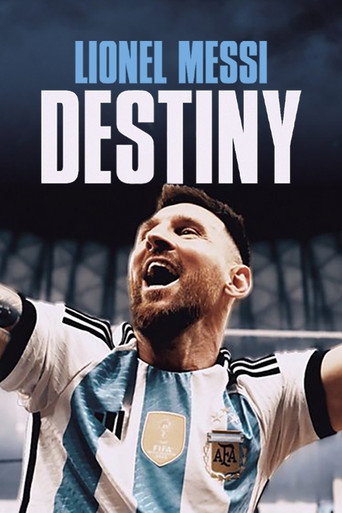
Behind-the-scenes documentary about how Lionel Messi succeeded in lifting the World Cup – the only trophy to have eluded him in an incredible career.
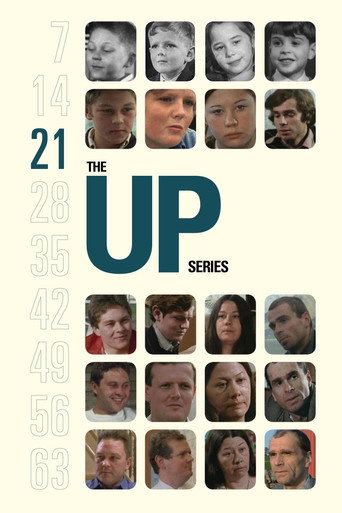
After another 7 year wait, director Michael Apted revisits the same group of British-born children from Seven Up! and 7 Plus Seven. The subjects are interviewed as to the changes that have occurred in their lives during the last seven years.

A 1993 documentary film about Bruce Lee. The film includes interviews from some of his fellow students and opponents who worked alongside him in his movies.
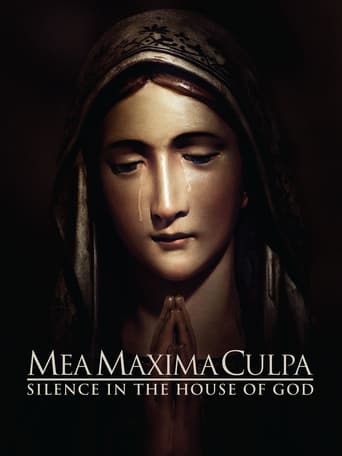
Alex Gibney explores the charged issue of pedophilia in the Catholic Church, following a trail from the first known protest against clerical sexual abuse in the United States and all way to the Vatican.

An inside look at one of the most anticipated movie sequels ever with James Cameron and cast.

Alexander McQueen's rags-to-riches story is a modern-day fairy tale, laced with the gothic. Mirroring the savage beauty, boldness and vivacity of his design, this documentary is an intimate revelation of McQueen's own world, both tortured and inspired, which celebrates a radical and mesmerizing genius of profound influence.
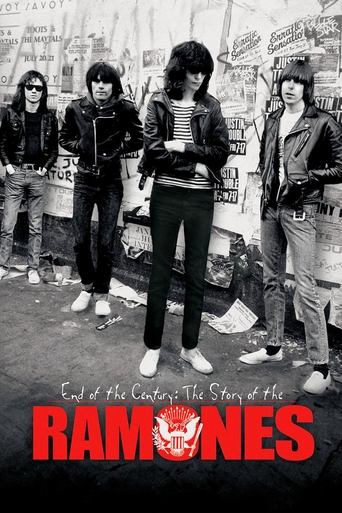
A years-in-the-making documentary on the legendary punk band the Ramones. Through a mixture of archival footage, archival and new interviews with all members of the band's various lineups, and new interviews with a number of their contemporaries, the film traces the peaks and valleys the band experienced over the course of its 20-plus year career before disbanding in 1995.
Similar titles
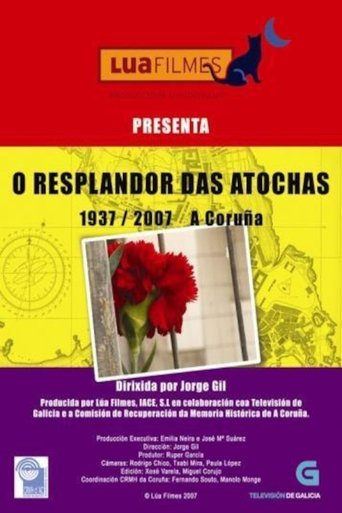
The memory of a defeat, a barbarism: the destruction at the dawn of the civil war of people who fought for freedom, a group of anarchists from A Coruña located in the Atochas area. Through valuable witnesses and historical images a reconstruction of a metaphorical episode in the history of the country. This projection is made in collaboration with its author and the Commission for the Recovery of Historical Memory.

The victory of the fascist army in the Spanish civil war caused a mass exodus of republicans who had to take refuge wherever they could. Mexico, led by its president, Lázaro Cárdenas, was the only country that openly supported the republican cause and opened its doors to thousands of Catalans who found their second homeland in that land. This documentary aims to be a tribute to all the exiles and the people who welcomed them. "Mexico, you have opened your doors and your hands to the wanderer, the wounded, the exiled, the hero..." Pablo Neruda.
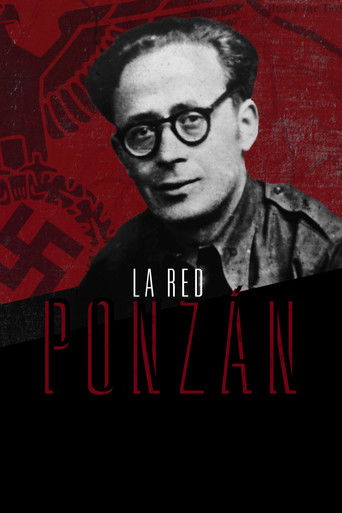
During the Spanish Civil War (1936-1939) and the Second World War (1939-1945), around three thousand people managed to elude their pursuers, and probably also avoided being killed, thanks to the heroic and very efficient efforts of the Ponzán Team, a brave group of people — mountain guides, forgers, safe house keepers and many others —, led by Francisco Ponzán Vidal, who managed to save their lives, both on one side and the other of the border between Spain and France.

Contracampos is the attempt to (re)build a landscape. A recreational area and a shooting range in the west of Asturies, which, between 1937 and 1943, housed a Francoist concentration camp through which thousands of Republicans passed – firstly militiamen, later guerrillas and their relatives. Sharing a leisurely observation with the viewer, the film intends to resignify that space, giving it back its political meaning. But it is not a question of showing –of filming– the invisible, but rather of showing what is missing in what exists today. What was and is no longer, not even in people's memories.

The memory of the poet Vicente Aleixandre remains silent at No. 3 Velintonia Street. Home of a Nobel Prize in Literature 1977, it also recalls the joy of Lorca and other members of Generation´27, the pain of civil war and post-war, and became a meeting point for most writers in 20th century Spanish Literature, now is abandoned and for sale. This documentary recreates its story and spirit.
A pro-Republican documentary filmed on the streets of Barcelona between July 19-24, 1936. It showcases the revolutionary fervor in the city at the onset of the Spanish Civil War.

The story of the Spanish Republicans of La Nueve, the 9th Company of the Régiment de marche du Tchad, part of the French 2nd Armored Division, known as Leclerc Division, whose troops were the first who entered Nazi-occupied Paris on August 24, 1944.

This documentary is the first of a series that dedicated 4 issues to the activity of the Durruti column in Aragon.


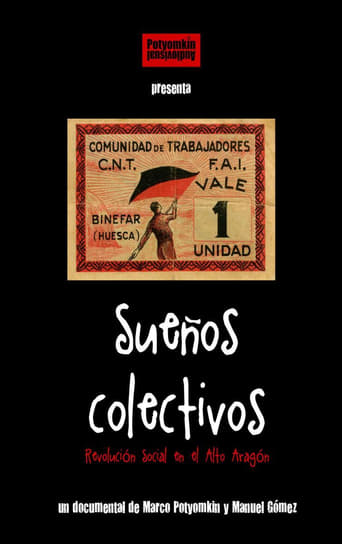
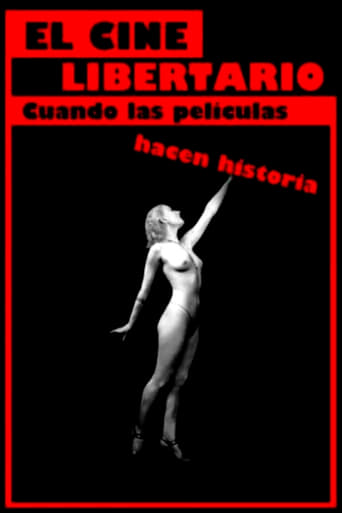
Upon the outbreak of the Spanish Civil War in July 1936, the anarchist union CNT socialized the film industry in Spain, so in Madrid and Barcelona film workers took over the production assets and, between 1936 and 1938, numerous films on a wide variety of topics were released, composing a varied mosaic that gives rise to one of the most unusual and original moments of Spanish cinematography.
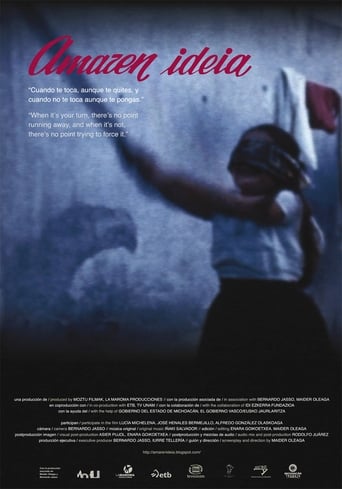
Three elders return to their homeland seventy years after being forced to leave it because of the Spanish Civil War.

Third film of Juan José Ponce's trilogy about Federico García Lorca.
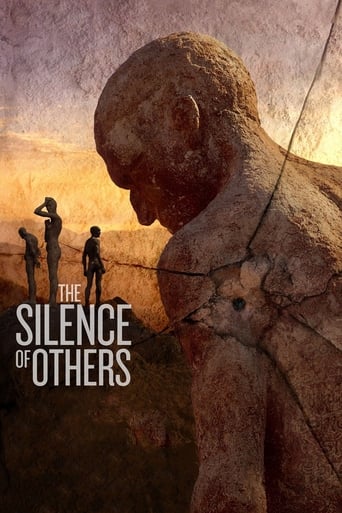
The story of the tortuous struggle against the silence of the victims of the dictatorship imposed by General Franco after the victory of the rebel side in the Spanish Civil War (1936-1975). In a democratic country, but still ideologically divided, the survivors seek justice as they organize the so-called “Argentinian lawsuit” and denounce the legally sanctioned pact of oblivion that intends to hide the crimes they were subjects of.
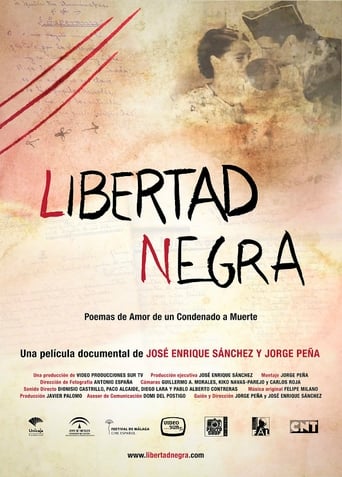
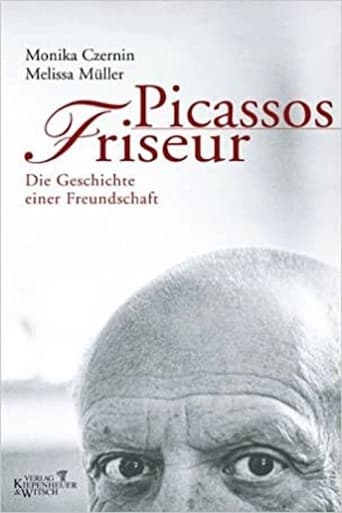
In 1948 Pablo Picasso met the hairdresser Eugenio Arias. Both were linked by the fate of emigration. If Picasso initially only had his hair cut by Arias, a deep friendship soon developed.
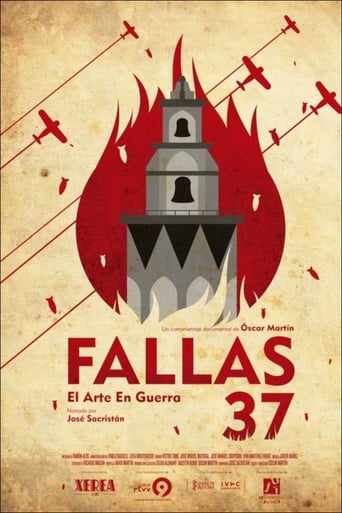
In November 1936, a few months since the beginning of the Spanish Civil War, the government of the Second Republic moves to Valencia. In this situation, several Valencian artists and intellectuals decide to build four fallas — satirical plasterboard sculptures created to be burnt — to mock fascism.