
Men Are All Brothers
1960-06-16 · 60 min · Not rated
Documentary against buraku discrimination
Trailers are previews, not full movies.
No authorized playback source configured. Use the legal watch options below.
Production details
- Directors
- Fumio Kamei
- Production companies
- Geijutsu Eiga-sha, Matsumoto Production, Japan Document Film
- Countries
- Japan
- Status
- Released
Top Cast
Title information and images are supplied by TMDb. Explore our discovery guide for advice on comparing metadata and legal viewing options.
Where to watch
Availability provided by JustWatch via TMDb. Offers can change. Provider links are listed on TMDb; full playback requires a separately authorized source.
Availability not listed for this country.
Seasons & episodes
Recommendations
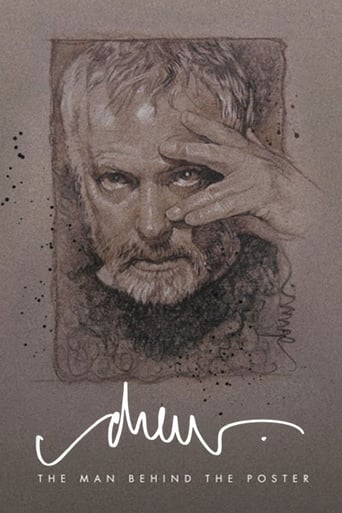
A documentary on legendary movie-poster artist Drew Struzan.

A 1993 documentary film about Bruce Lee. The film includes interviews from some of his fellow students and opponents who worked alongside him in his movies.

A documentary about how a dominant cultural and demographic institution both sustains their traditional activities and adapts to the digital revolution.
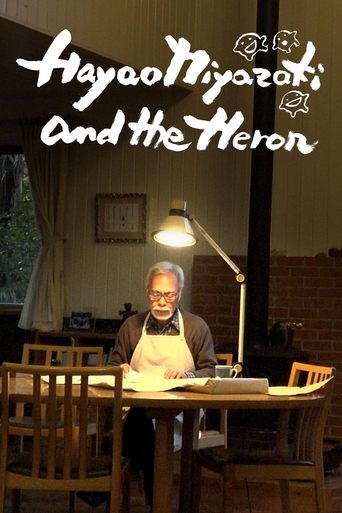
A documentary that chronicles the making of The Boy and the Heron, filmed with exclusive access to Studio Ghibli across an astonishing seven years.

In an intimate and joyful story of love in the face of loss, celebrated poets Andrea Gibson and Megan Falley find strength—and unexpected hilarity—in what might be their final year together.

A documentary on the expletive's origin, why it offends some people so deeply, and what can be gained from its use.
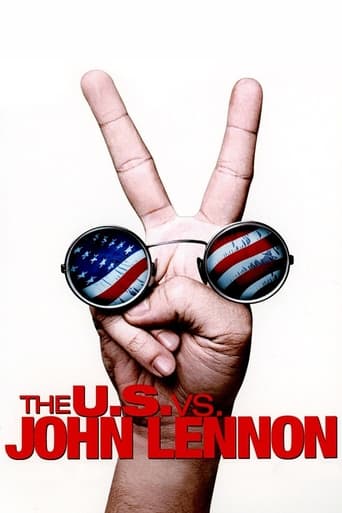
A documentary on the life of John Lennon, with a focus on the time in his life when he transformed from a musician into an antiwar activist.
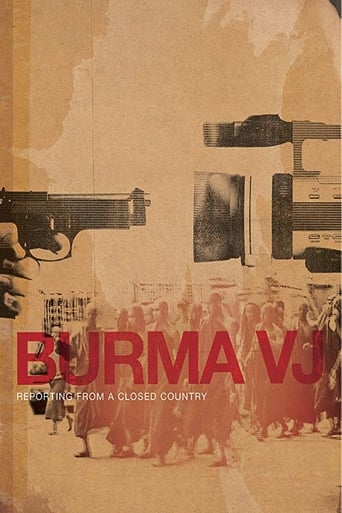
Going beyond the occasional news clip from Burma, the acclaimed filmmaker, Anders Østergaard, brings us close to the video journalists who deliver the footage. Though risking torture and life in jail, courageous young citizens of Burma live the essence of journalism as they insist on keeping up the flow of news from their closed country.
Kenzo Okuzaki, a 62-year-old anarchist veteran of the New Guinea campaign in World War II, sets out to conduct interviews with survivors and relatives to find the truth behind atrocities committed by Japanese military, in particular the unexplained killing of two Japanese privates in his unit.

Ranjit, a farmer in India, takes on the fight of his life when he demands justice for his 13-year-old daughter, the victim of a brutal gang rape. His decision to support his daughter is virtually unheard of, and his journey unprecedented.

In the Realms of the Unreal is a documentary about the reclusive Chicago-based artist Henry Darger. Henry Darger was so reclusive that when he died his neighbors were surprised to find a 15,145-page manuscript along with hundreds of paintings depicting The Story of the Vivian Girls, in What is Known as the Realms of the Unreal, of the Glodeco-Angelinnian War Storm, Cased by the Child Slave Rebellion.

The life and career of one of comedy's most inimitable modern voices, Mr. Gilbert Gottfried.

When Allied forces liberated the Nazi concentration camps in 1944-45, their terrible discoveries were recorded by army and newsreel cameramen, revealing for the first time the full horror of what had happened. Making use of British, Soviet and American footage, the Ministry of Information’s Sidney Bernstein (later founder of Granada Television) aimed to create a documentary that would provide lasting, undeniable evidence of the Nazis’ unspeakable crimes. He commissioned a wealth of British talent, including editor Stewart McAllister, writer and future cabinet minister Richard Crossman – and, as treatment advisor, his friend Alfred Hitchcock. Yet, despite initial support from the British and US Governments, the film was shelved, and only now, 70 years on, has it been restored and completed by Imperial War Museums under its original title "German Concentration Camps Factual Survey".

A compilation of over 30 years of private home movie footage shot by Lithuanian-American avant-garde director Jonas Mekas, assembled by Mekas "purely by chance", without concern for chronological order.
This searing investigative work shadows a group of activists risking unimaginable peril to confront the ongoing anti-LGBTQ program raging in the repressive and closed Russian republic. Unfettered access and a remarkable approach to protecting anonymity exposes this under-reported atrocity–and an extraordinary group of people confronting evil.

An investigative look and analysis of gender disparity in Hollywood, featuring accounts from well-known actors, executives and artists in the Industry.
An exploration of technologically developing nations and the effect the transition to Western-style modernization has had on them.

Vulgar, taunting texts blow up the phones of a teen and her boyfriend. Who's sending them — and why? This twisty documentary reveals the shocking answer.

Martin Scorsese, Robert De Niro, Joe Pesci, and Al Pacino in conversation about The Irishman.

A detailing of the rise to prominence and global sporting superstardom of six supremely talented young Manchester United football players (David Beckham, Nicky Butt, Ryan Giggs, Paul Scholes, Phil and Gary Neville). The film covers the period 1992-1999, culminating in Manchester United's European Cup triumph.
Similar titles

Interviews with Burakumin in Osaka, victims of discrimination
"Buraku" or "Buraku-min" are the terms used for ethnic Japanese people who are believed to descend from the pre-Meiji castes. Today, neither "Buraku" nor "Burakumin" exist anymore in terms of laws and social systems. However, many Japanese people still have a deep-rooted sense of discrimination towards people who descend from those families. Why does something that should not exist continue to exist? How did this discrimination begin in the first place? This film takes a variety of approaches to unravel the history of accumulated discrimination and its intricately intertwined context, from its origins and evolution, vividly depicting the structure of discrimination that often remains hidden from the public eye.
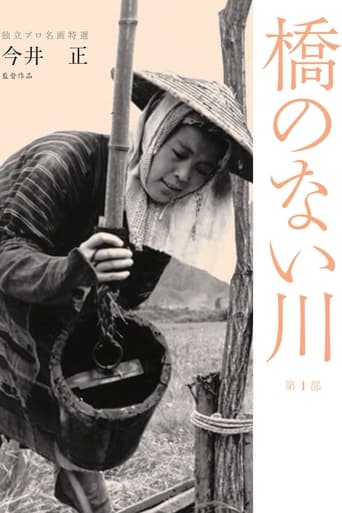
Brothers Koji and Seitaro Hatana, belong to the "outcast" caste. Despite their personal qualities—intelligence and fairness—they encounter numerous obstacles due to their caste affiliation. Together with other "outcasts," the brothers take up the fight for their human rights.

At the strong insistence of his father, Ushimatsu Segawa conceals his origins from a “buraku” area of low-class “untouchables,” leaving his hometown to serve as an elementary school teacher where he excels and is loved by his students. But he constantly struggles with the secret of his low-birth status and is disturbed by all of the discrimination levelled upon his class. It prevents him from pursuing a romance with Shiho, whom he meets at the temple where he resides, but who descends from a samurai family.

Based on the murder of nine street peddlers in the aftermath of the Great Kanto earthquake.
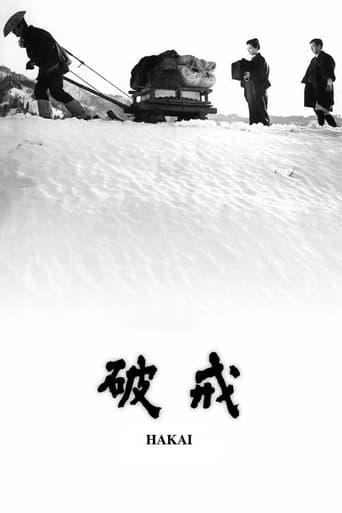
Ushimatsu's father told him never to reveal his lower-caste heritage; years later, he now contemplates confiding in an activist fighting against such discrimination.

A widow and her two sons, Seitaro and Koji, live in the small town of Komori, where Buraku people are forced to reside. The two boys are continuously harassed by their teachers and classmates through their childhood as a result of their Buraku heritage. In the midst of the 1918 Great Rice Riots in Osaka, Seitaro meets with Asako, the daughter of a rice shop owner, and falls in love with her. She too is of Buraku descent. At the same period, Hideaki, an old friend of the brothers returns to Komori, and he along with Koji and the townspeople create "Zenkoku Suiheisha", the National Levelers Association, an organization pledged to build a bridge over the river of discrimination, making all people equal in every way.

In the Meiji period, a schoolteacher tries to hide his lower-class upbringing as he supports a visiting liberal intellectual.

Chronicles the migrant crisis occurring in Europe and the consequences on both refugees and natives.

Road movie-style documentary about the Great Post Road (De Groote Postweg/Jalan Raya Pos). Pramoedya Ananta Toer (1925), one of the most important Indonesian authors of recent decades, wrote an essay about the Great Post Road at the request of director Bernie IJdis. This thousand-kilometer road across Java was built at the beginning of the last century under the leadership of the Dutchman Daendels and cost the lives of thousands of Indonesian forced laborers. Because Toer, as a former political prisoner, is restricted in his freedom of movement, the filmmakers act as his eyes and ears during a trip along the Post Road. During the journey, parallels between Indonesia in the past and present slowly unfold. In addition, as the film progresses, the grimness of Toer's situation and the situation in his country becomes palpable.

The documentary that answers the question: is having month-long double paid vacations, no fear of homelessness, and universal health care the nightmare we've been warned about? The answer may surprise you.

Carroll Shelby came from humble beginnings working as a chicken farmer in rural Texas. He exploded into the auto-racing scene by beating all the top-tier drivers of the era and winning the 24 Hours of Le Mans in 1959. All while still wearing his chicken-overalls. Carroll had a heart condition that nearly killed him, forcing him to retire from racing. He started Shelby American and assembled a rag-tag team of hot-rodders to execute his vision of building groundbreaking sports cars like the Shelby Cobra. He also led Ford and the GT40 to multiple victories at Le Mans over Ferrari. Shelby’s cars, driven by the greatest drivers in the history of racing, cemented his legacy. He is the only man in history to win Le Mans as both a driver and a manufacturer. And is still the only American auto-manufacturer to win the World Manufacturing Championship.
Produced by NASA contractor Rockwell International, this circa 1978 film was made shortly before the successful Apollo-Soyuz space mission. It is followed by a second film SPACESHIP EARTH showing on-going work on the new Space Shuttle. APOLLO-SOYUZ was created prior to the actual mission, and uses footage from prior Apollo missions and concept art. The film also shows the construction and assembly process for the Apollo side of the mission with Deke Slaton and crew shown. The docking module is shown at 1:52 and again at 2:43 when it was displayed at the 1973 Paris Air Show.

A nation's architect battles war and chaos to forge a country from the ashes—can he secure its future before freedom slips away?
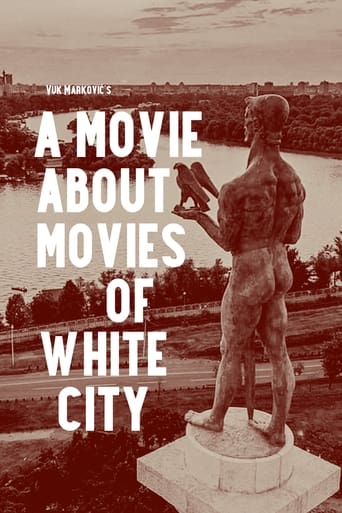
Short documentary about movies locations from Yugoslavian movies and how they look nowadays.

Film takes the viewer into the world of men living in small towns in Estonia, showing their everyday thoughts and concerns.
It is still not known how many women and girls fought on the fronts of the Great Patriotic War, how many of them were tortured in the dungeons of the Gestapo and in concentration camps, how many were hijacked to Germany or overworked at unbearably hard work in the rear ... The film is dedicated to the unparalleled courage and heroism of Soviet women and girls.
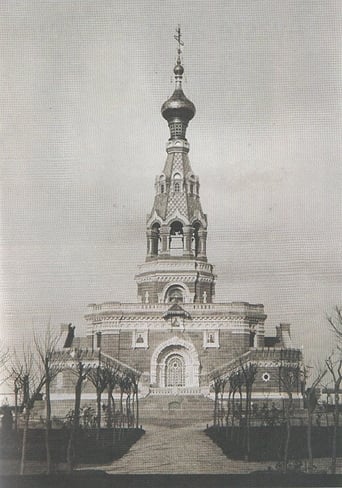
Filmed by reserve army officer Fuat Uzkinay shortly after the Ottoman empire's entry into the Great War. A General Enver's establishes a film centre and several more scenes are shot during the war.

A man's head is seen in silent close-up using single-frame shooting and time exposure.