

Moby Dick: An American Allegory
2023-10-30 · 53 min · ★ 4.0
A look at US society through the prism of Moby Dick, the mythical novel published by Herman Melville (1819-1891) in 1851.
Trailers are previews, not full movies.
No authorized playback source configured. Use the legal watch options below.
Production details
- Directors
- Hai-Hsin Lu, Peta Jenkin
- Production companies
- Berlin Producers
- Countries
- Germany
- Status
- Released
Top Cast
Title information and images are supplied by TMDb. Explore our discovery guide for advice on comparing metadata and legal viewing options.
Where to watch
Availability provided by JustWatch via TMDb. Offers can change. Provider links are listed on TMDb; full playback requires a separately authorized source.
Availability not listed for this country.
Seasons & episodes
Recommendations
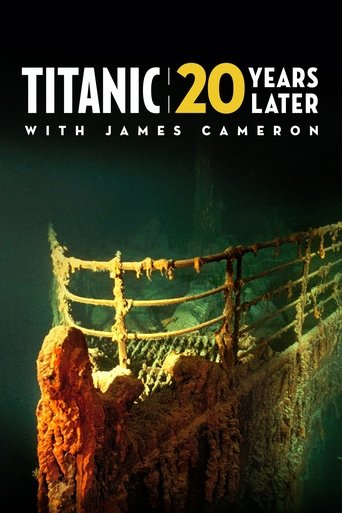
For the 20th anniversary of "Titanic," James Cameron reopens the file on the disaster.
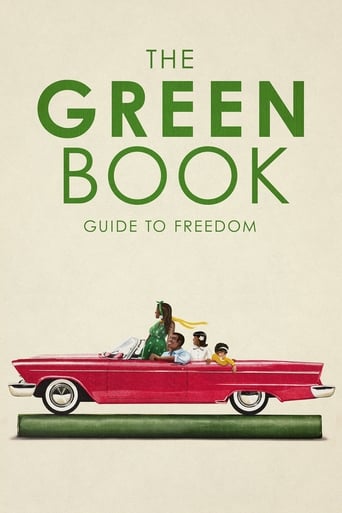
In 1936, Victor H. Green (1892-1960) published The Negro Motorist Green Book, a book that was both a travel guide and a survival manual, to help African-Americans navigate safe those regions of the United States where segregation and Jim Crow laws were disgracefully applied.
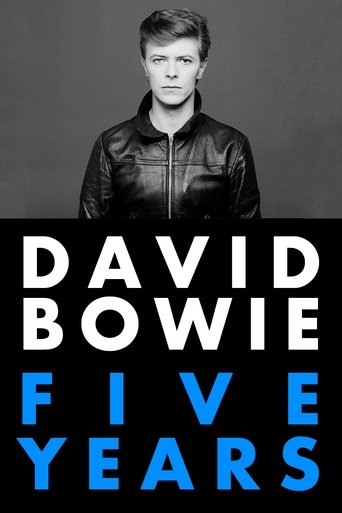
Featuring a wealth of previously unseen archive, this film looks at how Bowie continually evolved: from Ziggy Stardust to the Soul Star of Young Americans, to the ‘Thin White Duke’. It explores his regeneration in Berlin with the critically acclaimed album Heroes, his triumph with Scary Monsters and his global success with Let’s Dance. With interviews with all his closest collaborators, David Bowie - Five Years presents a unique account of why Bowie has become an ‘icon of our times’.

Oliver Stone charts the history of the United States from the Second World War to the present.
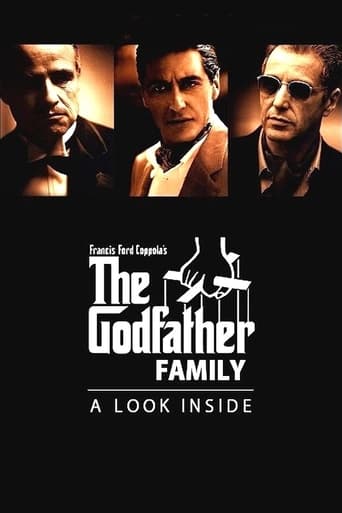
A documentary on the making of the three Godfather films, with interviews and recollections from the film makers and cast. This feature also includes the original screen tests of some of the actors for "The Godfather" film, and some candid moments on the set of "The Godfather: Part III."
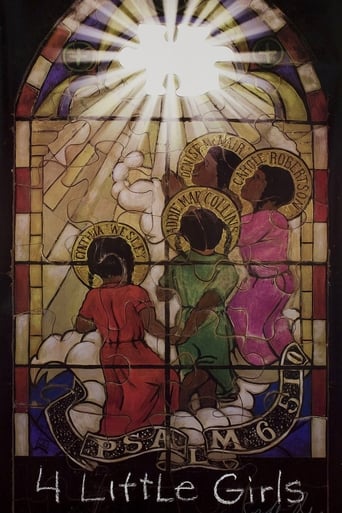
On September 15, 1963, a bomb destroyed a black church in Birmingham, Alabama, killing four young girls who were there for Sunday school. It was a crime that shocked the nation--and a defining moment in the history of the civil-rights movement. Spike Lee re-examines the full story of the bombing, including a revealing interview with former Alabama Governor George Wallace.
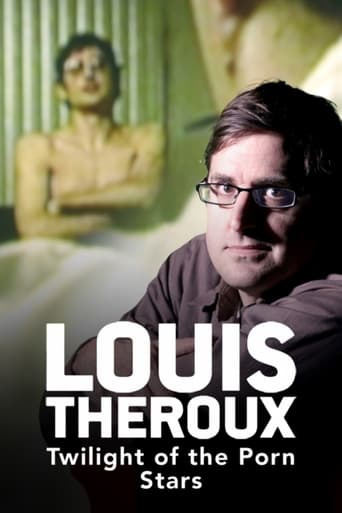
In 1997, Louis Theroux made a documentary about the world of male porn performers in Los Angeles. 15 years later, he returns to find a business struggling with the deluge of free porn on the internet. Louis revisits some of the original programme's contributors as well as meeting the latest crop of porn performers dreaming of porn stardom.
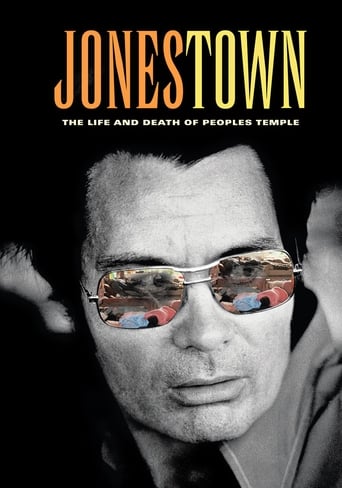
Featuring never-before-seen footage, this documentary delivers a startling new look at the Peoples Temple, headed by preacher Jim Jones who, in 1978, led more than 900 members to Guyana, where he orchestrated a mass suicide via tainted punch.
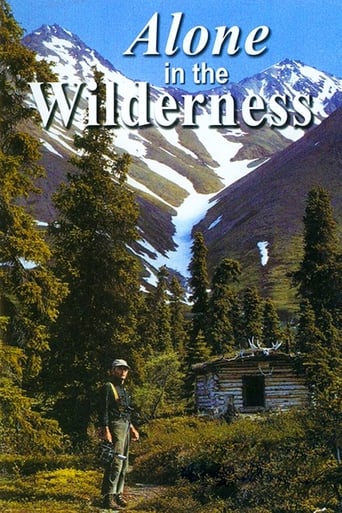
Dick Proenneke retired at age 50 in 1967 and decided to build his own cabin in the wilderness at the base of the Aleutian Peninsula, in what is now Lake Clark National Park. Using color footage he shot himself, Proenneke traces how he came to this remote area, selected a homestead site and built his log cabin completely by himself. The documentary covers his first year in-country, showing his day-to-day activities and the passing of the seasons as he sought to scratch out a living alone in the wilderness.
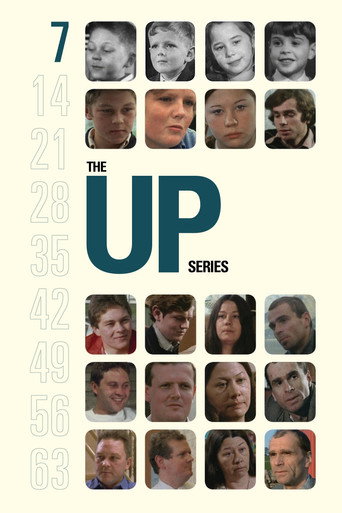
A group of British children aged 7 from widely ranging backgrounds are interviewed about a range of subjects. The filmmakers plan to re-interview them at 7 year intervals to track how their lives and attitudes change as they age.
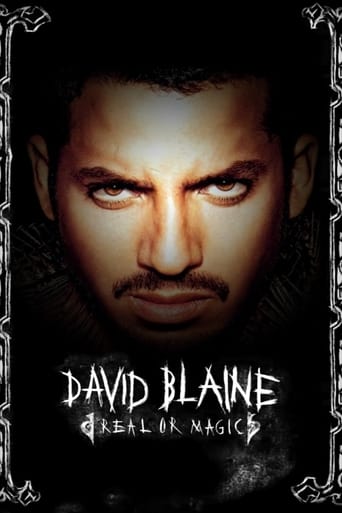
David Blaine's signature brand of street magic mystifies the most recognisable celebrities in the world, such as Jamie Foxx, Bryan Cranston, Aaron Paul, Ricky Gervais, Katy Perry, Woody Allen, and Robert DeNiro, to name a few. He goes to the homes of Kanye West and Harrison Ford, Will Smith and Olivia Wilde. He pays a visit to Stephen Hawking at his office in Cambridge University. Blaine also travels the world, astonishing people from all walks of life with never-before seen, inconceivable magic.
Journey into the extraordinary world of "The Witcher" — from casting the roles to Jaskier's catchy song — in this behind-the-scenes look at the series.

An unprecedented and intimate look at the life, work and enduring legacy of British actress Audrey Hepburn (1929-1993).

The history of cinematic sound, told by legendary sound designers and visionary filmmakers.
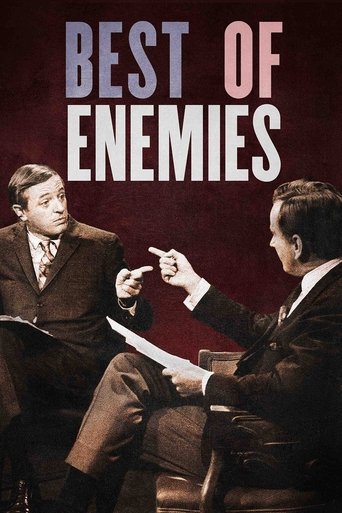
A documentary about the legendary series of nationally televised debates in 1968 between two great public intellectuals, the liberal Gore Vidal and the conservative William F. Buckley Jr. Intended as commentary on the issues of their day, these vitriolic and explosive encounters came to define the modern era of public discourse in the media, marking the big bang moment of our contemporary media landscape when spectacle trumped content and argument replaced substance. Best of Enemies delves into the entangled biographies of these two great thinkers, and luxuriates in the language and the theater of their debates, begging the question, "What has television done to the way we discuss politics in our democracy today?"
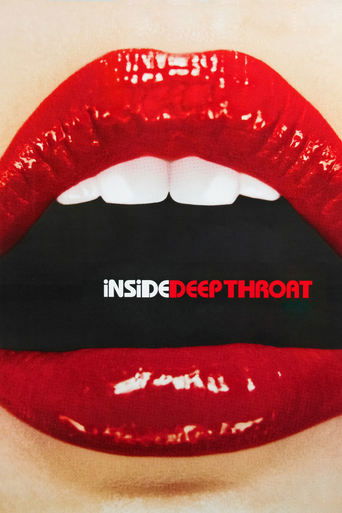
In 1972, a seemingly typical shoestring budget pornographic film was made in a Florida hotel: "Deep Throat," starring Linda Lovelace. This film would surpass the wildest expectation of everyone involved to become one of the most successful independent films of all time. It caught the public imagination which met the spirit of the times, even as the self-appointed guardians of public morality struggled to suppress it, and created, for a brief moment, a possible future where sexuality in film had a bold artistic potential. This film covers the story of the making of this controversial film, its stunning success, its hysterical opposition along with its dark side of mob influence and allegations of the on set mistreatment of the film's star.
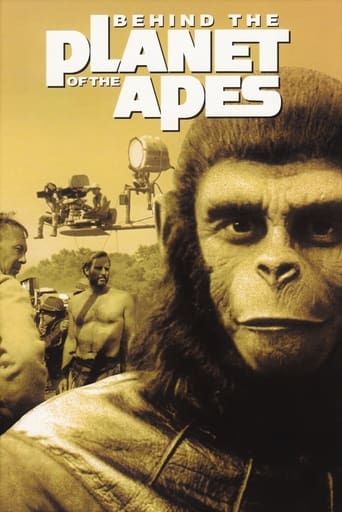
Roddy McDowall takes you, film by film, from production meetings to make-up sessions, then right onto the movie set to see the actual filming of the science fiction masterpiece. The most comprehensive history of Planet of the Apes ever created, this fascinating 127-minute documentary explores one of the most imaginative and influential series in movie history.
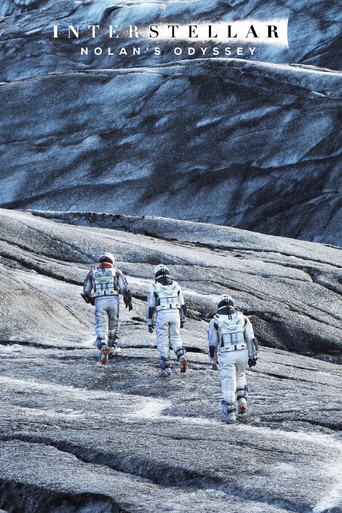
A look behind the lens of Christopher Nolan's space epic.
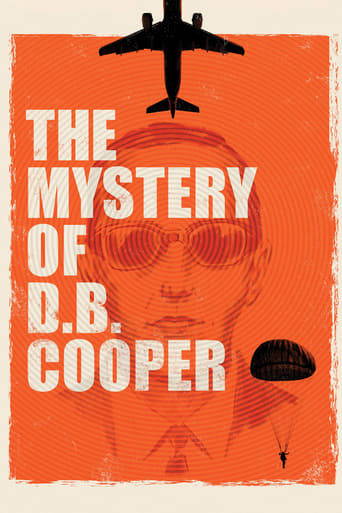
This documentary brings to life the stories of four people believed by their family and friends to be “DB Cooper,” a man who hijacked a 727 flying out of Seattle and jumped from the plane over the wilds of Washington State with a parachute and $200,000, never to be heard from again.

Cameramen and women discuss the craft and art of cinematography and of the "DP" (the director of photography), illustrating their points with clips from 100 films, from Birth of a Nation to Do the Right Thing. Themes: the DP tells people where to look; changes in movies (the arrival of sound, color, and wide screens) required creative responses from DPs; and, these artisans constantly invent new equipment and try new things, with wonderful results. The narration takes us through the identifiable studio styles of the 30s, the emergence of noir, the New York look, and the impact of Europeans. Citizen Kane, The Conformist, and Gordon Willis get special attention.
Similar titles
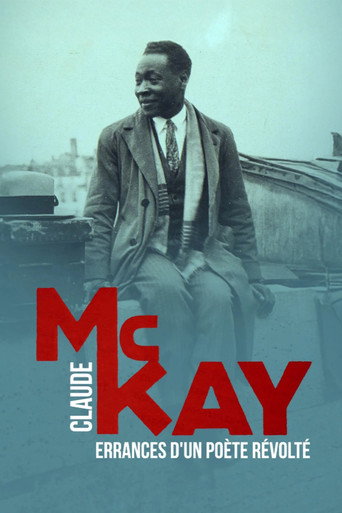
At the crossroads of Black literary consciousness and political struggle, the ideas of Claude McKay, Jamaican poet and novelist, laid the foundations for major literary movements, including Négritude. Proudly wandering, both bohemian and politically committed, a chameleon with a magnetic personality, he traveled across the globe: New York’s literary scene, Parisian aristocracy, Communist intelligentsia in Russia, and Black diasporas in the port of Marseille. Using archival materials and texts read in voice-over by Gaël Faye and Manon Azem, the film traces McKay’s journey as he crosses paths with major figures of his time, from George Bernard Shaw to W.E.B. Du Bois, Trotski, and many others.
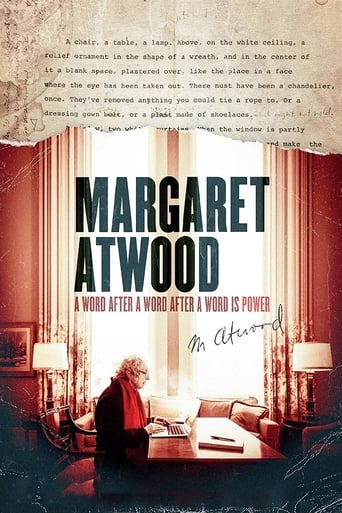
The views and thoughts of Canadian writer Margaret Atwood have never been more relevant than today. Readers turn to her work for answers as they confront the rise of authoritarian leaders, deal with increasingly intrusive technologies, and discuss climate change. Her books are useful as survival tools for hard times. But few know her private life. Who is the woman behind the stories? How does she always seem to know what is coming?

To write In Cold Blood (1966), a nonfiction novel that revolutionized world literature, Truman Capote (1924-84) spent five years in Kansas researching the murder of members of the Clutter family and collecting the confidences of its two authors.

Guy Ben-Ner, one of Israel's foremost video artists, gained international recognition with a series of low-tech films, starring his family in absurdist settings carved out of their intimate spaces and their everyday surroundings. Many of his videos are inspired by screenplays for films, folktales and novels. Analyzing these literary and cinematographic passages allows him to exploit the conventions of film narrative: how to tell a story, captivate an audience through a tale, sustain a degree of tension and entertainment, and so on. At the same time, he corrupts the magic of fiction by openly showing us the entrails of everything he records, without worrying about revealing the tricks of the trade. A large part of his filmic oeuvre features a conglomeration of cinematic and literary references which the artist quotes, adapts or interprets. Ben-Ner self-referentially links the great themes and their literary, cinematic and artistic realization.

England, 1960. The Crown sues the publisher Penguin Books in order to ban the publication of Lady Chatterley's Lover, a novel by the British writer D. H. Lawrence (1885-1930), published privately in Italy in 1928, which celebrates nature and deals with sex without taboos.

The story of the life, loves and work of US writer Patricia Highsmith (1921-95), told through her unpublished diaries, her own voice and that of those who knew her, both family and close friends.

The extraordinary life story of science fiction and fantasy writer Ursula K. Le Guin (1929-2018) who, in spite of remaining for many years on the sidelines of the mainstream literature, managed to be recognized as one of the most remarkable US writers of all time, due to the relevance of her work and her commitment to the human condition.
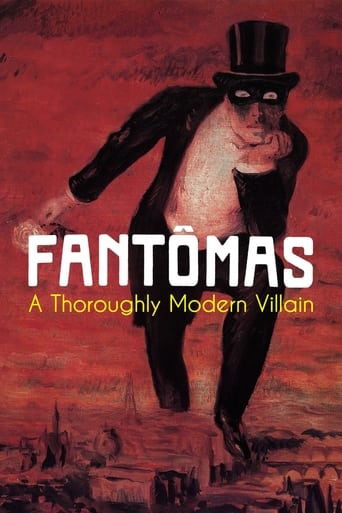
The story of Fantômas, the first villain of modernity, from his birth in 1911 as a novel character to his contemporary vicissitudes, passing through Louis Feuillade, André Hunebelle, surrealism and Moscow.

An interview with a young Toni Morrison. The video also shows Toni Morrison going shopping, at a party, and at work. Her commentary provides an incisive look behind her written words, and at the vision, technique, and lifestyle of this award-winning author. She reads from The Bluest Eye, Sula, and Song of Solomon.
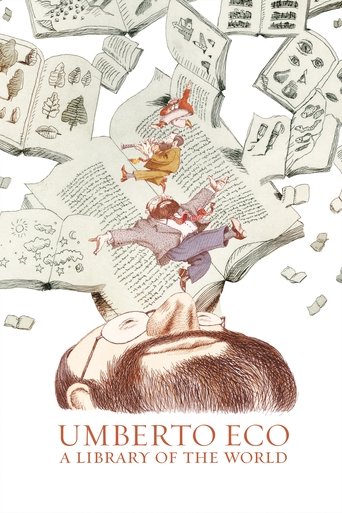
A walk through the immense private library of Italian writer and thinker Umberto Eco (1932-2016).

The US writer Henry Miller (1891-1980), scandalous and nonconformist creator, hated by the most recalcitrant puritans, was a vilified genius, considered a threat, accused of being a sexist, of consciously pursuing the destruction of every civic principle; but he was also someone venerated as a saint, as a sex guru; and today as one of the most important characters of the twentieth century.
A portrait of the German-language Czech writer Franz Kafka (1883-1924), a mysterious, strange and solitary individual, but also a visionary creator.
In 1847, British writer Emily Brontë (1818-48), perhaps the most enigmatic of the three Brontë sisters, published her novel Wuthering Heights, a dark romance set in the desolation of the moors, a unique work of early Victorian literature that stunned contemporary critics.
A radical cinematic investigation into the myth of Hamlet, the avenging prince of Denmark, William Shakespeare's creature; his origins and his unending influence on many diverse cultures.

In 1991, American Psycho, the third novel by controversial writer Bret Easton Ellis, provoked heated discussions among critics and readers alike; an extraordinarily disturbing book that transported its readers into the mind of Patrick Bateman, a cynical mergers and acquisitions executive obsessed with brands, inconsequential details, pop culture and brutal murder.
On January 31, 1857, the French writer Gustave Flaubert (1821-80) took his place in the dock for contempt of public morality and religion. The accused, the real one, is, through him, Emma Bovary, heroine with a thousand faces and a thousand desires, guilty without doubt of an unforgivable desire to live.

A look at the intimacy of the US writer Ernest Hemingway (1899-1961), a man infinitely more complex than his public image suggested, through the story of his relationship with his four wives.

At his Long Island beach house, and on the occasion of the publication of his masterful nonfiction novel In Cold Blood, reporter Karen Dennison interviews celebrated writer Truman Capote, who displays his exuberant personality, makes witty jokes, shares his thoughts on writing, reflects on various aspects of the book and, in a sweet and endearing voice, reads and explains some of its highlights.

In 1818, Mary Shelley wrote Frankenstein; or, The Modern Prometheus, a powerful and timelessness novel which eternal theme is nothing other than man's quest for the secret of life. Since then, the Creature became a pop culture icon, overshadowing the novel and Doctor Frankenstein himself.

An account of the life and work of the charismatic Spanish writer Terenci Moix (1942-2003).