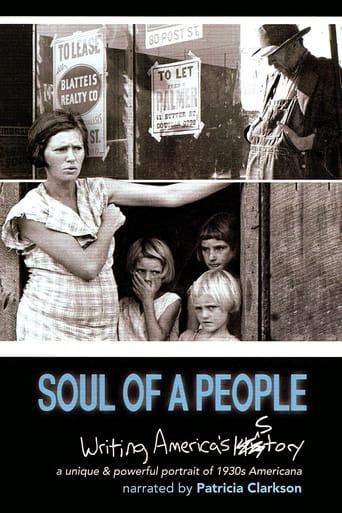
Soul of a People: Writing America's Story
2009-09-06 · 92 min · Not rated
In the grip of the Great Depression, unemployed men and women joined an unlikely WPA program to document America in guidebooks and interviews. With the Federal Writers' Project, the government pitted young, untested talents against the problems of everyday Americans. From that experience, some of America's great writers found their own voices, and discovered the Soul of a People. — Spark Media
Trailers are previews, not full movies.
No authorized playback source configured. Use the legal watch options below.
Production details
- Directors
- Andrea Kalin
- Production companies
- Spark Media
- Countries
- United States of America
- Status
- Released
Top Cast
 Patricia ClarksonSelf - Narrator (voice)
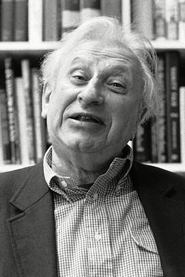 Studs TerkelSelf
 Douglas BrinkleySelf
Title information and images are supplied by TMDb. Explore our discovery guide for advice on comparing metadata and legal viewing options.
Where to watch
Availability provided by JustWatch via TMDb. Offers can change. Provider links are listed on TMDb; full playback requires a separately authorized source.
Availability not listed for this country.
Seasons & episodes
Recommendations

Through deeply personal interviews with her siblings and an examination of the photographs, letters, and belongings left behind, Mariska assembles a new portrait of her mother Jayne Mansfield, an extraordinary and complex woman.

In an intimate and joyful story of love in the face of loss, celebrated poets Andrea Gibson and Megan Falley find strength—and unexpected hilarity—in what might be their final year together.
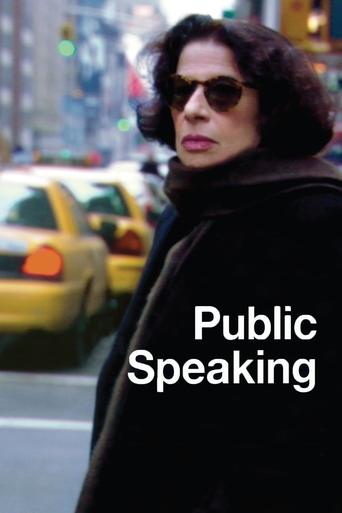
Martin Scorsese’s portrait of writer and social commentator Fran Lebowitz, celebrated for her sharp wit and observations on modern life. Filmed at New York’s Waverly Inn and intercut with archival footage and interviews, the documentary captures Lebowitz’s distinctive worldview through her spontaneous monologues and public appearances.

When Allied forces liberated the Nazi concentration camps in 1944-45, their terrible discoveries were recorded by army and newsreel cameramen, revealing for the first time the full horror of what had happened. Making use of British, Soviet and American footage, the Ministry of Information’s Sidney Bernstein (later founder of Granada Television) aimed to create a documentary that would provide lasting, undeniable evidence of the Nazis’ unspeakable crimes. He commissioned a wealth of British talent, including editor Stewart McAllister, writer and future cabinet minister Richard Crossman – and, as treatment advisor, his friend Alfred Hitchcock. Yet, despite initial support from the British and US Governments, the film was shelved, and only now, 70 years on, has it been restored and completed by Imperial War Museums under its original title "German Concentration Camps Factual Survey".

The life and career of one of comedy's most inimitable modern voices, Mr. Gilbert Gottfried.

“Showrunners” is the first ever feature length documentary film to explore the fascinating world of US television showrunners and the creative forces aligned around them. These are the people responsible for creating, writing and overseeing every element of production on one of the United State’s biggest exports – television drama and comedy series. Often described as the most complex job in the entertainment business, a showrunner is the chief writer / producer on a TV series and, in most instances, the show’s creator. Battling daily between art and commerce, showrunners manage every aspect of a TV show’s development and production: creative, financial and logistical.

Over 35 years after Bob Lazar's revelations, this documentary exposes secrets of a facility the government still denies. Featuring Lazar's testimony, recreations, and new evidence, it reopens a case that continues to spark global curiosity

Unravel the case of Utah therapist Jodi Hildebrandt, whose child abuse arrest with parenting YouTuber Ruby Franke exposed a twisted tale of manipulation.
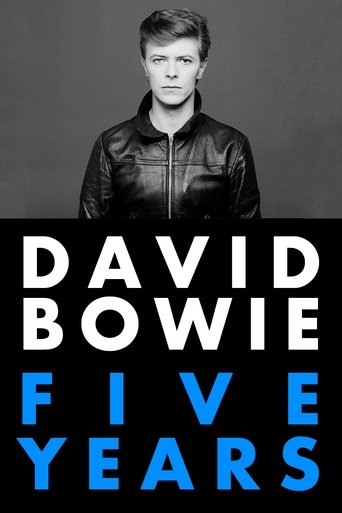
Featuring a wealth of previously unseen archive, this film looks at how Bowie continually evolved: from Ziggy Stardust to the Soul Star of Young Americans, to the ‘Thin White Duke’. It explores his regeneration in Berlin with the critically acclaimed album Heroes, his triumph with Scary Monsters and his global success with Let’s Dance. With interviews with all his closest collaborators, David Bowie - Five Years presents a unique account of why Bowie has become an ‘icon of our times’.

A string of threatening emails escalates into a revenge plot involving a newly married US marshal and his ex-girlfriend.
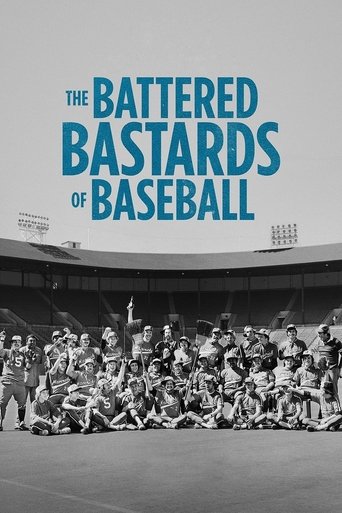
Hollywood veteran Bing Russell creates the only independent baseball team in the country—alarming the baseball establishment and sparking the meteoric rise of the 1970s Portland Mavericks.
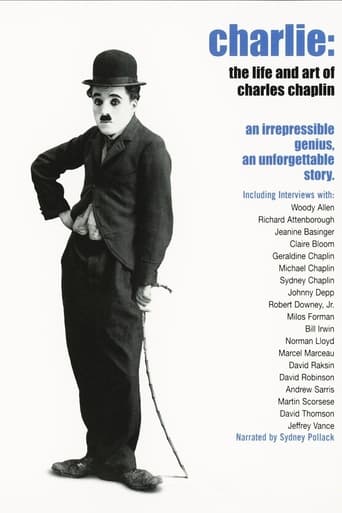
Brilliant, long in-the-works story of the life and art of the world's greatest comedian and the cinema's first genius, Charlie Chaplin. Produced, written and directed by renowned film critic Richard Schickel.
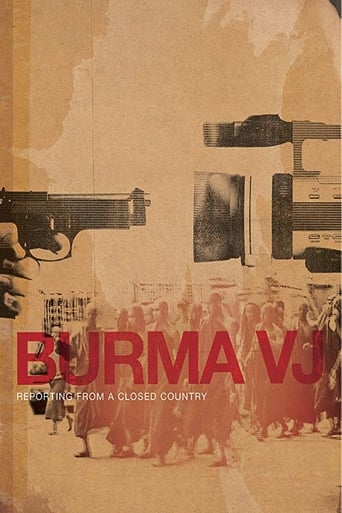
Going beyond the occasional news clip from Burma, the acclaimed filmmaker, Anders Østergaard, brings us close to the video journalists who deliver the footage. Though risking torture and life in jail, courageous young citizens of Burma live the essence of journalism as they insist on keeping up the flow of news from their closed country.

Documentary filmmaker Amy Berg investigates the life of 30-year pedophile Father Oliver O'Grady and exposes the corruption inside the Catholic Church that allowed him to abuse countless children. Victims' stories and a disturbing interview with O'Grady offer a view into the troubled mind of the spiritual leader who moved from parish to parish gaining trust ... all the while betraying so many.

Thirty-four days before she's sent to prison, notorious Silicon Valley founder Elizabeth Holmes invites a skeptical film crew to document her every move. What begins as an intimate portrait of an enigmatic felon becomes a mind-bending three-year journey into the abyss.

Al Pacino's deeply-felt rumination on Shakespeare's significance and relevance to the modern world through interviews and an in-depth analysis of "Richard III."

Musician and performance artist Laurie Anderson reflects on the deaths of her husband Lou Reed, her mother and her beloved dog.
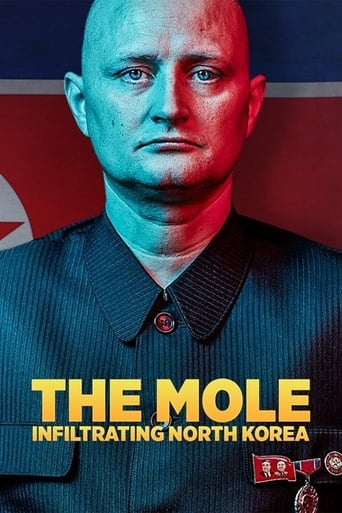
A real-life undercover thriller about two ordinary men who embark on an outrageously dangerous ten-year mission to penetrate the world's most secretive and brutal dictatorship: North Korea.

BBC Arena's documentary on the Dames of British Theatre and film featuring Maggie Smith, Eileen Atkins, Judi Dench and Joan Plowright on screen together for the first time as they reminisce over a long summer weekend in a house Joan once shared with Sir Laurence Olivier.
On the night of Oct. 2, 2005, Hart and Dana Perry's 15-year-old son Evan jumped to his death from his New York City bedroom window. This moving film is the story, told by his filmmaker parents and others who knew him, of Evan’s life and death, and his life-long struggle with bipolar disorder. It delves into the complexity of Evan's disease, sharing his family's journey through the maze of mental illness. In showing how one family deals with generations of loss and grief, the film defies the stigma related to mental illness and suicide and tells a human story that touches everyone.
Similar titles

This film takes us into the harsh realm of BC's early coal mines, canneries, and lumber camps; where primitve conditions and speed-ups often cost lives. Then, the film moves through the unemployed' struggles of the '30s, post WWII equity campaigns, and into more recent public sector strikes over union rights.
Mel Schwartz escaped the Great Depression on a bicycle adventure he'd remember for the rest of his life... until Mel lost his memory to Alzheimer's. Now over seventy-five years later, his grandchildren set out to recreate his life-changing journey and find those memories before they slip away. Cycle of Memory explores the importance of intergenerational connection, healing painful pasts, and leaving a meaningful time capsule for the future.
Riding the Rails offers a visionary perspective on the presumed romanticism of the road and cautionary legacy of the Great Depression. The filmmakers relay the experiences and painful recollections of these now-elderly survivors of the rails. Forced to travel more by economic necessity than the spirit of adventure, the film's subjects dispel romantic myths of a hobo existence and its corresponding veneer of freedom. Riding the Rails recounts the hoboes' trade secrets for survival and accounts of dank miseries, loneliness, imprisonment, death, and dispossession. Sixty years later, the filmmakers transport their subjects back to the tracks, where the surging impact of sound and movement resuscitates memories of a shattered adolescence and devastating rite of passage.
In his first one hundred days in office, in a effort to stem the effects of the Great Depression, President Roosevelt created many new federal agencies. They gave jobs and relief to people and transformed the American landscape with public works projects. Nowhere was this transformation more apparent than in Mayor Fiorello La Guardia's New York City. Together Roosevelt and La Guardia expanded and redefined the role of government in the lives of the American people.

Elected in November 1932, as the economic crisis ravaged the United States, Franklin Delano Roosevelt immediately put all his campaign promises into action: it was time for the "New Deal". This bold plan, designed to turn around a nation on the brink of collapse, where unemployment was at an all-time high and the working poor were suffering from the precariousness of the job market, was intended to give hope to a country that had been battered before anything else. Once he came to power, the new president from the Democratic Party immediately passed some fifteen laws designed to revive the economy.
During the darkest days of the Depression when construction was started on Grand Coulee Dam, everything about it was described in superlatives. It would be the "Biggest Thing on Earth," the salvation of the common man, a dam and irrigation project that would make the desert bloom, a source of cheap power that would boost an entire region of the country. Of the many public works projects of the New Deal, Grand Coulee Dam loomed largest in America's imagination, promising to fulfill President Franklin Roosevelt's vision for a "planned promised land" where hard-working farm families would finally be free from the drought and dislocation caused by the elements.

Every American who has listened to the radio knows Guthrie's "This Land Is Your Land." The music of the folk singer/songwriter has been recorded by everyone from the Mormon Tabernacle Choir to U2. Originally blowing out of the Dust Bowl in Depression-era America, he blended vernacular, rural music and populism to give voice to millions of downtrodden citizens. Guthrie's music was politically leftist, uniquely patriotic and always inspirational.
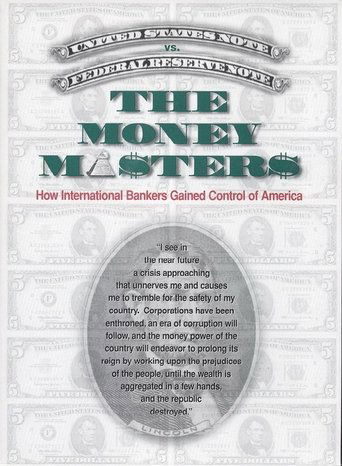
A documentary that traces the origins of the political power structure that rules our nation and the world today. The modern political power structure has its roots in the hidden manipulation and accumulation of gold and other forms of money.
For twelve years he stood as America's 32nd President, a man who overcame the ravages of polio to pull America through the Great Depression and WWII. From his legendary Fireside Chats to his sweeping New Deal, Franklin Delano Roosevelt revolutionized the American way of life. FDR: A Presidency Revealed examines one of history's most compelling figures. Inspired by his cousin Teddy Roosevelt, Franklin D. Roosevelt rose to the nation's highest office during the depths of one of its darkest periods. A man of few words, he brought a nation together through his revolutionary Fireside Chats. He introduced vast reforms like Social Security and work relief for the unemployed. At the same time, his administration hid a dark underbelly teeming with covert maneuvers, spy rings, and powerful enemies.
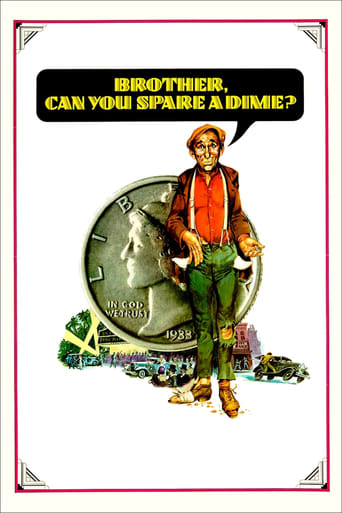
Period music, film clips and newsreel footage combined into a visual exploration of the American entertainment industry during the Great Depression.
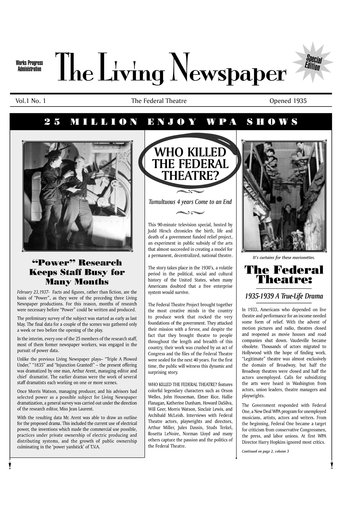
Part journalistic investigation and part performance documentary, "Who Killed The Federal Theater?" tells the story of the Federal Theatre Project within the context of a volatile period in the political, social and cultural history of the United States. The film features interview segments with playwrights, including Arthur Miller, and with actors, directors, designers, and historians. It also incorporates rare archival materials and dramatic sequences, including professionally re-created scenes from Federal Theatre productions that transport viewers back in time to a bygone era in American history and entertainment.
Showcases incidents based on the life of President Franklin D. Roosevelt. This mostly accurate privately produced biography of FDR is a cinema and political curiosity. Its lavish praise for the new president who had been in office for less than a month indicates how desperate the nation was for hope and change. The projections of FDR's future accomplishments and powerful leadership likewise were based more on hope than prior knowledge. Fortunately many of these projections proved to be accurate. Another oddity is about 1/3 of this biopic is devoted the life of the UK's Labor ex-PM Ramsey MacDonald.
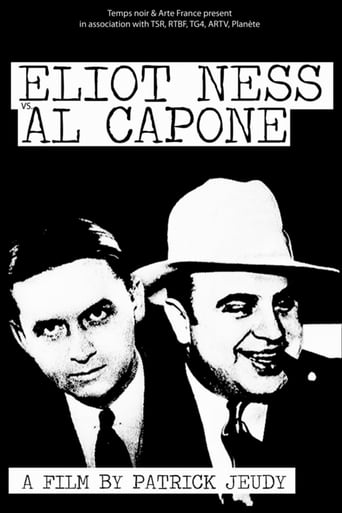
January, 1947. The public receives the news of Al Capone's death with indifference, although twenty years earlier he had ruled Chicago's crime underworld with brute force and corrupting many touchable individuals. Until the day the head of the Untouchables Brigade, Eliot Ness, entered the scene. Since then, a cruel battle between the two of them began, a battle that ended in trial, conviction, disease, insanity and death.
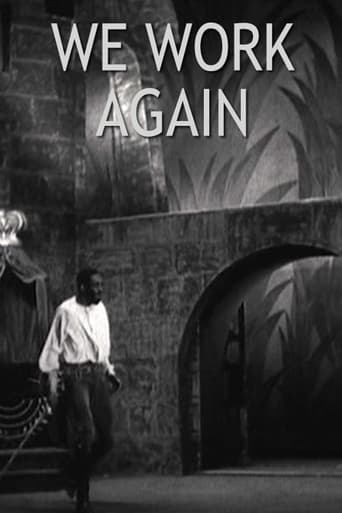
The role of African Americans in the recovery years of the Great Depression is the subject of this informational short, which offers an idealized depiction of life in a segregated society. The highlight, by far, is rare footage of Orson Welles’s “Voodoo Macbeth,” produced in 1935 for the New York Negro Unit of the WPA’s Federal Theatre Project.
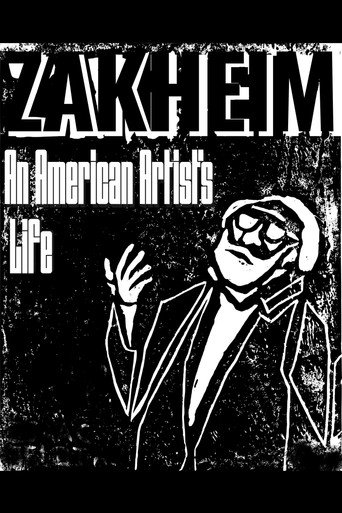
The story of Polish immigrant Bernard Zakheim; from his early life in Poland, his immigration to San Francisco, and how he became involved in the Federal Arts Program of the New Deal era. Rusk-based filmmaker Isaac Belota uncovers the sprawling story through the discovery of two Zakheim murals in East Texas; one in Rusk's Post Office, and one in Mineola's Post Office.
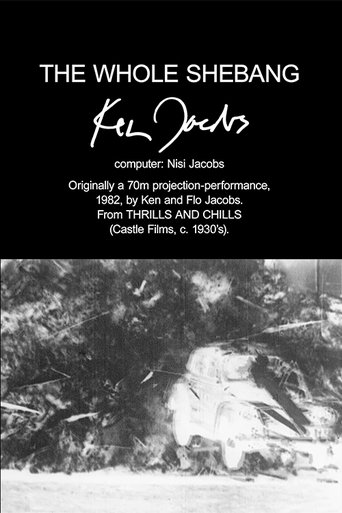
Black and white evokes nostalgia for The Great Depression. Things were so cheap, including lives. We see daredevils (desperate people) compete for money prizes. Baby prepares for WW2. [Originally a 70mm projection-performance, 1982, by Ken and Flo Jacobs. From THRILLS AND CHILLS (Castle Films, c. 1930)].
A film documenting work shortages during the Depression of the 1930s and the attempts to deal with the unemployed, in particular young men. The film discusses the establishment of relief camps and projects, where men were paid twenty cents per day; the founding of organizations such as the Co-operative Commonwealth Federation (CCF), Workers' Unity League, and Relief Camp Workers' Union; general unionization and protest of the unemployed, including the On To Ottawa Trek, Regina Riot, sit-in strike from May to June 1938 at the Vancouver Main Post Office, Vancouver Art Gallery and Hotel Georgia, and the resulting Bloody Sunday of June 19.
As the Great Depression progressed economic collapse took its toll on rural America. Crops went unsold, farm mortgages were called in by banks, hungry farmers protested, and robberies increased dramatically. The U.S. Army was called in to defend the nation's capital from veterans. They were demanding that President Hoover and Congress pay a bonus for their services in World War I. The film ends with Franklin Roosevelt's landslide election to the presidency.
Exploring the devastation of the 1930s, Lisa Jackson shapes amateur-shot archival film from a South Dakota town and audio interviews of residents who lived through the Great Depression to craft a moving and powerful allegory of contemporary financial corruption.

A documentary covering the planning, construction, and legacy of the Blue Ridge Parkway.