
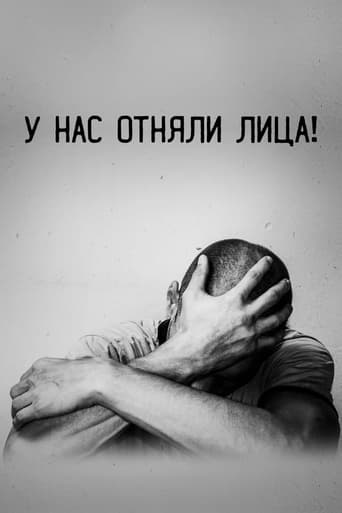
Our Faces Have Been Taken Away
2021-01-01 · 41 min · Not rated
The film tells the story of modern slavery from the perspective of the only Russian organization carrying out mass rescue missions both within the country and abroad.
Trailers are previews, not full movies.
No authorized playback source configured. Use the legal watch options below.
Production details
- Directors
- Ivan Rubtsov
- Production companies
- Gorky Film Studios
- Countries
- Russia
- Status
- Released
Top Cast
Cast unavailable.
Title information and images are supplied by TMDb. Explore our discovery guide for advice on comparing metadata and legal viewing options.
Where to watch
Availability provided by JustWatch via TMDb. Offers can change. Provider links are listed on TMDb; full playback requires a separately authorized source.
Availability not listed for this country.
Seasons & episodes
Recommendations

When Allied forces liberated the Nazi concentration camps in 1944-45, their terrible discoveries were recorded by army and newsreel cameramen, revealing for the first time the full horror of what had happened. Making use of British, Soviet and American footage, the Ministry of Information’s Sidney Bernstein (later founder of Granada Television) aimed to create a documentary that would provide lasting, undeniable evidence of the Nazis’ unspeakable crimes. He commissioned a wealth of British talent, including editor Stewart McAllister, writer and future cabinet minister Richard Crossman – and, as treatment advisor, his friend Alfred Hitchcock. Yet, despite initial support from the British and US Governments, the film was shelved, and only now, 70 years on, has it been restored and completed by Imperial War Museums under its original title "German Concentration Camps Factual Survey".

A love letter from a young mother to her daughter, the film tells the story of Waad al-Kateab’s life through five years of the uprising in Aleppo, Syria as she falls in love, gets married and gives birth to Sama, all while cataclysmic conflict rises around her. Her camera captures incredible stories of loss, laughter and survival as Waad wrestles with an impossible choice– whether or not to flee the city to protect her daughter’s life, when leaving means abandoning the struggle for freedom for which she has already sacrificed so much.
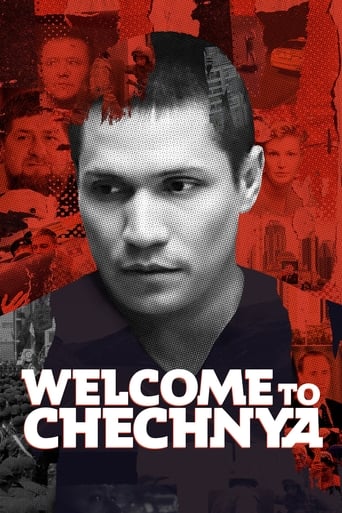
This searing investigative work shadows a group of activists risking unimaginable peril to confront the ongoing anti-LGBTQ program raging in the repressive and closed Russian republic. Unfettered access and a remarkable approach to protecting anonymity exposes this under-reported atrocity–and an extraordinary group of people confronting evil.
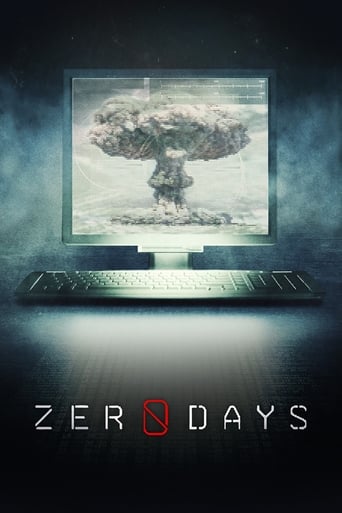
Alex Gibney explores the phenomenon of Stuxnet, a self-replicating computer virus discovered in 2010 by international IT experts. Evidently commissioned by the US and Israeli governments, this malware was designed to specifically sabotage Iran’s nuclear programme. However, the complex computer worm ended up not only infecting its intended target but also spreading uncontrollably.
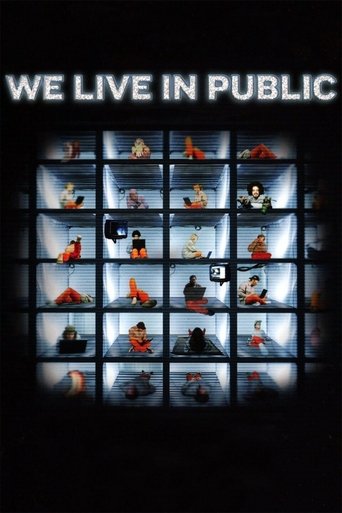
In 1999, Internet entrepreneur Josh Harris recruits dozens of young men and women who agree to live in underground apartments for weeks at a time while their every movement is broadcast online. Soon, Harris and his girlfriend embark on their own subterranean adventure, with cameras streaming live footage of their meals, arguments, bedroom activities, and bathroom habits. This documentary explores the role of technology in our lives, as it charts the fragile nature of dot-com economy.
The courtroom and publicity battles between the superstar wrestler and the notorious website explode in a sensational trial all about the limits of the First Amendment and the new no holds barred nature of celebrity life in an internet dominated society.

A subjective documentary that explores various theories about hidden meanings in Stanley Kubrick's classic film The Shining. Five very different points of view are illuminated through voice over, film clips, animation and dramatic reenactments.
Documentary about legendary Paramount producer Robert Evans, based on his famous 1994 autobiography.
Drawn from a never before seen cache of personal footage spanning decades, this is an intimate portrait of the Sri Lankan artist and musician who continues to shatter conventions.
In 1972, a seemingly typical shoestring budget pornographic film was made in a Florida hotel: "Deep Throat," starring Linda Lovelace. This film would surpass the wildest expectation of everyone involved to become one of the most successful independent films of all time. It caught the public imagination which met the spirit of the times, even as the self-appointed guardians of public morality struggled to suppress it, and created, for a brief moment, a possible future where sexuality in film had a bold artistic potential. This film covers the story of the making of this controversial film, its stunning success, its hysterical opposition along with its dark side of mob influence and allegations of the on set mistreatment of the film's star.
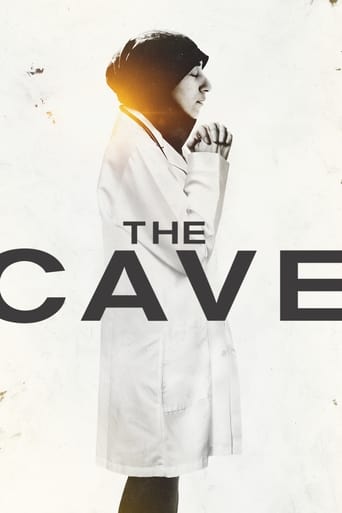
Deep beneath the surface in the Syrian province of Ghouta, a group of female doctors have established an underground field hospital. Under the supervision of paediatrician Dr. Amani and her staff of doctors and nurses, hope is restored for some of the thousands of children and civilian victims of the ruthless Syrian civil war.
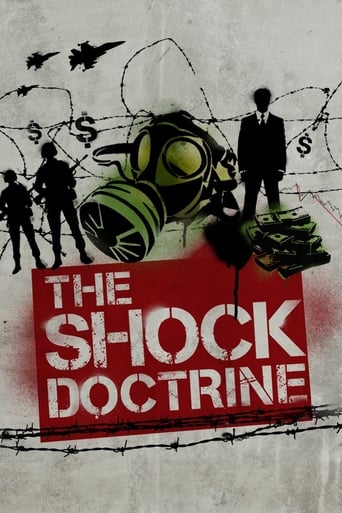
An investigation of "disaster capitalism", based on Naomi Klein's proposition that neo-liberal capitalism feeds on natural disasters, war and terror to establish its dominance.

In this documentary, filmmaker Nick Broomfield follows the saga of Aileen Wuornos, a prostitute who has been accused of committing a brutal series of murders. Broomfield conducts interviews with Wuornos herself, and his crew films her trial as well as her interactions with religious fanatic Arlene Pralle, who gives Wuornos dubious advice and legally adopts her. The cameras also roll as the accused's attorney ignores the case at hand to negotiate a deal to sell his client's story.

Torture chambers, acid vats, greased chutes and gassing rooms were just some of the devices of death designed by the Torture Doctor, H.H. Holmes in his castle of horrors. Follows Holmes' entire life as a criminal mastermind.
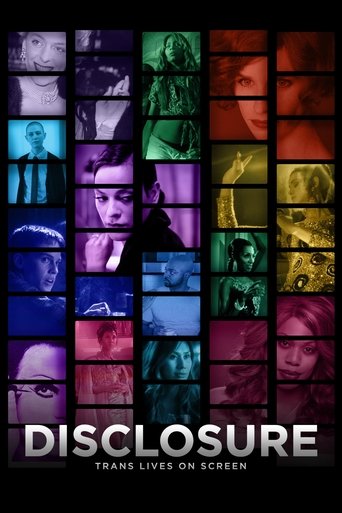
An investigation of how Hollywood's fabled stories have deeply influenced how Americans feel about transgender people, and how transgender people have been taught to feel about themselves.
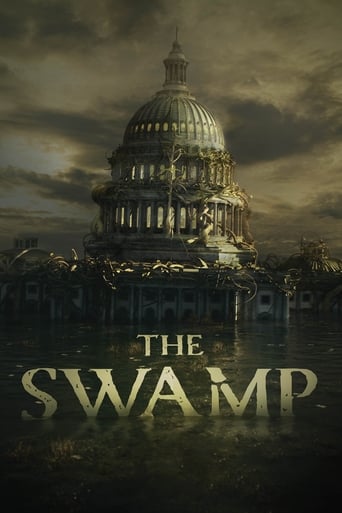
A look behind the curtain of Washington politics following three "renegade" Republican Congressmen as they bring libertarian and conservative zeal to champion the President’s call to “drain the swamp.”
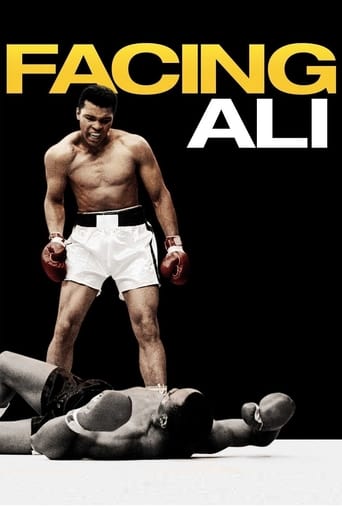
Ten of Muhammad Ali's former rivals pay tribute to the three-time world heavyweight champion.
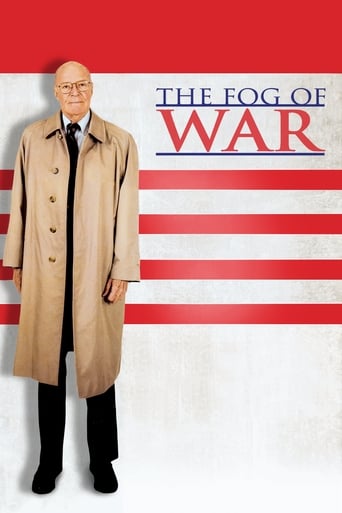
Former corporate whiz kid Robert McNamara was the controversial Secretary of Defense in the Kennedy and Johnson administrations, during the height of the Vietnam War. Augmented by archival footage and cabinet conversation recordings, Errol Morris gives the conflicted McNamara a platform on which he attempts to confront his and the U.S. government's actions in Southeast Asia in light of the horrors of modern warfare, the end of ideology and the punitive judgment of history.
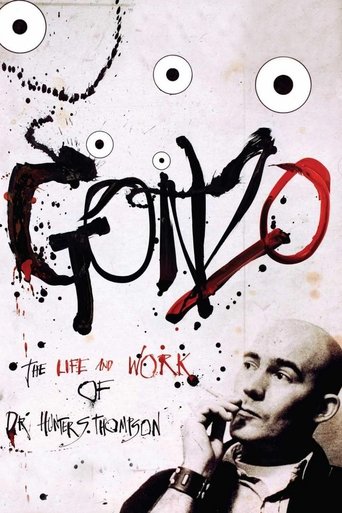
Fueled by a raging libido, Wild Turkey, and superhuman doses of drugs, Thompson was a true "free lance, " goring sacred cows with impunity, hilarity, and a steel-eyed conviction for writing wrongs. Focusing on the good doctor's heyday, 1965 to 1975, the film includes clips of never-before-seen (nor heard) home movies, audiotapes, and passages from unpublished manuscripts.
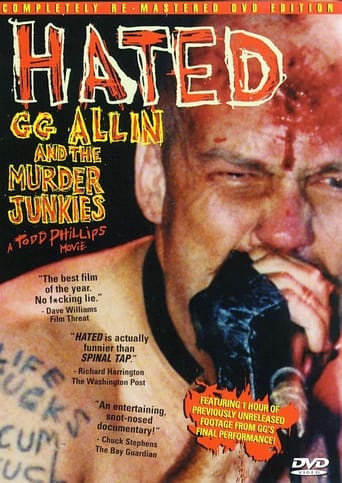
An overview of the life of the most shocking, vile, and notorious of punk rock legends.
Similar titles
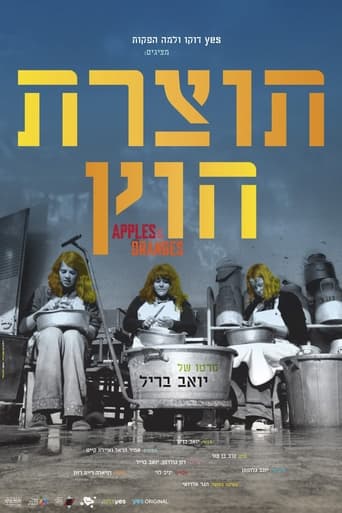
Kibbutz volunteering began in an eclipse. The idealistic and rebellious 1960s generation was charmed by the old communist ideology as it came to life in the Israeli Kibbutz. The 1967 Six-Day War attracted a wave of support for Israel that the Kibbutz Movement saw as a miracle. When travel agencies started selling “Kibbutz Volunteering” packages, it was clear that volunteering also became a profitable business. The Kibbutz found itself facing unfamiliar phenomenon – drugs, alcohol and marriage with non-Jewish volunteers.
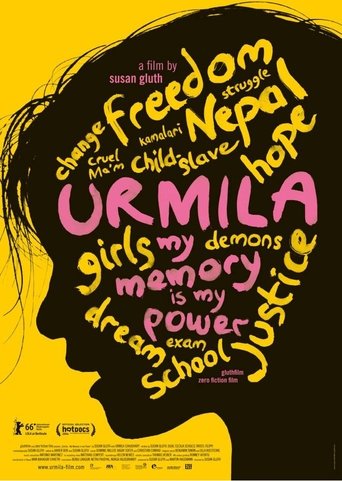
The film tells the story of 25-year-old Urmila Chaudary from Nepal. At the age of six she was sold by her family and was forced to work as a slave under appalling conditions for 12 years. Her dream is to end child slavery in Nepal. To this end she fights today as a freedom activist. A film about the quest for justice with a strength that gives courage and hope.

Returning to the island that her father left 50 years earlier, the filmmaker goes back in time to retrace the history of her name.
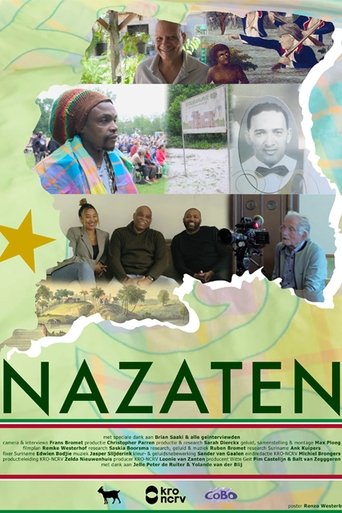
Frans Bromet goes in search of his family history and discovers that Hermanus Bromet was a well-known slave trader in Suriname. Should he feel guilty for what his ancestor did? How do you deal with a burdened family past?
On November 17, 2015, construction on Baldwin Hall on the University of Georgia campus came to a halt when workers uncovered human remains on the site. DNA tests revealed what many local residents already knew to be true: these were the remains of formerly enslaved people. This uncovering and the events that followed have forced the often-omitted histories of slavery and segregation to rise to the surface, both at the University of Georgia and in Athens. “Below Baldwin”, featuring Fred Smith, Linda Davis, Alvin Sheats, Linda Lloyd, Mariah Parker, Broderick Flanigan, and others, chronicles the series of events between November 2015 and December 2019. But more than that - this documentary showcases a community’s persistent efforts to connect to its past and to win recognition and redress – for both past and present injustices.
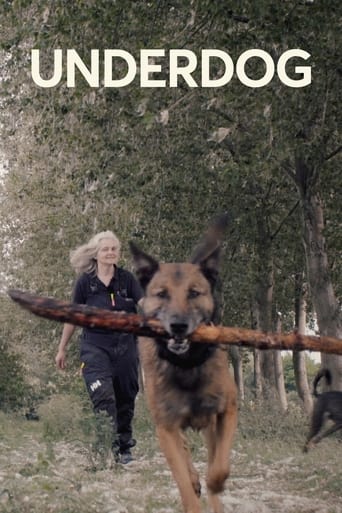
Esther van Neerbos searches for missing people with her dogs. Her dogs are specially trained to recognize the smell of death. Thanks to Esther's efforts, many bodies are recovered and she puts an end to the uncertainty in which those left behind live.

The term "Lapo Chapé", derived from Martinican Creole, means "the skin color that escapes the status of a slave." This documentary thus explores the themes of skin color and mixed heritage from a unique perspective, through a series of testimonies that shed light on the invisible influences of history. These influences have shaped our social representations and continue to challenge our perceptions of identity today.
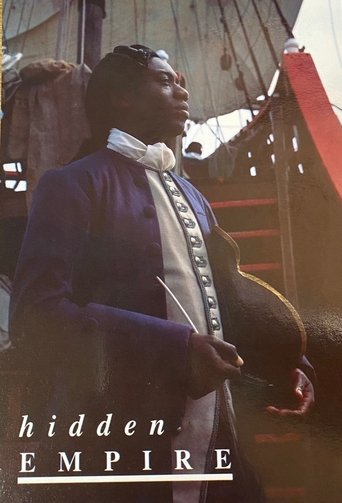
A documentary following the life of Olaudah Equiano, based on his autobiography "The Interesting Narration of the Life of Olaudah Equiano, or Gustavus Vassa the African".
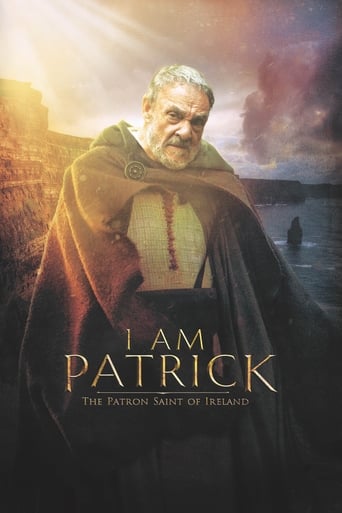
Peels back centuries of legend and myth to tell the story of Saint Patrick through historical reenactments, expert interviews and Patrick’s own writings, tracing his journey from man to saint. https://www.youtube.com/watch?v=i95AQhvtzsA
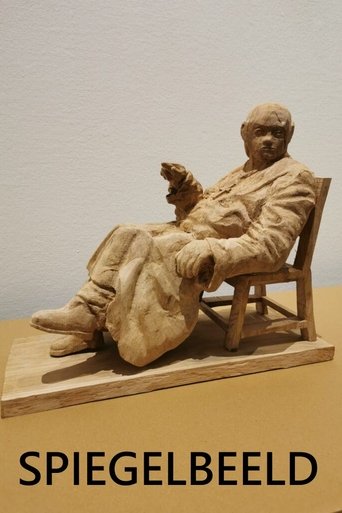
Tilburg artist Tommy van der Loo searches for the influence of superiority thinking, racism and colour in his life. Van der Loo is an emerging artist and his work has been purchased by Boijmans van Beuningen in Rotterdam. He also had an exhibition at the Kunsthal. He also made the memorial for the abolition of slavery in Eindhoven. He has had multiple experiences with discrimination and incorporates that into his sculptures. Identity and image formation are important to him: How do you look at others, how do others look at you. The search is the inspiration for his new sculpture.
African American filmmaker David A. Wilson decided to look into his family's history during the slave era. The result is this documentary, which provides a unique perspective on the long shadow cast by slavery in America. Wilson travels to North Carolina to visit the plantation where his ancestors once toiled and to meet its current owner -- a white man named David Wilson, whose slave-owning ancestors originally occupied the property.
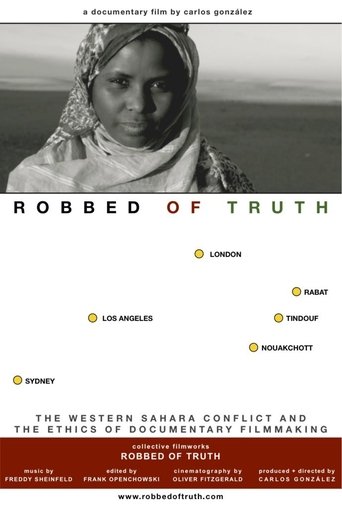
This is the true story of Fetim Salam, a Saharawi refugee falsely portrayed as a slave in the Australian documentary 'Stolen'. Australian filmmakers, Violeta Ayala and Daniel Fallshaw, travel to the Saharawi refugee camps in Tindouf, Algeria in 2007 and claim to discover 20,000 slaves in the camps run by the independence movement Polisario Front. Refugees are outraged for being portrayed as slaves, and humanitarian aid workers are incredulous about these allegations as they know the camps intimately. Filmmaker Carlos Gonzalez retraces their steps in search of the truth and finds a web of lies, misinformation and Moroccan operatives reshaping the truth.
A documentary filmmaker travels to Bolivia to learn more about his father and his family's history.
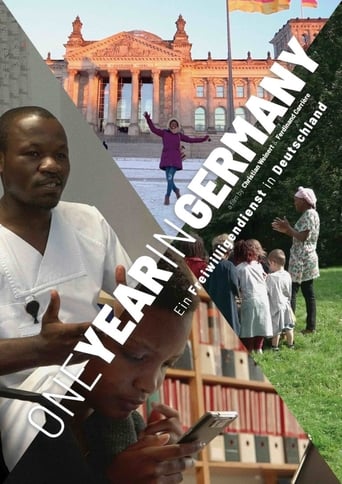
Four young people from Tanzania and Cameroon complete a year of weltwärts voluntary service in Germany. For each of them, it is their first visit in Europe. The film follows the volunteers throughout their year of service, it expresses different expectations, enthusiasm, goals and challenges. The volunteers describe subjectively their personal experiences as well as their view of Germany. The documentary is a thoughtful and exciting vision of the exchange program seen by four young people.
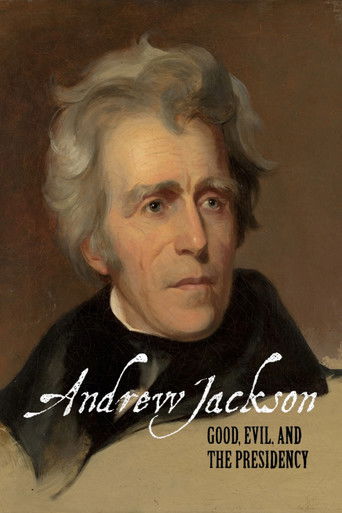
A fascinating account of the presidency of Andrew Jackson, who was both one of America's great presidents and a borderline tyrant. The seventh president shook up the glossy world of Washington, DC with his "common-man" methods and ideals, but also oversaw one of the most controversial events in American history: the forced removal of Indian tribes, including the Cherokees, from their homes.
Slavery has always been part of Sudan's history, but in recent years it has become a new means in Sudanese warfare. Focuses on the moral dilemma aid organisations are faced with in Southern Sudan. For more then 17 years Africa's largest country is crippled by civil war between the Islamic North and the Christian-animistic South. Over 2 million people died during this conflict. One of its horrible consequences is the revival of slavery. Slavery has always been part of Sudan's history, but in recent years it has become a new means in Sudanese warfare.

BBC News Arabic's undercover investigation exposes the people in Kuwait breaking local and international laws on modern slavery, including a woman offering a child for sale. At the centre of this powerful investigative film is Fatou, a 16 year old in Kuwait City who has been there for nine months. We follow her rescue and journey back home to Guinea, West Africa and ask: what's being done to control the apps promoted on Google, Apple and Facebook-owned Instagram?
The film documents modern slave trade through a number of African countries, under dictatorship rule. The filming was conducted both in public places, and sometimes with the use of hidden cameras, for high impact scenes of nudity, sex, and violence - and a few surprises, as slaves made out of peregrins to Asia, and slave traders paid in traveller checks.
Filmmakers Robert Kenner and Melissa Robledo reunite with investigative authors Michael Pollan and Eric Schlosser to take a fresh look at our efficient yet vulnerable food system.