The Caribú Path
· 73 min · Not rated
“We, the Gwit’chin are an ancient and united people. We live in a very cold place. We know how to survive. We don’t make money, we live from the land. Until now”. Over 18 days photographers Marta Bretó and Tato Rosés explore the world of the Gwit’chin, also called the Arctic National Wildlife Refuge (Alaska), one of the most pristine and wild areas on Earth. Their purpose is to experience what nature was like before the invasion of human beings. 80,000 km² of tundra, mountains and rivers, without a single road to the coastal plain, next to the Arctic Ocean.
Trailers are previews, not full movies.
No authorized playback source configured. Use the legal watch options below.
Production details
- Directors
- Unavailable
- Production companies
- Unavailable
- Countries
- Unavailable
- Status
- Released
Top Cast
Cast unavailable.
Title information and images are supplied by TMDb. Explore our discovery guide for advice on comparing metadata and legal viewing options.
Where to watch
Availability provided by JustWatch via TMDb. Offers can change. Provider links are listed on TMDb; full playback requires a separately authorized source.
Availability not listed for this country.
Seasons & episodes
Recommendations
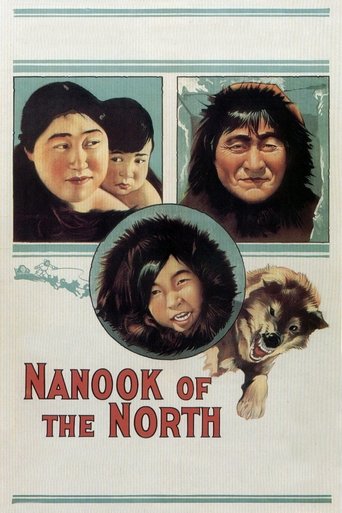
This pioneering documentary film depicts the lives of the indigenous Inuit people of Canada's northern Quebec region. Although the production contains some fictional elements, it vividly shows how its resourceful subjects survive in such a harsh climate, revealing how they construct their igloo homes and find food by hunting and fishing. The film also captures the beautiful, if unforgiving, frozen landscape of the Great White North, far removed from conventional civilization.
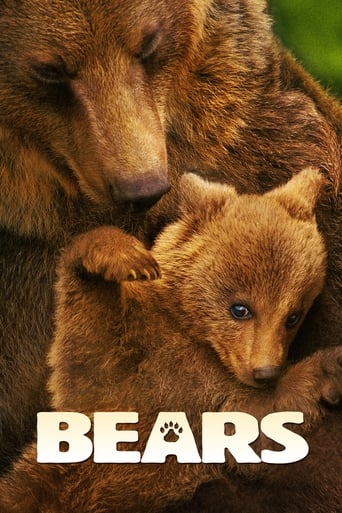
Filmmakers Alastair Fothergill and Keith Scholey chronicle a year in the lives of an Alaskan brown bear named Sky and her cubs, Scout and Amber. Their saga begins as the bears emerge from hibernation at the end of winter. As time passes, the bear family must work together to find food and stay safe from other predators, especially other bears. Although their world is exciting, it is also risky, and the cubs' survival hinges on family togetherness.
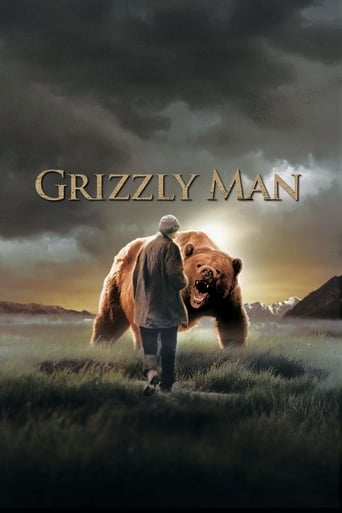
Follows the story of "Grizzly Man" Timothy Treadwell and what the thirteen summers in a National Park in Alaska were like in his attempt to protect the grizzly bears. The film is full of unique images and a look into the spirit of a man who sacrificed himself for nature.
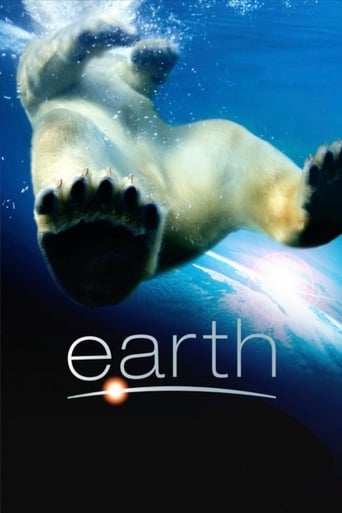
An epic story of adventure, starring some of the most magnificent and courageous creatures alive, awaits you in EARTH. Disneynature brings you a remarkable story of three animal families on a journey across our planet – polar bears, elephants and humpback whales.
A new mother’s memories of her own youth prepare her to navigate motherhood in the increasingly challenging world that polar bears face today.
A scientific researcher, sent on a government study: The Lupus Project, must investigate the possible "menace" of wolves in the north. To do so, he must survive in the wilderness for six months on his own. In the course of these events, he learns about the true beneficial and positive nature of the wolf species.
A gold prospector in Alaska struggles to survive the elements and win the heart of a dance hall girl.
Ellesmere Island, northern Canada, 1908. Josephine, a brave but naive woman, embarks on a dangerous journey through inhospitable regions in search of her husband, the explorer Robert Peary, who tries to find a route to the North Pole.

Animals Are Beautiful People (also called Beautiful People) is a 1974 South African nature documentary written, produced, directed, filmed and edited by Jamie Uys, about the wildlife in Southern Africa, presented with comedic elements. It was filmed in the Namib Desert, the Kalahari Desert and at the Okavango River and Okavango Delta. It was the recipient of the 1974 Golden Globe Award for Best Documentary Film. The film, a critical and commercial success, was independently made by Uys, also known for his later African comedy The Gods Must Be Crazy (1980).

In the Realms of the Unreal is a documentary about the reclusive Chicago-based artist Henry Darger. Henry Darger was so reclusive that when he died his neighbors were surprised to find a 15,145-page manuscript along with hundreds of paintings depicting The Story of the Vivian Girls, in What is Known as the Realms of the Unreal, of the Glodeco-Angelinnian War Storm, Cased by the Child Slave Rebellion.

When an oil tycoon and a famous adventurer vanish into the harsh winter of remote northern Alaska, a hand-picked rescue team endeavors to bring them home. What they don’t know is that they are trespassing on The Yeti’s territory, and the elements are the least of their worries.
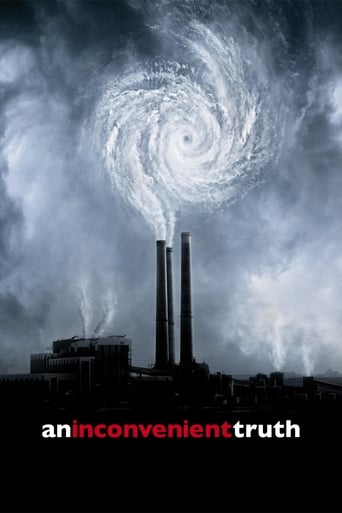
A documentary on Al Gore's campaign to make the issue of global warming a recognized problem worldwide.
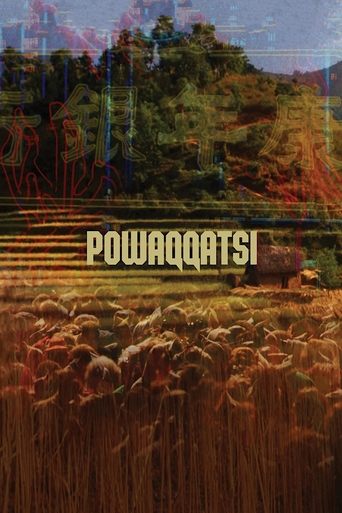
An exploration of technologically developing nations and the effect the transition to Western-style modernization has had on them.

Filling the giant screen with stunning time-lapse vistas of Antarctica, and detailing year-round life at McMurdo and Scott Base, Anthony Powell’s documentary is a potent hymn to the icy continent and the heavens above.

Canadian folk artist Maud Lewis falls in love with a fishmonger while working for him as a live-in housekeeper.

A visual montage portrait of our contemporary world dominated by globalized technology and violence.
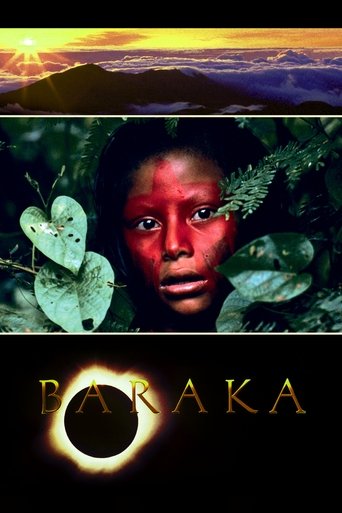
A paralysingly beautiful documentary with a global vision—an odyssey through landscape and time—that attempts to capture the essence of life.

An intimate portrait of Hollywood royalty featuring Debbie Reynolds, Todd Fisher, and Carrie Fisher.
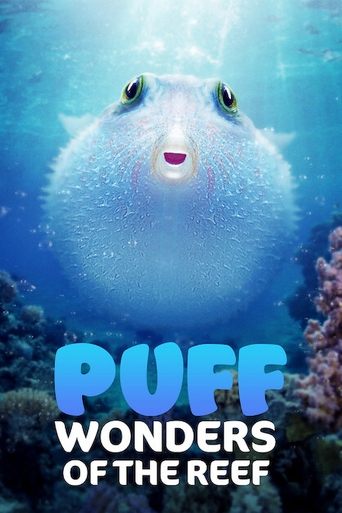
A baby pufferfish travels through a wondrous microworld full of fantastical creatures as he searches for a home on the Great Barrier Reef.
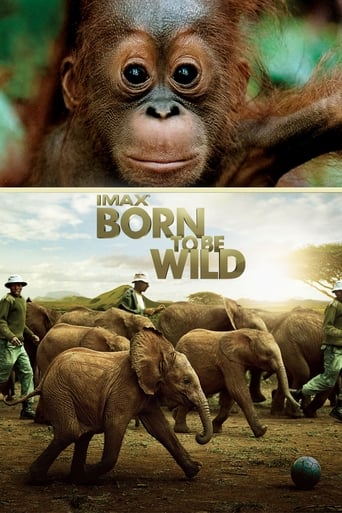
Born to Be Wild observes various orphaned jungle animals and their day-to-day behavioural interactions with the individuals who rescue them and raise them to adulthood. The film unfurls in two separate geographic spheres. Half of it takes place in the rain forests of Borneo, where celebrated primatologist Dr. Birute Galdikas assists baby orangutans; the other half takes place on the arid savannahs of Kenya, where zoologist Dame Daphne Sheldrick works with baby elephant calves.
Similar titles

This short shows how a gold-mantled ground squirrel at Crater Lake National Park has learned to solve problems connected with getting food

Documentary about Swedish wildlife.
Hidden deep within the Pony Pasture Rapids Park of Richmond, Virginia there lives a creature whose ancestors span back a half a billion years. This short film explores the life history of an ancient species, Fairy Shrimp, that survive in harsh habitats here and around the world.
Research is underway at Virginia Commonwealth University to uncover the secrets of a charismatic, endangered species, the Atlantic sturgeon. This short documentary follows Dr. Matt Balazik as he discovers, for the first time, the sturgeon migration using acoustic transmitter tags.
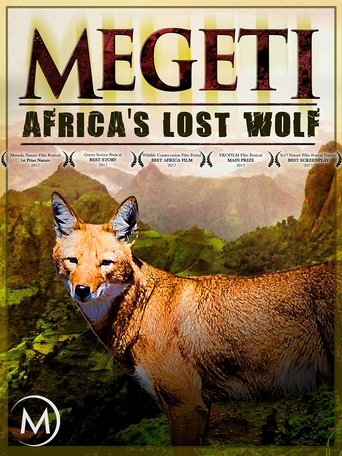
This film tells the dramatic story of Megeti, a lone wolf who wanders across the highlands on a quest to find a new home after losing her pack and suddenly being left to fend for herself. For the young wolf to survive, it is vital that she finds a new family and this quest pushes her into foreign territory, occupied by cattle breeders and other wolves.

After years of extreme drought, the Boteti river in Botswana has finally returned in all its glory. This film documents the extraordinary shift in the ecosystem and the dramatic changes it brings to the resident animals.
The same submarine which successfully captured the world's first moving images of a giant squid in its natural habitat is used for exploring the deep sea cliffs off the coast of New Guinea. The team encounters true living fossil species one after another. Join this exciting deep sea adventure!

Learn the secrets of the “rainforests of the sea” as you embark on an oceanic safari of the world’s most vibrant—and endangered—marine ecosystems. Narrated by Tony Award® winner Lea Salonga, the all-digital Expedition Reef takes full advantage of our fulldome planetarium screen to immerse you in the undersea adventure. Along the way, discover how corals grow, feed, reproduce, and support over 25% of all marine life on Earth—while facing unprecedented threats from climate change, habitat destruction, and overfishing. “This is a difficult story [and] a turning point for reefs,” says Academy scientist and reef expert Dr. Rebecca Albright, “but it’s not too late.”

Robyn Davidson, famous for her solo expedition across the west Australian deserts by camel in the 1970s, presents this documentary telling the story of Australia's camels and the people who brought them here.
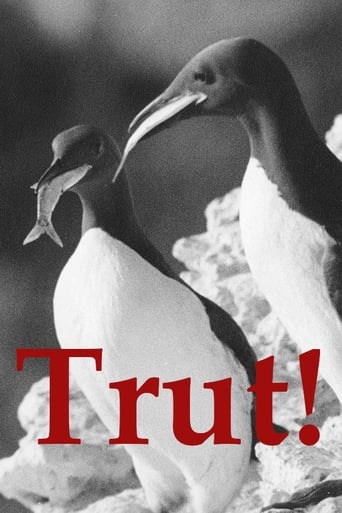
Arne Sucksdorff’s short documentary observes gulls raiding nests and stealing eggs with ruthless persistence. Though presented as pure nature study, the film was widely read as an allegory of Nazism—a symbolic parable of predation and violence during wartime. Sucksdorff himself denied such intent, but remarked that “a film that is not open to interpretation is a dead film.”

A ten-minute study of wild animal life in a Swedish forest; stoat, fox, hare, and owl, who stalk and savage one another, are photographed with extraordinary vividness and intimacy. It is perhaps the most striking of Sucksdorff's animal studies, in spite of an abrupt introduction and ending.

This documentary, the final film directed by Frank Capra, explores America's plans for the future of space exploration. It was produced by the Martin-Marietta Corporation for exhibition in the Hall of Science at the 1964 New York World's Fair.
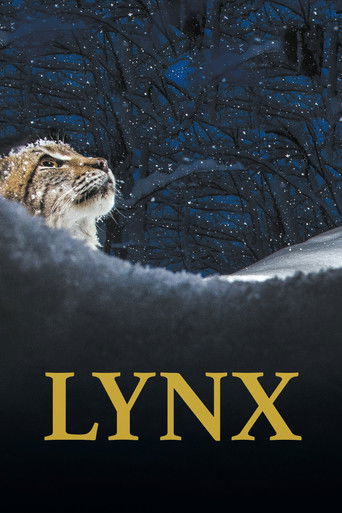
In the heart of the Jura mountains, a call resounds through the forest. The silhouette of a Eurasian lynx creeps through the trees. A male is looking for its mate. Suddenly a call answers back. It is the beginning of the story of a lynx’s family we will follow over the seasons. While it is rare to come across this private feline, it is exceptional to discover its daily life in the wild.
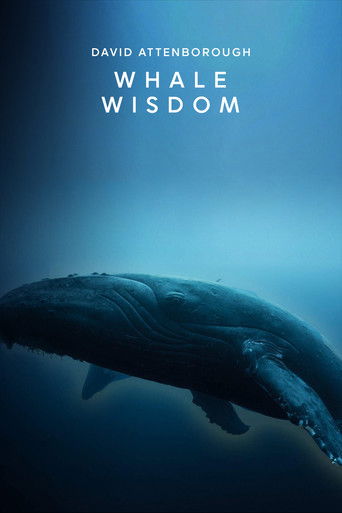
Whales have long been a profound mystery to us. They live in a world so removed from our own that we can barely imagine their lives. Their environment is different, their senses are different, their relationships are different. How might such almost alien creatures see the world?
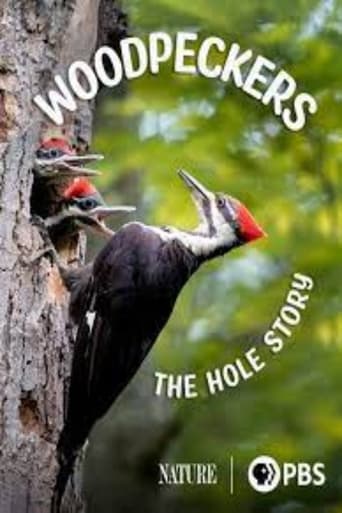
Go deep into the woods to explore the lives of a unique avian family. Woodpeckers come in 239 species and live on every continent except Antarctica and Australia, playing a powerful role in every ecosystem they inhabit. They come in all shapes and sizes, each uniquely engineered for their particular lifestyles.

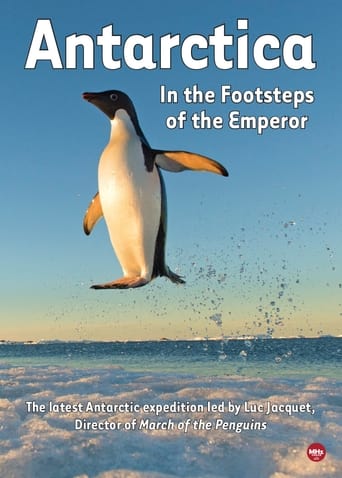
Gombessa Expedition 3 Protected by an international treaty Antarctica has been spared the effects of hunting and fishing. But signs in ice’s cyclical patterns and its biodiversity have become worrying. Connected to the planet’s global ecosystem via atmospheric circulation and ocean currents, this white haven is suffering the effects of human activities. To document and explain what is unfolding in Antarctica, photographer, diver, and marine biologist Laurent Ballesta and photographer of extreme environments Vincent Munier will be blending their artistic perspectives of a rapidly changing continent. Laurent will tackle technical and human prowess below the ice to bear witness to its remarkable underwater life. His photographs will advance knowledge on Antarctica’s unique and little-known biodiversity. On land, his eye riveted to the lens of his camera, Vincent captures snapshots of life in an Emperor Penguin colony.
Three intrepid women battle for Indigenous women's treaty rights.
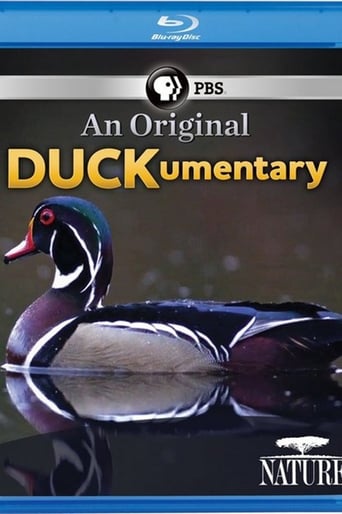
Ducks are true originals. There are more than 120 different species of ducks in all, a fantastical group of complex characters. Ducks have a talent for survival, and life stories filled with personality and charm. Each bird is more fun than the last, and will leave you wanting more.