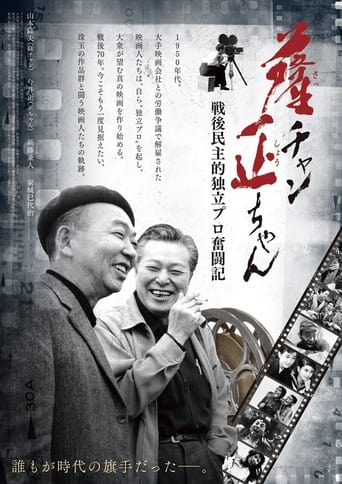
Sat-chan Tadashi-chan: Sengo minshu-teki dokuritsu pro funtō-ki
2015-08-29 · 94 min · Not rated
After the war, many filmmakers were expelled from the Japanese film industry due to the Toho Dispute and the Red Purge. Amid such circumstances, there were people who set up their own independent production companies and embarked on film production without relying on corporations. This documentary film focuses on the passionate "spirit of film" of directors such as Satsuo Yamamoto and Tadashi Imai, who, despite many hardships, produced a succession of masterpieces overflowing with humanism and rebellious spirit.
Trailers are previews, not full movies.
No authorized playback source configured. Use the legal watch options below.
Production details
- Directors
- Hiroo Ikeda
- Production companies
- Unavailable
- Countries
- Japan
- Status
- Released
Top Cast
 Sen YamamotoNarrator (voice)
 Hitomi NakaharaNarrator (voice)
 Shinjirō EharaNarrator (voice)
 Makoto AkatsukaNarrator (voice)
 Yoji YamadaSelf
 Kyōko KagawaSelf
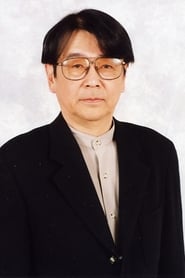 Kei YamamotoSelf
 Yasuo FuruhataSelf
Title information and images are supplied by TMDb. Explore our discovery guide for advice on comparing metadata and legal viewing options.
Where to watch
Availability provided by JustWatch via TMDb. Offers can change. Provider links are listed on TMDb; full playback requires a separately authorized source.
Availability not listed for this country.
Seasons & episodes
Recommendations

A compilation of over 30 years of private home movie footage shot by Lithuanian-American avant-garde director Jonas Mekas, assembled by Mekas "purely by chance", without concern for chronological order.

In the Realms of the Unreal is a documentary about the reclusive Chicago-based artist Henry Darger. Henry Darger was so reclusive that when he died his neighbors were surprised to find a 15,145-page manuscript along with hundreds of paintings depicting The Story of the Vivian Girls, in What is Known as the Realms of the Unreal, of the Glodeco-Angelinnian War Storm, Cased by the Child Slave Rebellion.
An intimate documentary delving into Rian Johnson's process as he comes in as a director new to the Star Wars universe.
An account of the life and work of legendary Japanese actor Toshirō Mifune (1920-97), the most prominent actor of the Golden Age of Japanese cinema.
A feature length documentary about the all-women team at the helm of Pixar's original feature, Turning Red. With unprecedented behind-the-scenes access to Director Domee Shi and her core leadership crew, this story shines a light on the powerful professional and personal journeys that brought this incredibly comical, utterly relatable, and deeply heartfelt story to the screen.

Retrospective documentary about the making of the horror cult classic "The Return of the Living Dead."
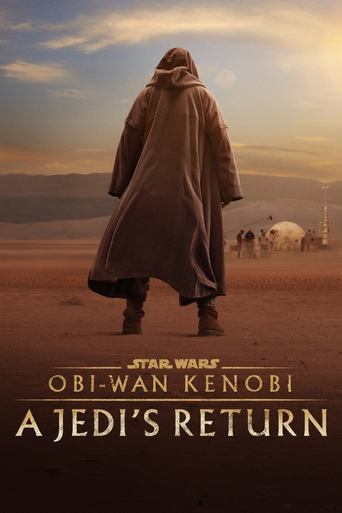
This special explores the return of Obi-Wan Kenobi and Anakin Skywalker to the screen, as well as Ewan McGregor and Hayden Christensen to their classic roles. Director Deborah Chow leads the cast and crew as they create new heroes and villains that live alongside new incarnations of beloved Star Wars characters, and an epic story that dramatically bridges the saga films.

This revealing documentary honors the legendary Sidney Poitier—iconic actor, filmmaker, and civil rights activist. Featuring interviews with Denzel Washington, Spike Lee, Halle Berry, and more.
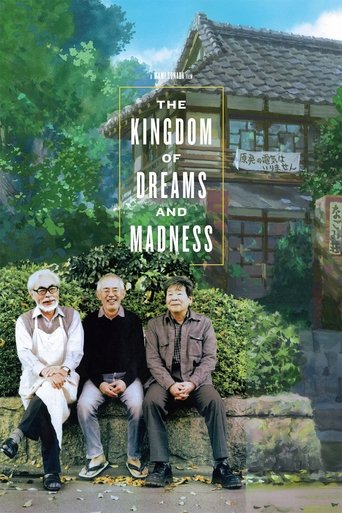
Follows the behind-the-scenes work of Studio Ghibli, focusing on the notable figures Hayao Miyazaki, Isao Takahata, and Toshio Suzuki.
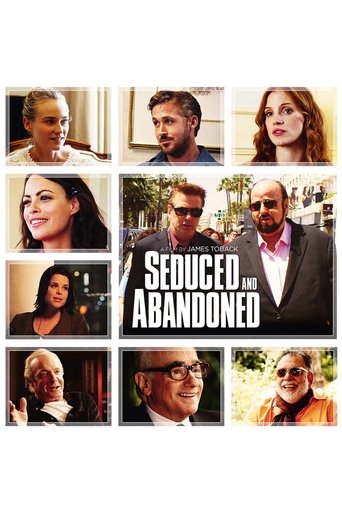
SEDUCED AND ABANDONED combines acting legend Alec Baldwin with director James Toback as they lead us on a troublesome and often hilarious journey of raising financing for their next feature film. Moving from director to financier to star actor, the two players provide us with a unique look behind the curtain at the world's biggest and most glamourous film festival, shining a light on the bitter-sweet relationship filmmakers have with Cannes and the film business. Featuring insights from directors Martin Scorsese, 'Bernando Bertolucci' and Roman Polanski; actors Ryan Gosling and Jessica Chastain and a host of film distribution luminaries.
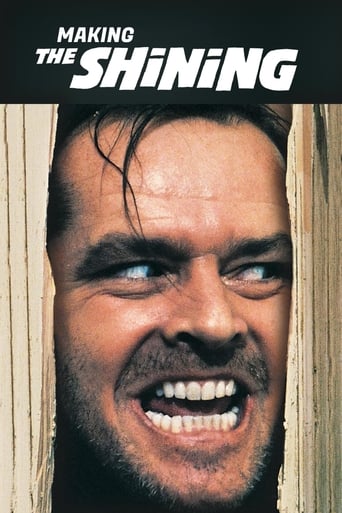
Directed and edited by Stanley Kubrick's daughter Vivian Kubrick, this film offers a look behind the scenes during the making of The Shining.

Cameramen and women discuss the craft and art of cinematography and of the "DP" (the director of photography), illustrating their points with clips from 100 films, from Birth of a Nation to Do the Right Thing. Themes: the DP tells people where to look; changes in movies (the arrival of sound, color, and wide screens) required creative responses from DPs; and, these artisans constantly invent new equipment and try new things, with wonderful results. The narration takes us through the identifiable studio styles of the 30s, the emergence of noir, the New York look, and the impact of Europeans. Citizen Kane, The Conformist, and Gordon Willis get special attention.
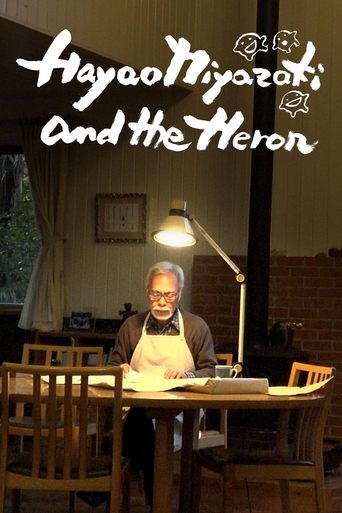
A documentary that chronicles the making of The Boy and the Heron, filmed with exclusive access to Studio Ghibli across an astonishing seven years.

A detailing of the rise to prominence and global sporting superstardom of six supremely talented young Manchester United football players (David Beckham, Nicky Butt, Ryan Giggs, Paul Scholes, Phil and Gary Neville). The film covers the period 1992-1999, culminating in Manchester United's European Cup triumph.
Documentary about the art of film editing. Clips are shown from many groundbreaking films with innovative editing styles.
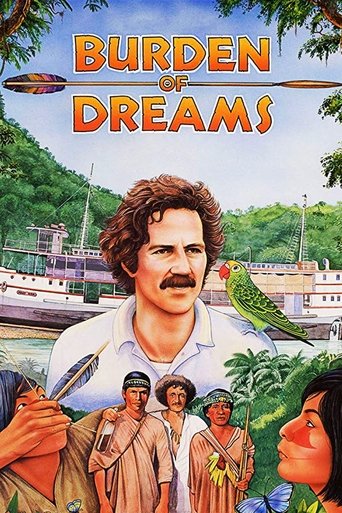
The Amazon rain forest, 1979. The crew of Fitzcarraldo (1982), a film directed by German director Werner Herzog, soon finds itself with problems related to casting, tribal struggles and accidents, among many other setbacks; but nothing compared to dragging a huge steamboat up a mountain, while Herzog embraces the path of a certain madness to make his vision come true.
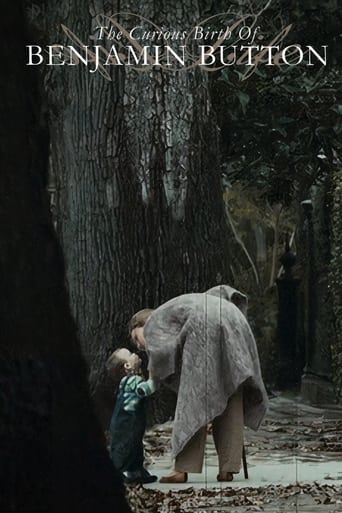
A documentary about the making of David Fincher's 2008 film THE CURIOUS CASE OF BENJAMIN BUTTON. Virtually every element in the evolution of the Fincher's film is documented here, from the project's attachment to numerous other directors during the 1990s, to its shoot in 2006 and 2007 in New Orleans, to its complex, CGI-intensive postproduction process.

A documentary on the expletive's origin, why it offends some people so deeply, and what can be gained from its use.
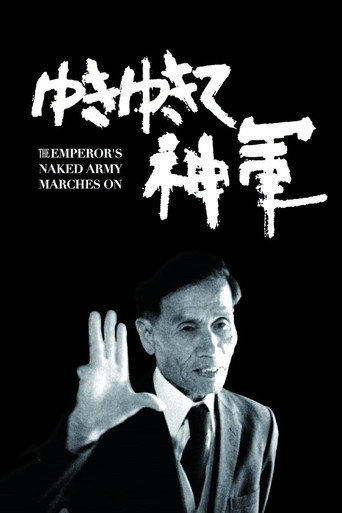
Kenzo Okuzaki, a 62-year-old anarchist veteran of the New Guinea campaign in World War II, sets out to conduct interviews with survivors and relatives to find the truth behind atrocities committed by Japanese military, in particular the unexplained killing of two Japanese privates in his unit.
The story lives forever in this feature-length documentary that charts the making of Star Wars: The Rise of Skywalker.
Similar titles
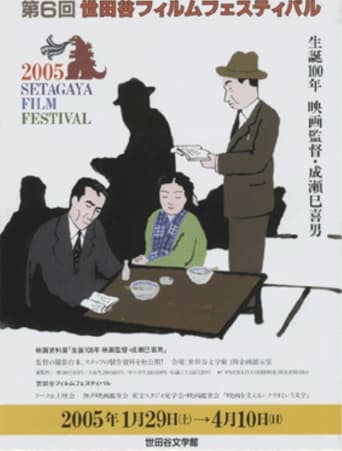
Because his style was similar to that of Yasujiro Ozu, who was already active at Shochiku, he moved to PCL (currently Toho) in 1933, where he appeared in the talkie works "My Wife, Like a Rose" and "Tsuruhachi Tsurujiro." It got attention. There were times when he was unable to make as many films as he wanted due to wartime film regulations and post-war Toho disputes, but in 1951 he revived his career with Meshi. Since then, he has released masterpieces one after another, including "Okaasan," "Lightning," "The Couple," "Wife," "Anii Mouto," "Sounds of the Mountain," and "Bangiku." The pinnacle of his work, "Floating Clouds," is Kenji Mizoguchi's "Wife." Even director Ozu was impressed, calling it a masterpiece of Japanese cinema, on par with "The Sisters of Gion." He depicted ordinary people in everyday life with an everyday realism that was not influenced by lyricism, and he consistently sought out women as his subjects.
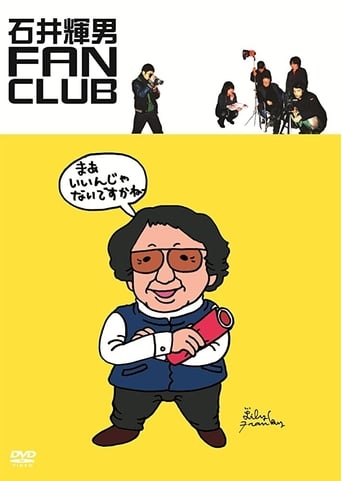
A documentary on Teruo Ishii, the Japanese "King of Cult".
A short documentary primarily focused on Nikkatsu's Roman Porno series.
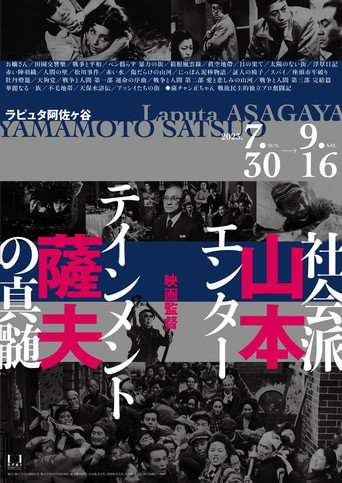
A documentary made to commemorate the 10th anniversary of Satsuo Yamamoto's death.
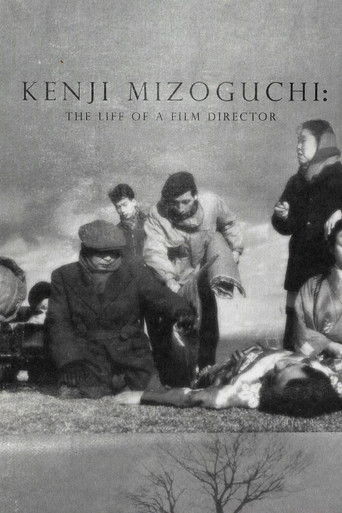
In 39 interviews with actors and actresses, writers, producers and staff members, interspersed with film excerpts and stills, Shindō recounts the life and career of his friend and mentor Mizoguchi.

This documentary by Hubert Niogret looks at the revival of Japanese cinema during the 1990s.
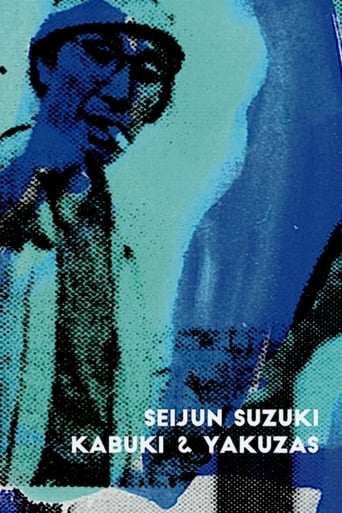
Film director and screenwriter Seijun Suzuki (1923-2017), who in the sixties was the great innovator of Japanese cinema; and his collaborator, art director and screenwriter Takeo Kimura (1918-2010), recall how they made their great masterpieces about the Yakuza underworld for the Nikkatsu film company.
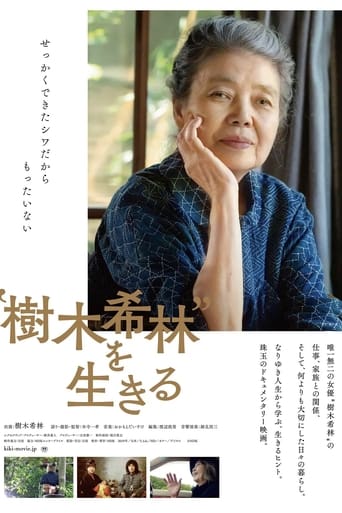
This documentary follows the last days of actress KIKI Kirin, who passed away on September 15, 2018. The documentary is the first long-term, in-depth coverage of Ki-kin, and is a re-edited version of the NHK documentary of the same title that was broadcast on September 26, 2006, adding previously unseen footage. She was loved all over Japan for her blunt remarks, her attentive concern for those around her, and her overflowing sense of humor. Despite her busy schedule, she valued her daily life and had her own unique style, even though she talked about life as it came. This film captures the last days of her life and gives us hints for living from her "life as it comes" and her many inspiring words.
An account of the life and work of legendary Japanese actor Toshirō Mifune (1920-97), the most prominent actor of the Golden Age of Japanese cinema.
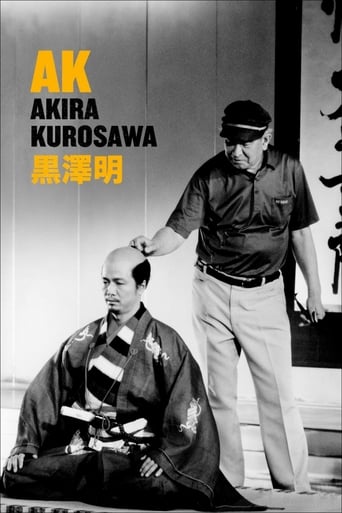
An intimate chronicle of the shooting of Ran (1985), a film directed by the legendary Japanese filmmaker Akira Kurosawa.
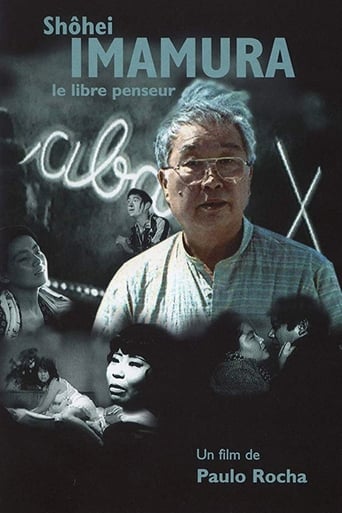
Documentary about Japanese film director Shohei Imamura.
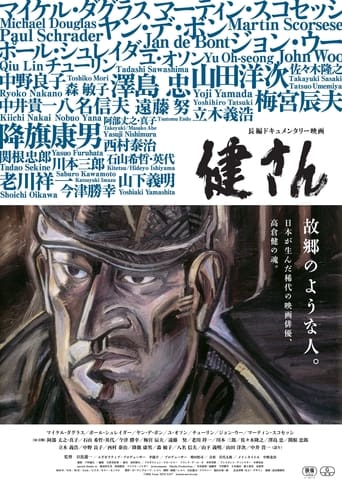
KEN SAN pieces together the puzzle of the life and legacy of Japan's mythical acting icon, Ken Takakura. Collaborators, friends and family tell intimate stories of Ken's journey: how one man of quiet dignity became a cultural barrier-breaking film star.
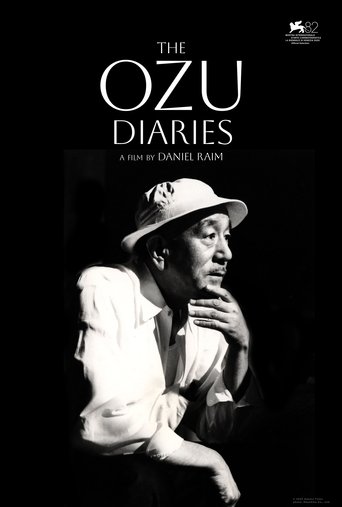
Unveiling Yasujiro Ozu’s legacy through his personal diaries, letters, and interviews, the documentary delves into his life, creative process, and lasting impact on filmmaking.
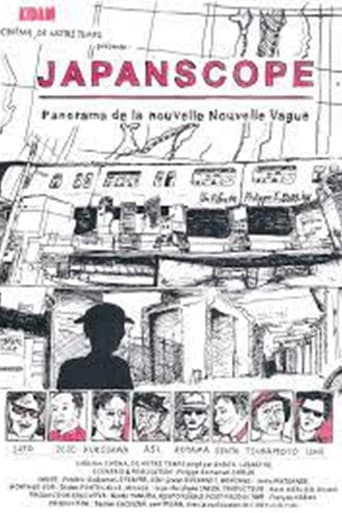
A “Cinéma, de notre temps” series episode directed by french filmmaker Philippe-Emmanuel Sorlin, originally aired 16 June 2015.

The history of the Yakuza Eiga at the TOEI studio is roughly outlined. Real Yakuza and also their connections to the movie business are discussed, and many important actors and directors of the genres are interviewed. Former real yakuza boss turned actor Noboru Ando, Takashi Miike, Sonny Chiba and many more get a chance to speak.
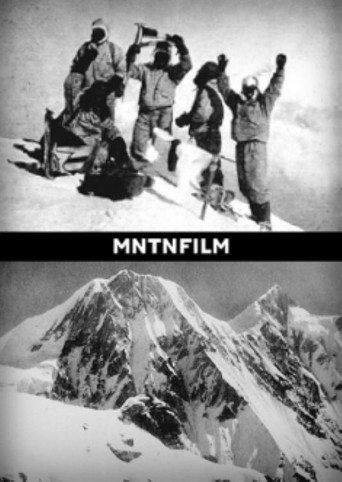
Record of the Japanese expedition to Nanda Kot (6861m) in Himalaya in 1936. The expedition was organized by the Mountaineering Club of the Rikkyo University and included Sakuta Takebushi, who had represented Japan at the Olympic Games. They were the first to climb the mountain and carried a camera to the summit. Six party members made it all the way to the top, using all-Japanese gear. The party, without previous Himalayan experience, had been training in in the Japanese Alps in winter conditions.
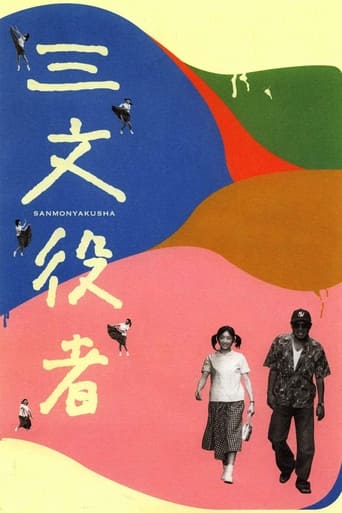
The film is a series of vignettes from Taiji Tonoyama's life and film clips, interspersed with a dialogue to camera by Nobuko Otowa, addressing the camera as if she is addressing Tonoyama himself, recollecting events in his life. The film focuses on Tonoyama's alcohol dependence and his various sexual relationships, as well as his film work with Shindo.
Keichi Tanaamis new animation work Red Shade (2021) is based on paintings that he had produced on the premise that they will be set in motion. Each of the 80 selected scenes was given a distinct movement of its own, and the edited version of the completed work became the first film. The 80 scenes are each independently complete, and can be freely rearranged. For example, you can start from scent 80 and end in scene one, or arrange them irregularly like 1, 4, 8, 7, and so on. In other words, the essence of the work does not change no matter how the scenes are arranged. Even so, it is possible to produce a strong impact by exchanging the images for each frame, and one can also for instance, create an impression of a refreshing breeze sweeping through the green meadows.

Legendary anime director Rintaro’s (Metropolis, X/1999, Galaxy Express 999) first new work in over a decade depicts pioneering 1930s director Sadao Yamanaka and the production of his Nezumikozo Jirokichi. Despite dying before the age of 30, Yamanaka was a pivotal influence in Japanese cinema whose work would go on to inspire future generations. While most of his films have been lost to time, his scripts remain, and Nezumikozo Jirokichi recreates one of these lost films—a tale of a famous, virtuous bandit in old Edo—as imagined by Rintaro together with an all-star team including Katsuhiro Otomo (Akira, Memories), Taro Maki (Pluto, Millennium Actress) and Masao Maruyama (Ninja Scroll, Perfect Blue).