
Días de ira. Helios Gómez. 1905-1956
1998-01-01 · 28 min · Not rated
Biography of the comrade Helios Gómez (1905-1956), painter and draftsman, gypsy and Sevillian, anarchist militant first and then communist.
Trailers are previews, not full movies.
No authorized playback source configured. Use the legal watch options below.
Production details
- Directors
- Felipe González Rodero
- Production companies
- IVAM
- Countries
- Spain
- Status
- Released
Top Cast
Cast unavailable.
Title information and images are supplied by TMDb. Explore our discovery guide for advice on comparing metadata and legal viewing options.
Where to watch
Availability provided by JustWatch via TMDb. Offers can change. Provider links are listed on TMDb; full playback requires a separately authorized source.
Availability not listed for this country.
Seasons & episodes
Recommendations

In an intimate and joyful story of love in the face of loss, celebrated poets Andrea Gibson and Megan Falley find strength—and unexpected hilarity—in what might be their final year together.

Ranjit, a farmer in India, takes on the fight of his life when he demands justice for his 13-year-old daughter, the victim of a brutal gang rape. His decision to support his daughter is virtually unheard of, and his journey unprecedented.

A detailing of the rise to prominence and global sporting superstardom of six supremely talented young Manchester United football players (David Beckham, Nicky Butt, Ryan Giggs, Paul Scholes, Phil and Gary Neville). The film covers the period 1992-1999, culminating in Manchester United's European Cup triumph.
Behind-the-scenes documentary about how Lionel Messi succeeded in lifting the World Cup – the only trophy to have eluded him in an incredible career.

An inside look at one of the most anticipated movie sequels ever with James Cameron and cast.

A string of threatening emails escalates into a revenge plot involving a newly married US marshal and his ex-girlfriend.

A documentary that explores the downloading revolution; the kids that created it, the bands and the businesses that were affected by it, and its impact on the world at large.

The life and career of an actor, artist, and icon. His own journey through his own camera.
A documentary on the life of John Lennon, with a focus on the time in his life when he transformed from a musician into an antiwar activist.
Artists in LA discover the work of forgotten Polish sculptor Stanislav Szukalski, a mad genius whose true story unfolds chapter by astounding chapter.

Alexander McQueen's rags-to-riches story is a modern-day fairy tale, laced with the gothic. Mirroring the savage beauty, boldness and vivacity of his design, this documentary is an intimate revelation of McQueen's own world, both tortured and inspired, which celebrates a radical and mesmerizing genius of profound influence.

A compilation of over 30 years of private home movie footage shot by Lithuanian-American avant-garde director Jonas Mekas, assembled by Mekas "purely by chance", without concern for chronological order.

This revealing documentary honors the legendary Sidney Poitier—iconic actor, filmmaker, and civil rights activist. Featuring interviews with Denzel Washington, Spike Lee, Halle Berry, and more.

The film follows adventurer Jeff Johnson as he retraces the epic 1968 journey of his heroes Yvon Chouinard and Doug Tompkins to Patagonia.

A 1993 documentary film about Bruce Lee. The film includes interviews from some of his fellow students and opponents who worked alongside him in his movies.

A documentary about ten very different lives connected by having appeared onscreen wearing masks or helmets in Star Wars.
Alex Gibney explores the charged issue of pedophilia in the Catholic Church, following a trail from the first known protest against clerical sexual abuse in the United States and all way to the Vatican.

With a first-person look at the notorious Crips and Bloods, this film examines the conditions that have lead to decades of devastating gang violence among young African Americans growing up in South Los Angeles.
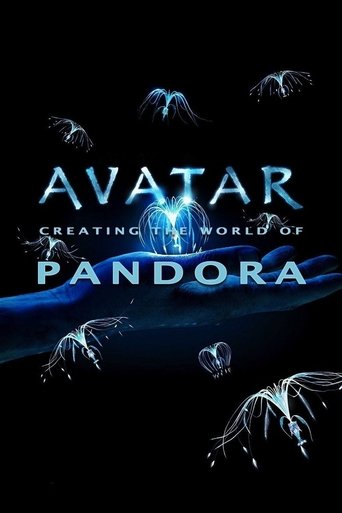
The Making-of James Cameron's Avatar. It shows interesting parts of the work on the set.
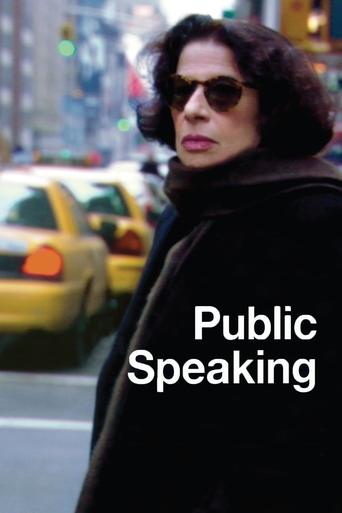
Martin Scorsese’s portrait of writer and social commentator Fran Lebowitz, celebrated for her sharp wit and observations on modern life. Filmed at New York’s Waverly Inn and intercut with archival footage and interviews, the documentary captures Lebowitz’s distinctive worldview through her spontaneous monologues and public appearances.
Similar titles
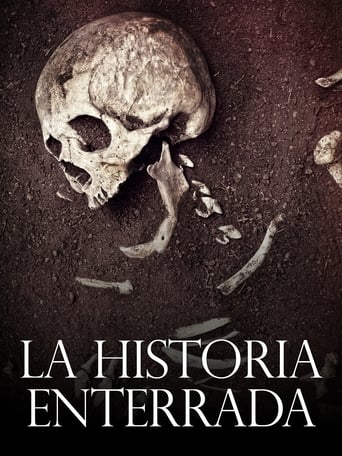
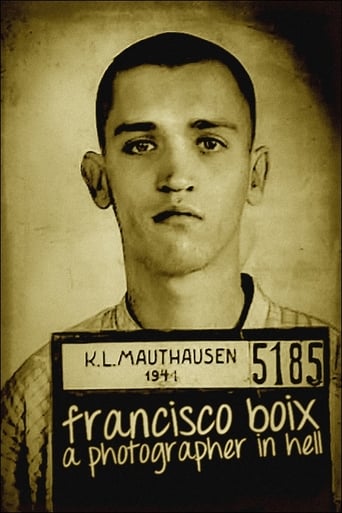
In 1939, just finished the Spanish Civil War, Spanish republican photographer Francesc Boix escapes from Spain; but is captured by the Nazis in 1940 and imprisoned in the Mauthausen concentration camp, in Austria, a year later. There, he works as a prisoner in the SS Photographic Service, hiding, between 1943 and 1945, around 20,000 negatives that later will be presented as evidence during several trials conducted against Nazi war criminals after World War II.
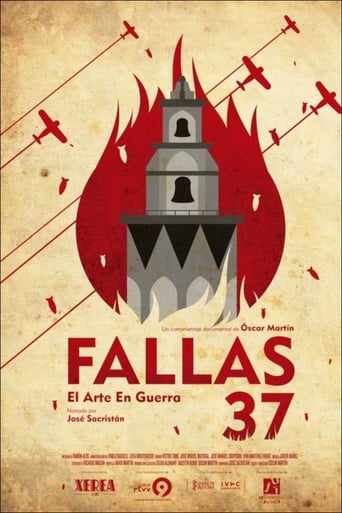
In November 1936, a few months since the beginning of the Spanish Civil War, the government of the Second Republic moves to Valencia. In this situation, several Valencian artists and intellectuals decide to build four fallas — satirical plasterboard sculptures created to be burnt — to mock fascism.
A pro-Republican propaganda documentary made during the Spanish Civil War. It reports on the demonstration held in Barcelona on December 27, 1937 to commemorate the capture of Teruel by the Republican forces.
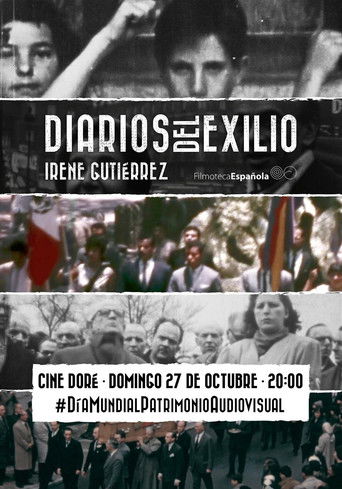
A documentary made with homemade videos of the spanish exiled due to the dictatorship in Spain from 1939 to 1977.

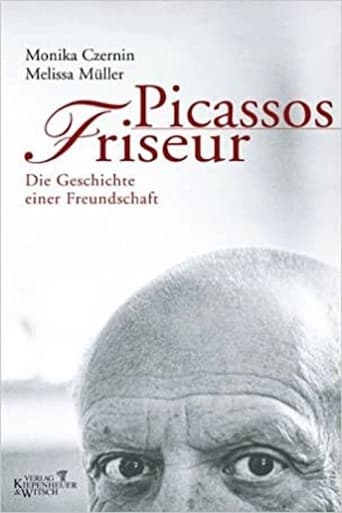
In 1948 Pablo Picasso met the hairdresser Eugenio Arias. Both were linked by the fate of emigration. If Picasso initially only had his hair cut by Arias, a deep friendship soon developed.

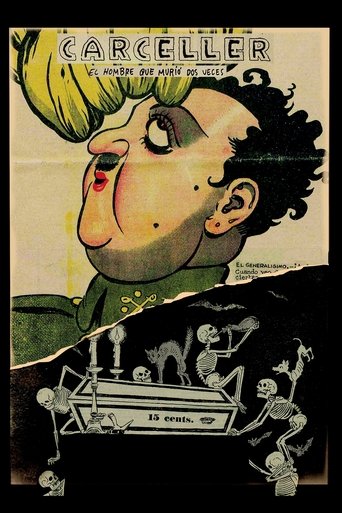
The life story of Vicente Miguel Carceller (1890-1940), a Spanish editor committed to freedom who, through his weekly magazine La Traca, connected with the common people while maintaining a dangerous pulse with the powerful.

The story of the recovery of the negatives of thousands of photos taken by three photographers during the Spanish Civil War that were found seventy years later in a suitcase, inside a closet in Mexico City.
July, 1936. The terrible Spanish Civil War begins. When the streets are taken by the working class, the social revolution begins as well. The public shows are socialized, a model of production and exhibition of films, never seen before in the history of cinema, is created, where the workers are the owners and managers of the industry, through the unions.
Upon the outbreak of the Spanish Civil War in July 1936, the anarchist union CNT socialized the film industry in Spain, so in Madrid and Barcelona film workers took over the production assets and, between 1936 and 1938, numerous films on a wide variety of topics were released, composing a varied mosaic that gives rise to one of the most unusual and original moments of Spanish cinematography.
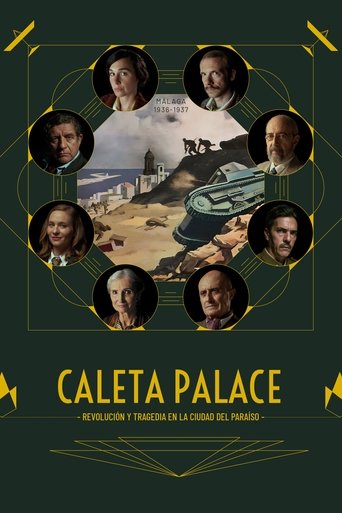
Eight foreign characters recall their exploits and fears in Malaga, a paradise city that starts a revolution on July 18th 1936, as the military coup is stopped by popular rebellion, until February 9th 1937, when Mussolini troops take Malaga and put it under the rule of Franco. Seven months that shape the stark tale of a besieged city, the first capital to be conquered in Spanish Civil War and a prelude of WW2.


This documentary features the story of Jules Paivio, the last living Canadian volunteer of the infamous Mackenzie-Papineau Battallion of the “International Brigades”. When Jules left from his home near Port Arthur (Thunder Bay), Ontario, his father, a famous Finnish poet, wrote a lasting lament: “To My Son In Spain”. In 1936-37, 1700 Canadians volunteered to fight with the Spanish people against a fascist coup d’etat led by elements of the Spanish Army. Backed by Musselini and Hitler, the fascists were bent on overthrowing Spain’s democratically elected socialist government and replacing it with military and church rule. It could be argued this conflict marked the true beginning of what would become World War II.

Contracampos is the attempt to (re)build a landscape. A recreational area and a shooting range in the west of Asturies, which, between 1937 and 1943, housed a Francoist concentration camp through which thousands of Republicans passed – firstly militiamen, later guerrillas and their relatives. Sharing a leisurely observation with the viewer, the film intends to resignify that space, giving it back its political meaning. But it is not a question of showing –of filming– the invisible, but rather of showing what is missing in what exists today. What was and is no longer, not even in people's memories.
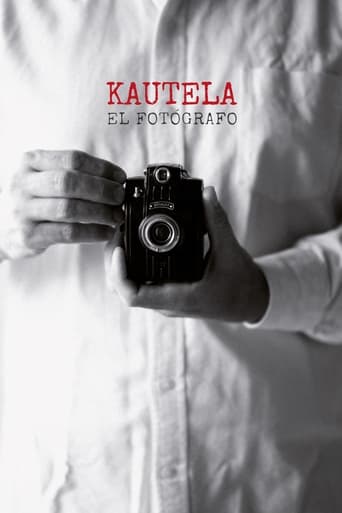
After the discovery of a suitcase hidden in the family home of Francisco Martínez Gascón, known as Kautela, a photojournalist who lived through the Spanish Civil War from the perspective of the rebel side, his granddaughter decides to carry out an investigation into his life and work.