
Museum für Deutsche Geschichte. Einblicke und Begegnungen
1988-01-01 · 30 min · Not rated
In 1952, the Central Committee of the Socialist Unity Party of Germany (SED) decides to establish a "Museum of German History" (MfDG) in the Zeughaus Unter den Linden. As the central history museum of the GDR, it is committed to the Marxist-Leninist conception of history. The film Museum of German History. Insights and Encounters - a GDR television documentary from 1988 - shows the reconstruction of the war-damaged building, presents selected eras such as the Peasants' Wars and the Revolution of 1848 and observes the preparations for a special exhibition on "Artists in the Class Struggle". The film also provides insights into the restorers' workshops, the coin collection and the painting depot.
Trailers are previews, not full movies.
No authorized playback source configured. Use the legal watch options below.
Production details
- Directors
- Donat Schober
- Production companies
- Unavailable
- Countries
- Unavailable
- Status
- Released
Top Cast
Cast unavailable.
Title information and images are supplied by TMDb. Explore our discovery guide for advice on comparing metadata and legal viewing options.
Where to watch
Availability provided by JustWatch via TMDb. Offers can change. Provider links are listed on TMDb; full playback requires a separately authorized source.
Availability not listed for this country.
Seasons & episodes
Recommendations
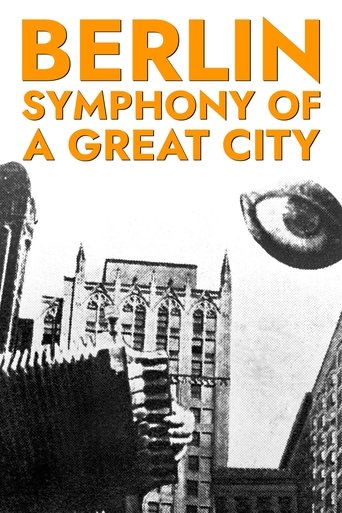
A day in the city of Berlin, which experienced an industrial boom in the 1920s, and still provides an insight into the living and working conditions at that time. Germany had just recovered a little from the worst consequences of the First World War, the great economic crisis was still a few years away and Hitler was not yet an issue at the time.

In an intimate and joyful story of love in the face of loss, celebrated poets Andrea Gibson and Megan Falley find strength—and unexpected hilarity—in what might be their final year together.

Through deeply personal interviews with her siblings and an examination of the photographs, letters, and belongings left behind, Mariska assembles a new portrait of her mother Jayne Mansfield, an extraordinary and complex woman.

A compilation of over 30 years of private home movie footage shot by Lithuanian-American avant-garde director Jonas Mekas, assembled by Mekas "purely by chance", without concern for chronological order.
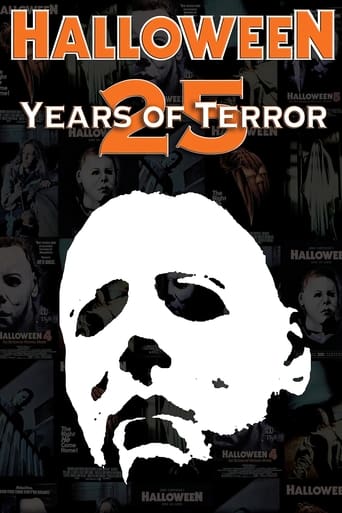
Follow the evolution of the 'Halloween' movies over the past twenty-five years. It examines why the films are so popular and revisits many of the original locations used in the films - seeing the effects on the local community. For the first time, cast, crew, critics and fans join together in the ultimate 'Halloween' retrospective.

From the heights of her modeling fame to her tragic death, this documentary reveals Anna Nicole Smith through the eyes of the people closest to her.

Alexander McQueen's rags-to-riches story is a modern-day fairy tale, laced with the gothic. Mirroring the savage beauty, boldness and vivacity of his design, this documentary is an intimate revelation of McQueen's own world, both tortured and inspired, which celebrates a radical and mesmerizing genius of profound influence.

A documentary about the life and films of director John Ford.

An inside look at one of the most anticipated movie sequels ever with James Cameron and cast.
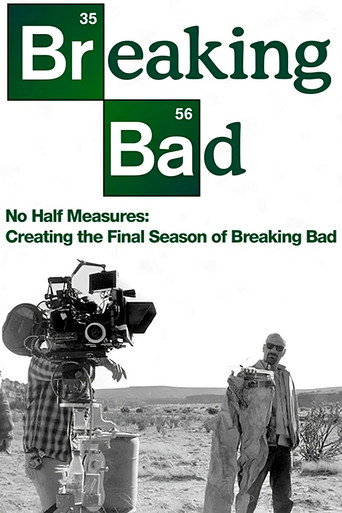
A documentary about the making of season five of the acclaimed AMC series Breaking Bad.
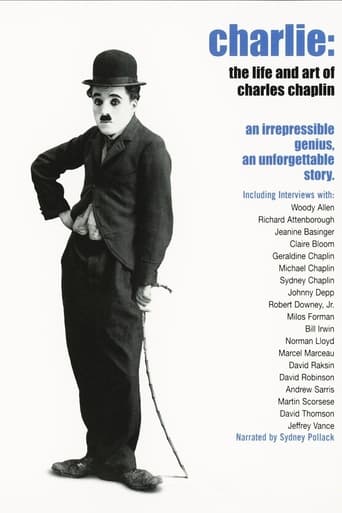
Brilliant, long in-the-works story of the life and art of the world's greatest comedian and the cinema's first genius, Charlie Chaplin. Produced, written and directed by renowned film critic Richard Schickel.

The life and career of one of comedy's most inimitable modern voices, Mr. Gilbert Gottfried.

A dreamlike conversation with the past and the present, reimagining Latasha Harlins' story by excavating intimate memories shared by those who loved her.

When Allied forces liberated the Nazi concentration camps in 1944-45, their terrible discoveries were recorded by army and newsreel cameramen, revealing for the first time the full horror of what had happened. Making use of British, Soviet and American footage, the Ministry of Information’s Sidney Bernstein (later founder of Granada Television) aimed to create a documentary that would provide lasting, undeniable evidence of the Nazis’ unspeakable crimes. He commissioned a wealth of British talent, including editor Stewart McAllister, writer and future cabinet minister Richard Crossman – and, as treatment advisor, his friend Alfred Hitchcock. Yet, despite initial support from the British and US Governments, the film was shelved, and only now, 70 years on, has it been restored and completed by Imperial War Museums under its original title "German Concentration Camps Factual Survey".

A detailing of the rise to prominence and global sporting superstardom of six supremely talented young Manchester United football players (David Beckham, Nicky Butt, Ryan Giggs, Paul Scholes, Phil and Gary Neville). The film covers the period 1992-1999, culminating in Manchester United's European Cup triumph.

Daniel Craig candidly reflects on his 15 year adventure as James Bond. Including never-before-seen archival footage from Casino Royale to the upcoming 25th film No Time To Die, Craig shares his personal memories in conversation with 007 producers, Michael G Wilson and Barbara Broccoli.
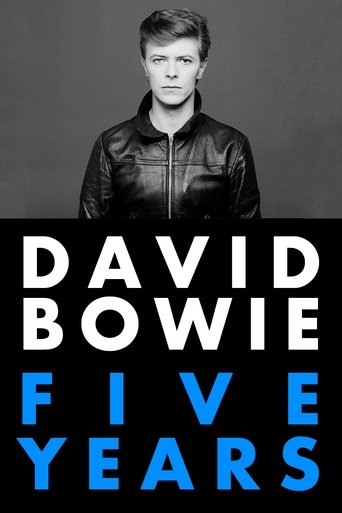
Featuring a wealth of previously unseen archive, this film looks at how Bowie continually evolved: from Ziggy Stardust to the Soul Star of Young Americans, to the ‘Thin White Duke’. It explores his regeneration in Berlin with the critically acclaimed album Heroes, his triumph with Scary Monsters and his global success with Let’s Dance. With interviews with all his closest collaborators, David Bowie - Five Years presents a unique account of why Bowie has become an ‘icon of our times’.

The life and career of an actor, artist, and icon. His own journey through his own camera.
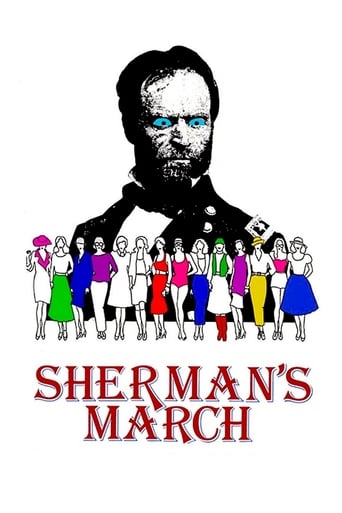
Documentarian Ross McElwee originally set out to make a travelogue of sorts tracing General William T. Sherman's infamous scorched-earth march through the Confederacy in the latter stages of the Civil War. Instead, haunted by a recent breakup with a girlfriend, McElwee ends up documenting his progress -- or lack thereof -- in starting a new relationship. His journey then becomes one of self-reflection and self-discovery rather than a historical/sociological exploration.
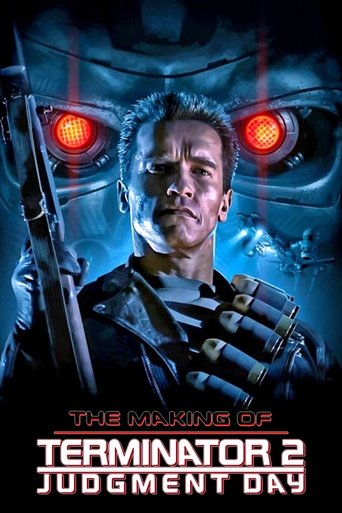
Documentary of the making of the sequel to the popular Schwarzenegger film, The Terminator.
Similar titles
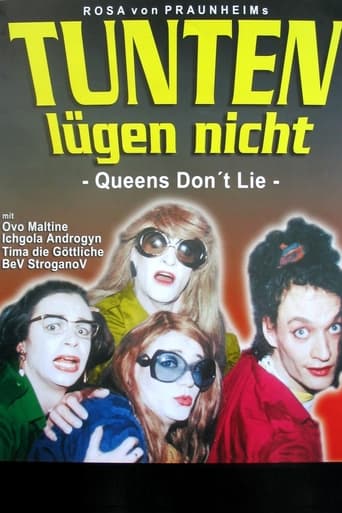
Bosom buddies BeV StroganoV, Ovo Maltine, Ichgola Androgyn and Tima die Göttliche are four Berlin drag queens who met in the mid 1980s. These four queens became Germany’s most popular drag performers and have been busy fertilizing the German cultural scene. Besides being performers, they are also political activists – in AIDS awareness, anti-gay violence, the sex workers movement and the struggle against the extreme right and racism. The film tells their story.
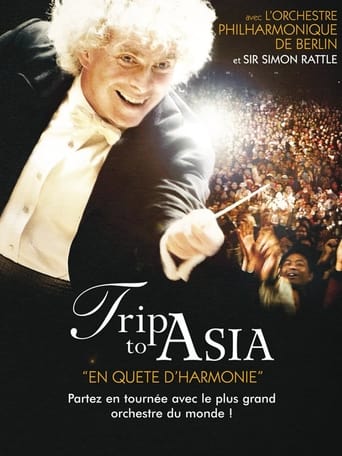
Journey with the musicians of the Berlin Philharmonic and their conductor Sir Simon Rattle on a breakneck concert tour of six metropolises across Asia: Beijing, Seoul, Shanghai, Hong Kong, Taipei and Tokyo. Their artistic triumph onstage belies a dynamic and dramatic life backstage. The orchestra is a closed society that observes its own laws and traditions, and in the words of one of its musicians is, “an island, a democratic microcosm – almost without precedent in the music world - whose social structure and cohesion is not only founded on a common love for music but also informed by competition, compulsion and the pressure to perform to a high pitch of excellence... .” Never before has the Berlin Philharmonic allowed such intimate and exclusive access into its private world.
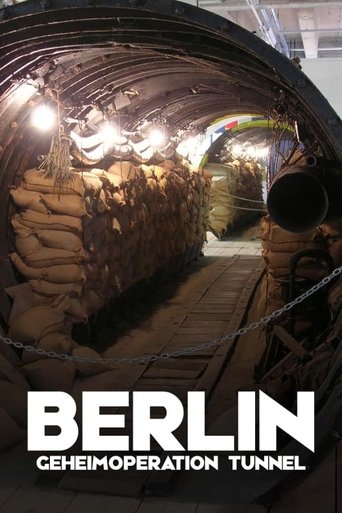

Alesia is a five year old girl growing up in an industrial city of Donetsk, Ukraine. She has to face the reality of her surroundings after growing up in love and hope in the warm family nest.
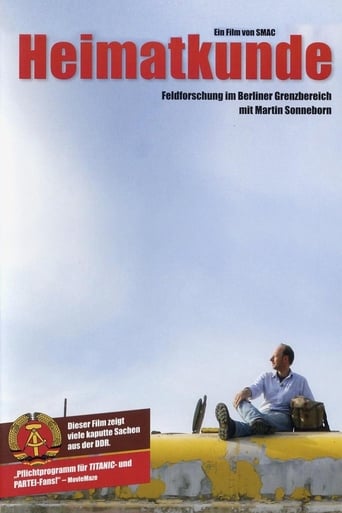
Former "Titanic" satire magazine editor Martin Sonneborn takes an undercover trip around Berlin and discovers the East-German mentality and what is left of the socialist German Democratic Republic.
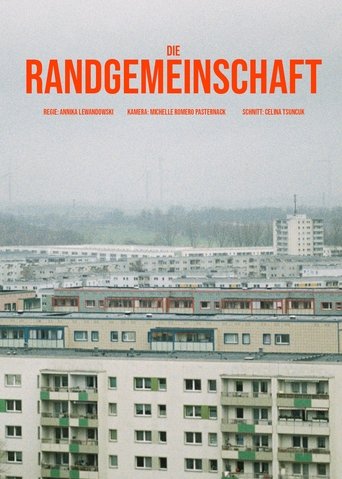
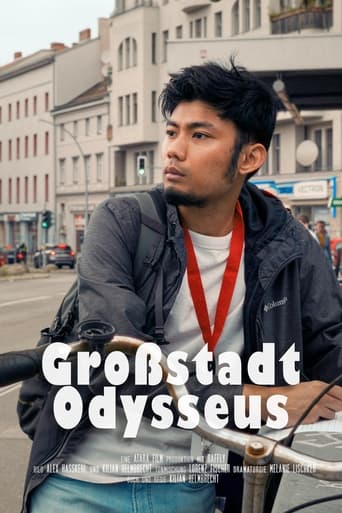
Successfully completed your studies - now what? Raffly already has a lucrative job offer from a large German company, but neither an apartment nor a work permit.
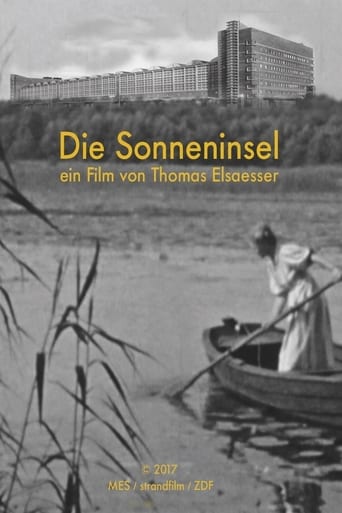
A documentary essay film about coincidences, shattered lives and posthumous fame. A found footage family film about love and passion, friendship and heartbreak in Berlin between the wars. But a film also about self-sufficiency and recycling, about the green movement and the environment – before these notions had yet been properly invented. And it touches the utopian potential of ideas that have lain buried in the ground of an island for the past 70 years. The film’s protagonist, Martin Elsaesser, was one of the most prominent modernist architects of Weimar Germany.
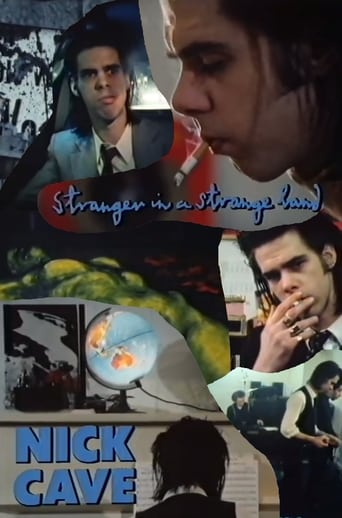
Documentary made for Dutch television about Nick Cave in Berlin in 1987.
"I'm walking through my city...", sings a cheerful pop singer. She fervently praises the new metropolis of East Berlin. As an emphatically lively, often anthemically condensed revue, the film tells of the "growth and development of our new capital". Accompanied by cheerful music, the camera indulges in high-altitude views, shows squares whose fountains, benches and green spaces are designed to make you forget that you are in a big city, as well as visitors from all over the world in top hotels. An emphatically cheerful, yet meaningful insight into the brave new GDR world.
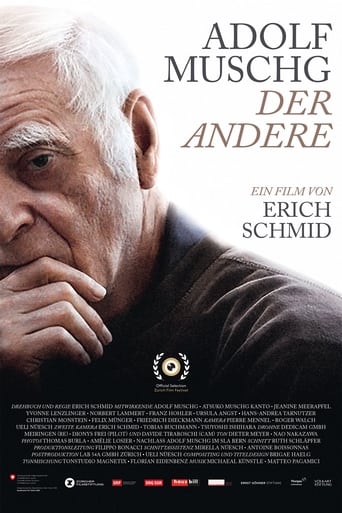
In his exploration of the cultural dynamic between East and West, Adolf Muschg, the most significant Swiss writer since Frisch and Dürrenmatt, searched for the other in himself in order to understand otherness.
Dragan Wende has lived in Berlin since the '70s and has seen the city change through the years. His nephew comes to live with him as Dragan remembers the better days he lived as a Yugoslavian immigrant in a divided city.

This documentary shows how the Berliner workers lived in 1930. The director Slatan Dudow shows through images: a) the workers leaving the factory; b) the raise of the rents; c) the "unpleasant" guest, meaning the justice officer that brings the eviction notice; d) the fight of classes of the houses of capitalists and working classes; e) the parks of the working class; f) the houses of the working class, origin of the tuberculosis and the victims; g) the playground of the working class; h) the swimming pool for the working class, ironically called the "Baltic Sea" of the working class; i) the effects of humidity of basement where a family lives, with one member deaf; j) one working class family having dinner while the capitalist baths his dog; k) the eviction notice received from an unemployed family and their eviction.
A documentary about the clashes between squatters and the police in Berlin in early 1981. Despite the absence of commentary, this is an openly partisan film that aims less for political analysis than for an up-close description of the situation and mood.

The film is a story about the deep connection of the life and art of the artist. It takes you on a journey through Berlin like you have never seen before. Take a deep dive behind the scenes of the famous red and blue graffiti letterings that cover the heart of the city and tune into the connection between art, letters and spirituality.

Climate justice! OHNE KEROSIN NACH BERLIN is a campaign by the Students for Future, which is part of the Fridays for Future movement. In 2020, 60 people loudly carried the climate protest by bicycle from Cologne to Berlin. This film emerged from the movement and shows the activists' experiences up close.

The film tells the story of Blood Incantation’s time in Berlin during the summer of 2023, recording “Absolute Elsewhere” at the legendary Hansa Studios.

‘Where I am, I don’t want to stay. I want to stay where I’ve never been.’ Filmmaker Rosemarie Blank was born in Berlin, but has lived in various other places in the world. After returning to her native city, she wondered what it’s like for other people to live outside their motherland. In this diary, she interviews people whom she literally met in the street: her Kurdish newsvendor, who apart from his busy trade has a second job with the German railways, a Lebanese hairdresser, a Turkish furniture seller. They talk about melancholy, longing, the struggle for existence and against discrimination and they show how they lead their daily life. The encounters are larded with observing shots of multicultural Berlin, particularly where diversity is most visible: the subway.