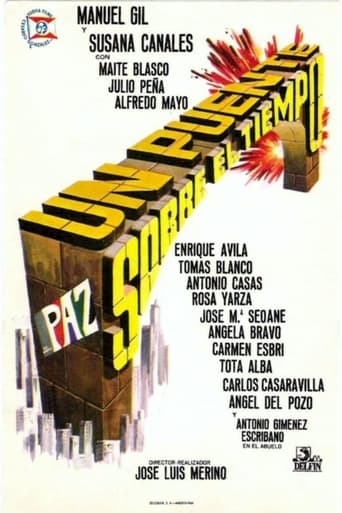
Alféreces provisionales
1964-10-12 · 110 min · ★ 8.0
Javier López Cronwell, journalist, son of an American and a Spaniard, comes to Spain to write a series of anti-communist articles. The boy is politically neutral and emotionally and personally cold. He comes into contact with his paternal grandfather and the friends of his father, who died in our Liberation War, who propose that he take the provisional ensigns as a topic for his article. He prepares his return to North America without waiting to see the 25th anniversary Victory Parade, despite the wishes of his father's friends, old ensigns who will parade to show the world that they are still in the breach.
Trailers are previews, not full movies.
No authorized playback source configured. Use the legal watch options below.
Production details
- Directors
- José Luis Merino
- Production companies
- Unavailable
- Countries
- Unavailable
- Status
- Released
Top Cast
Cast unavailable.
Title information and images are supplied by TMDb. Explore our discovery guide for advice on comparing metadata and legal viewing options.
Where to watch
Availability provided by JustWatch via TMDb. Offers can change. Provider links are listed on TMDb; full playback requires a separately authorized source.
Availability not listed for this country.
Seasons & episodes
Recommendations
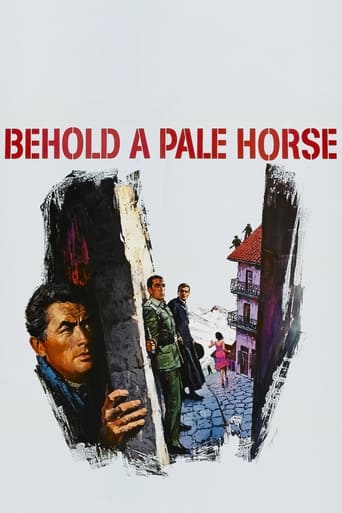
Manuel Artiguez, a famous bandit during the Spanish civil war, has lived in French exile for 20 years. When his mother is dying he considers visiting her secretly in his Spanish home town. But his biggest enemy, the Spanish police officer Vinolas, prepared a trap at the hospital as a chance to finally catch Artiguez.
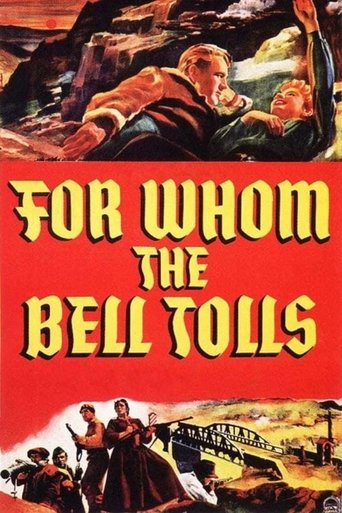
Spain in the 1930s is the place to be for a man of action like Robert Jordan. There is a civil war going on and Jordan—who has joined up on the side that appeals most to idealists of that era—has been given a high-risk assignment up in the mountains. He awaits the right time to blow up a crucial bridge in order to halt the enemy's progress.
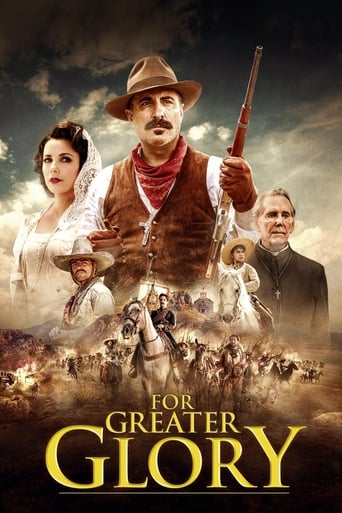
A chronicle of the Cristeros War (1926-1929), which was touched off by a rebellion against the Mexican government's attempt to secularize the country.

During the harrows of WWII, Jo, a young shepherd along with the help of the widow Horcada, helps to smuggle Jewish children across the border from southern France into Spain.

Fr. Hugh O'Flaherty is a Vatican official in 1943-45 who has been hiding downed pilots, escaped prisoners of war, and Italian resistance families. His activities become so large that the Nazis decide to assassinate him the next time he leaves the Vatican.

Regent Horthy is the leader of Hungary and a German ally, but his favorable standing with Hitler changes as the war comes to an end. Forced to cede Hungary’s power or else witness the execution of his son, Regent Horthy gives up control of his country to the Nazis, who quickly move Hungarians to ghettos and death camps, with no hope in sight. But the despair changes when a young man named Elek emerges. Separated from his family during the relocations and aided by the woman he loves , Elek defies the enemy by becoming one of them. In a race against time, disguised as a Nazi Officer he embarks on a mission to save his family and thousands of his countrymen.

A WWII veteran escapes his care home in Northern Ireland and embarks on an arduous but inspirational journey to France to attend the 75th anniversary of the D-Day landings, finding the courage to face the ghosts of his past.

Karlag, short for Karaganda Corrective Labor Camp, was one of the largest labor camps within the Soviet Gulag system. Established in 1931, it was located in the Karagandy Region of Kazakhstan. The film will explore the hardships faced by people during the 1930s-1950s and the resilience of human dignity despite the daily struggle for survival. The atmosphere of Karlag will be conveyed through costumes, props, and sets created after extensive research in archives and museums.
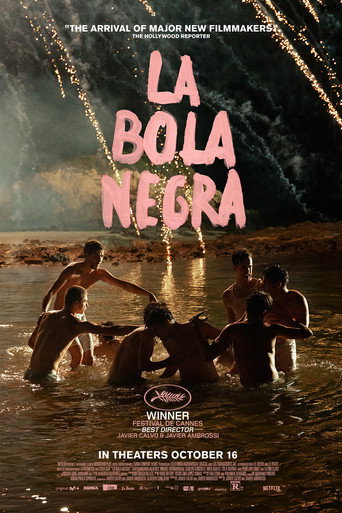
The intertwined lives of three men in three different eras, three lives intimately linked by sexuality and desire, pain, and legacy.

During the Spanish Civil War, a troupe of Spanish filmmakers is invited to shoot a film at UFA Studios in Nazi Germany.
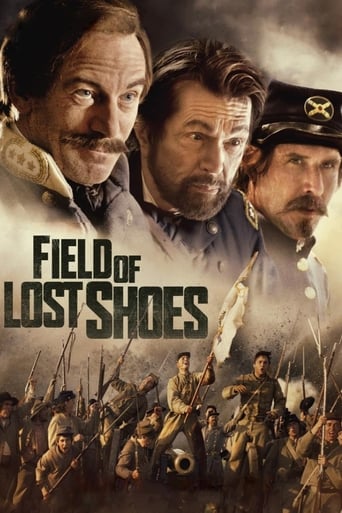
A group of teenage cadets sheltered from war at the Virginia Military Institute must confront the horrors of an adult world when they are called upon to defend the Shenandoah Valley.
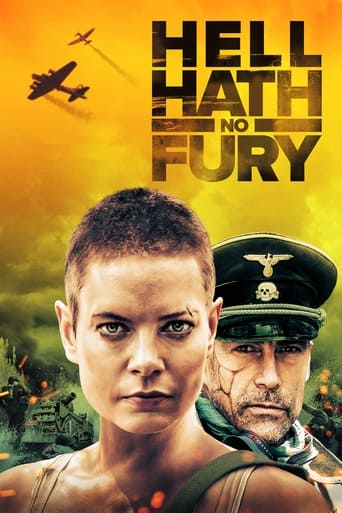
Branded a traitor by her countrymen, French national Marie DuJardin is rescued by American soldiers on one condition: to survive, she must lead them to a cache of gold - before the Nazis return to claim it for themselves.
A disgraced officer risks his life to help his childhood friends in battle.
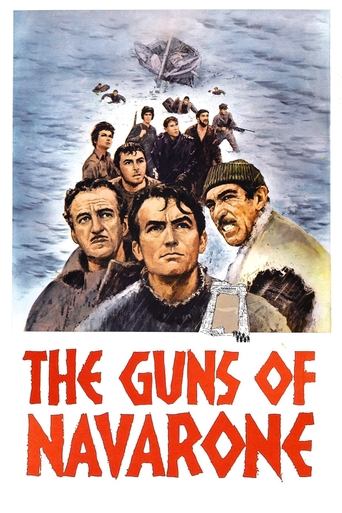
A team of allied saboteurs are assigned an impossible mission: infiltrate an impregnable Nazi-held island and destroy the two enormous long-range field guns that prevent the rescue of 2,000 trapped British soldiers.
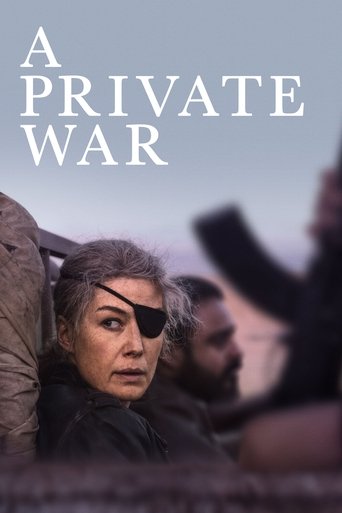
One of the most celebrated war correspondents of our time, Marie Colvin is an utterly fearless and rebellious spirit, driven to the frontlines of conflicts across the globe to give voice to the voiceless.
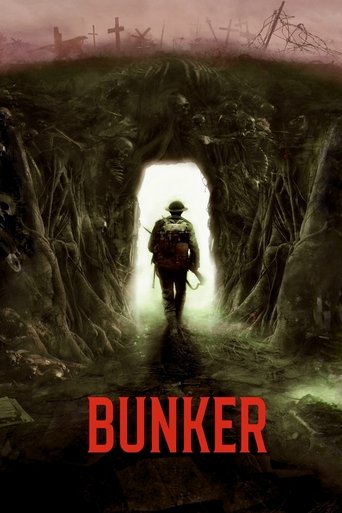
Trapped in a bunker during World War I, a group of soldiers are faced with an ungodly presence that slowly turns them against each other.
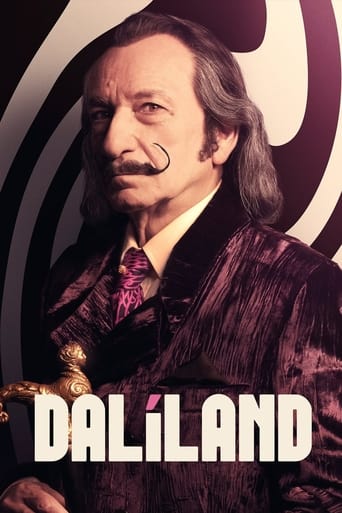
In 1973, a young gallery assistant goes on a wild adventure behind the scenes as he helps aging genius Salvador Dali prepare for a big show in New York.
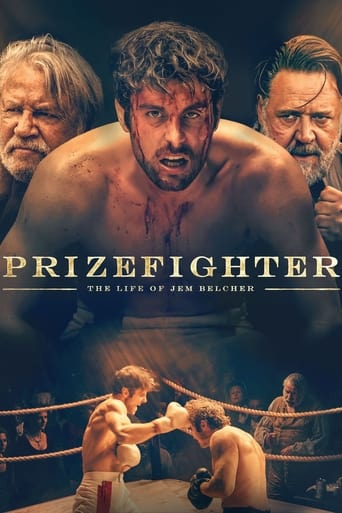
At the turn of the 19th century, Pugilism was the sport of kings and a gifted young boxer fought his way to becoming champion of England.
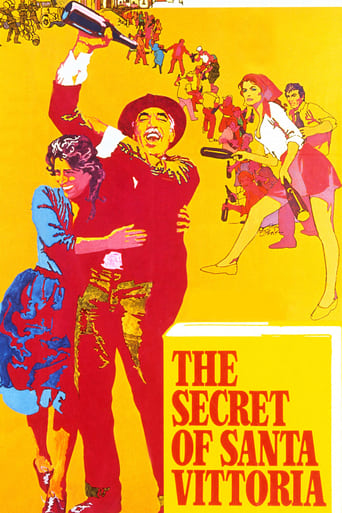
During World War II, Italian villagers hide their wine from the German army.

Prelude to War was the first film of Frank Capra's Why We Fight propaganda film series, commissioned by the Pentagon and George C. Marshall. It was made to convince American troops of the necessity of combating the Axis Powers during World War II. This film examines the differences between democratic and fascist states.
Similar titles
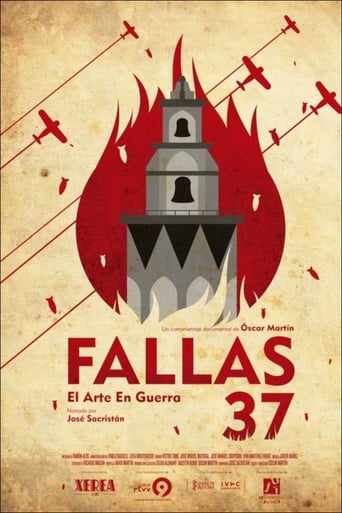
In November 1936, a few months since the beginning of the Spanish Civil War, the government of the Second Republic moves to Valencia. In this situation, several Valencian artists and intellectuals decide to build four fallas — satirical plasterboard sculptures created to be burnt — to mock fascism.
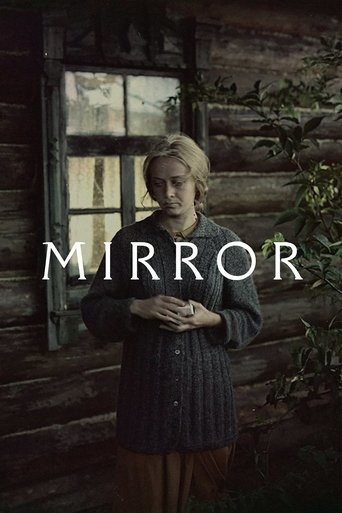
A dying man in his forties recalls his childhood, his mother, the war and personal moments that tell of and juxtapose pivotal moments in Soviet history with daily life.

During the 30s, the young Catalan teacher Antoni Benaiges takes office at a rural school in northern Spain. Antoni has a simple project: he wants to teach his pupils to write and to be free through the use of the printing press. But his dream ends very soon. An individual and collective story in memory of the victims of the Franco's repression.
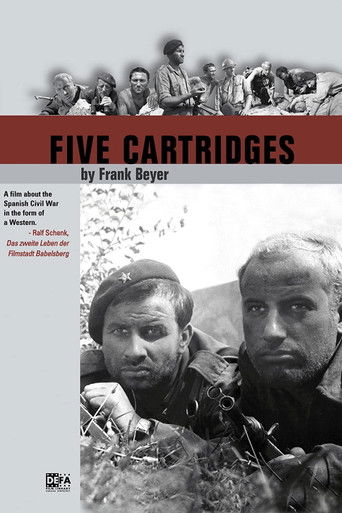
During the Spanish Civil War (1936-1939), five International Brigade soldiers of different nationalities are given a crucial assignment as their commander lies dying: they are to smuggle top-secret information across enemy lines.
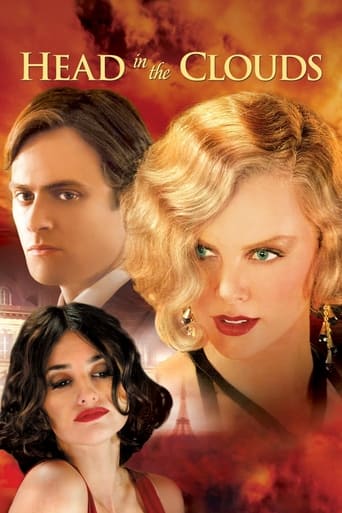
Gilda Bessé shares her Paris apartment with an Irish schoolteacher, Guy Malyon, and Mia, a refugee from Spain. As the world drifts toward war, Gilda defiantly pursues her hedonistic lifestyle and her burgeoning career as a photographer. But Guy and Mia feel impelled to join the fight against fascism, and the three friends are separated.
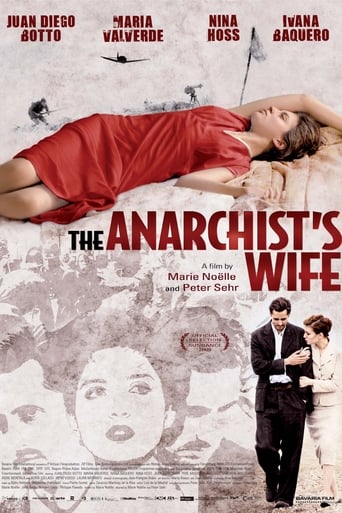
Manuela is left behind when her husband Justo fights for his ideals against Franco's Nationalists during the Spanish Civil War. He is deported to a concentration camp, and upon his release, continues the fight against nationalism in the French resistance. Years pass without a word from him, but his wife never gives up hope of seeing him again.
Guernika, year 1937. The city is savagely bombed from the air by a battalion of fascist troops. During the bombardment, Republican artillery shoots down an Italian plane. The pilot manages to parachute very close to a village inhabited by three women. Badly wounded on the ground, he is going to be finished off by one of them, Ikerne. This one, however, feels disturbed by the man's presence, and in a purely impulsive act she decides to take him to the house's barn. The presence of the man in the house reveals the lethargic desire of the three women. But it will also bring out the small conflicts and contradictions that the harsh survival conditions in the house have generated. The solution finds its way between desire for man and hatred for the enemy.

Madrid, Spain, 1936. The young Miguel Gila lives happily with his grandparents in a humble attic; but the outbreak of the Civil War forces him to go to fight.
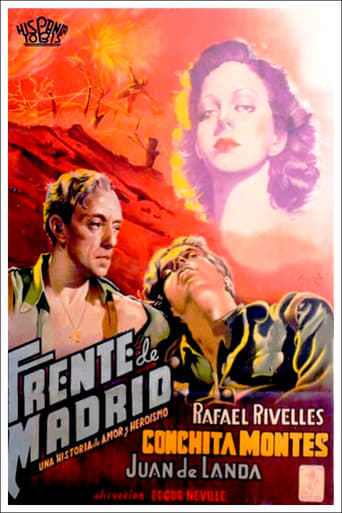
Javier Navarro, a Falangist, is ordered to infiltrate Republican Madrid to deliver a message to a member of the Fifth Column.

At the outbreak of the Spanish Civil War, the nun Maria is forced to flee her convent. She takes refuge in a brothel, until it is liberated by a woman's anarchist group. Maria joins the group and eventually goes to the front. The women's group faces the problems of fighting not only the nationalists, but also factions on the left seeking to impose a more traditional military structure.
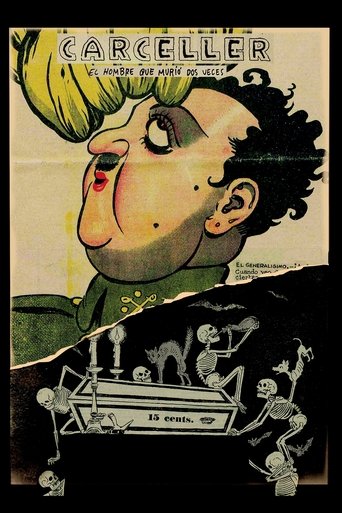
The life story of Vicente Miguel Carceller (1890-1940), a Spanish editor committed to freedom who, through his weekly magazine La Traca, connected with the common people while maintaining a dangerous pulse with the powerful.
A collection of stories set during the Spanish Civil War, ranging from an account of Republican executions in a Madrid bombarded by Franco's forces and his fascist allies, to an Andalusian marquess who sets out to hunt communists with his personal death squad, to a militia woman who saves the life of a right-wing lawyer out of compassion.
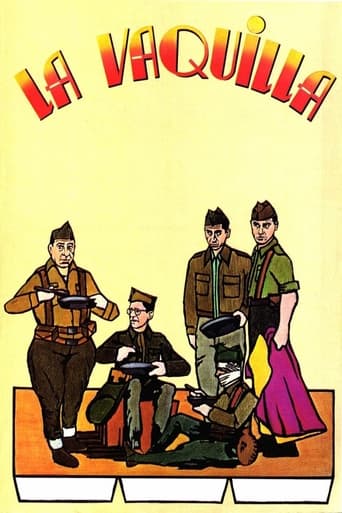
During the Spanish Civil War a platoon of mismatched Republican soldiers cross the front-line to steal the bull that the enemy is going to fight on the local holiday of the nearby village. In addition to ruining the Nationalist faction's celebration they want the animal in order to butcher it and feed their famished troops. They get caught in the process and have to go through a series of funny and pathetic incidents before they can get back to their side.
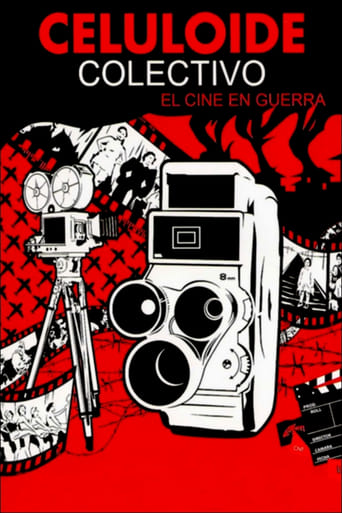
July, 1936. The terrible Spanish Civil War begins. When the streets are taken by the working class, the social revolution begins as well. The public shows are socialized, a model of production and exhibition of films, never seen before in the history of cinema, is created, where the workers are the owners and managers of the industry, through the unions.
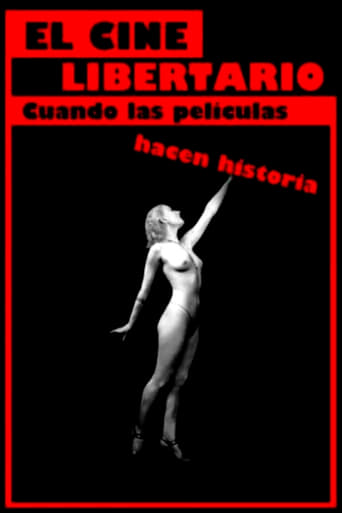
Upon the outbreak of the Spanish Civil War in July 1936, the anarchist union CNT socialized the film industry in Spain, so in Madrid and Barcelona film workers took over the production assets and, between 1936 and 1938, numerous films on a wide variety of topics were released, composing a varied mosaic that gives rise to one of the most unusual and original moments of Spanish cinematography.

This documentary is the first of a series that dedicated 4 issues to the activity of the Durruti column in Aragon.

The story of the Spanish Republicans of La Nueve, the 9th Company of the Régiment de marche du Tchad, part of the French 2nd Armored Division, known as Leclerc Division, whose troops were the first who entered Nazi-occupied Paris on August 24, 1944.
A pro-Republican documentary filmed on the streets of Barcelona between July 19-24, 1936. It showcases the revolutionary fervor in the city at the onset of the Spanish Civil War.
In the midst of the Spanish Civil War, a young soldier on the frontlines reflects on the pain of loss and the senselessness of war. In a trench near the so-called 'no man’s land', he unexpectedly encounters his brother, fighting for the opposing side.
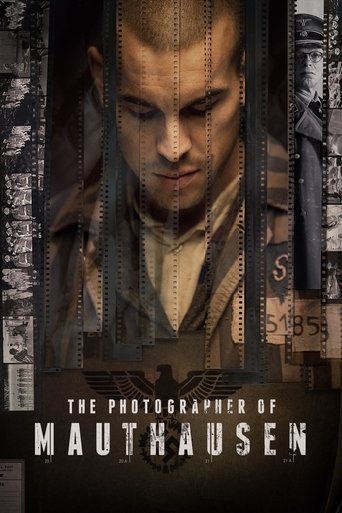
Spanish photographer Francesc Boix, imprisoned in the Mauthausen-Gusen concentration camp, works in the SS Photographic Service. Between 1943 and 1945, he hides, with the help of other prisoners, thousands of negatives, with the purpose of showing the freed world the atrocities committed by the Nazis, exhaustively documented. He will be a key witness during the Nuremberg Trials.