25,000
2024-01-28 · 19 min · Not rated
A video project meant to highlight the human cost in Palestine.
Trailers are previews, not full movies.
No authorized playback source configured. Use the legal watch options below.
Production details
- Directors
- Unavailable
- Production companies
- Unavailable
- Countries
- Germany, United States of America
- Status
- Released
Top Cast
Cast unavailable.
Title information and images are supplied by TMDb. Explore our discovery guide for advice on comparing metadata and legal viewing options.
Where to watch
Availability provided by JustWatch via TMDb. Offers can change. Provider links are listed on TMDb; full playback requires a separately authorized source.
Availability not listed for this country.
Seasons & episodes
Recommendations
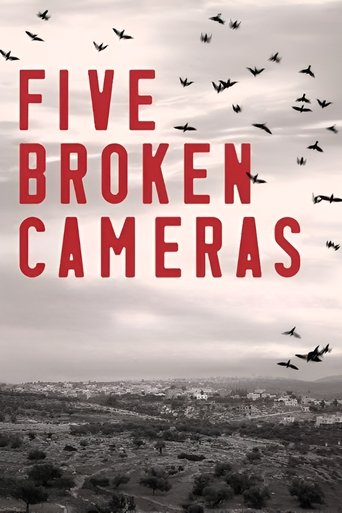
Five broken cameras – and each one has a powerful tale to tell. Embedded in the bullet-ridden remains of digital technology is the story of Emad Burnat, a farmer from the Palestinian village of Bil’in, which famously chose nonviolent resistance when the Israeli army encroached upon its land to make room for Jewish colonists. Emad buys his first camera in 2005 to document the birth of his fourth son, Gibreel. Over the course of the film, he becomes the peaceful archivist of an escalating struggle as olive trees are bulldozed, lives are lost, and a wall is built to segregate burgeoning Israeli settlements.
An experimental documentary that explores Saudi Arabia's relationship with the U.S. and the role this has played in the war in Afghanistan.

A string of threatening emails escalates into a revenge plot involving a newly married US marshal and his ex-girlfriend.
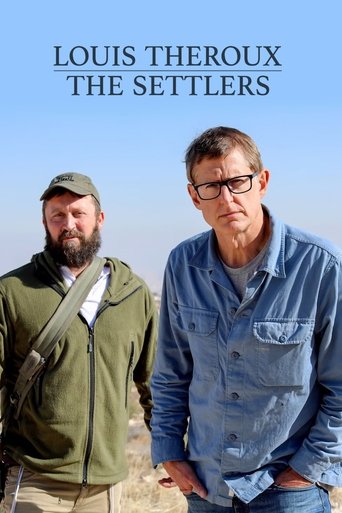
Fourteen years after his first visit, Louis Theroux meets some of the growing community of religious-nationalist Israelis who have settled in the occupied West Bank.

A purely observational non-fiction film that takes viewers into the ethically murky world of end-of-life decision making in a public hospital.

A documentary on the expletive's origin, why it offends some people so deeply, and what can be gained from its use.

Al Pacino's deeply-felt rumination on Shakespeare's significance and relevance to the modern world through interviews and an in-depth analysis of "Richard III."
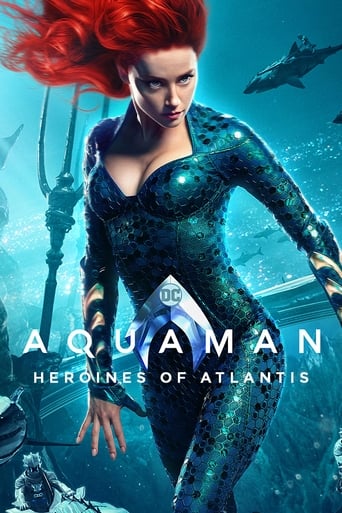
Amber Heard and Nicole Kidman discuss their characters Mera and Atlanna.

A visual montage portrait of our contemporary world dominated by globalized technology and violence.

Musician and performance artist Laurie Anderson reflects on the deaths of her husband Lou Reed, her mother and her beloved dog.
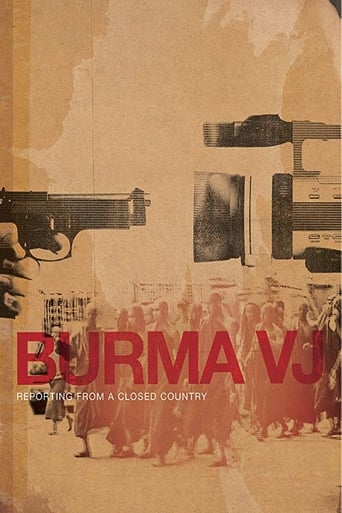
Going beyond the occasional news clip from Burma, the acclaimed filmmaker, Anders Østergaard, brings us close to the video journalists who deliver the footage. Though risking torture and life in jail, courageous young citizens of Burma live the essence of journalism as they insist on keeping up the flow of news from their closed country.

Through deeply personal interviews with her siblings and an examination of the photographs, letters, and belongings left behind, Mariska assembles a new portrait of her mother Jayne Mansfield, an extraordinary and complex woman.
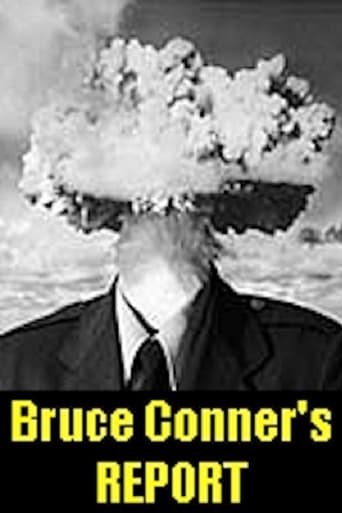
Bruce Conner’s most celebrated film for a reason: it takes historical moments that were replayed over and over on television—chilling repetition of Kennedy assassination coverage—and repurposes them into a meditation on how the media tries to exert authority and apply a sense of order to the anarchic. And though it may sound perverse to say so, the film is also—not incidentally—a thrill to watch. -- The A.V. Club

Over 35 years after Bob Lazar's revelations, this documentary exposes secrets of a facility the government still denies. Featuring Lazar's testimony, recreations, and new evidence, it reopens a case that continues to spark global curiosity
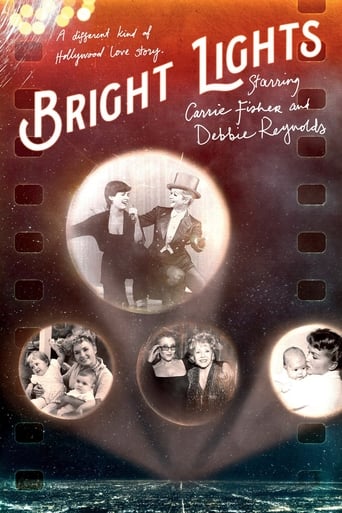
An intimate portrait of Hollywood royalty featuring Debbie Reynolds, Todd Fisher, and Carrie Fisher.

The film follows adventurer Jeff Johnson as he retraces the epic 1968 journey of his heroes Yvon Chouinard and Doug Tompkins to Patagonia.

A look at the origins, history and conspiracies behind the "Majestic 12", a clandestine group of military and corporate figureheads charged with reverse-engineering extraterrestrial technology.

A documentary about how a dominant cultural and demographic institution both sustains their traditional activities and adapts to the digital revolution.
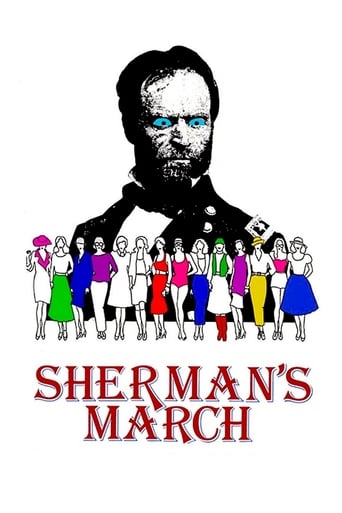
Documentarian Ross McElwee originally set out to make a travelogue of sorts tracing General William T. Sherman's infamous scorched-earth march through the Confederacy in the latter stages of the Civil War. Instead, haunted by a recent breakup with a girlfriend, McElwee ends up documenting his progress -- or lack thereof -- in starting a new relationship. His journey then becomes one of self-reflection and self-discovery rather than a historical/sociological exploration.

An inside look at one of the most anticipated movie sequels ever with James Cameron and cast.
Similar titles
This documentary uncovers the dark events of 2024, when, for the first time in India’s history, a sitting Chief Minister and an entire political leadership were jailed without evidence.
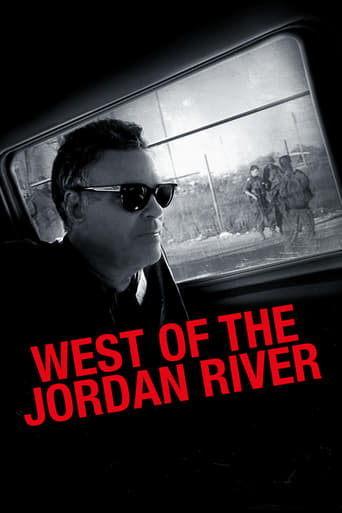
Amos Gitai returns to the occupied territories for the first time since his 1982 documentary FIELD DIARY. WEST OF THE JORDAN RIVER describes the efforts of citizens, Israelis and Palestinians, who are trying to overcome the consequences of occupation. Gitai's film shows the human ties woven by the military, human rights activists, journalists, mourning mothers and even Jewish settlers. Faced with the failure of politics to solve the occupation issue, these men and women rise and act in the name of their civic consciousness. This human energy is a proposal for long overdue change.
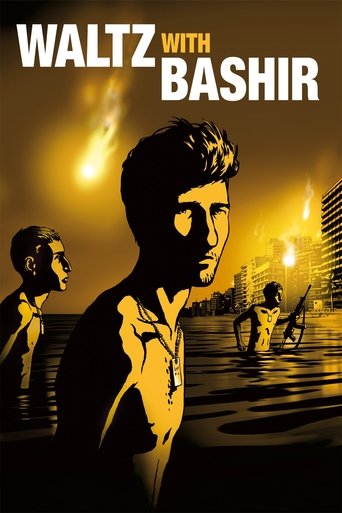
A film director from Israel interviews fellow veterans of the 1982 invasion of Lebanon to reconstruct his own memories of his term of service in that conflict.
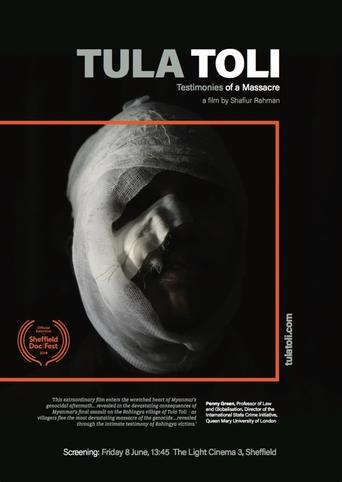
Filmed along the Myanmar-Bangladesh border and within Rohingya refugee camps, Shafiur Rahman’s documentary on the 2017 Tula Toli massacre exposes chilling interviews and evidence of Myanmar military’s premeditated atrocities. The film documents mass killings, sexual violence, and the systematic destruction of the village of Tula Toli, highlighting a humanitarian crisis that forced over half a million people—many of them children—to flee in an exodus of historic scale.

An experimental home documentary where you step inside the director's lens. A journey through his childhood via his own early recordings, exploring the origins of his craft and how that child’s gaze is still there, captured in time.

The biggest trial of Nazi war crimes ever: 360 witnesses in 183 days of trial - a stunning and gripping portrayal of the most terrible massacre in history.
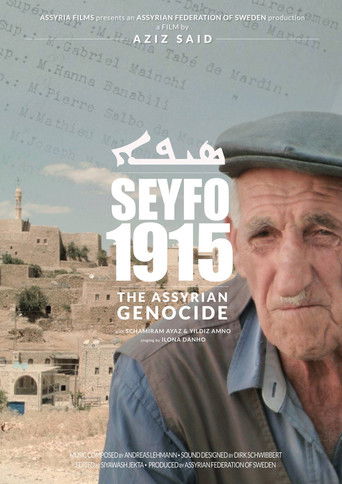
In the shadow of the First World War, the genocide of the Christian Assyrians took place almost unnoticed by the world public. This first systematic genocide of the 20th century was committed by the Young Turks (Ottoman Empire) and would not have been possible without the support of some Kurdish local rulers and their family clans. The Assyrians are the indigenous people of Mesopotamia and have lived in Mesopotamia for thousands of years. The film includes testimony from several European, Turkish and Assyrian historians, as well as genocide researchers, including Professor Taner Akcam, Dr. Gabriele Yonan and Professor David Gaunt. The film includes testimony from survivors of the genocide. Various journalists and publicists also have their say with well-researched information in this documentary. The Assyrians refer to the Genocide as "Seyfo" (ܣܝܦܐ), which translates as "sword".
A lone passenger is reflected in the windows of a train crawling through layers of textures towards Minsk. During his absence, the city has not changed: all the streets are frozen, long-gone voices can be heard in the empty rooms and around the corner you can find yourself in a video game from your childhood.
An experimental film about the relation of Time and Space.
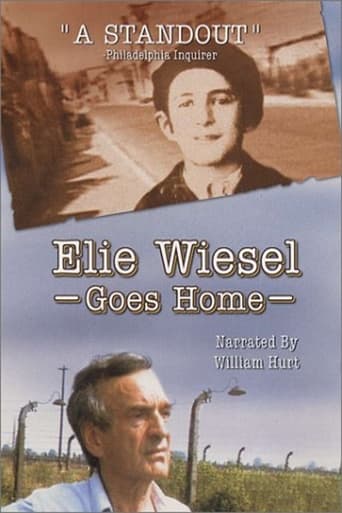
A documentary chronicling the adolescent years of Elie Wiesel and the history of his sufferings. Eliezer was fifteen when Fascism brutally altered his life forever. Fifty years later, he returns to Sighetu Marmatiei, the town where he was born, to walk the painful road of remembrance - but is it possible to speak of the unspeakable? Or does Auschwitz lie beyond the capacity of any human language - the place where words and stories run out?

"This project consists a visual fluidity of construction, harmony and thoughts taking colors and length from this body of autonomy. Different images between figuration and abstraction are created by meaning and phenomenon letting the decoupage revealing a piece of a strange underworld. I built it like a window opened to the fresh air of improvisation by familiar landscapes, those exact moments articulating a connection between light and movement."
A poetic exploration of heaven and hell, the apocalypse and the afterlife, through the lens of a VHS camera.
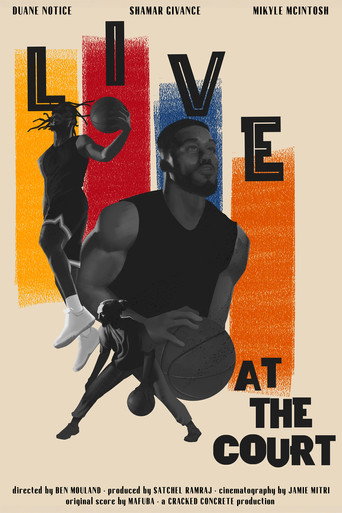
Three basketball players step onto the court, each with a rhythm of their own. As their movements are studied and reimagined, their game is then recontextualized into jazz, revealing the artistry within sport and the music hidden in motion.
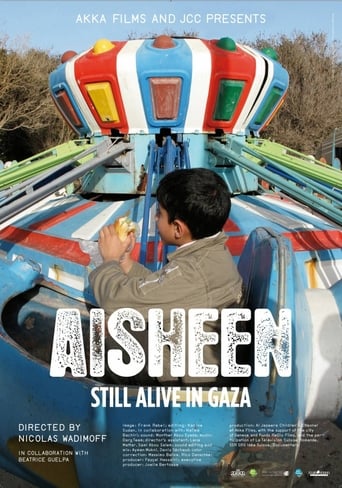
Going behind the usual images of war-torn Gaza, Swiss documentarian Nicolas Wadimoff offers this look at how people survive despite constant threat of danger. Children still play, rappers still create music and families still love one another. In addition to visiting the United Nations Food Distribution Center, Wadimoff films at a derelict amusement park and profiles the DARG TeaM rappers, whose politically charged music proclaims their defiance.

An oneiric moment in the contradictory sensations that arise when experiencing the COVID-19 pandemic.
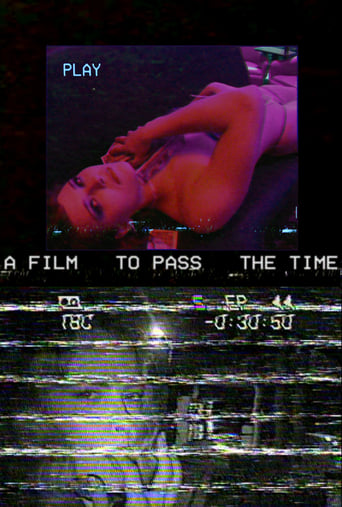
Set against nostalgic analog noise, this is an ultra-processed film which pays homage to lost media and the dead art of videotaped home movies. Taking place primarily in the United States, two strippers look into getting hired at a club in Colorado, a young musician reunites with her family in Missouri, and a German woman flies from Berlin to the U.S. to help her friend finish a film in Texas.
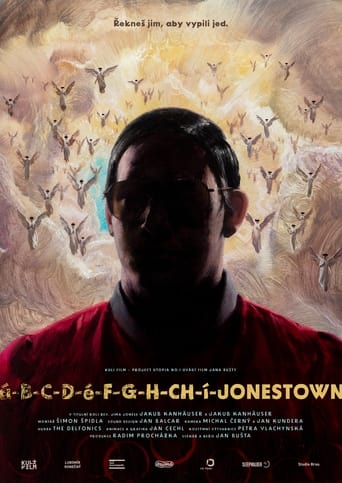
A children's film about the largest mass suicide of the 20th century reconstructs the 1978 event. The Reverend Jim Jones forced nearly a thousand followers of his People's Temple sect to drink poison in the settlement of Jonestown, Guyana, South America. A third of them were children. Jan Bušta gives sadists, voyeurs, and necrophiliacs one minute to leave the cinema. His self-reflective documentary, which is the result of ten years of time-lapse filming, does not depict dramatic scenes. To the sound of an audio recording from that fateful day, we see a collage of child ghosts preaching about escaping the corruption of the world.