Der Nürnberger Parteitag der Nationalsozialistischen Deutschen Arbeiterpartei
1929-01-01 · 64 min · ★ 7.0
A film about the Nuremberg Party Congress of the NSDAP in 1929.
Trailers are previews, not full movies.
No authorized playback source configured. Use the legal watch options below.
Production details
- Directors
- Baldur von Schirach
- Production companies
- Nationalsozialistische deutsche Arbeiterpartei
- Countries
- Germany
- Status
- Released
Top Cast
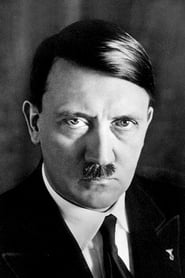 Adolf HitlerSelf
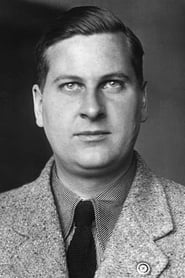 Baldur von SchirachSelf
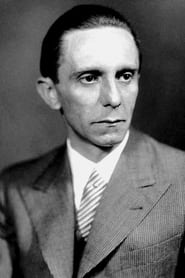 Joseph GoebbelsSelf
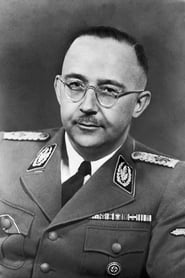 Heinrich HimmlerSelf
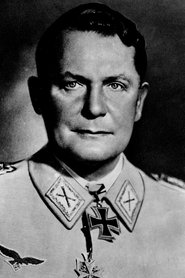 Hermann GöringSelf
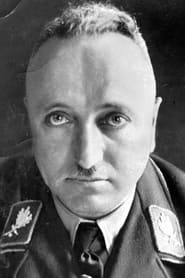 Robert LeySelf
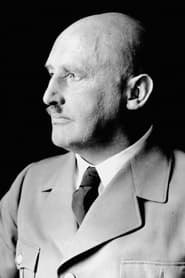 Julius StreicherSelf
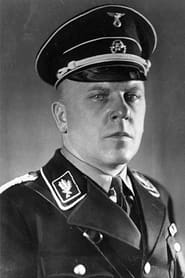 Max AmannSelf
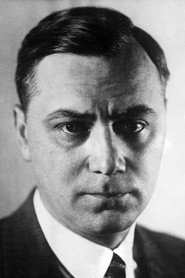 Alfred RosenbergSelf
Title information and images are supplied by TMDb. Explore our discovery guide for advice on comparing metadata and legal viewing options.
Where to watch
Availability provided by JustWatch via TMDb. Offers can change. Provider links are listed on TMDb; full playback requires a separately authorized source.
Availability not listed for this country.
Seasons & episodes
Recommendations
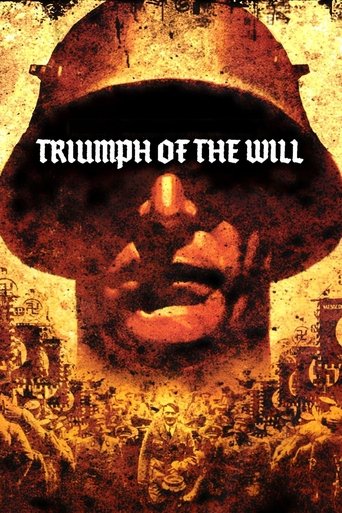
A showcase of German chancellor and Nazi Party leader Adolf Hitler at the 1934 Nuremberg Rally.
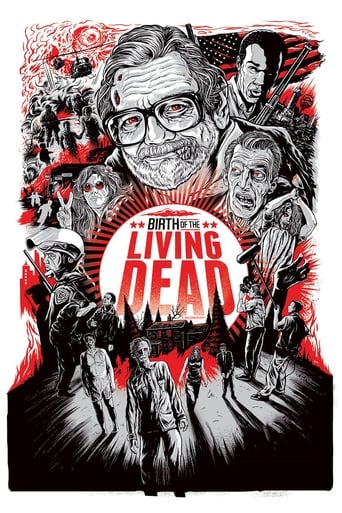
A behind the scenes look into George Romero's groundbreaking horror classic Night of the Living Dead.
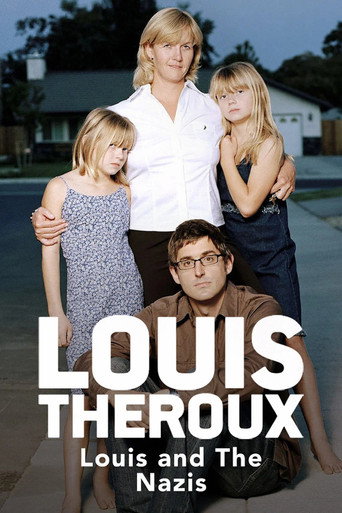
Louis Theroux travels to California to meet the man dubbed "the most dangerous racist in America"; Tom Metzger. Louis meets him, his family and his publicity manager as well as following him to skinhead rallies and on a visit to Mexico.

Produced and presented as evidence at the Nuremberg war crimes trial of Hermann Göring and twenty other Nazi leaders, this film consists primarily of dead and surviving prisoners and of facilities used to kill and torture during the World War II.
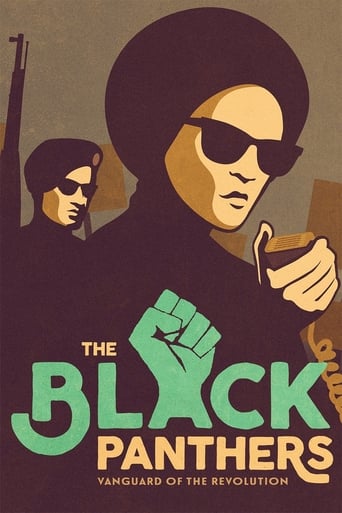
The story of the Black Panthers is often told in a scatter of repackaged parts, often depicting tragic, mythic accounts of violence and criminal activity; but this is an essential story, vibrant, human; a living and breathing chronicle of a pivotal movement that birthed a new revolutionary culture in America.

When Allied forces liberated the Nazi concentration camps in 1944-45, their terrible discoveries were recorded by army and newsreel cameramen, revealing for the first time the full horror of what had happened. Making use of British, Soviet and American footage, the Ministry of Information’s Sidney Bernstein (later founder of Granada Television) aimed to create a documentary that would provide lasting, undeniable evidence of the Nazis’ unspeakable crimes. He commissioned a wealth of British talent, including editor Stewart McAllister, writer and future cabinet minister Richard Crossman – and, as treatment advisor, his friend Alfred Hitchcock. Yet, despite initial support from the British and US Governments, the film was shelved, and only now, 70 years on, has it been restored and completed by Imperial War Museums under its original title "German Concentration Camps Factual Survey".
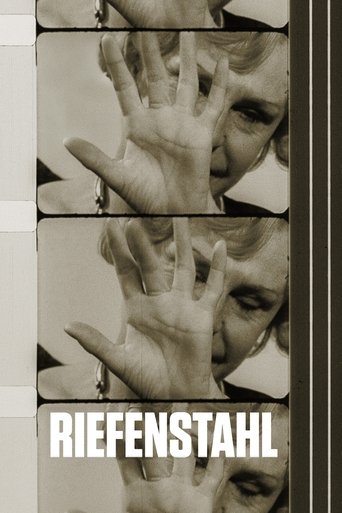
Explores Leni Riefenstahl's artistic legacy and her complex ties to the Nazi regime, juxtaposing her self-portrayal with evidence suggesting awareness of the regime's atrocities.

A documentary on the expletive's origin, why it offends some people so deeply, and what can be gained from its use.

A detailing of the rise to prominence and global sporting superstardom of six supremely talented young Manchester United football players (David Beckham, Nicky Butt, Ryan Giggs, Paul Scholes, Phil and Gary Neville). The film covers the period 1992-1999, culminating in Manchester United's European Cup triumph.

Alexander McQueen's rags-to-riches story is a modern-day fairy tale, laced with the gothic. Mirroring the savage beauty, boldness and vivacity of his design, this documentary is an intimate revelation of McQueen's own world, both tortured and inspired, which celebrates a radical and mesmerizing genius of profound influence.

This revealing documentary honors the legendary Sidney Poitier—iconic actor, filmmaker, and civil rights activist. Featuring interviews with Denzel Washington, Spike Lee, Halle Berry, and more.
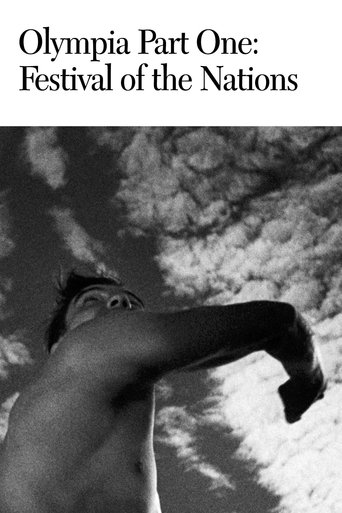
Starting with a long and lyrical overture, evoking the origins of the Olympic Games in ancient Greece, Riefenstahl covers twenty-one athletic events in the first half of this two-part love letter to the human body and spirit, culminating with the marathon, where Jesse Owens became the first track and field athlete to win four gold medals in a single Olympics.
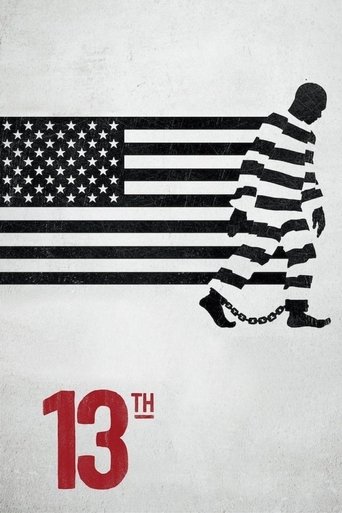
An in-depth look at the prison system in the United States and how it reveals the nation's history of racial inequality.
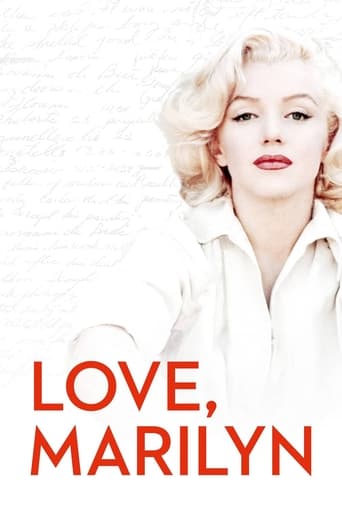
Using the book 'Fragments', which collects Marilyn Monroe's poems, notes and letters, and with participation from the Arthur Miller and Truman Capote estates who have contributed more material, each of the actresses will embody the legend at various stages in her life.
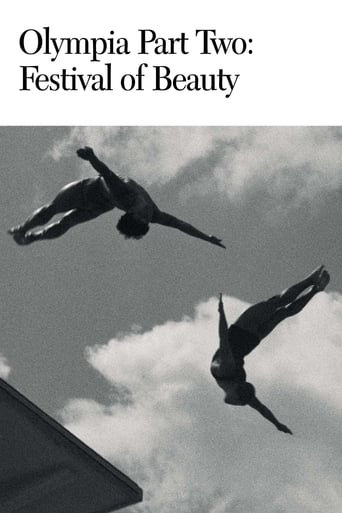
Part two of Leni Riefenstahl's monumental examination of the 1938 Olympic Games, the cameras leave the main stadium and venture into the many halls and fields deployed for such sports as fencing, polo, cycling, and the modern pentathlon, which was won by American Glenn Morris.
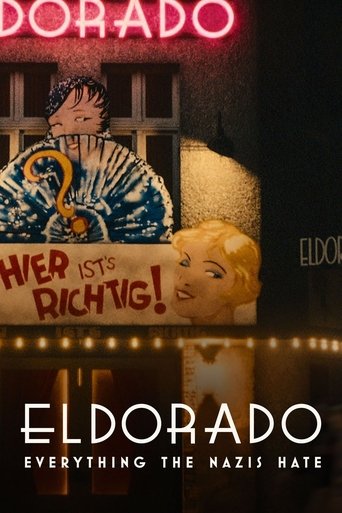
A glittery nightclub in 1920s Berlin becomes a haven for the queer community in this documentary exploring the freedoms lost amid Hitler’s rise to power.

Marcel Ophuls' riveting film details the heinous legacy of the Gestapo head dubbed "The Butcher of Lyon." Responsible for over 4,000 deaths in occupied France during World War II, Barbie would escape—with U.S. help—to South America in 1951, where he lived until a global manhunt led to his 1983 arrest and subsequent trial.

Over the course of one year, this film follows the life of an ordinary Pyongyang family whose daughter was chosen to take part in Day of the Shining Star (Kim Jong-il's birthday) celebration. While North Korean government wanted a propaganda film, the director kept on filming between the scripted scenes. The ritualized explosions of color and joy contrast sharply with pale everyday reality, which is not particularly terrible, but rather quite surreal.

An inside look at one of the most anticipated movie sequels ever with James Cameron and cast.

Musician and performance artist Laurie Anderson reflects on the deaths of her husband Lou Reed, her mother and her beloved dog.
Similar titles
A documentary about some of the comedians of the silent era featuring clips from their films and biographical information.
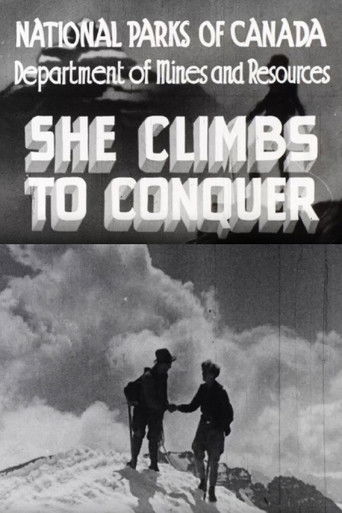
"She Climbs to Conquer" shot by W.J. Oliver, was a noteworthy film which gained well merited acclaim. Made in 1933 it pictured the climb of Georgia Engelhard, a professional mountain climber, from Abbot's Pass to the peak of Mount Victoria.
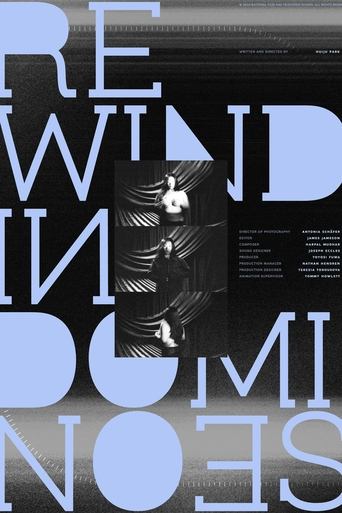
In her attempt to escape her past, Huiju relocated to the UK over 11 months ago. However, even after moving to a new country, she found that her nightmares from Korea continued to haunt her. Determined to move forward, she made the decision to confront her memories head-on in a very contemporary way, using dating apps to push the boundaries she had set due to her sexual trauma.
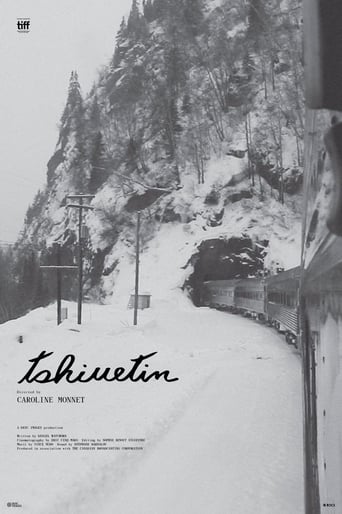
Take a breathtaking train a ride through Nothern Quebec and Labrador on Canada’s first First Nations-owned railway. Come for the celebration of the power of independence, the crucial importance of aboriginal owned businesses and stay for the beauty of the northern landscape.
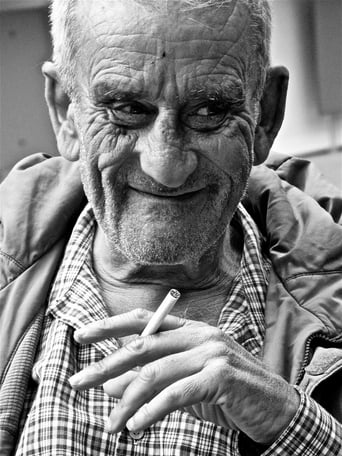
After the publication of a CD book with the poems of Leopoldo María Panero, musicians Carlos Ann and Enrique Bunbury travel to the Canary Islands to meet the "cursed poet", who is hospitalized in the psychiatric hospital of Las Palmas.
A documentary portrait of Calcutta
Here's a strange one. First, a song on a blackboard: a Polish translation of “I love my little rooster” by American folk writer Almeda Riddle. Then, two men roll around trash bins and lift them to the garbage truck. They do it several times. A woman shouts in the distance. At the end, the picture stops, and the woman sings the song. An early short by Piotr Szulkin.
Documentary short film by Mario Handler about the city of Prague as part of an internship to study film in Europe.
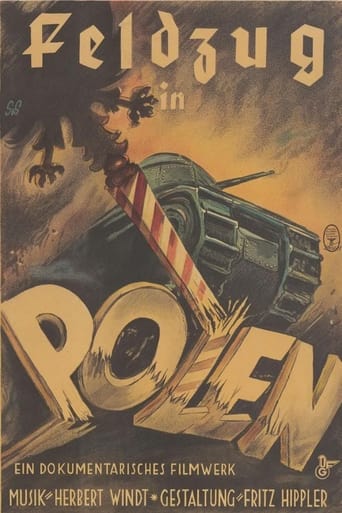
The first blitzkrieg, Hitler's invasion of Poland, is traced in this original Nazi propaganda film from 1940.
Rare documentary footage from around 1900 depicts the mood of life in Berlin at the turn of the century.
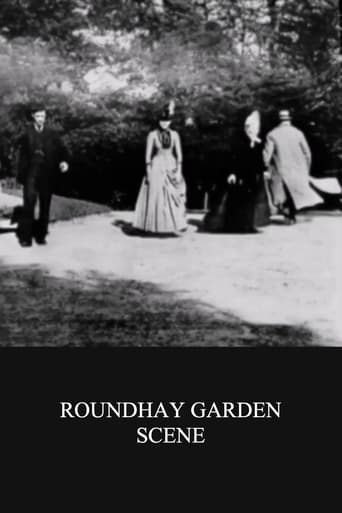
The earliest surviving motion-picture film, and believed to be one of the very first moving images ever created, was shot by Louis Aimé Augustin Le Prince using the LPCCP Type-1 MkII single-lens camera. It was taken on paper-based photographic film in the garden of Oakwood Grange, the Whitley family house in Roundhay, Leeds, West Riding of Yorkshire (UK), on 14 October 1888. The film shows Adolphe Le Prince (Le Prince’s son), Mrs. Sarah Whitley (Le Prince’s mother-in-law), Joseph Whitley, and Miss Harriet Hartley walking around in circles, laughing to themselves, and staying within the area framed by the camera. Roundhay Garden Scene is often associated with a recording speed of around 12 frames per second and runs for about 2 to 3 seconds.
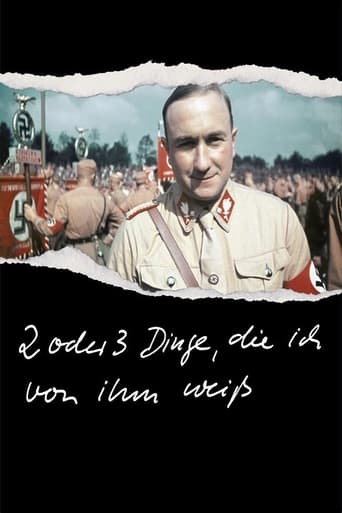
What would your family reminiscences about dad sound like if he had been an early supporter of Hitler’s, a leader of the notorious SA and the Third Reich’s minister in charge of Slovakia, including its Final Solution? Executed as a war criminal in 1947, Hanns Ludin left behind a grieving widow and six young children, the youngest of whom became a filmmaker. It's a fascinating, maddening, sometimes even humorous look at what the director calls "a typical German story." (Film Forum)
A boy from the desert tries to sell a sand rose in the big city.

Watch as Aiden Aleman creates his newest art piece “TRUTH” in the middle of Zilker Park.
The documentary tells the story of Uschi, a farmer living free and recluded in the bavarian alps. Shot in epic black and white pictures, Still follows Uschi's life over a ten year period. From an untroubled summer of making cheese through pregnancy and the uncertain future of the parental farm, Matti Bauer portrays Uschi's struggle to keep alive the dream of a way of life that has become rather untypical in this day and age.
Children get ready to start the first grade. They start learning the first letters.

A perspective and reflection on the work of Gabriel Ferrandini.