

Jacques Demy: The Pink and the Black
2024-05-22 · 88 min · ★ 7.2
Jacques Demy’s ability to enchant audiences was rooted in his personal struggles and doubts as a showman, establishing him as one of French cinema’s greatest artists.
Trailers are previews, not full movies.
No authorized playback source configured. Use the legal watch options below.
Production details
- Directors
- Florence Platarets
- Production companies
- ARTE, Ciné-Tamaris, Agat Films & Cie / Ex Nihilo, INA
- Countries
- France
- Status
- Released
Top Cast
 Jacques DemySelf
 Catherine Deneuve
 Françoise Dorléac
 Jean Marais
 Michel Legrand
Title information and images are supplied by TMDb. Explore our discovery guide for advice on comparing metadata and legal viewing options.
Where to watch
Availability provided by JustWatch via TMDb. Offers can change. Provider links are listed on TMDb; full playback requires a separately authorized source.
Availability not listed for this country.
Seasons & episodes
Recommendations
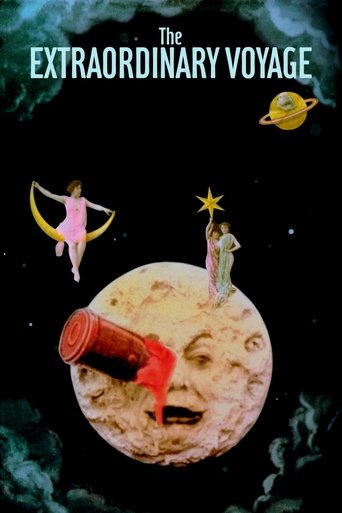
An account of the extraordinary life of film pioneer Georges Méliès (1861-1938) and the amazing story of the copy in color of his masterpiece A Trip to the Moon (1902), unexpectedly found in Spain and restored thanks to the heroic efforts of a group of true cinema lovers.
Robert Altman's life and career contained multitudes. This father of American independent cinema left an indelible mark, not merely on the evolution of his art form, but also on the western zeitgeist. With its use of rare interviews, representative film clips, archival images, and musings from his family and most recognizable collaborators, Altman is a dynamic and heartfelt mediation on an artist whose expression, passion and appetite knew few bounds.
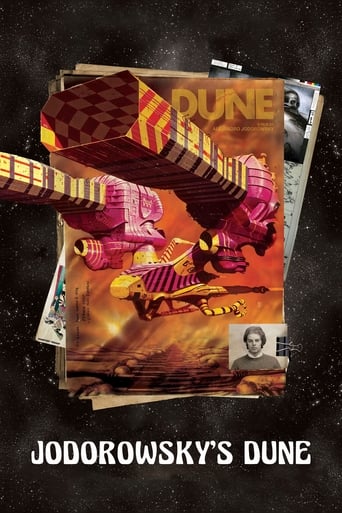
In 1974, Chilean-French director Alejandro Jodorowsky embarked on the quixotic project of adapting Frank Herbert's influential novel Dune (1969) for the big screen. After investing two years, and millions of dollars, the gigantic project ended in failure; but the artists Jodorowsky brought together to carry it out continued to work together, and ended up laying the foundations for modern science fiction cinema.
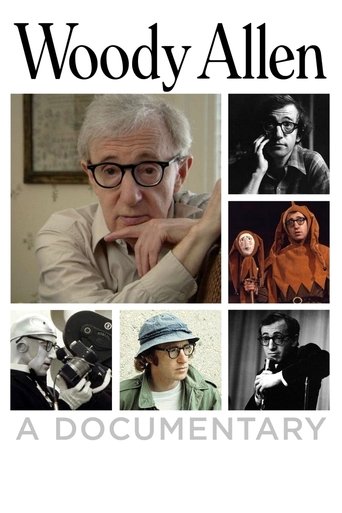
An intense portrait of the iconic filmmaker, writer, actor, comedian and musician Woody Allen: his life, family and friends; his writing and directing habits, and his relationship with performers.

Filmmakers discuss the legacy of Alfred Hitchcock and the book “Hitchcock/Truffaut” (“Le cinéma selon Hitchcock”), written by François Truffaut and published in 1966.
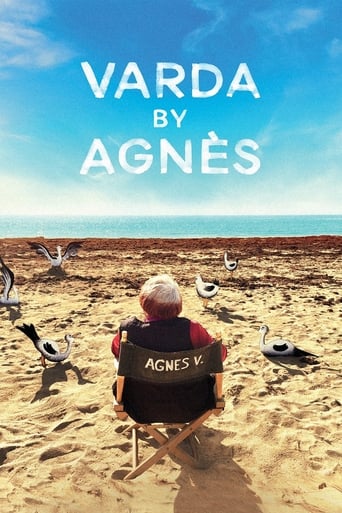
An unpredictable documentary from a fascinating storyteller, Agnès Varda’s last film sheds light on her experience as a director, bringing a personal insight to what she calls "cine-writing," traveling from Rue Daguerre in Paris to Los Angeles and Beijing.
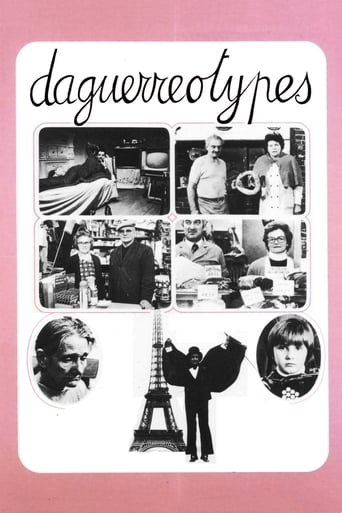
An intimate portrait of the small shops and shopkeepers of the Rue Daguerre in Paris, a picturesque street that has been the filmmaker’s home for more than 50 years.

The history of cinematic sound, told by legendary sound designers and visionary filmmakers.

The epic life story of Alice Guy-Blaché (1873–1968), a French screenwriter, director and producer, true pioneer of cinema, the first person who made a narrative fiction film; author of hundreds of movies, but banished from history books. Ignored and forgotten. At last remembered.

Daniel Craig candidly reflects on his 15 year adventure as James Bond. Including never-before-seen archival footage from Casino Royale to the upcoming 25th film No Time To Die, Craig shares his personal memories in conversation with 007 producers, Michael G Wilson and Barbara Broccoli.

As a visually radical memoir, CAMERAPERSON draws on the remarkable footage that filmmaker Kirsten Johnson has shot and reframes it in ways that illuminate moments and situations that have personally affected her. What emerges is an elegant meditation on the relationship between truth and the camera frame, as Johnson transforms scenes that have been presented on Festival screens as one kind of truth into another kind of story—one about personal journey, craft, and direct human connection.
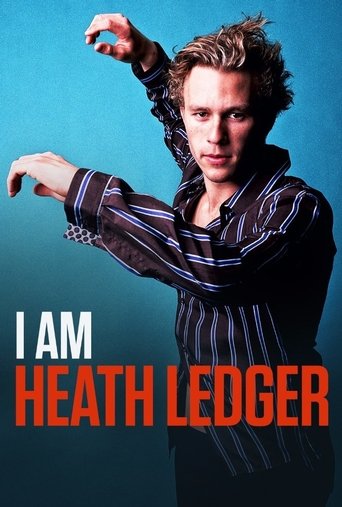
The life and career of an actor, artist, and icon. His own journey through his own camera.

Told through performances, TV interviews, home movies, family photographs, private letters and unpublished memoirs, the film reveals the essence of an extraordinary woman who rose from humble beginnings in New York City to become a glamorous international superstar and one of the greatest artists of all time.
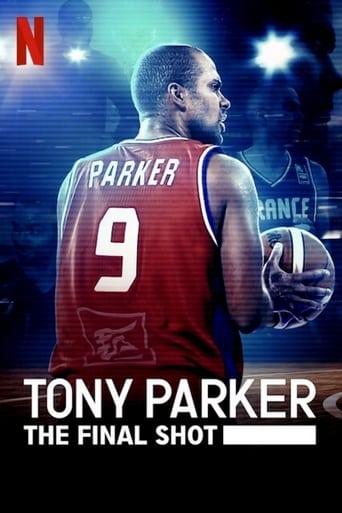
The background and career of Tony Parker, whose determination led him to become arguably the greatest French basketball player.
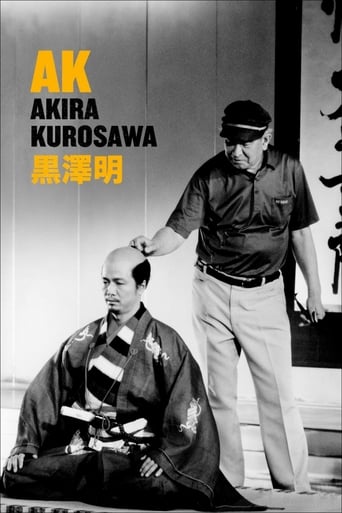
An intimate chronicle of the shooting of Ran (1985), a film directed by the legendary Japanese filmmaker Akira Kurosawa.

Musician and performance artist Laurie Anderson reflects on the deaths of her husband Lou Reed, her mother and her beloved dog.
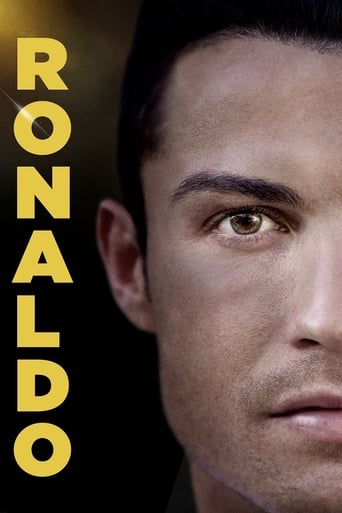
Filmed over 14 months with unprecedented access into the inner circle of the man and the sport, this is the first official and fully authorised film of one of the most celebrated figures in football. For the first time ever, the world gets vividly candid and un-paralleled, behind-closed-doors access to the footballer, father, family-man and friend in this moving & fascinating documentary. Through in-depth conversations, state of the art football footage and never before seen archival footage, the film gives an astonishing insight into the sporting and personal life of triple Ballon D'Or winner Cristiano Ronaldo at the peak of his career. From the makers of ‘Senna’ and ‘Amy’, Ronaldo takes audiences on an intimate and revealing journey of what it’s like to live as an iconic athlete in the eye of the storm.
A backstage and on-stage look at Justin Bieber during his rise to super stardom.
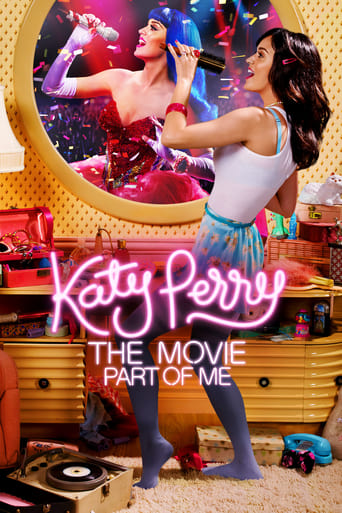
Giving fans unprecedented access to the real life of the music sensation, Katy Perry: Part of Me exposes the hard work, dedication and phenomenal talent of a girl who remained true to herself and her vision in order to achieve her dreams. Featuring rare behind-the-scenes interviews, personal moments between Katy and her friends, and all-access footage of rehearsals, choreography, Katy’s signature style and more, Katy Perry: Part of Me reveals the singer’s unwavering belief that if you can be yourself, then you can be anything.

Since the invention of cinema, the standard format for recording moving images has been film. Over the past two decades, a new form of digital filmmaking has emerged, creating a groundbreaking evolution in the medium. Keanu Reeves explores the development of cinema and the impact of digital filmmaking via in-depth interviews with Hollywood masters, such as James Cameron, David Fincher, David Lynch, Christopher Nolan, Martin Scorsese, George Lucas, Steven Soderbergh, and many more.
Similar titles

This documentary composed of numerous testimonies and archives, filmed in Japan highlights the extraordinary career of the actress-director Kinuyo Tanaka and her singular ambition to impose a female point of view on cinema, reflecting her own vision of the world.
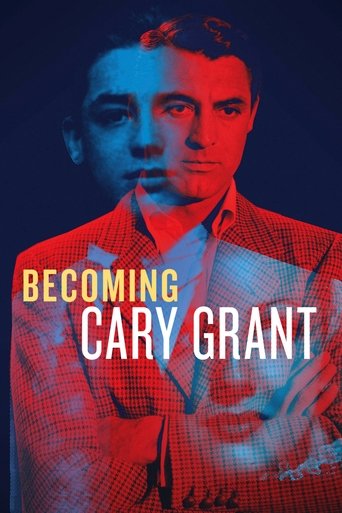
For the first time one of Hollywood's greatest stars tells his own story, in his own words. From a childhood of poverty to global fame, Cary Grant, the ultimate self-made star, explores his own screen image and what it took to create it.
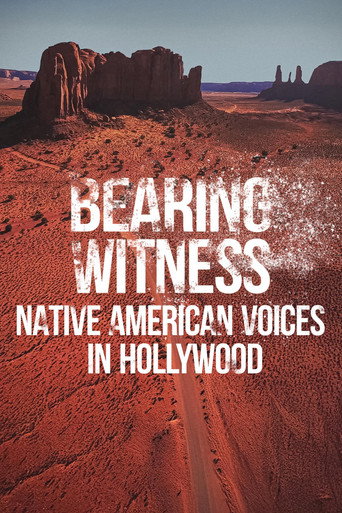
For over 100 years, Hollywood cinema has crafted the ultimate "villain"- the Indian, as they were labeled in early Westerns. Confined almost exclusively to this genre, the Western became a vehicle for American racism, obscuring the genocide upon which the United States was built. In this documentary, only Native Americans are given a voice to share their story, one that has been overshadowed by Hollywood's portrayal. Their narrative, part of the larger American story, highlights how cinema has long been used as a powerful propaganda tool, distorting history and perpetuating harmful stereotypes.
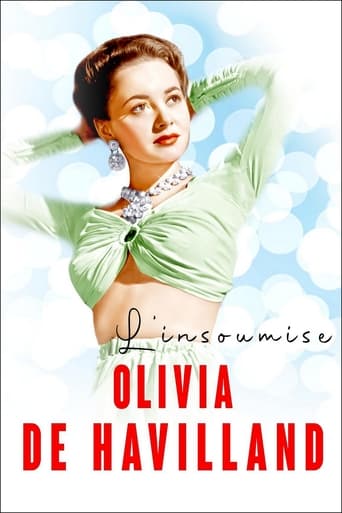
The legendary British-American actress Olivia de Havilland (1916-2020), who conquered Hollywood in the thirties, challenged the film industry when, in 1943, she took on the all-powerful producer Jack Warner in court, forever changing the ruthless working conditions that restricted the essential rights and freedom of artists.
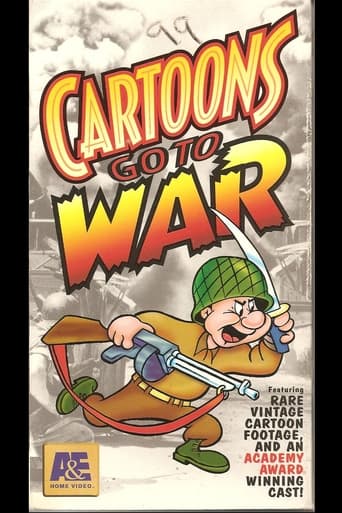
This remarkable documentary dedicates itself to an extraordinary chapter of the second World War – the psychological warfare of the USA. America’s trusted cartoon darlings from the studios of Warner Bros., Paramount, and the “big animals” of the Disney family were supposed to give courage to the people at the homefront, to educate them, but also to simultaneously entertain them. Out of this mixture grew a genre of its own kind – political cartoons. Insightful Interviews with the animators and producers from back then elucidate in an amusing and astonishing way under which bizarre circumstances these films partially came into existence.

A retrospective look at the global impact of Alien, the science fiction and horror masterpiece directed by British filmmaker Ridley Scott in 1979, exploring the origins of its unique aesthetic and the audacity of its screenplay.
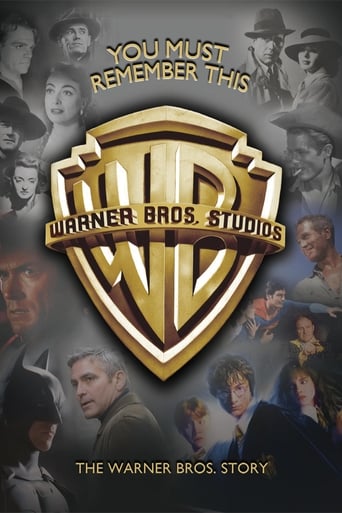
Jack L. Warner, Harry Warner, Albert Warner and Sam Warner were siblings who were born in Poland and emigrated to Canada near the turn of the century. In 1903, the brothers entered the budding motion picture business. In time, the Warner Brothers moved into film production and would open their own studio in 1923.
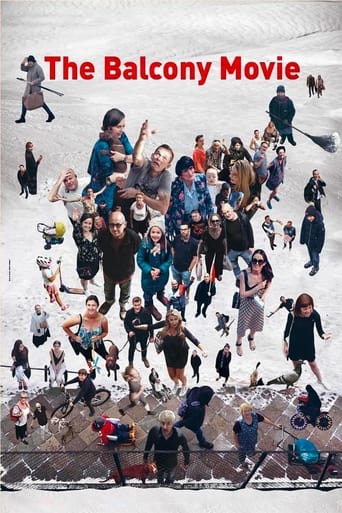
Composed from the conversations that the director holds with people passing by in the street under his Warsaw apartment, each story in 'The Balcony Movie' is unique and deals with the way we try to cope with life as individuals. All together, they create a self-portrait of contemporary human life, and the passers-by present a composite picture of today's world.
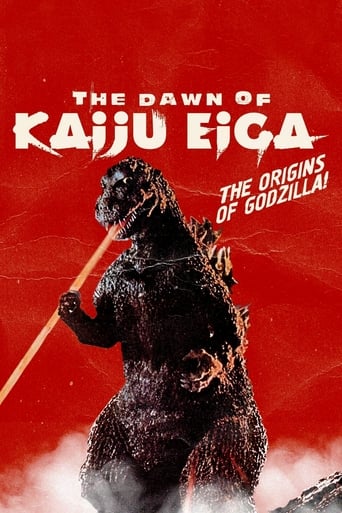
Japan, 1954. A legend emerges from the ashes of Hiroshima and Nagasaki, devastated by atomic bombs in 1945. The creature's name is Godzilla. The film that tells its story is the first of kaiju eiga, the giant monster movies.
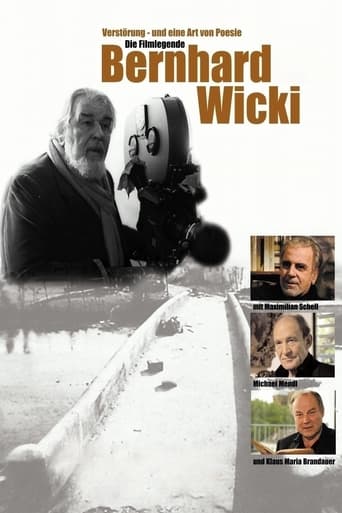
Documentary about film director and actor Bernhard Wicki.
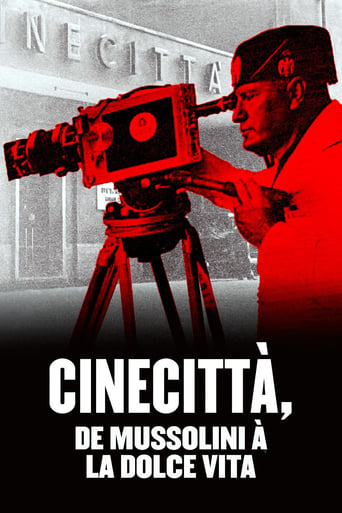
Cinecitta is today known as the center of the Italian film industry. But there is a dark past. The film city was solemnly inaugurated in 1937 by Mussolini. Here, propaganda films would be produced to strengthen the dictator's position.
When looking at Pedro Almodóvar’s filmography, it becomes evident that women are everywhere; in fact, his work revolves around them. His divas are the best to create a real portrait of Almodóvar and evoke the emotional power of his films. These women are the ideal observers of a cinematic career that, from La Mancha to Hollywood, has changed the image of Spain in the world.
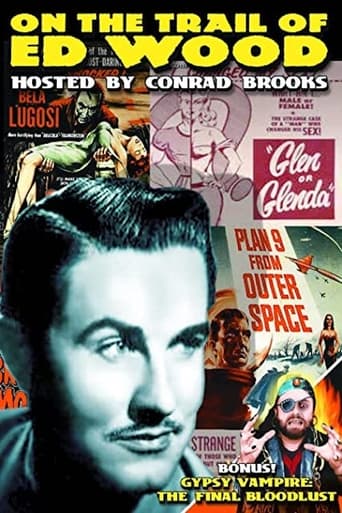
A documentary on the life and career of filmmaker Edward D. Wood Jr., with clips from his films and interviews with the cast and crews of some of his films.
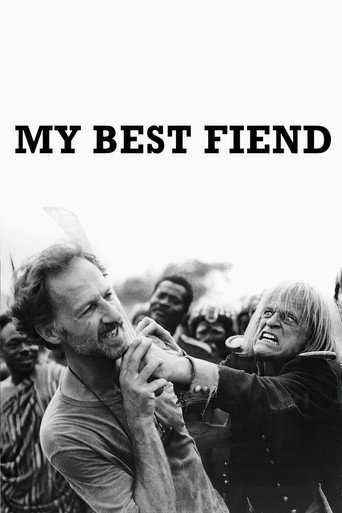
A film that describes the love-hate relationship between Werner Herzog and Klaus Kinski, the deep trust between the director and the actor, and their independently and simultaneously hatched plans to murder one another.
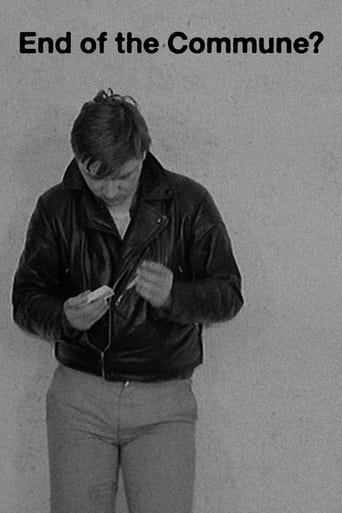
A documentary about Fassbinder and the early years of the legendary Antiteater, the group he was a member/leader of. You can here see and hear some of the actors he was going to use in his movies for the next years. The movie shows rehearsals for his play "The Coffeehouse," which also became a television movie, and you can watch unique footage from the 19th Film Festival in Berlin (1969) where "Love is Colder Than Death" was shown. As told in this documentary, his first feature movie was given a cold shoulder by many of the journalists and visitors at the festival. You can in "End of the Commune" watch Fassbinder and actor Ulli Lommel walk out on stage after the opening of "Love is Colder Than Death,” while a man in the audience is shouting "Out with the director!” In this documentary, Fassbinder also talks a lot about his father, who was a respectable doctor.
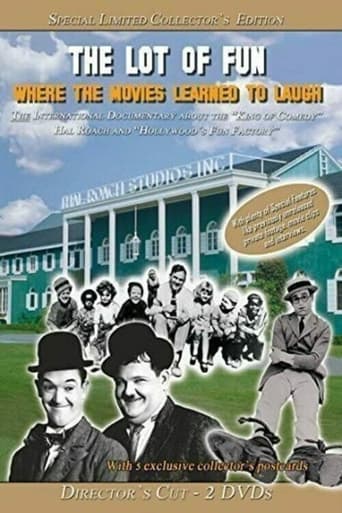
A documentary about film producer Hal Roach.
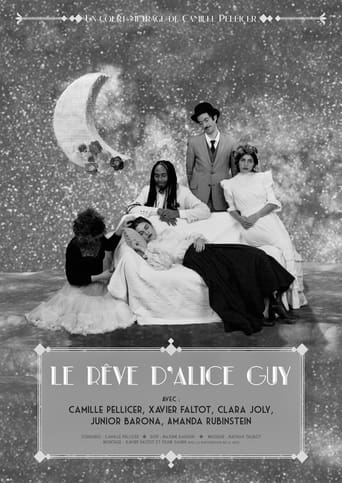
This is a short film about Alice Guy-Blaché, the first female director of fiction in cinema history. Alice Guy was Léon Gaumont's secretary at the beginning of the last century and she was the first woman to ever direct actors in front of the camera. In 1895, the Lumière brothers introduced to the world the "Cinématographe", the first camera. Léon Gaumont decided to sell this revolutionary new device. Fascinated, Alice asked her boss for permission to use the camera to make her own films. Mr. Gaumont agreed only under the condition that she “would be able to keep up with her mail.” This short film is a poetic reverie that Alice Guy might have had in her time if only society at the time hadn't presented her with so many challenges.
The order comes in the summer of 1941 from Propaganda Minister Joseph Goebbels himself: The best animators are summoned to Berlin. Their task: Producing feature-length cartoons in ‘Disney quality’ with the newly founded ‘Deutsche Zeichenfilm GmbH’. To get trained, the Disney movie “Snow White” is retraced frame by frame. After the final victory, one new feature-length production of quality shall be released every year from 1947 onwards – that is the plan. Only in 1943, the first production is completed: “Armer Hansi”, a 17-minute-long colour movie, realized with the effortful multiplane technology. The second film by the ‘Deutsche Zeichenfilm’ is only completed in 1946 – by DEFA. In the territories occupied by Germany, cartoons are produced as well, sometimes harmless ones, sometimes propagandistic ones. With excerpts from animated movies, live action film documents, and witness reports by contemporaries, this documentary draws a picture of the cartoon production in the Third Reich.
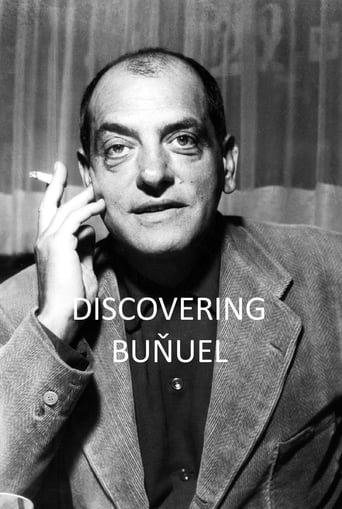
Luis Bunuel, the father of cinematic Surrealism, made his film debut with 'Un Chien Andalou' in 1929 working closely with Salvador Dali. Considered one of the finest and controversial filmmakers with, 'L’Age d’Or' (1930), attacking the church and the middle classes. He won many awards including Best Director at Cannes for 'Los Olvidados' (1950), and the coveted Palme d’Or for 'Viridiana' (1961), which had been banned in his native Spain. His career moved to France with 'The Diary of a Chambermaid' with major stars such as Jeanne Moreau and Catherine Deneuve.