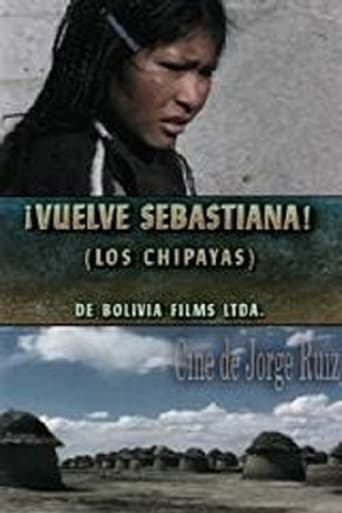
Come Back, Sebastiana
1953-01-01 · 28 min · ★ 5.6
The story of a poor girl who leaves her starving family and sheep for a more prosperous village. Her grandfather finds her and tries to convince her to return to her home.
Trailers are previews, not full movies.
No authorized playback source configured. Use the legal watch options below.
Production details
- Directors
- Augusto Roca, Jorge Ruiz
- Production companies
- Bolivia Films Ltda.
- Countries
- Bolivia
- Status
- Released
Top Cast
Title information and images are supplied by TMDb. Explore our discovery guide for advice on comparing metadata and legal viewing options.
Where to watch
Availability provided by JustWatch via TMDb. Offers can change. Provider links are listed on TMDb; full playback requires a separately authorized source.
Availability not listed for this country.
Seasons & episodes
Recommendations

Alexander McQueen's rags-to-riches story is a modern-day fairy tale, laced with the gothic. Mirroring the savage beauty, boldness and vivacity of his design, this documentary is an intimate revelation of McQueen's own world, both tortured and inspired, which celebrates a radical and mesmerizing genius of profound influence.

Ranjit, a farmer in India, takes on the fight of his life when he demands justice for his 13-year-old daughter, the victim of a brutal gang rape. His decision to support his daughter is virtually unheard of, and his journey unprecedented.
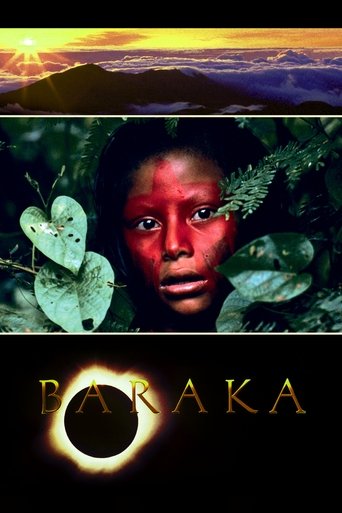
A paralysingly beautiful documentary with a global vision—an odyssey through landscape and time—that attempts to capture the essence of life.

An unprecedented and intimate look at the life, work and enduring legacy of British actress Audrey Hepburn (1929-1993).

A documentary on the expletive's origin, why it offends some people so deeply, and what can be gained from its use.

The film follows adventurer Jeff Johnson as he retraces the epic 1968 journey of his heroes Yvon Chouinard and Doug Tompkins to Patagonia.
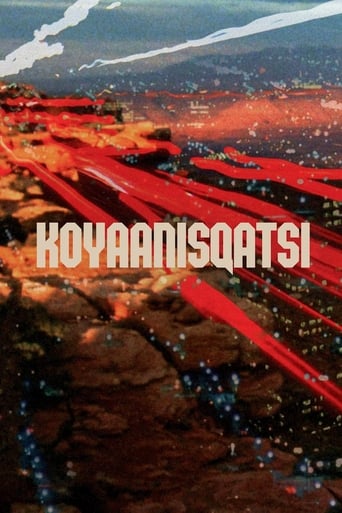
Takes us to locations all around the US and shows us the heavy toll that modern technology is having on humans and the earth. The visual tone poem contains neither dialogue nor a vocalized narration: its tone is set by the juxtaposition of images and the exceptional music by Philip Glass.
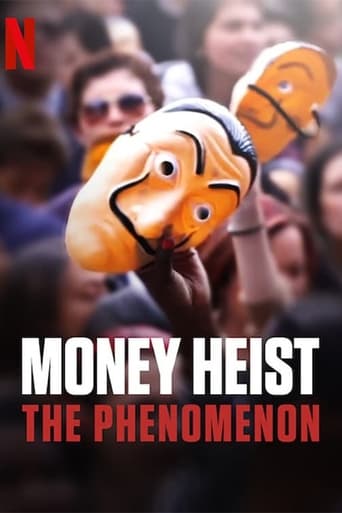
A documentary on why 'Money Heist' sparked a wave of enthusiasm around the world for a lovable group of thieves and their professor.

Just two years away from turning 30, participants in Michael Apted's documentary series are facing serious questions of identity and purpose, wondering whether they've found their place in the world.
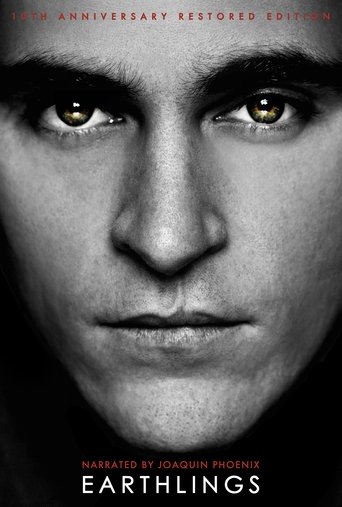
Using hidden cameras and never-before-seen footage, Earthlings chronicles the day-to-day practices of the largest industries in the world, all of which rely entirely on animals for profit.
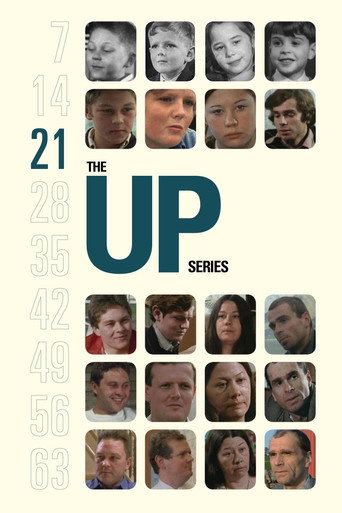
After another 7 year wait, director Michael Apted revisits the same group of British-born children from Seven Up! and 7 Plus Seven. The subjects are interviewed as to the changes that have occurred in their lives during the last seven years.
Filmmaker Christopher Quinn observes the ordeal of three Sudanese refugees -- Jon Bul Dau, Daniel Abul Pach and Panther Bior -- as they try to come to terms with the horrors they experienced in their homeland, while adjusting to their new lives in the United States.
Film adaptation of French economist Thomas Piketty's ground-breaking global bestseller of the same name: an eye-opening journey through wealth and power.

A documentary about how a dominant cultural and demographic institution both sustains their traditional activities and adapts to the digital revolution.
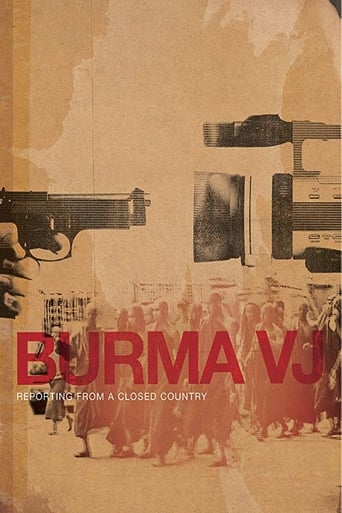
Going beyond the occasional news clip from Burma, the acclaimed filmmaker, Anders Østergaard, brings us close to the video journalists who deliver the footage. Though risking torture and life in jail, courageous young citizens of Burma live the essence of journalism as they insist on keeping up the flow of news from their closed country.

A string of threatening emails escalates into a revenge plot involving a newly married US marshal and his ex-girlfriend.

In an intimate and joyful story of love in the face of loss, celebrated poets Andrea Gibson and Megan Falley find strength—and unexpected hilarity—in what might be their final year together.
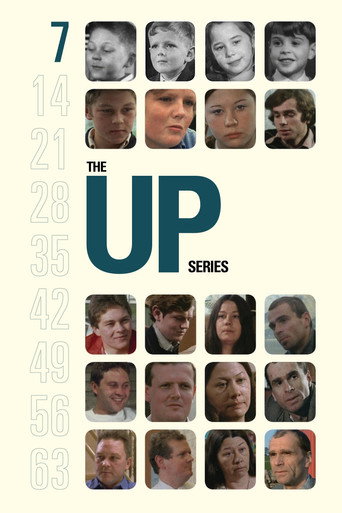
A group of British children aged 7 from widely ranging backgrounds are interviewed about a range of subjects. The filmmakers plan to re-interview them at 7 year intervals to track how their lives and attitudes change as they age.

From the heights of her modeling fame to her tragic death, this documentary reveals Anna Nicole Smith through the eyes of the people closest to her.
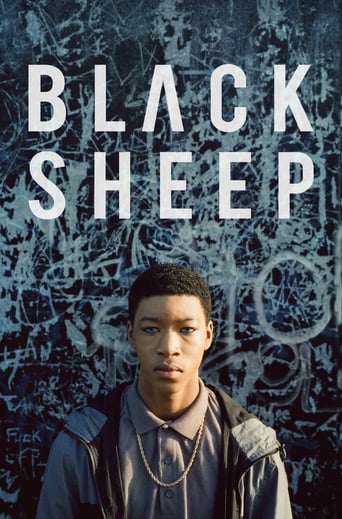
After the high-profile killing of Damilola Taylor, Cornelius' family move out of London. But when they discover their new town is run by racists, Cornelius takes a drastic step to survive.
Similar titles

J and Jacky are good friends who attend the same school. J is from a single-parent family, and will be taken care by Jacky’s family whenever his mother has to return to Mainland to renew her visa; such kind of story is not an isolated case. These families have been uprooted for a “better future” in Hong Kong, but is this “future” that the children really long to have? A Chinese saying: “How does one understand the joy of fish, if one is not a fish?” Will the adults really understand what the children want?
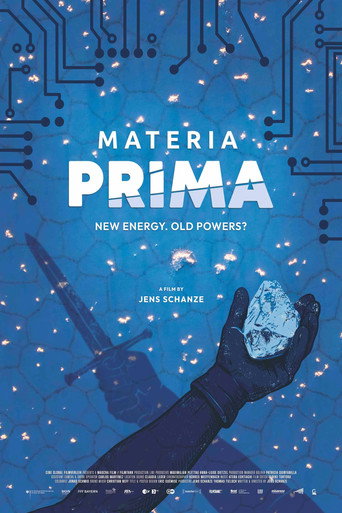
Bolivia has the world's largest deposits of lithium, a metal that is essential for the energy transition. Without lithium, no electricity storage facility, no data centre, no electric car, no smartphone would work. The Europeans want the raw material to save their automotive industry. The Bolivians want it to combat poverty. While the Bolivian government negotiates with corporations from around the world, civil society groups are mobilising in rural areas, organised mainly by women. The film offers a rare insight into the Europeans' strategy to secure the sought-after material and carves out the conflicting interests towards extractivism and industrialisation in Bolivia.
"The prevailing stigmatization of the 'villero' universe is fed back by the images. In order to dismantle this stigmatization, other images must be presented or we need to reveal what the existing ones seek to cover up. The slum is usually represented from a limited and deceitful visual panorama. This representation has an intention. Cinema and television are two image-producing devices that strengthen the stereotypes that we have about the people who inhabit these spaces. And what happens in the field of painting? Do clichés reign there too? This visual essay seeks to confront various works by national painters and sculptors, belonging to the Palais collection, with the kinetic images of current cinema and television, to reflect on both the differences and the similarities in the meanings and discourses that both regimes of images can produce." César González
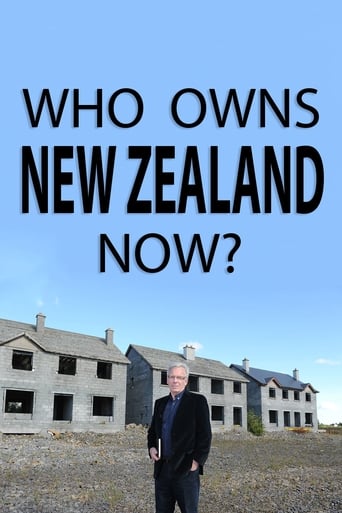
Award-winning documentary maker Bryan Bruce investigates New Zealand's housing crisis and what might be done to solve it. Bruce consults with recognised world experts (in Canada, Ireland and Germany) to discuss their global research – this time on foreign capital and housing affordability and the effect of immigration on house prices. Bruce also looks at some of the many possible solutions (available particularly in Germany) that would provide families with stability of tenure that don’t involve private ownership.

A modern team of explorers venture to the legendary "Lost World"- the remote jungle plateau of Roraima in Venezuela. Cut off from time and the jungle below, feared by natives because of "evil spirits", flying reptiles and other beasts, Roraima has sparked human imagination since the time of the 19th century explorers. Sherlock Holmes author Sir Arthur Conan Doyle based his book "The Lost World" (1912) about men and dinosaurs on the tales from early explorers to this plateau. This was the inspiration for Jurassic Park. The modern expedition team encounters the animals, people and extreme habitat on its route across the Gran Sabana and up the 9000 ft. mountain. Once there they explore a new cave system, that may well contain new forms of life.
Are tourists destroying the planet-or saving it? How do travelers change the remote places they visit, and how are they changed? From the Bolivian jungle to the party beaches of Thailand, and from the deserts of Timbuktu, Mali to the breathtaking beauty of Bhutan, GRINGO TRAILS traces stories over 30 years to show the dramatic long-term impact of tourism on cultures, economies, and the environment.
At dawn a nomad caravan descends on Aq Kupruk from the foothills of the Hindu Kush. In their camp, and in commerce with the townspeople, the Maldar reveal the mixture of faith and distrust that has kept nomads and sedentary people separate and interdependent over the centuries. The theme of the film focuses on political and religious beliefs. The film and accompanying instructor notes in this series embrace five different and complex units of analysis concerning how political change occurs; individual attitudes, ethnic identity, national loyalties, institutional affiliations, and ideological beliefs.
HOMELESS is a documentary that humanizes unhoused people and explores their backgrounds, dreams and struggles to find the way home. The film aims to raise awareness and funds to end homelessness, which is an ever more urgent global challenge: The United Nations Human Settlements Program estimates that 1.6 billion people live in inadequate housing, and the best available data suggests that more than 100 million people have no housing at all.

Explores the lives of Sara, Gigi and Giovanna, three Latino transvestites who for years have lived on the streets of Manhattan supporting their drug addictions through prostitution. They made their temporary home inside broken garbage trucks that the Sanitation Department keeps next to the salt deposits used in the winter to melt the snow. The three friends share the place known as "The Salt Mines".
Documentary film about four families in Pori, Finland, all struggling with unemployment and poverty.

This documentary shows how the Berliner workers lived in 1930. The director Slatan Dudow shows through images: a) the workers leaving the factory; b) the raise of the rents; c) the "unpleasant" guest, meaning the justice officer that brings the eviction notice; d) the fight of classes of the houses of capitalists and working classes; e) the parks of the working class; f) the houses of the working class, origin of the tuberculosis and the victims; g) the playground of the working class; h) the swimming pool for the working class, ironically called the "Baltic Sea" of the working class; i) the effects of humidity of basement where a family lives, with one member deaf; j) one working class family having dinner while the capitalist baths his dog; k) the eviction notice received from an unemployed family and their eviction.
This documentary is a portrait of Point St. Charles, one of Montreal’s notoriously bleak neighbourhoods. Many of the residents are English-speaking and of Irish origin; many of them are also on welfare. Considered to be one of the toughest districts in all of Canada, Point St. Charles is poor in terms of community facilities, but still full of rich contrasts and high spirits – that is, most of the time.

While the center of Angola's capital Luanda is now ranked as one of the most expensive places in the world, the majority of the city's population lives in abject poverty. But young people are rebelling and creating their own counterculture with their own music styles and acrobatic dances, using the "ghetto" as a trademark to define their style.
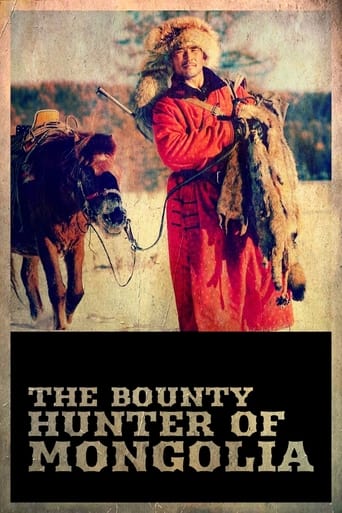
In the Darhat valley in northern Mongolia, the horses of nomadic tribes are stolen by bandits who then sell them to Russian slaughterhouses. Shukhert, a brave horseman, relentlessly pursues them through the Mongolian taiga, bordering Siberia.
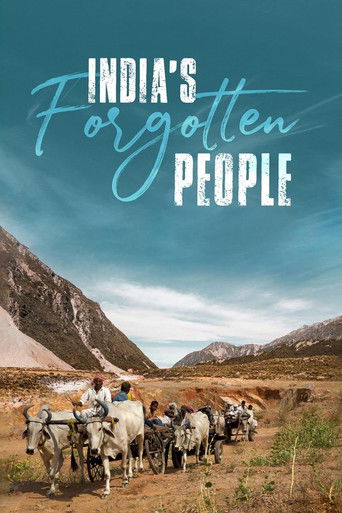
From respected forgers of Armour for Hindu kings in the 16th century through to impoverished nomadic blacksmiths who forge and sell items from waste metal scraps.The history and story of India's proud but largely forgotten Gadia Lohar community is for the first time sensitively investigated and revealed in Deana Uppal's documentary 'The Forgotten People'.
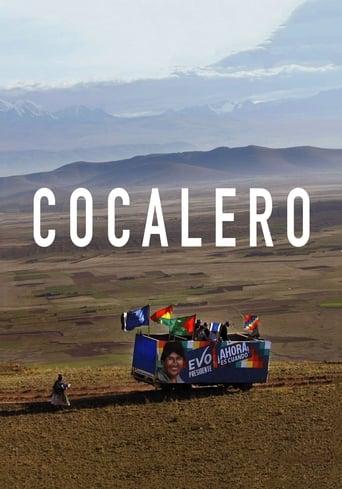
A documentary centered on the union formed by Bolivian farmers in response to their government's (which was urged by the U.S.) effort to eradicate coca crops, and the man who would come to represent them, Evo Morales.

Citizens across Europe who used to belong to the lower middle class have fallen into poverty. An in-depth investigation into the precariat, a new social class of financially insecure citizens who, although they are employed, find it very difficult to make ends meet.
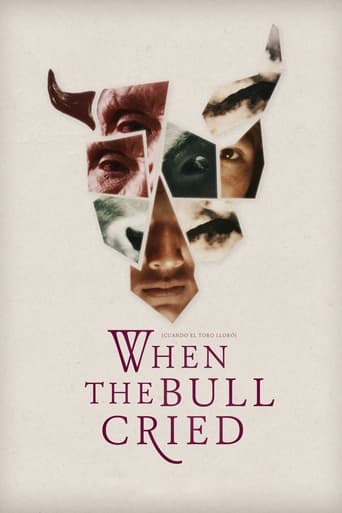
Danger, toil, and superstition pervade life in a mining town high up in the Bolivian mountains. Tin is the heartbeat of the community providing jobs and livelihoods - but at considerable cost. With deaths commonplace, people make offerings to El Tio, the devil under the earth, for protection and good fortune. But when the mountain's flow of tin ebbs, further measures must be taken...