The Pacifist Who Went to War
2002-01-01 · 52 min · ★ 9.0
This documentary is the story of two Mennonite brothers from Manitoba who were forced to make a decision in 1939, as Canada joined World War II. In the face of 400 years of pacifist tradition, should they now go to war? Ted became a conscientious objector while his brother went into military service. Fifty years later, the town of Winkler dedicates its first war memorial and John begins to share his war experiences with Ted.
Trailers are previews, not full movies.
No authorized playback source configured. Use the legal watch options below.
Production details
- Directors
- David Neufeld
- Production companies
- ONF | NFB
- Countries
- Canada
- Status
- Released
- Budget
- USD 141,187
Top Cast
 Margaret NagleNarrator (voice)
Title information and images are supplied by TMDb. Explore our discovery guide for advice on comparing metadata and legal viewing options.
Where to watch
Availability provided by JustWatch via TMDb. Offers can change. Provider links are listed on TMDb; full playback requires a separately authorized source.
Availability not listed for this country.
Seasons & episodes
Recommendations

This revealing documentary honors the legendary Sidney Poitier—iconic actor, filmmaker, and civil rights activist. Featuring interviews with Denzel Washington, Spike Lee, Halle Berry, and more.

When Allied forces liberated the Nazi concentration camps in 1944-45, their terrible discoveries were recorded by army and newsreel cameramen, revealing for the first time the full horror of what had happened. Making use of British, Soviet and American footage, the Ministry of Information’s Sidney Bernstein (later founder of Granada Television) aimed to create a documentary that would provide lasting, undeniable evidence of the Nazis’ unspeakable crimes. He commissioned a wealth of British talent, including editor Stewart McAllister, writer and future cabinet minister Richard Crossman – and, as treatment advisor, his friend Alfred Hitchcock. Yet, despite initial support from the British and US Governments, the film was shelved, and only now, 70 years on, has it been restored and completed by Imperial War Museums under its original title "German Concentration Camps Factual Survey".

When Sgt. First Class Brian Eisch is critically wounded in Afghanistan, it sets him and his sons on a journey of love, loss, redemption and legacy.

Canadian actress and filmmaker Sarah Polley investigates certain secrets related to her mother, interviewing a group of family members and friends whose reliability varies depending on their implication in the events, which are remembered in different ways; so a trail of questions remains to be answered, because memory is always changing and the discovery of truth often depends on who is telling the tale.
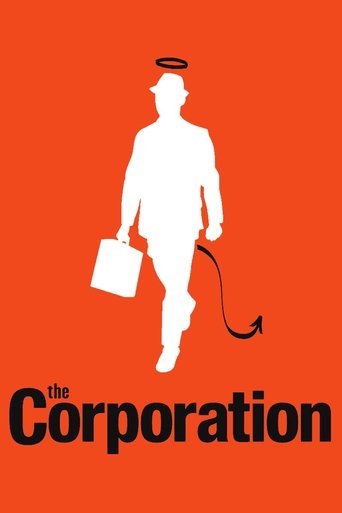
Since the late 18th century American legal decision that the business corporation organizational model is legally a person, it has become a dominant economic, political and social force around the globe. This film takes an in-depth psychological examination of the organization model through various case studies. What the study illustrates is that in the its behaviour, this type of "person" typically acts like a dangerously destructive psychopath without conscience. Furthermore, we see the profound threat this psychopath has for our world and our future, but also how the people with courage, intelligence and determination can do to stop it.

Prelude to War was the first film of Frank Capra's Why We Fight propaganda film series, commissioned by the Pentagon and George C. Marshall. It was made to convince American troops of the necessity of combating the Axis Powers during World War II. This film examines the differences between democratic and fascist states.
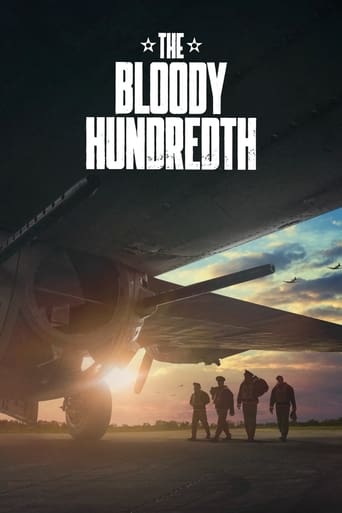
Meet the real-life airmen who inspired Masters of the Air as they share the harrowing and transformative events of the 100th Bomb Group.

A documentary on the life of John Lennon, with a focus on the time in his life when he transformed from a musician into an antiwar activist.
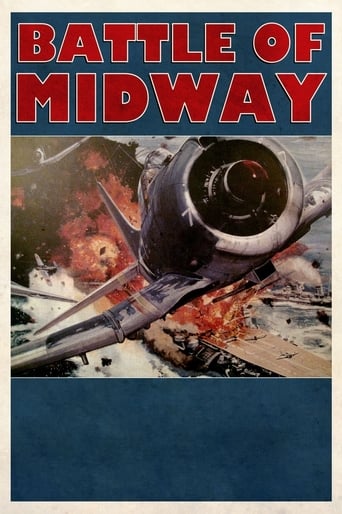
The Japanese attack on Midway in June 1942, filmed as it happened. Preserved by the Academy Film Archive, in partnership with Twentieth Century Fox Film Corporation, in 2006.

This documentary movie is about the battle of San Pietro, a small village in Italy. Over 1,100 US soldiers were killed while trying to take this location, that blocked the way for the Allied forces from the Germans. Preserved by the Academy Film Archive in 2005.
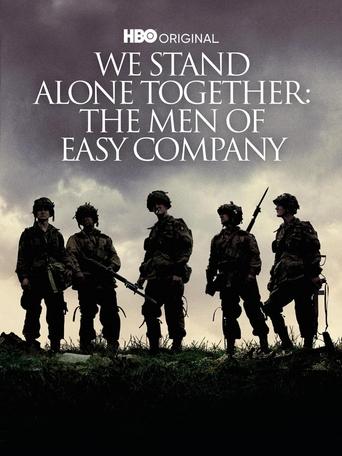
Over a period of two years, Mark Cowen and his crew travelled to thirty U.S. states and ten European cities, to interview the veterans of Easy Company. The stories told by the veterans themselves, create a history of the Second World War from the point of view of this heroic company of men, made famous in the mini-series Band of Brothers.

A documentary about World War I with never-before-seen footage to commemorate the centennial of Armistice Day, and the end of the war.

Pete Postlethwaite stars as a man living alone in the devastated future world of 2055, looking at old footage from 2008 and asking: why didn’t we stop climate change when we had the chance?
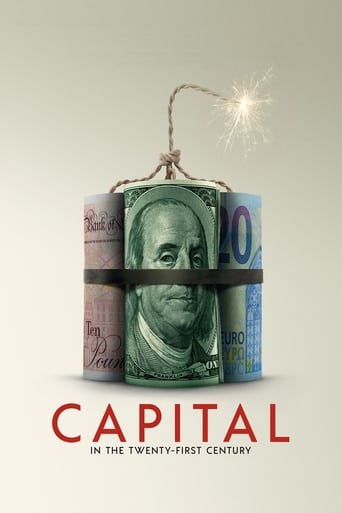
Film adaptation of French economist Thomas Piketty's ground-breaking global bestseller of the same name: an eye-opening journey through wealth and power.
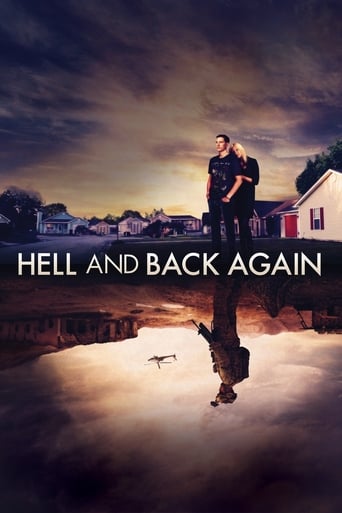
What does it mean to lead men in war? What does it mean to come home? Hell and Back Again is a cinematically revolutionary film that asks and answers these questions with a power and intimacy no previous film about the conflict in Afghanistan has been able to achieve. It is a masterpiece in the cinema of war.

A documentary exploring the legacy of Star Trek: Deep Space Nine, the reasons it went from the black sheep of Star Trek to a beloved mainstay of the franchise, and a brainstorm with the original writers on what a theoretical eighth season of the show could look like.
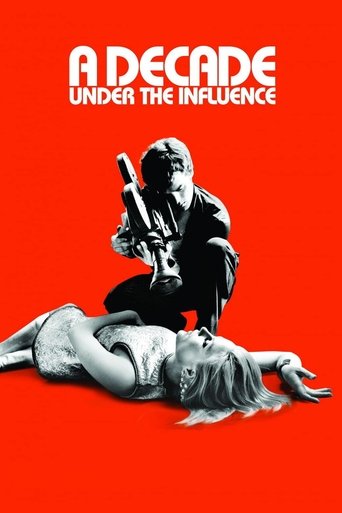
A documentary examining the decade of the 1970s as a turning point in American cinema. Some of today's best filmmakers interview the influential directors of that time.

An inside look at one of the most anticipated movie sequels ever with James Cameron and cast.
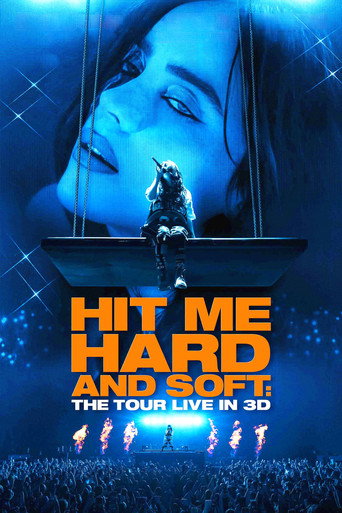
Captured during Billie Eilish's sold-out world tour, a concert experience from one of the most celebrated and successful artists of her generation, presented in immersive 3D.
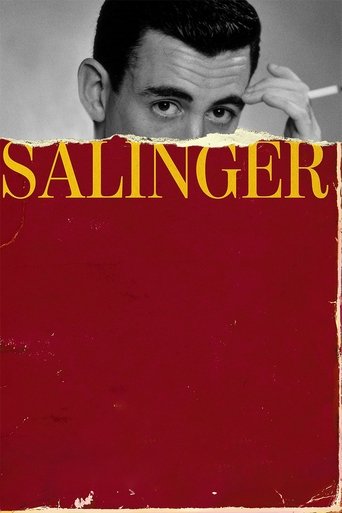
An in-depth investigation into the private world of the American writer J. D. Salinger (1919-2010), who lived most of his life behind the impenetrable wall of a self-imposed seclusion: how his dramatic experiences during World War II influenced his life and work, his relationships with very young women, his obsessive writing methods, his many literary secrets.
Similar titles

The comparison of two rural families to demonstrate the need for proper hygiene and the consequences of its neglect.
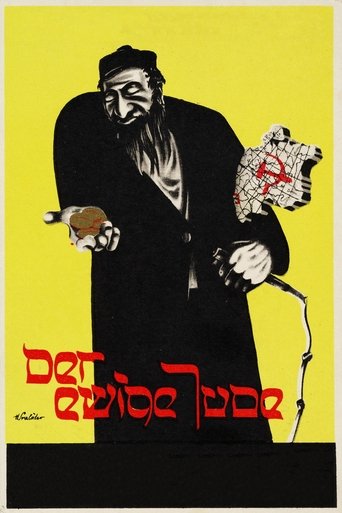
A Nazi propaganda film made to promote anti-Semitism among the German people. Newly-shot footage of Jewish neighborhoods in recently-conquered Poland is combined with preexisting film clips and stills to defame the religion and advance Hitler's slurs that its adherents were plotting to undermine European civilization.
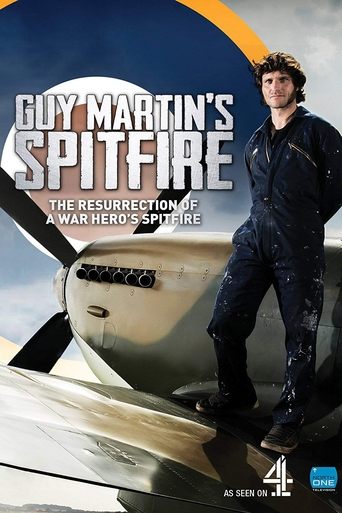
Guy Martin joins the two-year restoration of a Spitfire that was buried in a French beach for decades, and tells the Boy's Own-style story of its pilot, Squadron Leader Geoffrey Stephenson
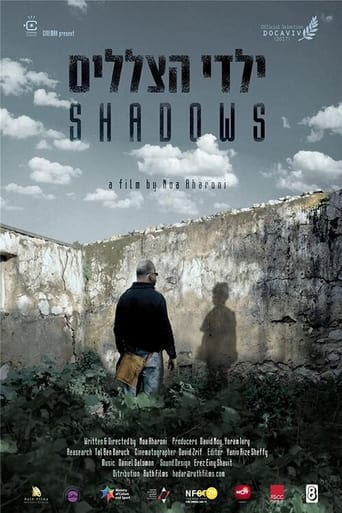
The stories of Eitan, Yigal and Miri show how long the past can cast its shadows. Their Holocaust-surviving parents were abused by the Nazis, then became abusers themselves—their fear and grief transformed into aggression and anger towards their children. For the first time on-screen, children of Holocaust survivors talk openly about the mental and physical suffering they experienced. Stories of abuse contrast with cheerful-looking black-and-white photos of the families. Even the grandchildren appear to be suffering from their parents’ burden of sorrow and pain. The children's attempt to talk about the past, as with Eitan and his ailing mother and Miri with her son, seem futile. The palpable inability to make contact is almost unbearable. Shadows asks the unavoidable questions: how long will the Holocaust continue to exert its evil influence on future generations, and how can the demons of the past be exorcised?
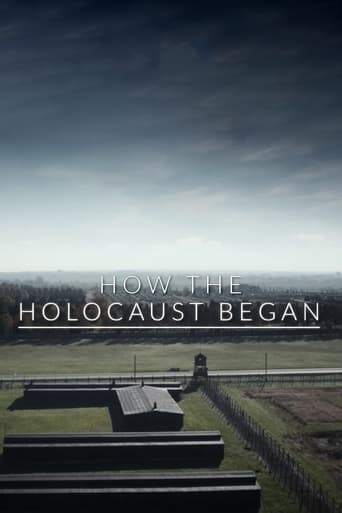
Historian James Bulgin reveals the origins of the Holocaust in the German invasion of the Soviet Union, exploring the mass murder, collaboration and experimentation that led to the Final Solution.
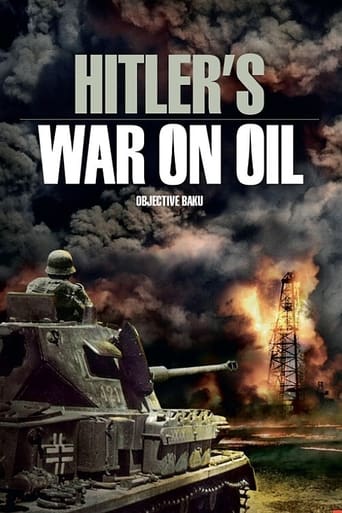
This film tells the story of World War II as experienced by the inhabitants of Baku, the capital of Azerbaijan, at the time a satellite of Moscow. The very rich oil deposits of the region aroused the covetousness of Hitler who needed the oil from Baku to carry out his program of world domination. His entire campaign of 1942-1943 was aimed at seizing them. But the Soviets and the Allies were determined to prevent him from doing so, by all means, including the most radical, even if it meant wiping the city off the map.

This documentary examines how Adolf Hitler and the Nazi regime made use of ancient mysticism, occultism, and mind-control techniques in their efforts to win the war.

Documentary to mark the WI's centenary. Lucy Worsley goes beyond the stereotypes of jam and Jerusalem to reveal the surprisingly radical side of this Great British institution.

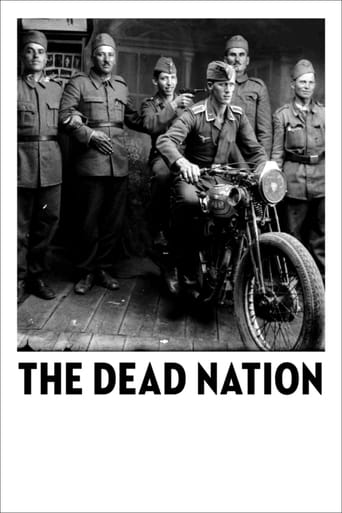
A documentary-essay which shows Costică Axinte's stunning collection of pictures depicting a Romanian small town in the thirties and forties. The narration, composed mostly from excerpts taken from the diary of a Jewish doctor from the same era, tells the rising of the antisemitism and eventually a harrowing depiction of the Romanian Holocaust.
For twelve years he stood as America's 32nd President, a man who overcame the ravages of polio to pull America through the Great Depression and WWII. From his legendary Fireside Chats to his sweeping New Deal, Franklin Delano Roosevelt revolutionized the American way of life. FDR: A Presidency Revealed examines one of history's most compelling figures. Inspired by his cousin Teddy Roosevelt, Franklin D. Roosevelt rose to the nation's highest office during the depths of one of its darkest periods. A man of few words, he brought a nation together through his revolutionary Fireside Chats. He introduced vast reforms like Social Security and work relief for the unemployed. At the same time, his administration hid a dark underbelly teeming with covert maneuvers, spy rings, and powerful enemies.
The trial of the Nazi invaders in Kharkov.
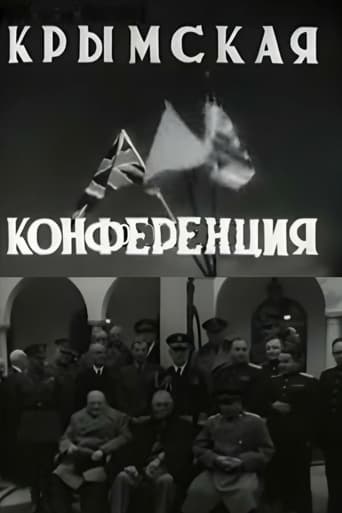
The Crimean (Yalta) conference of the leaders of the three powers - allies in the Anti-Hitler coalition was held from February 4 to February 11, 1945 in the Livadia Palace near Yalta.
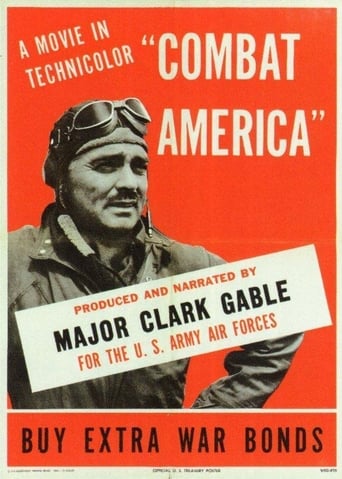
Produced in 1943 under the guidance of Army Air Force Lieutenant Clark Gable, this film follows a single 8th Air Force B-17 crew from training through a series of missions over Europe.
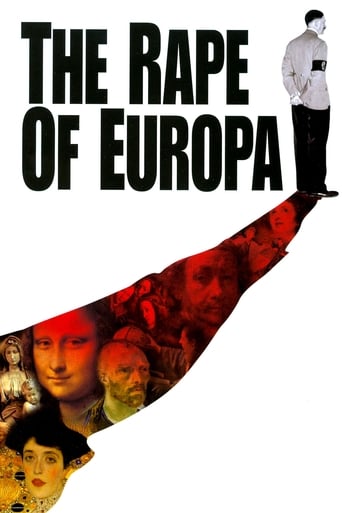
World War II was not just the most destructive conflict in humanity, it was also the greatest theft in history: lives, families, communities, property, culture and heritage were all stolen. The story of Nazi Germany's plundering of Europe's great works of art during World War II and Allied efforts to minimize the damage.
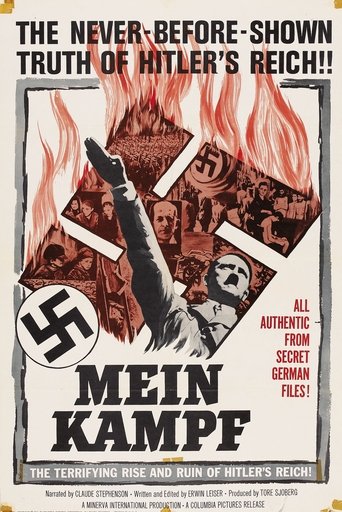
Using exclusively archival footage, Erwin Leiser traces the rise and collapse of the Third Reich, from Adolf Hitler’s early years to the devastation of Europe and his suicide in 1945. The film draws heavily on material produced and preserved by the Nazi propaganda apparatus to confront the mechanisms, imagery, and consequences of totalitarian power.