
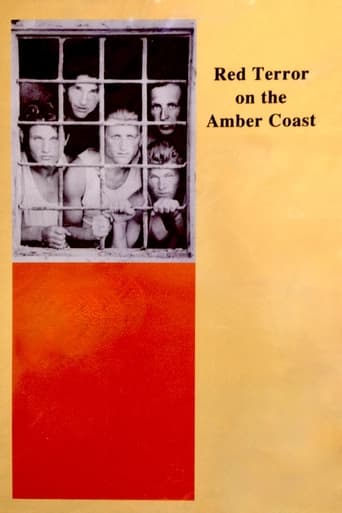
Red Terror on the Amber Coast
2009-01-01 · 53 min · Not rated
Red Terror documents the soviet occupation of Lithuania and the resistance movements that sprang up in opposition to the brutal tactics used by the communists from 1941 up to 1991. Stories of deportation, life in the Gulag, exile to Siberia, KGB prison torture, confiscation of land are told by living survivors. Resistance fighters and those who aided them also share their stories for the first time to an American audience. Rare historical photos and moving images are used to bring these stories to life.
Trailers are previews, not full movies.
No authorized playback source configured. Use the legal watch options below.
Production details
- Directors
- Ken Gumbert
- Production companies
- Unavailable
- Countries
- Unavailable
- Status
- Released
Top Cast
Cast unavailable.
Title information and images are supplied by TMDb. Explore our discovery guide for advice on comparing metadata and legal viewing options.
Where to watch
Availability provided by JustWatch via TMDb. Offers can change. Provider links are listed on TMDb; full playback requires a separately authorized source.
Availability not listed for this country.
Seasons & episodes
Recommendations
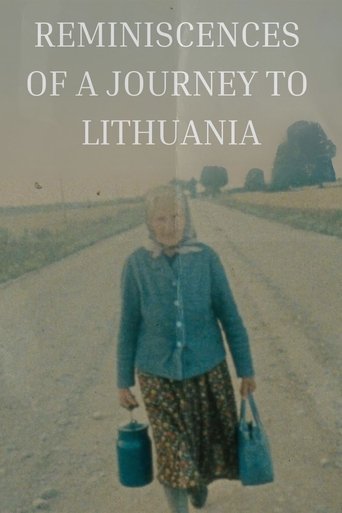
Jonas Mekas weaves an elegiac diary film from his 1971–72 return to Lithuania, chronicling a visit to his birthplace of Semeniškiai after decades in exile. Blending personal memory with documentary observation, the film becomes both a portrait of homecoming and a meditation on displacement, family, and the passage of time.

When Allied forces liberated the Nazi concentration camps in 1944-45, their terrible discoveries were recorded by army and newsreel cameramen, revealing for the first time the full horror of what had happened. Making use of British, Soviet and American footage, the Ministry of Information’s Sidney Bernstein (later founder of Granada Television) aimed to create a documentary that would provide lasting, undeniable evidence of the Nazis’ unspeakable crimes. He commissioned a wealth of British talent, including editor Stewart McAllister, writer and future cabinet minister Richard Crossman – and, as treatment advisor, his friend Alfred Hitchcock. Yet, despite initial support from the British and US Governments, the film was shelved, and only now, 70 years on, has it been restored and completed by Imperial War Museums under its original title "German Concentration Camps Factual Survey".
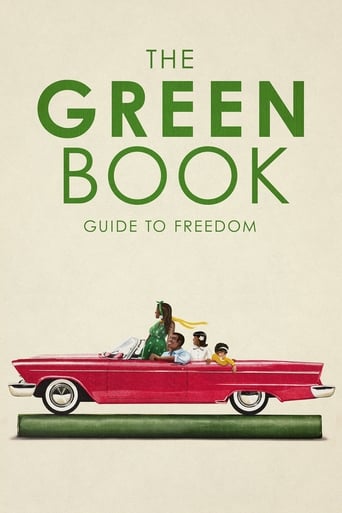
In 1936, Victor H. Green (1892-1960) published The Negro Motorist Green Book, a book that was both a travel guide and a survival manual, to help African-Americans navigate safe those regions of the United States where segregation and Jim Crow laws were disgracefully applied.

A compilation of over 30 years of private home movie footage shot by Lithuanian-American avant-garde director Jonas Mekas, assembled by Mekas "purely by chance", without concern for chronological order.
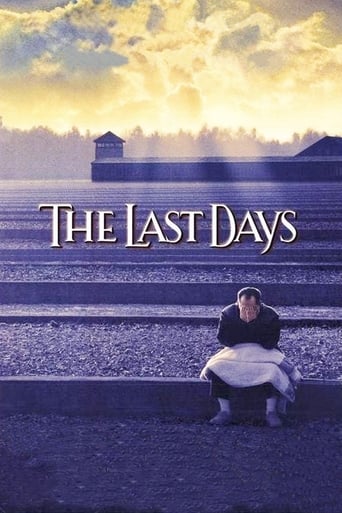
This Oscar-winning documentary recounts the harrowing stories of five Hungarian Jews who endured the horrors of the Holocaust and Hitler's reign.
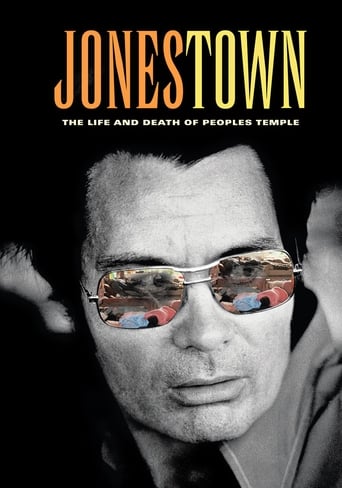
Featuring never-before-seen footage, this documentary delivers a startling new look at the Peoples Temple, headed by preacher Jim Jones who, in 1978, led more than 900 members to Guyana, where he orchestrated a mass suicide via tainted punch.
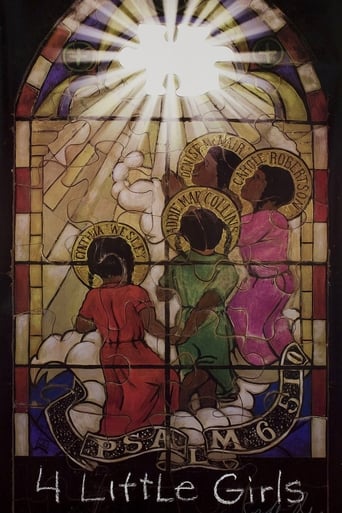
On September 15, 1963, a bomb destroyed a black church in Birmingham, Alabama, killing four young girls who were there for Sunday school. It was a crime that shocked the nation--and a defining moment in the history of the civil-rights movement. Spike Lee re-examines the full story of the bombing, including a revealing interview with former Alabama Governor George Wallace.

Documentary filmmaker Amy Berg investigates the life of 30-year pedophile Father Oliver O'Grady and exposes the corruption inside the Catholic Church that allowed him to abuse countless children. Victims' stories and a disturbing interview with O'Grady offer a view into the troubled mind of the spiritual leader who moved from parish to parish gaining trust ... all the while betraying so many.
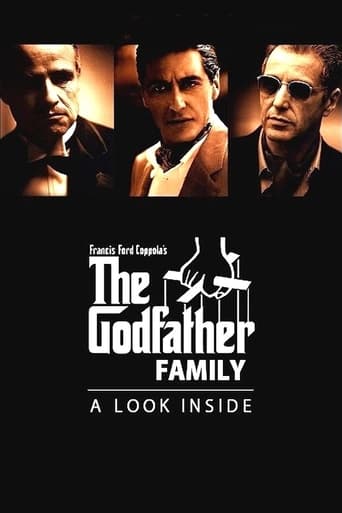
A documentary on the making of the three Godfather films, with interviews and recollections from the film makers and cast. This feature also includes the original screen tests of some of the actors for "The Godfather" film, and some candid moments on the set of "The Godfather: Part III."
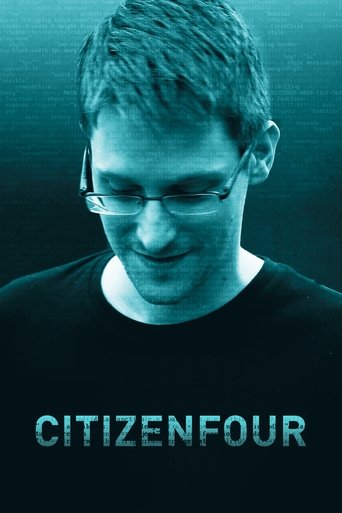
In June 2013, Laura Poitras and reporter Glenn Greenwald flew to Hong Kong for the first of many meetings with Edward Snowden. She brought her camera with her.

Amid the failing counteroffensive, a journalist follows a Ukrainian platoon on their mission to traverse one mile of heavily fortified forest and liberate a strategic village from Russian occupation. But the farther they advance through their destroyed homeland, the more they realize that this war may never end.

In 2010 David Crowley, an Iraq veteran, aspiring filmmaker and charismatic up-and-coming voice in fringe politics, began production on his film Gray State. Set in a dystopian near-future where civil liberties are trampled by an unrestrained federal government, the film’s crowd funded trailer was enthusiastically received by the burgeoning online community of libertarians, Tea Party activists and members of the nascent alt-right. In January of 2015, Crowley was found dead with his family in their suburban Minnesota home. Their shocking deaths quickly become a cause célèbre for conspiracy theorists who speculate that Crowley was assassinated by a shadowy government concerned about a film and filmmaker that was getting too close to the truth about their aims.
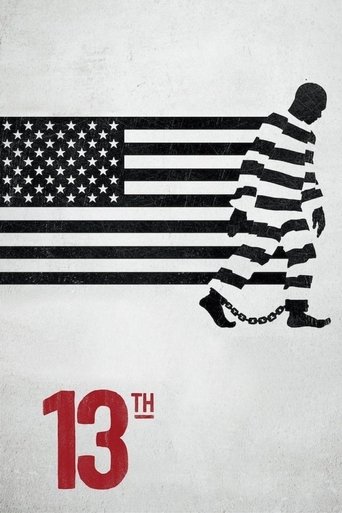
An in-depth look at the prison system in the United States and how it reveals the nation's history of racial inequality.

Over 35 years after Bob Lazar's revelations, this documentary exposes secrets of a facility the government still denies. Featuring Lazar's testimony, recreations, and new evidence, it reopens a case that continues to spark global curiosity

Through deeply personal interviews with her siblings and an examination of the photographs, letters, and belongings left behind, Mariska assembles a new portrait of her mother Jayne Mansfield, an extraordinary and complex woman.
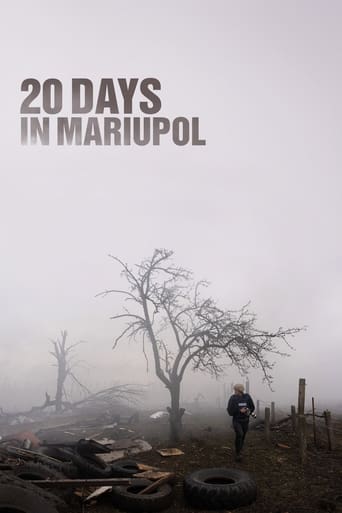
As the Russian invasion begins, a team of Ukrainian journalists trapped in the besieged city of Mariupol struggle to continue their work documenting the war's atrocities.

In the Realms of the Unreal is a documentary about the reclusive Chicago-based artist Henry Darger. Henry Darger was so reclusive that when he died his neighbors were surprised to find a 15,145-page manuscript along with hundreds of paintings depicting The Story of the Vivian Girls, in What is Known as the Realms of the Unreal, of the Glodeco-Angelinnian War Storm, Cased by the Child Slave Rebellion.
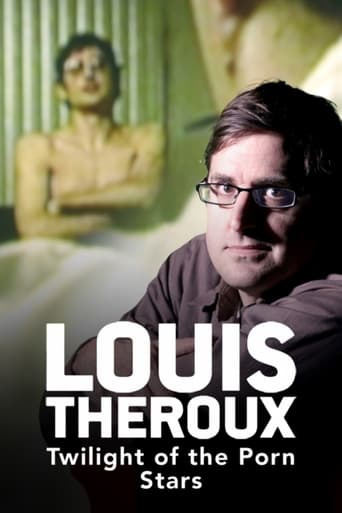
In 1997, Louis Theroux made a documentary about the world of male porn performers in Los Angeles. 15 years later, he returns to find a business struggling with the deluge of free porn on the internet. Louis revisits some of the original programme's contributors as well as meeting the latest crop of porn performers dreaming of porn stardom.
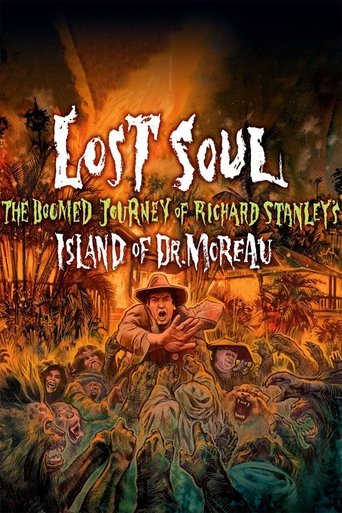
The story of the insane scandals related to the remake of “Island of Dr. Moreau” —originally a novel by H. G. Wells—, which was brought to the big screen in 1996. How director Richard Stanley spent four years developing the project just to find an abrupt end to his work while leading actor Marlon Brando pulled the strings in the shadows. Now for the first time, the living key players recount what really happened and why it all went so spectacularly wrong.
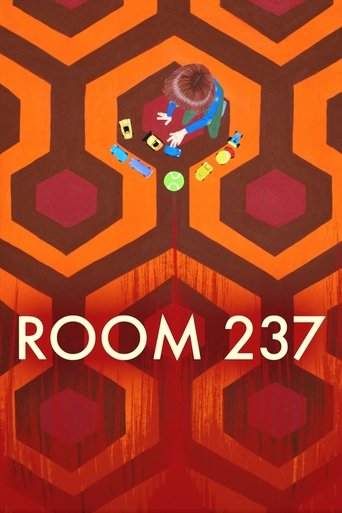
A subjective documentary that explores various theories about hidden meanings in Stanley Kubrick's classic film The Shining. Five very different points of view are illuminated through voice over, film clips, animation and dramatic reenactments.
Similar titles

Due to idealism, honesty and resoluteness, a driver in a transport company faces numerous problems in his living and working environment.
Contrasting radical mobs, anarchy, and 1960s counterculture with footage of American manufacturing and innovation, this film celebrates the concept of American exceptionalism and argues that anti-Vietnam War protesters were influenced by communism, atheism, and immorality. Set mostly in a university library, this political debate between a medical student, his 1770s ancestor, and a history professor is a sequel to the 1972 National Education Program film, Brink of Disaster! Two additional characters appear in this drama: a 19th-century steamboat captain, and the student’s grandfather - an early 20th-century automobile worker. The National Education Program at Harding College in Searcy, Arkansas created a variety of widely-distributed anti-communism films from the mid-1940s to the early 1970s.
2019 marks the 30th year since the fall of the Berlin Wall and the end of the Cold War. Rich Hall examines the relationship between the West and the USSR in his inimitable fashion.
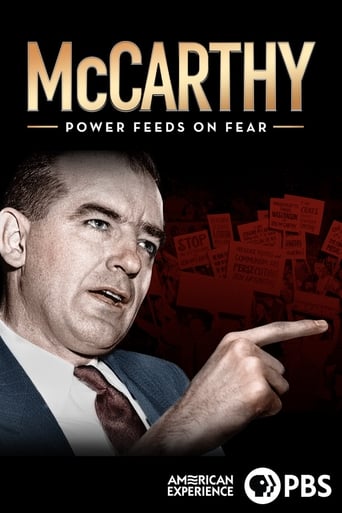
"McCarthy" chronicles the rise and fall of Joseph McCarthy, the Wisconsin senator who came to power after a stunning victory in an election no one thought he could win. Once in office, he declared that there was a vast conspiracy threatening America — emanating not from a rival superpower, but from within. Free of restraint or oversight, he conducted a crusade against those he accused of being enemies of the state, a chilling campaign marked by groundless accusations, bullying intimidation, grandiose showmanship and cruel victimization. With lawyer Roy Cohn at his side, he belittled critics, spinning a web of lies and distortions while spreading fear and confusion. After years in the headlines, he was brought down by his own excesses and overreach. But his name lives on linked to the modern-day witch hunt we call “McCarthyism.”
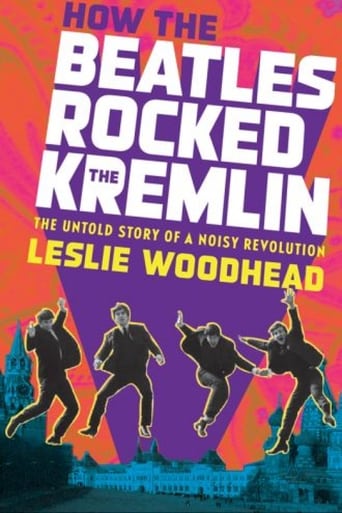
In August 1962, director Leslie Woodhead made a two-minute film in Liverpool's Cavern Club with a raw and unrecorded group of rockers called the Beatles. He arranged their first live TV appearances on a local show in Manchester and watched as the Fab Four phenomenon swept the world. Twenty-five years later while making films in Russia, Woodhead became aware of how, even though they were never able to play in the Soviet Union, the Beatles' legend had soaked into the lives of a generation of kids. This film meets the Soviet Beatles generation and hears their stories about how the Fab Four changed their lives, including Putin's deputy premier Sergei Ivanov, who explains how the Beatles helped him learn English and showed him another life. (Storyville)
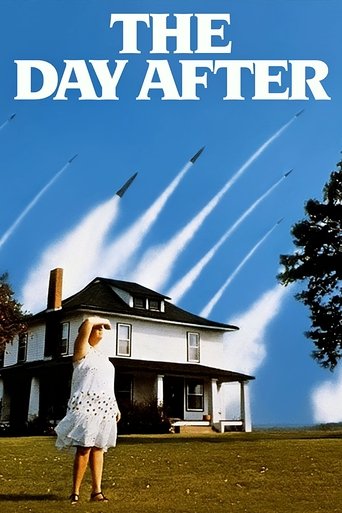
In the mid-1980s, the U.S. is poised on the brink of nuclear war. This shadow looms over the residents of a small town in Kansas as they continue their daily lives. Dr. Russell Oakes maintains his busy schedule at the hospital, Denise Dahlberg prepares for her upcoming wedding, and Stephen Klein is deep in his graduate studies. When the unthinkable happens and the bombs come down, the town's residents are thrust into the horrors of nuclear winter.
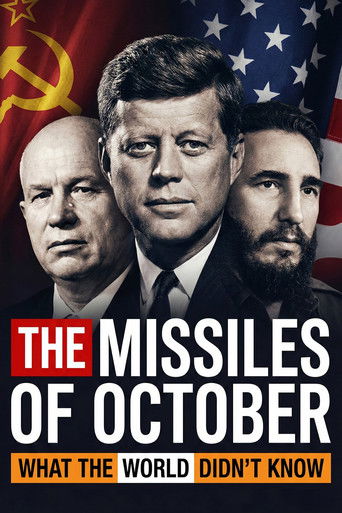
This documentary by ABC News commemorates the 30th anniversary of the 1962 Cuban Missile Crisis. It provides a behind-the-scenes look at how close the U.S. and Soviet Union actually came to catastrophe.

Somewhere behind the early 1960s cold-war iron curtain, the Hollander family cause an international spying incident when Walter photographs a sunset in a sensitive region. In order to stay out of jail, the Hollanders take refuge in the American Embassy, which is temporarily being run by the absent Ambassador's diplomatically incompetent son, Axel.

Between 1944–1953, courageous resistance movement took place in the Baltic region of Europe, uniting the partisan troops for struggle against the Soviet Union. “The Invisible Front” was a coded name used by the Soviet Interior forces to describe the resistance movement in Lithuania. Film depicts the story of the fighters through the words and experience of the partisan leader, Juozas Luksa, and interviews with eyewitnesses of those events - both the partisans and the Soviet fighters. Tales of horror, torture and courage are told in the rare archival footage that has never been screened before, and interviews with the surviving members of the resistance movement.

The riveting biography of 102-year-old CIA spymaster Peter Sichel, who unpacks the obscured roots of conflicts that plague today’s world and the toll espionage took on his personal life.
Film sponsored by Western Electric (AT&T's equipment manufacturing division), the builder of the United States Air Force's White Alice Communications System in Alaska. Introduces the people and geography of the new state as well as the Western Electric radio-relay system, which links far-flung military sites, alert stations, and missile-warning facilities. Ralph Caplan praised the film's "intrinsically dramatic and highly photogenic" portrayal of communications equipment.
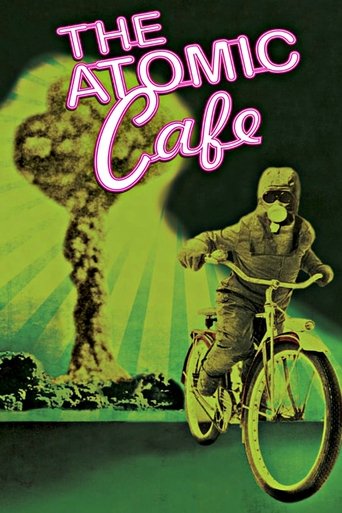
A disturbing collection of 1940s and 1950s United States government-issued propaganda films designed to reassure Americans that the atomic bomb was not a threat to their safety.
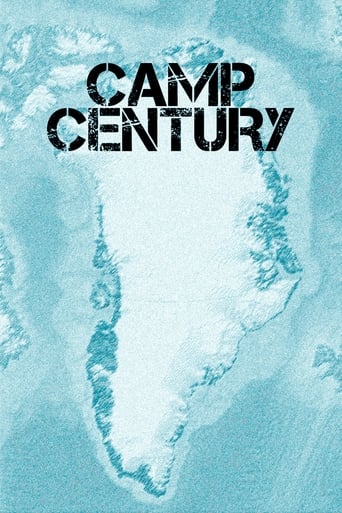
How in 1959, during the heat of the Cold War, the government of the United States decided to create a secret military base located in the far north of Greenland: Camp Century, almost a real town with roads and houses, a nuclear plant to provide power and silos to house missiles aimed at the Soviet Union.
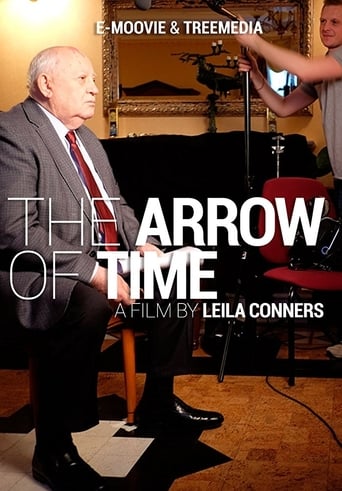
President Mikhail Gorbachev recounts the end of the Cold War and the reduction of nuclear arms.
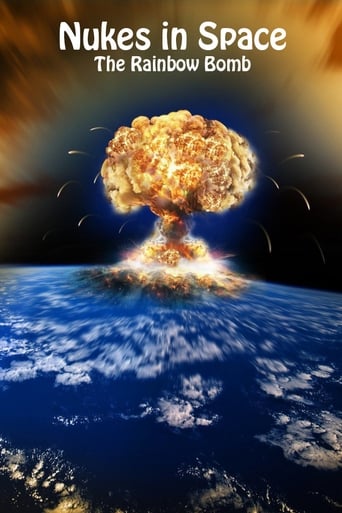
U.S. nuclear tests in space, and the development of the military intercontinental ballistic missile (ICBM).
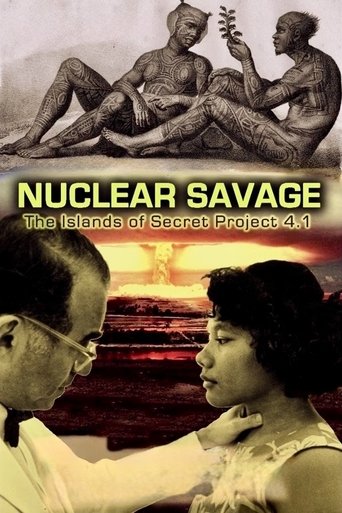
A shocking political exposé, and an intimate ethnographic portrait of Pacific Islanders struggling for survival, dignity, and justice after decades of top-secret human radiation experiments conducted on them by the U.S. government.
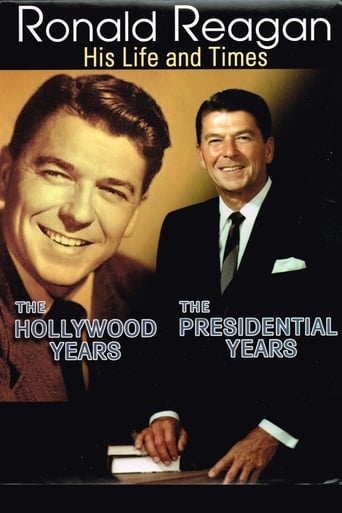
These 2 one-hour specials will take a look back at Ronald Reagan from his ups and downs as a Hollywood movie star to a legendary force in American politics. HOLLYWOOD YEARS: will take a look at the actor as he goes from local sports broadcaster to respected leading an using film clips, interviews and rare footage. This one a kind documentary traces the ups and downs of his on-screen career, his marriages to Hane Wyman and Nancy Davis and his role as a "friendly witness" during the McCarthy hearings. PRESIDENTIAL YEARS: documents Ronald Reagan's extraordinary transformation from a Hollywood movie star to a legendary force in American politics. From political spokesman to Governor of California, Reagan's rapid rise in leadership carried him all the way to the White House where he would inscribe an indelible legacy into the pages of world history.
The Polygon shines a light on the village of Sarzhal in East Kazakhstan, situated only 18kms from the perimeter of the former Semipalatinsk Test Site, that was home to over 600 nuclear detonations. Between 1949 and 1991 the Soviet Union detonated 116 above ground bombs, whose massive radioactive mushroom clouds were witnessed by thousands of innocent and unsuspecting Kazakh villagers. They gazed openmouthed at the spectacle, completely unaware that nuclear fallout was raining down on them, their children, livestock and homes. 20 years after the closure of The Polygon they are still suffering high rates of cancer, cancer related diseases and mental illness. The Polygon takes us on a journey from the twisted Cold War experiments to those victims who remain today, still suffering despite the emergence of Kazakhstan as a major economic player on the global stage.

In the aftermath of the Cold War, Russian and American intelligence agencies, once enemies, joined forces and pooled their data to serve the planet, threatened by global warming. The story of a remarkable odyssey.
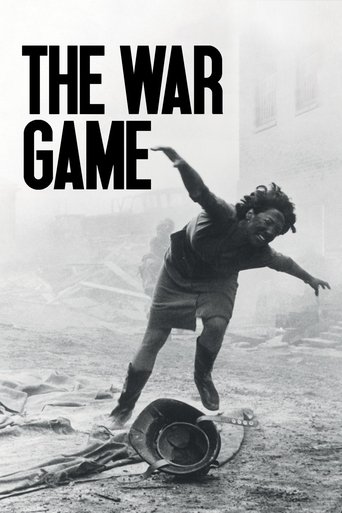
A hypothetical Chinese invasion of South Vietnam triggers a new world war between East and West. In Rochester, Kent, the anticipation of a nuclear attack leads to mass evacuations. When a stray missile explodes, the ensuing firestorm blinds all those who see it. It's not long before the fabric of society is ripped apart from radiation poisoning, a lack of infrastructure and rioting for food and other necessities.