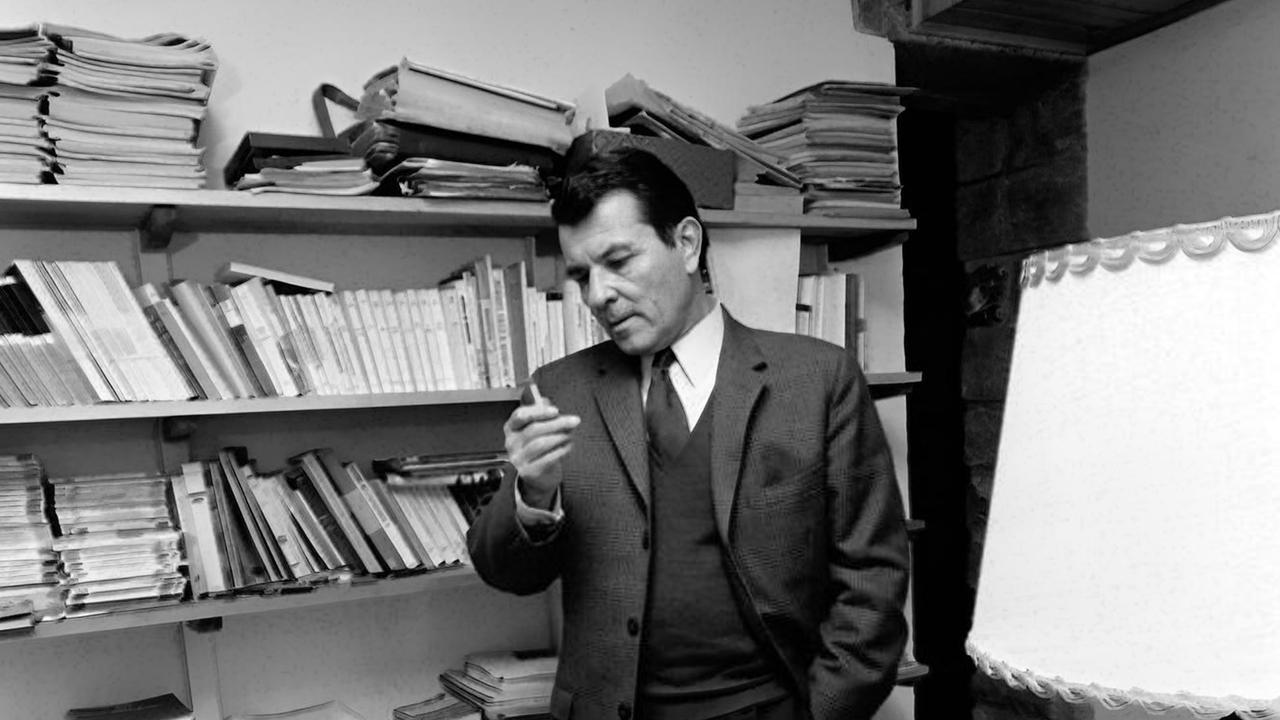

Destins: Général De Bollardière
1975-03-24 · 52 min · ★ 10.0
The exceptional portrait of a pacifist general, the only senior officer to have spoken out against torture. This precious testimony still remains censored in France, since no national channel has to date decided to program this documentary. Son and brother of a soldier, General Pâris de Bollardière was destined for a career in arms. He was, for many years, one of the most brilliant representatives of this adventurer career in France, from Narvik to the Algerian War. After fighting in the French maquis, he reached Indochina, where he suddenly found himself in the aggressor's camps. His beliefs are strongly shaken. But it is in Algeria, where the French army practices torture and summary executions, that he takes the big turn. He expresses his contempt to Massu, and is relieved of his command. Until his death in 1986, Jacques de Bollardière fought for world peace, from the Larzac plateaus to the Mururoa atolls.
Trailers are previews, not full movies.
No authorized playback source configured. Use the legal watch options below.
Production details
- Directors
- André Gazut
- Production companies
- RTS
- Countries
- Switzerland
- Status
- Released
Top Cast
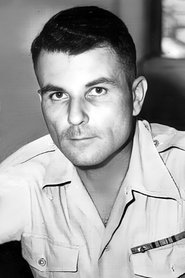 Jacques Pâris de BollardièreSelf
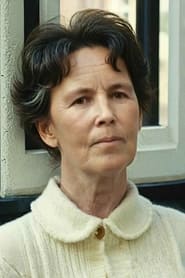 Simone de BollardièreSelf
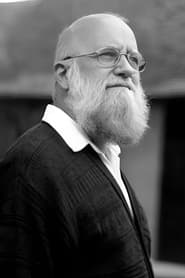 Jean-Marie MullerSelf
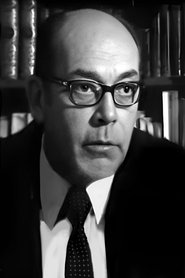 Paul TeitgenSelf
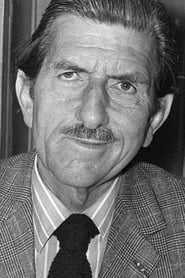 Jacques MassuSelf
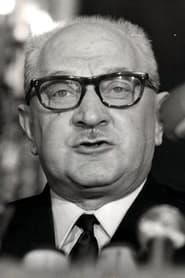 Guy MolletSelf
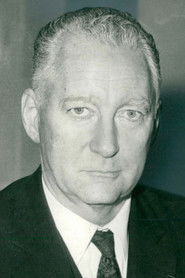 Pierre MessmerSelf
Title information and images are supplied by TMDb. Explore our discovery guide for advice on comparing metadata and legal viewing options.
Where to watch
Availability provided by JustWatch via TMDb. Offers can change. Provider links are listed on TMDb; full playback requires a separately authorized source.
Availability not listed for this country.
Seasons & episodes
Recommendations

Prelude to War was the first film of Frank Capra's Why We Fight propaganda film series, commissioned by the Pentagon and George C. Marshall. It was made to convince American troops of the necessity of combating the Axis Powers during World War II. This film examines the differences between democratic and fascist states.

When Sgt. First Class Brian Eisch is critically wounded in Afghanistan, it sets him and his sons on a journey of love, loss, redemption and legacy.

A documentary about World War I with never-before-seen footage to commemorate the centennial of Armistice Day, and the end of the war.
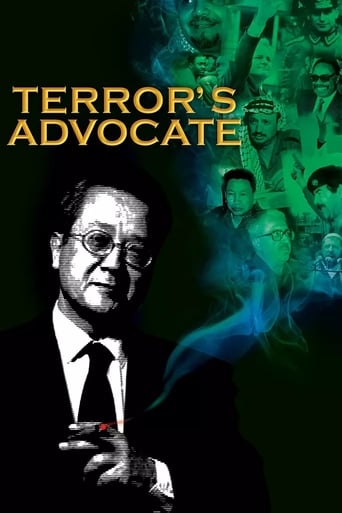
A documentary on Jacques Vergès, the controversial lawyer and former Free French Forces guerrilla, exploring how Vergès assisted, from the 1960s onwards, anti-imperialist terrorist cells operating in Africa, Europe, and the Middle East. Participants interviewed include Algerian nationalists Yacef Saadi, Zohra Drif, Djamila Bouhired and Abderrahmane Benhamida, Khmer Rouge members Nuon Chea and Khieu Samphan, once far-left activists Hans-Joachim Klein and Magdalena Kopp, terrorist Carlos the Jackal, lawyer Isabelle Coutant-Peyre, neo-Nazi Ahmed Huber, Palestinian politician Bassam Abu Sharif, Lebanese politician Karim Pakradouni, political cartoonist Siné, former spy Claude Moniquet, novelist and ghostwriter Lionel Duroy, and investigative journalist Oliver Schröm.
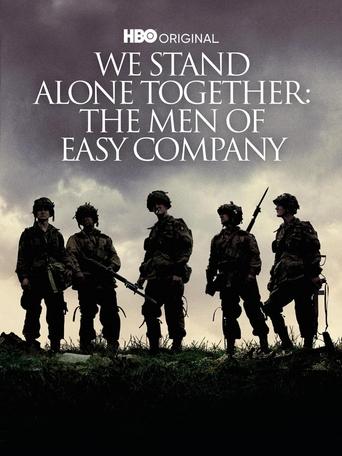
Over a period of two years, Mark Cowen and his crew travelled to thirty U.S. states and ten European cities, to interview the veterans of Easy Company. The stories told by the veterans themselves, create a history of the Second World War from the point of view of this heroic company of men, made famous in the mini-series Band of Brothers.
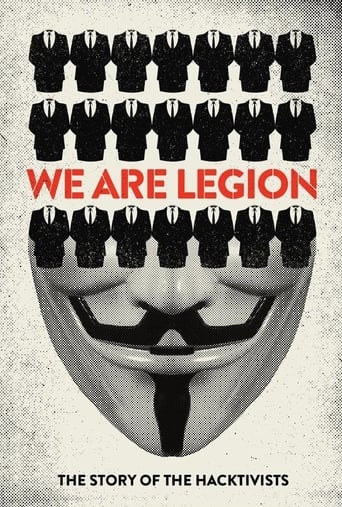
Takes us inside the world of Anonymous, the radical "hacktivist" collective that has redefined civil disobedience for the digital age. The film explores early hacktivist groups like Cult of the Dead Cow and Electronic Disturbance Theater, then moves to Anonymous' raucous beginnings on the website 4chan. Through interviews with current members, people recently returned from prison or facing trial, writers, academics, activists and major players in various "raids," the documentary traces Anonymous’ evolution from merry pranksters to a full-blown movement with a global reach, the most transformative civil disobedience of our time.

“The Soviet Story” is a story of an Allied power, which helped the Nazis to fight Jews and which slaughtered its own people on an industrial scale. Assisted by the West, this power triumphed on May 9th, 1945. Its crimes were made taboo, and the complete story of Europe’s most murderous regime has never been told. Until now...

Amid the failing counteroffensive, a journalist follows a Ukrainian platoon on their mission to traverse one mile of heavily fortified forest and liberate a strategic village from Russian occupation. But the farther they advance through their destroyed homeland, the more they realize that this war may never end.
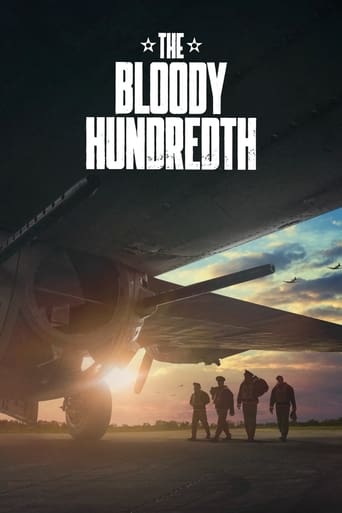
Meet the real-life airmen who inspired Masters of the Air as they share the harrowing and transformative events of the 100th Bomb Group.
With unprecedented access, this documentary follows the extraordinary journey of “Raqqa is Being Slaughtered Silently”—a group of anonymous citizen journalists who banded together after their homeland was overtaken by ISIS—as they risk their lives to stand up against one of the greatest evils in the world today.
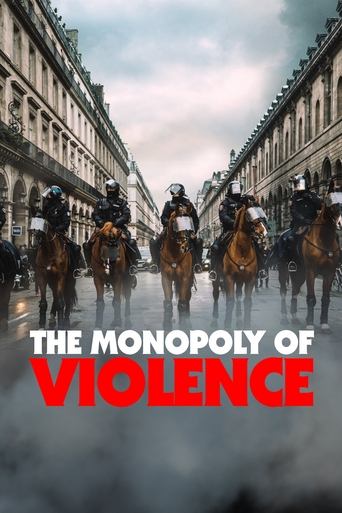
As anger and resentment grow in the face of social inequalities, many citizens-led protests are being repressed with an ever-increasing violence. In this documentary, David Dufresne gathers a panel of citizens to question, exchange and confront their views on the social order and the legitimacy of the use of force by the State.
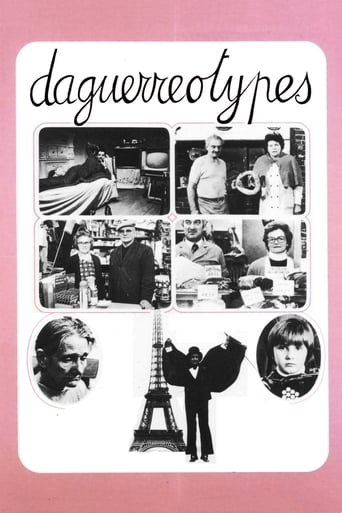
An intimate portrait of the small shops and shopkeepers of the Rue Daguerre in Paris, a picturesque street that has been the filmmaker’s home for more than 50 years.
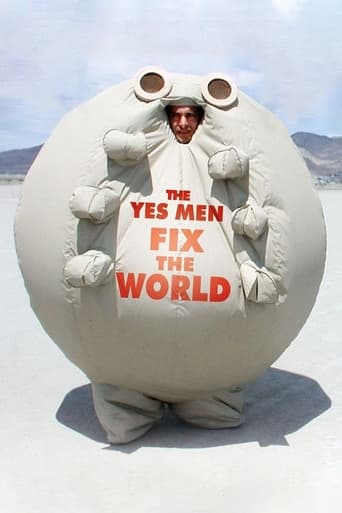
THE YES MEN FIX THE WORLD is a screwball true story about two gonzo political activists who, posing as top executives of giant corporations, lie their way into big business conferences and pull off the world's most outrageous pranks.
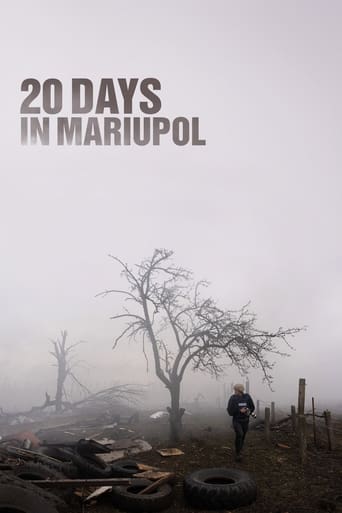
As the Russian invasion begins, a team of Ukrainian journalists trapped in the besieged city of Mariupol struggle to continue their work documenting the war's atrocities.
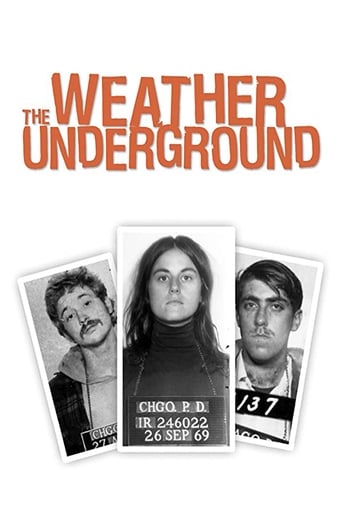
The remarkable story of The Weather Underground, radical activists of the 1970s, and of radical politics at its best and most disastrous.
This documentary follows oceanographer Sylvia Earle's campaign to save the world's oceans from threats such as overfishing and toxic waste.
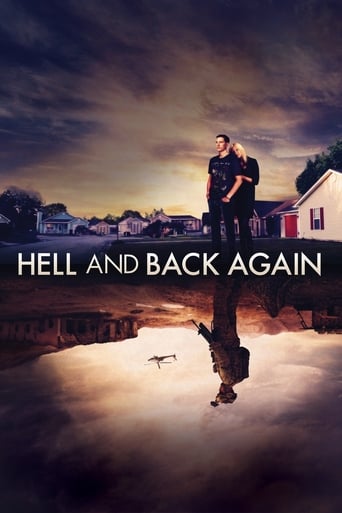
What does it mean to lead men in war? What does it mean to come home? Hell and Back Again is a cinematically revolutionary film that asks and answers these questions with a power and intimacy no previous film about the conflict in Afghanistan has been able to achieve. It is a masterpiece in the cinema of war.
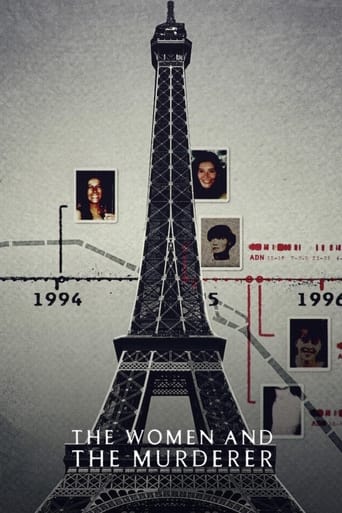
This documentary traces the capture of serial killer Guy Georges through the tireless work of two women: a police chief and a victim's mother.

This documentary movie is about the battle of San Pietro, a small village in Italy. Over 1,100 US soldiers were killed while trying to take this location, that blocked the way for the Allied forces from the Germans. Preserved by the Academy Film Archive in 2005.

Key figures from an infamous 2004 incident between players and fans at an NBA game in Michigan discuss the fight, its fallout, and its lasting legacy.
Similar titles
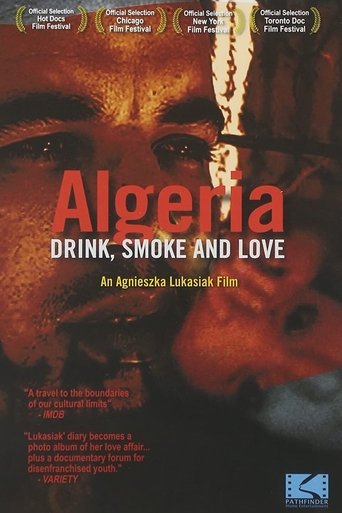
Agnieszka Lukasiak travels to Algeria to capture it's conflict on camera. When she arrives, she's immediately sidetracked by romance with her host, Habib. She turns the camera on herself as she falls in love with him. the atmosphere quickly diminishes when Habib's family steps in and kicks her out. Not to be deterred, on her second visite to Algeria to seek Habib's love, she begins her real journey to expose the underside of the country.
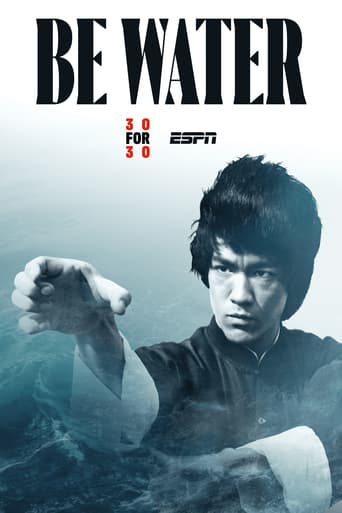
In 1971, after being rejected by Hollywood, Bruce Lee returned to his parents’ homeland of Hong Kong to complete four iconic films. Charting his struggles between two worlds, this portrait explores questions of identity and representation through the use of rare archival footage, interviews with loved ones and Bruce’s own writings.
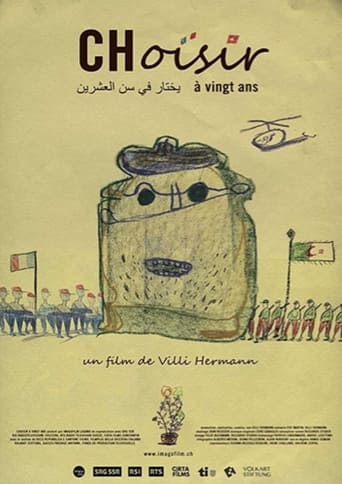
Between 1954-1962, one hundred to three hundred young French people refused to participate in the Algerian war. These rebels, soldiers or conscripts were non-violent or anti-colonialists. Some took refuge in Switzerland where Swiss citizens came to their aid, while in France they were condemned as traitors to the country. In 1962, a few months after Independence, Villi Hermann went to a region devastated by war near the Algerian-Moroccan border, to help rebuild a school. In 2016 he returned to Algeria and reunited with his former students. He also met French refractories, now living in France or Switzerland.
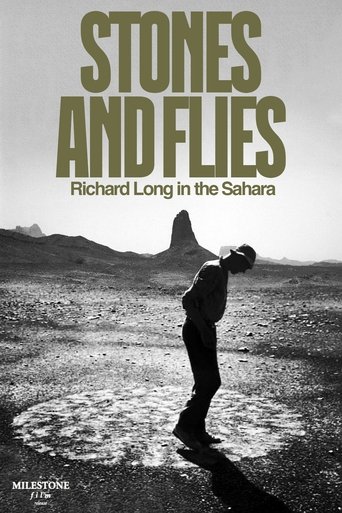
In the fall of 1987, Philippe Haas accompanied the sculptor Richard Long to the Algerian Sahara and filmed him tracing with his feet, or constructing with desert stones, simple geometric figures (straight lines, circles, spirals). In counterpoint to the images, Richard Long explains his approach. Since 1967, Richard Long (1945, Bristol), who belongs to the land art movement, has traveled the world on foot and installed, in places often inaccessible to the public, stones, sticks and driftwood found in situ. His ephemeral works are reproduced through photography. He thus made walking an art, and land art an aspiration of modern man for solitude in nature.
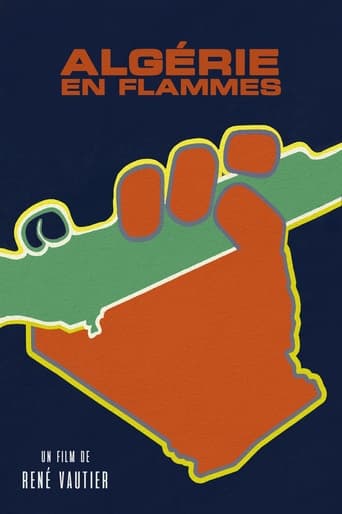
These are the first images shot in the ALN maquis, camera in hand, at the end of 1956 and in 1957. These war images taken in the Aurès-Nementchas are intended to be the basis of a dialogue between French and Algerians for peace in Algeria, by demonstrating the existence of an armed organization close to the people. Three versions of Algeria in Flames are produced: French, German and Arabic. From the end of the editing, the film circulates without any cuts throughout the world, except in France where the first screening takes place in the occupied Sorbonne in 1968. Certain images of the film have circulated and are found in films, in particular Algerian films. Because of the excitement caused by this film, he was forced to go into hiding for 25 months. After the declaration of independence, he founded the first Algerian Audiovisual Center.
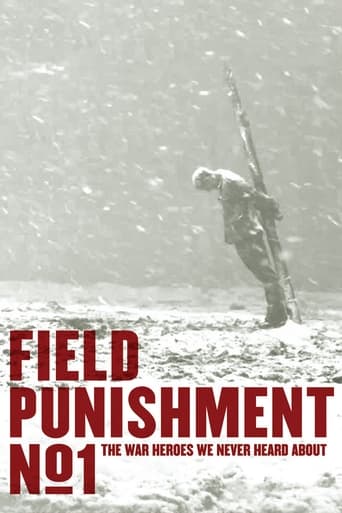
In 1916, the New Zealand Government secretly shipped 14 of the country's most outspoken conscientious objectors to the Western Front in an attempt to convert, silence, or quite possibly kill them. This is their story.
Achour is thirty. Night and day, he walks. Rebellious soul, he crisscrosses Alger and its neighborhoods, stays at friends' houses and often leaves the city to meet the nearby montain in Kabylia, his alter-ego. In this environment his resistance continues, mobile and ascending. Algerian hardcore-punk musician, Achour once screamed his anger against the country's regime and sang "Anarchytecture". But the movement died down, friends went their separate ways. His Facebook wall became his notebook, his window open to the world. It represents a scream aimed towards the echo of the mountains, between virtual wall, infinite facades of large complexes and the strata of mineral cliffs. A scream comes back at us.

The Algerian Sahara is the most exceptional deserts. He densifies everything he hosts, men and nature, and invites you to pay attention to the world. Jean-Louis and Odette Bernezat were born at the foot of the Alps, but it was in the Sahara that they found their way, and devoted almost forty years to the discovery of this environment and have extraordinary knowledge to share. Director Maryse Bergonzat accompanies them, in a meha, in the Hoggar in Algeria, with their Tuareg friends. A privileged place to appreciate the desert, its landscapes, its inhabitants, its laws and its stories, in the company of exceptional guides.
This video takes a particular viewpoint, with the camera placed behind a zone of blur. Slowly, we experience the perception of an expanded time. An expectation is created and resolved in the observation of the passage of boats that dissolve into the nebulousness, disappearing from our sight like a mirage.
Sami reindeer herders win a Supreme Court victory against Europe’s largest wind farm - but when the state refuses to act, their fight reveals a deeper crisis of justice and trust.
He is a 75-year-old half-blind man. He takes 3000 steps every day. Since 2004 he has made a decision: he will no longer talk about cinema. Boudjemâa, our living memory. That of Algerian cinema, African cinema, Arab cinema, cinema in short. The Algiers Cinematheque. The “masterpiece of Algerian cinema”. Boudjemâa Karèche directed it for 34 years. So why does Boudjemâa no longer talk about cinema? The answer lies next to the circumstances which caused his ouster from the Cinémathèque. Boudjemâa was silent. The time has come for him to let the word think for itself.
Albert Camus, who died 60 years ago, continues to inspire defenders of freedom and human rights activists around the world today. The Nobel Prize winner for literature is one of the most widely read French-language writers in the world. He continues to embody the rebellious man who opposes all forms of oppression and tyranny while refusing to compromise his human values.
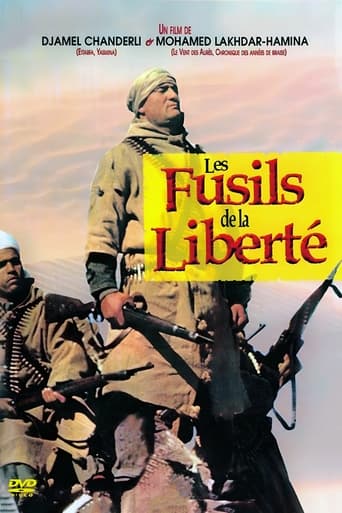
This docu-fiction recounts the difficulties overcome by an ALN detachment whose perilous mission is to transport weapons and ammunition from Tunisia across the Algerian Sahara during the Algerian liberation war (1954-1962) against the French army of occupation.
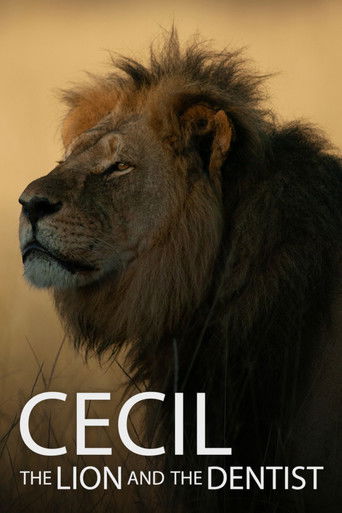
In 2015 a lion in Zimbabwe named Cecil was killed by Walter Palmer, an American dentist, provoking a global outcry. The story of Cecil’s death turns the gaze back on to us and our behaviour. The simplicity of the outrage is a stark contrast to the complexity of the reality.
Pierre Clément, student and photographer of René Vauthier, first accompanied him to Tunisia to make a film on the country's independence in 1957. Destiny led him to Algeria and his presence in February 1958 at the Tunisian-Algerian border changed his life. . Forever. He took his camera and photographed the attacks on Sakia Sidi Youssef before committing himself body and soul to the Algerian cause. Shortly after, he directed the film “Algerian Refugees” before being arrested, tortured and imprisoned, while his third film, “The National Liberation Army in Almaki”, was not finished. Abdel Nour Zahzah, a director who commemorates Pierre Clément, the director who risked his life, the brother of the Algerian resistance, who disappeared in 2007.
Year 1936. As villages across Palestine rise against British colonial rule, Yusuf drifts between his rural home and the restless energy of Jerusalem, longing for a future beyond the growing unrest. But history is relentless. With rising numbers of Jewish immigrants escaping antisemitism in Europe and some arriving with nefarious Zionist-colonial ambitions, and the Palestinian population uniting in the largest and longest uprising against Britain’s 30-year dominion, all sides spiral towards inevitable collision in a decisive moment for the British Empire and the future of the entire region.
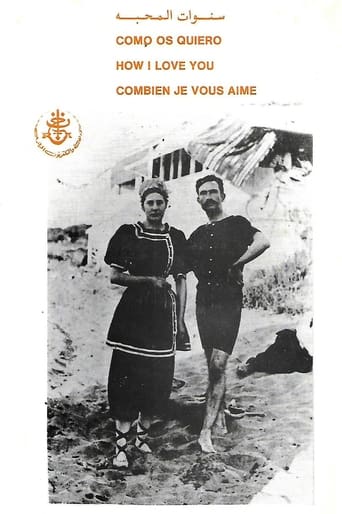
Beginning with a promotional reel encouraging farming investments in Algeria and ending with the secret 1950s nuclear tests that France conducted using Algerian prisoners, How Much I Love You appropriates archival footage produced by the French colonial powers in Algeria. Meddour’s approach is disarmingly simple and yet awe-inspiring—his caustic undoing of colonial discourse is underscored by a liberating release of humor.
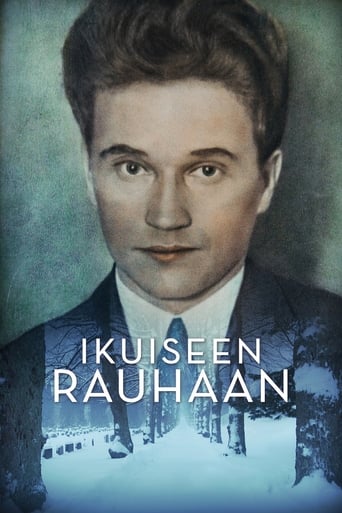
Documentary film about Arndt Pekurinen and the peace movement in the early 20th century. Pekurinen spoke out for pacifism, conscientious objection and peace, and received support for his actions around the world. However, his worldview collided with the nationalist and militaristic atmosphere of the era in Finland. He was considered a troublemaker, a traitor, and a caricature of masculinity. The film is a universal and timeless account of a man persecuted for his opinions. At the same time, it is a description of the weak tolerance of young independent Finland towards dissidents. Pekurinen was executed during the Continuation War by his compatriots on November 5, 1941.
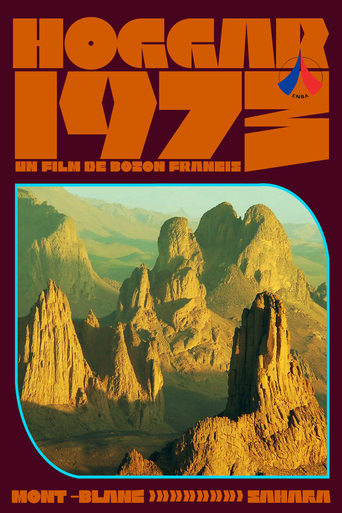
In 1973, 6 guides from the National Ski and Mountaineering School (ENSA), including Charles Daubas and Walter Cecchinel, left by truck from Chamonix to Tamanrasset in the desert in Algeria with the aim of climbing some peaks of the Atakor massif including Adaouda and Tizouyag where they do the first of "La Voie de l'ENSA".
Justice, opportunity, connection, equity, friendship, respect, experience, community, knowledge, health, success, love – what do I, you, we…hunger for?