
Kossula: Last of the Takkoi Slaves
1928-01-01 · 5 min · Not rated
"A five-minute silent film featuring Kossula (also known as Cudjo Lewis), the eighty-eight-year- old man who many believed to be the last survivor of the Middle Passage." -- Autumn Womack
Trailers are previews, not full movies.
No authorized playback source configured. Use the legal watch options below.
Production details
- Directors
- Zora Neale Hurston
- Production companies
- Unavailable
- Countries
- Unavailable
- Status
- Released
Top Cast
 Cudjoe Lewis
Title information and images are supplied by TMDb. Explore our discovery guide for advice on comparing metadata and legal viewing options.
Where to watch
Availability provided by JustWatch via TMDb. Offers can change. Provider links are listed on TMDb; full playback requires a separately authorized source.
Availability not listed for this country.
Seasons & episodes
Recommendations
After returning home to his long-estranged mother upon a request from her deathbed, a man raised by his parents in an orphanage has to confront the childhood memories that have long haunted him.
Buster and a woman are mistakenly married and her initially unfriendly family begins to treat him nicely when they come to believe he has a large inheritance awaiting him.
Three Chaplin silent comedies "A Dog's Life", "Shoulder Arms", and "The Pilgrim" are strung together to form a single feature length film. Chaplin provides new music, narration, and a small amount of new connecting material. "Shoulder Arms" is now described as taking place in a time before "the atom bomb".
Mabel goes home after being humiliated by a masher whom her husband won't fight. The husband goes off to a bar and gets drunk.
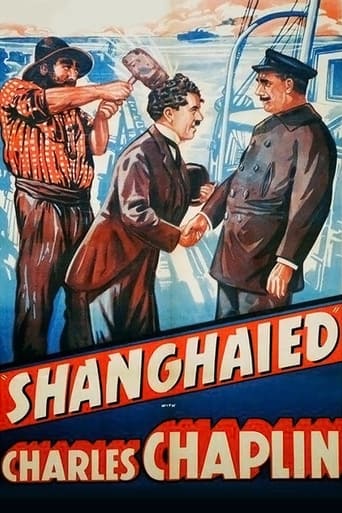
A shipowner intends to scuttle his ship on its last voyage to get the insurance money. Charlie, a tramp in love with the owner's daughter, is grabbed by the captain and promises to help him shanghai some seamen. The daughter stows away to follow Charlie. Charlie assists in the galley and attempts to serve food during a gale.
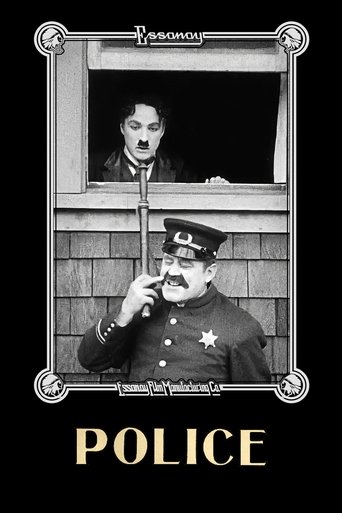
Charlie is released from prison and immediately swindled by a fake parson. A fellow ex-convict convinces Charlie to help burglarize a house.

On a whim, a greedy tycoon decides to corner the world market in wheat. This doubles the price of bread, forcing grain producers into charity lines and others further into poverty. The film contrasts the differences between the lives of those who work to grow the wheat and the life of the man who dabbles in its sale for profit.
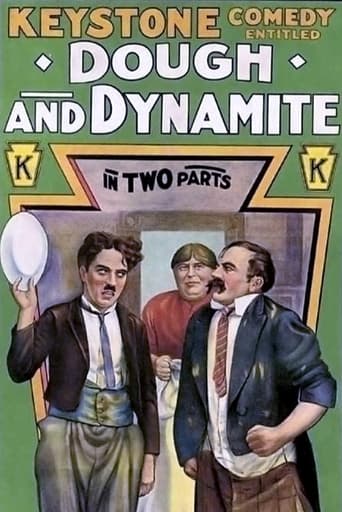
Pierre and Jacques are working as waiters at a restaurant where the cooks go on strike. When the two are forced to work as bakers, the striking cooks put dynamite in the dough, with explosive results.
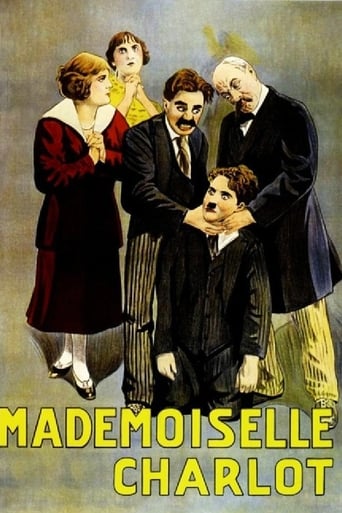
Mother, father and daughter go to the park. The women doze off on a bench while the father plays a hide-and-seek game with a girl, blindfolded. Charlie leads him into a lake. Both dozing ladies on the bench fall for Charlie and invite him for dinner. The father returns home with a friend. Charlie rushes upstairs and dresses like a woman, shaving his mustache. Both men fall for Charlie.

The epic life story of Alice Guy-Blaché (1873–1968), a French screenwriter, director and producer, true pioneer of cinema, the first person who made a narrative fiction film; author of hundreds of movies, but banished from history books. Ignored and forgotten. At last remembered.
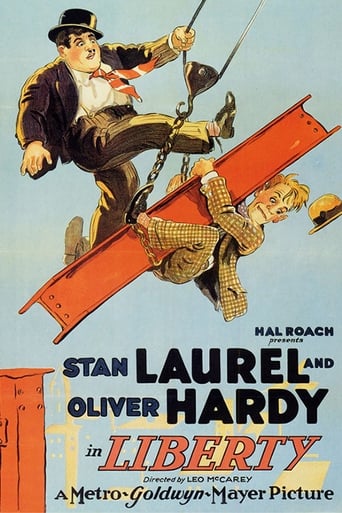
While changing clothes in a getaway car, escaped convicts Stan and Ollie mistakenly put on each other's pants. They spend the rest of the film trying to exchange pants in various unlikely settings.
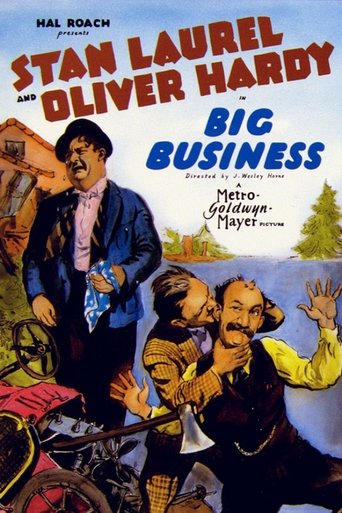
Stan and Ollie play door-to-door Christmas tree salesmen in California. They end up getting into an escalating feud with grumpy would-be customer James Finlayson, with his home and their car being destroyed in the melee.
Dr. Henry Jekyll experiments with scientific means of revealing the hidden, dark side of man and releases a murderer from within himself.
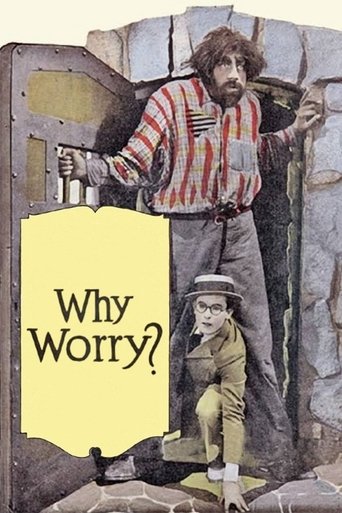
A hypochondriac vacations in the tropics for the fresh air - and finds himself in the middle of a revolution instead.

This revealing documentary honors the legendary Sidney Poitier—iconic actor, filmmaker, and civil rights activist. Featuring interviews with Denzel Washington, Spike Lee, Halle Berry, and more.
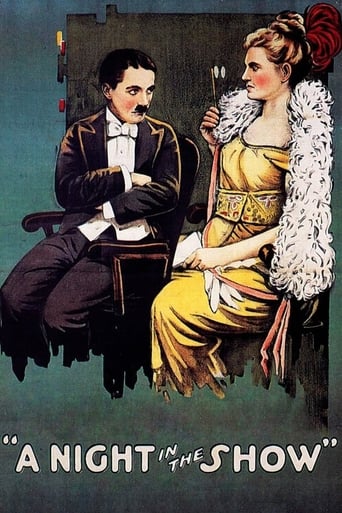
Two disruptive theater patrons, the wealthy drunk Mr. Pest (played by Charlie Chaplin) and the rowdy working-class Mr. Rowdy (also played by Chaplin), attend a live vaudeville theater production. Their constant antics, seat-hopping, and physical altercations quickly overshadow the acts on stage and plunge the entire theater into absolutely hilarious chaos.

The story of a young boy in the Midwest is told simultaneously with a tale about a young girl in New York from fifty years ago as they both seek the same mysterious connection.
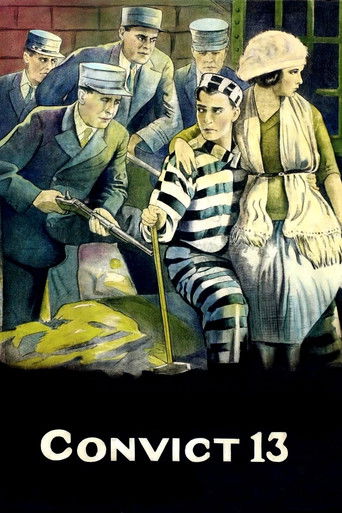
A young golfer is mugged by an escaped convict and finds himself in a prison where he foils a jailbreak.

A deadly collision between a train and car lead to an unlikely bond between the train engineer and a young boy who escapes the carnage.

Two childhood sweethearts, now both widowed, share a night by a lake in the mountains.
Similar titles

Madrid, Spain. A mutilated man, a war veteran, walks, leaning on a crutch, through the stadium of the Ciudad Universitaria, a place that still preserves in walls and buildings the terrifying traces of one of the bloodiest battles of the Spanish Civil War.
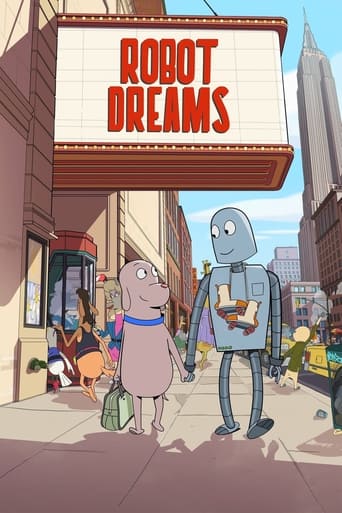
A lonely dog's friendship with his robot companion takes a sad turn when an unexpected malfunction forces him to abandon Robot at the beach. Will Dog ever meet Robot again?
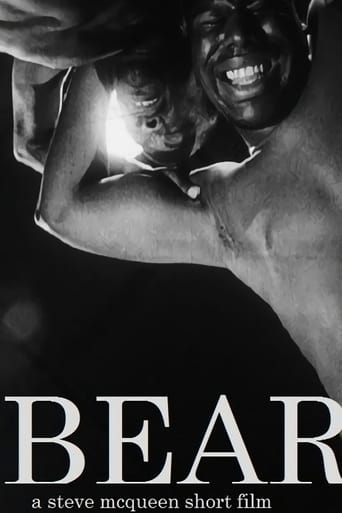
Bear (10 minutes, 35 seconds) was Steve McQueen's first major film. Although not an overtly political work, for many viewers it raises sensitive issues about race, homoeroticism and violence. It depicts two naked men – one of whom is the artist – tussling and teasing one another in an encounter which shifts between tenderness and aggression. The film is silent but a series of stares, glances and winks between the protagonists creates an optical language of flirtation and threat.
The pattern-living Paul Fowler has his routines disrupted by the contact-seeking photographer Jane.

In Russia shortly before the outbreak of the First World War, Princess Vorontsov (Ellen Richter) is in love with a high-ranking officer of the tsarist army. When he is murdered, she craves revenge. The leading suspect is a lawyer with ties to nihilist revolutionaries. On behalf of the secret police, she travels to Switzerland in order to gain his trust and facilitate his arrest. Too late she realizes that she has been toyed with all along. Her fiancé was not the man she thought she was.

A constant motion from a distance all the way into an elderly ladies eye.

After wandering the world for fifteen years, Hiram Perkins returns home to find his wife running a small town newspaper to support their two daughters. With pity in her heart, Mrs. Perkins allows her husband to stay in the house providing that he not disclose his identity. Mrs. Perkins is waging a battle against the re-election of Joel Skinner for a seat in the assembly, and when she learns that Skinner has mistreated old Mrs. Miller, she is determined to expose his actions. Rome Preston, running in opposition to Skinner, requests that she stop the story, but Mrs. Perkins refuses and so Preston disables the press. With Hiram's help, Mrs. Perkins prints the story and Skinner is defeated. In revenge, Skinner's men burn the press and demand that Hiram be tarred and feathered. At this moment, Mrs. Perkins acknowledges that Hiram is her husband and all is forgiven as the Perkins family is reunited.

The Dangers of the Fly is an educational film made by Ernesto Gunche and Eduardo Martínez de la Pera, also responsible for Gaucho Nobility (1915), the biggest blockbuster of Argentinean silent cinema. De la Pera was a talented photographer, always willing to try new gadgets and techniques. This film experiments with microphotography in the style of Jean Comandon's films for Pathé and it is part of a series which included a film about mosquitoes and paludism and another one about cancer, which are considered lost. Flies were a popular subject of silent films and there are more than a dozen titles featuring them in the teens and early twenties.

Informed by her husband Ed that they will not be honeymooning at Niagara Falls as promised, but rather at the County Fair, newlywed Peggy decides it is time to assert her independence and steals away to the falls alone, leaving her bewildered husband to follow. After the honeymoon, Ed takes his bride to the home that had been his mother's, and Peggy redecorates the entire house in her husband's absence. Gradually, Ed learns to submit to his wife's modern attitudes until he discovers that her continual visits to the city have not been to the dentist's, as she had said, but to the studio of portrait painter Perry Pipp. Ed angrily confronts Peggy with her deception, forcing her to return home to her parent's house. Later, when Ed learns that Peggy has been posing for a portrait as a birthday surprise, he begs his wife's forgiveness, which she bestows, along with the information that a baby is on it's way.
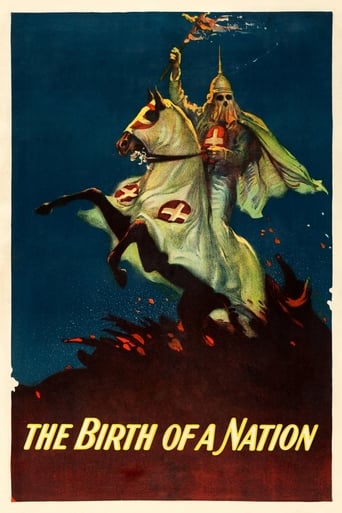
Two families, abolitionist Northerners the Stonemans and Southern landowners the Camerons, intertwine. When Confederate colonel Ben Cameron is captured in battle, nurse Elsie Stoneman petitions for his pardon. In Reconstruction-era South Carolina, Cameron founds the Ku Klux Klan, battling Elsie's congressman father and his African-American protégé, Silas Lynch.
Sitcom for 1920s cinemas about the Winter family.
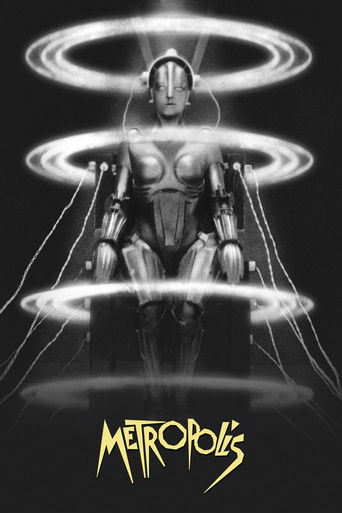
In a futuristic city sharply divided between the rich and the poor, the son of the city's mastermind meets a prophet who predicts the coming of a savior to mediate their differences.
Two old tars, retired from service, live alone in a cottage by the sea. They sail along on an even keel, until a buxom and comely widow projects herself on the scene when one old tar breaks one of their unwritten laws and falls in love with her. The other old fellow objects strenuously.
A man fakes an engagement to a typist to please his rich aunt.
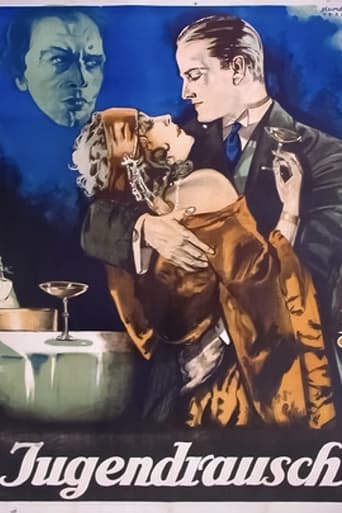
Mary and Eva are best friends, although they couldn't be more different. Armand, Mary's fiancee, falls in love with the seductive Eva, who is busy becoming a revue star. When Eva fails and loses her money, Armand tries to help her out.

Silent comedy, based on a 1913 stage play of the same title.
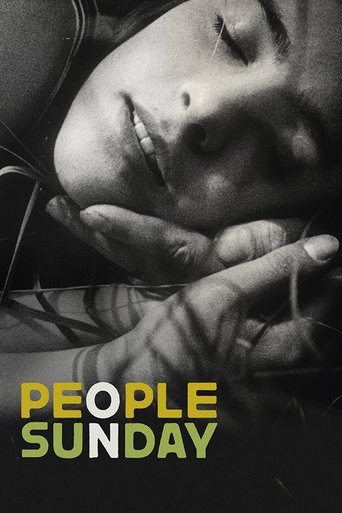
A semi-documentary experimental 1930 German silent film created by amateurs with a small budget. With authentic scenes of the metropolis city of Berlin, it's the first film from the later famous screenwriters/directors Billy Wilder and Fred Zinnemann.

Farmer Toby Watkinsm whose fanciful poetry does not impress his exasperated uncle, leaves the farm to become a subscription solicitor for the "Sawbert Weekly Clarion." In Sawbert, Toby meets Mayor Lot Morris' daughter Jean, and the shy young people fall in love. Crooked stock promoter Kendall Reeves arrives in town and unveils his plan to open a string-bean cannery.
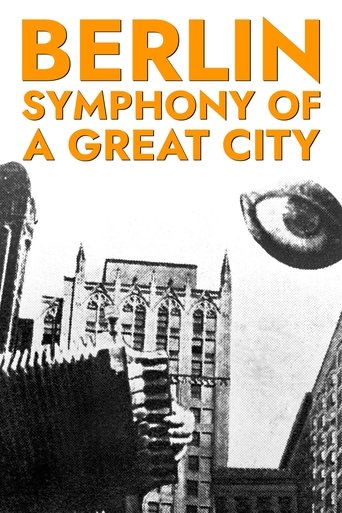
A day in the city of Berlin, which experienced an industrial boom in the 1920s, and still provides an insight into the living and working conditions at that time. Germany had just recovered a little from the worst consequences of the First World War, the great economic crisis was still a few years away and Hitler was not yet an issue at the time.
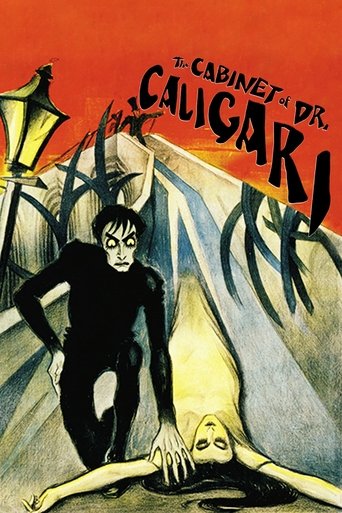
Francis, a young man, recalls in his memory the horrible experiences he and his fiancée Jane recently went through. Francis and his friend Alan visit The Cabinet of Dr. Caligari, an exhibit where the mysterious doctor shows the somnambulist Cesare, and awakens him for some moments from his death-like sleep.