

Lil' Guys
2025-03-22 · 5 min · Not rated
Director River Roest sees Lil' Guys as an exploration of his love for animation, the exhaustion it can cause, and ultimately, the joy it brings. In this groovy short, lots of small elements come to life, moving to the rhythm of the funky soundtrack.
Trailers are previews, not full movies.
No authorized playback source configured. Use the legal watch options below.
Production details
- Directors
- River Roest
- Production companies
- An Independent Production
- Countries
- Netherlands
- Status
- Released
Top Cast
Cast unavailable.
Title information and images are supplied by TMDb. Explore our discovery guide for advice on comparing metadata and legal viewing options.
Where to watch
Availability provided by JustWatch via TMDb. Offers can change. Provider links are listed on TMDb; full playback requires a separately authorized source.
Availability not listed for this country.
Seasons & episodes
Recommendations
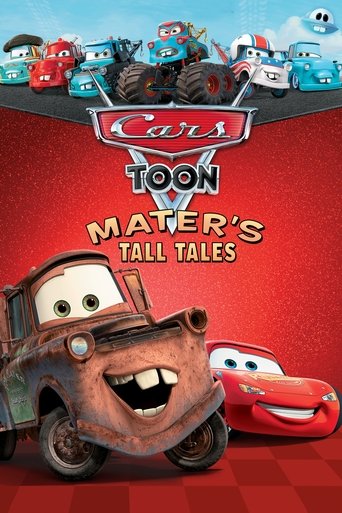
Mater the tow truck travels from country to country as he retells his infamous but unbelievable stories.
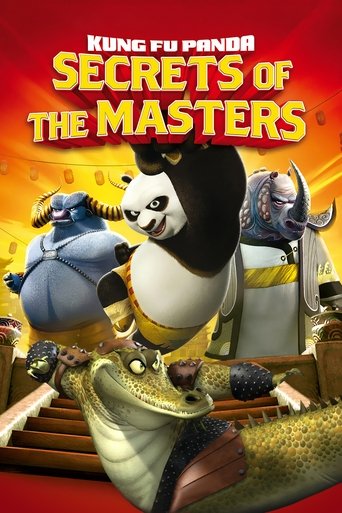
Po and the Furious Five uncover the legend of three of kung fu's greatest heroes: Master Thundering Rhino, Master Storming Ox, and Master Croc.

This Oscar-winning short tells of a bull who preferred to sit under trees and smell flowers to clashing horns with his fellow animals. As luck would have it, an untimely bee reveals Ferdinand's ferocious side via pained howls and wild stomping. This lands him in the bull-fighting arena amidst characters based on Walt's animators with a matador reportedly modeled after Walt himself.
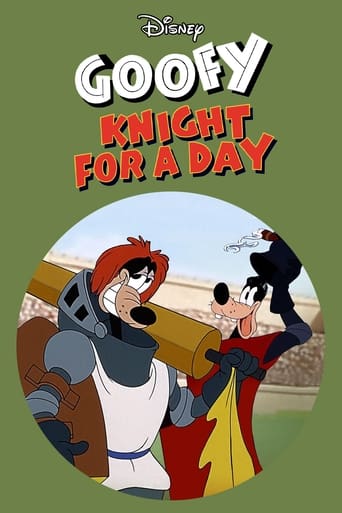
By accident, Cedric (Goofy), replaces his master, Sir Loinsteak, in the armor just before the joust with champion Sir Cumference.
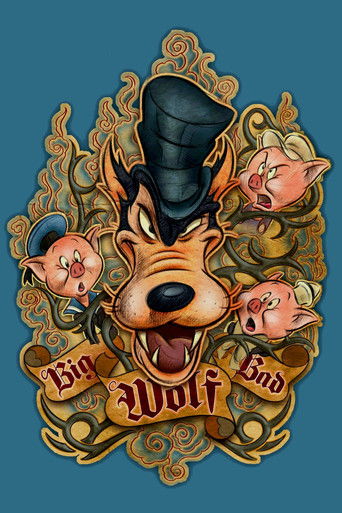
The Big Bad Wolf torments Little Red Riding Hood and the Three Little Pigs.
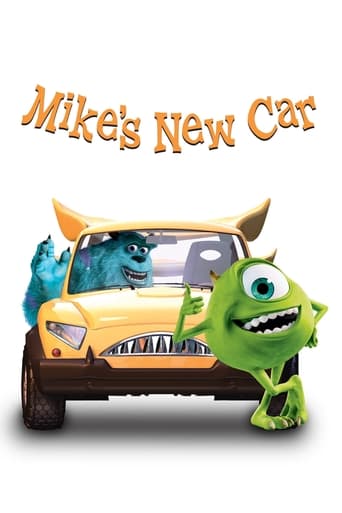
Mike discovers that being the top-ranking laugh collector at Monsters, Inc. has its benefits – in particular, earning enough money to buy a six-wheel-drive car that's loaded with gadgets. That new-car smell doesn't last long enough, however, as Sulley jump-starts an ill-fated road test that teaches Mike the true meaning of buyer's remorse.
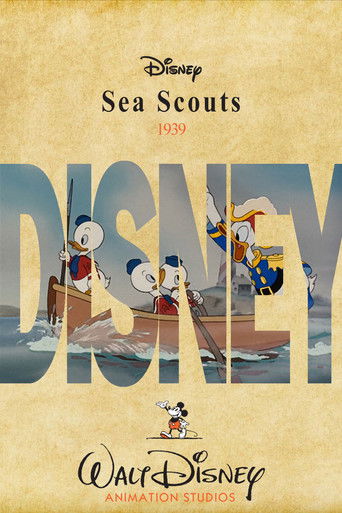
Donald is an admiral on a seagoing voyage with his nephews in which they encounter a ravenous shark.

Donald's sister Dumbella sends her three sons Huey, Dewey, and Louie to visit their uncle Donald. They prove to be quite a handful for Donald, even with help from his book on child rearing.
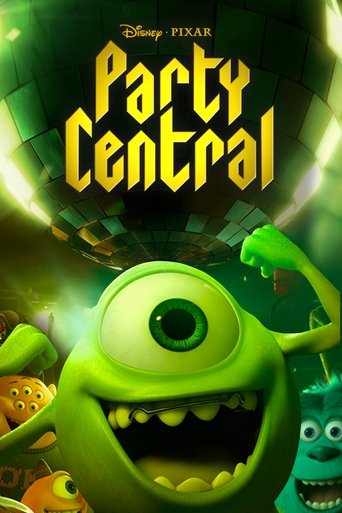
Mike and Sulley are back at Monsters University for a fun-filled weekend with their Oozma Kappa fraternity brothers. The gang is throwing their first party, but no one’s showing up. Luckily for them, Mike and Sulley have come up with a plan to make sure “Party Central” is the most epic party the school has ever seen.
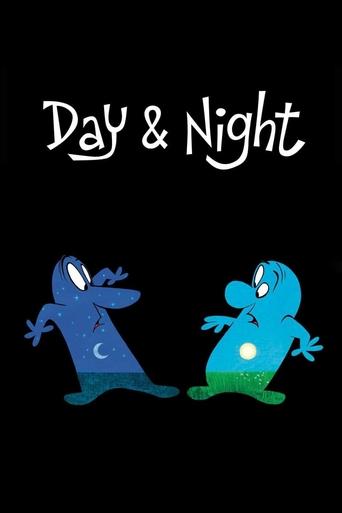
When Day, a sunny fellow, encounters Night, a stranger of distinctly darker moods, sparks fly! Day and Night are frightened and suspicious of each other at first, and quickly get off on the wrong foot. But as they discover each other's unique qualities--and come to realize that each of them offers a different window onto the same world-the friendship helps both to gain a new perspective.
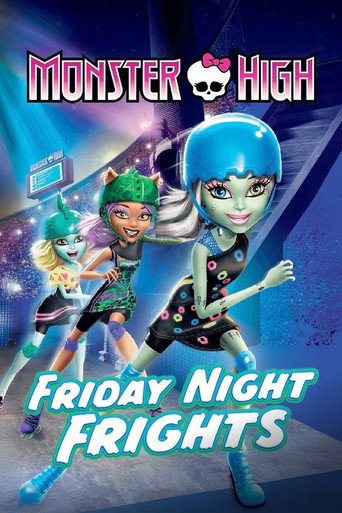
After Monster High’s roller skating team is defeated at the Skulltimate Roller Maze tournament, the ghouls team up to face an all-boys league, with the hope of winning back the school crest and restoring school spirit.
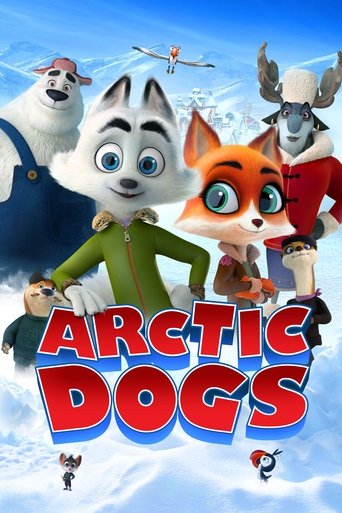
Animals band together to save the day when the evil Otto Von Walrus hatches a sinister scheme to accelerate global warming and melt the Arctic Circle.
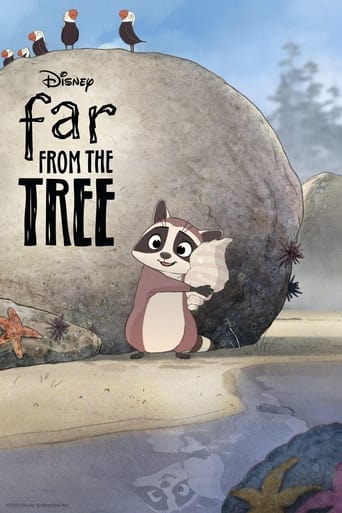
On an idyllic beach in the Pacific Northwest, curiosity gets the better of a young raccoon whose frustrated parent attempts to keep them both safe.

The toys throw Ken and Barbie a Hawaiian vacation in Bonnie's room.

Donald Duck is at the beach and tries to ride a rubber horse. He notices Pluto sleeping at the shore and decides to have some fun with him by sending the rubber horse over to Pluto which completely mesmerizes him. Meanwhile, a tribe of ants abduct Donald's picnic lunch. Donald lays out fly paper to stop the ants. Pluto follows one of the ants and, of course, he and later Donald become enmeshed in the fly paper

Mickey has been reading Alice in Wonderland, and falls asleep. He finds himself on the other side of the mirror, where the furniture is alive.
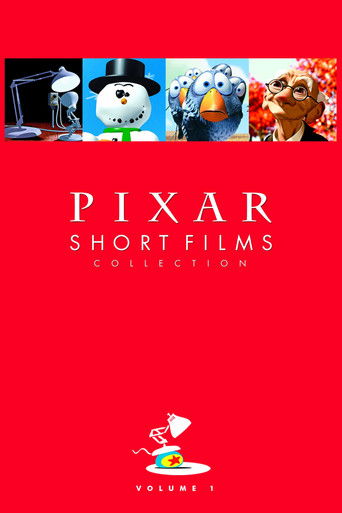
Experience these masterpieces of storytelling from the creative minds that brought you Toy Story, Monsters, Inc., Finding Nemo and many more. With revolutionary animation, unforgettable music and characters you love, these dazzling short films have changed the face of animation and entertainment and are sure to delight people of all ages for years to come.
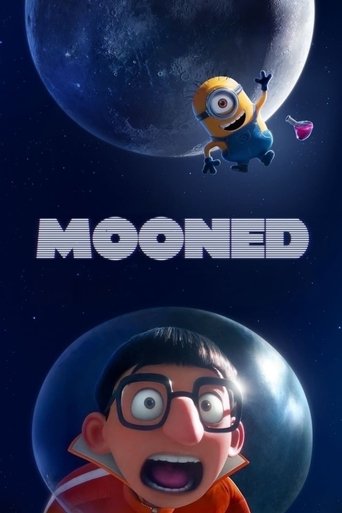
Villainous Vector must figure out how to get off the moon and return to Earth.

Rabbit is tired of Tigger always bouncing him, so he gets Pooh and Piglet together to come up with an idea to get the bounce out of Tigger. Then, Tigger and little Roo go out for a bounce and get caught in a tree.
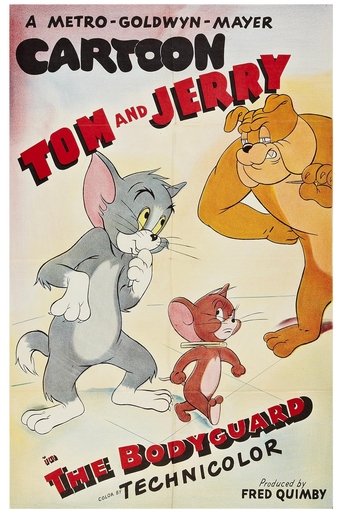
Spike the bulldog, grateful to Jerry for getting him out of the dogcatcher's van, offers to help the little mouse any time he whistles. Tom, Jerry's feline tormentor, seeks to overcome this new disadvantage.
Similar titles

A trip towards abstraction, as an hypothesis on how mountains might have been formed.

A mathematical play on one repeated movement. It imparts a sense of possibilities: that something simple can produce complex and unexpected patterns. As with an atom, the variety of possibilities from a base movement is potentially infinite.
A vibrant animation by Patricia Marx. Preserved by the Academy Film Archive in 2000.
The story of Adam and Eve with jazzy music. Short experimental animation without words.
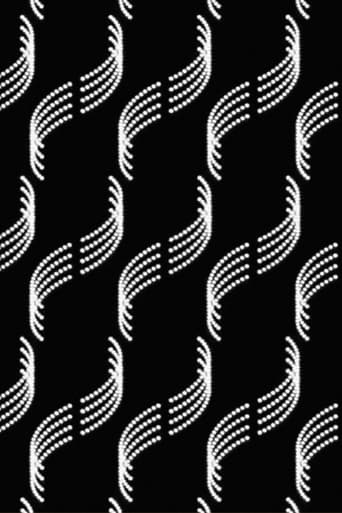
Two Space systematically explores symmetries used by Islamic artists to create abstract temple decorations. The two dimensional patterns, like the tile patterns of Islamic temples, are generated by performing a set of symmetry operations (translations, rotations, and reflections) upon a basic figure or tile. Two Space consists of twelve such patterns produced using each of nine different animating figures (12 x 9 = 108 total). Rendered in stark black and white, the patterns produce optical illusions of figure-ground reversal and afterimages of color. Gamelan music from the classical tradition of Java adds to the mesmerizing effect.

In this animated short, simple geometric forms as thin and flat as playing cards constantly form and re-form to the sound of the koto, a 13-stringed Japanese instrument.
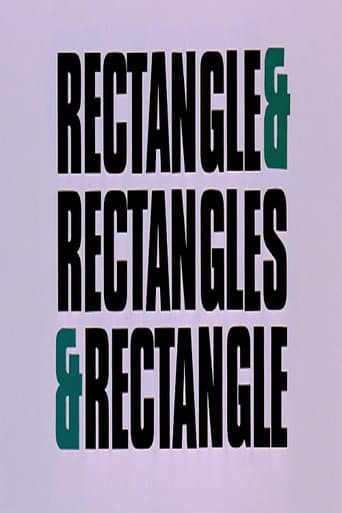
This is a didactic film in disguise. A progression of brilliant geometric shapes bombard the screen to the insistent beat of drums. The filmmaker programmed a computer to coordinate a highly complex operation involving an electronic beam of light, colour filters and a camera. This animation film, without words, is designed to expose the power of the cinematic medium, and to illustrate the abstract nature of time.
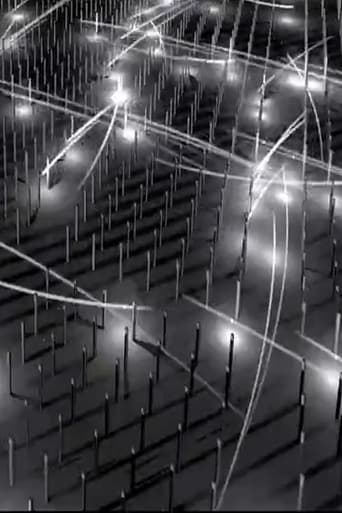
A unique journey across a topography created entirely from a form of digital light and shadow—a bristling terrain of poles bending the light in every direction. This film is the remake of Barcode, an abstract road-movie about light and shadows.
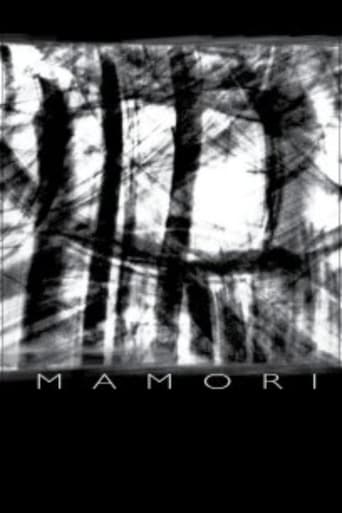
Mamori transports us into a black-and-white universe of fluid shapes, dappled and striated with shadows and light, where the texture of the visuals and of the celluloid itself have been transformed through the filmmaker’s artistry. The raw material of images and sounds was captured in the Amazon rainforest by filmmaker Karl Lemieux and avant-garde composer Francisco López, a specialist in field recordings. Re-filming the photographs on 16 mm stock, then developing the film stock itself and digitally editing the whole, Lemieux transmutes the raw images and accompanying sounds into an intense sensory experience at the outer limits of representation and abstraction. Fragmented musical phrases filter through the soundtrack, evoking in our imagination the clamour of the tropical rainforest in this remote Amazonian location called Mamori.

Three books: a film festival catalogue, a dictionary, the Bible. Three works whose materiality has become obsolete by the digital dematerialization. A commentary on the fragility of culture.
Abstract animation by Boris Labbé
Abstract animation by Boris Labbé
Abstract animation by Boris Labbé
This newly rediscovered short was created in Jim's home studio in Bethesda, MD around 1961. It is one of several experimental shorts inspired by the music of jazz great Chico Hamilton. At the end, in footage probably shot by Jerry Juhl, Jim demonstrates his working method.
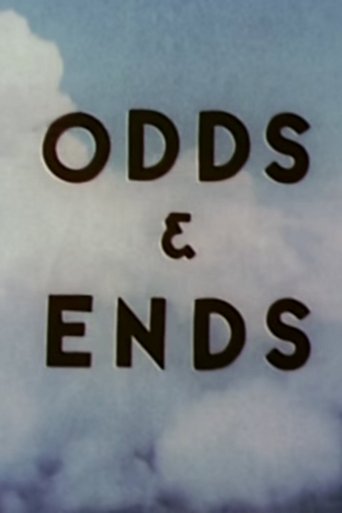
Odds & Ends is a sly comment on the collage film and Beat culture. To discarded travel and advertising footage found at a local film laboratory, Belson Shimane added a mélange of animation—assemblages, cutouts, color fields, and line drawings—and faux hipster narration by Jacobs (credited via the anagram Rheny Bojacs) punctuated by a bongo backing. Strung together with doublespeak and non sequiturs, the monologue skirts the edge of nonsense as Jacobs waxes on about poetry, jazz, “reaching the public,” “having a good time,” and—although “money doesn’t count”—the “possibility of subsidy” through grants. Footage of champagne, tropical beaches, and exotic peoples intermingle with rhythmic drawings and stop-motion flights of fancy. The visuals race on through dazzling transformations, both amplifying and undercutting the patter. —National Film Preservation Foundation. Preserved by the Academy Film Archive in partnership with Iota Center Collection in 2006.
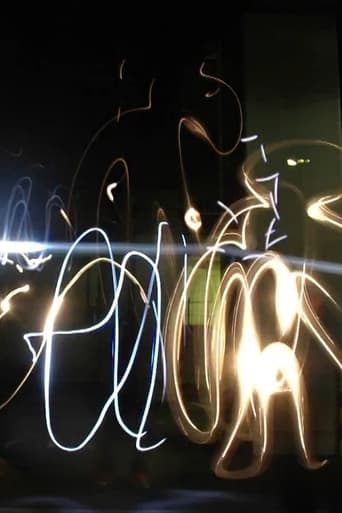
Astract stop-motion short film using "lightning doodles" by Tochka.
In his film #43, Joost Rekveld observes what happens to a system that is destabilised by ‘creative' pixels, drawing inspiration from the set of ideas in biology and mathematics that arose during the development of cybernetics in the 1950s.
"We are powerfully imprisoned by the terms in which we have been conducted to think.” - R. Buckminster Fuller

Short film by Jean-Philippe Desclandes and Genevieve Gauckler
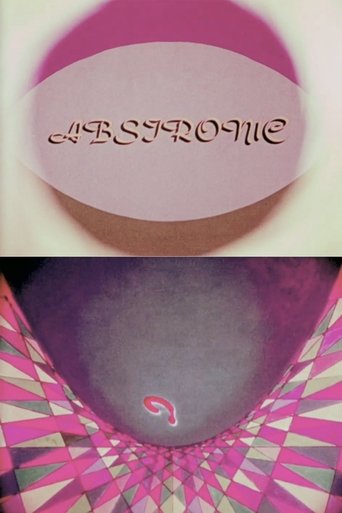
A pioneer of visual music and electronic art, Mary Ellen Bute produced over a dozen short abstract animations between the 1930s and the 1950s. Set to classical music by the likes of Bach, Saint-Saëns, and Shoshtakovich, and replete with rapidly mutating geometries, Bute’s filmmaking is at once formally rigorous and energetically high-spirited, like a marriage of high modernism and Merrie Melodies. In the late 1940s, Lewis Jacobs observed that Bute’s films were “composed upon mathematical formulae depicting in ever-changing lights and shadows, growing lines and forms, deepening colors and tones, the tumbling, racing impressions evoked by the musical accompaniment.” Bute herself wrote that she sought to “bring to the eyes a combination of visual forms unfolding along with the thematic development and rhythmic cadences of music.”