
Looking for a Happy Ending
1991-12-01 · 56 min · Not rated
In the late 1980s, an era of great hopes and great disasters for Russia, art proved to be a social barometer, predicting the imminent political upheavals. This film's screenplay was written overnight in February 1991, soon after the World Economic Forum, where Olga Sviblova was asked the question, "What will happen to Russia?", and answered: "A putsch."
Trailers are previews, not full movies.
No authorized playback source configured. Use the legal watch options below.
Production details
- Directors
- Olga Sviblova
- Production companies
- Alhena Films, Pro Helvetia
- Countries
- Soviet Union, Switzerland
- Status
- Released
Top Cast
Title information and images are supplied by TMDb. Explore our discovery guide for advice on comparing metadata and legal viewing options.
Where to watch
Availability provided by JustWatch via TMDb. Offers can change. Provider links are listed on TMDb; full playback requires a separately authorized source.
Availability not listed for this country.
Seasons & episodes
Recommendations
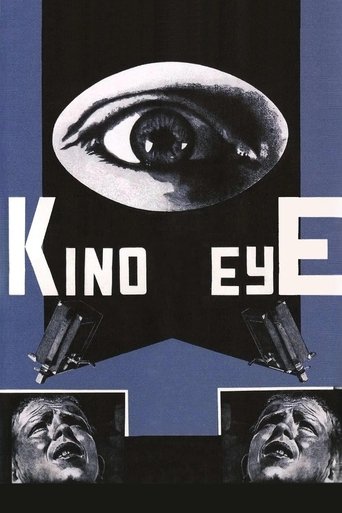
Promoting the joys of life in a Soviet village centering on the activities of the Young Pioneers. These children are constantly busy, pasting propaganda posters on walls, distributing hand bills, exhorting all to 'buy from the cooperative' as opposed to the Public Sector, promoting temperance, and helping poor widows. Experimental portions, projected in reverse, feature the un-slaughtering of a bull and the un-baking of bread.

In an intimate and joyful story of love in the face of loss, celebrated poets Andrea Gibson and Megan Falley find strength—and unexpected hilarity—in what might be their final year together.

A visual montage portrait of our contemporary world dominated by globalized technology and violence.
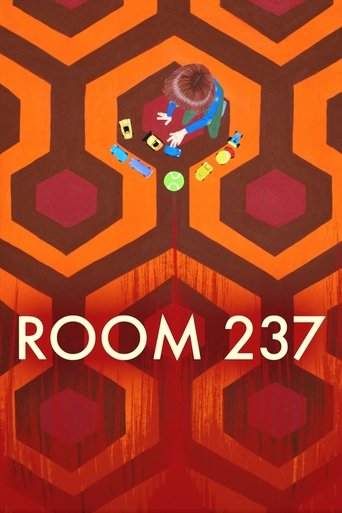
A subjective documentary that explores various theories about hidden meanings in Stanley Kubrick's classic film The Shining. Five very different points of view are illuminated through voice over, film clips, animation and dramatic reenactments.
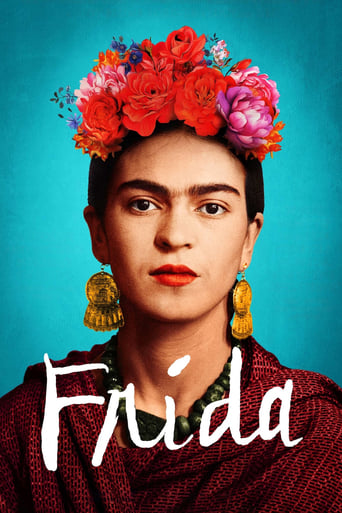
An intimately raw and magical journey through the life, mind, and heart of iconic artist Frida Kahlo. Told through her own words for the very first time — drawn from her diary, revealing letters, essays, and print interviews — and brought vividly to life by lyrical animation inspired by her unforgettable artwork.
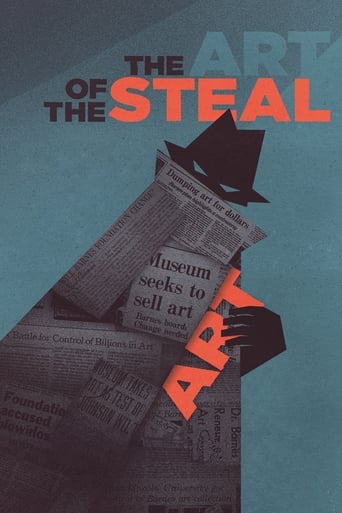
A gripping tale of intrigue and mystery in the art world, this film traces the history of a collection of Post-Impressionist paintings - worth billions - which became the subject of a power struggle after the death of its owner. Dr. Albert Barnes.

Through deeply personal interviews with her siblings and an examination of the photographs, letters, and belongings left behind, Mariska assembles a new portrait of her mother Jayne Mansfield, an extraordinary and complex woman.
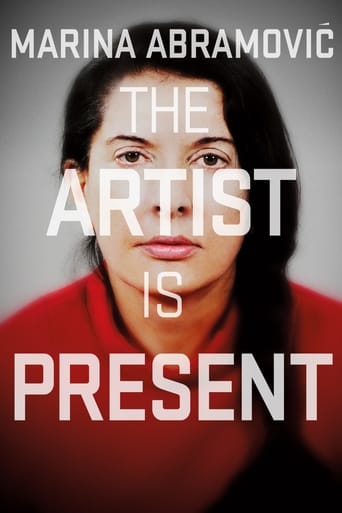
Performance artist Marina Abramovic prepares for a major retrospective of her work at the Museum of Modern Art in New York.

A compilation of over 30 years of private home movie footage shot by Lithuanian-American avant-garde director Jonas Mekas, assembled by Mekas "purely by chance", without concern for chronological order.
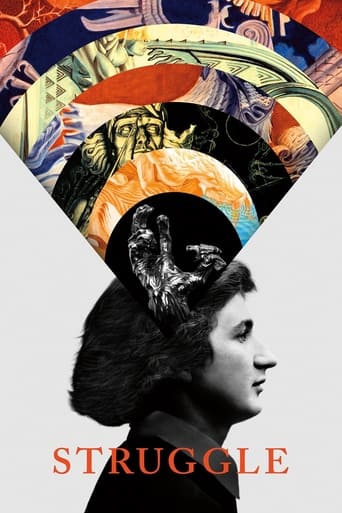
Artists in LA discover the work of forgotten Polish sculptor Stanislav Szukalski, a mad genius whose true story unfolds chapter by astounding chapter.

In the Realms of the Unreal is a documentary about the reclusive Chicago-based artist Henry Darger. Henry Darger was so reclusive that when he died his neighbors were surprised to find a 15,145-page manuscript along with hundreds of paintings depicting The Story of the Vivian Girls, in What is Known as the Realms of the Unreal, of the Glodeco-Angelinnian War Storm, Cased by the Child Slave Rebellion.
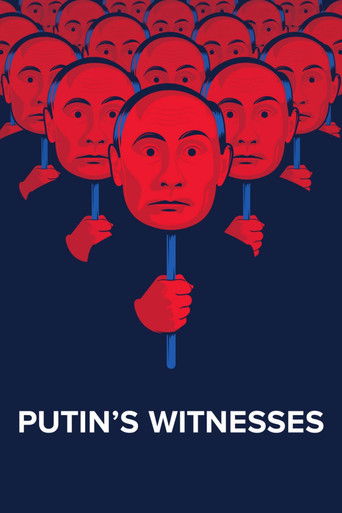
Russian Federation, December 31, 1999. After President Boris Yeltsin's unexpected resignation, Prime Minister Vladimir Putin becomes acting president of the country. From that day and for a year, Vitaly Mansky's camera documented Putin's rise to power. The story of a privileged witness. The harsh explanation of the reason why politics is the art of possibility of achieving the best with the support of many, but also of giving the worst in return.

A documentary on the expletive's origin, why it offends some people so deeply, and what can be gained from its use.
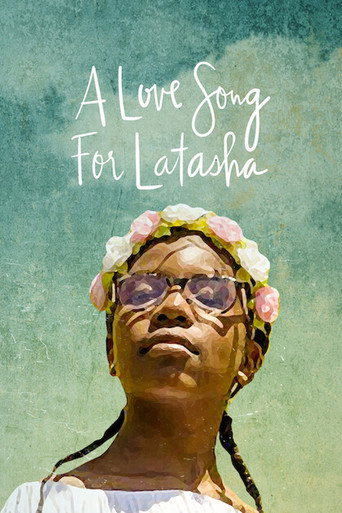
A dreamlike conversation with the past and the present, reimagining Latasha Harlins' story by excavating intimate memories shared by those who loved her.

A 1993 documentary film about Bruce Lee. The film includes interviews from some of his fellow students and opponents who worked alongside him in his movies.
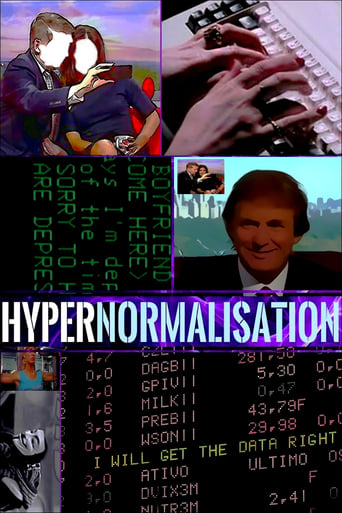
We live in a world where the powerful deceive us. We know they lie. They know we know they lie. They do not care. We say we care, but we do nothing, and nothing ever changes. It is normal. Welcome to the post-truth world. How we got to where we are now…

Al Pacino's deeply-felt rumination on Shakespeare's significance and relevance to the modern world through interviews and an in-depth analysis of "Richard III."
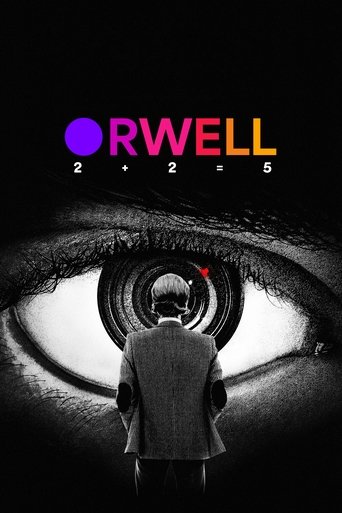
George Orwell was one of the most visionary authors of the 20th century, whose novels 1984 and Animal Farm foretold a chilling, authoritarian future. Acclaimed director Raoul Peck interweaves clips, readings from Orwell's diary, cinematic references, and modern-day footage to craft not only a portrait of the writer, but a fresh take on how prophetic his work has become.

The history of cinematic sound, told by legendary sound designers and visionary filmmakers.

“The Soviet Story” is a story of an Allied power, which helped the Nazis to fight Jews and which slaughtered its own people on an industrial scale. Assisted by the West, this power triumphed on May 9th, 1945. Its crimes were made taboo, and the complete story of Europe’s most murderous regime has never been told. Until now...
Similar titles
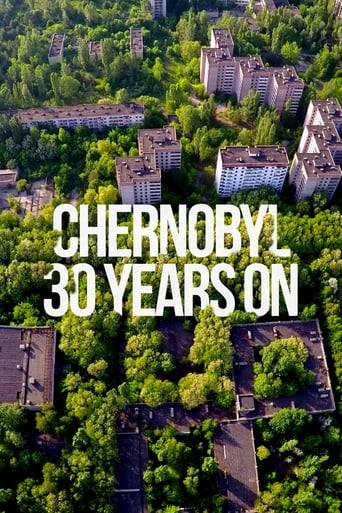
Thirty years after the Chernobyl disaster, which occurred on the night of April 26, 1986, its causes and consequences are examined. In addition, a report on efforts to strengthen the structures covering the core of the nuclear plant in order to better protect the population and the environment is offered.
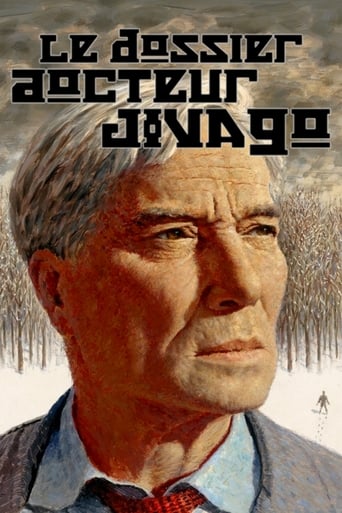
As Russian writer Boris Pasternak (1890-1960) thinks it is impossible that his novel Doctor Zhivago is published in the Soviet Union, because it supposedly shows a critical view of the October Revolution, he decides to smuggle several copies of the manuscript out of the country. It is first published in 1957 in Italia and the author receives the Nobel Prize in Literature in 1958, which has consequences.
An examination of the life of great Russian author Leo Tolstoy, who penned the 1877 novel Anna Karenina.
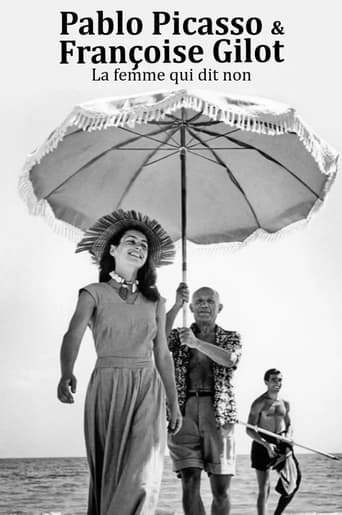
Painter Françoise Gilot shared Pablo Picasso's life from 1943 to 1953. This union nourished their respective artistic creations.

St. Petersburg, Russia, December 30th, 1916. Grigori Rasputin is assassinated. The story of the humble peasant who became the most influential adviser to czarina Alexandra Feodorovna, wife of the last czar, Nicholas II Romanov.

The story of Russian writer and Soviet dissident Aleksandr Solzhenitsyn (1918-2008) and his masterpiece, The Gulag Archipelago, published in Paris in 1973, which forever shook the very foundations of communist ideology.
A manufactured memory.
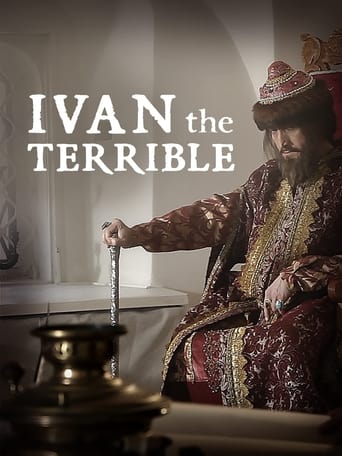
Ivan, first tsar of Russia. History will remember him as "the Terrible. Russian people love him for centuries. He liberates Russia from foreign oppressors, demands absolute obedience and loyalty in order to radically modernise Russia? Ivan IV, Grand Duke of Moscow, first Tsar of Russia by the grace of God. A madman? A sadist?
A short film by Barry Lowe and Dino Mahoney, starring Pauline Burton as Anna. The film is an introduction to the great Soviet era modernist poet, Anna Akhmatova; shot in winter in Saint Petersburg (Leningrad), it contains rare interviews with people who knew her, academics, and dramatized readings of some of her poems.
Russia, 1917. After the abdication of Czar Nicholas II Romanov, the struggle for power confronts allies, enemies, factions and ideas; a ruthless battle between democracy and authoritarianism that will end with the takeover of the government by Vladimir Lenin and the Bolsheviks.

Manet is one of the main candidates for the title of the most important artist there has been. As the reluctant father of Impressionism, and the painter of Dejeuner sur l'herbe, he can probably be accused of inventing modern art. But his story is fascinating on many other levels. As a piece of compelling biography, Manet's is the unlikely tale of the stubborn son of the most highly placed judge in France who decides to become an artist and embarrass his father. The resulting family tensions are the stuff of legend. Then there was Manet's dramatic private life, including exotic romantic affairs and a particularly horrible death. Always cited as the father of the Impressionists, Manet stubbornly refused to show with them, and was careful to maintain an aesthetic distance from Monet, Renoir and the others. While they worshipped him, he looked down on them.
The extraordinary life and career of the Russian chess grandmaster Garry Kasparov, a brilliant and charismatic, but also rebellious, favorite son of the Soviet Union.

A brief overview of the work of the great Russian architect Konstantin Melnikov, with a focus on the famous Melnikov House in Moscow’s Krivoarbatsky Lane and the problems faced by modern architects, echoing Melnikov’s troubles in the era of Stalinist architecture.

October 23-26, 2002 – one of the many bloody periods in the modern history of Russia. And the most terrible days for people whose relatives and friends have become a bargaining chip in this tragedy. What were all these lives worth, cut short overnight by a horrific crime? What do the fates of the survivors mean to a state that ignores their pain? What do they mean to a people for whom "NORD-OST" is just a terrible combination of words?

A two-part documentary about the fraught relationship between Russian writer Viktor Shklovsky and émigré linguist Roman Jakobson.

J Fever, China’s greatest “rap poet”, reinvents the origin myth of fire, in an exquisite performance with Shanghai Philharmonic in Shanghai Concert Hall, featuring composer Soulspeak and Yehaiyahan.

Narrated by David McCullough, this program examines the infamous Entartete Kunst (degenerate art) exhibition mounted by the Nazis in Munich in 1937 and their far-reaching attacks on avant-garde art in Germany. Witness compelling footage of Nazi book burnings, and of the exhibition itself. Includes interviews with historians, art critics, and eyewitnesses to the events that dramatize this powerful story of the Nazis' assault on modern culture.