
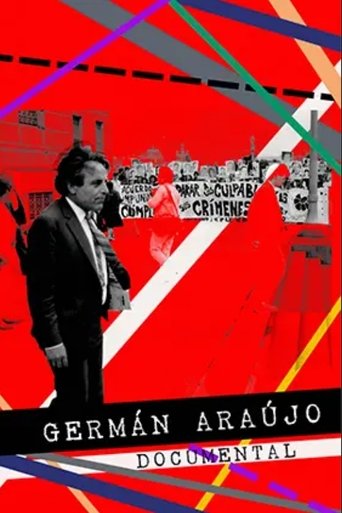
Germán Araújo
2025-10-30 · 107 min · Not rated
In Germán Araujo, director Aldo Novick revives the memory of a journalist who defied censorship during one of Uruguay's darkest periods. Through previously unseen archival footage, testimonies, and music, the film honors the courage of those who reported the truth when it was risky. This powerful documentary is shaping up to be one of the most important Uruguayan film releases of the year.
Trailers are previews, not full movies.
No authorized playback source configured. Use the legal watch options below.
Production details
- Directors
- Aldo Novick
- Production companies
- Unavailable
- Countries
- Uruguay
- Status
- Released
Top Cast
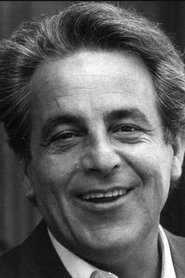 José Germán AraújoHimself (archival footage)
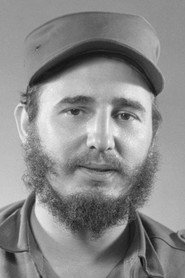 Fidel CastroHimself (archival footage)
Title information and images are supplied by TMDb. Explore our discovery guide for advice on comparing metadata and legal viewing options.
Where to watch
Availability provided by JustWatch via TMDb. Offers can change. Provider links are listed on TMDb; full playback requires a separately authorized source.
Availability not listed for this country.
Seasons & episodes
Recommendations
A road trip across five countries to explore the social and political movements as well as the mainstream media's misperception of South America while interviewing seven of its elected presidents.
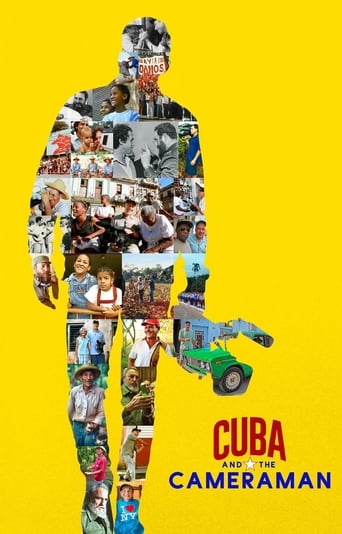
This revealing portrait of Cuba follows the lives of Fidel Castro and three Cuban families affected by his policies over the last four decades.
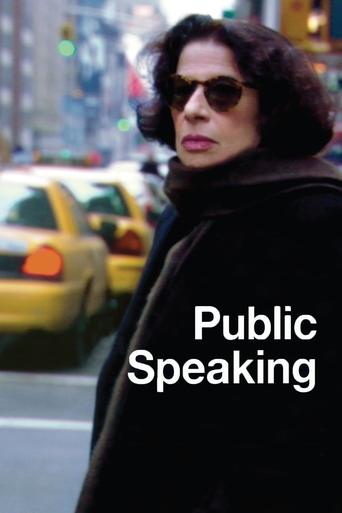
Martin Scorsese’s portrait of writer and social commentator Fran Lebowitz, celebrated for her sharp wit and observations on modern life. Filmed at New York’s Waverly Inn and intercut with archival footage and interviews, the documentary captures Lebowitz’s distinctive worldview through her spontaneous monologues and public appearances.
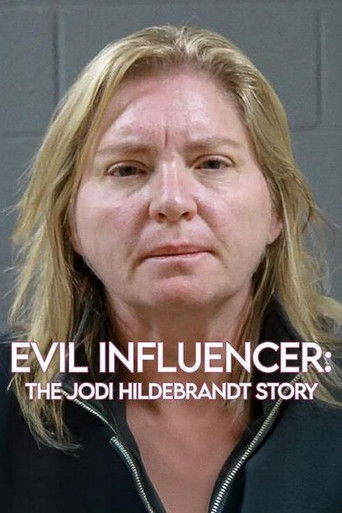
Unravel the case of Utah therapist Jodi Hildebrandt, whose child abuse arrest with parenting YouTuber Ruby Franke exposed a twisted tale of manipulation.

A documentary on the expletive's origin, why it offends some people so deeply, and what can be gained from its use.

A compilation of over 30 years of private home movie footage shot by Lithuanian-American avant-garde director Jonas Mekas, assembled by Mekas "purely by chance", without concern for chronological order.

When Allied forces liberated the Nazi concentration camps in 1944-45, their terrible discoveries were recorded by army and newsreel cameramen, revealing for the first time the full horror of what had happened. Making use of British, Soviet and American footage, the Ministry of Information’s Sidney Bernstein (later founder of Granada Television) aimed to create a documentary that would provide lasting, undeniable evidence of the Nazis’ unspeakable crimes. He commissioned a wealth of British talent, including editor Stewart McAllister, writer and future cabinet minister Richard Crossman – and, as treatment advisor, his friend Alfred Hitchcock. Yet, despite initial support from the British and US Governments, the film was shelved, and only now, 70 years on, has it been restored and completed by Imperial War Museums under its original title "German Concentration Camps Factual Survey".

A visual montage portrait of our contemporary world dominated by globalized technology and violence.

Ranjit, a farmer in India, takes on the fight of his life when he demands justice for his 13-year-old daughter, the victim of a brutal gang rape. His decision to support his daughter is virtually unheard of, and his journey unprecedented.
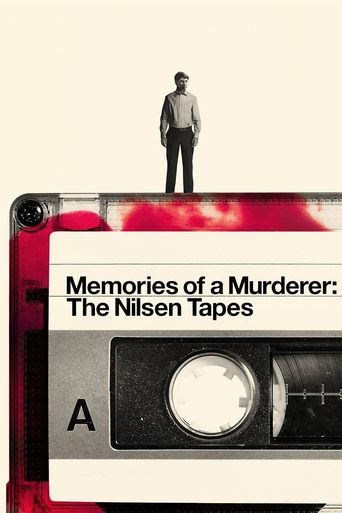
Serial killer Dennis Nilsen narrates his life and horrific crimes via a series of chilling audiotapes recorded from his jail cell.

Documentary filmmaker Amy Berg investigates the life of 30-year pedophile Father Oliver O'Grady and exposes the corruption inside the Catholic Church that allowed him to abuse countless children. Victims' stories and a disturbing interview with O'Grady offer a view into the troubled mind of the spiritual leader who moved from parish to parish gaining trust ... all the while betraying so many.
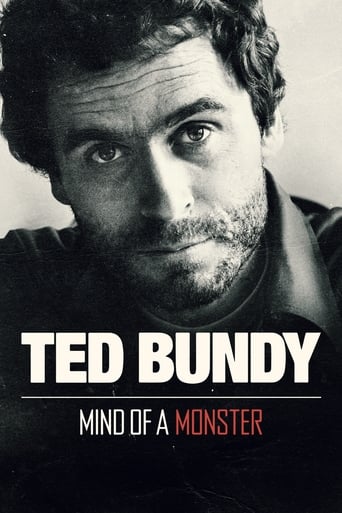
New exclusive access and never before heard testimony gives a unique insight into the mind of America's most notorious serial killer, Ted Bundy. Breathtaking archive from the time and the voice of Bundy himself, reveals the monster inside the man.
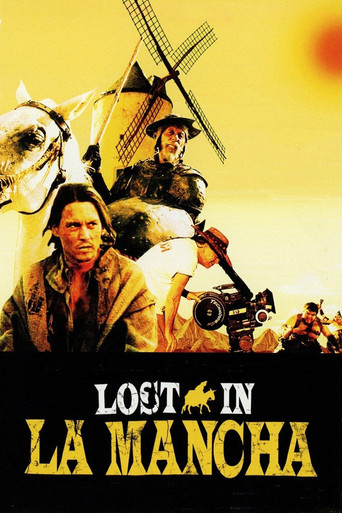
Fulton and Pepe's 2000 documentary captures Terry Gilliam's attempt to get The Man Who Killed Don Quixote off the ground. Back injuries, freakish storms, and more zoom in to sabotage the project.
The courtroom and publicity battles between the superstar wrestler and the notorious website explode in a sensational trial all about the limits of the First Amendment and the new no holds barred nature of celebrity life in an internet dominated society.

Alexander McQueen's rags-to-riches story is a modern-day fairy tale, laced with the gothic. Mirroring the savage beauty, boldness and vivacity of his design, this documentary is an intimate revelation of McQueen's own world, both tortured and inspired, which celebrates a radical and mesmerizing genius of profound influence.
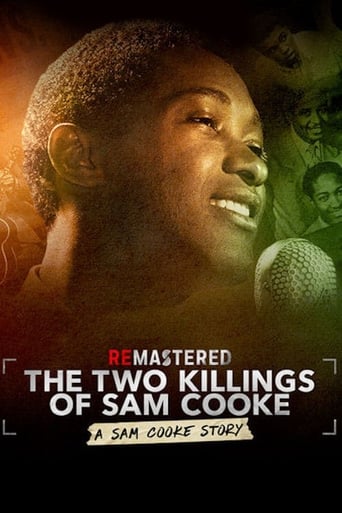
This investigation examines the mysterious shooting of soul icon Sam Cooke, whose death silenced one of the most vital voices in the civil rights movement.
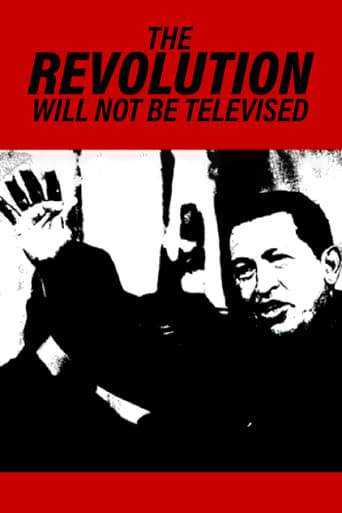
Hugo Chavez was a colourful, unpredictable folk hero who was beloved by his nation’s working class. He was elected president of Venezuela in 1998, and proved to be a tough, quixotic opponent to the power structure that wanted to depose him. When he was forcibly removed from office on 11 April 2002, two independent filmmakers were inside the presidential palace.
Legendary journalist Gay Talese unmasks a motel owner who spied on his guests for decades. But his bombshell story soon becomes a scandal of its own.

A detailing of the rise to prominence and global sporting superstardom of six supremely talented young Manchester United football players (David Beckham, Nicky Butt, Ryan Giggs, Paul Scholes, Phil and Gary Neville). The film covers the period 1992-1999, culminating in Manchester United's European Cup triumph.
Thirty-four days before she's sent to prison, notorious Silicon Valley founder Elizabeth Holmes invites a skeptical film crew to document her every move. What begins as an intimate portrait of an enigmatic felon becomes a mind-bending three-year journey into the abyss.
Similar titles
The Falklands War began on April 2, 1982, with the Argentine landing on the islands ordered by Leopoldo Fortunato Galtieri, and culminated with the cessation of hostilities between Argentina and the United Kingdom of Great Britain on June 14, 1982. Through dynamic editing and the use of archival materials, the documentary considers the war as part of our recent past, but also opens up multiple questions and reflections on contemporary society and the future projection of what such a conflict generates for us Argentines.
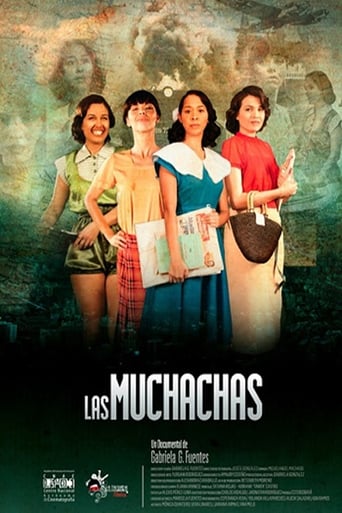
Four lucid grandmothers tell their story forgotten by history: the militancy and resistance of the young women of the leftist youth against the dictatorship of Marcos Pérez Jiménez.


A documentary about the Staatsoper Stuttgart (Stuttgart State Opera) in Germany.

The documentary tells the story of the Memory Forest, located in the Faculty of Social Sciences of the National University of San Juan. The short film shows some of its protagonists; Margarita Camus, Diego Fiol, Alicia Ruso, Cristina De Santis and Carlos Rodríguez, who met again in the place where the idea of creating this space for the memory of the detained-disappeared people in the last civil-military dictatorship was born. The piece was filmed entirely at the Faculty of Social Sciences and is the only high-resolution record of the history of the Forest and the testimony of its protagonists.
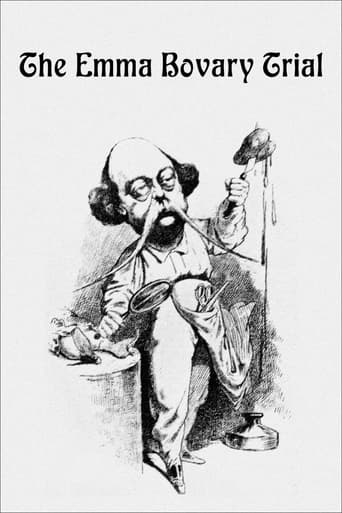
On January 31, 1857, the French writer Gustave Flaubert (1821-80) took his place in the dock for contempt of public morality and religion. The accused, the real one, is, through him, Emma Bovary, heroine with a thousand faces and a thousand desires, guilty without doubt of an unforgivable desire to live.
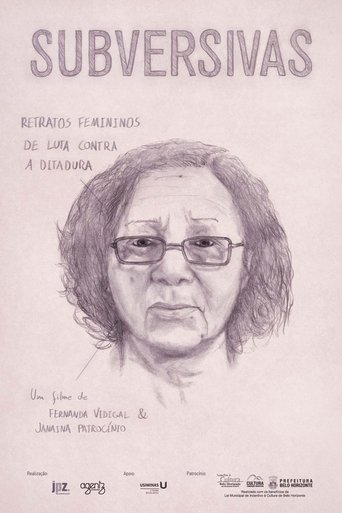
"Subversivas" is a documentary that reveals the brazilian military dictatorship from the perspective of women. Teresa Angelo, Gilse Cosenza, Thereza Vidigal, Angela Pezzuti and Delsy Gonçalves joined the resistance to the military regime in different ways. Their memories bring out events that marked that time and their life. These statements reveal their effort for freedom and democracy not only in political actions, but also in their family, work and everyday relationships, imbued with a belief and search for a fair and free country.
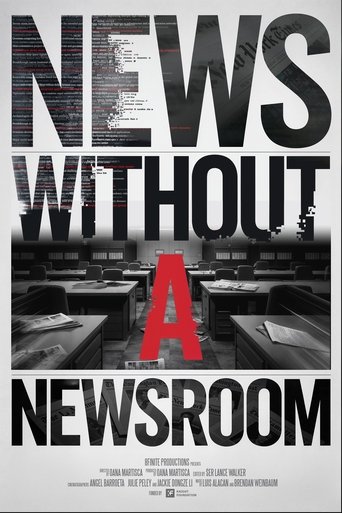
As local newsrooms vanish, "News Without a Newsroom" explores journalism's uncertain future in the digital age. Through powerful stories and expert insights, the film examines the collapse of traditional media, the rise of misinformation, and the fight to preserve truth, trust and accountability in an era of disruption.
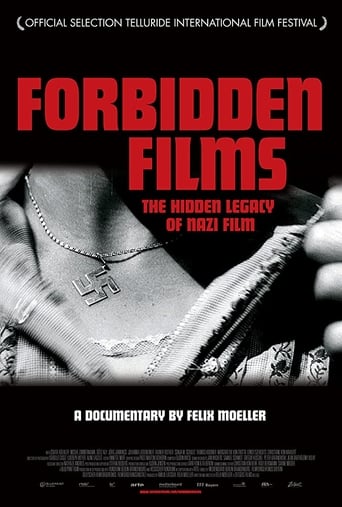
Between 1933 and 1945 roughly 1200 films were made in Germany, of which 300 were banned by the Allied forces. Today, around 40 films, called "Vorbehaltsfilme", are locked away from the public with an uncertain future. Should they be re-released, destroyed, or continue to be neglected? Verbotene Filme takes a closer look at some of these forbidden films.
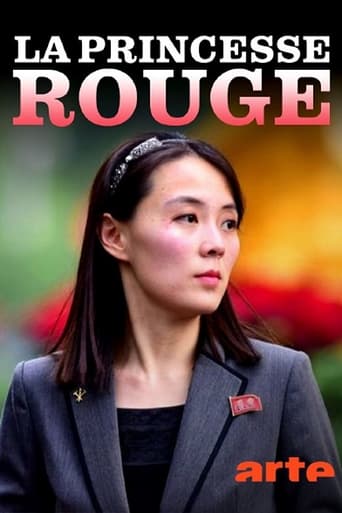
Who is Kim Yo-jong? In a context of maximum tensions between North Korea and the United States, Pierre Haski paints an unprecedented portrait of the little sister of Kim Jong-un, whose influence in Pyongyang is growing stronger day by day.

Combines archival material with half unpublished images recorded during the election campaign, the post-election conflict and the period of Andrés Manuel López Obrador.

Long ago, Geamăna was a Romanian village in the Apuseni Mountains, home to about 1000 people. Today, only the church spire rises from the poisonous mud of a neighbouring copper mine. Almost all the houses have sunk and their inhabitants fled. On the edge of the past, Valeria Praţa strives for her present - and is threatened by the future.
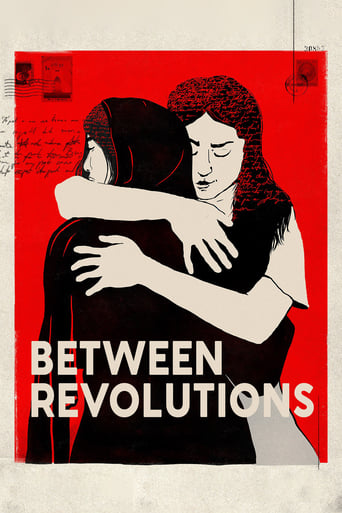
A semi-fictional correspondence between two women: one goes to Iran in 1979 to topple the Shah; the other experiences the onerous years of Ceaușescu’s Romania. Their biographies run in parallel via images of everyday life and videograms of revolution.

In the form of a gripping social thriller, Saeed Roustayi's "The Law of Tehran" (2019) offers a striking insight into the war declared on drug traffickers by the authorities. We look back at the making of a film that revealed the extent of the drug scourge in Iran today.
"Impressões" rescues the history of the Brazilian press since 1808, when the "Correio Brasiliense" clandestinely reached Rio de Janeiro after being edited in London by Hipólito José da Costa, and spans until 1986. It's the first documentary to depict the history of the Brazilian journalistic press.


In 1950, America was in a state of panic. Juvenile delinquency was destroying the very fabric of society. Ninety percent of all children were reading comic books. In 1954, psychiatrist Dr. Fredric Wertham wrote a scathing indictment of comics called Seduction of the Innocent. Its central premise: Comic books were the leading contributing factor to juvenile delinquency. That same year, Dr. Wertham testified at special hearings on comic books at the Senate Subcommittee to Investigate Juvenile Delinquency in the United States. Comics were on trial. Diagram for Delinquents captures the zeitgeist of late 1940s and early 1950s America and investigates how the funny books found themselves on the fire. Using expert and comic book insider interviews, never seen before historical photographs and films, and animation, DIAGRAM goes further than any previous comic book documentary to explore and understand the controversial figure at the center of this American tale: Fredric Wertham.
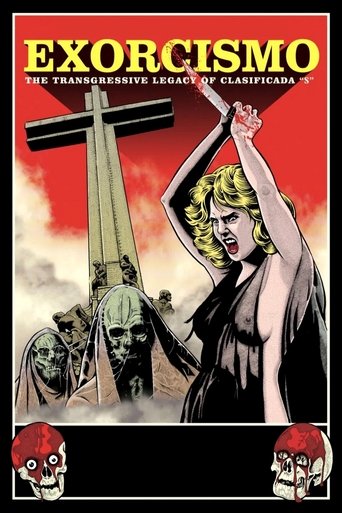
Spain, 1975. Franco's death opens the door to the possibility of uncensored cinema. After two years of relaxed censorship, it is abolished in 1977, and the “S” rating is created to protect viewers from films that may “offend their sensibilities.”