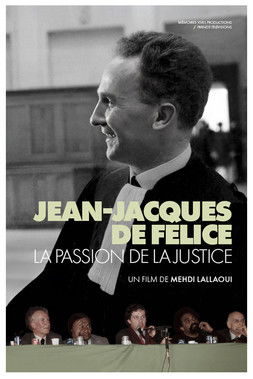
Jean-Jacques de Félice, The Passion For Justice
2018-10-27 · 52 min · ★ 10.0
From the rights of minors before the juvenile court, young offenders from the neighborhoods of eastern Paris, or children of Algerian origin from the shantytowns of Nanterre, to the defense of colonized Kanaks and Polynesians; from the fight for conscientious objector status to the denunciation of torture and the death penalty, lawyer Jean-Jacques de Félice has been involved in every struggle. His pacifism knows no bounds: with organizations like Cimade, LDH, and the Louis-Lecoin Committee, he assists draft dodgers in numerous countries. These include Portuguese conscientious objectors refusing to fight in the wars in Angola and Mozambique, American deserters opposed to the Vietnam War, and Israeli objectors refusing to serve in the Occupied Territories. It is no surprise that, as early as 1971, he was one of the very first lawyers representing the farmers of the Larzac plateau.
Trailers are previews, not full movies.
No authorized playback source configured. Use the legal watch options below.
Production details
- Directors
- Medhi Lallaoui
- Production companies
- France Télévisions, Mémoires Vives productions, CNC
- Countries
- France
- Status
- Released
Top Cast
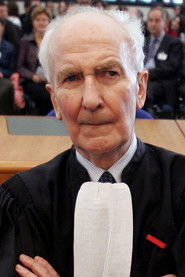 Jean-Jacques de FéliceSelf
 Nidoïsh NaisselineSelf (archive footage)
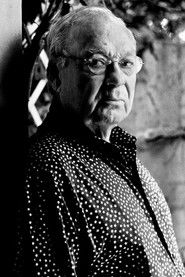 SinéSelf (archive footage)
 Henri AllegSelf
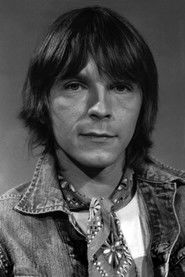 RenaudSelf (archive footage)
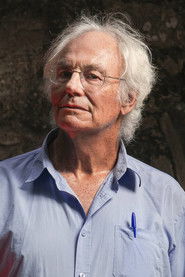 Alban BensaSelf
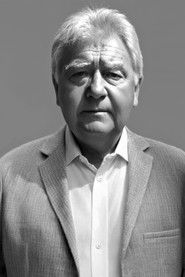 Jean BraireSelf
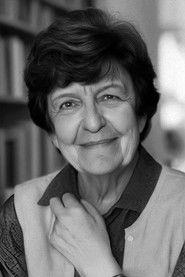 Madeleine RebériouxSelf
Title information and images are supplied by TMDb. Explore our discovery guide for advice on comparing metadata and legal viewing options.
Where to watch
Availability provided by JustWatch via TMDb. Offers can change. Provider links are listed on TMDb; full playback requires a separately authorized source.
Availability not listed for this country.
Seasons & episodes
Recommendations
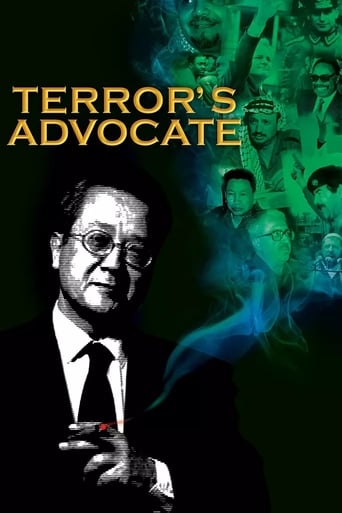
A documentary on Jacques Vergès, the controversial lawyer and former Free French Forces guerrilla, exploring how Vergès assisted, from the 1960s onwards, anti-imperialist terrorist cells operating in Africa, Europe, and the Middle East. Participants interviewed include Algerian nationalists Yacef Saadi, Zohra Drif, Djamila Bouhired and Abderrahmane Benhamida, Khmer Rouge members Nuon Chea and Khieu Samphan, once far-left activists Hans-Joachim Klein and Magdalena Kopp, terrorist Carlos the Jackal, lawyer Isabelle Coutant-Peyre, neo-Nazi Ahmed Huber, Palestinian politician Bassam Abu Sharif, Lebanese politician Karim Pakradouni, political cartoonist Siné, former spy Claude Moniquet, novelist and ghostwriter Lionel Duroy, and investigative journalist Oliver Schröm.

In the Realms of the Unreal is a documentary about the reclusive Chicago-based artist Henry Darger. Henry Darger was so reclusive that when he died his neighbors were surprised to find a 15,145-page manuscript along with hundreds of paintings depicting The Story of the Vivian Girls, in What is Known as the Realms of the Unreal, of the Glodeco-Angelinnian War Storm, Cased by the Child Slave Rebellion.
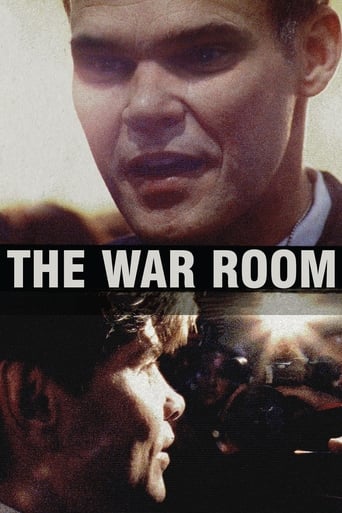
A behind-the-scenes documentary about the Clinton for President campaign, focusing on the adventures of spin doctors James Carville and George Stephanopoulos.
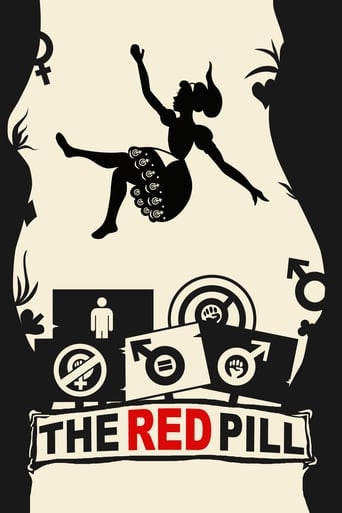
When a feminist filmmaker sets out to document the mysterious and polarizing world of the Men’s Rights Movement, she begins to question her own beliefs. Chronicling Cassie Jaye’s journey exploring an alternate perspective on gender equality, power and privilege.

Steve McQueen: The Man & Le Mans interweaves stunning newly discovered footage and voice recordings with original interviews. It is the true story of how a cinema legend would risk almost everything in pursuit of his dream.
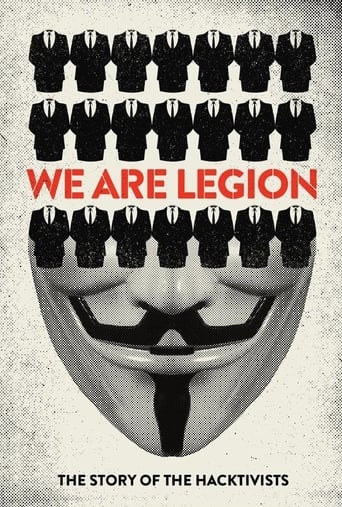
Takes us inside the world of Anonymous, the radical "hacktivist" collective that has redefined civil disobedience for the digital age. The film explores early hacktivist groups like Cult of the Dead Cow and Electronic Disturbance Theater, then moves to Anonymous' raucous beginnings on the website 4chan. Through interviews with current members, people recently returned from prison or facing trial, writers, academics, activists and major players in various "raids," the documentary traces Anonymous’ evolution from merry pranksters to a full-blown movement with a global reach, the most transformative civil disobedience of our time.
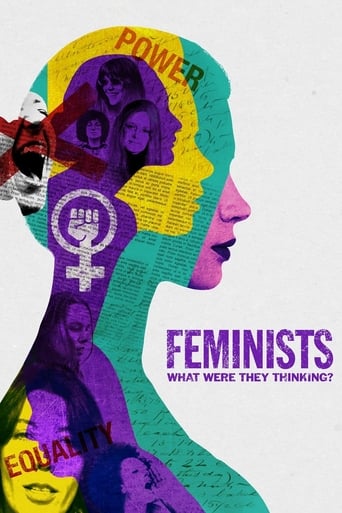
In 1977, a book of photographs captured an awakening - women shedding the cultural restrictions of their childhoods and embracing their full humanity. This documentary revisits those photos, those women and those times and takes aim at our culture today that alarmingly shows the need for continued change.
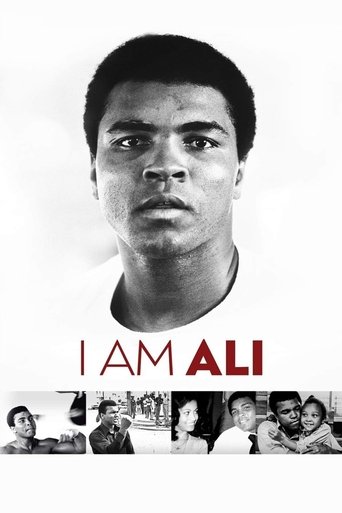
Unprecedented access to Muhammad Ali's personal archive of "audio journals" as well as interviews and testimonials from his inner circle of family and friends are used to tell the legend's life story.
Fox Rich, indomitable matriarch and modern-day abolitionist, strives to keep her family together while fighting for the release of her incarcerated husband. An intimate, epic, and unconventional love story, filmed over two decades.

A compilation of over 30 years of private home movie footage shot by Lithuanian-American avant-garde director Jonas Mekas, assembled by Mekas "purely by chance", without concern for chronological order.
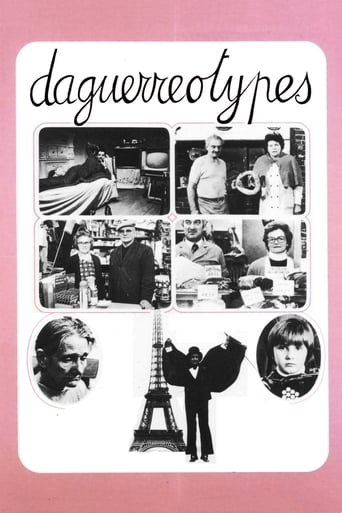
An intimate portrait of the small shops and shopkeepers of the Rue Daguerre in Paris, a picturesque street that has been the filmmaker’s home for more than 50 years.

A film shot during the summer of 1968 in Oakland, California around the meetings organised by the Black Panthers Party to free Huey Newton, one of their leaders, and to turn his trial into a political debate. They tried and succeeded in catching America’s attention.

A documentary on the expletive's origin, why it offends some people so deeply, and what can be gained from its use.
This documentary follows oceanographer Sylvia Earle's campaign to save the world's oceans from threats such as overfishing and toxic waste.

An unprecedented and intimate look at the life, work and enduring legacy of British actress Audrey Hepburn (1929-1993).
A comprehensive 12-part documentary on the making of "Spider-Man 2," covering everything from pre-production to premiere.

A 1993 documentary film about Bruce Lee. The film includes interviews from some of his fellow students and opponents who worked alongside him in his movies.
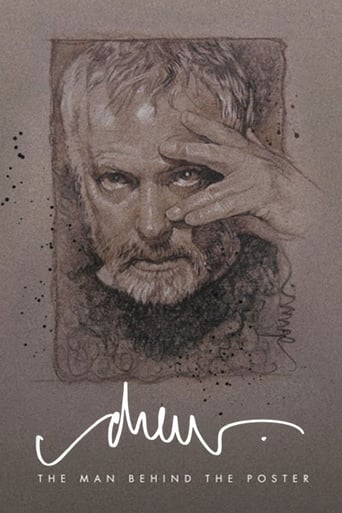
A documentary on legendary movie-poster artist Drew Struzan.
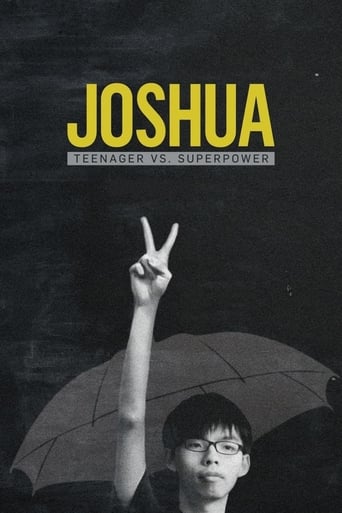
When the Chinese Communist Party backtracks on its promise of autonomy to Hong Kong, teenager Joshua Wong decides to save his city. Rallying thousands of kids to skip school and occupy the streets, Joshua becomes an unlikely leader in Hong Kong and one of China’s most notorious dissidents.
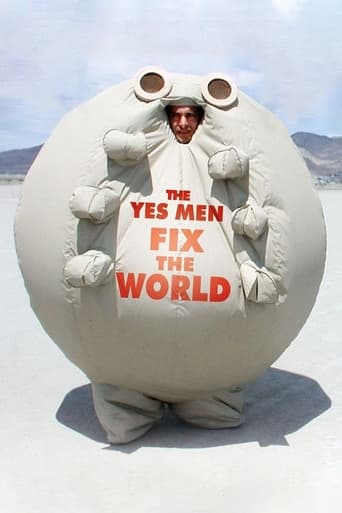
THE YES MEN FIX THE WORLD is a screwball true story about two gonzo political activists who, posing as top executives of giant corporations, lie their way into big business conferences and pull off the world's most outrageous pranks.
Similar titles
This 17-minute documentary is featured on the 3-Disc Criterion Collection DVD of The Battle of Algiers (1966), released in 2004. An in-depth look at the Battle of Algiers through the eyes of five established and accomplished filmmakers; Spike Lee, Steven Soderbergh, Oliver Stone, Julian Schnabel and Mira Nair. They discuss how the shots, cinematography, set design, sound and editing directly influenced their own work and how the film's sequences look incredibly realistic, despite the claim that everything in the film was staged .
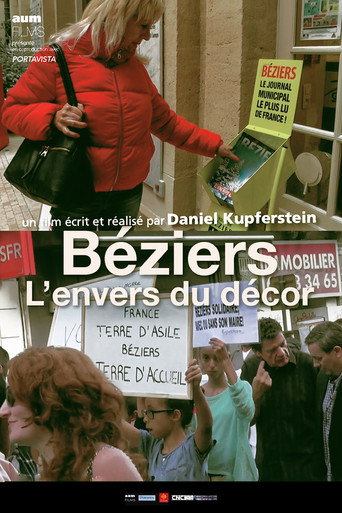
Structured in two parts, the film uses the municipal newspaper, Le Journal de Béziers (later renamed Le Journal du Biterrois), to examine the city's management by Robert Ménard, elected mayor in 2014 with the support of the National Rally. By meeting with residents and activists, the film reveals the "behind the scenes" of this southern French city. It shows how this newspaper shapes a political and ideological line for a fundamentalist Catholic France, rejecting Muslims, while simultaneously seeking to control and monitor all its inhabitants. A vision of the far right in power…


The award-winning filmmaker Peter Lilienthal is dedicated to this extremely poignant documentary of U.S. military policy and the living conditions of former resistance fighters in Latin America.
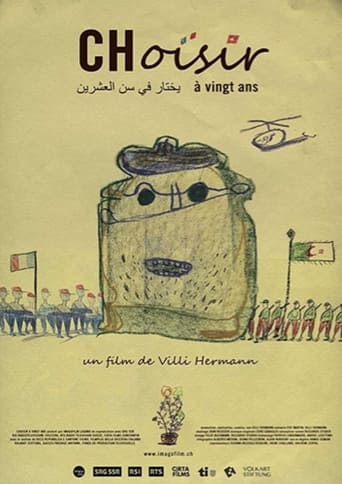
Between 1954-1962, one hundred to three hundred young French people refused to participate in the Algerian war. These rebels, soldiers or conscripts were non-violent or anti-colonialists. Some took refuge in Switzerland where Swiss citizens came to their aid, while in France they were condemned as traitors to the country. In 1962, a few months after Independence, Villi Hermann went to a region devastated by war near the Algerian-Moroccan border, to help rebuild a school. In 2016 he returned to Algeria and reunited with his former students. He also met French refractories, now living in France or Switzerland.

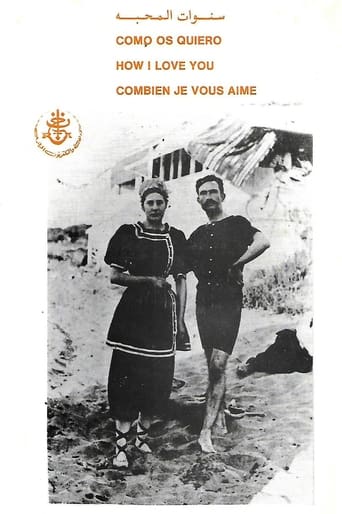
Beginning with a promotional reel encouraging farming investments in Algeria and ending with the secret 1950s nuclear tests that France conducted using Algerian prisoners, How Much I Love You appropriates archival footage produced by the French colonial powers in Algeria. Meddour’s approach is disarmingly simple and yet awe-inspiring—his caustic undoing of colonial discourse is underscored by a liberating release of humor.
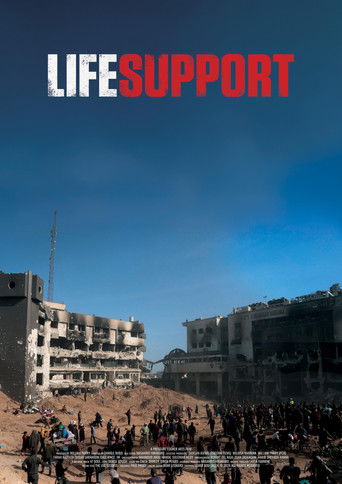
Since October 2023, Gaza has been sealed from the world-except for one group. International doctors breach the blockade, what they find is not just a humanitarian crisis, but a calculated dismantling of life itself.
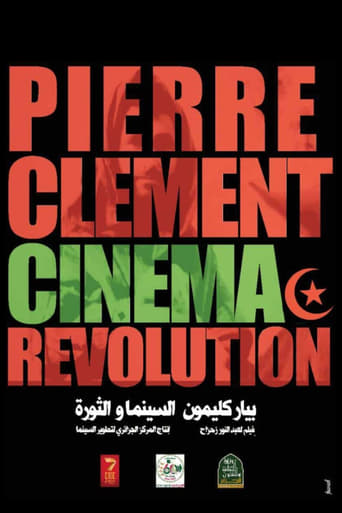
Pierre Clément, student and photographer of René Vauthier, first accompanied him to Tunisia to make a film on the country's independence in 1957. Destiny led him to Algeria and his presence in February 1958 at the Tunisian-Algerian border changed his life. . Forever. He took his camera and photographed the attacks on Sakia Sidi Youssef before committing himself body and soul to the Algerian cause. Shortly after, he directed the film “Algerian Refugees” before being arrested, tortured and imprisoned, while his third film, “The National Liberation Army in Almaki”, was not finished. Abdel Nour Zahzah, a director who commemorates Pierre Clément, the director who risked his life, the brother of the Algerian resistance, who disappeared in 2007.
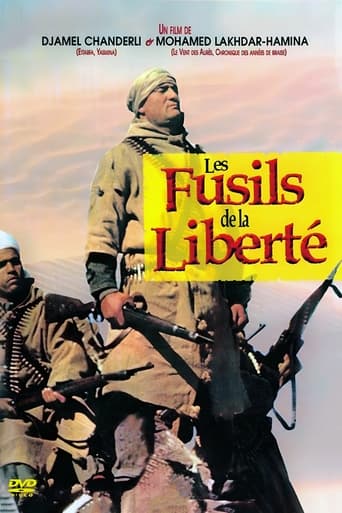
This docu-fiction recounts the difficulties overcome by an ALN detachment whose perilous mission is to transport weapons and ammunition from Tunisia across the Algerian Sahara during the Algerian liberation war (1954-1962) against the French army of occupation.
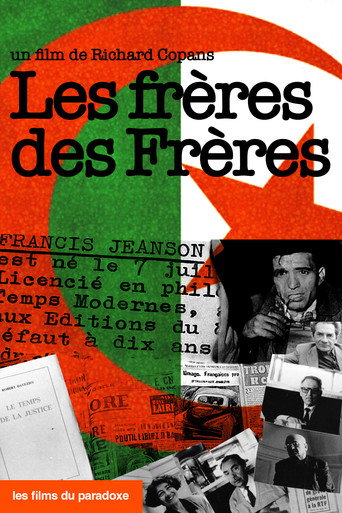
From 1954 to 1962, during the Algerian War, French citizens provided concrete assistance to the FLN in France: sheltering refugees, forging documents, facilitating border crossings, and transporting funds. Whether committed to the ideals of the Republic or driven by Third Worldist revolutionaries, they sought to build a bridge of friendship between nations. They paid for their commitment with imprisonment and exile. Four veterans of the Jeanson network recall this period. Today, they are no longer seen as traitors or heroes, but as witnesses recounting "their" war... Silent for 30 years, the "Jeanson network" now bears witness to this history.
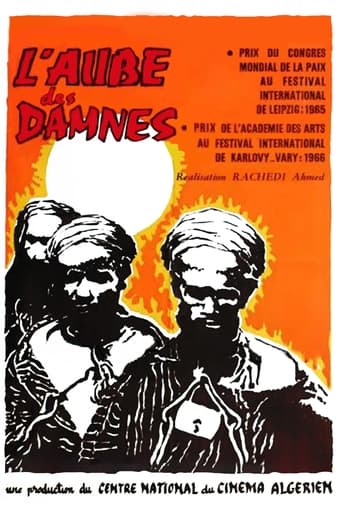
This excellent feature-length documentary - the story of the imperialist colonization of Africa - is a film about death. Its most shocking sequences derive from the captured French film archives in Algeria containing - unbelievably - masses of French-shot documentary footage of their tortures, massacres and executions of Algerians. The real death of children, passers-by, resistance fighters, one after the other, becomes unbearable. Rather than be blatant propaganda, the film convinces entirely by its visual evidence, constituting an object lesson for revolutionary cinema.
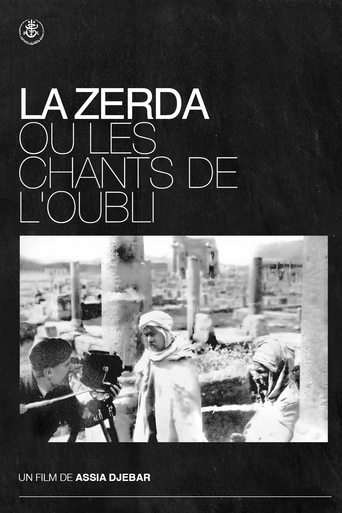
“La Zerda and the songs of oblivion” (1982) is one of only two films made by the Algerian novelist Assia Djebar, with “La Nouba des femmes du mont Chenoua” (1977). Powerful poetic essay based on archives, in which Assia Djebar – in collaboration with the poet Malek Alloula and the composer Ahmed Essyad – deconstructs the French colonial propaganda of the Pathé-Gaumont newsreels from 1912 to 1942, to reveal the signs of revolt among the subjugated North African population. Through the reassembly of these propaganda images, Djebar recovers the history of the Zerda ceremonies, suggesting that the power and mysticism of this tradition were obliterated and erased by the predatory voyeurism of the colonial gaze. This very gaze is thus subverted and a hidden tradition of resistance and struggle is revealed, against any exoticizing and orientalist temptation.

Long-lost footage from Elvis Presley's legendary Las Vegas residency in the 1970s woven together with rare 16mm footage from Elvis on Tour, and 8mm from the Graceland archive, plus recordings of Elvis telling "his side of the story" rediscovered during Baz Luhrmann's research for his 2022 film, Elvis.
Dramatization of Muir’s struggle to preserve our scenic wonders.
Sami reindeer herders win a Supreme Court victory against Europe’s largest wind farm - but when the state refuses to act, their fight reveals a deeper crisis of justice and trust.
In 1971, after being rejected by Hollywood, Bruce Lee returned to his parents’ homeland of Hong Kong to complete four iconic films. Charting his struggles between two worlds, this portrait explores questions of identity and representation through the use of rare archival footage, interviews with loved ones and Bruce’s own writings.

Inside the ACLU, five scrappy lawyers battle against the Trump administration’s historic assault on civil liberties - from separating families at the border, to rolling back transgender, reproductive, and voting rights.
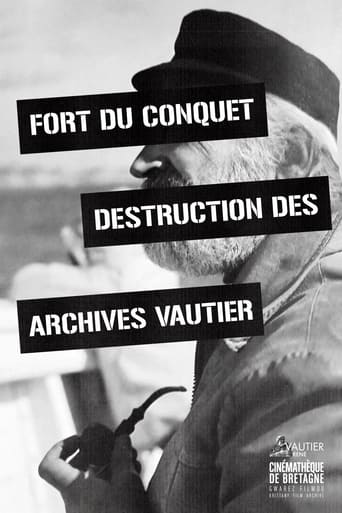
Resistance fighter under the occupation, committed to the FLN during the Algerian war, member of the Medvedkine group after May 1968 and defender of Breton autonomy, René Vautier was a committed filmmaker, author of an anti-colonialist work in which he denounces the repression, torture and racism. In 1983, René Vautier discovered, by the light of a flashlight, his films cut up and scattered at Fort du Conquet. Police also came to check the damage.