Words of Captain Scott
2012-03-30 · 47 min · Not rated
Words of Captain Scott uses readings of the diaries and letters of Captain Scott, his companions, and those of his Norwegian rival Roald Amundsen - to tell the story of their epic South Pole expedition in their own words.
Trailers are previews, not full movies.
No authorized playback source configured. Use the legal watch options below.
Production details
- Directors
- Paul Copeland
- Production companies
- ITV Studios
- Countries
- United Kingdom
- Status
- Released
Top Cast
 Leo BillHenry Bowers
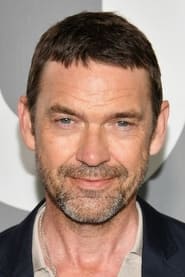 Dougray ScottCaptain Scott
 Alistair McGowanEdward Wilson
 Max IronsApsley Cherry-Garrard
 Charlotte RileyKathleen Scott
 Lars MikkelsenRoald Amundsen
Title information and images are supplied by TMDb. Explore our discovery guide for advice on comparing metadata and legal viewing options.
Where to watch
Availability provided by JustWatch via TMDb. Offers can change. Provider links are listed on TMDb; full playback requires a separately authorized source.
Availability not listed for this country.
Seasons & episodes
Recommendations

From the heights of her modeling fame to her tragic death, this documentary reveals Anna Nicole Smith through the eyes of the people closest to her.

A documentary on the expletive's origin, why it offends some people so deeply, and what can be gained from its use.

Over 35 years after Bob Lazar's revelations, this documentary exposes secrets of a facility the government still denies. Featuring Lazar's testimony, recreations, and new evidence, it reopens a case that continues to spark global curiosity
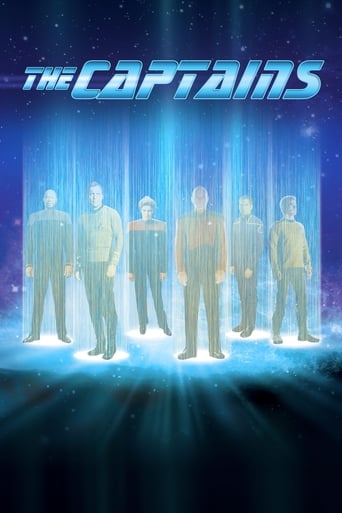
The Captains is a feature-length documentary film written and directed by William Shatner. The film follows Shatner as he interviews the other actors who have portrayed starship captains in the Star Trek franchise.

Director Michael Apted revisits the same group of British-born adults after a 7 year wait. The subjects are interviewed as to the changes that have occurred in their lives during the last seven years.

In an intimate and joyful story of love in the face of loss, celebrated poets Andrea Gibson and Megan Falley find strength—and unexpected hilarity—in what might be their final year together.

A documentary about the life and films of director John Ford.

This documentary focuses on the actors and their journey over two summers to create the remake to the original IT, by Stephen King. The documentary originally released as bonus material, bundled with IT: Chapter Two.
A look behind the lens of Christopher Nolan's space epic.
After another 7 year wait, director Michael Apted revisits the same group of British-born children from Seven Up! and 7 Plus Seven. The subjects are interviewed as to the changes that have occurred in their lives during the last seven years.

A documentary about ten very different lives connected by having appeared onscreen wearing masks or helmets in Star Wars.

The definitive 3½-hour documentary about the troubled creation and enduring legacy of the science fiction classic 'Blade Runner', culled from 80 interviews and hours of never-before-seen outtakes and lost footage.

The film follows adventurer Jeff Johnson as he retraces the epic 1968 journey of his heroes Yvon Chouinard and Doug Tompkins to Patagonia.
A documentary on the making of the three Godfather films, with interviews and recollections from the film makers and cast. This feature also includes the original screen tests of some of the actors for "The Godfather" film, and some candid moments on the set of "The Godfather: Part III."
Documentary on the Shackleton Antartic expedition. A retelling of Sir Ernest Shackleton's ill-fated expedition to Antarctica in and the crew of his vessel 'The Endurance', which was trapped in the ice floes and frigid open ocean of the Antarctic in 1914. Shackleton decided, with many of his crew injured and weak from exposure and starvation, to take a team of his fittest men and attempt to find help. Setting out in appalling conditions with hopelessly inadequate equipment, they endured all weather and terrain and finally reached safety. Persuading a local team of his confidence that the abandoned team would still be alive, he set out again to find them. After almost 2 years trapped on the ice, all members of the crew were finally rescued.
To mark the release two weeks ago of the eighth and final movie in the series, Robbie Coltrane narrates a countdown of the movie franchise's best moments. From Harry's first meeting with Ron and Hermione aboard the Hogwarts Express through to magical mysteries.
Part documentary, part concert film, part fever dream, this film captures the troubled spirit of America in 1975 and the joyous music that Dylan performed during the fall of that year.
Serial killer Dennis Nilsen narrates his life and horrific crimes via a series of chilling audiotapes recorded from his jail cell.
A group of British children aged 7 from widely ranging backgrounds are interviewed about a range of subjects. The filmmakers plan to re-interview them at 7 year intervals to track how their lives and attitudes change as they age.

A documentary about how a dominant cultural and demographic institution both sustains their traditional activities and adapts to the digital revolution.
Similar titles

How were the giant stone heads of Rapa Nui – also known as Easter Island – carved and raised, and why? Since Europeans arrived on this remote Pacific island over 300 years ago, controversy has swirled around the iconic ancient statues and the history of the people who created them. Now, a new generation of researchers is overturning old theories, revealing the rich history, innovation, and resilience of the Rapanui people, and uncovering intriguing new evidence about where they – and their practice of monumental stone building – came from.


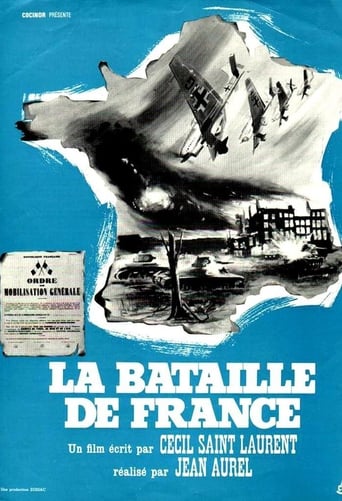
A montage of newscasts tracing the events of the "damned war" and the German invasion of 1940.
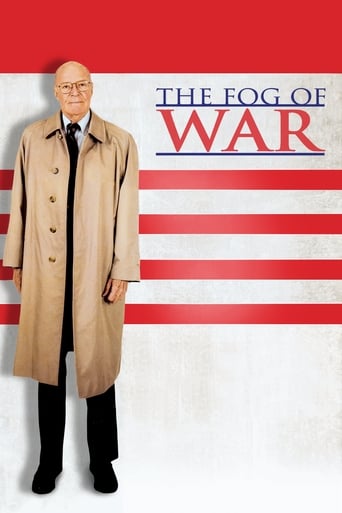
Former corporate whiz kid Robert McNamara was the controversial Secretary of Defense in the Kennedy and Johnson administrations, during the height of the Vietnam War. Augmented by archival footage and cabinet conversation recordings, Errol Morris gives the conflicted McNamara a platform on which he attempts to confront his and the U.S. government's actions in Southeast Asia in light of the horrors of modern warfare, the end of ideology and the punitive judgment of history.
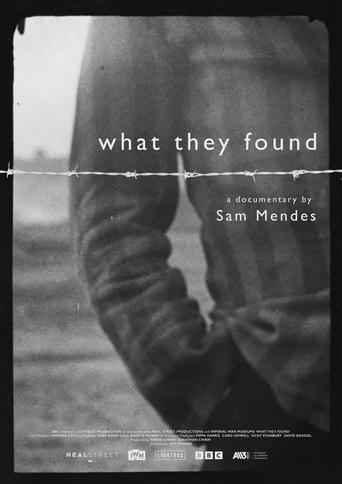
The story of two soldier-cameramen, Sgt Mike Lewis and Sgt Bill Lawrie, who witnessed the liberation of Belsen during the closing days of World War II.

More than 2.000 years ago, Narbonne in today's Département Aude was the capital of a huge Roman province in Southern Gaul - Gallia Narbonensis. It was the second most important Roman port in the western Mediterranean and the town was one of the most important commercial hubs between the colonies and the Roman Empire, thus the town could boast a size rivaling that of the city that had established it: Rome itself. Paradoxically, the town that distinguished itself for its impressive architecture, today shows no more signs of it: neither temples, arenas, nor theaters. Far less significant Roman towns like Nîmes or Arles are full of ancient sites. Narbonne today is a tranquil town in Occitania
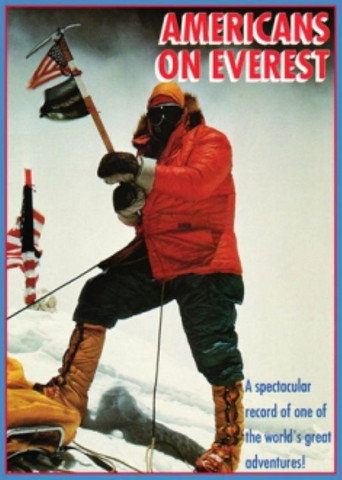
"In 1963, Swiss climber Norman Dyhrenfurth began 'a little war against a big mountain.' Leading 19 Americans, 32 Sherpas, and 909 porters carrying 27 tons of gear, Dyhrenfurth spearheaded the highly successful 1963 American Mount Everest Expedition for his adopted country. Jim Whittaker, accompanied by Nawang Gombu Sherpa made the first ascent by the Hillary-Tensing route. On May 22, Tom Hornbein and Willi Unsoeld made the first ascent by the unclimbed West Ridge. They descended by the South Col, making the first traverse of Everest. Orson Welles narrates the spectacular record, and the film includes the first ever filmed images from the summit."
Thirty years after the release of his film JFK (1991), filmmaker Oliver Stone reviews recently declassified evidence related to the assassination of President John F. Kennedy, which took place in Dallas on November 22, 1963.
Report on an expedition to Lake Edward in Central Africa.

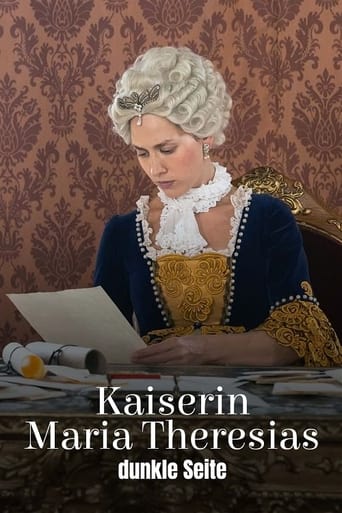
Shortly before Christmas 1744, Vienna, the center of power in the Habsburg Empire, is the scene of a disastrous drama with repercussions for the whole of Europe. Against the spirit of enlightenment and tolerance, the very young Maria Theresa orders the expulsion of the allegedly disloyal Jews from Prague.

In 1900, the eyes of the whole world are on Paris. The World's Fair welcomed 50 million amazed visitors, and the city celebrated itself in a glamorous era. This period went down in history as the "Belle Époque." Elaborately restored and colorized historical photographs bring to life the exciting life in Paris between the end of the 19th century and the beginning of World War I in 1914. Bicycles, cars, airplanes, moving pictures, newly founded film studios, revolutionary composers and painters, avant-garde ballet performances, fashion houses, summer resorts on the Atlantic coast – life was intoxicating. People celebrate in the variety shows, cabarets, and revue theaters of Paris. Moulin Rouge, Folies Bergères, Bal Tabarin—in Paris, the nights are long and life is too short to sleep through. It is a dance on the volcano, given the political developments in the world.
An insight into the life of a pygmy tribe.
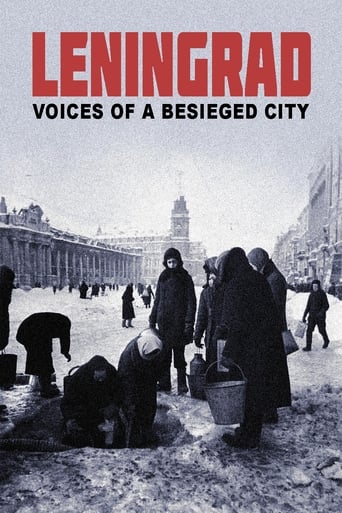
It was one of the great crimes of the Second World War: from 1941 to 1944, a total of 872 days, the siege and starvation of Leningrad by the German Wehrmacht on Hitler's orders lasted. Over a million people fell victim to the blockade, most of them dying of hunger. Countless of these starving people wrote diaries with the last of their strength, and cameramen filmed in the paralyzed city. Evidence from the hell of the siege, many of the film recordings, but above all the written memories on which this documentary on the occasion of the 80th anniversary of the liberation is based, remained under lock and key after the war. The voices of those who had suffered through this terrible time should not be heard by anyone, because they did not fit the pathos of the Leningrad heroic song that was officially sung. Most of the recordings come from women. The writers feared neither the enemy nor the Communist Party or Stalin, who often proved incompetent in providing for the population.