

The Meaning of Compassion
· 10 min · Not rated
Hortense McKay teaches the lesson of caring even in the worst of times.
Trailers are previews, not full movies.
No authorized playback source configured. Use the legal watch options below.
Production details
- Directors
- Cadence Porisch
- Production companies
- Cadence Film Projects
- Countries
- Unavailable
- Status
- Released
Top Cast
Cast unavailable.
Title information and images are supplied by TMDb. Explore our discovery guide for advice on comparing metadata and legal viewing options.
Where to watch
Availability provided by JustWatch via TMDb. Offers can change. Provider links are listed on TMDb; full playback requires a separately authorized source.
Availability not listed for this country.
Seasons & episodes
Recommendations

When Allied forces liberated the Nazi concentration camps in 1944-45, their terrible discoveries were recorded by army and newsreel cameramen, revealing for the first time the full horror of what had happened. Making use of British, Soviet and American footage, the Ministry of Information’s Sidney Bernstein (later founder of Granada Television) aimed to create a documentary that would provide lasting, undeniable evidence of the Nazis’ unspeakable crimes. He commissioned a wealth of British talent, including editor Stewart McAllister, writer and future cabinet minister Richard Crossman – and, as treatment advisor, his friend Alfred Hitchcock. Yet, despite initial support from the British and US Governments, the film was shelved, and only now, 70 years on, has it been restored and completed by Imperial War Museums under its original title "German Concentration Camps Factual Survey".

Oliver Stone charts the history of the United States from the Second World War to the present.

He's devoted his career to uncovering stories the powerful want buried. From My Lai to Abu Ghraib, dig into the life's work of journalist Seymour Hersh.

This documentary movie is about the battle of San Pietro, a small village in Italy. Over 1,100 US soldiers were killed while trying to take this location, that blocked the way for the Allied forces from the Germans. Preserved by the Academy Film Archive in 2005.

In an intimate and joyful story of love in the face of loss, celebrated poets Andrea Gibson and Megan Falley find strength—and unexpected hilarity—in what might be their final year together.

Cameramen and women discuss the craft and art of cinematography and of the "DP" (the director of photography), illustrating their points with clips from 100 films, from Birth of a Nation to Do the Right Thing. Themes: the DP tells people where to look; changes in movies (the arrival of sound, color, and wide screens) required creative responses from DPs; and, these artisans constantly invent new equipment and try new things, with wonderful results. The narration takes us through the identifiable studio styles of the 30s, the emergence of noir, the New York look, and the impact of Europeans. Citizen Kane, The Conformist, and Gordon Willis get special attention.
This Oscar-winning documentary recounts the harrowing stories of five Hungarian Jews who endured the horrors of the Holocaust and Hitler's reign.

Prelude to War was the first film of Frank Capra's Why We Fight propaganda film series, commissioned by the Pentagon and George C. Marshall. It was made to convince American troops of the necessity of combating the Axis Powers during World War II. This film examines the differences between democratic and fascist states.

Through deeply personal interviews with her siblings and an examination of the photographs, letters, and belongings left behind, Mariska assembles a new portrait of her mother Jayne Mansfield, an extraordinary and complex woman.

When Sgt. First Class Brian Eisch is critically wounded in Afghanistan, it sets him and his sons on a journey of love, loss, redemption and legacy.

The history of cinematic sound, told by legendary sound designers and visionary filmmakers.
Experience the events of September 11, 2001 through the eyes of President Bush and his closest advisors as they personally detail the crucial hours and key decisions from that historic day.

The life and career of one of comedy's most inimitable modern voices, Mr. Gilbert Gottfried.

A documentary about World War I with never-before-seen footage to commemorate the centennial of Armistice Day, and the end of the war.

From its distinctive neighborhoods to its architectural homes, Los Angeles has been the backdrop to countless movies. In this dazzling work, Andersen takes viewers on a whirlwind tour through the metropolis' real and cinematic history, investigating the myriad stories and legends that have come to define it, and meticulously, judiciously revealing the real city that lives beneath.
The life and career of the hailed Hollywood movie star and underappreciated genius inventor, Hedy Lamarr.
An in-depth investigation into the private world of the American writer J. D. Salinger (1919-2010), who lived most of his life behind the impenetrable wall of a self-imposed seclusion: how his dramatic experiences during World War II influenced his life and work, his relationships with very young women, his obsessive writing methods, his many literary secrets.
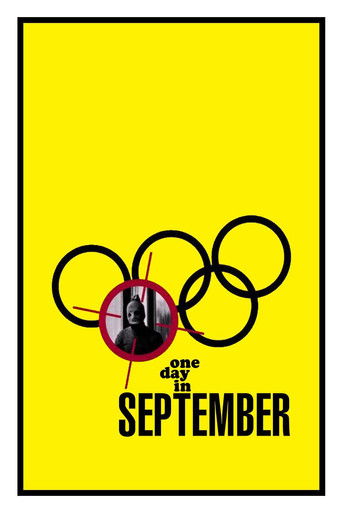
The full story of the 1972 Munich Olympics Massacre and the Israeli revenge operation 'Wrath of God.' The 1972 Munich Olympics were interrupted by Palestinian terrorists taking Israeli athletes hostage. Besides footage taken at the time, we see interviews with the surviving terrorist, Jamal Al Gashey, and various officials detailing exactly how the police, lacking an anti-terrorist squad and turning down help from the Israelis, botched the operation.
Documentary about the art of film editing. Clips are shown from many groundbreaking films with innovative editing styles.

“The Soviet Story” is a story of an Allied power, which helped the Nazis to fight Jews and which slaughtered its own people on an industrial scale. Assisted by the West, this power triumphed on May 9th, 1945. Its crimes were made taboo, and the complete story of Europe’s most murderous regime has never been told. Until now...
Similar titles
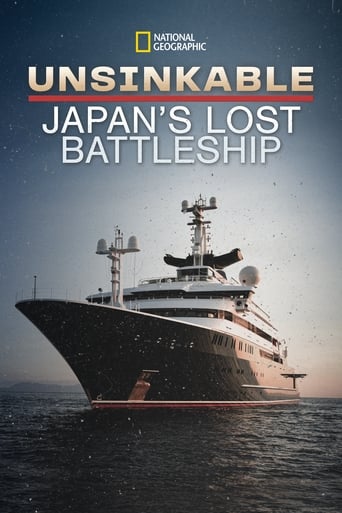
October 24, 1944, the world’s greatest battle at sea begins in the Philippines. Japan’s navy gambles on a decisive victory against the United States to turn the tide of World War II. Instead, Musashi, its top-secret super battleship, ends up at the bottom of the ocean.
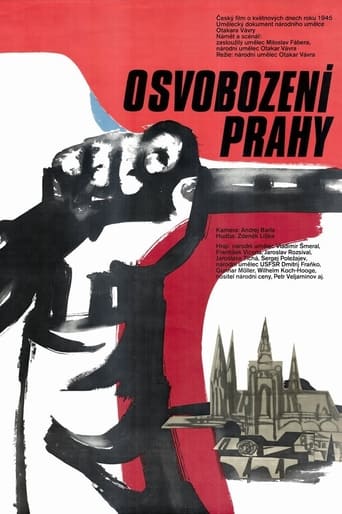
On 20th of April 1945 the Soviet army launches its attack on Berlin. The end has come for Nazi Germany and Hitler decides to commit suicide. In Prague K.H. Frank (Nazi Secretary of State and Chief of police in the Protectorate of Bohemia a Moravia) discusses with his commanders how to transform the city into an impregnable fortress, but the Praguers do not intend to wait any longer. From the early hours of 4th of May people start assembling in the streets and tearing down German signs. On the next day, the 5th of May, the uprising begins.
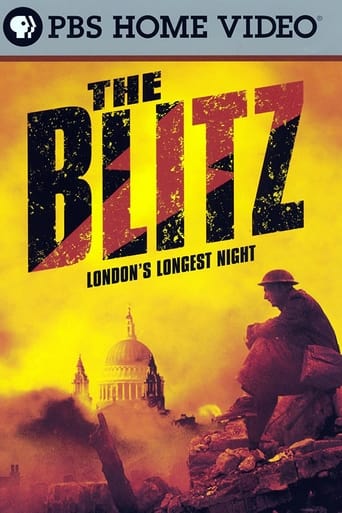
Details the German bombing of London the night of the 29th of December, in 1940.
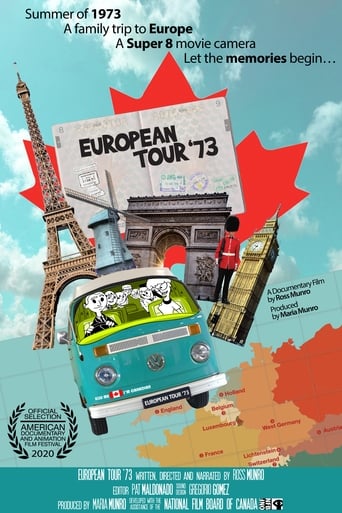
A 15 minute documentary utilizing archival Super 8 film footage and original animation about a father fulfilling his dream of reconnecting his 5 small children to the steps of his own father when he fought for the Canadian military in WW2 through a trip to Europe in 1973.

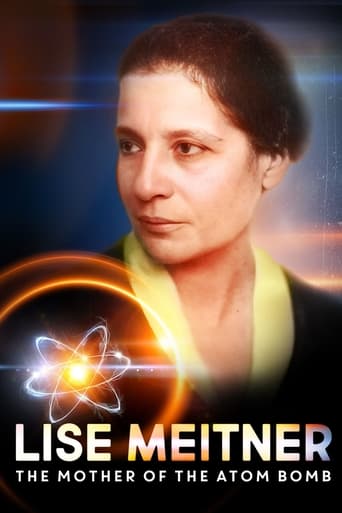
To historians, physicist Lise Meitner deserves to be placed on a par with Einstein, Heisenberg and Otto Hahn. In the 1930s on the verge of World War II, she led a small group of scientists who discovered that splitting the atomic nucleus of uranium releases enormous energy. This extraordinary film tells the story of a woman who was far ahead of her time as a scientist and a pioneer of feminism.

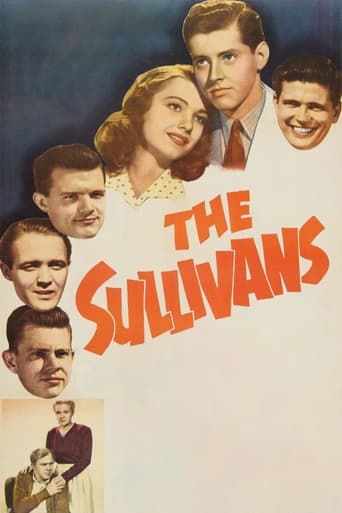
The lives of a close-knit group of brothers growing up in Iowa during the days of the Great Depression and of World War II and their eventual deaths in action in the Pacific theater are chronicled in this film based on a true story.
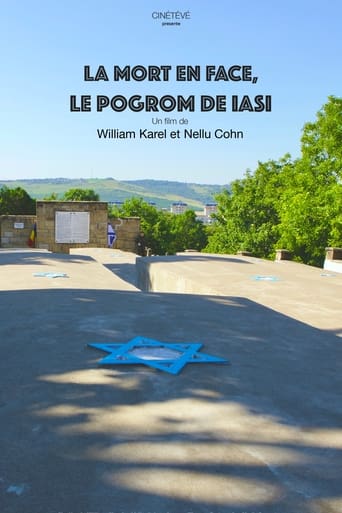
In Iasi, Romania, from June 28 to July 6, 1941, nearly 15 000 Jews were murdered in the course of a horrifying pogrom. At the time, the programmed extermination of European Jews had not yet began. After the war, the successive communist governments did all they could to ensure the Iasi pogrom would be forgotten. It was not until November of 2004 that Romania recognized for the first time its direct responsibility in the pogrom. All that remains of this massacre are about a hundred photographs taken as souvenirs by german and romanian soldiers, and a few remaining survivors.
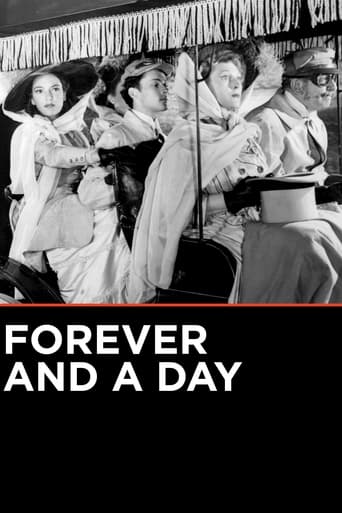
In World War II, American Gates Trimble Pomfret is in London during the Blitz to sell the ancestral family house. The current tenant, Leslie Trimble, tries to dissuade him from selling by telling him the 140-year history of the place and the connections between the Trimble and Pomfret families.

Explore the history of the world's most famous battleship, the USS Missouri, with this revealing documentary that chronicles the ship's distinguished career that spanned more than 50 years of service. Narrated by decorated Navy officer Wes Carey, this portrait combines archival film footage, photographs and personal accounts to paint a vivid picture of the celebrated ship, affectionately known as "Mighty Mo."
From empire to ashes-Japan's rise, war, and reckoning. A gripping journey through ambition, conflict, and the cost of a nation's destiny.
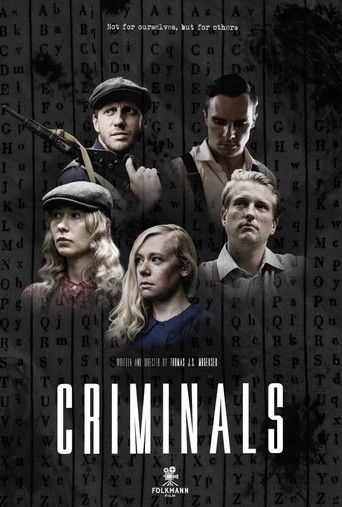
June, 1944, German-occupied Denmark. It has never been so dangerous to be part of the resistance. In a safe house, five fighters wait for comrades on a sabotage mission. When they do not return, and no news comes, fear begins to take hold.
This short documentary produced by the University of Oregon Multimedia Journalism graduate program explores memories of Portland's Japantown – Nihonmachi – and the thriving Japanese American community in Oregon prior to World War II. The film features Chisao Hata, an artist, teacher and activist, and Jean Matsumoto, who was incarcerated at the Portland Assembly Center and in the Minidoka concentration camp as a child.

Swedish Foreign Ministry bureaucrat Gösta Engzell, overlooked during WWII, rescued thousands while turning supposedly neutral Sweden into a moral force. His efforts challenged the status quo and left a lasting humanitarian legacy.
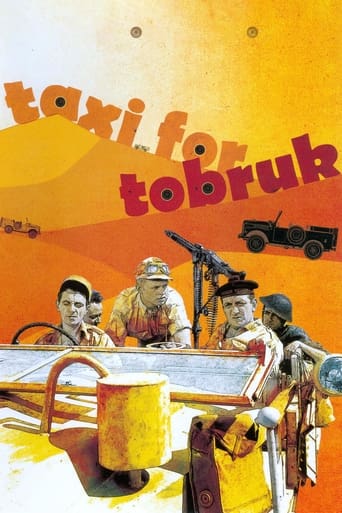
During World War II, French Commandos join forces with a German officer in order to survive the African desert.

CREE CODE TALKER reveals the role of Canadian Cree code talker Charles 'Checker' Tomkins during the Second World War. Digging deep into the US archives it depicts the true story of Charles' involvement with the US Air Force and the development of the code talkers communication system, which was used to transmit crucial military communications, using the Cree language as a vital secret weapon in combat.

The comparison of two rural families to demonstrate the need for proper hygiene and the consequences of its neglect.
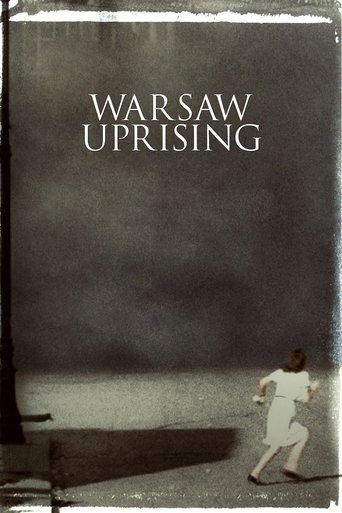
It tells the story of the Warsaw Uprising of 1944 through the eyes of a US airman, escaper from the Nazi Stalag camp and two young reporters, cameramen for the Bureau of Information and Propaganda of the Polish Home Army. Their mission: documenting the Uprising by shooting newsreels for the “Palladium” cinema. Looking for the right shots, they go deeper and deeper – literally and figuratively – into the heart of the Uprising. Traumatic truth becomes obvious. Aware of being witnesses of indescribable events, they realize their duties: to document them and preserve the rolls of film at any cost…