

On l'appelait Ricou, Tulle, 9 juin 1944
2026-06-02 · Runtime unavailable · Not rated
Trailers are previews, not full movies.
No authorized playback source configured. Use the legal watch options below.
Production details
- Directors
- Medhi Lallaoui
- Production companies
- France•3 NoA - Nouvelle-Aquitaine, France Télévisions, Ici Nouvelle-Aquitaine
- Countries
- France
- Status
- Released
Top Cast
Cast unavailable.
Title information and images are supplied by TMDb. Explore our discovery guide for advice on comparing metadata and legal viewing options.
Where to watch
Availability provided by JustWatch via TMDb. Offers can change. Provider links are listed on TMDb; full playback requires a separately authorized source.
Availability not listed for this country.
Seasons & episodes
Recommendations

Director Claude Lanzmann spent 11 years on this sprawling documentary about the Holocaust, conducting his own interviews and refusing to use a single frame of archival footage. Dividing Holocaust witnesses into three categories – survivors, bystanders, and perpetrators – Lanzmann presents testimonies from survivors of the Chelmno concentration camp, an Auschwitz escapee, and witnesses of the Warsaw Ghetto Uprising, as well as a chilling report of gas chambers from an SS officer at Treblinka.

Oliver Stone charts the history of the United States from the Second World War to the present.
Filmmaker Alain Resnais documents the atrocities behind the walls of Hitler's concentration camps.

The history of cinematic sound, told by legendary sound designers and visionary filmmakers.
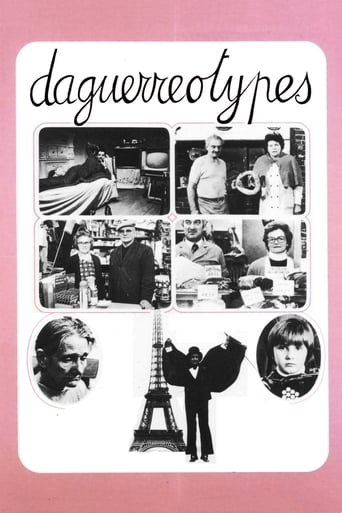
An intimate portrait of the small shops and shopkeepers of the Rue Daguerre in Paris, a picturesque street that has been the filmmaker’s home for more than 50 years.

A behind-the-scenes documentary about the Clinton for President campaign, focusing on the adventures of spin doctors James Carville and George Stephanopoulos.
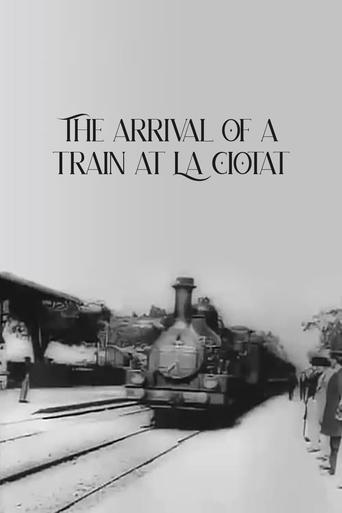
A group of people are standing along the platform of a railway station in La Ciotat, waiting for a train. One is seen coming, at some distance, and eventually stops at the platform. Doors of the railway-cars open and attendants help passengers off and on. Popular legend has it that, when this film was shown, the first-night audience fled the café in terror, fearing being run over by the "approaching" train. This legend has since been identified as promotional embellishment, though there is evidence to suggest that people were astounded at the capabilities of the Lumières' cinématographe.

A documentary highlighting the Soviet Union's legendary and enigmatic hockey training culture and world-dominating team through the eyes of the team's Captain Slava Fetisov, following his shift from hockey star and celebrated national hero to political enemy.
A disturbing collection of 1940s and 1950s United States government-issued propaganda films designed to reassure Americans that the atomic bomb was not a threat to their safety.
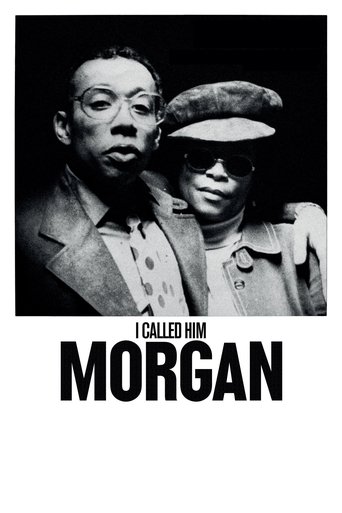
Part jazz history, part true-crime tale, Kasper Collin’s new documentary employs extensive archival footage and new interviews to tell the tragic story of the magnificently talented trumpeter Lee Morgan and his common-law wife Helen, who murdered him in a New York bar in 1972.
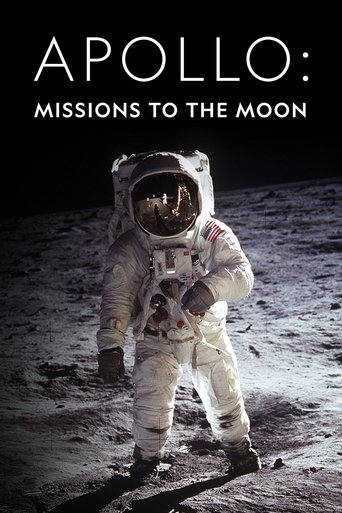
National Geographic's riveting effort recounts all 12 crewed missions using only archival footage, photos and audio.

A visual montage portrait of our contemporary world dominated by globalized technology and violence.
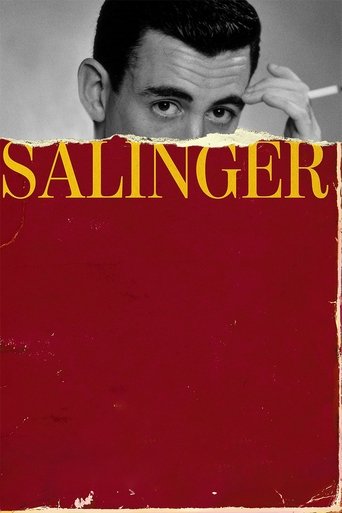
An in-depth investigation into the private world of the American writer J. D. Salinger (1919-2010), who lived most of his life behind the impenetrable wall of a self-imposed seclusion: how his dramatic experiences during World War II influenced his life and work, his relationships with very young women, his obsessive writing methods, his many literary secrets.

Meet the real-life airmen who inspired Masters of the Air as they share the harrowing and transformative events of the 100th Bomb Group.
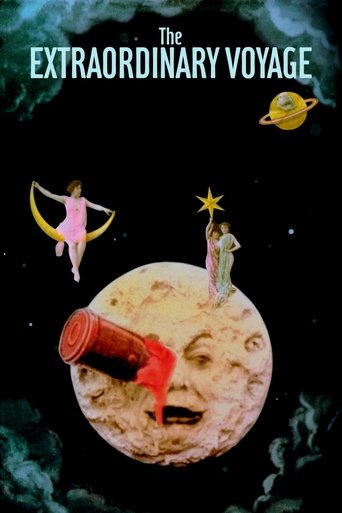
An account of the extraordinary life of film pioneer Georges Méliès (1861-1938) and the amazing story of the copy in color of his masterpiece A Trip to the Moon (1902), unexpectedly found in Spain and restored thanks to the heroic efforts of a group of true cinema lovers.

Prelude to War was the first film of Frank Capra's Why We Fight propaganda film series, commissioned by the Pentagon and George C. Marshall. It was made to convince American troops of the necessity of combating the Axis Powers during World War II. This film examines the differences between democratic and fascist states.
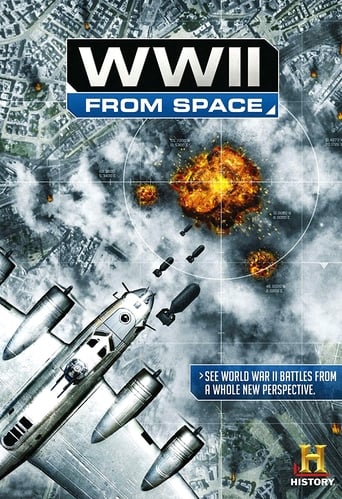
WWII from Space delivers World War II in a way you've never experienced it before. This HISTORY special uses an all-seeing CGI eye that offers a satellite view of the conflict, allowing you to experience it in a way that puts key events and tipping points in a global perspective. By re-creating groundbreaking moments that could never have been captured on camera, and by illustrating the importance of simultaneity and the hidden effects of crucial incidents, HISTORY presents the war's monumental moments in a never-before-seen context. And with new information brought to the forefront, you'll better understand how a nation ranked 19th in the world's militaries in 1939 emerged six years later as the planet's only atomic superpower.
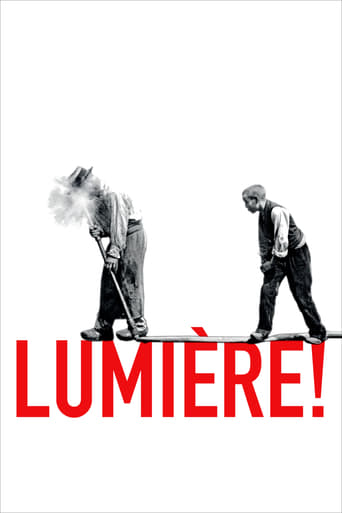
A collection of restored prints from the Lumière Brothers.
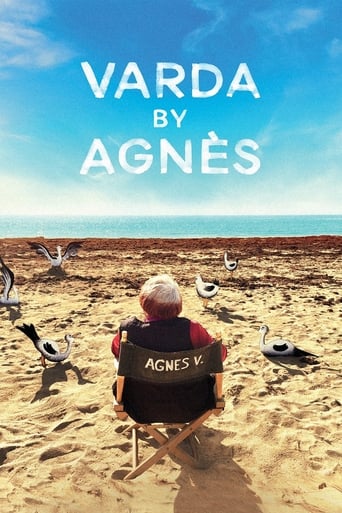
An unpredictable documentary from a fascinating storyteller, Agnès Varda’s last film sheds light on her experience as a director, bringing a personal insight to what she calls "cine-writing," traveling from Rue Daguerre in Paris to Los Angeles and Beijing.
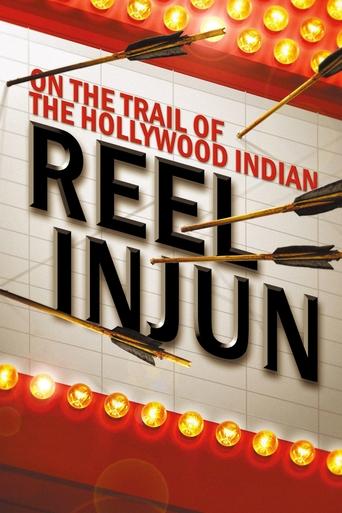
The evolution of the depiction of the various Native American peoples in cinema, from the silent era to the present day: how their image on the screen has changed the way to understand their history and culture.
Similar titles

A poetic David and Goliath tale, where David is an eco-activist with shields, helmets and Molotov cocktails in the backpack. Director Laurie Lassalle documents the spirit and atmosphere with loyalty and an extraordinarily confident cinematic vision.



With the aim of studying sexuality and the role of disciplinary power in controlling the female body for a Philosophy of Communication course, the short follows accounts by non-straight women about their process of discovering their sexuality and acceptance.
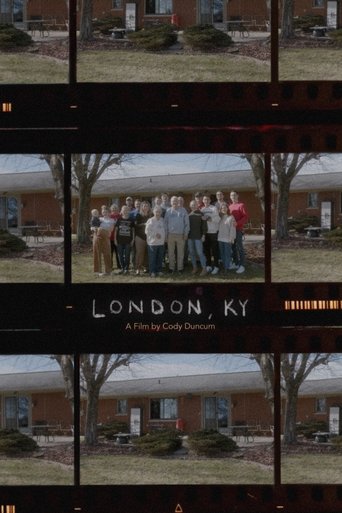
A filmmaker journeys back to the significant places of his Kentucky upbringing to preserve the memories they still hold.
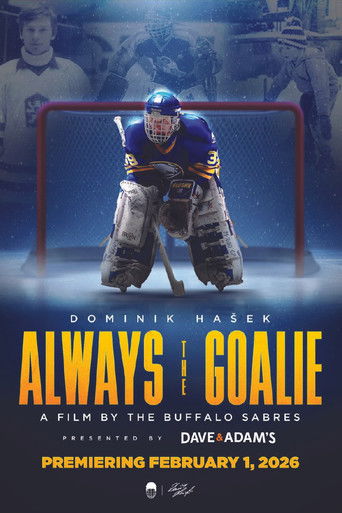
Dominik Hašek, Olympic gold medalist and two-time Stanley Cup-winning goaltender, looks back on his life growing up in Pardubice, Czechoslovakia. His longest-tenured NHL team, the Buffalo Sabres, walk Hašek through his past to see how his love of hockey and the political and cultural influences of growing up in Pardubice molded him into one of the greatest goalies the sport has ever seen.

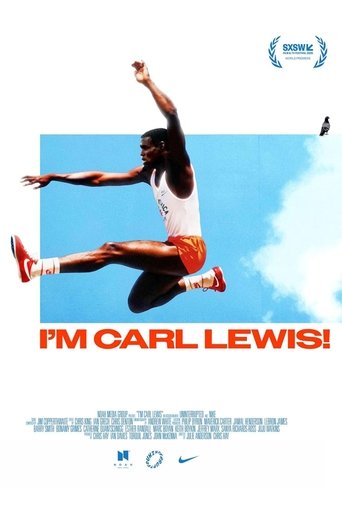
In track and field he’s remembered as The Greatest. Athletics' first commercially global star. Away from the spotlight, his is a life often misunderstood. Carl Lewis did it his own way - unwilling to conform to what the US expected from its athletes. Lewis won nine Olympic gold medals across four Games and was voted “Sportsman of the Century” by the International Olympic Committee. Yet he refused to be pigeonholed and, in doing so, he inspired change on and off the field. I’m Carl Lewis! delves into the consequences of his uncompromising drive.

An exploration of how the once taboo art form has become socially acceptable.

This is the story of one of Australia's most gruesome murders and the first woman in the nation's history to be sentenced to life in prison with no chance of parole.
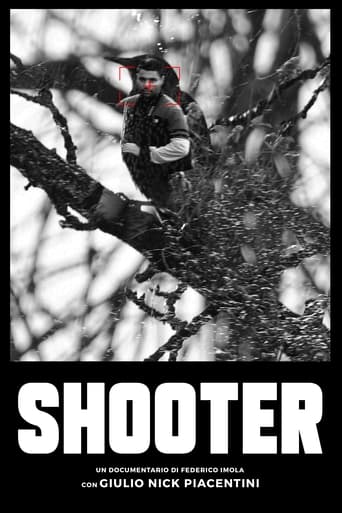
A short audiovisual portrait of Giulio Nick Piacentini, a young sound engineer with a special interest in duck photography. Realized for the Filmmaking Laboratory at DAMS RomaTre with Antonietta De Lillo.
People with learning disabilities often experience worse physical and mental health. This film is a starting point to address these inequalities.

FRONTLINE investigates the widespread use of antibiotics in food animals and whether it is fueling the growing crisis of antibiotic resistance in people. Also this hour: An exclusive interview with the family of a young man who died in a nightmare bacteria outbreak that swept through a hospital at the National Institutes of Health.

For generations, Sa Bastida has been much more than a house: it has been a refuge, a witness, and a vital centre for the Barceló family. Today, however, solitude has settled into every room, and Joan, the last one who remains, carries the living memory of all that it once was. As the arrival of new rhythms, infrastructures, and urban landscapes threatens this fragile environment, the documentary delves into the tension between the persistence of the past and the relentless advance of modernity. With an intimate and contemplative gaze, Dear Sa Bastida portrays not only the physical decay of a home, but also the emotional and symbolic value of a space that is quietly fading away. It is a tribute to the spaces that disappear, to the people who endure within them, and to the need to preserve memory before progress completely erases what defines us.
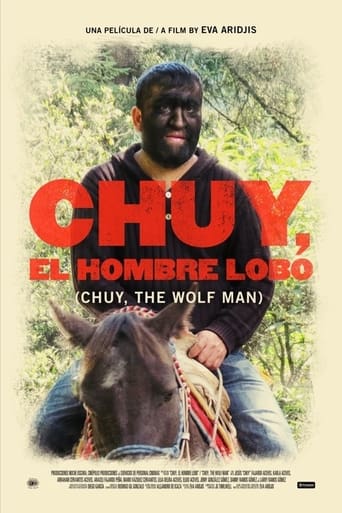
Jesus 'Chuy' Aceves and a dozen living members of his extended family suffer from the very rare condition of congenital hypertrichosis, meaning they were born with excessive hair on their faces and bodies. Due to their appearance, they suffer from discrimination in all areas of their lives: the children are made fun of at school and abandoned by their 'non-hairy' parents, and the adults cannot find work unless they choose to exhibit themselves as freaks in circuses. This moving and visually arresting documentary is a portrait of Chuy and his family members. It examines their day-to-day lives and their struggle to find love, acceptance and employment.


Beyond the sensationalized stories dominating the news, real people share their unfiltered experiences of life in San Francisco, a city far more complex and human than any headline can capture.
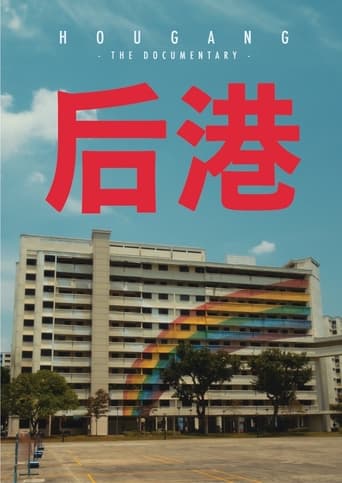
The film showcases the voices of past and present Hougang residents, alongside commentary by historians, public intellectuals, politicians, and volunteers. Charting Hougang’s history from the mid-eighteenth century, the film features personal recollections of growing up in Hougang, residents’ sentiments towards state-led redevelopment and relocation, and the political journey of the community in the context of the Workers’ Party having won the Hougang Parliamentary seat a little over 30 years ago.