
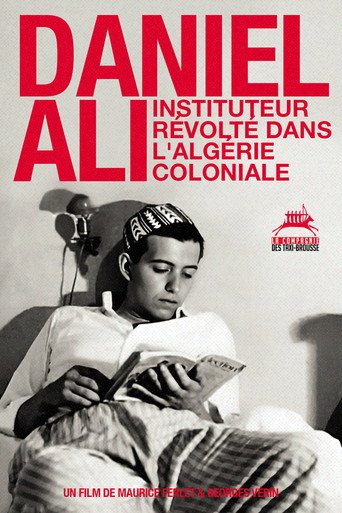
Daniel Ali, a rebellious schoolteacher in colonial Algeria
2012-01-01 · 52 min · ★ 10.0
In 1954, Daniel Vérin, a young schoolteacher of Algerian descent, made a radical decision: he turned his back on colonial France and joined the Algerian insurgents. He enlisted in the FLN, then the ALN, and became "Ali," a soldier in the struggle for independence. At the end of the war in 1962, he became an Algerian citizen. But the long-awaited independence did not bring Ali the taste of victory. On a scholarship, he went to study in the United States. Upon his return, the Algerian administration forbade him from entering his homeland. Rejected by the country he had defended, he obtained American citizenship in 1969. Condemned by France for his activism and ignored by Algeria for more than forty years, Ali was not officially recognized as a mujahid, a fighter of the Revolution, until 2004.
Trailers are previews, not full movies.
No authorized playback source configured. Use the legal watch options below.
Production details
- Directors
- Maurice Ferlet, Georges Vérin
- Production companies
- La Compagnie des Taxis-Brousse, France Télévisions
- Countries
- France
- Status
- Released
Top Cast
 Daniel Ali VérinSelf
 Patty VérinSelf
 Hélène VérinSelf
 Georges VérinSelf
 Khadidja MahdiSelf
 Malika RahalSelf
Title information and images are supplied by TMDb. Explore our discovery guide for advice on comparing metadata and legal viewing options.
Where to watch
Availability provided by JustWatch via TMDb. Offers can change. Provider links are listed on TMDb; full playback requires a separately authorized source.
Availability not listed for this country.
Seasons & episodes
Recommendations
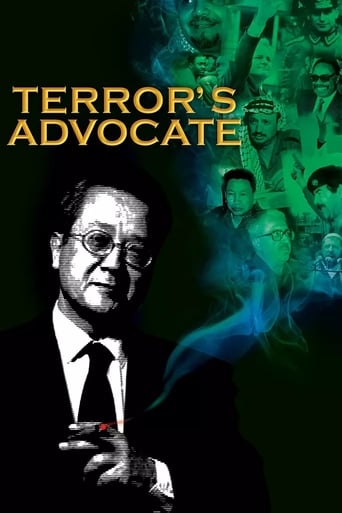
A documentary on Jacques Vergès, the controversial lawyer and former Free French Forces guerrilla, exploring how Vergès assisted, from the 1960s onwards, anti-imperialist terrorist cells operating in Africa, Europe, and the Middle East. Participants interviewed include Algerian nationalists Yacef Saadi, Zohra Drif, Djamila Bouhired and Abderrahmane Benhamida, Khmer Rouge members Nuon Chea and Khieu Samphan, once far-left activists Hans-Joachim Klein and Magdalena Kopp, terrorist Carlos the Jackal, lawyer Isabelle Coutant-Peyre, neo-Nazi Ahmed Huber, Palestinian politician Bassam Abu Sharif, Lebanese politician Karim Pakradouni, political cartoonist Siné, former spy Claude Moniquet, novelist and ghostwriter Lionel Duroy, and investigative journalist Oliver Schröm.

In the Realms of the Unreal is a documentary about the reclusive Chicago-based artist Henry Darger. Henry Darger was so reclusive that when he died his neighbors were surprised to find a 15,145-page manuscript along with hundreds of paintings depicting The Story of the Vivian Girls, in What is Known as the Realms of the Unreal, of the Glodeco-Angelinnian War Storm, Cased by the Child Slave Rebellion.
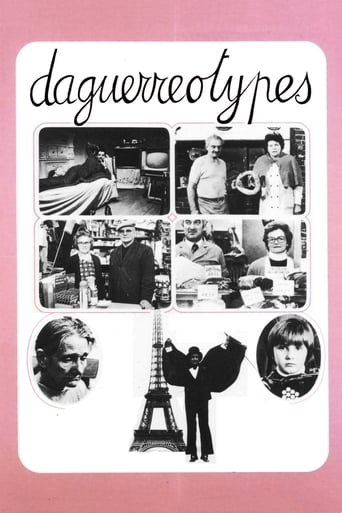
An intimate portrait of the small shops and shopkeepers of the Rue Daguerre in Paris, a picturesque street that has been the filmmaker’s home for more than 50 years.
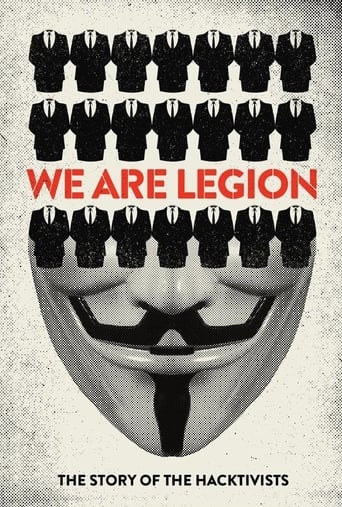
Takes us inside the world of Anonymous, the radical "hacktivist" collective that has redefined civil disobedience for the digital age. The film explores early hacktivist groups like Cult of the Dead Cow and Electronic Disturbance Theater, then moves to Anonymous' raucous beginnings on the website 4chan. Through interviews with current members, people recently returned from prison or facing trial, writers, academics, activists and major players in various "raids," the documentary traces Anonymous’ evolution from merry pranksters to a full-blown movement with a global reach, the most transformative civil disobedience of our time.
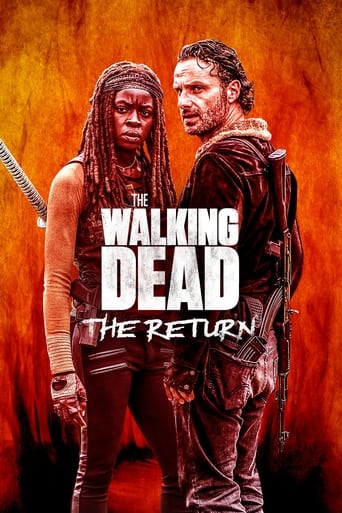
Stars of "The Walking Dead," Andrew Lincoln and Danai Gurira, walk down memory lane and visit iconic locations where pivotal moments between their characters, Rick and Michonne, were filmed.

This revealing documentary honors the legendary Sidney Poitier—iconic actor, filmmaker, and civil rights activist. Featuring interviews with Denzel Washington, Spike Lee, Halle Berry, and more.

A documentary on the expletive's origin, why it offends some people so deeply, and what can be gained from its use.

A behind-the-scenes documentary about the Clinton for President campaign, focusing on the adventures of spin doctors James Carville and George Stephanopoulos.
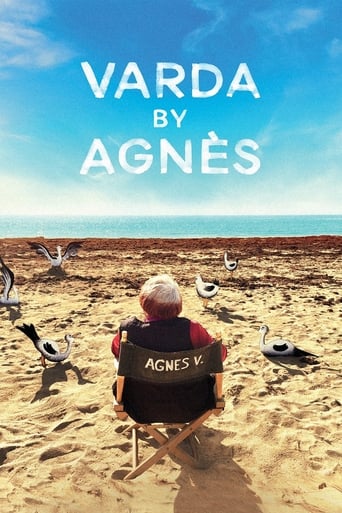
An unpredictable documentary from a fascinating storyteller, Agnès Varda’s last film sheds light on her experience as a director, bringing a personal insight to what she calls "cine-writing," traveling from Rue Daguerre in Paris to Los Angeles and Beijing.
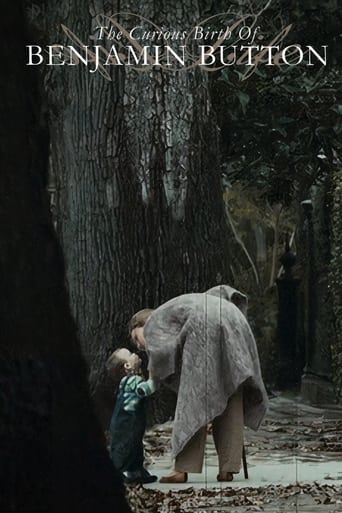
A documentary about the making of David Fincher's 2008 film THE CURIOUS CASE OF BENJAMIN BUTTON. Virtually every element in the evolution of the Fincher's film is documented here, from the project's attachment to numerous other directors during the 1990s, to its shoot in 2006 and 2007 in New Orleans, to its complex, CGI-intensive postproduction process.

A compilation of over 30 years of private home movie footage shot by Lithuanian-American avant-garde director Jonas Mekas, assembled by Mekas "purely by chance", without concern for chronological order.

When Allied forces liberated the Nazi concentration camps in 1944-45, their terrible discoveries were recorded by army and newsreel cameramen, revealing for the first time the full horror of what had happened. Making use of British, Soviet and American footage, the Ministry of Information’s Sidney Bernstein (later founder of Granada Television) aimed to create a documentary that would provide lasting, undeniable evidence of the Nazis’ unspeakable crimes. He commissioned a wealth of British talent, including editor Stewart McAllister, writer and future cabinet minister Richard Crossman – and, as treatment advisor, his friend Alfred Hitchcock. Yet, despite initial support from the British and US Governments, the film was shelved, and only now, 70 years on, has it been restored and completed by Imperial War Museums under its original title "German Concentration Camps Factual Survey".

A documentary about the life and films of director John Ford.
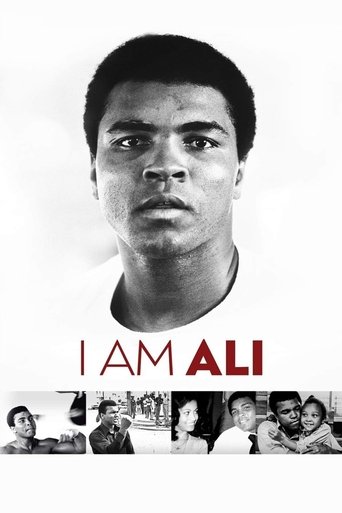
Unprecedented access to Muhammad Ali's personal archive of "audio journals" as well as interviews and testimonials from his inner circle of family and friends are used to tell the legend's life story.
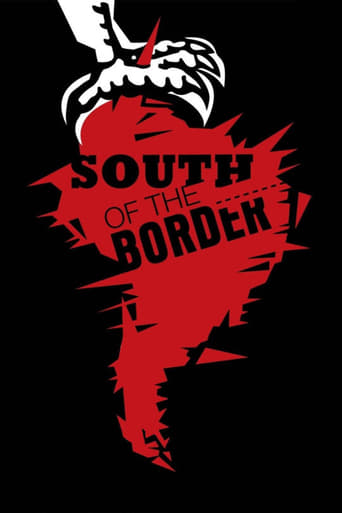
A road trip across five countries to explore the social and political movements as well as the mainstream media's misperception of South America while interviewing seven of its elected presidents.

Alexander McQueen's rags-to-riches story is a modern-day fairy tale, laced with the gothic. Mirroring the savage beauty, boldness and vivacity of his design, this documentary is an intimate revelation of McQueen's own world, both tortured and inspired, which celebrates a radical and mesmerizing genius of profound influence.

Over 35 years after Bob Lazar's revelations, this documentary exposes secrets of a facility the government still denies. Featuring Lazar's testimony, recreations, and new evidence, it reopens a case that continues to spark global curiosity
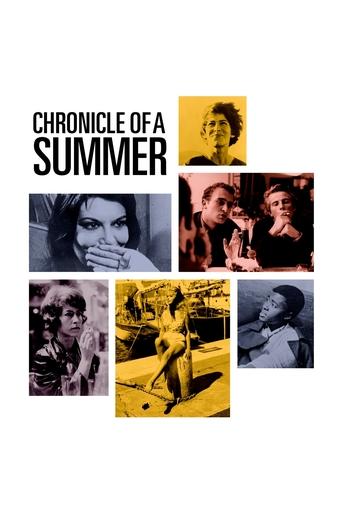
Paris, summer 1960. Anthropologist and filmmaker Jean Rouch and sociologist and film critic Edgar Morin wander through the crowded streets asking passersby how they cope with life's misfortunes.

In an intimate and joyful story of love in the face of loss, celebrated poets Andrea Gibson and Megan Falley find strength—and unexpected hilarity—in what might be their final year together.

Ranjit, a farmer in India, takes on the fight of his life when he demands justice for his 13-year-old daughter, the victim of a brutal gang rape. His decision to support his daughter is virtually unheard of, and his journey unprecedented.
Similar titles
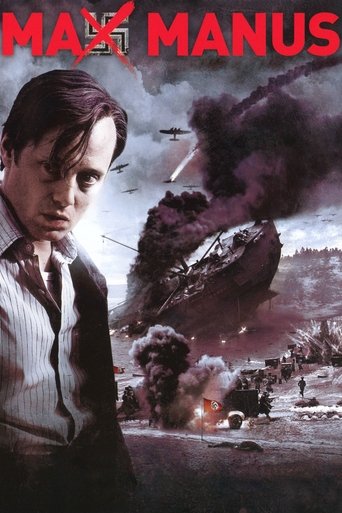
Max Manus is a Norwegian 2008 biographic war film based on the real events of the life of resistance fighter Max Manus (1914–96), after his contribution in the Winter War against the Soviet Union. The story follows Manus through the outbreak of World War II in Norway until peacetime in 1945.

During the Second World War, a small group of students at Munich University begin to question the decisions and sanity of Germany's Nazi government. The students form a resistance cell which they name the "White Rose" after a newsletter that is secretly distributed to the student body. At first small in numbers and fearful of discovery, the White Rose begins to gain massive support after a Nazi Gauleiter nearly incites a student riot after a provokative speech. At this point, the matter is taken over by the German Gestapo, who pledge to hunt down and destroy the members of the White Rose.
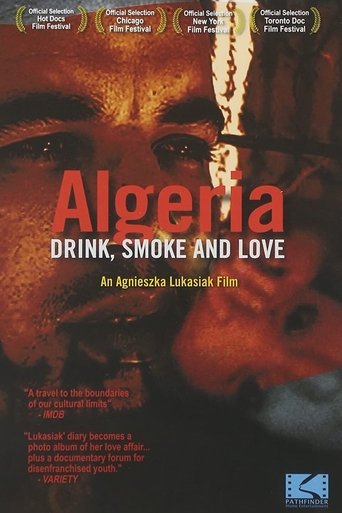
Agnieszka Lukasiak travels to Algeria to capture it's conflict on camera. When she arrives, she's immediately sidetracked by romance with her host, Habib. She turns the camera on herself as she falls in love with him. the atmosphere quickly diminishes when Habib's family steps in and kicks her out. Not to be deterred, on her second visite to Algeria to seek Habib's love, she begins her real journey to expose the underside of the country.
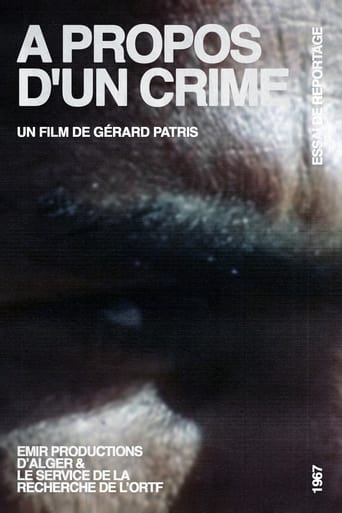
In 1967, Visconti came to Algiers for the filming of The Stranger with Mastroianni and Anna Karina. Camus, during his lifetime, had always refused to allow one of his novels to be brought to the screen. His family made another decision. The filming of the film was experienced in Algiers, like a posthumous return of the writer to Algiers. During filming, a young filmmaker specializing in documentaries Gérard Patris attempts a report on the impact of the filming of The Stranger on the Algerians. Interspersed with sequences from the shooting of Visconti's film, he films Poncet, Maisonseul, Bénisti and Sénac, friends of Camus, in full discussions to situate Camus and his work in a sociological and historical context. “The idea is for us to show people, others, ourselves as if they could all be Meursault, or at least the witnesses concerned to his drama.”
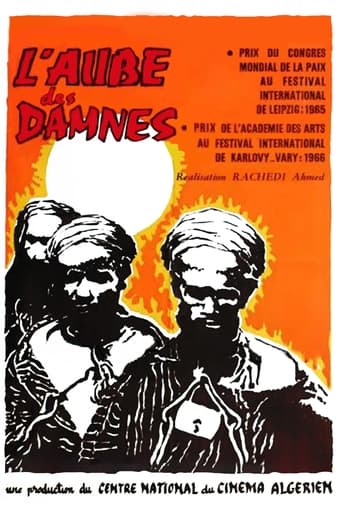
This excellent feature-length documentary - the story of the imperialist colonization of Africa - is a film about death. Its most shocking sequences derive from the captured French film archives in Algeria containing - unbelievably - masses of French-shot documentary footage of their tortures, massacres and executions of Algerians. The real death of children, passers-by, resistance fighters, one after the other, becomes unbearable. Rather than be blatant propaganda, the film convinces entirely by its visual evidence, constituting an object lesson for revolutionary cinema.
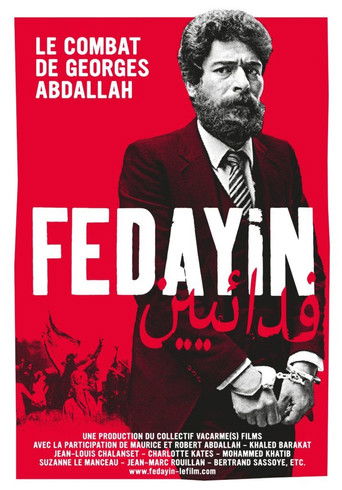
A leading figure in the Palestinian cause and the fight against imperialism, the Lebanese communist activist Georges Ibrahim Abdallah had been languishing in French prisons for thirty-eight years—a unique case in France. Arrested in Lyon in 1984 with false papers, he was sentenced two years later to four years in prison for possession of weapons and explosives, then in 1987 received a life sentence for complicity in the assassinations in Paris five years earlier of an Israeli Mossad agent and an American military attaché—charges he has always denied. Although he has been eligible for release since 1999, French political authorities, under pressure from the United States and Israel, opposed his release. Interventions by Palestinian figures, his relatives, his lawyer and ex-prisoners from the extreme left, retrace the journey of the village schoolteacher who became an anti-colonial activist.
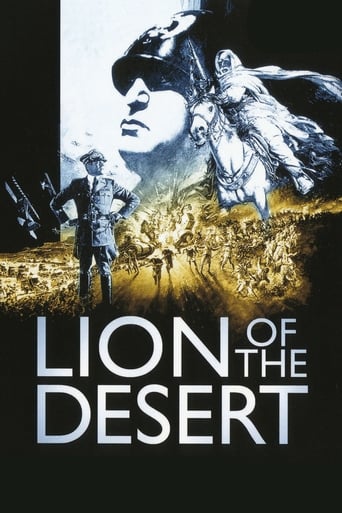
Resistance leader Omar Mukhtar opposes Italian colonization before World War II. The brutal guerrilla war against Italian General Rodolfo Graziani and the Fascist forces of Benito Mussolini highlights the struggle for Libyan independence and the harsh tactics utilised by the colonisers.
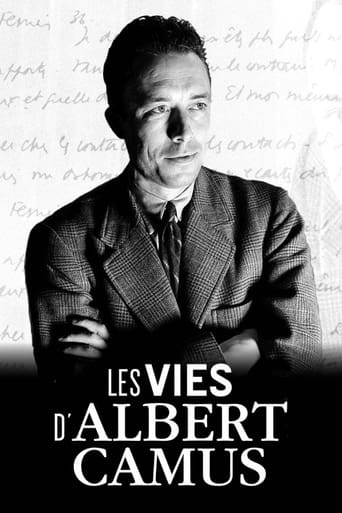
Albert Camus died at 46 years old on January 4, 1960, two years after his Nobel Prize in literature. Author of “L'Etranger”, one of the most widely read novels in the world, philosopher of the absurd and of revolt, resistant, journalist, playwright, Albert Camus had an extraordinary destiny. Child of the poor districts of Algiers, tuberculosis patient, orphan of father, son of an illiterate and deaf mother, he tore himself away from his condition thanks to his teacher. French from Algeria, he never ceased to fight for equality with the Arabs and the Kabyle, while fearing the Independence of the FLN. Founded on restored and colorized archives, and first-hand accounts, this documentary attempts to paint the portrait of Camus as he was.
On March 29, 1947, peasants armed with sticks and knives attacked the French garrisons in Madagascar. The revolt would end twenty months later with the death of the last insurgents, shot down by the expeditionary force. France, accustomed to memory lapses, knew nothing of this insurrection and its trail of torture and abuses. In Madagascar, well after independence, the events of 1947 were never discussed. For more than a generation, parents refused to speak of them to their children. It wasn't until the 1980s that the silence was broken.
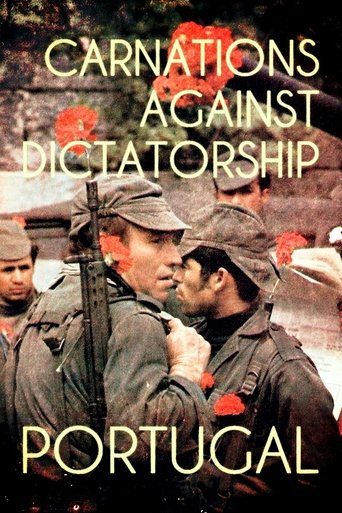
In Portugal, during the night of April 24-25, 1974, a peaceful uprising put an end to the last government of the Estado Novo, the authoritarian regime established in 1933 by dictator António de Oliveira Salazar (1889-1970), paving the way for full democracy: a chronicle of the Carnation Revolution.
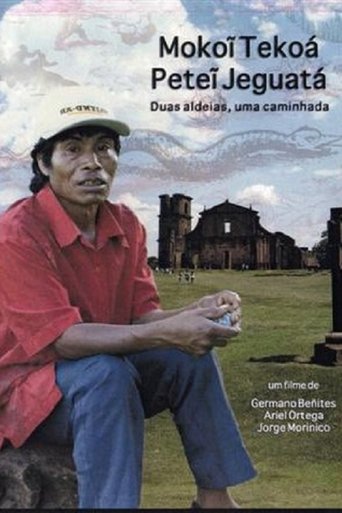
With no Forest left to hunt and no land to cultivate, the Maby-Guarani depend on the sale of their handcraft to survive. Three young Guarani filmmakers accompany the daily life of two comunities united by the same history, since the first contact with the Europeans until the intense coexistence with today’s White people.
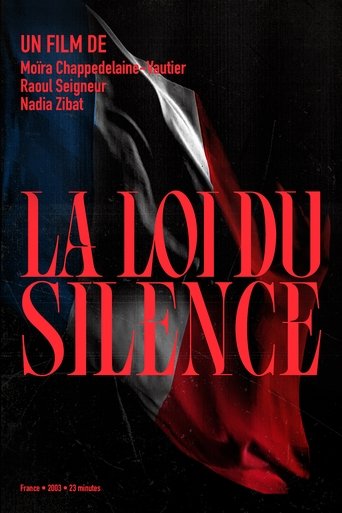
The Law of Silence, a final-year documentary by Moïra Chappedelaine-Vautier at Femis, examines the 1963 Amnesty Law and the consequences it had on studies of the Algerian War. It brings together interviews conducted in 2002 with Henri Alleg, editor of the daily newspaper Alger Républicain from 1951 to 1955, and Pierre Vidal-Naquet, historian and essayist. It also features incredible statements from General Massu and lawyers unraveling the various legal defenses of people like Jean-Marie Le Pen. Not only does Moïra have her father, René Vautier, speak, but she also includes footage he himself filmed forty years earlier. A very interesting report, which notably reminds us that the Amnesty is not a pardon but the erasure of the sentence and also of the crime itself.

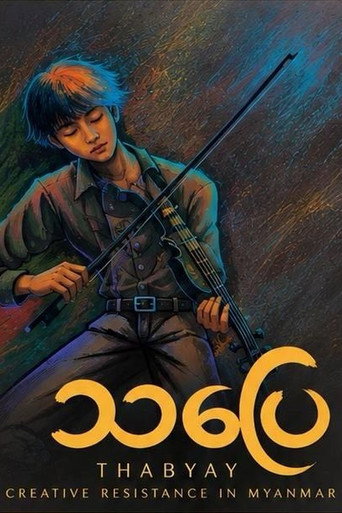
What happens when non-violent leaders are pushed to support armed struggle against a brutal regime in a forgotten war? Thabyay: Creative Resistance in Myanmar follows four democracy revolutionaries who are finding creative means to fight against the military junta. Some take up arms while struggling to stay true to their commitment to non-violence, while others engage in “artivism,” using music, poetry and art to bring about a peaceful, free, democratic and truly inclusive future for all people in Myanmar.
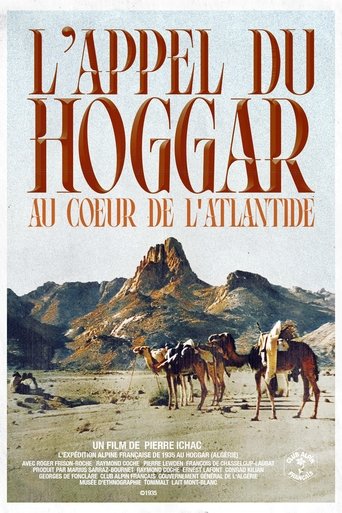
Documentary on the French Alpine expedition to Hoggar in Algeria, starring Roger Frison-Roche, Raymond Coche, Pierre Lewden, and François de Chasseloup-Laubat. The 1935 French Alpine Expedition to Hoggar was conceived and prepared by Lieutenant Raymond Coche, the ideal leader for an expedition that would combine alpine and Saharan terrain in Algeria. Among his goals, he set himself the task of leading a French rope team to the still-untouched summits of Atakor and Tefedest and planting the French flag there. His old friend, Pierre Lewden, an athlete and journalist, was soon on the team, and to complete their project and complete the trio, they called on Roger Frison-Roche, a guide from Chamonix and one of the best climbers of this generation. A few days before their departure from Paris, filmmaker Pierre Ichac joined them.

On December 10, 1998, Kamel Messaoudi died in a traffic accident at the age of 37, at the height of his fame. In the early 1990s, when Algiers chaâbi was struggling to renew itself and attract young people, Kamel, born on January 30, 1961 in Algiers, into a modest family, achieved great success with his first album, notably featuring Echema’a (the candle) and other tracks where he did not hesitate to shake up the old repertoire, adding his own words, closer to the reality of an Algeria then bereaved by the violence of the dark decade of the 90s, and composing melodies supported by instruments such as the acoustic guitar or the piano.
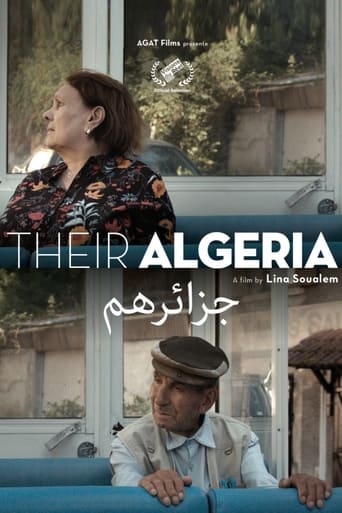
After 62 years of marriage, an elderly couple decides to get a divorce.