
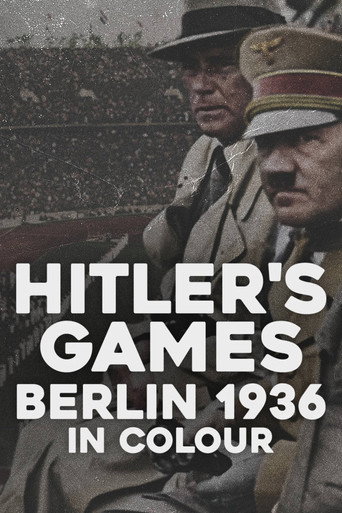
Hitler’s Games: Berlin 1936 in Colour
2026-08-01 · 47 min · ★ 7.0
In 1931, Germany was awarded the Olympic Games in the hope this would draw them into the international community and world peace would be promoted through sport. For two weeks in August 1936 cameras captured the world’s greatest sporting spectacle, including the Gold Medal triumphs of record-breaking sprinter Jesse Owens. The Berlin Olympics were groundbreaking – many innovations introduced in 1936 such as television coverage and the torch relay became part of every subsequent Games. Hitler’s Games in Colour tells the story of the remarkable amateurs who excelled, but also how Hitler used the Games as propaganda for his brutal regime, to show the Nazis as benign and their military ambitions as modest. Using black and white archive, transformed by cutting-edge restoration and colourisation, this is the story of 16 days that fooled the world…
Trailers are previews, not full movies.
No authorized playback source configured. Use the legal watch options below.
Production details
- Directors
- Jonathan Mayo
- Production companies
- Woodcut Media
- Countries
- United Kingdom
- Status
- Released
Top Cast
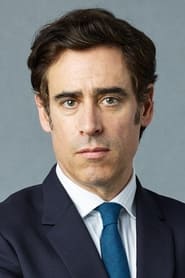 Stephen ManganNarrator (voice)
 Guy WaltersSelf - Historian
Title information and images are supplied by TMDb. Explore our discovery guide for advice on comparing metadata and legal viewing options.
Where to watch
Availability provided by JustWatch via TMDb. Offers can change. Provider links are listed on TMDb; full playback requires a separately authorized source.
Availability not listed for this country.
Seasons & episodes
Recommendations
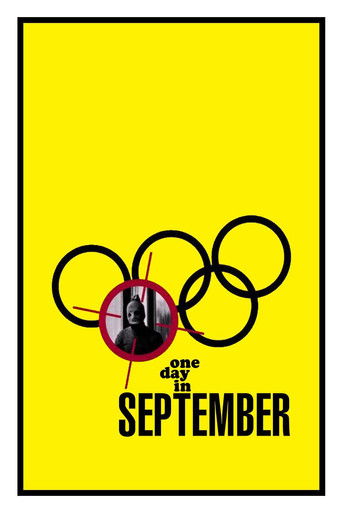
The full story of the 1972 Munich Olympics Massacre and the Israeli revenge operation 'Wrath of God.' The 1972 Munich Olympics were interrupted by Palestinian terrorists taking Israeli athletes hostage. Besides footage taken at the time, we see interviews with the surviving terrorist, Jamal Al Gashey, and various officials detailing exactly how the police, lacking an anti-terrorist squad and turning down help from the Israelis, botched the operation.

Produced and presented as evidence at the Nuremberg war crimes trial of Hermann Göring and twenty other Nazi leaders, this film consists primarily of dead and surviving prisoners and of facilities used to kill and torture during the World War II.
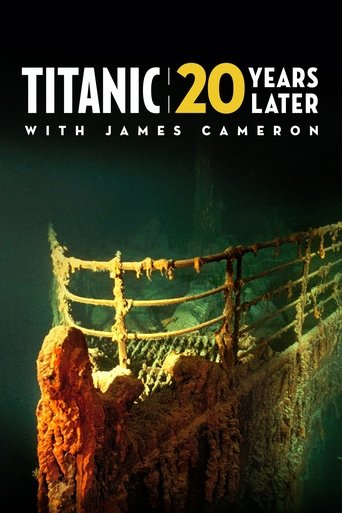
For the 20th anniversary of "Titanic," James Cameron reopens the file on the disaster.

Cameramen and women discuss the craft and art of cinematography and of the "DP" (the director of photography), illustrating their points with clips from 100 films, from Birth of a Nation to Do the Right Thing. Themes: the DP tells people where to look; changes in movies (the arrival of sound, color, and wide screens) required creative responses from DPs; and, these artisans constantly invent new equipment and try new things, with wonderful results. The narration takes us through the identifiable studio styles of the 30s, the emergence of noir, the New York look, and the impact of Europeans. Citizen Kane, The Conformist, and Gordon Willis get special attention.

A tribute to Italian filmmaker Sergio Corbucci (1926-90), presented by American filmmaker Quentin Tarantino.

On September 15, 1963, a bomb destroyed a black church in Birmingham, Alabama, killing four young girls who were there for Sunday school. It was a crime that shocked the nation--and a defining moment in the history of the civil-rights movement. Spike Lee re-examines the full story of the bombing, including a revealing interview with former Alabama Governor George Wallace.
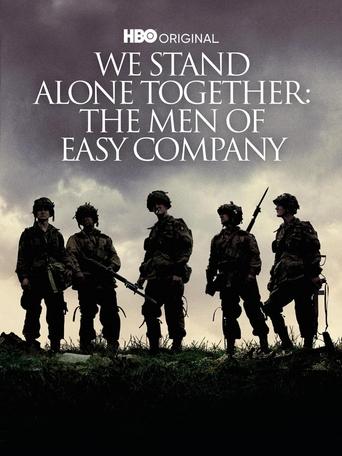
Over a period of two years, Mark Cowen and his crew travelled to thirty U.S. states and ten European cities, to interview the veterans of Easy Company. The stories told by the veterans themselves, create a history of the Second World War from the point of view of this heroic company of men, made famous in the mini-series Band of Brothers.
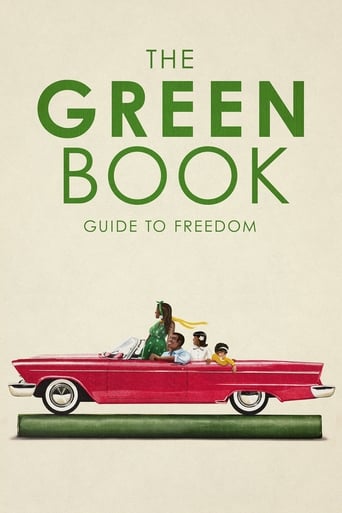
In 1936, Victor H. Green (1892-1960) published The Negro Motorist Green Book, a book that was both a travel guide and a survival manual, to help African-Americans navigate safe those regions of the United States where segregation and Jim Crow laws were disgracefully applied.

A behind-the-scenes documentary about the Clinton for President campaign, focusing on the adventures of spin doctors James Carville and George Stephanopoulos.
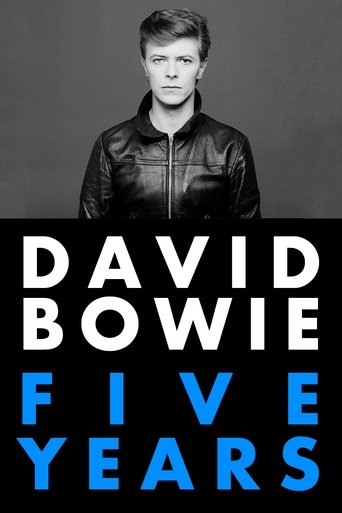
Featuring a wealth of previously unseen archive, this film looks at how Bowie continually evolved: from Ziggy Stardust to the Soul Star of Young Americans, to the ‘Thin White Duke’. It explores his regeneration in Berlin with the critically acclaimed album Heroes, his triumph with Scary Monsters and his global success with Let’s Dance. With interviews with all his closest collaborators, David Bowie - Five Years presents a unique account of why Bowie has become an ‘icon of our times’.

An unprecedented and intimate look at the life, work and enduring legacy of British actress Audrey Hepburn (1929-1993).

Journey into the extraordinary world of "The Witcher" — from casting the roles to Jaskier's catchy song — in this behind-the-scenes look at the series.
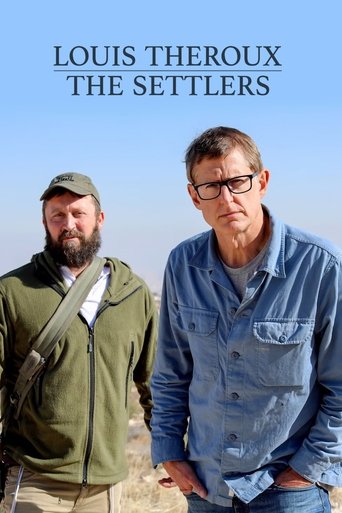
Fourteen years after his first visit, Louis Theroux meets some of the growing community of religious-nationalist Israelis who have settled in the occupied West Bank.
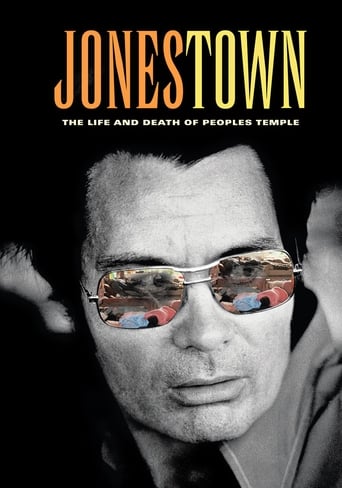
Featuring never-before-seen footage, this documentary delivers a startling new look at the Peoples Temple, headed by preacher Jim Jones who, in 1978, led more than 900 members to Guyana, where he orchestrated a mass suicide via tainted punch.
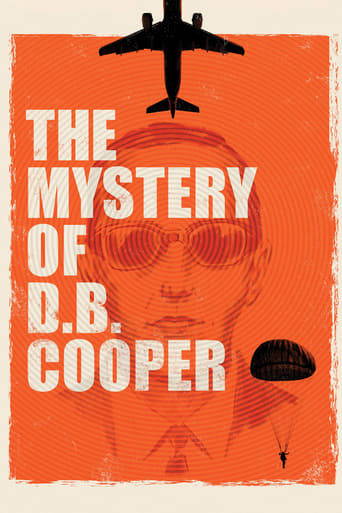
This documentary brings to life the stories of four people believed by their family and friends to be “DB Cooper,” a man who hijacked a 727 flying out of Seattle and jumped from the plane over the wilds of Washington State with a parachute and $200,000, never to be heard from again.

“The Soviet Story” is a story of an Allied power, which helped the Nazis to fight Jews and which slaughtered its own people on an industrial scale. Assisted by the West, this power triumphed on May 9th, 1945. Its crimes were made taboo, and the complete story of Europe’s most murderous regime has never been told. Until now...
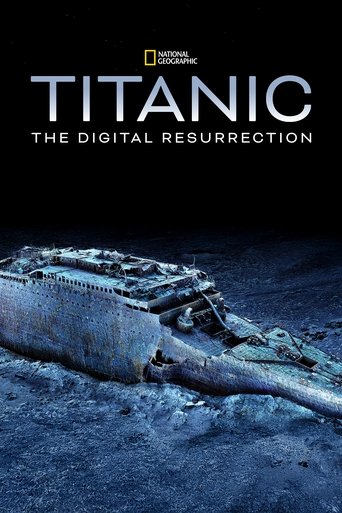
Using cutting-edge scanning technology and state-of-the-art CGI, a team of experts creates the first high-resolution 3D digital twin of the Titanic wreck. Through a groundbreaking immersive investigation, they uncover the ship’s final moments, shedding light on the acts of heroism and cowardice aboard—and revealing the true story behind the sinking of the “unsinkable” ship.
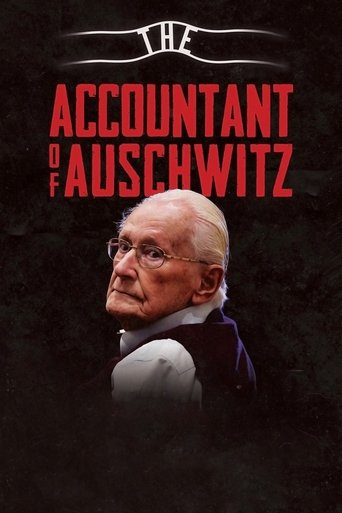
Oskar Gröning, known as the "Accountant of Auschwitz," was charged with the murder of 300,000 Jews. When he took the stand in 2015, at the age of 94, his trial made headlines worldwide.

The history of cinematic sound, told by legendary sound designers and visionary filmmakers.
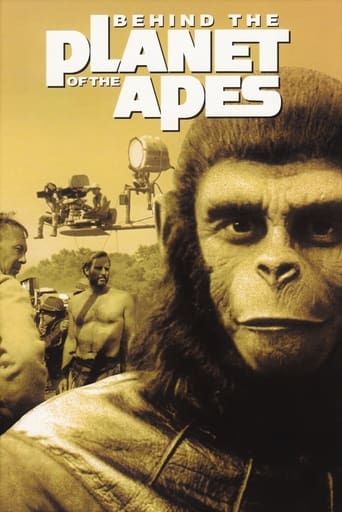
Roddy McDowall takes you, film by film, from production meetings to make-up sessions, then right onto the movie set to see the actual filming of the science fiction masterpiece. The most comprehensive history of Planet of the Apes ever created, this fascinating 127-minute documentary explores one of the most imaginative and influential series in movie history.
Similar titles
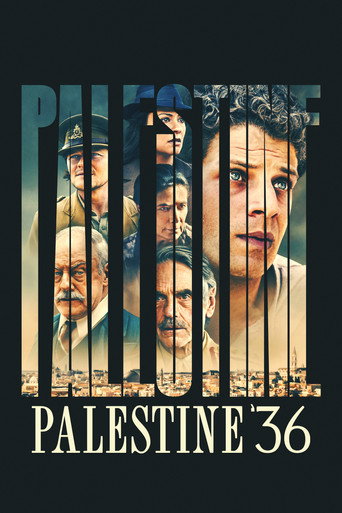
Year 1936. As villages across Palestine rise against British colonial rule, Yusuf drifts between his rural home and the restless energy of Jerusalem, longing for a future beyond the growing unrest. But history is relentless. With rising numbers of Jewish immigrants escaping antisemitism in Europe and some arriving with nefarious Zionist-colonial ambitions, and the Palestinian population uniting in the largest and longest uprising against Britain’s 30-year dominion, all sides spiral towards inevitable collision in a decisive moment for the British Empire and the future of the entire region.

Danish documentary about the relationship between Queen Magrethe II and the prime ministers.

A documentary by Donna Zaccaro about the political trailblazer, Geralidine Ferraro. Featuring interviews with Bill and Hillary Clinton, George and Barbara Bush, Walter Mondale, and Geraldine Ferraro herself, among others, this is a heartwarming and engrossing portrait of the first woman who was nominated for vice president, whose legacy still reverberates today.
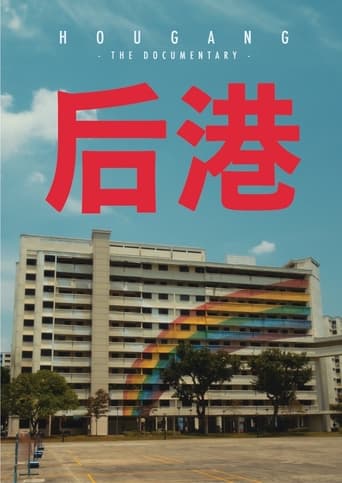
The film showcases the voices of past and present Hougang residents, alongside commentary by historians, public intellectuals, politicians, and volunteers. Charting Hougang’s history from the mid-eighteenth century, the film features personal recollections of growing up in Hougang, residents’ sentiments towards state-led redevelopment and relocation, and the political journey of the community in the context of the Workers’ Party having won the Hougang Parliamentary seat a little over 30 years ago.

True story of the undersized Depression-era racehorse whose victories lifted not only the spirits of the team behind it but also those of their nation.

In the fifties, when the future Democratic Republic of Congo was still a Belgian colony, an entire generation of musicians fused traditional African tunes with Afro-Cuban music to create the electrifying Congolese rumba, a style that conquered the entire continent thanks to an infectious rhythm, captivating guitar sounds and smooth vocals.
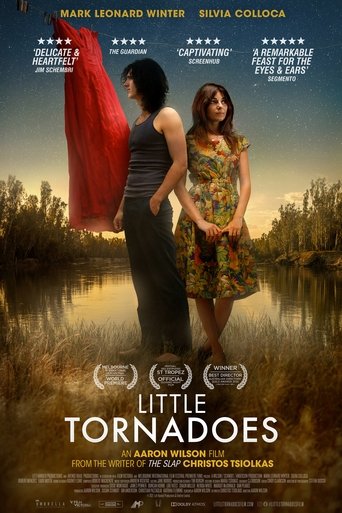
A poignant drama set in 1970s Australia about a newly-single father’s efforts to weather the turbulence of change – in his life and in the world around him – while a new immigrant endeavours to find her place in a foreign land.

Three stories told simultaneously in ninety minutes of real time: a Republican Senator who's a presidential hopeful gives an hour-long interview to a skeptical television reporter, detailing a strategy for victory in Afghanistan; two special forces ambushed on an Afghani ridge await rescue as Taliban forces close in; a poli-sci professor at a California college invites a student to re-engage.
It was the biggest escape in the history of the Berlin Wall: in one historic night of October 1964, 57 East-Berliners try their luck through a tunnel into West Berlin. Just before the last few reach the other side, the East German border guards notice the escape and open fire. Remarkably, all the refugees and their escape agents make it out of the tunnel unscathed, but one border guard is dead: 21-year-old officer Egon Schultz.
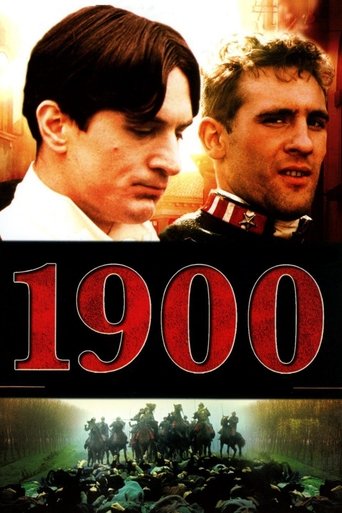
The epic tale of a class struggle in twentieth century Italy, as seen through the eyes of two childhood friends on opposing sides.
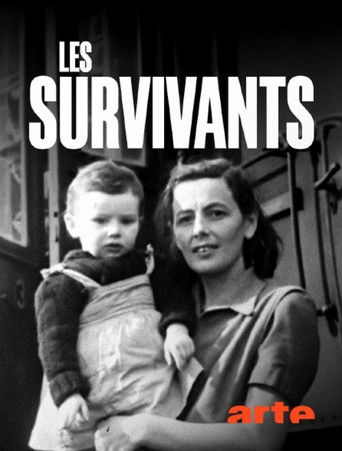

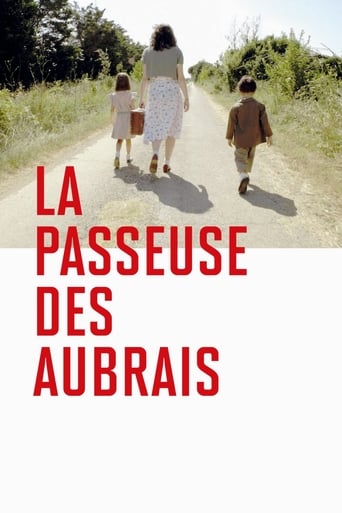
A captivating and personal detective story that uncovers the truth behind the childhood of Michaël Prazan's father, who escaped from Nazi-occupied France in 1942 thanks to the efforts of a female smuggler with mysterious motivations.
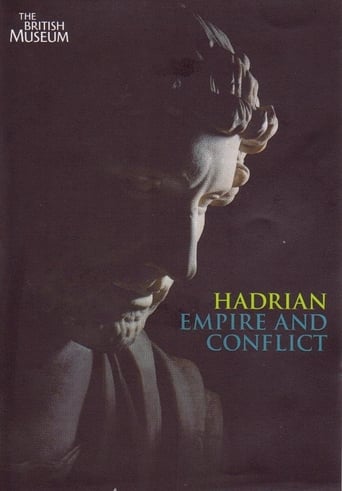
Documentary released to coincide with the British Museum's exhibition dedicated to the man who ruled the Roman Empire from 117 to 138 AD. The programme explores the life, achievements, passions and legacy of the emperor who was both soldier and poet and responsible for that most famous construction - Hadrian's Wall. The documentary was produced in conjunction with the exhibition Hadrian: Empire and Conflict at the British Museum 24 July - 26 October 2008.
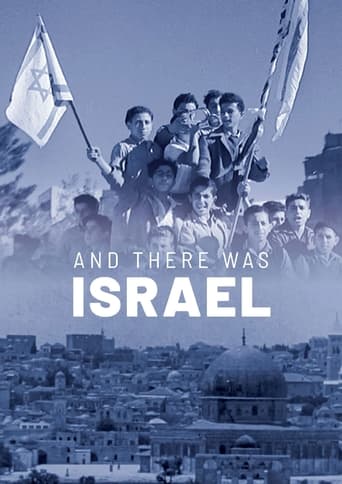
The film returns to the origins of the creation of the State of Israel (from 1896 to 1948) and highlights the responsibility of the Western World.
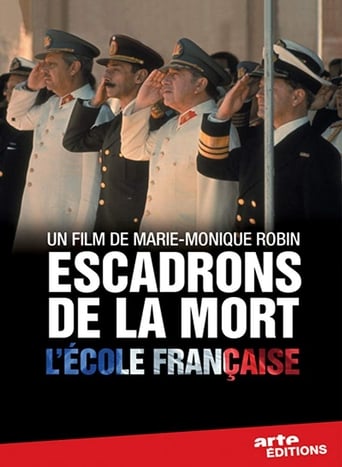
After the Battle of Algiers, France and its army exported, as true experts, anti-subversive methods to Latin America and the United States in the 1960s. After more than a year of investigation in Argentina , in Chile, Brazil, the United States and France, the director collected, sometimes under the cover of a hidden camera, recorded conversations, the exclusive testimonies of the main protagonists. From General Aussaresses to former Minister of the Armed Forces Pierre Messmer, including General Reynaldo Bignone (head of the military junta in Argentina from 1982 to 1984), General Albano Harguindéguy, General Manuel Contreras, and Generals John Johns and Carl Bernard, this investigation gives us a hidden reality of the country of Human Rights.


After the World War I, Mussolini's perspective on life is severely altered; once a willful socialist reformer, now obsessed with the idea of power, he founds the National Fascist Party in 1921 and assumes political power in 1922, becoming the Duce, dictator of Italy. His success encourages Hitler to take power in Germany in 1933, opening the dark road to World War II. (Originally released as a two-part miniseries. Includes colorized archival footage.)
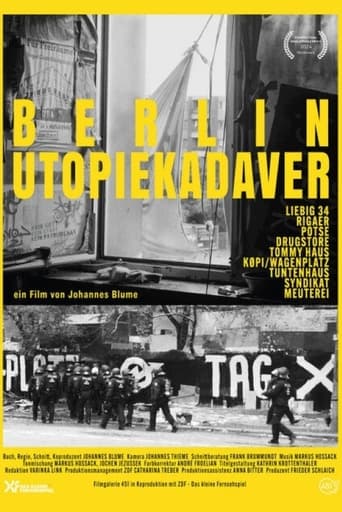
A taxi drives through the city of Berlin. Its driver is a punk, left and a well-known figure in the autonomous scene. The stations of his trip are the most important places of the autonomous scene: all in the struggle for survival. The last evictions have not yet been processed and the next ones are coming right up.
