«Permette? Ettore Scola» una conversazione con Lino Miccichè
2002-06-21 · Runtime unavailable · Not rated
Trailers are previews, not full movies.
No authorized playback source configured. Use the legal watch options below.
Production details
- Directors
- Francesco Crispino, Vito Zagarrio, Luca Bellino
- Production companies
- Unavailable
- Countries
- Unavailable
- Status
- Released
Top Cast
 Ettore ScolaSe stesso
 Lino MiccichèSe stesso
Title information and images are supplied by TMDb. Explore our discovery guide for advice on comparing metadata and legal viewing options.
Where to watch
Availability provided by JustWatch via TMDb. Offers can change. Provider links are listed on TMDb; full playback requires a separately authorized source.
Availability not listed for this country.
Seasons & episodes
Recommendations

A visual montage portrait of our contemporary world dominated by globalized technology and violence.
Film adaptation of French economist Thomas Piketty's ground-breaking global bestseller of the same name: an eye-opening journey through wealth and power.
The life of a dying young man at the short age of only forty-one after playing the lead in Il postino. He was a brilliant stage actor before becoming an astonishing film director.

In an intimate and joyful story of love in the face of loss, celebrated poets Andrea Gibson and Megan Falley find strength—and unexpected hilarity—in what might be their final year together.

Capturing the daily operations, administrative meetings, lectures, and diverse community services of the New York Public Library, Wiseman highlights how the institution functions as an egalitarian center for learning, digital equity (such as lending internet access), cultural exchange, and public service.

A documentary about the life and films of director John Ford.

A string of threatening emails escalates into a revenge plot involving a newly married US marshal and his ex-girlfriend.
From the heights of her modeling fame to her tragic death, this documentary reveals Anna Nicole Smith through the eyes of the people closest to her.
Amber Heard and Nicole Kidman discuss their characters Mera and Atlanna.
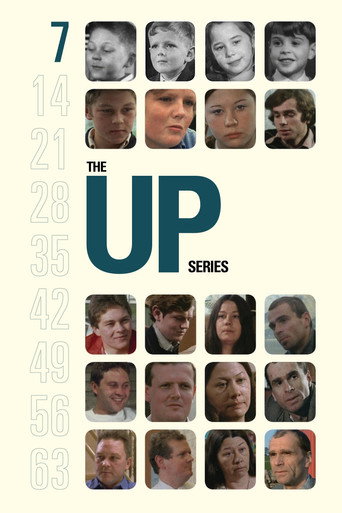
A group of British children aged 7 from widely ranging backgrounds are interviewed about a range of subjects. The filmmakers plan to re-interview them at 7 year intervals to track how their lives and attitudes change as they age.

A 1993 documentary film about Bruce Lee. The film includes interviews from some of his fellow students and opponents who worked alongside him in his movies.

A detailing of the rise to prominence and global sporting superstardom of six supremely talented young Manchester United football players (David Beckham, Nicky Butt, Ryan Giggs, Paul Scholes, Phil and Gary Neville). The film covers the period 1992-1999, culminating in Manchester United's European Cup triumph.

Just two years away from turning 30, participants in Michael Apted's documentary series are facing serious questions of identity and purpose, wondering whether they've found their place in the world.
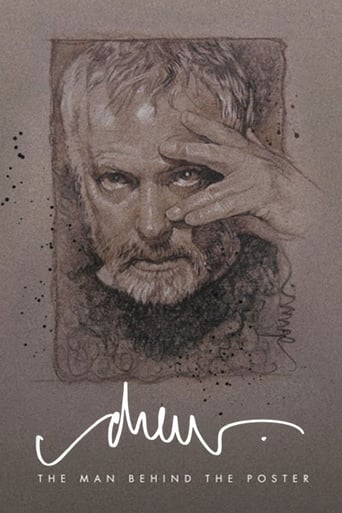
A documentary on legendary movie-poster artist Drew Struzan.

A compilation of over 30 years of private home movie footage shot by Lithuanian-American avant-garde director Jonas Mekas, assembled by Mekas "purely by chance", without concern for chronological order.

Daniel Craig candidly reflects on his 15 year adventure as James Bond. Including never-before-seen archival footage from Casino Royale to the upcoming 25th film No Time To Die, Craig shares his personal memories in conversation with 007 producers, Michael G Wilson and Barbara Broccoli.

Alexander McQueen's rags-to-riches story is a modern-day fairy tale, laced with the gothic. Mirroring the savage beauty, boldness and vivacity of his design, this documentary is an intimate revelation of McQueen's own world, both tortured and inspired, which celebrates a radical and mesmerizing genius of profound influence.

Through deeply personal interviews with her siblings and an examination of the photographs, letters, and belongings left behind, Mariska assembles a new portrait of her mother Jayne Mansfield, an extraordinary and complex woman.

Ranjit, a farmer in India, takes on the fight of his life when he demands justice for his 13-year-old daughter, the victim of a brutal gang rape. His decision to support his daughter is virtually unheard of, and his journey unprecedented.
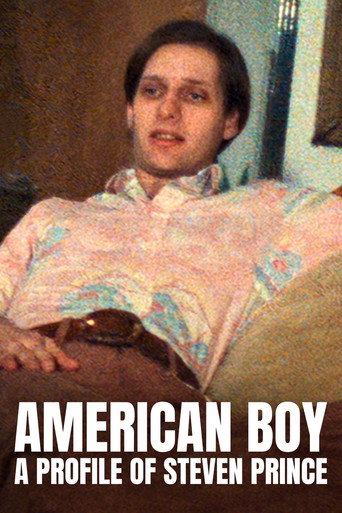
Martin Scorsese spends an evening with larger-than-life raconteur Steven Prince—a former drug addict, road manager for Neil Diamond, and actor—as he recounts stories from his colorful life.
Similar titles

From 1920 to 1965, the great Buster Keaton made spectacular use of locomotives in his films. This video essay charts the course of his iconic cinematic career across the many tracks he rode along on screen: as a young man in the surge of his silent movie ascent in Our Hospitality, while making his masterpiece The General, and traversing the width of Canada on a railway speeder car as an old man in The Railrodder.

Video essay exploring Luca Guadagnino's filmmaking methods, focusing on the passionate dynamics of desire and ardent longing for connection that sizzles across his cinema.

After the making of my previous film (PLAY DEAD!), some unfinished business remained on my desktop. Home movies and various body horror films from my childhood cluttered my computer screen. Part medical treatise, part self-anamnesis, and a mashup tinged with nostalgia, this video essay returns the images emanating from my computer screen to the everyday gaze of a diabetic.

The New York of News from Home was filmed in 1976, while the one of Taxi Driver was filmed in the summer of 1975. Both works reflect the same decadent city. Two visions that shift from the everyday to the existential complement each other. A resignification of Akerman's images through the voice-over of Scorsese's work.


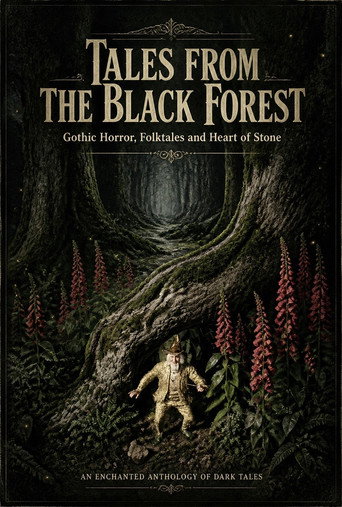
Video essay on Heart of Stone, folktales and gothic horror by film and literature scholar Mary Going. Included on the Eureka! Entertainment release of of the 1950 DEFA film "Heart of Stone," or "Das Kalte Herz", the original German title.
A visual essay about Mario Bava's film "Shock" by Alexandra Heller-Nicholas examining the film’s imagery, objects, and connections between possession and puppetry.

A video essay on Edward Yang's 2000 film "Yi Yi: A One and a Two..."

A video essay made on S. Craig Zahler's 2015 film "Bone Tomahawk".
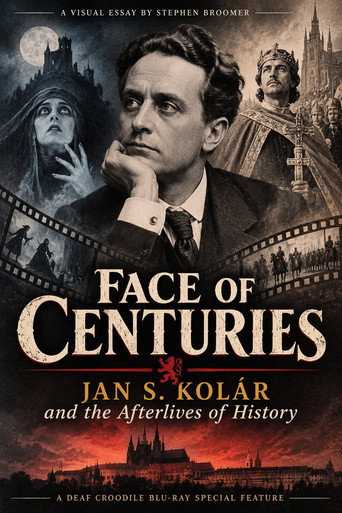
“Face of Centuries: Jan S. Kolár and the Afterlives of History” is an 18-minute visual essay created by experimental filmmaker and film scholar Stephen Broomer for Deaf Crocodile's Blu-ray collection of The Arrival from the Darkness (1921) and St. Wenceslas (1929). Its subject is the filmmaking career and artistic legacy of Czech director Jan S. Kolár (1896–1973), one of the pioneers of Czech cinema. The essay examines Kolár's place in early Czech filmmaking, including his experimentation across genres and the historical significance of his surviving films. The two principal features offer quite different windows into his work: - The Arrival from the Darkness: occult fantasy, resurrection, alchemy, black magic and time travel. - St. Wenceslas: an ambitious historical epic about tenth-century Bohemia, political conflict and the establishment of Christianity
There are two Bergmans. One speaks English, the other Italian. They fall in love and set off impulsively to live together. But reality is far from easy. As the rift between their emotions deepens, what choice will they make? And what kind of ending awaits them?
Non-human animals have always been around us, shaping and being shaped by our shared worlds. Yet in the modern city, their presence is increasingly cast as a problem, and their ways of living as disruptions. By following their traces, this film essay points toward a different picture that questions the narratives we take for granted. Through more-than-human encounters filmed locally in Romania, and a critical detour from the official discourse, other ways of living begin to surface. Perhaps there’s more we can do to unmake the anthropocentric landscape. What would it take to coexist more justly with urban animals? This film strays with this question and its possible answers.
In a world bedazzled by intractable images, do we need the essay film now more than ever? Kevin B. Lee weighs up this distinctively self-aware, searching form of cinema through both video and text.
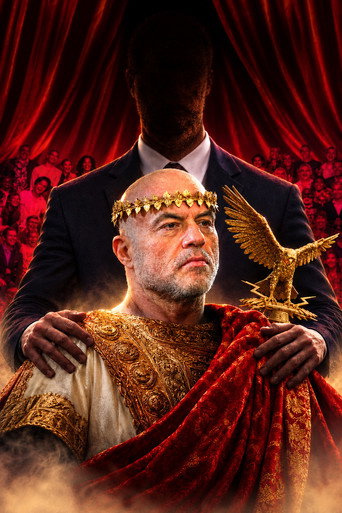
Human beings are on the precipice of the next migration era, and comedy is at the forefront of this new age. Some have already begun the journey. This is an ongoing investigation into how our current comedy era got to be so wonderful. How did this once beloved art form come to be run by an autocratic dictator? How it started. Why it won't end. The evolution of the podcast. The shadowy nature of identity. The cycles. Examining the tragic past and psychology that motivates its beloved Dear Leader: Joe Rogan. And wondering if the possession of unlimited power will make a despot of almost any man.
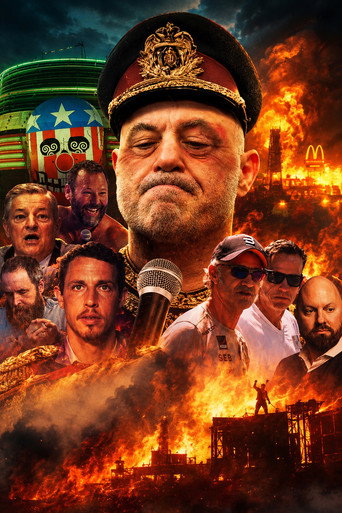
We continue our exploratory investigation into the depths of the comedy world, trying to figure out how and why it got so degraded and destroyed. Picking up from where our last exploration left off, we examine the current state of the comedy sphere, while probing the invisible techno algorithmic undertow that shapes our inner thoughts and outer behavior. We also consider humanity's innate and deeply subcortical instinct to belong to a group, and the amygdalar fear factory in our brain which influences us to stay with and protect that group. Comedy.
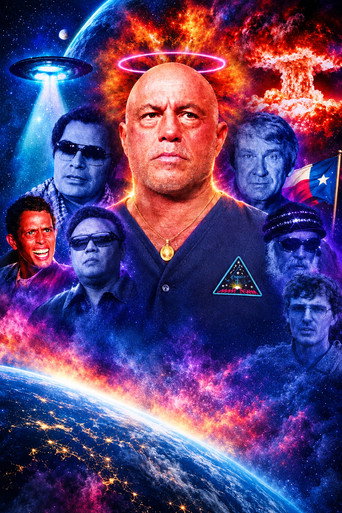
Continuing our investigation into how our current comedy era got to be so wonderful. They say that power doesn't corrupt, it reveals. Once a guy like Joe Rogan, the Comedy Czar, grabs hold of the reins of power, he can wield his power in any number of directions. We examine humanity's innate instinct to migrate, and where we head when there is nowhere else to go. How can the nature of subjective reality be leveraged and exploited. The complex psychological mechanisms behind the current comedy era. The powerful cult behind the destruction of everything that was ever good. Hyperreality, classic reality. And the cycles.
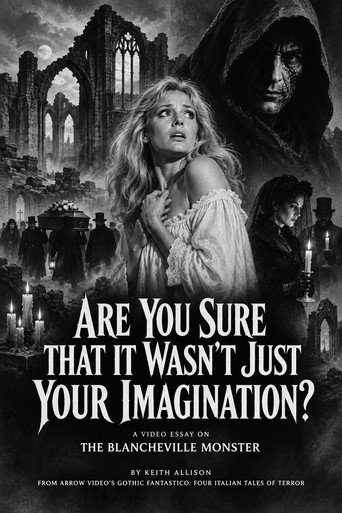
A video essay on the film by writer and pop culture historian Keith Allison where he gives a concise historical-and-critical companion to Alberto De Martino’s 1963 The Blancheville Monster—released in Italy as Horror. Rather than functioning as a production-history interview, it places the film within the early-1960s revival of Gothic horror and then reads its particular blend of Poe-inspired nightmare, old-dark-house melodrama, and psychological uncertainty.
A fictional boy aims to become a non-fictional rapper. His label has other plans.
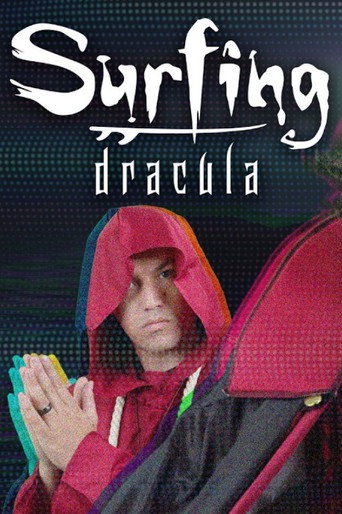
Chase Bridges gives his research on the fictional 80's tv show "Surfing Dracula", giving summaries of multiple episodes and the general plot of the show.