Jeanmaire
2026-10-15 · 58 min · Not rated
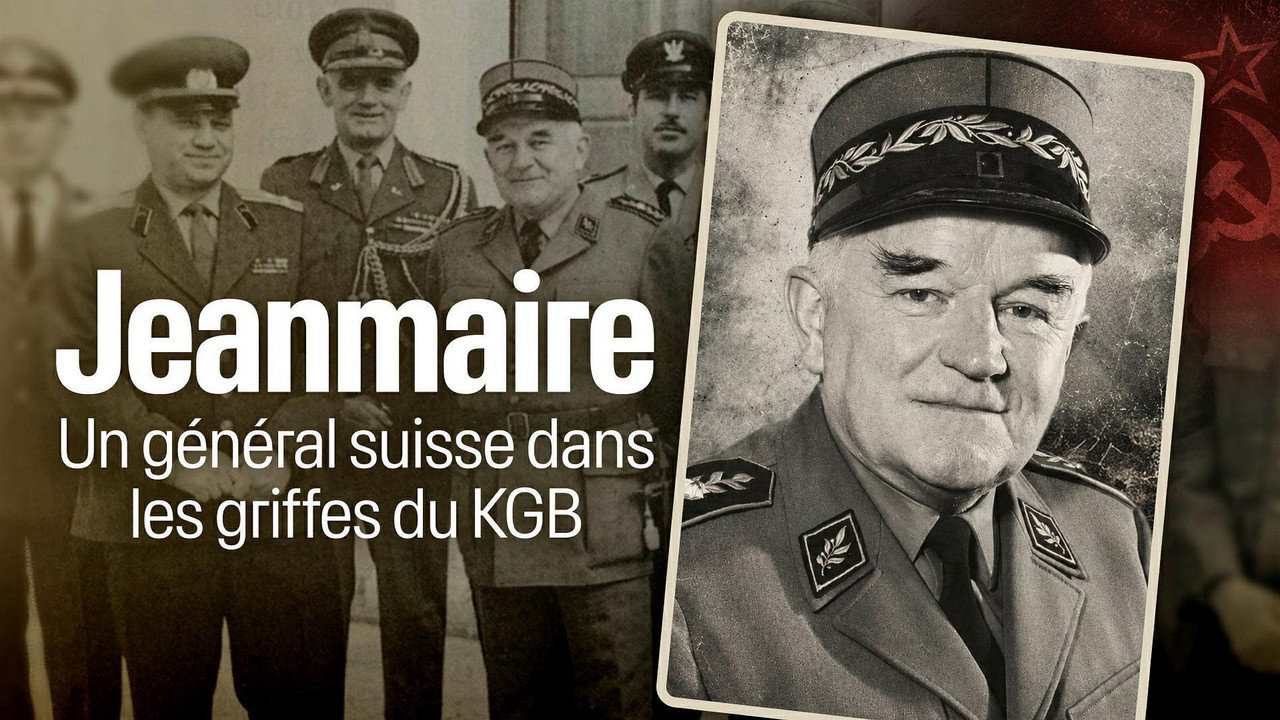
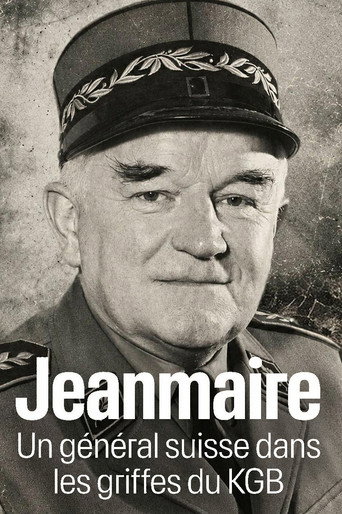
At the height of the Cold War, Brigadier Jean-Louis Jeanmaire a respected general officer in the Swiss Armed Forces was accused of passing highly sensitive information to the Soviet Union. His primary contact was Vassili Denissenko, a Russian military attaché and suspected KGB agent. We look back at a case that shook Switzerland in the 1970s.
Trailers are previews, not full movies.
No authorized playback source configured. Use the legal watch options below.
Production details
- Directors
- Jean-Philippe Ceppi, Matteo Born
- Production companies
- SRG SSR
- Countries
- Unavailable
- Status
- Released
Top Cast
Cast unavailable.
Title information and images are supplied by TMDb. Explore our discovery guide for advice on comparing metadata and legal viewing options.
Where to watch
Availability provided by JustWatch via TMDb. Offers can change. Provider links are listed on TMDb; full playback requires a separately authorized source.
Availability not listed for this country.
Seasons & episodes
Recommendations

Vanessa Guillen was 20 years old when she was found murdered at a US Army base. Rather than submit to silence, her family fought for justice and change.

The film follows adventurer Jeff Johnson as he retraces the epic 1968 journey of his heroes Yvon Chouinard and Doug Tompkins to Patagonia.

When Allied forces liberated the Nazi concentration camps in 1944-45, their terrible discoveries were recorded by army and newsreel cameramen, revealing for the first time the full horror of what had happened. Making use of British, Soviet and American footage, the Ministry of Information’s Sidney Bernstein (later founder of Granada Television) aimed to create a documentary that would provide lasting, undeniable evidence of the Nazis’ unspeakable crimes. He commissioned a wealth of British talent, including editor Stewart McAllister, writer and future cabinet minister Richard Crossman – and, as treatment advisor, his friend Alfred Hitchcock. Yet, despite initial support from the British and US Governments, the film was shelved, and only now, 70 years on, has it been restored and completed by Imperial War Museums under its original title "German Concentration Camps Factual Survey".

When Sgt. First Class Brian Eisch is critically wounded in Afghanistan, it sets him and his sons on a journey of love, loss, redemption and legacy.

Prelude to War was the first film of Frank Capra's Why We Fight propaganda film series, commissioned by the Pentagon and George C. Marshall. It was made to convince American troops of the necessity of combating the Axis Powers during World War II. This film examines the differences between democratic and fascist states.
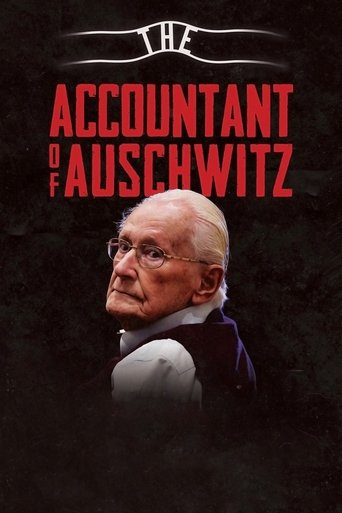
Oskar Gröning, known as the "Accountant of Auschwitz," was charged with the murder of 300,000 Jews. When he took the stand in 2015, at the age of 94, his trial made headlines worldwide.

A documentary about the life and films of director John Ford.

Over 35 years after Bob Lazar's revelations, this documentary exposes secrets of a facility the government still denies. Featuring Lazar's testimony, recreations, and new evidence, it reopens a case that continues to spark global curiosity

This documentary movie is about the battle of San Pietro, a small village in Italy. Over 1,100 US soldiers were killed while trying to take this location, that blocked the way for the Allied forces from the Germans. Preserved by the Academy Film Archive in 2005.

A string of threatening emails escalates into a revenge plot involving a newly married US marshal and his ex-girlfriend.
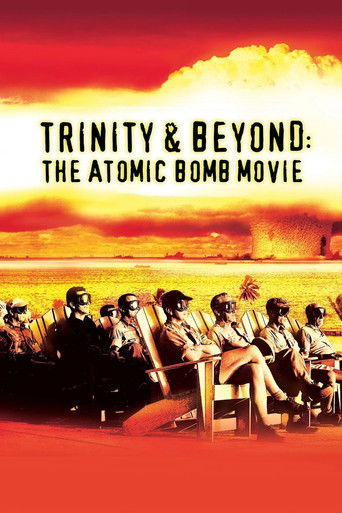
"Trinity and Beyond" is an unsettling yet visually fascinating documentary presenting the history of nuclear weapons development and testing between 1945-1963. Narrated by William Shatner and featuring an original score performed by the Moscow Symphony Orchestra, this award-winning documentary reveals previously unreleased and classified government footage from several countries.

A subjective documentary that explores various theories about hidden meanings in Stanley Kubrick's classic film The Shining. Five very different points of view are illuminated through voice over, film clips, animation and dramatic reenactments.
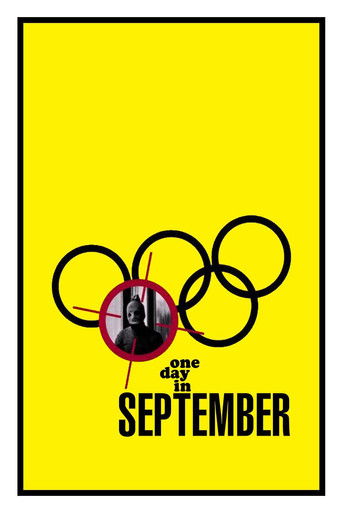
The full story of the 1972 Munich Olympics Massacre and the Israeli revenge operation 'Wrath of God.' The 1972 Munich Olympics were interrupted by Palestinian terrorists taking Israeli athletes hostage. Besides footage taken at the time, we see interviews with the surviving terrorist, Jamal Al Gashey, and various officials detailing exactly how the police, lacking an anti-terrorist squad and turning down help from the Israelis, botched the operation.
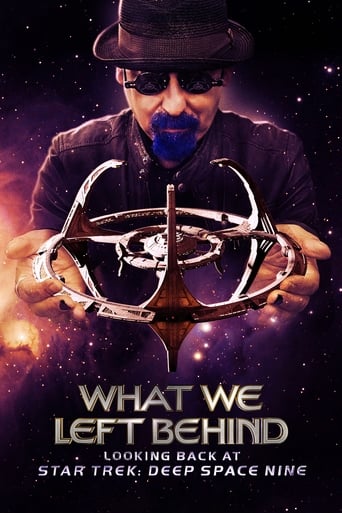
A documentary exploring the legacy of Star Trek: Deep Space Nine, the reasons it went from the black sheep of Star Trek to a beloved mainstay of the franchise, and a brainstorm with the original writers on what a theoretical eighth season of the show could look like.
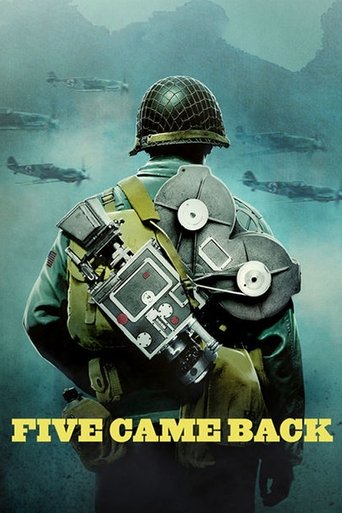
The extraordinary story of how Hollywood changed World War II – and how World War II changed Hollywood, through the interwoven experiences of five legendary filmmakers who went to war to serve their country and bring the truth to the American people: John Ford, William Wyler, John Huston, Frank Capra, and George Stevens. Based on Mark Harris’ best-selling book, “Five Came Back: A Story of Hollywood and the Second World War.”

Police pull over a woman who claims she just gave birth. But the baby — and the blood — aren't hers. Twisted lies unravel in this true-crime documentary.
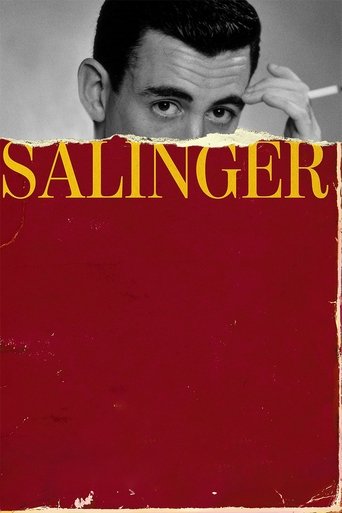
An in-depth investigation into the private world of the American writer J. D. Salinger (1919-2010), who lived most of his life behind the impenetrable wall of a self-imposed seclusion: how his dramatic experiences during World War II influenced his life and work, his relationships with very young women, his obsessive writing methods, his many literary secrets.
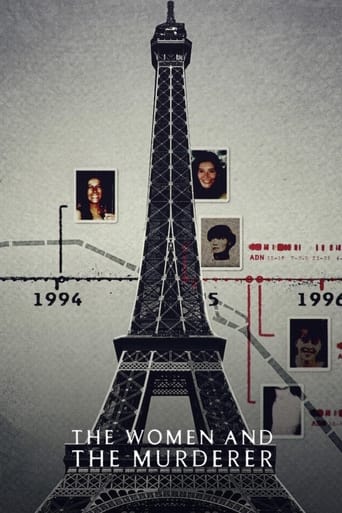
This documentary traces the capture of serial killer Guy Georges through the tireless work of two women: a police chief and a victim's mother.
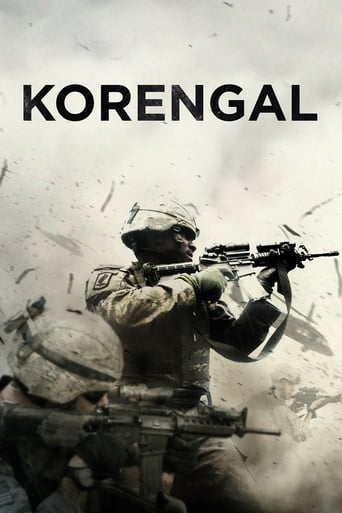
Korengal picks up where Restrepo left off; the same men, the same valley, the same commanders, but a very different look at the experience of war.

Marcel Ophuls' riveting film details the heinous legacy of the Gestapo head dubbed "The Butcher of Lyon." Responsible for over 4,000 deaths in occupied France during World War II, Barbie would escape—with U.S. help—to South America in 1951, where he lived until a global manhunt led to his 1983 arrest and subsequent trial.
Similar titles

In 2008, German U- boat U-455 was discovered off the coast of Italy. 400 feet down, the submarine stands almost vertically on the ocean floor. This documentary will reveal its history and the cause of its demise.
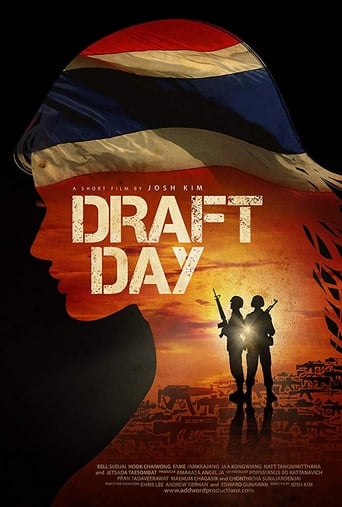
In Thailand, all males turning 21 must participate in the military draft lottery. Drawing a black card grants exemption. Drawing a red card results in two years of military service. This short film follows two girls, who were born as males, as they participate in the drafting process.
A variety of scientific subjects, including the laboratory of a plastic surgeon in London, and his method for applying permanent makeup; a new school for kiddies employing finger paint so they can express their urge to put things on paper; Army aviation, showing the latest development in blind landing. Produced in Cinecolor.
2019 marks the 30th year since the fall of the Berlin Wall and the end of the Cold War. Rich Hall examines the relationship between the West and the USSR in his inimitable fashion.
An essay film exploring the thirteen United States Presidents that have led the country through war and conflict from 1950 to 2025.
This film shows how far we have come since the cold-war days of the 50s and 60s. Back then the Russians were our "enemies". And to them the Americans were their "enemies" who couldn't be trusted. Somewhere in all this a young girl in Oklahoma named Shannon set her sights on becoming one of those space explorers, even though she was told "girls can't do that." But she did.

Deng Xiaoping's economic and political opening in China. Margaret Thatcher's extreme economic measures in the United Kingdom. Ayatollah Khomeini's Islamic Revolution in Iran. Pope John Paul II's visit to Poland. Saddam Hussein's rise to power in Iraq. The Soviet invasion of Afghanistan. The nuclear accident at the Harrisburg power plant and the birth of ecological activism. The year 1979, the beginning of the future.
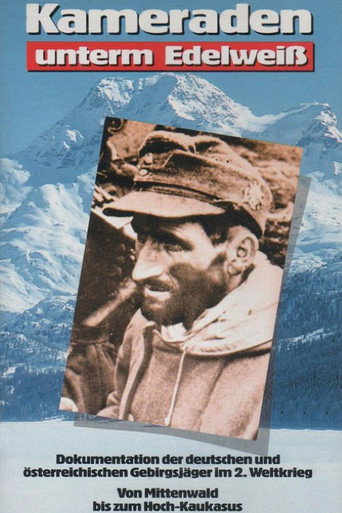
This rare documentary was filmed with the participation and personal camera of Wolfgang Gorther, a German military cinematographer of the 1st mining division, who participated in the legendary ascent of Elbrus on the night of August 21, 1942. From the beginning of the Second World War and the last international winter sports week in Garmisch-Partenkirchen follows the invasion of the German troops into the Soviet Union: Dnieper, Zaporozhy, Kharkov, Rostov-on-Don, Nogaean Steppe, Caucasus – fighting at 50 degrees below zero, military expedition into the world of ice and snow; – ascent of mountain arrows and subsequent hoisting of flags on the Elbrus at an altitude of 5,633 meters.
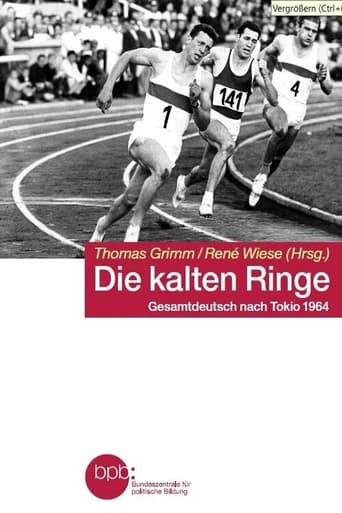
19 years after the dropping of atomic bombs in Japan, the Olympic Games of 1964 took place in Tokyo. In the midst of the cold war, the games are supposed to become a symbol for a peaceful world. Especially the divided Germany is expected to prove this: By order of the IOC, both German states must participate in Tokyo with a joint team despite deep ideological rifts. The fact that athletes from both German states still had to compete against each other in order to form a joint team for the 1964 Olympic Games in Innsbruck and in Tokyo is all but forgotten. The film tells the story of the East-West German team of 1964 for the first time and is simultaneously a current document about the relation of sports and politics in international relations.
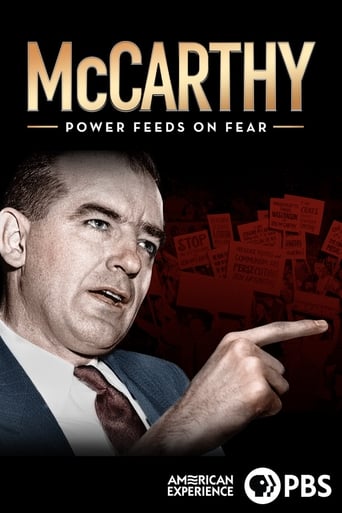
"McCarthy" chronicles the rise and fall of Joseph McCarthy, the Wisconsin senator who came to power after a stunning victory in an election no one thought he could win. Once in office, he declared that there was a vast conspiracy threatening America — emanating not from a rival superpower, but from within. Free of restraint or oversight, he conducted a crusade against those he accused of being enemies of the state, a chilling campaign marked by groundless accusations, bullying intimidation, grandiose showmanship and cruel victimization. With lawyer Roy Cohn at his side, he belittled critics, spinning a web of lies and distortions while spreading fear and confusion. After years in the headlines, he was brought down by his own excesses and overreach. But his name lives on linked to the modern-day witch hunt we call “McCarthyism.”
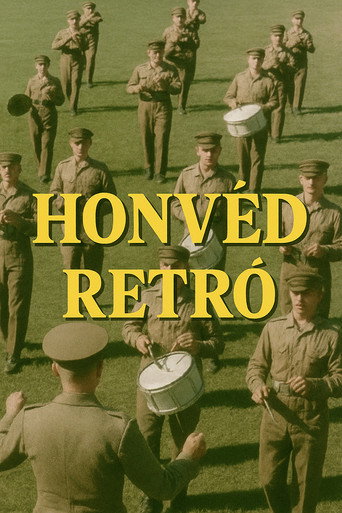
A feature length, lively - montage style - documentary, capturing the essence of what life was like in socialist Hungary's conscript army, using contemporary videos.

In World War II. African-American GIs liberate Germany from Nazi rule while racism prevailed in their own army and home country. Returning home they continue fighting for their own rights in the civil rights movement.
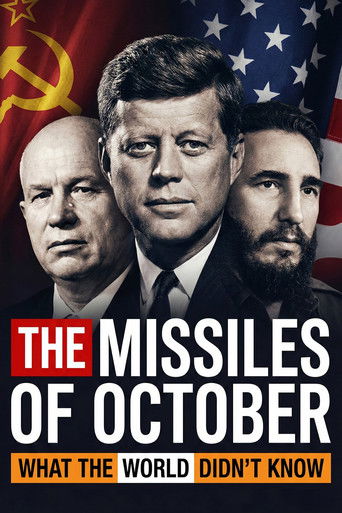
This documentary by ABC News commemorates the 30th anniversary of the 1962 Cuban Missile Crisis. It provides a behind-the-scenes look at how close the U.S. and Soviet Union actually came to catastrophe.

Film sponsored by Western Electric (AT&T's equipment manufacturing division), the builder of the United States Air Force's White Alice Communications System in Alaska. Introduces the people and geography of the new state as well as the Western Electric radio-relay system, which links far-flung military sites, alert stations, and missile-warning facilities. Ralph Caplan praised the film's "intrinsically dramatic and highly photogenic" portrayal of communications equipment.
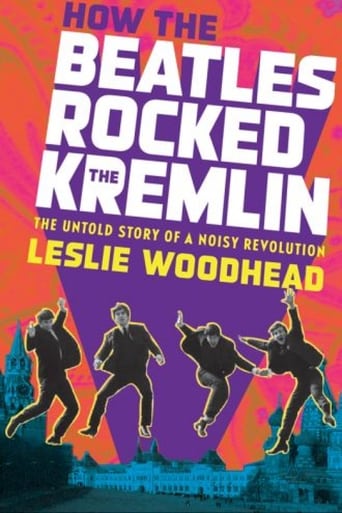
In August 1962, director Leslie Woodhead made a two-minute film in Liverpool's Cavern Club with a raw and unrecorded group of rockers called the Beatles. He arranged their first live TV appearances on a local show in Manchester and watched as the Fab Four phenomenon swept the world. Twenty-five years later while making films in Russia, Woodhead became aware of how, even though they were never able to play in the Soviet Union, the Beatles' legend had soaked into the lives of a generation of kids. This film meets the Soviet Beatles generation and hears their stories about how the Fab Four changed their lives, including Putin's deputy premier Sergei Ivanov, who explains how the Beatles helped him learn English and showed him another life. (Storyville)

13 August 1961: the GDR closes the sector borders in Berlin. The city is divided overnight. Escape to the West becomes more dangerous every day. But on September 14, 1962, exactly one year, one month and one day after the Wall was built, a group of 29 people from the GDR managed to escape spectacularly through a 135-meter tunnel to the West. For more than 4 months, students from West Berlin, including 2 Italians, dug this tunnel. When the tunnel builders ran out of money after only a few meters of digging, they came up with the idea of marketing the escape tunnel. They sell the film rights to the story exclusively to NBC, an American television station.

With the Doomsday Clock the closest it's ever been to midnight, Jane Corbin investigates the proliferation of nuclear weapons across the globe. She visits Los Alamos, home to the United States’ nuclear weapons development facility and the historic home of Oppenheimer’s Manhattan Project. In Scotland, she reveals the strategy behind Britain’s nuclear deterrent, and speaks to campaigners in Suffolk fighting against US weapons they fear will be based on UK soil. Jane also discovers how many of the global agreements and safeguards that have constrained the spread of nuclear weapons since the 1970s are breaking down. This is a story told by the scientists, investigators and diplomats who set the clock and have fought to ensure that the ultimate deterrent has not been used in over 70 years.

Tensions between the USSR and the United States were high in 1959, with the seemingly constant threat of nuclear war. Then some unlikely ambassadors stepped forward to clear all that away: the Harlem Globetrotters. From Harlem With Love is the story of how a group of barnstorming basketball players traveled to the heart of the Soviet Union at the height of the Cold War and bridged a cultural gap many thought would stand forever.
This short shows how the city of Reading, Pennsylvania would implement civil defense procedures to help residents survive a nuclear attack. Through a network of volunteers, makeshift hospitals would be set up, auxiliary police officers would maintain order, and other elements of the civil defense program would be put in place.