Making Sombreros in Manila
1919-03-09 · Runtime unavailable · Not rated
Released on March 9th, 1919. Produced by Burton Holmes.
Trailers are previews, not full movies.
No authorized playback source configured. Use the legal watch options below.
Production details
- Directors
- Unavailable
- Production companies
- Burton Holmes Travel Pictures
- Countries
- United States of America
- Status
- Released
Top Cast
Cast unavailable.
Title information and images are supplied by TMDb. Explore our discovery guide for advice on comparing metadata and legal viewing options.
Where to watch
Availability provided by JustWatch via TMDb. Offers can change. Provider links are listed on TMDb; full playback requires a separately authorized source.
Availability not listed for this country.
Seasons & episodes
Recommendations
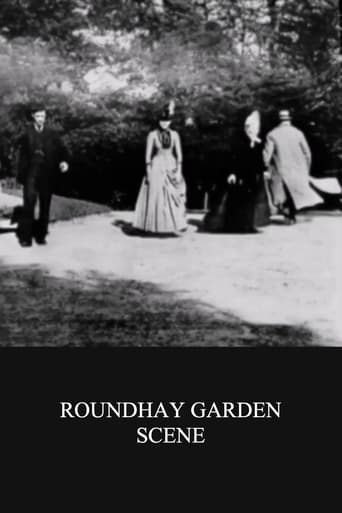
The earliest surviving motion-picture film, and believed to be one of the very first moving images ever created, was shot by Louis Aimé Augustin Le Prince using the LPCCP Type-1 MkII single-lens camera. It was taken on paper-based photographic film in the garden of Oakwood Grange, the Whitley family house in Roundhay, Leeds, West Riding of Yorkshire (UK), on 14 October 1888. The film shows Adolphe Le Prince (Le Prince’s son), Mrs. Sarah Whitley (Le Prince’s mother-in-law), Joseph Whitley, and Miss Harriet Hartley walking around in circles, laughing to themselves, and staying within the area framed by the camera. Roundhay Garden Scene is often associated with a recording speed of around 12 frames per second and runs for about 2 to 3 seconds.
In the final decades of the 20th century, the Philippines was a country where low-budget exploitation-film producers were free to make nearly any kind of movie they wanted, any way they pleased. It was a country with extremely lax labor regulations and a very permissive attitude towards cultural expression. As a result, it became a hotbed for the production of cheapie movies. Their history and the genre itself are detailed in this breezy, nostalgic documentary.

The epic life story of Alice Guy-Blaché (1873–1968), a French screenwriter, director and producer, true pioneer of cinema, the first person who made a narrative fiction film; author of hundreds of movies, but banished from history books. Ignored and forgotten. At last remembered.

A compilation of over 30 years of private home movie footage shot by Lithuanian-American avant-garde director Jonas Mekas, assembled by Mekas "purely by chance", without concern for chronological order.
In 1975, Ryszard Kapuściński, a veteran Polish journalist, embarked on a seemingly suicidal road trip into the heart of the Angola's civil war. There, he witnessed once again the dirty reality of war and discovered a sense of helplessness previously unknown to him. Angola changed him forever: it was a reporter who left Poland, but it was a writer who returned…

The history of cinematic sound, told by legendary sound designers and visionary filmmakers.
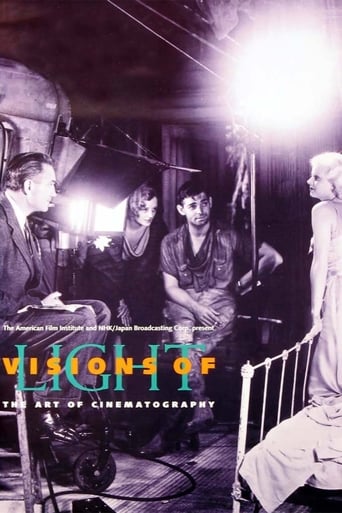
Cameramen and women discuss the craft and art of cinematography and of the "DP" (the director of photography), illustrating their points with clips from 100 films, from Birth of a Nation to Do the Right Thing. Themes: the DP tells people where to look; changes in movies (the arrival of sound, color, and wide screens) required creative responses from DPs; and, these artisans constantly invent new equipment and try new things, with wonderful results. The narration takes us through the identifiable studio styles of the 30s, the emergence of noir, the New York look, and the impact of Europeans. Citizen Kane, The Conformist, and Gordon Willis get special attention.
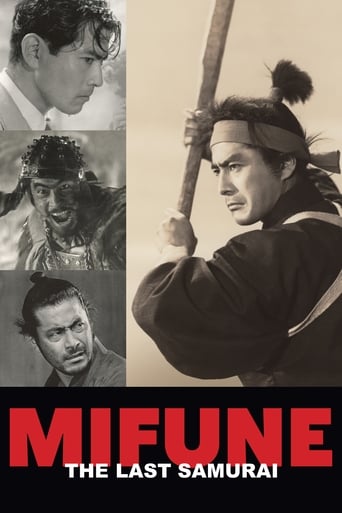
An account of the life and work of legendary Japanese actor Toshirō Mifune (1920-97), the most prominent actor of the Golden Age of Japanese cinema.
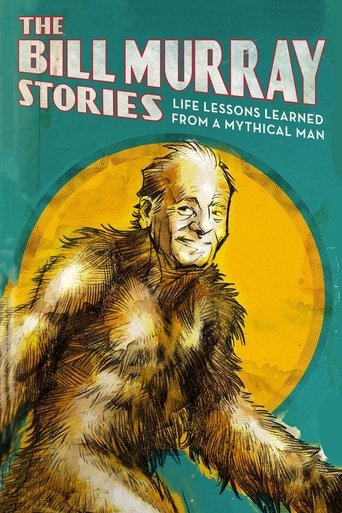
One man’s journey to find meaning in Bill Murray’s many unexpected adventures with everyday people, rare and never-before seen footage of the comedic icon participating in stories previously presumed to be urban legend.

When Allied forces liberated the Nazi concentration camps in 1944-45, their terrible discoveries were recorded by army and newsreel cameramen, revealing for the first time the full horror of what had happened. Making use of British, Soviet and American footage, the Ministry of Information’s Sidney Bernstein (later founder of Granada Television) aimed to create a documentary that would provide lasting, undeniable evidence of the Nazis’ unspeakable crimes. He commissioned a wealth of British talent, including editor Stewart McAllister, writer and future cabinet minister Richard Crossman – and, as treatment advisor, his friend Alfred Hitchcock. Yet, despite initial support from the British and US Governments, the film was shelved, and only now, 70 years on, has it been restored and completed by Imperial War Museums under its original title "German Concentration Camps Factual Survey".
In 1972, a seemingly typical shoestring budget pornographic film was made in a Florida hotel: "Deep Throat," starring Linda Lovelace. This film would surpass the wildest expectation of everyone involved to become one of the most successful independent films of all time. It caught the public imagination which met the spirit of the times, even as the self-appointed guardians of public morality struggled to suppress it, and created, for a brief moment, a possible future where sexuality in film had a bold artistic potential. This film covers the story of the making of this controversial film, its stunning success, its hysterical opposition along with its dark side of mob influence and allegations of the on set mistreatment of the film's star.

A documentary about the life and films of director John Ford.
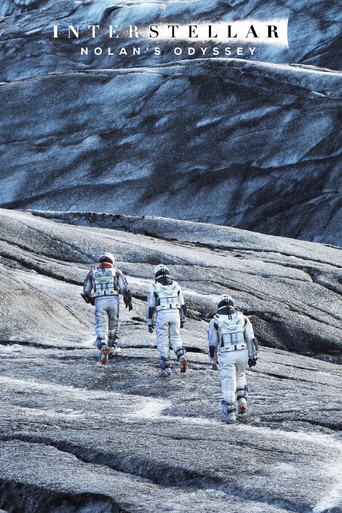
A look behind the lens of Christopher Nolan's space epic.
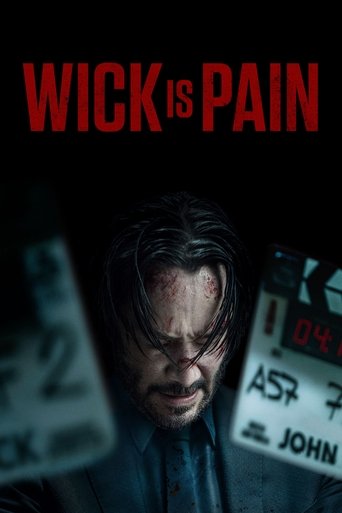
Witness the never-before-seen footage and true story behind the John Wick phenomenon – from independent film to billion-dollar franchise.
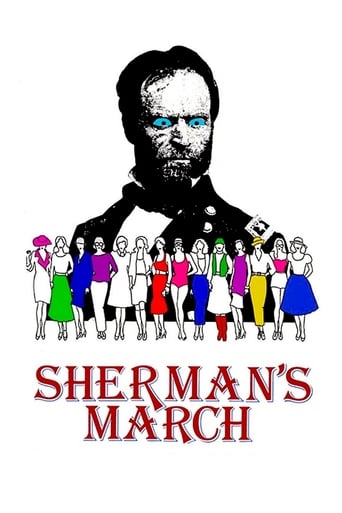
Documentarian Ross McElwee originally set out to make a travelogue of sorts tracing General William T. Sherman's infamous scorched-earth march through the Confederacy in the latter stages of the Civil War. Instead, haunted by a recent breakup with a girlfriend, McElwee ends up documenting his progress -- or lack thereof -- in starting a new relationship. His journey then becomes one of self-reflection and self-discovery rather than a historical/sociological exploration.
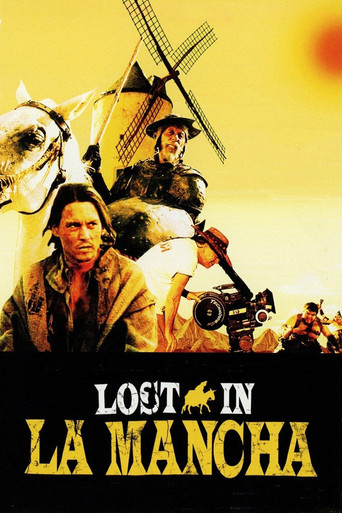
Fulton and Pepe's 2000 documentary captures Terry Gilliam's attempt to get The Man Who Killed Don Quixote off the ground. Back injuries, freakish storms, and more zoom in to sabotage the project.
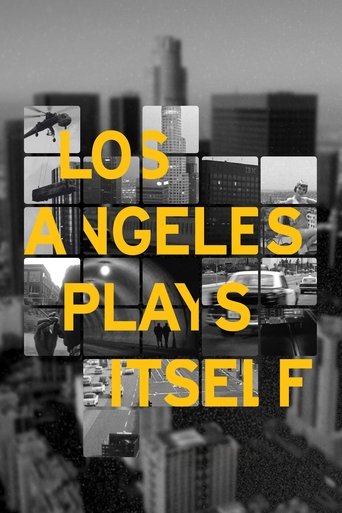
From its distinctive neighborhoods to its architectural homes, Los Angeles has been the backdrop to countless movies. In this dazzling work, Andersen takes viewers on a whirlwind tour through the metropolis' real and cinematic history, investigating the myriad stories and legends that have come to define it, and meticulously, judiciously revealing the real city that lives beneath.
Documentary about the art of film editing. Clips are shown from many groundbreaking films with innovative editing styles.

The life and career of an actor, artist, and icon. His own journey through his own camera.

In 1992, teenager Sandi Tan shot Singapore's first indie road movie with her enigmatic American mentor Georges – who then vanished with all the footage. Twenty years later, the 16mm film is recovered, sending Tan, now a novelist in Los Angeles, on a personal odyssey in search of Georges' vanishing footprints.
Similar titles

Documentary on Heavy Metal music featuring Adam Sandler, Ozzy Osbourne, Gene Simmons and Ronnie Dio. Produced for the "Little Nicky" Special Edition DVD.

Andrey Loshak's film from the series "Profession-reporter".

FRONTLINE investigates the widespread use of antibiotics in food animals and whether it is fueling the growing crisis of antibiotic resistance in people. Also this hour: An exclusive interview with the family of a young man who died in a nightmare bacteria outbreak that swept through a hospital at the National Institutes of Health.
Marie-Hélène, my mother, is retiring and takes with her her memories, her anxieties and the mental burden of having raised three children while working full time. As she works her last shift as a home nurse, her thoughts jostle and harmonize in a whirlwind similar to a panic attack.
Warm, poetic, educational, and emotional story will paint for us the phenomenon of Dražen Petrović, one of the greatest basketball players in the world who, despite his premature death, left an incredible mark on people's lives.
Adolfo Kaminsky started saving lives when chance and necessity made him a master forger. As a teenager, he became a member of the French Resistance and used his talent to save the lives of thousands of Jews. The Forger is a well-crafted origin story of a real-life superhero.
Filmmaker Froukje van Wengerden’s 86-year-old grandmother shares a powerful memory from 1944, when she was just 14. As her story unfolds, we see a group of contemporary 14-year-old girls. Their procession of portraits permits the spectator to see simultaneously forward and back, into the future and towards the past. A miraculous testimonial that uses eye contact to focus the viewer inward and evoke unexpected emotions.

In 2009, two family fathers in Budapest who had lost their jobs and all their money decided that the solution to their problems would be to rob a post office, with a Wartburg. Lacking any previous experience, they studied movies to learn the trade. The robbery did not go as planned and ended with the escape vehicle breaking down in front of a prison. Who where they and why would anybody chose such a solution? The film explores the real events of an absurd and tragic story from 2009 through the eyes of a Swedish filmmaker.


Short movie about a young group of friends walking around Leningrad at night
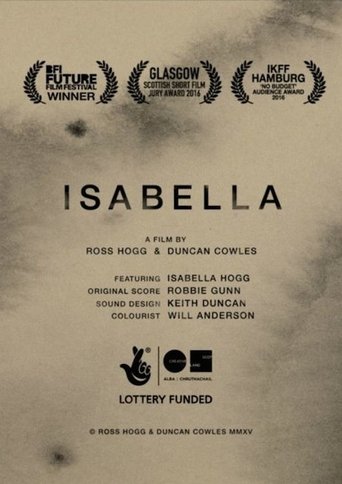
This film aims to capture the stories of the aging Isabella, but also captures her condition and loss of cohesiveness as she loses herself into dementia and Parkinson's. It is also a very personal film since the subject is the grandmother of one of the co- directors. The idea is interesting as it links one strong clear memory, told several times, to other fragments and truths of her condition. Animation is sparingly but cleverly used to complement the delivery and avoid it just being a talking head.
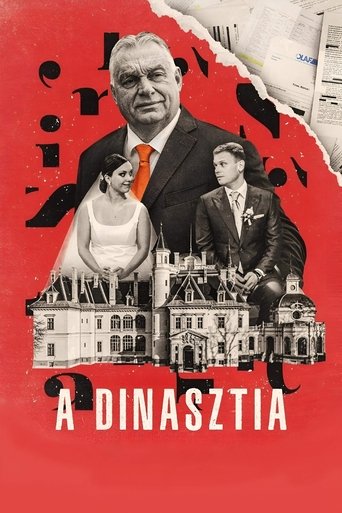
The Dynasty by the Direkt36 investigative center tells the story of the business dealings of the Prime Minister’s family over several decades. With hidden camera footage, it also shows the luxurious world built by Viktor Orbán’s son-in-law István Tiborcz and his daughter Ráhel Orbán.
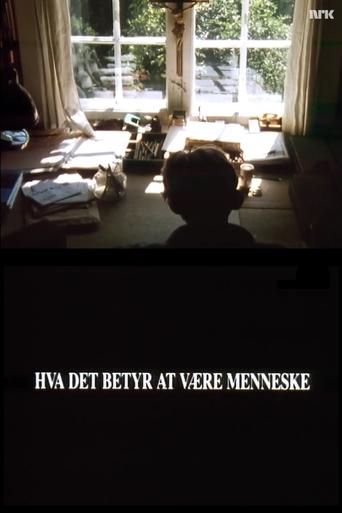
A film that conveys some of Peter Wessel Zapffe’s philosophical ideas.
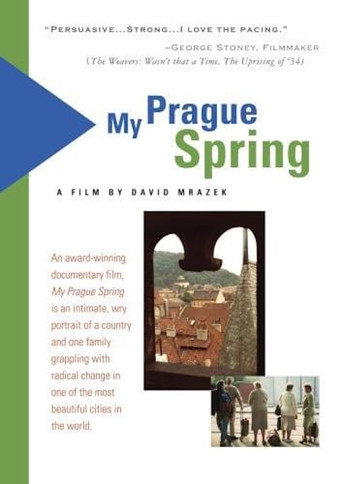
In its "velvet revolution" of 1989, the people of Czechoslovakia toppled its communist dictatorship and embraced democracy and capitalism. By January 1993, the country had peacefully split in two. In the early 1990s, thousands of American college graduates began flocking to Prague, where they could postpone entering the "real world," and live cheaply in a beautiful undiscovered European city. Throughout that decade more and more tourists crossed the statue-lined Charles Bridge in search of old world beauty previously hidden by communist isolation. But what of the people who cross the Charles Bridge on their way to work every morning? Who are the Czechs? What is their history? What is their future? My Prague Spring is an award-winning film that vividly humanizes a resilient people who have survived a tumultuous history. In the spring of 1990, a Czech-American filmmaker spent four months living with his Czech relatives, and opened an intimate window into an uncertain world.
Short news featurette produced by Pathe-RKO after the Russians launched the first orbiting satellite, Sputnik. It is a patriotic 'call to arms' from the threat posed by this and the need for Americans to spend more on education in general and a college education in particular. A visit to the University of Buffalo highlights its science programs and the need for more graduates from all technical disciplines if America is to rise to the challenge. It bemoans the fact the PhDs earn less than a mechanic and the need to re-order priorities.
Everyone thinks that Bob Kane created Batman, but that’s not the whole truth. One author makes it his crusade to make it known that Bill Finger, a struggling writer, actually helped invent the iconic superhero, from concept to costume to the very character we all know and love. Bruce Wayne may be Batman’s secret identity, but his creator was always a true mystery.
This documentary tells the haunting story of the Klondike Gold Rush in legendary Dawson City. Peppered with Robert Service poems read by New Zealand-born Hollywood actor Russell Crowe, the film recounts how stampedes of fortune seekers came to the Yukon from far and wide in 1897. Less than half of the 100,000 adventurers ever finished the treacherous journey. Archival photographs re-create the saga of the Klondike, including stories from the deadly Chilkoot Pass and Dawson City itself, where fortunes were made and lost overnight. With a personal stake and a sense of wonder, filmmaker Rita Roy discovers a territory still vibrant with legends, and miners still panning for gold under the spell of the harsh yet stunning wilderness.
