
Monseñor: The Last Journey of Óscar Romero
2012-03-20 · 97 min · ★ 6.4
Using rare footage from his own collection as well as interviews and photographs, this documentary profiles Óscar Romero, the Salvadoran priest whose championing of the poor and downtrodden against a corrupt government made him a global hero.
Trailers are previews, not full movies.
No authorized playback source configured. Use the legal watch options below.
Production details
- Directors
- Juliet Weber, Ana Carrigan
- Production companies
- Kellogg Institute for International Studies
- Countries
- El Salvador, United States of America
- Status
- Released
Top Cast
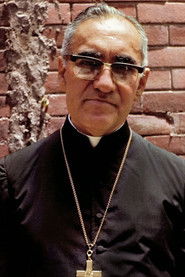 Óscar Arnulfo RomeroSelf
Title information and images are supplied by TMDb. Explore our discovery guide for advice on comparing metadata and legal viewing options.
Where to watch
Availability provided by JustWatch via TMDb. Offers can change. Provider links are listed on TMDb; full playback requires a separately authorized source.
Seasons & episodes
Recommendations
A behind the scenes look into George Romero's groundbreaking horror classic Night of the Living Dead.
Going beyond the occasional news clip from Burma, the acclaimed filmmaker, Anders Østergaard, brings us close to the video journalists who deliver the footage. Though risking torture and life in jail, courageous young citizens of Burma live the essence of journalism as they insist on keeping up the flow of news from their closed country.

A documentary on the expletive's origin, why it offends some people so deeply, and what can be gained from its use.

A visual montage portrait of our contemporary world dominated by globalized technology and violence.

An inside look at one of the most anticipated movie sequels ever with James Cameron and cast.
Featuring a wealth of previously unseen archive, this film looks at how Bowie continually evolved: from Ziggy Stardust to the Soul Star of Young Americans, to the ‘Thin White Duke’. It explores his regeneration in Berlin with the critically acclaimed album Heroes, his triumph with Scary Monsters and his global success with Let’s Dance. With interviews with all his closest collaborators, David Bowie - Five Years presents a unique account of why Bowie has become an ‘icon of our times’.

In an intimate and joyful story of love in the face of loss, celebrated poets Andrea Gibson and Megan Falley find strength—and unexpected hilarity—in what might be their final year together.

A detailing of the rise to prominence and global sporting superstardom of six supremely talented young Manchester United football players (David Beckham, Nicky Butt, Ryan Giggs, Paul Scholes, Phil and Gary Neville). The film covers the period 1992-1999, culminating in Manchester United's European Cup triumph.

Daniel Craig candidly reflects on his 15 year adventure as James Bond. Including never-before-seen archival footage from Casino Royale to the upcoming 25th film No Time To Die, Craig shares his personal memories in conversation with 007 producers, Michael G Wilson and Barbara Broccoli.
A documentary on the life of John Lennon, with a focus on the time in his life when he transformed from a musician into an antiwar activist.

Over 35 years after Bob Lazar's revelations, this documentary exposes secrets of a facility the government still denies. Featuring Lazar's testimony, recreations, and new evidence, it reopens a case that continues to spark global curiosity
Martin Scorsese’s portrait of writer and social commentator Fran Lebowitz, celebrated for her sharp wit and observations on modern life. Filmed at New York’s Waverly Inn and intercut with archival footage and interviews, the documentary captures Lebowitz’s distinctive worldview through her spontaneous monologues and public appearances.

A compilation of over 30 years of private home movie footage shot by Lithuanian-American avant-garde director Jonas Mekas, assembled by Mekas "purely by chance", without concern for chronological order.
A tribute to Chadwick Boseman, celebrating his life and legacy.

When Allied forces liberated the Nazi concentration camps in 1944-45, their terrible discoveries were recorded by army and newsreel cameramen, revealing for the first time the full horror of what had happened. Making use of British, Soviet and American footage, the Ministry of Information’s Sidney Bernstein (later founder of Granada Television) aimed to create a documentary that would provide lasting, undeniable evidence of the Nazis’ unspeakable crimes. He commissioned a wealth of British talent, including editor Stewart McAllister, writer and future cabinet minister Richard Crossman – and, as treatment advisor, his friend Alfred Hitchcock. Yet, despite initial support from the British and US Governments, the film was shelved, and only now, 70 years on, has it been restored and completed by Imperial War Museums under its original title "German Concentration Camps Factual Survey".
Film adaptation of French economist Thomas Piketty's ground-breaking global bestseller of the same name: an eye-opening journey through wealth and power.

In the Realms of the Unreal is a documentary about the reclusive Chicago-based artist Henry Darger. Henry Darger was so reclusive that when he died his neighbors were surprised to find a 15,145-page manuscript along with hundreds of paintings depicting The Story of the Vivian Girls, in What is Known as the Realms of the Unreal, of the Glodeco-Angelinnian War Storm, Cased by the Child Slave Rebellion.
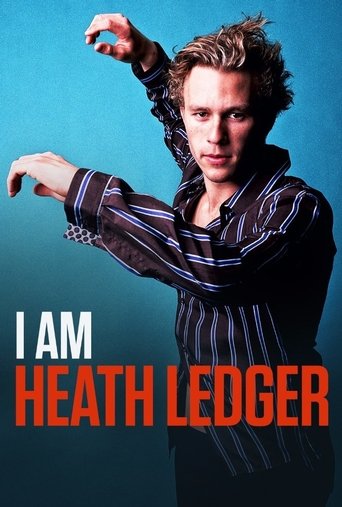
The life and career of an actor, artist, and icon. His own journey through his own camera.
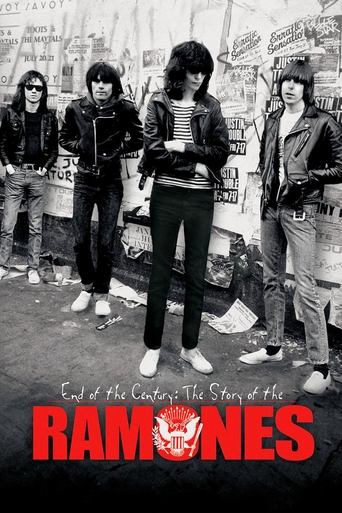
A years-in-the-making documentary on the legendary punk band the Ramones. Through a mixture of archival footage, archival and new interviews with all members of the band's various lineups, and new interviews with a number of their contemporaries, the film traces the peaks and valleys the band experienced over the course of its 20-plus year career before disbanding in 1995.
A presentation of a case for a needed transition out of the current socioeconomic monetary paradigm which governs the entire world society. This subject matter will transcend the issues of cultural relativism and traditional ideology and move to relate the core, empirical 'life ground' attributes of human and social survival, extrapolating those immutable natural laws into a new sustainable social paradigm called a 'Resource-Based Economy'.
Similar titles
Pedro Linger Gasiglia’s twelve-minute documentary "The Massacre at El Mozote: Twenty Years Later," offers first-person accounts of the horrors as well as the media’s lack of coverage.
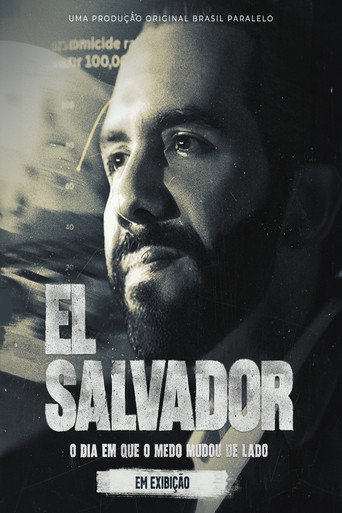
The documentary chronicles the social, political, and security transformation in El Salvador under the administration of President Nayib Bukele.

It is El Salvador, 1989, three years before the end of a brutal civil war that took 75,000 lives. Maria Serrano, wife, mother, and guerrilla leader is on the front lines of the battle for her people and her country. With unprecedented access to FMLN guerrilla camps, the filmmakers dramatically chronicle Maria's daily life in the war.
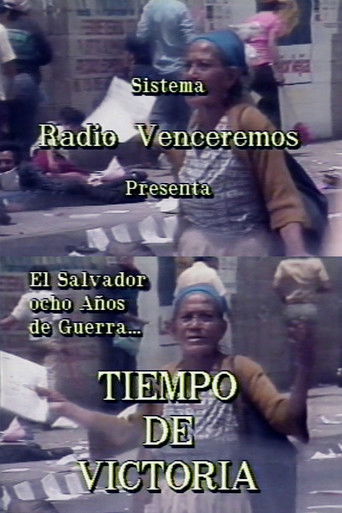
It documents the civil war in El Salvador, in its first 8 years, as well as the political movements, and the human rights violations that occurred.
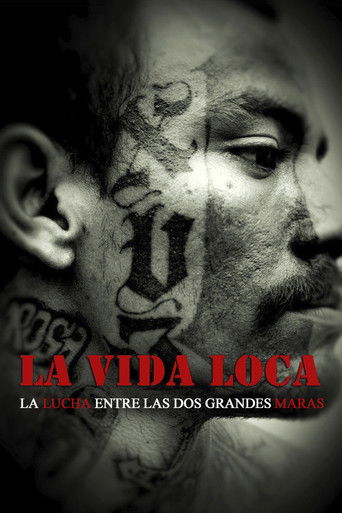
A documentary about the rival gangs Mara 18 and Mara Salvatrucha, originating in Los Angeles but terrorizing El Salvador. It explores their origins as possible founding myths of organized crime in a globalized world.
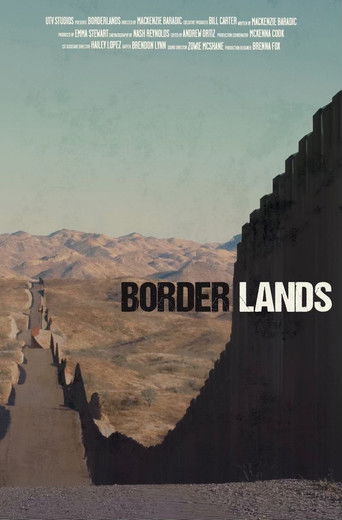
Fleeing the 1980 Civil War in El Salvador, Dora Rodriguez, among a group of twenty-five asylum seekers, were abandoned by their guide and left to fend for themselves in the relentless Sonoran desert of Arizona.
Produced by the Radio Venceremos System, chronicles the first decade of the guerrilla broadcaster that became a crucial communication tool for the FMLN during El Salvador’s civil war. Through archival footage, radio transmissions, testimonies, and scenes of daily life in liberated zones, the film traces the station’s military, political, and cultural role, from reporting on combat operations and peasant struggles to fostering literacy, music, and international solidarity. The documentary portrays Radio Venceremos not only as a strategic instrument of war, but as a symbol of resistance, collective organization, and revolutionary memory.
A production by Radio Venceremos in 1992. The documentary's central objective is to showcase Radio Venceremos' new role after the end of the armed conflict, portraying it as a radio station that would continue serving the needs of the Salvadoran people. The documentary includes some of Radio Venceremos' broadcasts during the Salvadoran peace process.
Filmed during the Salvadoran civil war, La luz que te decía documents the struggles of the country’s labor and trade union movement amid escalating political violence. Through strike footage, congress meetings, marches, and first-person testimonies, the film portrays a society marked by state repression, workers’ mobilization, and efforts to build national and international solidarity. The documentary pays particular attention to the strike of the National Water Authority workers (ANDA), featuring members of the SETA union who describe the causes of the protest, the repression they faced, and the survival strategies adopted during the conflict. Testimonies from other unions, grassroots organizations, and international labor groups broaden the film’s perspective beyond a single labor dispute.
Return to El Salvador explores the reconstruction of El Salvador, post-civil war. The film revisits the struggles of the nation and examines what drives over 700 Salvadorans to flee their homeland each day, often risking their lives to illegally enter countries in search of a better life for their families. The film also profiles a number of Salvadorans effected by the civil war. One couple, who fled death threats in the 1980s, finds asylum and a political platform in the United States. The film also follows a different couple who, after escaping the war, returned to El Salvador to work with churches and poor communities.
In late 1980, the bodies of four American women were exhumed from a crude grave in El Salvador. The women - Ita Ford and Maura Clarke, nuns of the Maryknoll Congregation in New York; Dorothy Kazel, a nun in the Ursuline Sisters of Cleveland; and Jean Donovan, a lay missionary from the Cleveland Mission - had been abducted, raped, and murdered. An investigation led to the trial and conviction of five Salvadoran National Guardsmen.
Join affable presenter Nigel Marven as he explores El Salvador, the volatile land of volcanoes with a colorful culture and natural history. Follow along as he climbs an active volcano near the capital San Salvador, comes face-to-face with a crocodile, cuddles a caecilian, fights fire with fire, dives deep into a volcanic lake, and discovers the Pompeii of Central America.
Years after the Salvadoran military destroyed the village of Cinquera in that country’s civil war, survivors have returned to rebuild their community. Soulful, beautifully rendered, this amazing debut is an evocative testament to place, memory and the power of life to rebound from tragedy.
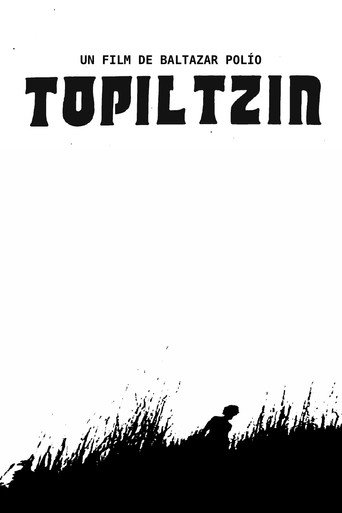
An experimental short film about a day in the life of a barefoot boy who sells newspapers in San Salvador.
In El Salvador, Chelino tells about the indigenous massacre of 1932, of which he survived, while he teaches the melodies of traditional Salvadoran dances.
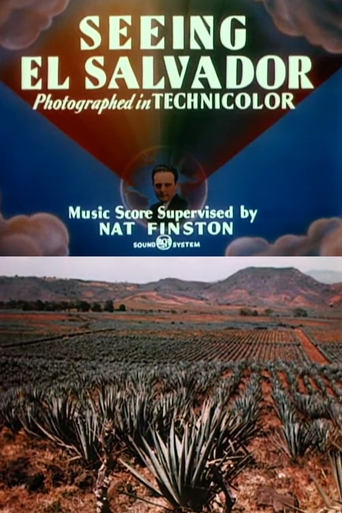
This Traveltalk series short starts in San Salvador, El Salvador's capital, emphasizing the Spanish architectural heritage. We then go to the Izalco Volcano, which was created in 1770 by an eruption of the Santa Ana Volcano. The focus then shifts to the country's agriculture. The two main products are coffee and henequen, a plant with tough, fibrous leaves used to make rope, baskets, and other products.
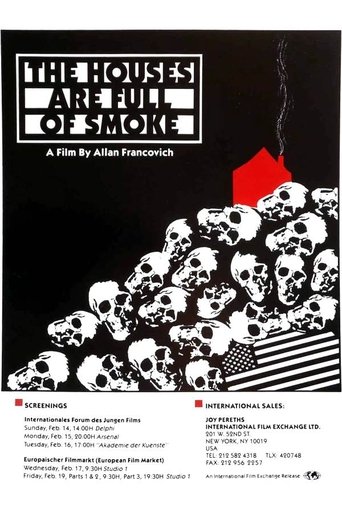
A powerful three-part documentary studying the US involvement in Guatemala, El Salvador and Nicaragua. The differing factions - Sandinista leaders, Guatemalan campesinos, CIA operatives, Contras and US government apologists - are interviewed and, in the absence of a controlling narration, the audience is encouraged to draw its own conclusions.
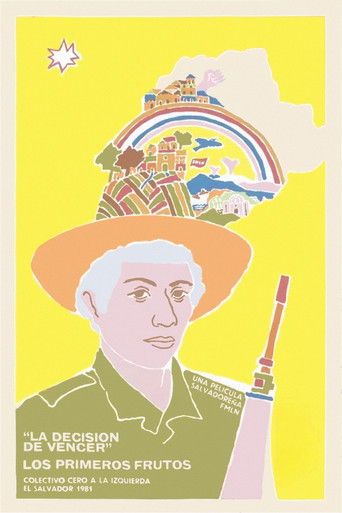
Filmed by Guillermo Escalón in July 1981, it shows daily life in territories under guerrilla control in the Francisco Sánchez Northeastern Front, Department of Morazán,