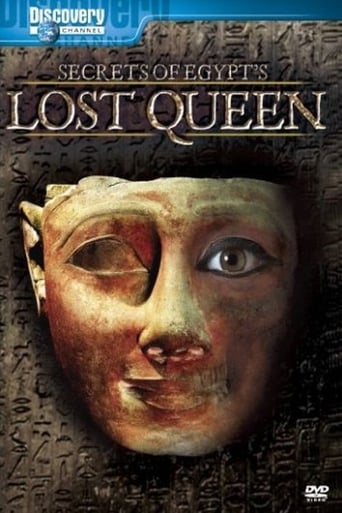
Secrets of Egypt's Lost Queen
2007-01-01 · Runtime unavailable · ★ 7.5
Move over, King Tut: There's a new pharaoh on the scene. A team of top archaeologists and forensics experts revisits the story of Hatshepsut, the woman who snatched the throne dressed as a man and declared herself ruler. Despite her long and prosperous reign, her record was all but eradicated from Egyptian history in a mystery that has long puzzled scholars. But with the latest research effort captured in this program, history is about to change.
Trailers are previews, not full movies.
No authorized playback source configured. Use the legal watch options below.
Production details
- Directors
- Brando Quilici
- Production companies
- Brando Quilici Productions, Discovery
- Countries
- Unavailable
- Status
- Released
Top Cast
 Kara CooneyHost
 Sean PertweeNarrator
Title information and images are supplied by TMDb. Explore our discovery guide for advice on comparing metadata and legal viewing options.
Where to watch
Availability provided by JustWatch via TMDb. Offers can change. Provider links are listed on TMDb; full playback requires a separately authorized source.
Availability not listed for this country.
Seasons & episodes
Recommendations
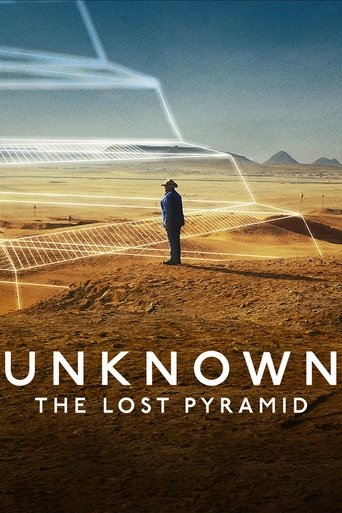
Egyptian archaeologists dig into history, discovering tombs and artifacts over 4,000 years old as they search for a buried pyramid in this documentary.

This documentary follows a team of local archaeologists excavating never before explored passageways, shafts, and tombs, piecing together the secrets of Egypt’s most significant find in almost 50 years in Saqqara.
This documentary delves into the mysteries surrounding the Neanderthals and what their fossil record tells us about their lives and disappearance.
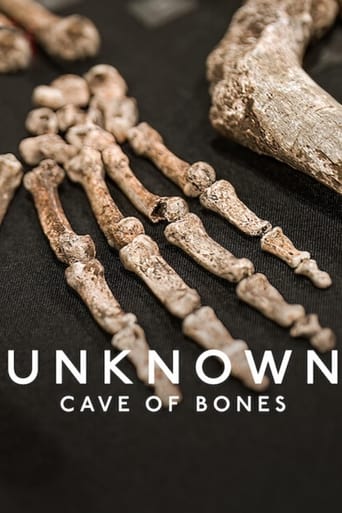
Scientists examine underground clues from over 250,000 years ago that raise questions about our early relatives — and what it truly means to be human.
Amber Heard and Nicole Kidman discuss their characters Mera and Atlanna.

Through deeply personal interviews with her siblings and an examination of the photographs, letters, and belongings left behind, Mariska assembles a new portrait of her mother Jayne Mansfield, an extraordinary and complex woman.

In an intimate and joyful story of love in the face of loss, celebrated poets Andrea Gibson and Megan Falley find strength—and unexpected hilarity—in what might be their final year together.

Over 35 years after Bob Lazar's revelations, this documentary exposes secrets of a facility the government still denies. Featuring Lazar's testimony, recreations, and new evidence, it reopens a case that continues to spark global curiosity

This revealing documentary honors the legendary Sidney Poitier—iconic actor, filmmaker, and civil rights activist. Featuring interviews with Denzel Washington, Spike Lee, Halle Berry, and more.

The history of cinematic sound, told by legendary sound designers and visionary filmmakers.
Oskar Gröning, known as the "Accountant of Auschwitz," was charged with the murder of 300,000 Jews. When he took the stand in 2015, at the age of 94, his trial made headlines worldwide.
New exclusive access and never before heard testimony gives a unique insight into the mind of America's most notorious serial killer, Ted Bundy. Breathtaking archive from the time and the voice of Bundy himself, reveals the monster inside the man.

A 1993 documentary film about Bruce Lee. The film includes interviews from some of his fellow students and opponents who worked alongside him in his movies.
A vivid journey into the mysterious subterranean world of mycelium and its fruit— the mushroom. A story that begins 3.5 billion years ago, fungi makes the soil that supports life, connecting vast systems of roots from plants and trees all over the planet, like an underground Internet. Through the eyes of renowned mycologist Paul Stamets, professor of forest ecology Suzanne Simard, best selling author Michael Pollan, food naturalist Eugenia Bone and others, we experience the power, beauty and complexity of the fungi kingdom.

Oliver Stone charts the history of the United States from the Second World War to the present.

Al Pacino's deeply-felt rumination on Shakespeare's significance and relevance to the modern world through interviews and an in-depth analysis of "Richard III."

David Attenborough brings to life, in unprecedented detail, the last days of the dinosaurs. Palaeontologist Robert DePalma has made an incredible discovery in a prehistoric graveyard: fossilised creatures, astonishingly well preserved, that could help change our understanding of the last days of the dinosaurs. Evidence from his site records the day when an asteroid bigger than Mount Everest devastated our planet and caused the extinction of the dinosaurs. Based on brand new evidence, witness the catastrophic events of that day play out minute by minute.

Marcel Ophuls' riveting film details the heinous legacy of the Gestapo head dubbed "The Butcher of Lyon." Responsible for over 4,000 deaths in occupied France during World War II, Barbie would escape—with U.S. help—to South America in 1951, where he lived until a global manhunt led to his 1983 arrest and subsequent trial.
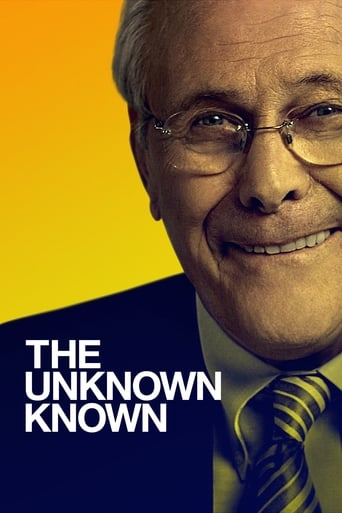
Former United States Secretary of Defense Donald Rumsfeld discusses his career in Washington D.C. from his days as a congressman in the early 1960s to planning the invasion of Iraq in 2003.

Filmmaker Lawrence Shapiro discusses voice-over acting with the talented people behind the characters.
Similar titles
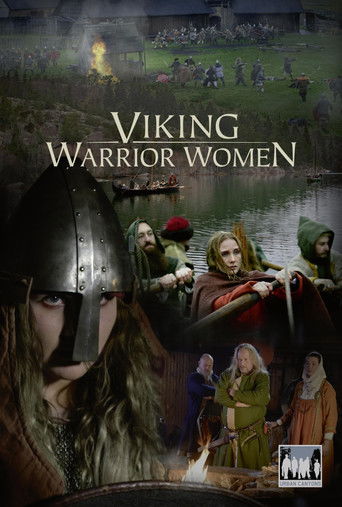
Drama-led documentary following the life of Signe, an orphaned Chief's daughter, who, driven by revenge, becomes an explorer and trader in the lands of the Rus Vikings.

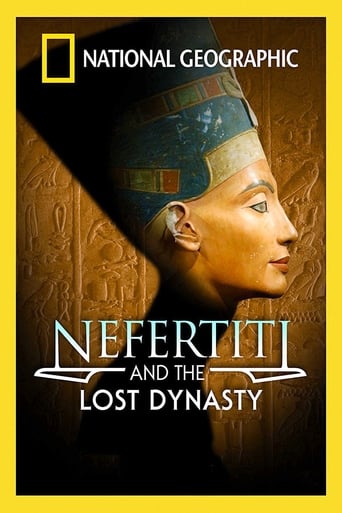
It is one of Egypt's enduring mysteries. What happened to Nefertiti and her husband, Akhenaten - the radical king, and likely father of King Tut? In a dark and mysterious tomb located in the Valley of the Kings, there is a small chamber with two mummies without sarcophagi or wrappings. At times, both have been identified as Queen Nefertiti by scholars, filmmakers and historians. But the evidence has been circumstantial at best.
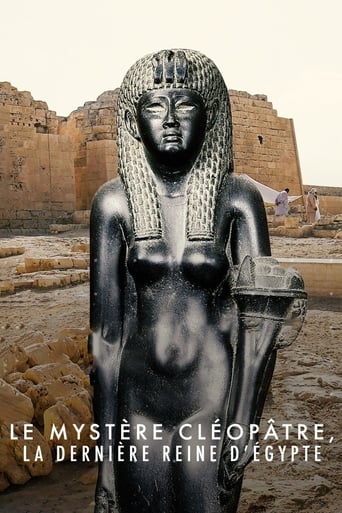
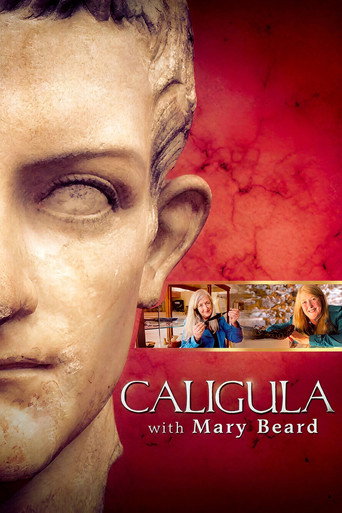
What is true and what is false in the hideous stories spread about the controversial figure of the Roman emperor Gaius Julius Caesar Augustus Germanicus (12-41), nicknamed Caligula? Professor Mary Beard explains what is accurate and what is mythical in the historical accounts that portray him as an unbalanced despot. Was he a sadistic tyrant, as Roman historians have told, or perhaps the truth about him was manipulated because of political interests?
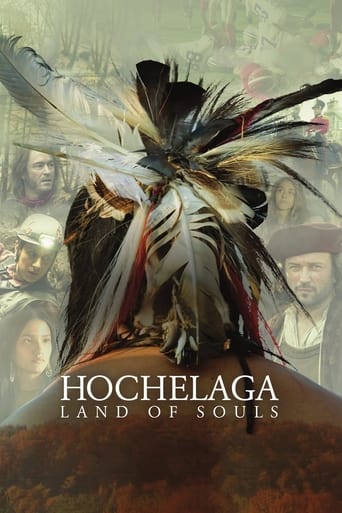
Mohawk archaeologist Baptiste Asigny engages in a search for his ancestors following a tragic terrain slump in the Percival Molson Stadium.
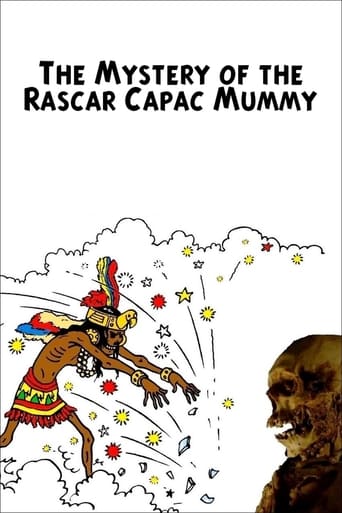
Rascar Capac, the sinister creature featured on Hergé's album The Seven Crystal Balls (1948), has left its mark on many generations of readers. To draw it, the Belgian cartoonist was probably inspired by a mummy exhibited in the first pre-Columbian exhibition organized by the Brussels Cinquantenaire Museum in 1923. Two intrepid archaeologists embark on a fascinating journey to reconstruct the story of the mysterious mummy.
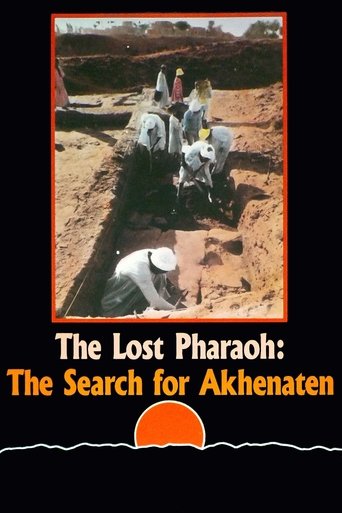
Ancient pharaoh Akhenaten was almost lost to history. Canadian archaeologist Donald Redford, who uncovered the foundation of one of the pharaoh’s many temples, attempts to finally piece together this great Egyptian ruler’s enigmatic story.
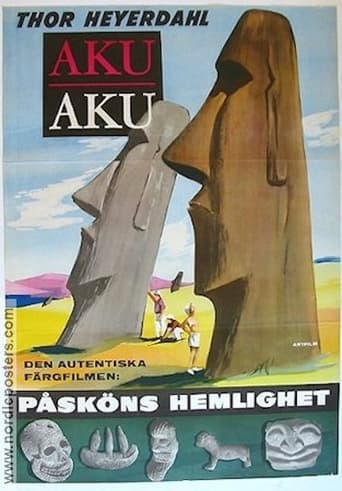
Documentary following the 1955–1956 Norwegian Archaeological Expedition's investigations of Polynesian history and culture at Easter Island.
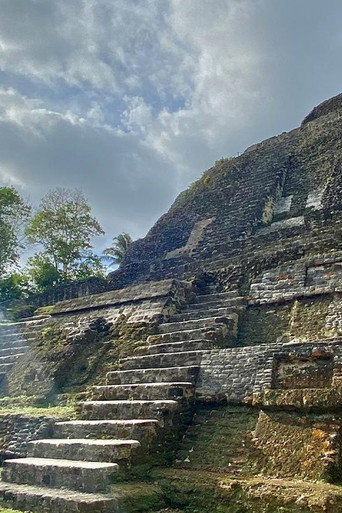
The ancient ancestors of today’s Maya people thrived in large sophisticated cities across Central America for centuries. Why, around 750 CE, did they begin to abandon many of their major cities? Archaeologists investigate dramatic new evidence of the catastrophic droughts and instability that pushed cities beyond their limits.

"No discovery of our time has so moved the whole world," proclaims an intertitle introducing this special extended newsreel edition. For once, Topical Budget's characteristic hyperbole is on the money. The discovery and excavation (some would say grave-robbing) of the tomb of the 14th Century BC Egyptian pharaoh was already an international sensation by the time this newsreel screened in February 1923. The sense of breathless excitement surrounding the discovery extends to Topical's intertitles, which expend a good portion of the film's running time explaining the relatively fleeting, poor quality images of the excavation itself. But we do get to see the removal of an ebony, ivory and gold chair, and two glimpses of expedition leader Howard Carter - in long-shot from behind as announced in an intertitle, but also a much clearer, unheralded shot at the 'halfway rest house', where he cuts a dash in white shirt and trousers.

Thousands of terracotta warriors guarded the first Chinese emperor's tomb. This is their story, told through archeological evidence and reenactments.
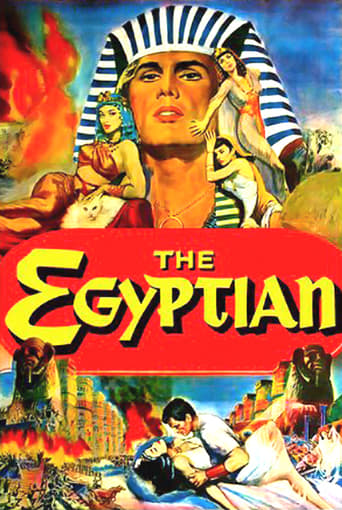
In eighteenth-dynasty Egypt, Sinuhe, a poor orphan, becomes a brilliant physician and with his friend Horemheb is appointed to the service of the new Pharoah. Sinuhe's personal triumphs and tragedies are played against the larger canvas of the turbulent events of the 18th dynasty. As Sinuhe is drawn into court intrigues he learns the answers to the questions he has sought since his birth.
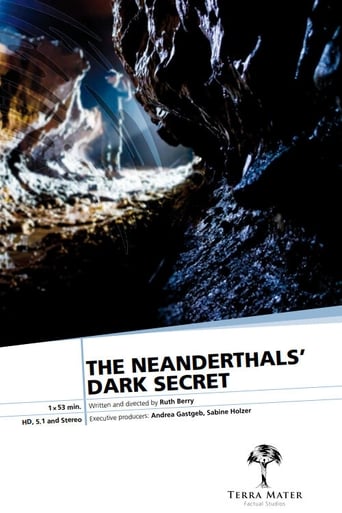
49,000 year old Neanderthal bones have been discovered by chance in a remote, mountainous region of Northern Spain. The bones may help solve the biggest Neanderthal puzzle of all – why we are here today and Neanderthals are not. ‘The Neanderthals’ dark Secret’ revolves around ongoing investigations deep inside the forbidding subterranean cave system called El Sidrón. Here, Palaeontologist Antonio Rosas and Archaeologist Marco de la Rasilla are in their 11th year of excavation. Bones from at least 12 people and 400 stone tool fragments have been recovered. We’ll bring these people back from the past. Our haunting, hologram-like Neanderthal characters, will communicate to the scientists of today, as they unlock the secrets of El Sidrón. Many mysteries surround the site, foremost, how the bones and tools came to be here in the first place. The remains aren’t weathered nor do they show signs of scavenging from large animals.
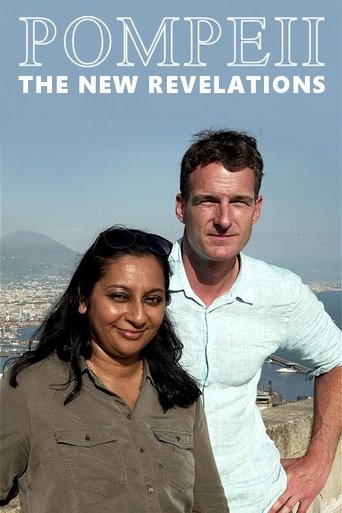
Archaeologist Raksha Dave and historian Dan Snow return to Pompeii to gain special access to a variety of new excavations, including two never-before-seen discoveries.

An immigrant lost in Santiago's subway discovers that the city he inhabits conceals a buried secret: Santiago was founded over a cusco, an administrative center of the Tahuantinsuyo Empire. Through his wandering across the city and the testimony of pre-Columbian history researchers, the film reconstructs the Inca presence in the Mapocho Valley and proposes a decolonial reading of Chilean urban territory.