
One for All, All for One
2014-09-18 · 106 min · ★ 5.0
Osaka Korean High School has provided education for the past six decades to the children of pro-North Korean residents in Japan. This school is located only about 20 minutes away from Hanazono Stadium, the mecca of Japan’s high school rugby, but it was not until 1994, 18 years after the foundation of a rugby team at the high school, that the Japanese education ministry approved the team’s entry into the official league. Since then, the team has run in the national league as a representative of the Osaka area and been considered a front-runner ever since. The team has strong players and passionate supporters, but it faces difficulties just before winning the league.
Trailers are previews, not full movies.
No authorized playback source configured. Use the legal watch options below.
Production details
- Directors
- Park Sa-yu
- Production companies
- Indiestory
- Countries
- South Korea, Japan
- Status
- Released
Top Cast
 Moon Jeong-heeSelf - Narrator
Title information and images are supplied by TMDb. Explore our discovery guide for advice on comparing metadata and legal viewing options.
Where to watch
Availability provided by JustWatch via TMDb. Offers can change. Provider links are listed on TMDb; full playback requires a separately authorized source.
Availability not listed for this country.
Seasons & episodes
Recommendations
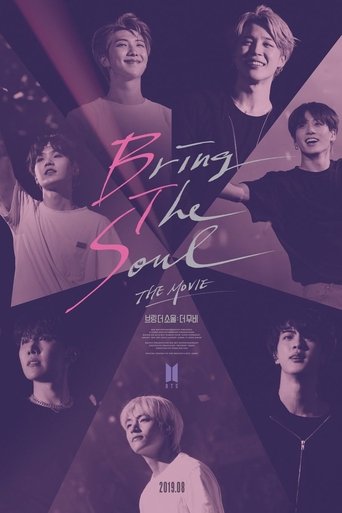
A glimpse into K-pop group BTS’ world away from the stage, featuring intimate group discussions alongside spectacular concert performances from their world tour.
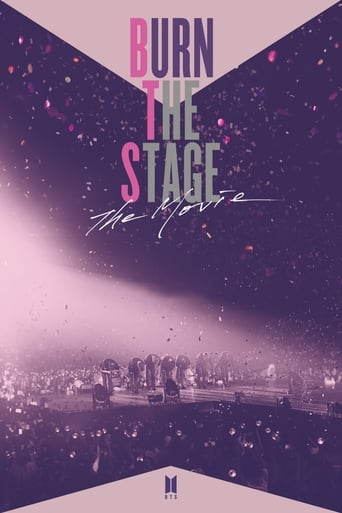
Burn the Stage: the Movie is the first movie from BTS, going behind-the-scenes of the BTS WINGS TOUR to reveal the full story of the band’s meteoric rise to fame. This unmissable film provides an intimate look at what happens when the most successful global boy band of all time breaks down barriers and invades the mainstream music scene. Exclusive tour footage and brand-new one-on-one interviews with BTS members give fans an unprecedented glimpse into their lives and an opportunity for everyone to celebrate together worldwide.

An inside look at one of the most anticipated movie sequels ever with James Cameron and cast.
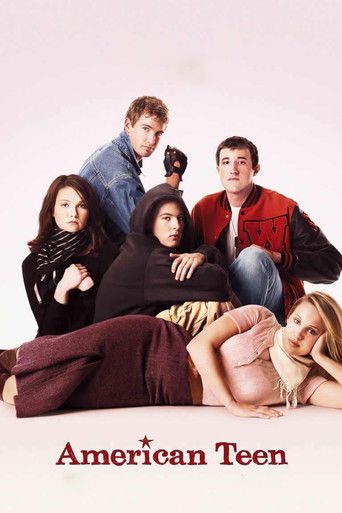
A documentary on seniors at a high school in a small Indiana town and their various cliques.

This special explores the return of Obi-Wan Kenobi and Anakin Skywalker to the screen, as well as Ewan McGregor and Hayden Christensen to their classic roles. Director Deborah Chow leads the cast and crew as they create new heroes and villains that live alongside new incarnations of beloved Star Wars characters, and an epic story that dramatically bridges the saga films.

A detailing of the rise to prominence and global sporting superstardom of six supremely talented young Manchester United football players (David Beckham, Nicky Butt, Ryan Giggs, Paul Scholes, Phil and Gary Neville). The film covers the period 1992-1999, culminating in Manchester United's European Cup triumph.

Al Pacino's deeply-felt rumination on Shakespeare's significance and relevance to the modern world through interviews and an in-depth analysis of "Richard III."
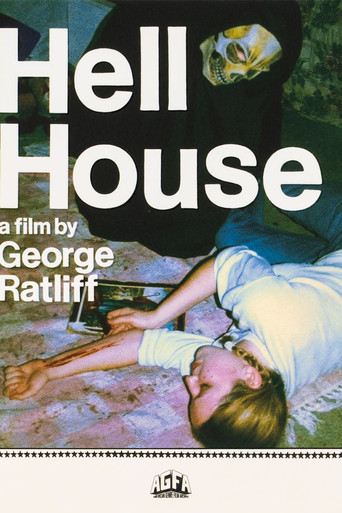
A look at the "Hell House" performed annually in October by the youth members of Trinity Church (Assemblies of God) in Cedar Hill, Texas (a Dallas suburb) — seen by over 10,000 visitors each year.

Featuring the global K-Pop sensation Stray Kids and a live performance from their record-breaking world tour, alongside exclusive behind-the-scenes footage and intimate interviews with the band, Stray Kids: The dominATE Experience is an epic concert film that gives fans both a spectacular front-row seat and unique access to their favourite band.
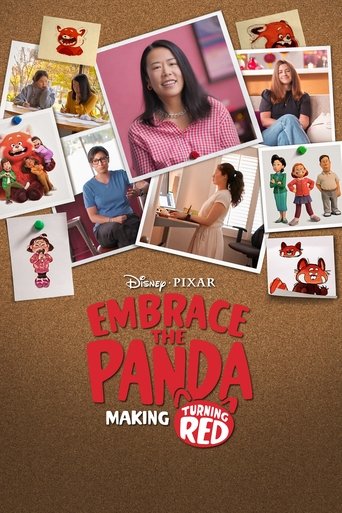
A feature length documentary about the all-women team at the helm of Pixar's original feature, Turning Red. With unprecedented behind-the-scenes access to Director Domee Shi and her core leadership crew, this story shines a light on the powerful professional and personal journeys that brought this incredibly comical, utterly relatable, and deeply heartfelt story to the screen.

The film follows adventurer Jeff Johnson as he retraces the epic 1968 journey of his heroes Yvon Chouinard and Doug Tompkins to Patagonia.
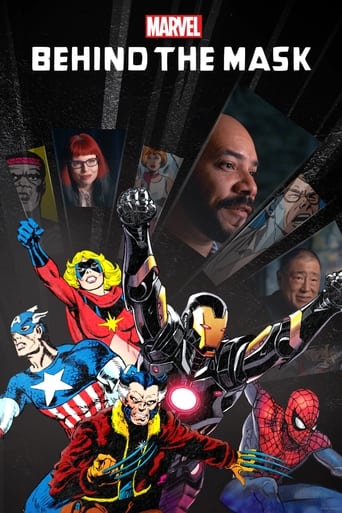
A documentary special that explores the power of identity behind the iconic superheroes we know and love today. These legendary Marvel creations and stories have not only reflected the world outside our window – they have become a reflection of our own identities and who we truly are.

A documentary about ten very different lives connected by having appeared onscreen wearing masks or helmets in Star Wars.
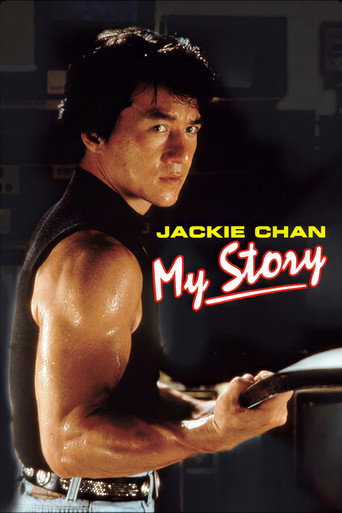
Jackie Chan is one of the world's biggest action stars, famed for his wacky sense of humor, remarkable martial arts techniques, and willingness to perform incredible stunts without the use of doubles -- or a net. This video takes a personal look at Chan as he works on screen projects in Hollywood and Beijing and candidly discusses his life and work.
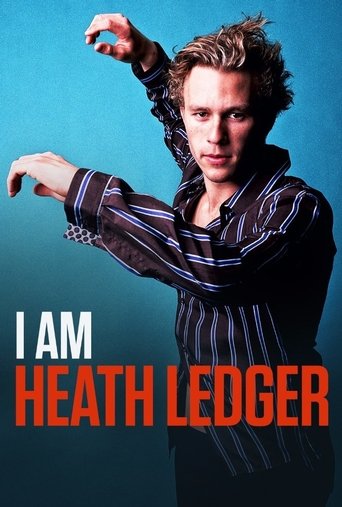
The life and career of an actor, artist, and icon. His own journey through his own camera.

This revealing documentary honors the legendary Sidney Poitier—iconic actor, filmmaker, and civil rights activist. Featuring interviews with Denzel Washington, Spike Lee, Halle Berry, and more.

The life of Mr. Spock, as well as that of Leonard Nimoy, the actor who played him for almost fifty years, written and directed by his son: Adam.

A backstage and on-stage look at Justin Bieber during his rise to super stardom.

A documentary about how a dominant cultural and demographic institution both sustains their traditional activities and adapts to the digital revolution.

Explore the evolution of Buzz Lightyear from toy to human in the making of Pixar’s Lightyear. Dive into the origin and cultural impact of everyone’s favorite Space Ranger, the art of designing a new “human Buzz,” and the challenges faced by the Lightyear crew along the way.
Similar titles
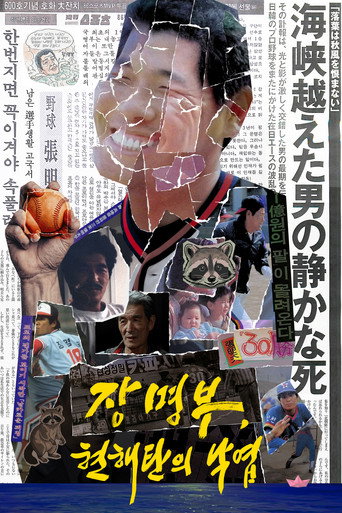
1983 KBO 30-win legend Chang Myeong-bu and his hidden yakuza brother, Yong-bu. Divided by the mound's light and alley shadows, they fought to survive Zainichi discrimination. Through Yong-bu's eyes, this tragic saga weaves unseen records and KBO archives into a forgotten diaspora's requiem.

One woman. One racist lie. One lawsuit that shook Japan. Korean Japanese entrepreneur Shin Sugok takes on major media in this electro-shock legal thriller about refusing to be silenced.
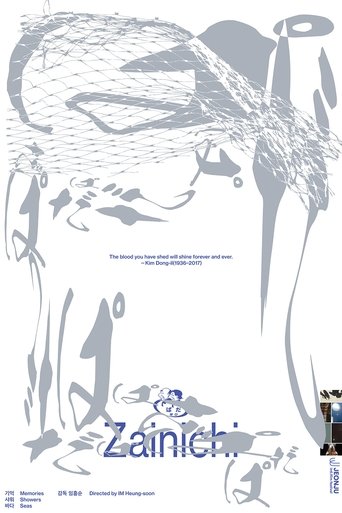
The late Kim Dong-il, a Jeju April 3 refugee in Japan, left behind over 2,000 crocheted items and pieces of clothing that preserved her memories, identity, and history. As the film traces the redistribution of her belongings, it illuminates the still-unhealed lives of various Zainichi Koreans who lived through the same era, sharing and connecting their intertwined memories.
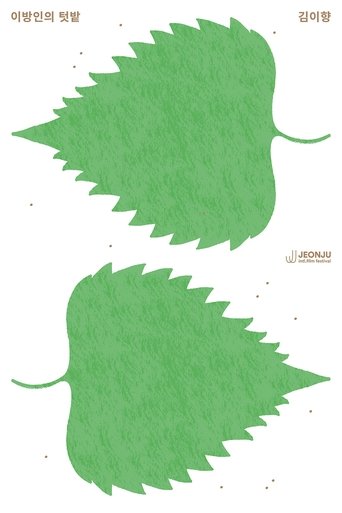
A Japanese herb called 'shiso' looks like a perilla leaf but has a unique fragrance. It's like how I have a Korean name and nationality but still feel a sense of alienation in Korean society. The death of my grandmother, a first-generation Zainichi, raises a question for me: Does death also mark the end of the life of an outsider? In the end, where do we return to?

Adopted from South Korea, raised on different continents & connected through social media, Samantha & Anaïs believe that they are twin sisters separated at birth.
After my grandfather 's Baek-su (age 99’s birthday party) banquet, asking me to write an autobiography for him. Two years later, he passed away and left his favor as homework to me. I discovered the history of the past that I could not associate with his name. As a filmmaker, I frequently attended burials that were far from my life. I have been living in the United States for a while, and I have often come to think about the country and nationality.
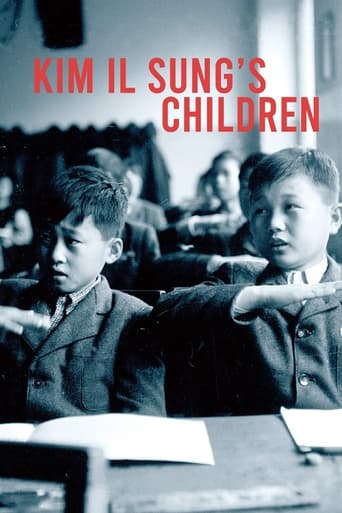
From 1950 to 1953, one hundred thousand children were orphaned by the Korean War. With no resources to mend the wounds, the two sides, North and South, took different paths to find homes and families for the war orphans. While the children of South Korea were sent to Europe and the United States through ‘International Adoption’, the children of North Korea were distributed across Eastern Europe through a method called ‘Commissioned Education’. As a result, more than five thousand children from the North had to spend nearly a decade living in foreign lands across Eastern Europe. This story is a record of their lives, which used to be kept hidden from the rest of the world. There is a key to understanding how North Korea's closed political structure began and how the ‘Juche ideology’ was formed in this documentary movie. Understanding North Korea in the 1950s is an important way to understand North Korea at present.

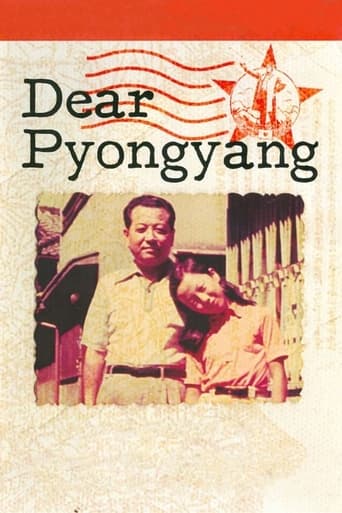
Dear Pyongyang is a documentary film by Zainichi Korean director Yang Yong-hi (Korean: 양영희, Hanja: 梁英姬) about her own family. It was shot in Osaka Japan (Yang's hometown) and Pyongyang, North Korea, In the 1970s, Yang's father, an ardent communist and leader of the pro-North movement in Japan, sent his three sons from Japan to North Korea under a repatriation campaign sponsored by ethnic activist organisation and de facto North Korean embassy Chongryon; as the only daughter, Yang herself remained in Japan. However, as the economic situation in the North deteriorated, the brothers became increasingly dependent for survival on the care packages sent by their parents. The film shows Yang's visits to her brothers in Pyongyang, as well as conversations with her father about his ideological faith and his regrets over breaking up his family.
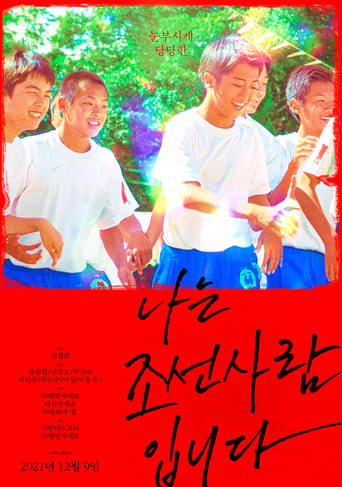
After 15 years of knowing Chosun people in Japan I met on Mt. Geumgang in 2002, I face the history of colonization and division that I had not known before. They’ve been to North Korea many times, but never to South Korea. They tell us why they want to live as Chosun people despite the discrimination in Japanese society.
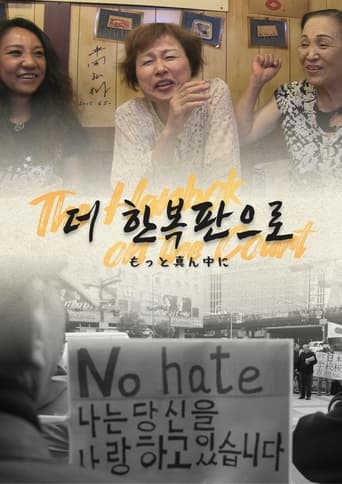

This documentary is a human story. Kang Seon Hwa, a freshman at Kunkuk high school located in Osaka, Japan, is a member of Korean traditional culture club. She and her friends are going to participate in the 35th Japan High school culture competition representing the Osaka region. This is a coming of age drama about youth who are eager to achieve their dream and find their identity by completing their journey.
For Episode 11, Reality Sandwich follows a lecture-performance by third-generation Zainichi Korean rapper Funi at Woori Madang, a community space where elderly Zainichi Korean women gather to sing, learn, and socialize. This episode explores memory, identity, and belonging as Funi reflects on growing up amid racism and discrimination in Japan, transforming personal frustration into music that confronts systemic injustice and fosters solidarity across generations and borders.
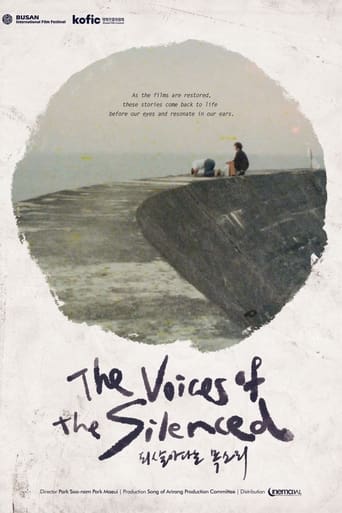
Director Park Soo-nam, a second-generation Korean resident in Japan who is losing his eyesight, decides to digitally restore 16mm film she shot a long time ago, relying on her daughter Park Ma-eui's eyesight. The blood, tears, and numerous corpses of Koreans living in Japan are clearly engraved in the film filmed over 50 years.
Documentary film about the discrimination against zainichi, directed by Yoshihiko Okamoto.
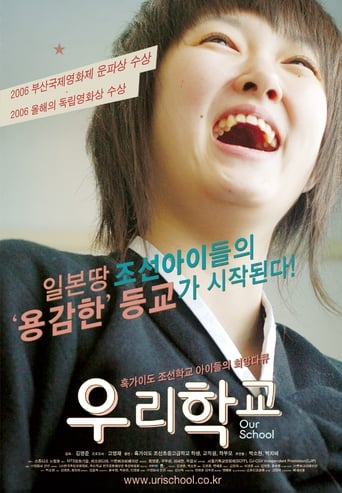
This documentary is about the 3rd and 4th generation Korean residents of Japan who are students of Chosen elementary, middle, and high school in Hokkaido. It follows the students through one year of the eventual 11 years` national education. Rather than focusing on special occasions or issues, it reveals what it is like to live in Japan as Korean-Japanese by describing their everyday lives.
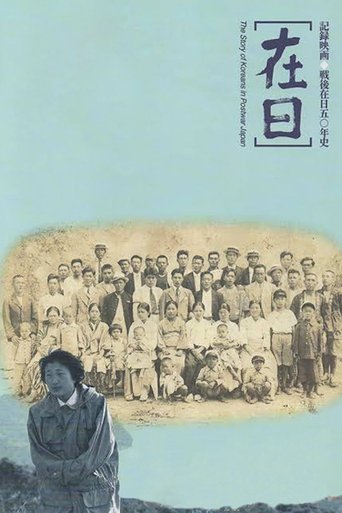
Portraying the fifty-year history of zainichi (long-term residents in Japan) Koreans after the liberation of Korea, traces of zainichi evoked in this film question the concepts of 'post-war democracy' and 'pacifism' in Japan. With copious stock footage and testimony, the first half of the film, "History," chronologically traces the various experiences of zainichi from Japan's defeat (Korean liberation) through 1990. The latter half, "People," focuses on first, second and third-generation zainichi respectively, vividly depicting how they live.
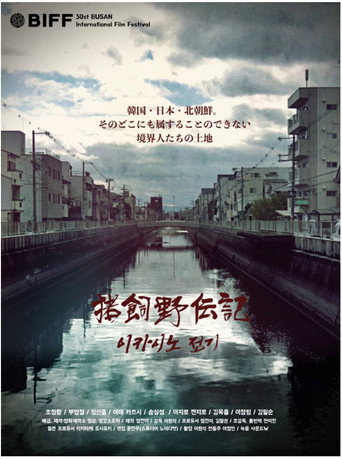
‘Ikaino’ refers to a neighborhood in Osaka, Japan, home to a large community of Zainichi Koreans. Though erased from official records over fifty years ago, its name still carries memories and stories.
In a quiet Japanese town, Lee Hyang-ja observes the ancestral rites of her husband's Zainichi Korean family. Behind her devotion lies an erased maternal history. Her mother, Chun-ja, was separated from her birth mother at seven and eventually forgot even her name. Determined to recover her lost grandmother's name, Hyang-ja travels to South Korea. There, she confronts a hidden truth and realizes that she stands at the heart of the tradition that has enforced this silence across generations.

Tracing the footsteps of North Korean orphans who went to Poland during the Korean War, two women, one from the North and the other from the South, bond through the solidarity of wound and forge together a path toward healing.