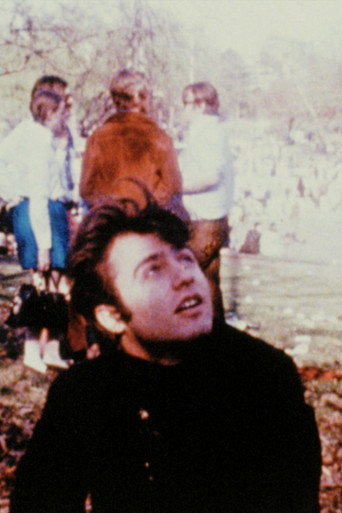
The Tuxedo Theatre
1969-01-26 · 21 min · Not rated
About this film, Sonbert wrote in the London Filmmakers' Co-op catalogue: "New York again and some Morocco. First sketches of varieties of people. East west city country, rich poor, old young. Many levels. Less movement but more editing and geometric progressions. It's over before you know it." -- Jon Gartenberg. Preserved by the Academy Film Archive in partnership with Estate Project for Artists with AIDS in 1998.
Trailers are previews, not full movies.
No authorized playback source configured. Use the legal watch options below.
Production details
- Directors
- Warren Sonbert
- Production companies
- Unavailable
- Countries
- United States of America
- Status
- Released
Top Cast
Cast unavailable.
Title information and images are supplied by TMDb. Explore our discovery guide for advice on comparing metadata and legal viewing options.
Where to watch
Availability provided by JustWatch via TMDb. Offers can change. Provider links are listed on TMDb; full playback requires a separately authorized source.
Availability not listed for this country.
Seasons & episodes
Recommendations

A picaresque journey through contemporary America, undertaken by a young woman granted access to the strange sects and cults that proliferate in this country by a series of gatekeepers eager to win her over.
The story of a young boy in the Midwest is told simultaneously with a tale about a young girl in New York from fifty years ago as they both seek the same mysterious connection.
Tells the history and importance of The National Film Registry, a roll call of American cinema treasures that reflects the diversity of film, and indeed the American experience itself.
Davey Gordon, a New York City boxer at the end of his career, falls for dancer Gloria Price. However, their budding relationship is interrupted by Gloria's violent boss, Vincent Rapallo, who has eyes for Gloria. The two decide to skip town, but before they can, Vincent and his thugs abduct Gloria, and Davey is forced to search for her among the most squalid corners of the city, with his enemy hiding in the shadows.

A celebration of the universe, displaying the whole of time, from its start to its final collapse. This film examines all that occurred to prepare the world that stands before us now: science and spirit, birth and death, the grand cosmos and the minute life systems of our planet.

Burned-out ex-baseball player Hank Thompson unexpectedly finds himself embroiled in a dangerous struggle for survival amidst the criminal underbelly of late 1990s New York City, forced to navigate a treacherous underworld he never imagined.
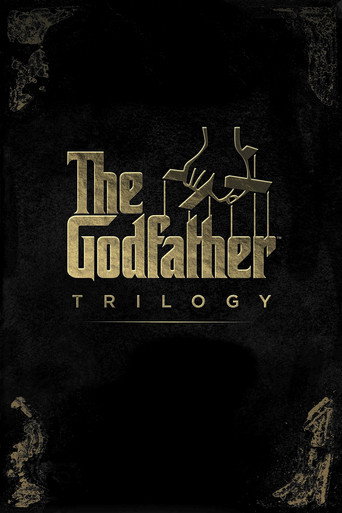
Following the release of Part III in 1990, Coppola, Barry Malkin, and Walter Murch edited the three films into chronological order to create this nearly ten-hour epic, incorporating scenes not part of the theatrical releases.

A compilation of over 30 years of private home movie footage shot by Lithuanian-American avant-garde director Jonas Mekas, assembled by Mekas "purely by chance", without concern for chronological order.

Low-budget independent filmmaker Nick Reve tries to keep everything together as his production is plagued with an insecure actress, a megalomaniac star, a pretentious beret-wearing director of photography, and lousy catering.
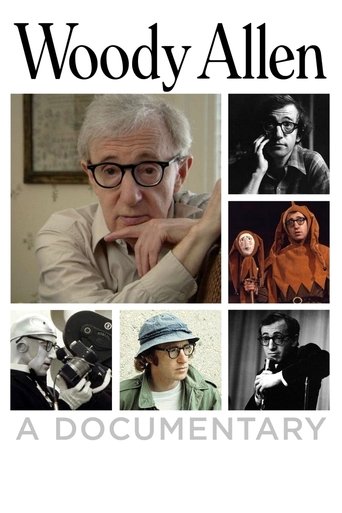
An intense portrait of the iconic filmmaker, writer, actor, comedian and musician Woody Allen: his life, family and friends; his writing and directing habits, and his relationship with performers.
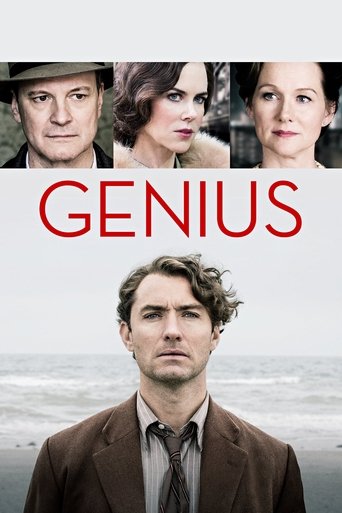
New York in the 1920s. Max Perkins, a literary editor is the first to sign such subsequent literary greats as Ernest Hemingway and F. Scott Fitzgerald. When a sprawling, chaotic 1,000-page manuscript by an unknown writer falls into his hands, Perkins is convinced he has discovered a literary genius.
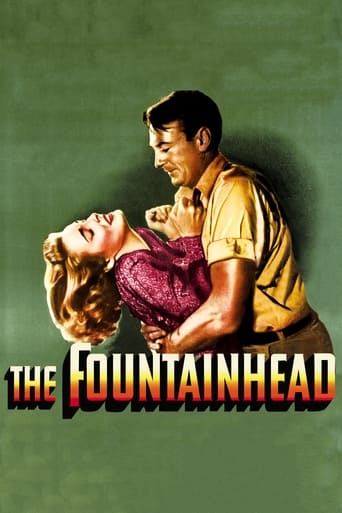
An uncompromising, visionary architect struggles to maintain his integrity and individualism despite personal, professional and economic pressures to conform to popular standards.
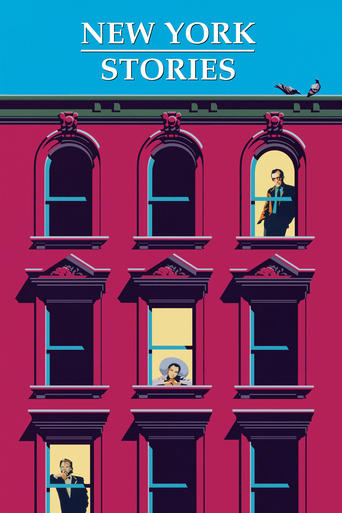
Three tales of love, ambition, and neurosis unfold in the city that never sleeps. In "Life Lessons" (Martin Scorsese), a tormented painter channels heartbreak into his art. In "Life Without Zoë" (Francis Ford Coppola), a precocious 12-year-old navigates privilege and loneliness in a Manhattan hotel. And in "Oedipus Wrecks" (Woody Allen), a man’s domineering mother literally becomes a looming presence over New York.

On trial for murdering his girlfriend, philandering stockbroker Larry Ballentine takes the stand to claim his innocence and describe the actual, but improbable sounding, sequence of events that led to her death.

Daniel Craig candidly reflects on his 15 year adventure as James Bond. Including never-before-seen archival footage from Casino Royale to the upcoming 25th film No Time To Die, Craig shares his personal memories in conversation with 007 producers, Michael G Wilson and Barbara Broccoli.
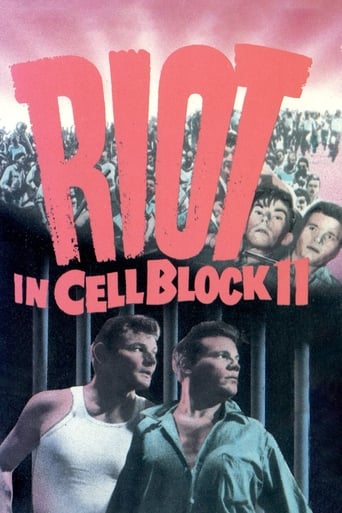
A prisoner leads his counterparts in a protest for better living conditions which turns violent and ugly.
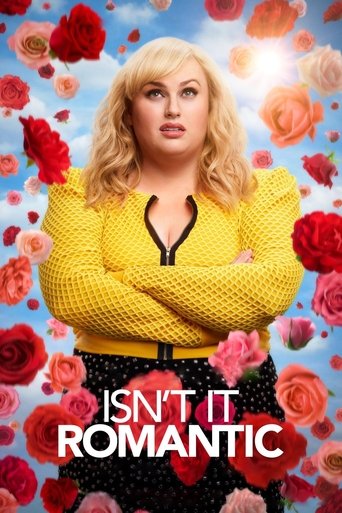
For a long time, Natalie, an Australian architect living in New York City, had always believed that what she had seen in rom-coms is all fantasy. But after thwarting a mugger at a subway station only to be knocked out while fleeing, Natalie wakes up and discovers that her life has suddenly become her worst nightmare—a romantic comedy—and she is the leading lady.
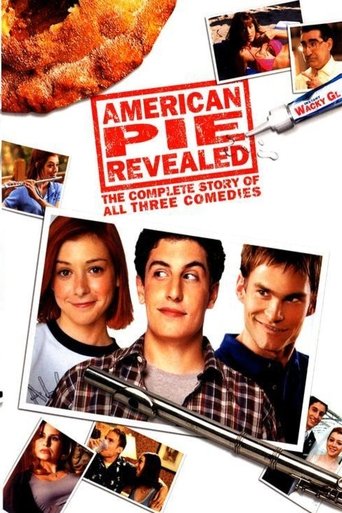
Documentary about the making of American Pie (1999), American Pie 2 (2001) and American Wedding (2003).

Petty crook and cop-killer Martin Rome, in bad shape from wounds in the hospital prison ward, still refuses to help slimy lawyer Niles clear his client by confessing to another crime. Police Lt. Candella must check Niles' allegation; a friend of the Rome family, he walks a tightrope between sentiment and cynicism. When Martin fears Candella will implicate his girlfriend Teena, he'll do anything to protect her. How many others will he drag down to disaster with him?

A series of down-on-their-luck individuals enter the decrepit and spine-chilling Rialto theater, only to have their deepest and darkest fears brought to life on the silver screen by The Projectionist – a mysterious, ghostly figure who holds the nightmarish futures of all who attend his screenings.
Similar titles
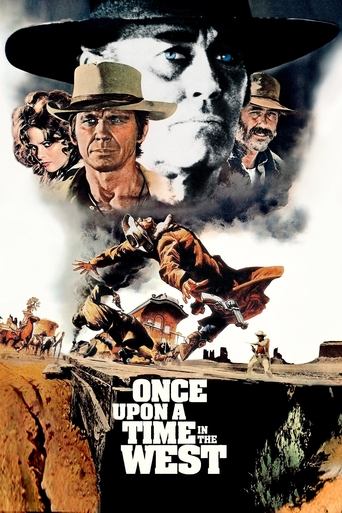
As the railroad builders advance unstoppably through the Arizona desert on their way to the sea, Jill arrives in the small town of Flagstone with the intention of starting a new life.
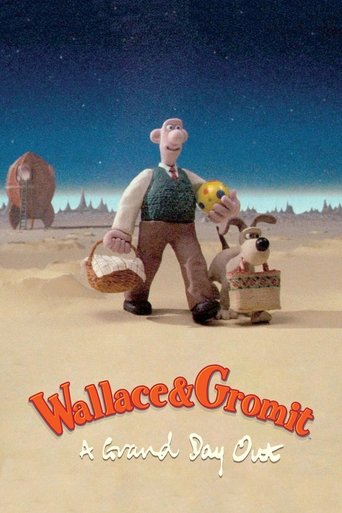
Wallace and Gromit have run out of cheese, and this provides an excellent excuse for the duo to take their holiday to the moon, where, as everyone knows, there is ample cheese.
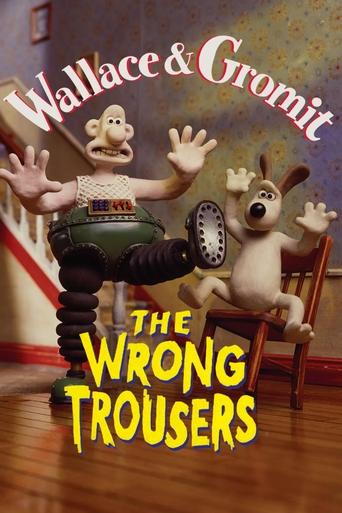
Wallace rents out Gromit's former bedroom to a penguin, who takes up an interest in the techno trousers created by Wallace. However, Gromit later learns that the penguin is a wanted criminal.
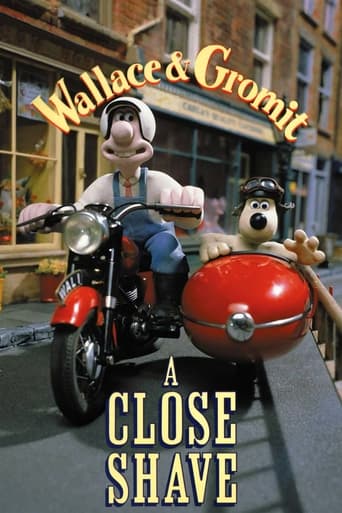
Wallace's whirlwind romance with the proprietor of the local wool shop puts his head in a spin, and Gromit is framed for sheep-rustling in a fiendish criminal plot.

Thomas Becket, Henry II's longtime advisor, finds his friendship with the debauched king corroding when he is unwillingly appointed as Archbishop of Canterbury in an attempt to gain absolute loyalty from the Church.

Short film about nurse service in wartime. Preserved by the Academy Film Archive in 2013.
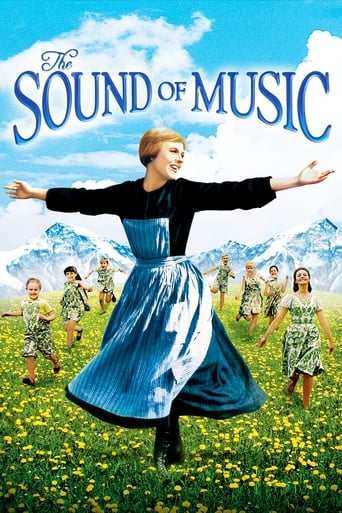
In the years before World War II, a tomboyish postulant at an Austrian abbey is hired as a governess in the home of a widowed naval captain with seven children and brings a new love of life and music into the home.
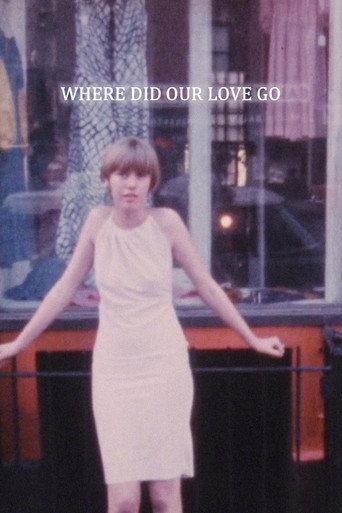
Warhol Factory days... serendipity visits, Janis and Castelli and Bellevue glances... Malanga at work ... glances at Le Mépris and North by Northwest... girl rock groups and a disco opening... a romp through the Modern. My second film. Preserved by the Academy Film Archive in partnership with Estate Project for Artists with AIDS in 1998.

This short turns the spotlight on studio research departments. They are responsible for assuring that the sets, costumes, and props are as accurate as possible for the period in which the film takes place. This includes a broad range of subjects, such as Biblical epics, historical novels, biographies of the famous and not-so-famous, and contemporary drama. Preserved by the Academy Film Archive, in partnership with MoMA Department of Film and Media, in 2012.
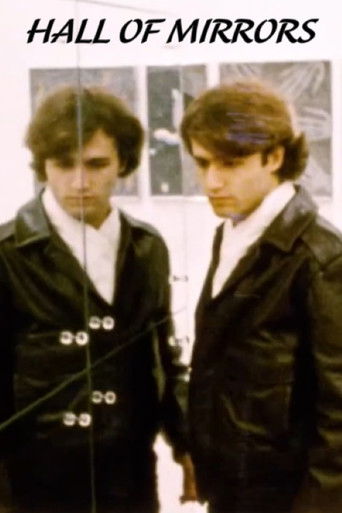
This film is an outgrowth of one of Sonbert's film classes at NYU, in which he was given outtakes from a Hollywood film photographed by Hal Mohr to re-edit into a narrative sequence. Adding to this found footage, Sonbert filmed Warhol's superstars Rene Ricard and Gerard Malanga in more private and reflective moments. -- Jon Gartenberg. Preserved by the Academy Film Archive in partnership with Estate Project for Artists with AIDS in 1998.
One of the most profound themes coursing throughout Sonbert's work is that of love between couples in all its pitfalls and perfect moments. To express this theme between his protagonists onscreen as well as in the relationship between his ever-roving hand-held camera and the human subjects in his field of vision, Sonbert employed diverse cinematic strategies, including in-camera editing (in The Bad and the Beautiful), twin-screen effects (in Ted and Jessica), and montage of discrete shots filmed in distinct spaces (in Honor and Obey). -- Jon Gartenberg. Preserved by the Academy Film Archive in partnership with the Estate Project for Artists with AIDS in 1998.
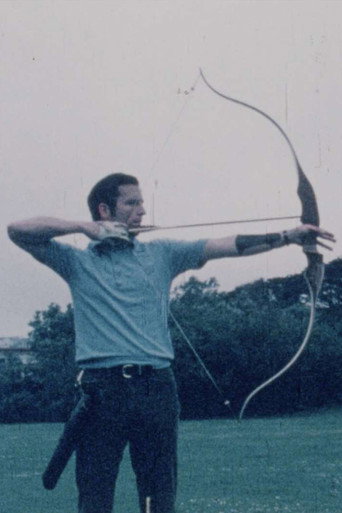
Sonbert's vivid color palette enhances the ritualistic nature of each action observed. Set against this lush panorama, Sonbert subverts the expectation of classic cinematography with a liberal sprinkling of avant-garde techniques. The incorporation of the materiality of film, the treatment of light, and the use of a hand-held camera, all suggest the influence of Stan Brakhage (Sonbert's "hero"). Sonbert's use of the shot as the foundation of his silent montage works parallels the use of the frame as the basic filmmaking unit in the films of Gregory Markopoulos (Sonbert's "mentor"). -- Jon Gartenberg. Preserved by the Academy Film Archive in 1998.
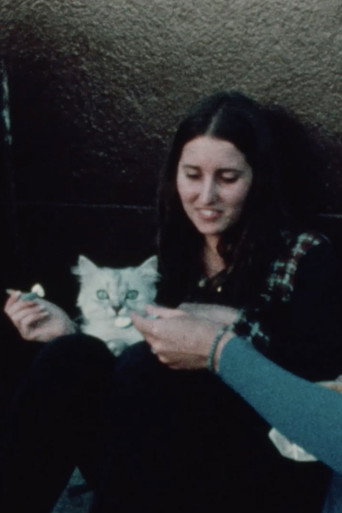
Warren Sonbert described Divided Loyalties as a film 'about art vs. industry and their various crossovers.' According to film critic Amy Taubin, "There is a clear analogy between the filmmaker and the dancers, acrobats and skilled workers who make up so much of his subject matter." -- Jon Gartenberg. Preserved by the Academy Film Archive in partnership with Estate Project for Artists with AIDS in 1998.
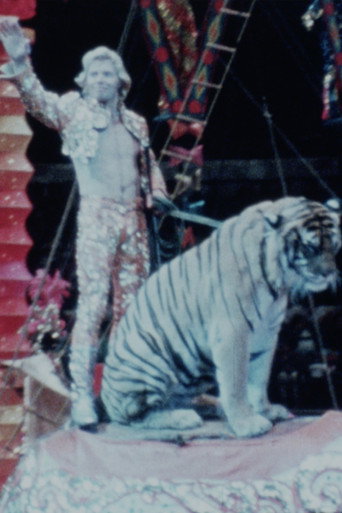
The style is relatively unchanged, but the images--press conferences, news events, disasters--convey his vision of the world in a new, direct, political fashion. Featuring startling footage of the City Hall riots after Councilman Dan White received a light prison sentence for slaying San Francisco Mayor George Moscone and Supervisor Harvey Milk, Noblesse Oblige opens a new chapter on Sonbert's career. --David Ehrenstein, LA Reader. Preserved by the Academy Film Archive in partnership with Estate Project for Artists with AIDS in 1998.
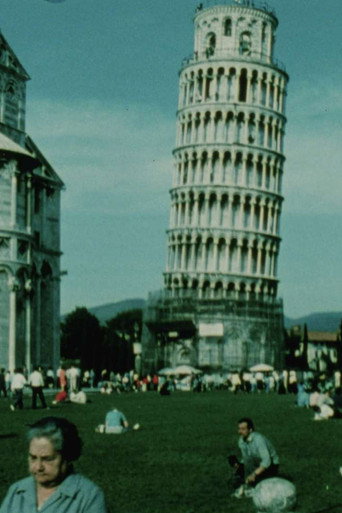
The Cup and the Lip is a complex and challenging picture that will stimulate adventurous filmmakers for years to come. Although its imagery is too dense, varied and fast-moving to be thoroughly parsed after one viewing, the film appears to be a regretful and perhaps sardonic essay on human frailty--and on the effort to stave off chaos by means of political and religious institutions, which carry their own dangers of social control and mental manipulation.

In Warren Sonbert's Honor and Obey soldiers march in formation, a tiger stalks through the snow, religious processions wind through the streets, and palm trees wave in a tropical breeze. As brightly colored images of authority figures blend into scenes of cocktail parties, this 21-minute silent film flows along with the grace of a musical score built on complex tensions hidden among the notes. "Whose authority will you obey?" the film seems to ask, as it deftly avoids simple-minded juxtapositions. Instead, we see a melange of images so full of geography (Notre Dame Cathedral, the Sydney Opera House, Fifth Avenue), that the work mocks the idea of any specific setting. -- Caryn James, The New York Times. Preserved by the Academy Film Archive, in partnership with Estate Project for Artists with AIDS, in 1998.
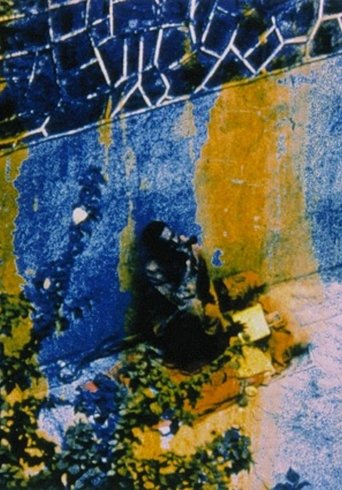
In Friendly Witness, Sonbert returned, after 20 years, to sound. In the first section of the film, he deftly edits a swirling montage of images - suggestive of loves gained and love lost--to the tunes of four rock songs. Fred Camper said, "At times the words of the songs seem to relate directly to the images we see...; at other times words and images seem to be working almost at cross-purposes or relating only ironically. Similarly, at times the image rhythm and music rhythm appear to dance together, while at others they go their separate ways." -- Jon Gartenberg. Preserved by the Academy Film Archive in partnership with Estate Project for Artists with AIDS in 1998.
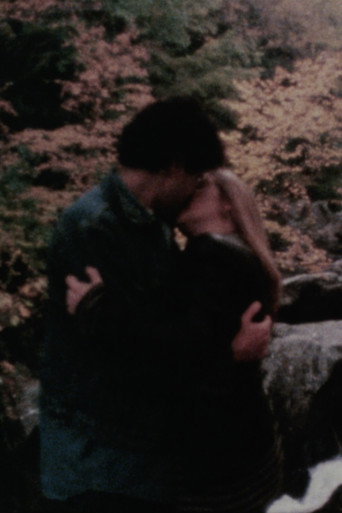
During the years preceeding his death, Sonbert channeled his energy into making Whiplash. His vision and motor skills impaired, he gave his companion, Ascension Serrano, detailed instructions about the assembly of specific shots and the music to be used as a counterpoint to the images. Before his death in 1995, he asked filmmaker Jeff Scher (a former student of Sonbert's at Bard) to complete the film. --Jon Gartenberg. Preserved by the Academy Film Archive in partnership with Estate Project for Artists with AIDS in 1996.
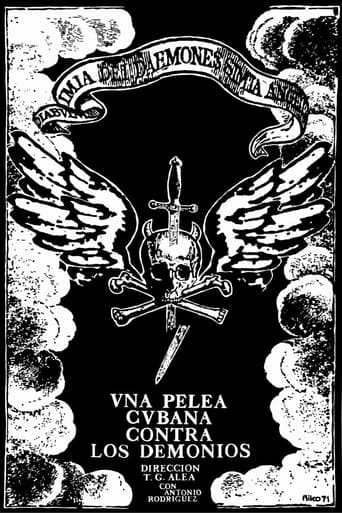
In 1672 Cuban revolutionaries launch an uprising against the Spanish who are occupying the country. Preserved by the Academy Film Archive in 2017.
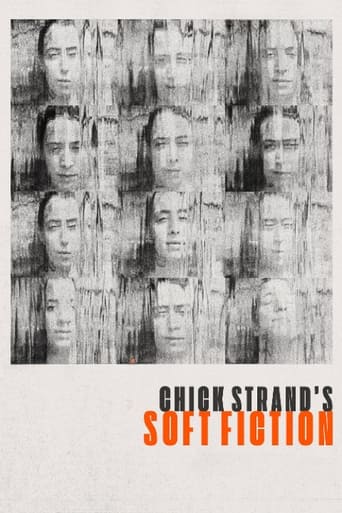
Chick Strand's SOFT FICTION is a personal documentary that brilliantly portrays the survival power of female sensuality. It combines the documentary approach with a sensuous lyrical expressionism. Strand focuses her camera on people talking about their own experience, capturing subtle nuances in facial expressions and gestures that are rarely seen in cinema. Preserved by the Academy Film Archive in partnership with The Film Foundation in 2015.