
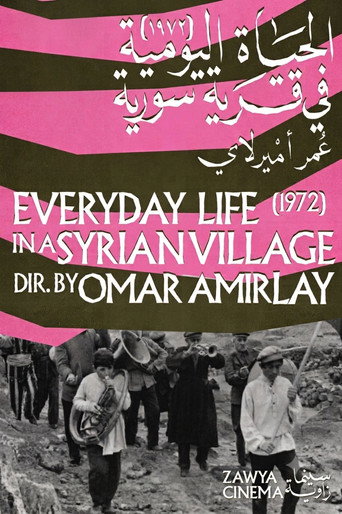
Everyday Life in a Syrian Village
1974-01-02 · 83 min · ★ 7.7
The first documentary to present an unabashed critique of the impact of the Syrian government’s agricultural and land reforms, Everyday Life in a Syrian Village delivers a powerful jab at the state’s conceit of redressing social and economic inequities.
Trailers are previews, not full movies.
No authorized playback source configured. Use the legal watch options below.
Production details
- Directors
- Omar Amiralay
- Production companies
- المؤسسة العامة للسينما
- Countries
- Syrian Arab Republic
- Status
- Released
Top Cast
Cast unavailable.
Title information and images are supplied by TMDb. Explore our discovery guide for advice on comparing metadata and legal viewing options.
Where to watch
Availability provided by JustWatch via TMDb. Offers can change. Provider links are listed on TMDb; full playback requires a separately authorized source.
Availability not listed for this country.
Seasons & episodes
Recommendations
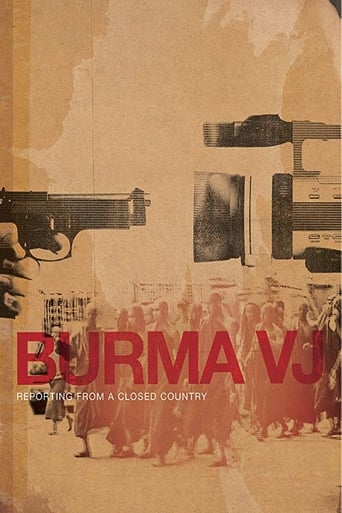
Going beyond the occasional news clip from Burma, the acclaimed filmmaker, Anders Østergaard, brings us close to the video journalists who deliver the footage. Though risking torture and life in jail, courageous young citizens of Burma live the essence of journalism as they insist on keeping up the flow of news from their closed country.

A love letter from a young mother to her daughter, the film tells the story of Waad al-Kateab’s life through five years of the uprising in Aleppo, Syria as she falls in love, gets married and gives birth to Sama, all while cataclysmic conflict rises around her. Her camera captures incredible stories of loss, laughter and survival as Waad wrestles with an impossible choice– whether or not to flee the city to protect her daughter’s life, when leaving means abandoning the struggle for freedom for which she has already sacrificed so much.
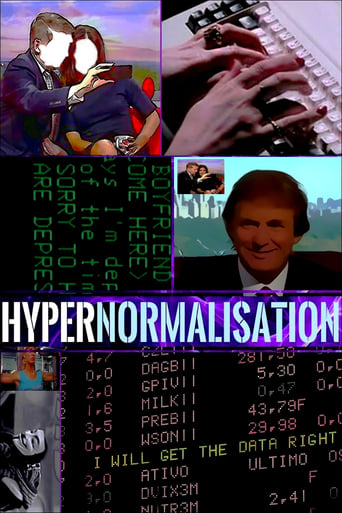
We live in a world where the powerful deceive us. We know they lie. They know we know they lie. They do not care. We say we care, but we do nothing, and nothing ever changes. It is normal. Welcome to the post-truth world. How we got to where we are now…

A documentary on the expletive's origin, why it offends some people so deeply, and what can be gained from its use.

Ranjit, a farmer in India, takes on the fight of his life when he demands justice for his 13-year-old daughter, the victim of a brutal gang rape. His decision to support his daughter is virtually unheard of, and his journey unprecedented.
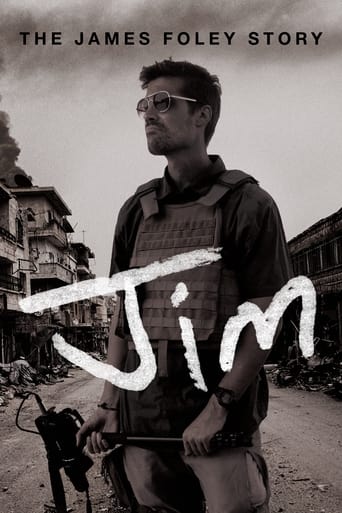
In August, 2014, a video of the public execution of American photojournalist James Foley rippled across the globe. Foley wore an orange jumpsuit as he knelt beside an ISIS militant dressed in black. That image challenged the world to deal with a new face of terror. And it tested one American family. Seen through the lens of filmmaker Brian Oakes, Foley’s close childhood friend, Jim takes us from small-town New England to the adrenaline-fueled front lines of Libya and Syria, where Foley pushed the limits of danger to report on the plight of civilians impacted by war.

A string of threatening emails escalates into a revenge plot involving a newly married US marshal and his ex-girlfriend.

Morgan Spurlock tours the Middle East to discuss the war on terror with Arabic people.

Alexander McQueen's rags-to-riches story is a modern-day fairy tale, laced with the gothic. Mirroring the savage beauty, boldness and vivacity of his design, this documentary is an intimate revelation of McQueen's own world, both tortured and inspired, which celebrates a radical and mesmerizing genius of profound influence.

A visual montage portrait of our contemporary world dominated by globalized technology and violence.

A real-life undercover thriller about two ordinary men who embark on an outrageously dangerous ten-year mission to penetrate the world's most secretive and brutal dictatorship: North Korea.

In an intimate and joyful story of love in the face of loss, celebrated poets Andrea Gibson and Megan Falley find strength—and unexpected hilarity—in what might be their final year together.
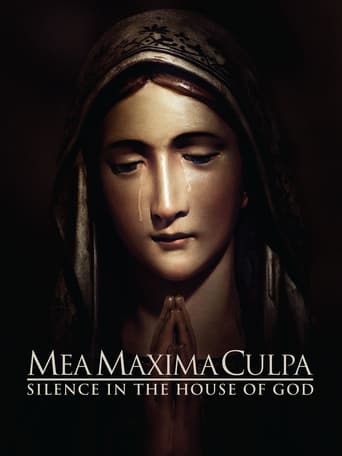
Alex Gibney explores the charged issue of pedophilia in the Catholic Church, following a trail from the first known protest against clerical sexual abuse in the United States and all way to the Vatican.

A documentary on the life of John Lennon, with a focus on the time in his life when he transformed from a musician into an antiwar activist.

A documentary about how a dominant cultural and demographic institution both sustains their traditional activities and adapts to the digital revolution.
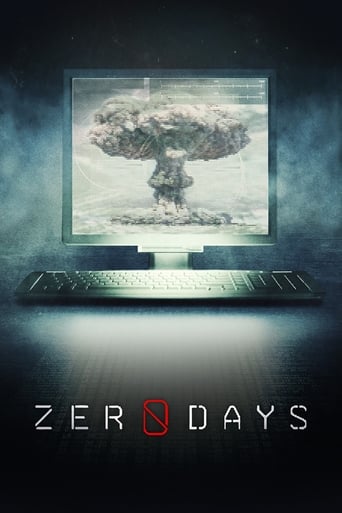
Alex Gibney explores the phenomenon of Stuxnet, a self-replicating computer virus discovered in 2010 by international IT experts. Evidently commissioned by the US and Israeli governments, this malware was designed to specifically sabotage Iran’s nuclear programme. However, the complex computer worm ended up not only infecting its intended target but also spreading uncontrollably.
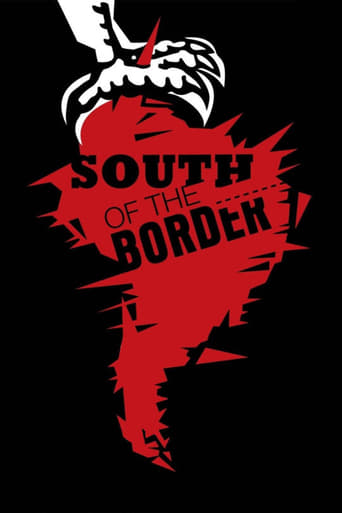
A road trip across five countries to explore the social and political movements as well as the mainstream media's misperception of South America while interviewing seven of its elected presidents.
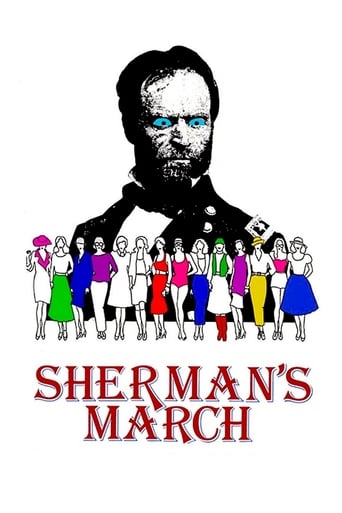
Documentarian Ross McElwee originally set out to make a travelogue of sorts tracing General William T. Sherman's infamous scorched-earth march through the Confederacy in the latter stages of the Civil War. Instead, haunted by a recent breakup with a girlfriend, McElwee ends up documenting his progress -- or lack thereof -- in starting a new relationship. His journey then becomes one of self-reflection and self-discovery rather than a historical/sociological exploration.
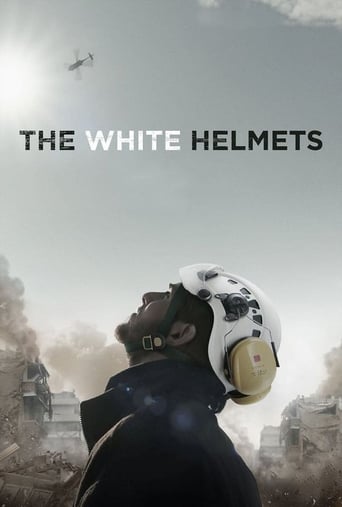
As daily airstrikes pound civilian targets in Syria, a group of indomitable first responders risk their lives to rescue victims from the rubble.
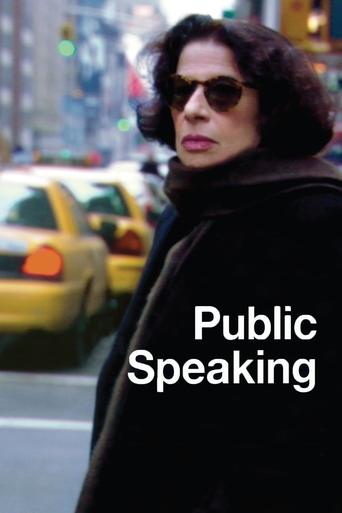
Martin Scorsese’s portrait of writer and social commentator Fran Lebowitz, celebrated for her sharp wit and observations on modern life. Filmed at New York’s Waverly Inn and intercut with archival footage and interviews, the documentary captures Lebowitz’s distinctive worldview through her spontaneous monologues and public appearances.
Similar titles
Documentary following a team of technicians in Italy as they reconstruct a number of historic Middle Eastern artifacts that were vandalized at the hands of Islamic State.
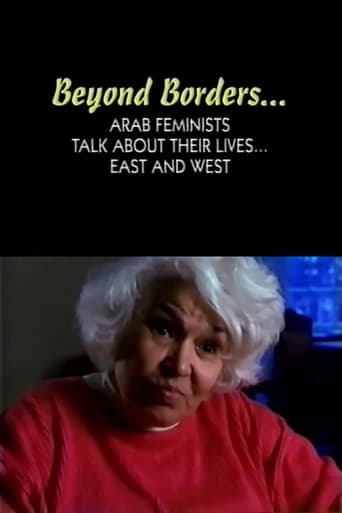
In the Arab world, women are fighting a two-front war against repressive internal constraints and intrusive Western interference. In this program, a feminist delegation composed of author Nawal Saadawi and other renowned activists from the Middle East and North Africa gathers at the UN, on college campuses, and in church basements to speak out about deterioration of women's rights in the Arab states in an effort to heighten awareness of the Arab feminist struggle for equality--and the effects of U.S. foreign policy on their efforts.
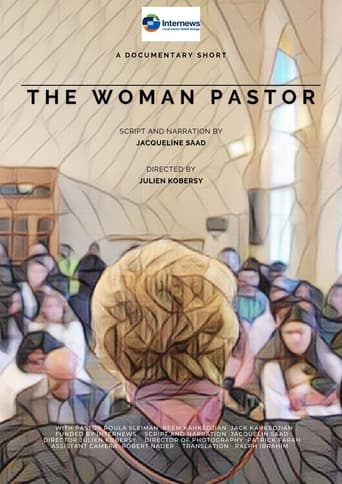
In a community of a Muslim majority, the first woman pastor in the Middle East leads a parish in one of the poorest city of the Mediterranean, in the heart of Tripoli, North Lebanon.

In Breaking Bread, exotic cuisine and a side of politics are on the menu. Dr. Nof Atamna-Ismaeel - the first Muslim Arab to win Israel's MasterChef - is on a quest to make a social change through food. And so, she founded the A-sham Arabic Food Festival in Haifa. There, pairs of Arab and Jewish chefs collaborate on mouthwatering dishes like kishek (a Syrian yogurt soup), and qatayef (a dessert typically served during Ramadan), as we savor the taste of hope and discover the food of their region free from political and religious boundaries.

Relentless: The Struggle for Peace in the Middle East was produced by the pro-Israel media watchdog group HonestReporting [sic]. The concentrates on the causes of the Second Intifada through an examination of compliance the Oslo Accords, by Israel and the Palestinian Authority. It pays particular attention to the failure of the Palestinian Authority to "educate for peace". The documentary shows interviews with Itamar Marcus, director of Palestinian Media Watch, S. El-Herfi, Raanan Gissin, Caroline Glick, John Loftus, Sherri Mandel, Yariv Oppenheim, Daniel Pipes, Tashbih Sayyed and Natan Sharansky.
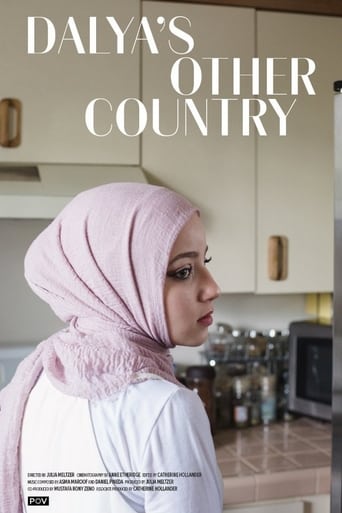
In 2012 Dalya and her mother Rudayna fled Aleppo for Los Angeles as war took over. Months before, Rudayna learns a secret that destroys her marriage, leaving her single at midlife. Arriving in LA, Dalya enrolls as the only Muslim at Holy Family Catholic High School. Can mother and daughter remake themselves while holding on to their Islamic traditions?
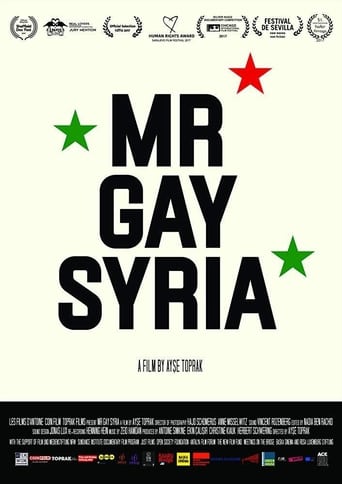
In focusing his attention on the competitors of Mr Gay Syria, director Ayse Toprak shatters the one-dimensional meaning of “refugee”. Using the pageant as a means of escape from political persecution, the organiser Mahmoud — already given asylum in Berlin — hopes to offer the winner a chance to travel as well as bring international attention to the life-threatening situations faced by LGBT Syrians.

Fontelonga is a village of Trás-os-Montes, in the interior of Portugal. A mirror of exile in the eyes of their own people. A reflexion where memory is the last object of beauty and redemption.
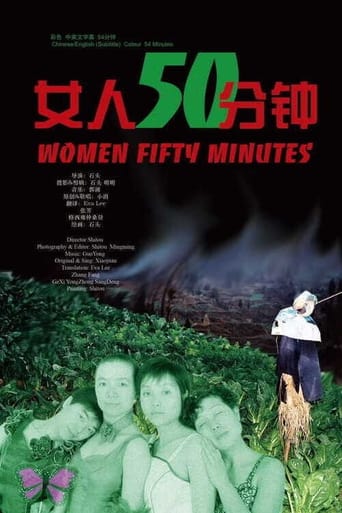
A representation of queer and feminist imagery that was mainly shot in the Qinghai-Tibetan Plateau, remote and developing areas in southwest China, and metropolitan cities like Beijing from 2000 to 2004 to document the social changes in contemporary China. The director sympathetically and erotically represents a variety of women, including women as laborers, women as prayers, women in the ground, women in marriage, and women who lie on the funeral pyre with their dead husbands. Her camera juxtaposes the mountains and rivers in old times, the commercialized handicrafts as exposition, the capital exploitation of the elders’ living space, and the erotic freedom of the young people in a changing city.
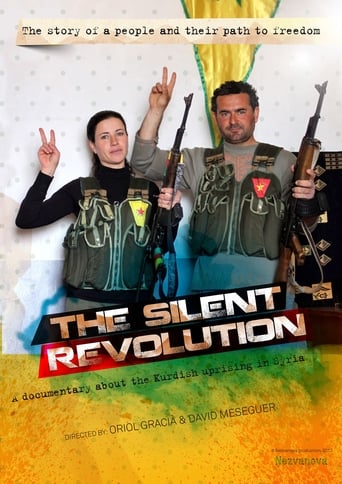
The documentary The Silent Revolution explains the revolution involving nearly 3 million kurds living in Syria. With the outbreak of the civil war —in the frame of the called ‘Arab Spring'— the Kurds of Syria have taken advantage of the context to fight for their political and cultural recognition and thus end the repression that started more than 50 years ago.
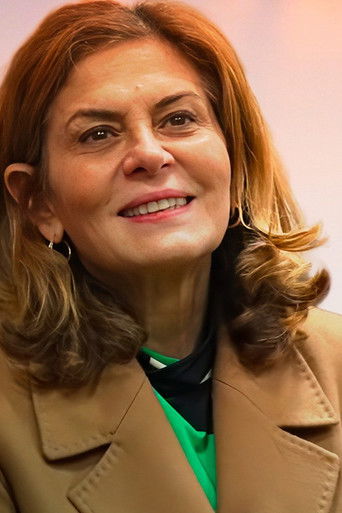
Lyse Doucet speaks to Hind Kabawat, Syria's minister for social affairs and labour and the only female minister in the transitional government.

Six years later sequel of "The Communes of Rojava" (2018), made in the face of some of the most dire attacks yet faced by the pluralist, women-led, radically democratic project in North and East Syria. Though deeply inspired by the Rojava Revolution, this film is not about the Kurdish and Syrian Revolutions’ influence for an activist in America.

On May 8, 1989, Sports Illustrated ran an article about Ultimate frisbee… about a team with no name hailing from New York City that was about to change the sport forever. From its 1968 New Jersey birth to its unanimous 2015 recognition by the International Olympic Committee, FLATBALL circles the globe to showcase four decades of world-class Ultimate and goes even further: to a set of fields in the Middle East to understand and demystify the unique spirit of the game.
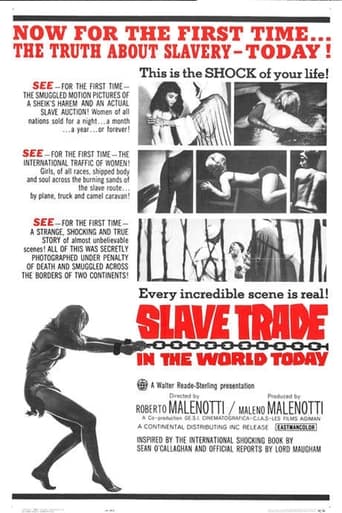
The film documents modern slave trade through a number of African countries, under dictatorship rule. The filming was conducted both in public places, and sometimes with the use of hidden cameras, for high impact scenes of nudity, sex, and violence - and a few surprises, as slaves made out of peregrins to Asia, and slave traders paid in traveller checks.
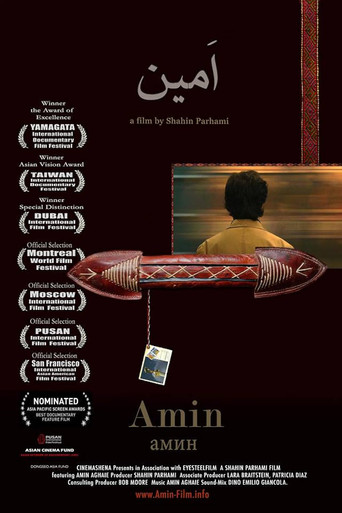
AMIN portrays Qashqai musician Amin Aghaie, a young modern nomad and his family who despite facing steep financial, cultural and political obstacles are dedicated to their art and culture. Amin travels to remote towns and villages to record the music of the surviving masters whose numbers decline each year. His nomadic family are selling their meager belongings to help support their son's education in performance and ethnomusicology at Tchaikovsky's Conservatory in Kyiv, Ukraine, but it is not enough. Amin, desperate to finish his academic education, sells his violins one at a time just to pay for his tuition.
Take a revealing tour along a coast of contrasts, from the folksy freshness of Whitby to the coaly Tyne, queen of all rivers.
Director Junge was commissioned by the GDR in the country for the first time in the summer of 1970; his film In Syria auf Montage accompanies German engineers who train workers in the Homs textile factory. Shortly after filming ended, Hafez al-Assad put himself under the dictator. Twenty years later emerged ... the father stayed in the war over a youth club with Syrian orphans in Bad Saarow, whose fathers had died in the Lebanon war and accompanied them to Syria, where they were housed in separate, elite "schools of martyr children". Multi-faceted documents that oscillate between peaceful and tense, hopeful and unsettled.