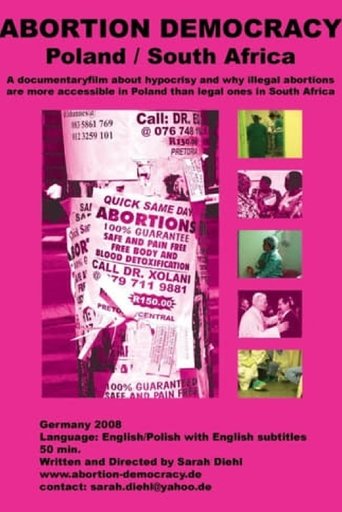
Abortion Democracy: Poland/South Africa
2008-11-12 · 50 min · ★ 6.8
Why are illegal abortions more accessible in Poland than legal ones in South Africa? This documentary feature explores and contrasts changes in Poland and South Africa regarding abortion laws and their impact on the lives of women. In the 90's, Poland banned abortion due to the increasing influence of the Catholic Church after the fall of communism; around the same time South Africa legalized it, reforming the health system after the fall of apartheid. The film reveals how the legal status of women is a direct result of the silencing or empowering of women's voices. In the Polish society and media, women's perspectives were made invisible; in South Africa, on the other hand, they were invited to give public hearings in the parliament about problems in the realm of reproduction.
Trailers are previews, not full movies.
No authorized playback source configured. Use the legal watch options below.
Production details
- Directors
- Sarah Diehl
- Production companies
- Unavailable
- Countries
- Unavailable
- Status
- Released
Top Cast
Title information and images are supplied by TMDb. Explore our discovery guide for advice on comparing metadata and legal viewing options.
Where to watch
Availability provided by JustWatch via TMDb. Offers can change. Provider links are listed on TMDb; full playback requires a separately authorized source.
Availability not listed for this country.
Seasons & episodes
Recommendations
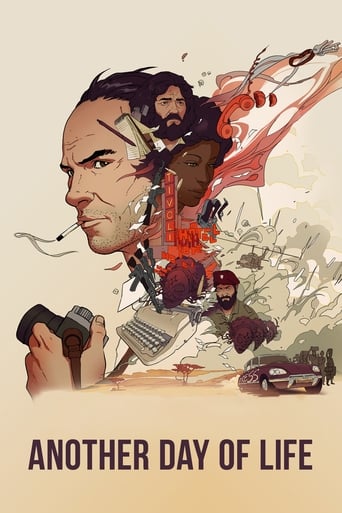
In 1975, Ryszard Kapuściński, a veteran Polish journalist, embarked on a seemingly suicidal road trip into the heart of the Angola's civil war. There, he witnessed once again the dirty reality of war and discovered a sense of helplessness previously unknown to him. Angola changed him forever: it was a reporter who left Poland, but it was a writer who returned…

As a visually radical memoir, CAMERAPERSON draws on the remarkable footage that filmmaker Kirsten Johnson has shot and reframes it in ways that illuminate moments and situations that have personally affected her. What emerges is an elegant meditation on the relationship between truth and the camera frame, as Johnson transforms scenes that have been presented on Festival screens as one kind of truth into another kind of story—one about personal journey, craft, and direct human connection.
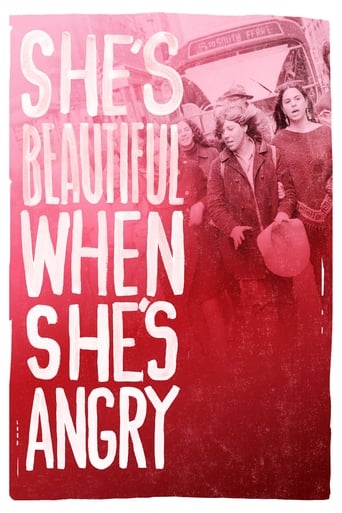
A documentary that resurrects the buried history of the outrageous, often brilliant women who founded the modern women's movement from 1966 to 1971.

An unprecedented and intimate look at the life, work and enduring legacy of British actress Audrey Hepburn (1929-1993).
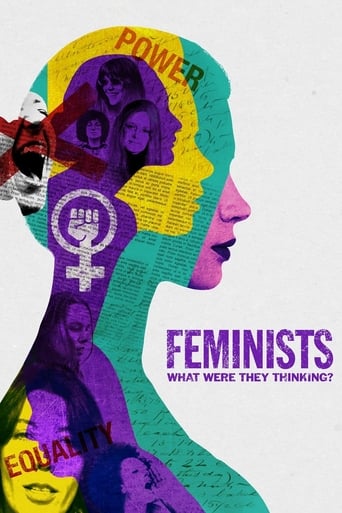
In 1977, a book of photographs captured an awakening - women shedding the cultural restrictions of their childhoods and embracing their full humanity. This documentary revisits those photos, those women and those times and takes aim at our culture today that alarmingly shows the need for continued change.
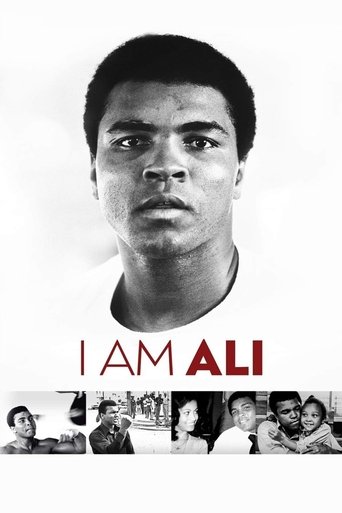
Unprecedented access to Muhammad Ali's personal archive of "audio journals" as well as interviews and testimonials from his inner circle of family and friends are used to tell the legend's life story.

Musician and performance artist Laurie Anderson reflects on the deaths of her husband Lou Reed, her mother and her beloved dog.
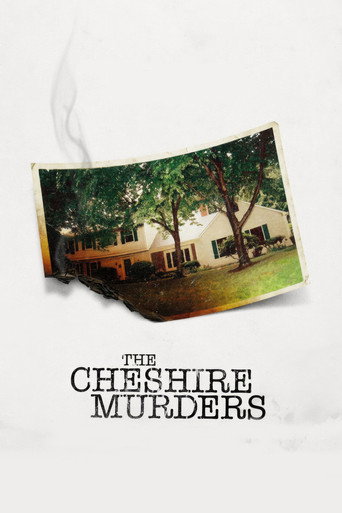
In the early-morning hours of July 23, 2007, in Cheshire, Conn., ex-convicts Steven Hayes and Joshua Komisarjevsky broke into the family home of William Petit, his wife, Jennifer, and their daughters, Michaela, 11, and Hayley, 17. Dr. Petit was beaten and tied to a pole in the basement. The three women were bound in their bedrooms while the men ransacked the house. The brutal ordeal continued throughout the morning, ending with rape, arson and a horrific triple homicide.

Director Michael Apted revisits the same group of British-born adults after a 7 year wait. The subjects are interviewed as to the changes that have occurred in their lives during the last seven years.

Director Michael Apted revisits the same group of British-born adults after a 7 year wait. The subjects are interviewed as to the changes that have occurred in their lives during the last seven years.

In the Realms of the Unreal is a documentary about the reclusive Chicago-based artist Henry Darger. Henry Darger was so reclusive that when he died his neighbors were surprised to find a 15,145-page manuscript along with hundreds of paintings depicting The Story of the Vivian Girls, in What is Known as the Realms of the Unreal, of the Glodeco-Angelinnian War Storm, Cased by the Child Slave Rebellion.
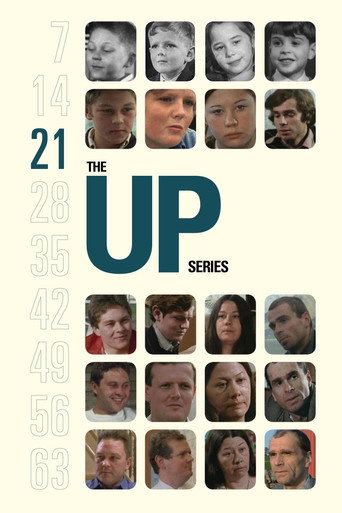
After another 7 year wait, director Michael Apted revisits the same group of British-born children from Seven Up! and 7 Plus Seven. The subjects are interviewed as to the changes that have occurred in their lives during the last seven years.

A love letter from a young mother to her daughter, the film tells the story of Waad al-Kateab’s life through five years of the uprising in Aleppo, Syria as she falls in love, gets married and gives birth to Sama, all while cataclysmic conflict rises around her. Her camera captures incredible stories of loss, laughter and survival as Waad wrestles with an impossible choice– whether or not to flee the city to protect her daughter’s life, when leaving means abandoning the struggle for freedom for which she has already sacrificed so much.
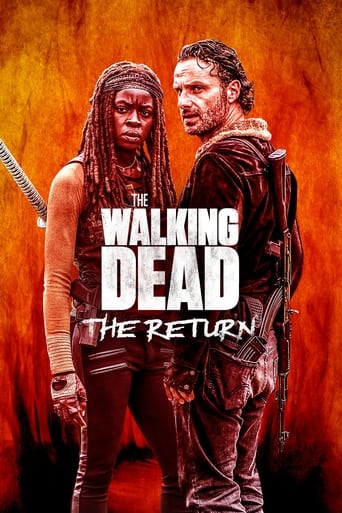
Stars of "The Walking Dead," Andrew Lincoln and Danai Gurira, walk down memory lane and visit iconic locations where pivotal moments between their characters, Rick and Michonne, were filmed.
Captured during Billie Eilish's sold-out world tour, a concert experience from one of the most celebrated and successful artists of her generation, presented in immersive 3D.

An IMAX 3D camera chronicles the effort of 7 astronauts aboard the Space Shuttle Atlantis to repair the Hubble Space Telescope.
Giving fans unprecedented access to the real life of the music sensation, Katy Perry: Part of Me exposes the hard work, dedication and phenomenal talent of a girl who remained true to herself and her vision in order to achieve her dreams. Featuring rare behind-the-scenes interviews, personal moments between Katy and her friends, and all-access footage of rehearsals, choreography, Katy’s signature style and more, Katy Perry: Part of Me reveals the singer’s unwavering belief that if you can be yourself, then you can be anything.
After the high-profile killing of Damilola Taylor, Cornelius' family move out of London. But when they discover their new town is run by racists, Cornelius takes a drastic step to survive.

A documentary about the life and films of director John Ford.

A feature length documentary about the all-women team at the helm of Pixar's original feature, Turning Red. With unprecedented behind-the-scenes access to Director Domee Shi and her core leadership crew, this story shines a light on the powerful professional and personal journeys that brought this incredibly comical, utterly relatable, and deeply heartfelt story to the screen.
Similar titles
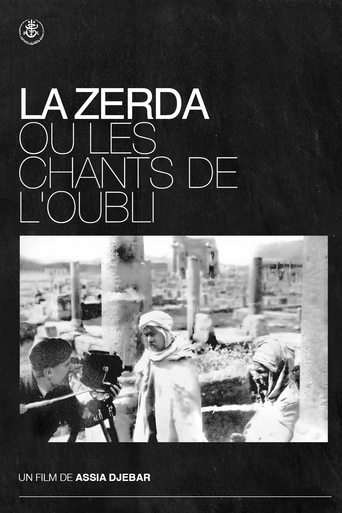
“La Zerda and the songs of oblivion” (1982) is one of only two films made by the Algerian novelist Assia Djebar, with “La Nouba des femmes du mont Chenoua” (1977). Powerful poetic essay based on archives, in which Assia Djebar – in collaboration with the poet Malek Alloula and the composer Ahmed Essyad – deconstructs the French colonial propaganda of the Pathé-Gaumont newsreels from 1912 to 1942, to reveal the signs of revolt among the subjugated North African population. Through the reassembly of these propaganda images, Djebar recovers the history of the Zerda ceremonies, suggesting that the power and mysticism of this tradition were obliterated and erased by the predatory voyeurism of the colonial gaze. This very gaze is thus subverted and a hidden tradition of resistance and struggle is revealed, against any exoticizing and orientalist temptation.
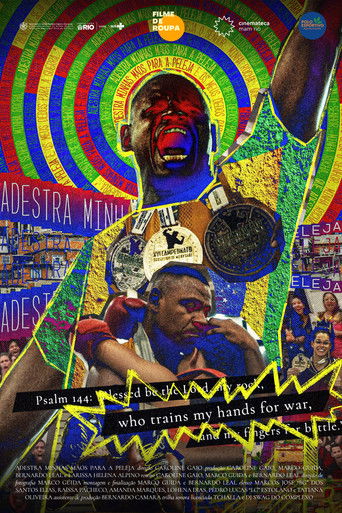
Founding a social Muay Thai project in the North Zone of Rio de Janeiro, Mestre BG and his competitors face the adversities of an underfunded project and fight to win their place on the podium. The challenges intensify when one of the students, Raíssa Pacheco, secures a spot to compete in a South American championship in Uruguay.

Blackout is a short, animated documentary about the 2003 power failure in much of the eastern seaboard of the U.S and Canada for up to 4 days.
What if, instead of bombs, we dropped watermelons? Dreamy and hopeful, this animated short sweeps us up into a colourful world where layers of reality and creativity intersect. Our protagonist navigates through it all seamlessly, and in the process shows us the importance of imagination.
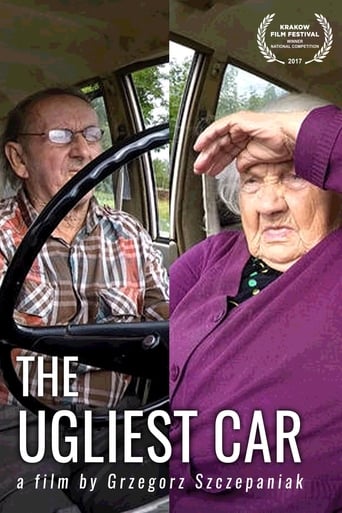
The youngest protagonist of the documentary is Wartburg, an automobile over 50 years of age. The car is still on the road, driven by Bogdan, a 70-year-old who is taking his mother to visit the German factory where she was forced to work during WWII. In this road movie which takes place between Majdanpek and Germany, the trip becomes a journey into the past, retracing memories from the war and revealing a unique relationship between an old son and his elderly mother.

This film is an album of Native womanhood, portraying a proud matriarchal society that for centuries has been pressured to adopt different standards and customs. All of the women featured share a belief in the importance of tradition as a source of strength in the face of change.
Pole, who are you? This film collage that combines archival and contemporary materials, documentary and staged pictures, press reports, social announcements, sale offers and speech excerpts is an attempt to answer this question. Referring to the Polish tradition of a creative documentary in the style of Wojciech Wiszniewski, the film presents various manifestations of Polishness: patriotic and religious rituals, everyday traditions as well as characteristic landscapes or intimate memories from childhood.
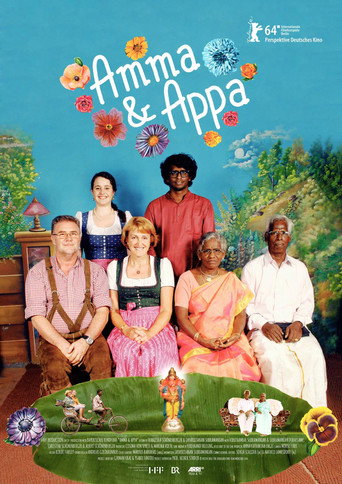
When Franziska announces her engagement to her boyfriend, Jayakrishnan, her parents journey from Bavaria to India to meet Jay's mother and father. But coming to terms with their children's plans forces each couple to question their cultural bias.

For half of a millennium, First Nations women have been at the forefront of aboriginal peoples' resistance to cultural assimilation. Today, Native women are still fighting for the survival of their cultures and their peoples--in the rain forest and the city, in the courts and the legislatures, in the Longhouse and the media. Keepers of the Fire profiles Canada's Native 'warrior women' who are protecting and defending their land, their culture and their people in the time-honoured tradition of their foremothers.
On learning that her infant niece, Maya, is dying of a rare disease, newly pregnant Sharon decides she must return home to Buffalo, N.Y., to help out -- but instead, she steps into a hornet's nest of family turmoil. While Maya deteriorates, another crisis erupts when Karen -- Maya's mother -- becomes pregnant with the child of a former gang member in this cinema verité-style portrait of a family on the brink.
Warsaw is becoming a meeting place for people from different corners of the world, of different ages, with different life stories. What they have in common is a feeling of being lost and a dire need to run away from their solitude. The film shows an image of a contemporary city from couchsurfers’ perspective.

On the evening of April 30, 1971, a standing room only audience of local literati and feminists packed New York City’s Town Hall to watch Norman Mailer, who had just written “The Prisoner of Sex,” grapple with a panel of passionate feminists. The subject was Women’s Liberation, an issue on which Mailer seemed like the devil’s own advocate.
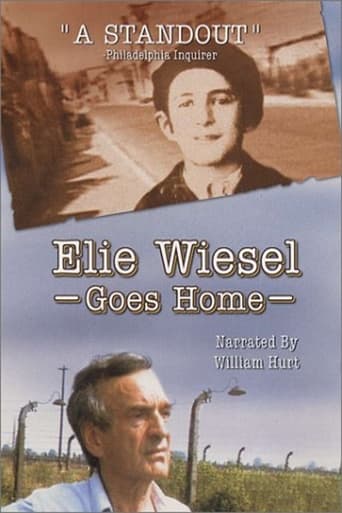
A documentary chronicling the adolescent years of Elie Wiesel and the history of his sufferings. Eliezer was fifteen when Fascism brutally altered his life forever. Fifty years later, he returns to Sighetu Marmatiei, the town where he was born, to walk the painful road of remembrance - but is it possible to speak of the unspeakable? Or does Auschwitz lie beyond the capacity of any human language - the place where words and stories run out?
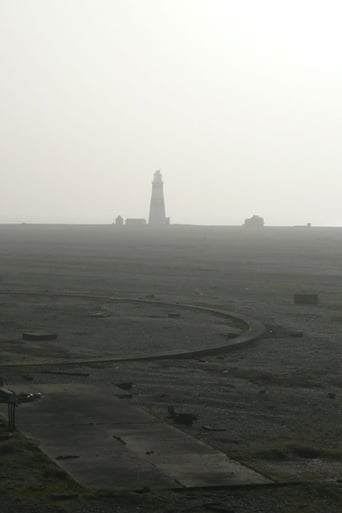
Construed in the time of running clouds, a panoramic and another examination of vacant buildings on the British shore (Orford Ness), a deserted place on Earth, place of non-specificity as a base for an open course of events that shape the sense, consisting in interaction between the image and the viewer.
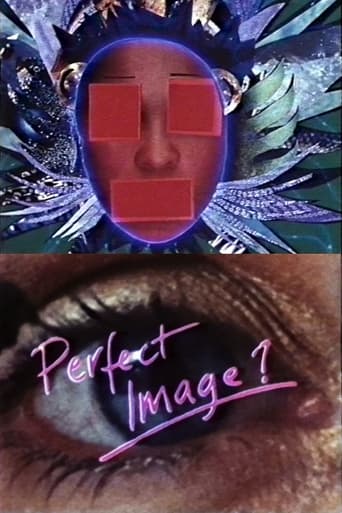
Two actresses take us through a series of 'raps' and sketches about what it means to be beautiful and black.
They're clean, educated, articulate and rarely receive public assistance. But following a divorce, job loss or a long illness, a growing number of middle-class women are forced to live out of their cars. Directed by Michèle Ohayon (Colors Straight Up) and narrated by Jodie Foster, It Was a Wonderful Life chronicles the hardships and triumphs of six "hidden homeless" women as they struggle to survive, one day at a time.

Amateur porn creator Dan Leal searches for commitment, meaning and intimacy in spite of his industry and himself.
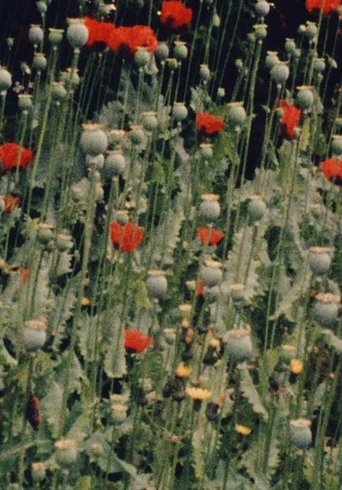
Margaret Tait documents her house, studio and garden in Buttquoy, Orkney as the seasons pass. She had lived there from the age of seven and often returned. At the time of filming, the house was about to be taken back by the council - this film is an effective 'goodbye'. Margaret Tait said it 'was meant to define a place, or the feeling of being in one place, with the sense this gives one, not of restriction but of the infinite variations available.'
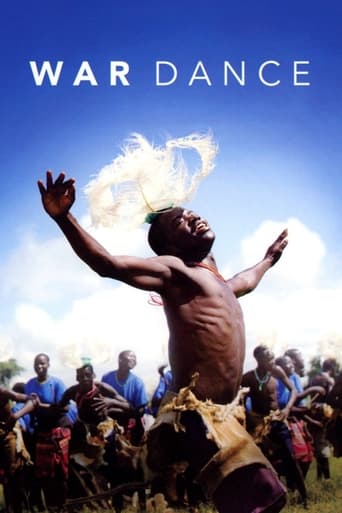
Three children living in a displacement camp in northern Uganda compete in their country's national music and dance festival.

London at its best? This gorgeously photographed portrait of the capital was made by Marion Grierson, sister of the more famous John Grierson, often hailed as the father of documentary film. The film transcends the typical travelogue thanks to the photography of William Shenton and Grierson's poetic approach to editing - which prefigures modern films like the acclaimed From the Sea to the Land Beyond (2012). The film achieved international fame at the time of its original release, yet Marion Grierson is almost completely overshadowed in the history of British documentary film by her brother John.