
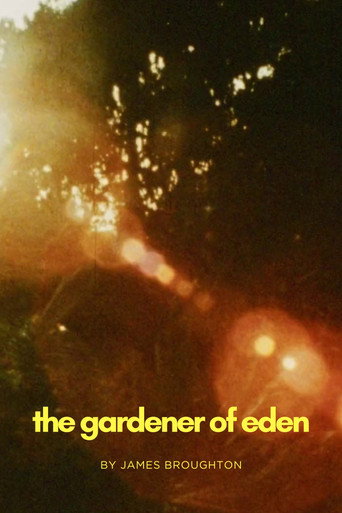
The Gardener of Eden
1981-03-14 · 8 min · ★ 6.2
An old man (artist and landscape architect Bevis Bawa) contemplates the Garden of Eden.
Trailers are previews, not full movies.
No authorized playback source configured. Use the legal watch options below.
Production details
- Directors
- James Broughton
- Production companies
- Farallone Films
- Countries
- United States of America
- Status
- Released
Top Cast
Title information and images are supplied by TMDb. Explore our discovery guide for advice on comparing metadata and legal viewing options.
Where to watch
Availability provided by JustWatch via TMDb. Offers can change. Provider links are listed on TMDb; full playback requires a separately authorized source.
Availability not listed for this country.
Seasons & episodes
Recommendations
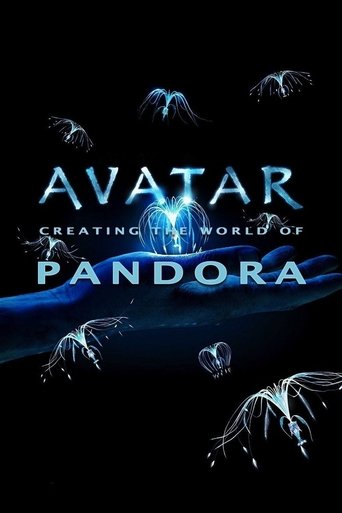
The Making-of James Cameron's Avatar. It shows interesting parts of the work on the set.
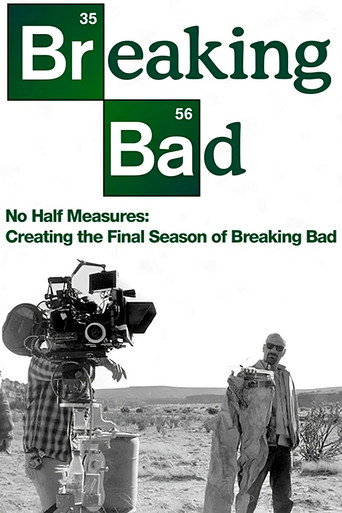
A documentary about the making of season five of the acclaimed AMC series Breaking Bad.

An inside look at one of the most anticipated movie sequels ever with James Cameron and cast.
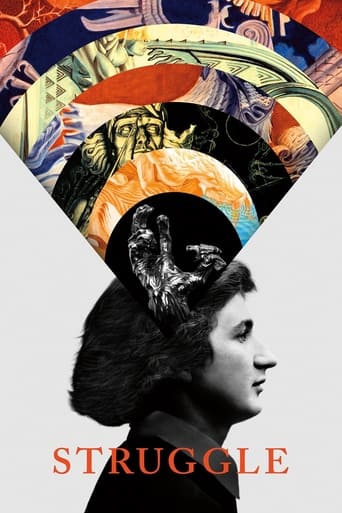
Artists in LA discover the work of forgotten Polish sculptor Stanislav Szukalski, a mad genius whose true story unfolds chapter by astounding chapter.

In an intimate and joyful story of love in the face of loss, celebrated poets Andrea Gibson and Megan Falley find strength—and unexpected hilarity—in what might be their final year together.

Over four decades, Motorhead frontman Lemmy Kilmister has registered an immeasurable impact on music history. Nearly 65, he remains the living embodiment of the rock and roll lifestyle, and this feature-length documentary tells his story, one of a hard-living rock icon who continues to enjoy the life of a man half his age.

Through deeply personal interviews with her siblings and an examination of the photographs, letters, and belongings left behind, Mariska assembles a new portrait of her mother Jayne Mansfield, an extraordinary and complex woman.

A documentary chronicling Queen and Lambert's incredible journey since they first shared the stage together on "American Idol" in 2009.
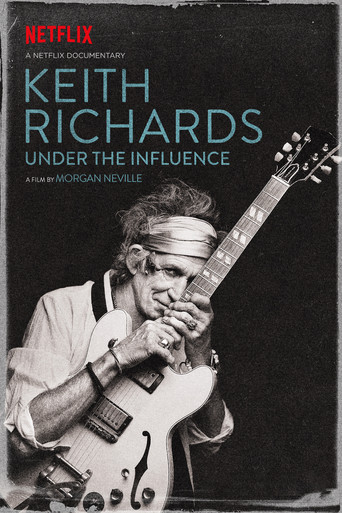
A portrait of Keith Richards that takes us on a journey to discover the genesis of his sound as a songwriter, guitarist and performer.
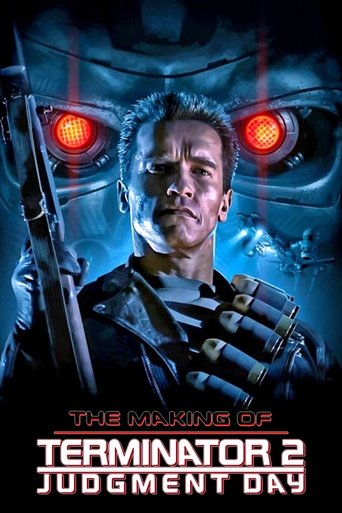
Documentary of the making of the sequel to the popular Schwarzenegger film, The Terminator.
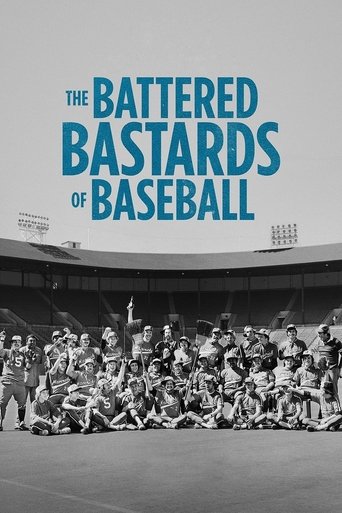
Hollywood veteran Bing Russell creates the only independent baseball team in the country—alarming the baseball establishment and sparking the meteoric rise of the 1970s Portland Mavericks.
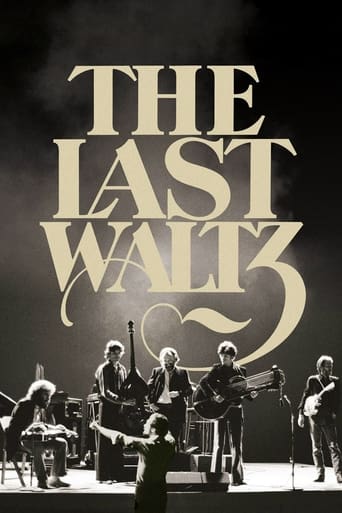
Martin Scorsese's documentary intertwines footage from The Band's incredible farewell tour with probing backstage interviews and featured performances by Bob Dylan, Joni Mitchell, Van Morrison, Eric Clapton, and other rock legends.

The life and career of one of comedy's most inimitable modern voices, Mr. Gilbert Gottfried.
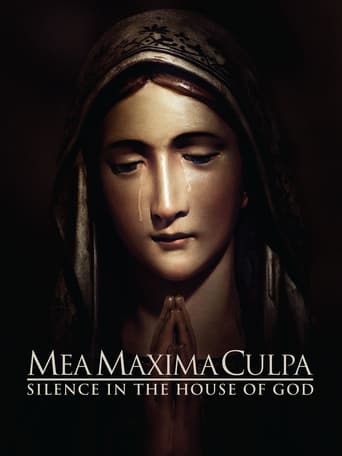
Alex Gibney explores the charged issue of pedophilia in the Catholic Church, following a trail from the first known protest against clerical sexual abuse in the United States and all way to the Vatican.
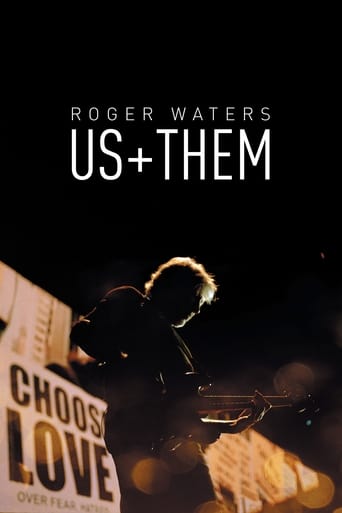
Filmed in Amsterdam on the European leg of his 2017 – 2018 Us + Them tour which saw Waters perform to over two million people worldwide, the film features songs from his legendary Pink Floyd albums (The Dark Side of the Moon, The Wall, Animals, Wish You Were Here) and from his last album, Is This The Life We Really Want?
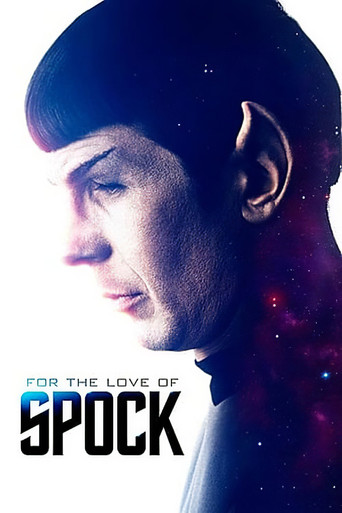
The life of Mr. Spock, as well as that of Leonard Nimoy, the actor who played him for almost fifty years, written and directed by his son: Adam.

Al Pacino's deeply-felt rumination on Shakespeare's significance and relevance to the modern world through interviews and an in-depth analysis of "Richard III."
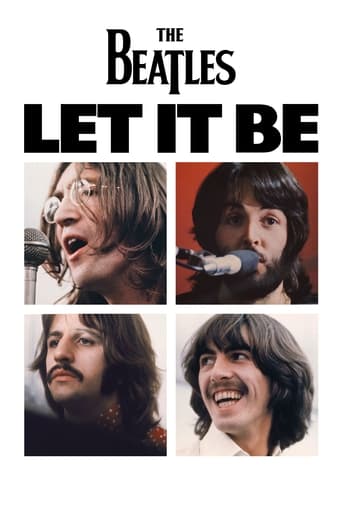
A documentary chronicling the Beatles' rehearsal sessions in January 1969 for their proposed "back to basics" album, "Get Back," later re-envisioned and released as "Let It Be."
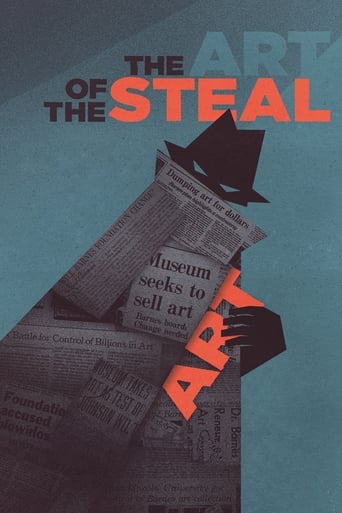
A gripping tale of intrigue and mystery in the art world, this film traces the history of a collection of Post-Impressionist paintings - worth billions - which became the subject of a power struggle after the death of its owner. Dr. Albert Barnes.
Go behind the scenes with stars, puppeteers and creators as they bring Jim Henson's magical world of Thra back to life in a sweeping fantasy series.
Similar titles
An experimental journey through a year in the life of the director, using his always playing playlist to cross the boundaries of fiction and documentary. Through scenes of both comedy and tragedy, realistic documentary footage and experimental sequences of the director's environment and daily life we get a sometimes estranging image of a young man and also an intriguing insight in his mindset and how this translates to the imagery on screen.
Mostly dark, rejecting images which are repeated. A stone wall, the chamber of a revolver which is, at first not recognizable, a close-up of a cactus. The duration of the takes emphasises the photographic character of the pictures, simultaneously with a crackling, brutal sound. (Hans Scheugl)
In the small town of Kansk, the Krasnoyarsk Territory many years in a row there is an international festival of short experimental films, which has a strong reputation throughout the world. "Russia as a dream" is an international project, shot by a team of authors and united directors, artists, poets. Each of the guests of the 14th International Kan Video Festival held in 2015 was invited to participate in the creation of a general film, the theme of which was the relationship of man and landscape, civilization and nature, reality and sleep.
The passing time is displayed as a series of still frames, or a rapid sequence of moments, ever flowing like the waves that break on the shore, like a repeated chant with no beginning, middle or end.
Filmed during the production of the Columbia Pictures western "Mackenna’s Gold," this short work presents a non-narrative visual study of the Arizona desert. Rather than documenting the film set itself, "6-18-67" assembles landscape images, time-lapse photography, and ambient sound into an abstract record of place and duration.
Electro-Pythagorus is an intimate and subjective portrait of the late Martin Bartlett, the Canadian electronic music pioneer who studied with Pauline Oliveros, David Tudor, John Cage, and Pandit Pran Nath. His contribution as an interdisciplinary composer, educator, and founding member of Western Front, though undoubtedly extensive, is in danger of being erased from cultural memory since his death from AIDS in 1993. Navigating an array of archival materials including letters, correspondences, notebooks, personal photos, and a huge body of unreleased music and field recordings held at the archives of Simon Fraser University, Electro-Pythagoras is a journey through the evolution of Bartlett’s musical time and space, softly guided by Luke Fowler’s insightful camera and montage—creating an experimental portrait that defies one-dimensionality.
“Geometric animation made entirely by sculptural methods: cutting, punching, welding colored leader. HETERODYNE is related to some of my other work as RNA to a protein or polypeptide. It was made in abject (if blissful) ignorance of Paul Sharits’ early work.” –Hollis Frampton
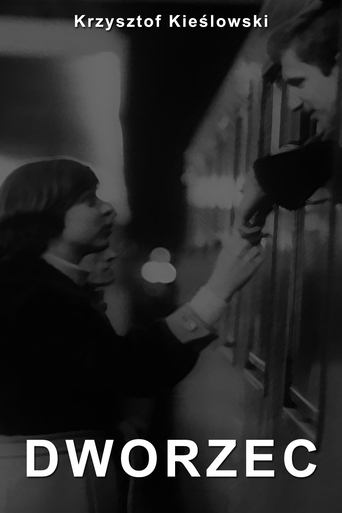
Warsaw's Central Railway Station. 'Someone has fallen asleep, someone's waiting for somebody else. Maybe they'll come, maybe they won't. The film is about people looking for something.
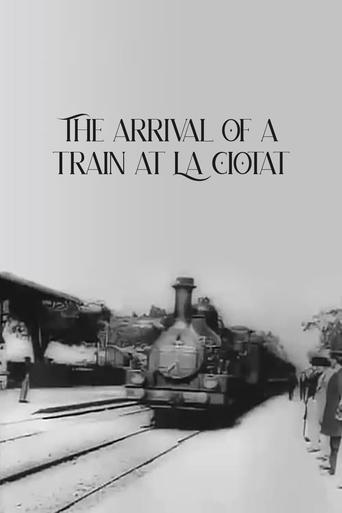
A group of people are standing along the platform of a railway station in La Ciotat, waiting for a train. One is seen coming, at some distance, and eventually stops at the platform. Doors of the railway-cars open and attendants help passengers off and on. Popular legend has it that, when this film was shown, the first-night audience fled the café in terror, fearing being run over by the "approaching" train. This legend has since been identified as promotional embellishment, though there is evidence to suggest that people were astounded at the capabilities of the Lumières' cinématographe.
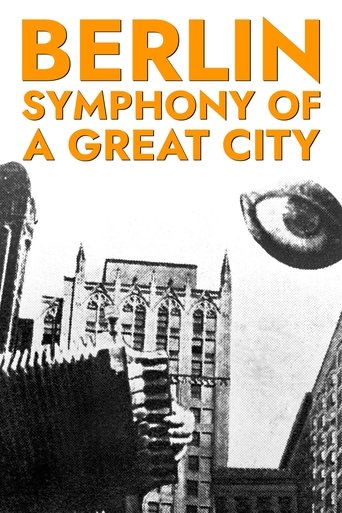
A day in the city of Berlin, which experienced an industrial boom in the 1920s, and still provides an insight into the living and working conditions at that time. Germany had just recovered a little from the worst consequences of the First World War, the great economic crisis was still a few years away and Hitler was not yet an issue at the time.
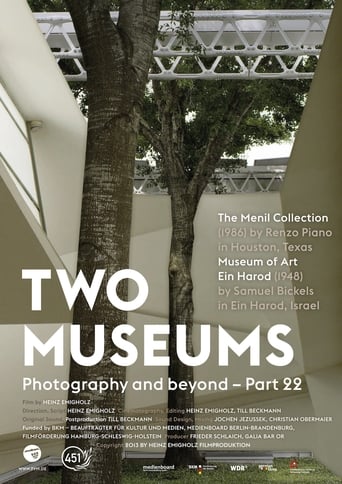
The film juxtaposes/compares two museums: The Museum of Art, Ein Harod, Israel, which Samuel Bickels (1909-1975) built there in 1948, and The Menil Collection in Houston, Texas, built by Renzo Piano (b. 1937) 1986 . The method of natural lighting in Bickels‘s construction was the direct model for Piano, who adopted for his construction at the request of its patroness Dominique de Menil.
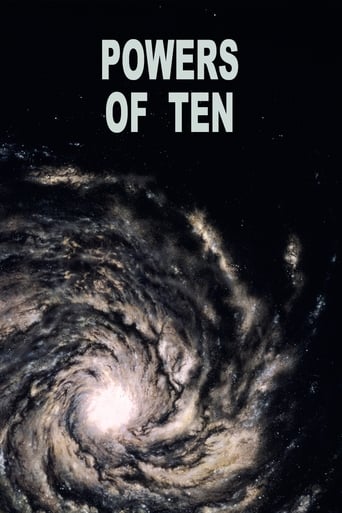
A scientific film essay, narrated by Phil Morrison. A set of pictures of two picnickers in a park, with the area of each frame one-tenth the size of the one before. Starting from a view of the entire known universe, the camera gradually zooms in until we are viewing the subatomic particles on a man's hand.
Shot both on and from an elevated electric train.

From a small cabin in the mountains of New York, Nina Breeder and Massimilian Breeder begin a journey across the United States. California is just the initial destination, but just as the edge of the surrounding landscape expands, so does their ultimate destination. A contemplation of nature and time along a raw journey in the American landscape.

Kassetten-Fernsehen tells the story of the development of video as an entertainment medium in West Germany. The story begins with visions of a revolution and ends with a persistent censorship debate in a climate of intellectual and moral change.
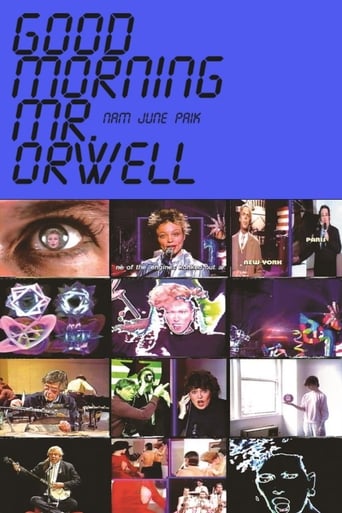
In his book "1984", George Orwell saw the television of the future as a control instrument in the hands of Big Brother. Right at the start of the much-anticipated Orwellian year, Paik and Co. were keen to demonstrate satellite TV's ability to serve positive ends-- Namely, the intercontinental exchange of culture, combining both highbrow and entertainment elements. A live broadcast shared between WNET TV in New York and the Centre Pompidou in Paris, linked up with broadcasters in Germany and South Korea, reached a worldwide audience of over 10 or even 25 million (including the later repeat transmissions).

Marcel Duchamp alternates between scrutinizing the camera, and smiling and nodding in response to what seems to be a large crowd of off-screen admirers trying to get his attention. Occasionally he puts his fingers to his lips, indicating that he is not supposed to talk.

Tornado Alley documents two unprecedented missions seeking to encounter one of Earth’s most awe-inspiring events—the birth of a tornado. Filmmaker Sean Casey’s personal quest to capture the birth of a tornado with a 70mm camera takes viewers on a breathtaking journey into the heart of the storm. A team of equally driven scientists, the VORTEX2 researchers, experience the relentless strength of nature’s elemental forces as they literally surround tornadoes and the supercell storms that form them, gathering the most comprehensive severe weather data ever collected.
Super 8mm film.
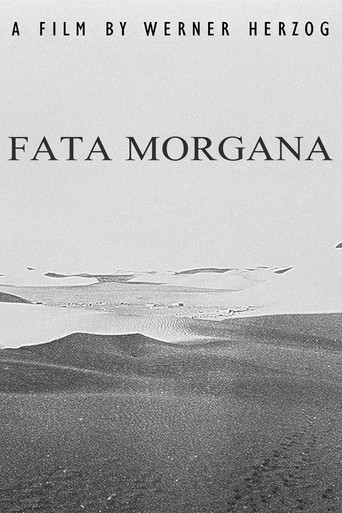
Shot under extreme conditions and inspired by Mayan creation theory, the film contemplates the illusion of reality and the possibility of capturing for the camera something which is not there. It is about the mirages of nature—and the nature of mirage.