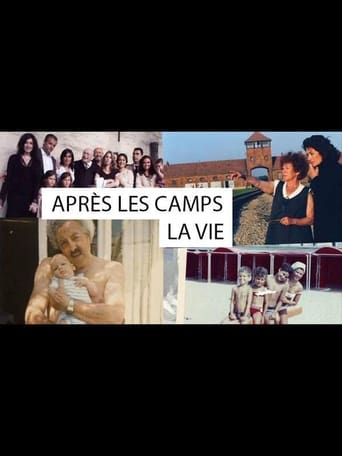
After the camps, being alive...
2010-04-22 · Runtime unavailable · Not rated
For the first time, survivors talk about life after the camps. How does one return to a life that was interrupted with such violence? How does one reconstruct oneself when all or most of one’s family were butchered? How does one resume studies and earn a living in a society that had cast you out a few years earlier?
Trailers are previews, not full movies.
No authorized playback source configured. Use the legal watch options below.
Production details
- Directors
- Virginie Linhart
- Production companies
- Unavailable
- Countries
- France
- Status
- Released
Top Cast
Cast unavailable.
Title information and images are supplied by TMDb. Explore our discovery guide for advice on comparing metadata and legal viewing options.
Where to watch
Availability provided by JustWatch via TMDb. Offers can change. Provider links are listed on TMDb; full playback requires a separately authorized source.
Availability not listed for this country.
Seasons & episodes
Recommendations
Director Claude Lanzmann spent 11 years on this sprawling documentary about the Holocaust, conducting his own interviews and refusing to use a single frame of archival footage. Dividing Holocaust witnesses into three categories – survivors, bystanders, and perpetrators – Lanzmann presents testimonies from survivors of the Chelmno concentration camp, an Auschwitz escapee, and witnesses of the Warsaw Ghetto Uprising, as well as a chilling report of gas chambers from an SS officer at Treblinka.
Filmmaker Alain Resnais documents the atrocities behind the walls of Hitler's concentration camps.
A woman’s Holocaust memoir takes the world by storm, but a fallout with her publisher-turned-detective reveals her story as an audacious deception created to hide a darker truth.

When Allied forces liberated the Nazi concentration camps in 1944-45, their terrible discoveries were recorded by army and newsreel cameramen, revealing for the first time the full horror of what had happened. Making use of British, Soviet and American footage, the Ministry of Information’s Sidney Bernstein (later founder of Granada Television) aimed to create a documentary that would provide lasting, undeniable evidence of the Nazis’ unspeakable crimes. He commissioned a wealth of British talent, including editor Stewart McAllister, writer and future cabinet minister Richard Crossman – and, as treatment advisor, his friend Alfred Hitchcock. Yet, despite initial support from the British and US Governments, the film was shelved, and only now, 70 years on, has it been restored and completed by Imperial War Museums under its original title "German Concentration Camps Factual Survey".
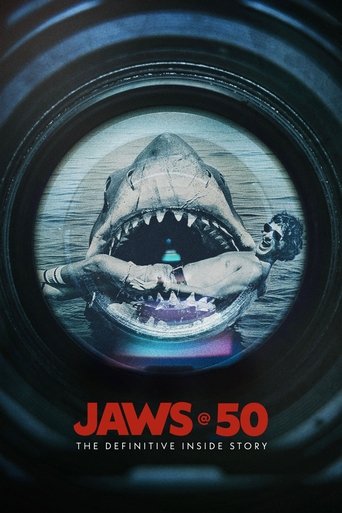
The authorized documentary celebrating the film that redefined Hollywood, 50 years after its premiere. Featuring rare archival footage and interviews with acclaimed Hollywood directors alongside Steven Spielberg, top shark scientists, and conservationists, the film uncovers the behind-the-scenes chaos and how the film launched the summer blockbuster, inspired a new wave of filmmakers, and paved the way for shark conservation that continues today.

A documentary on the expletive's origin, why it offends some people so deeply, and what can be gained from its use.
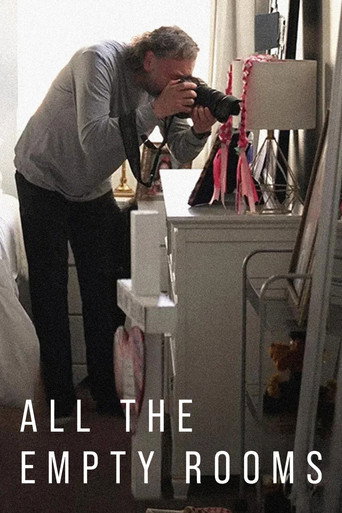
A journalist and a photographer set out to memorialize the bedrooms left behind by children killed in school shootings.

In an intimate and joyful story of love in the face of loss, celebrated poets Andrea Gibson and Megan Falley find strength—and unexpected hilarity—in what might be their final year together.

Stars of "The Walking Dead," Andrew Lincoln and Danai Gurira, walk down memory lane and visit iconic locations where pivotal moments between their characters, Rick and Michonne, were filmed.

A love letter from a young mother to her daughter, the film tells the story of Waad al-Kateab’s life through five years of the uprising in Aleppo, Syria as she falls in love, gets married and gives birth to Sama, all while cataclysmic conflict rises around her. Her camera captures incredible stories of loss, laughter and survival as Waad wrestles with an impossible choice– whether or not to flee the city to protect her daughter’s life, when leaving means abandoning the struggle for freedom for which she has already sacrificed so much.

Through deeply personal interviews with her siblings and an examination of the photographs, letters, and belongings left behind, Mariska assembles a new portrait of her mother Jayne Mansfield, an extraordinary and complex woman.

Over 35 years after Bob Lazar's revelations, this documentary exposes secrets of a facility the government still denies. Featuring Lazar's testimony, recreations, and new evidence, it reopens a case that continues to spark global curiosity

A documentary about ten very different lives connected by having appeared onscreen wearing masks or helmets in Star Wars.

Produced and presented as evidence at the Nuremberg war crimes trial of Hermann Göring and twenty other Nazi leaders, this film consists primarily of dead and surviving prisoners and of facilities used to kill and torture during the World War II.
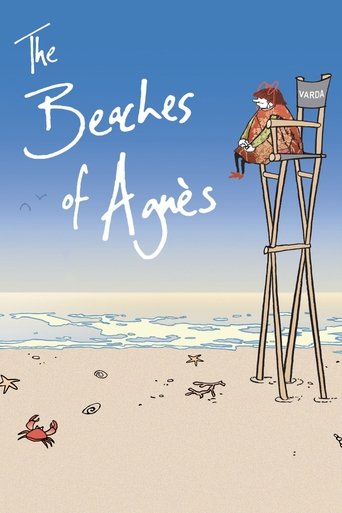
Filmmaking icon Agnès Varda, the award-winning director regarded by many as the grandmother of the French new wave, turns the camera on herself with this unique autobiographical documentary. Composed of film excerpts and elaborate dramatic re-creations, Varda's self-portrait recounts the highs and lows of her professional career, the many friendships that affected her life and her longtime marriage to cinematic giant Jacques Demy.
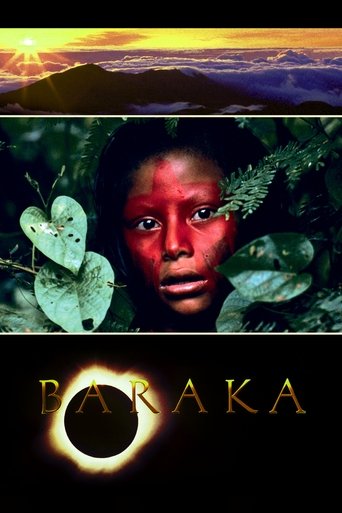
A paralysingly beautiful documentary with a global vision—an odyssey through landscape and time—that attempts to capture the essence of life.

As a visually radical memoir, CAMERAPERSON draws on the remarkable footage that filmmaker Kirsten Johnson has shot and reframes it in ways that illuminate moments and situations that have personally affected her. What emerges is an elegant meditation on the relationship between truth and the camera frame, as Johnson transforms scenes that have been presented on Festival screens as one kind of truth into another kind of story—one about personal journey, craft, and direct human connection.

Director Michael Apted revisits the same group of British-born adults after a 7 year wait. The subjects are interviewed as to the changes that have occurred in their lives during the last seven years.

Told through performances, TV interviews, home movies, family photographs, private letters and unpublished memoirs, the film reveals the essence of an extraordinary woman who rose from humble beginnings in New York City to become a glamorous international superstar and one of the greatest artists of all time.
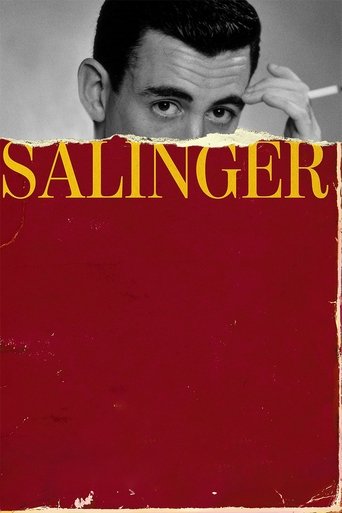
An in-depth investigation into the private world of the American writer J. D. Salinger (1919-2010), who lived most of his life behind the impenetrable wall of a self-imposed seclusion: how his dramatic experiences during World War II influenced his life and work, his relationships with very young women, his obsessive writing methods, his many literary secrets.
Similar titles
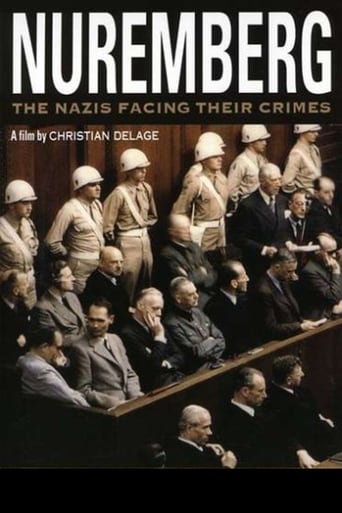
The documentary of the Nuremberg War Trials of 21 Nazi dignitaries held after World War II.
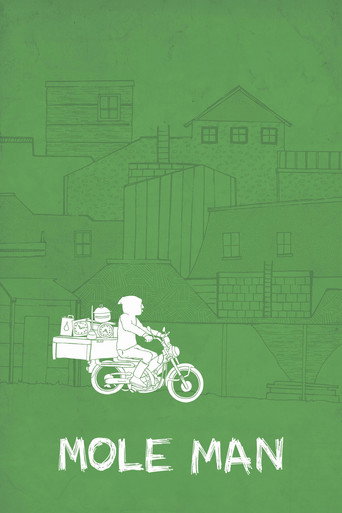
MOLE MAN follows RON, a 66-year-old autistic man who has spent the last five decades building a 50-room structure in his parents' backyard. Using no nails or mortar, Ron instead creates perfectly balanced structures from scavenged materials he finds in the woods outside his Western Pennsylvania home. When Ron's father passes away, leaving him living alone with his 90-year-old mother, Ron's siblings are left to figure out what's best for Ron - who has never been officially diagnosed with autism - when his mother can no longer care for him. In an effort to find the money to keep Ron in his home, his friends team up in search of a mythical mansion Ron insists lays abandoned in the forest. But will they be able to find it? And, more importantly, does it even exist? This is the story of an extraordinary life, a family, and the beauty of thinking differently.

A journey through six different countries and characters into a world where chemistry is the ultimate response to human pursuits of well-being.
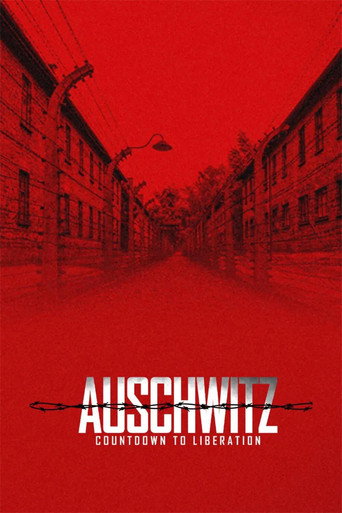
The last weeks in the Nazi concentration camp revealed through the touching stories of survivors such as Eva Kor and Samuel Modiano. Between suffering and resistance, the documentary explores human courage in inhumane conditions, revealing the hope that flourished even in the darkest moments. A powerful tribute to memory and freedom, essential for not forgetting.
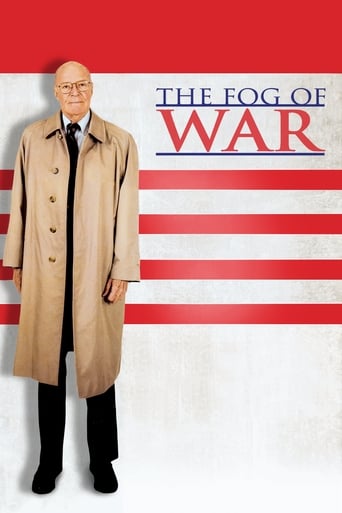
Former corporate whiz kid Robert McNamara was the controversial Secretary of Defense in the Kennedy and Johnson administrations, during the height of the Vietnam War. Augmented by archival footage and cabinet conversation recordings, Errol Morris gives the conflicted McNamara a platform on which he attempts to confront his and the U.S. government's actions in Southeast Asia in light of the horrors of modern warfare, the end of ideology and the punitive judgment of history.
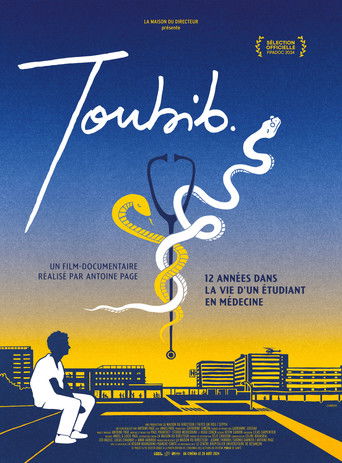

More than 2.000 years ago, Narbonne in today's Département Aude was the capital of a huge Roman province in Southern Gaul - Gallia Narbonensis. It was the second most important Roman port in the western Mediterranean and the town was one of the most important commercial hubs between the colonies and the Roman Empire, thus the town could boast a size rivaling that of the city that had established it: Rome itself. Paradoxically, the town that distinguished itself for its impressive architecture, today shows no more signs of it: neither temples, arenas, nor theaters. Far less significant Roman towns like Nîmes or Arles are full of ancient sites. Narbonne today is a tranquil town in Occitania
A genre-bending documentary using dance and physicality to explore themes of youthfulness, fear, regret and aging. The star of the show is New York. The perspectives of elderly citizens of NYC are interpreted physically by a younger generation. The words come from real-life interviews recorded with a diverse selection of aging New Yorkers.

A documentary about the social impact of the hot dog on American Culture. Follow the crew as they travel across the country to explore the many facets of hot dog culture. 'To understand a bike, you look at the wheels. To understand a wall, you look at each brick. And to understand America, you must look at the hot dog."
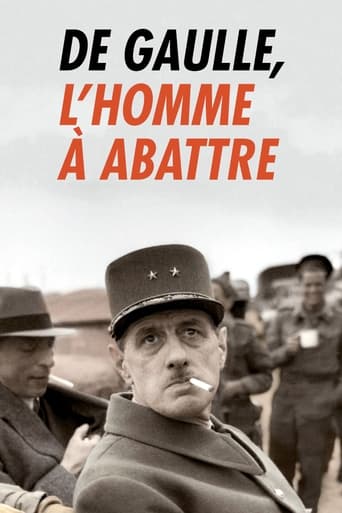

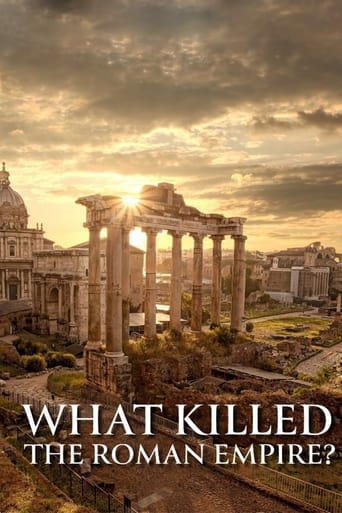
Why did the Roman Empire, which dominated Europe and the Mediterranean for five centuries, inexorably weaken until it disappeared? Archaeologists, specialists in ancient pathologies and climate historians are now accumulating clues converging on the same factors: a powerful cooling and pandemics. A disease, whose symptoms described by the Greek physician Galen are reminiscent of those of smallpox, struck Rome in 167, soon devastating its army. At the same time, a sudden climatic disorder that was underway as far as Eurasia caused agricultural yields to plummet and led to the westward migration of the Huns. Plagued by economic and military difficulties, attacked from all sides by barbarian tribes, the Roman edifice gradually cracked.
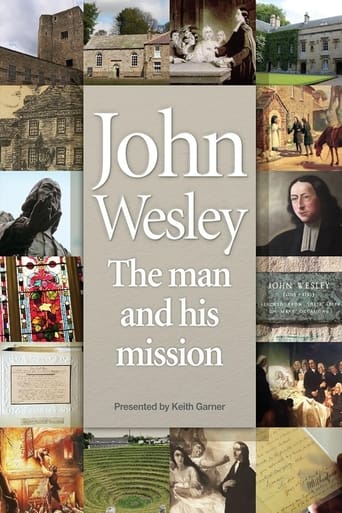
Keith Garner visits historical locations, elegant chapels and bustling city centres as he discovers the impact of the work of cleric and theologist John Wesley, 200 years after his death.
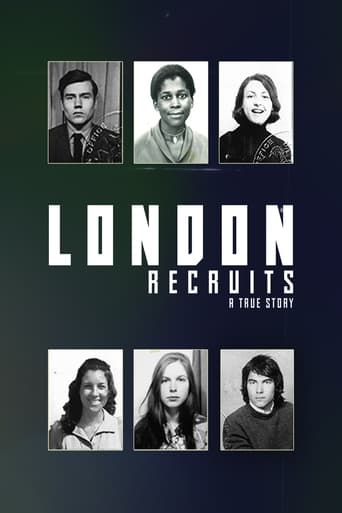
The story of the Londoners recruited to be freedom fighters during the South African apartheid during the 1960s.