Nzale
1985-01-01 · 32 min · Not rated
The folkloric group "Nzale," founded in 1979 in Bangui, practices a traditional dance called "M'baka M'Bokou," which means "strength" and is a symbol of victory. It is a battle dance: each dancer wears the skin of the animal he wishes to incarnate. One dancer stands in the middle of a circle and fights the other dancers who come to confront him one after another.
Trailers are previews, not full movies.
No authorized playback source configured. Use the legal watch options below.
Production details
- Directors
- Léonie Yangba Zowe
- Production companies
- Participation Ministere Cooperation
- Countries
- France, Central African Republic
- Status
- Released
Top Cast
Cast unavailable.
Title information and images are supplied by TMDb. Explore our discovery guide for advice on comparing metadata and legal viewing options.
Where to watch
Availability provided by JustWatch via TMDb. Offers can change. Provider links are listed on TMDb; full playback requires a separately authorized source.
Availability not listed for this country.
Seasons & episodes
Recommendations
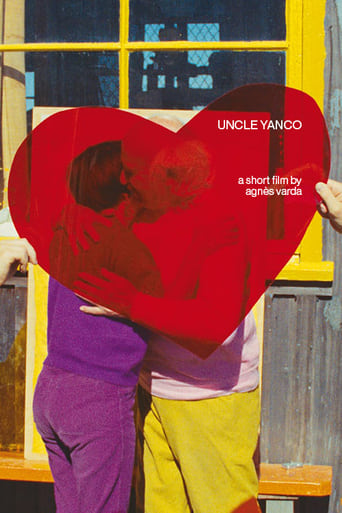
While in San Francisco for the promotion of her last film in October 1967, Agnès Varda, tipped by her friend Tom Luddy, gets to know a relative she had never heard of before, Jean Varda, nicknamed "Yanco". This hitherto unknown uncle lives on a boat in Sausalito, is a painter, has adopted a hippie lifestyle and loves life. The meeting is a very happy one.
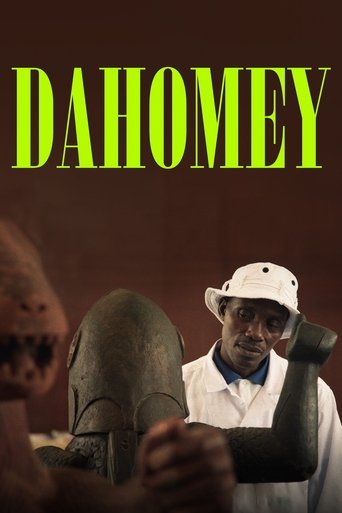
Thousands of royal artifacts of Dahomey, a West African kingdom, were taken by French colonists in the 19th century for collection and display in Paris. Centuries later, a fraction returned to their home in modern-day Benin. This dramatized documentary follows the journey of 26 of the treasures as told by cultural art historians, embattled university students, and one of the repatriated statues himself.

Latcho Drom is a vista of the music, culture, and journey of the Romani people—from their homeland of India, to Europe and Southwest Asia.
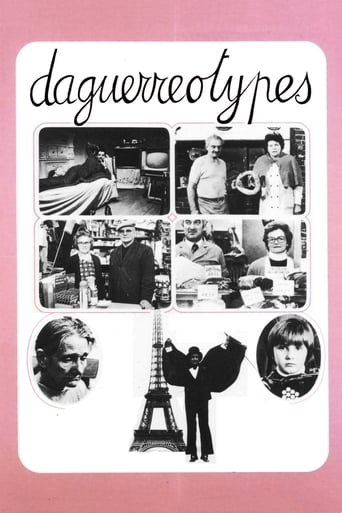
An intimate portrait of the small shops and shopkeepers of the Rue Daguerre in Paris, a picturesque street that has been the filmmaker’s home for more than 50 years.

Alexander McQueen's rags-to-riches story is a modern-day fairy tale, laced with the gothic. Mirroring the savage beauty, boldness and vivacity of his design, this documentary is an intimate revelation of McQueen's own world, both tortured and inspired, which celebrates a radical and mesmerizing genius of profound influence.
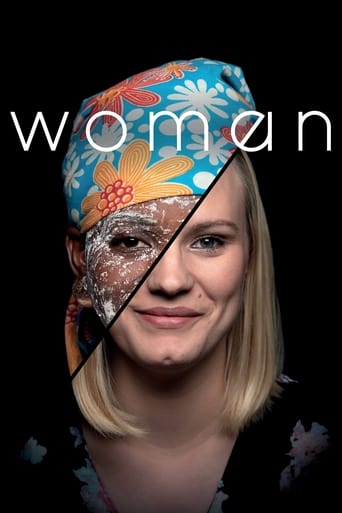
The film is based on interviews with 2,000 women from 50 countries, and covers the status of women all over the world. The topics covered include forced marriages, sexual assault, female genital mutilation, acid attacks, motherhood, sexuality, menstruation, education and the professional success of women.
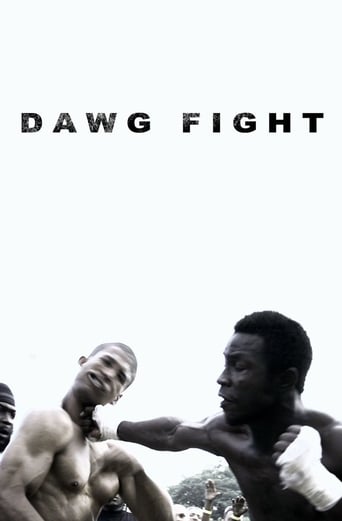
In a crime-plagued neighborhood near Miami, brutal, bare-knuckled backyard fights give young men a chance to earn money -- and self-respect.
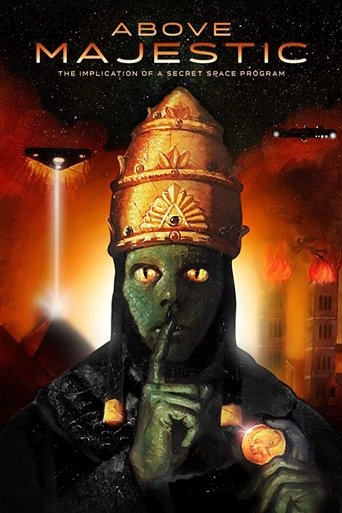
A look at the origins, history and conspiracies behind the "Majestic 12", a clandestine group of military and corporate figureheads charged with reverse-engineering extraterrestrial technology.
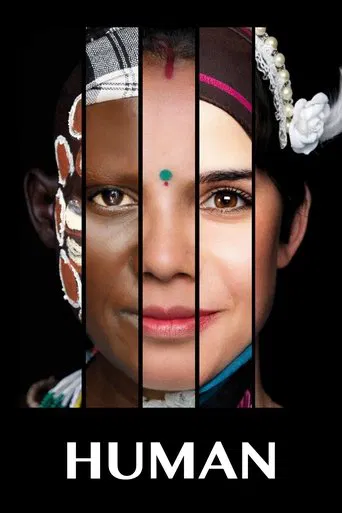
A collection of stories about and images of our world, offering an immersion to the core of what it means to be human. Through these stories full of love and happiness, as well as hatred and violence, it brings us face to face with the Other, making us reflect on our lives. From stories of everyday experiences to accounts of the most unbelievable lives, these poignant encounters share a rare sincerity and underline who we are – our darker side, but also what is most noble in us, and what is universal. Our Earth is shown at its most sublime through never-before-seen aerial images accompanied by soaring music, resulting in an ode to the beauty of the world, providing a moment to draw breath and for introspection. This film is a politically engaged work which allows us to embrace the human condition and to reflect on the meaning of our existence.
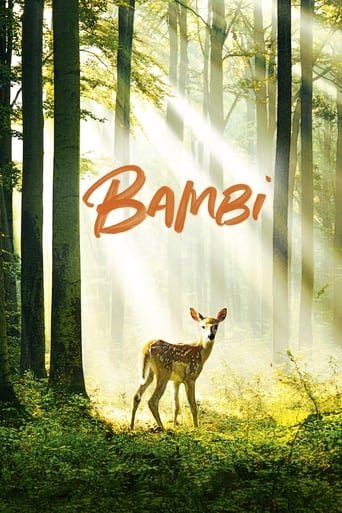
The life of Bambi, a male roe deer, from his birth through childhood, the loss of his mother, the finding of a mate, the lessons he learns from his father, and the experience he gains about the dangers posed by human hunters in the forest.
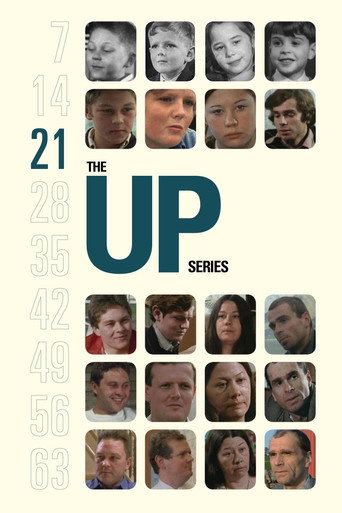
After another 7 year wait, director Michael Apted revisits the same group of British-born children from Seven Up! and 7 Plus Seven. The subjects are interviewed as to the changes that have occurred in their lives during the last seven years.

In an intimate and joyful story of love in the face of loss, celebrated poets Andrea Gibson and Megan Falley find strength—and unexpected hilarity—in what might be their final year together.
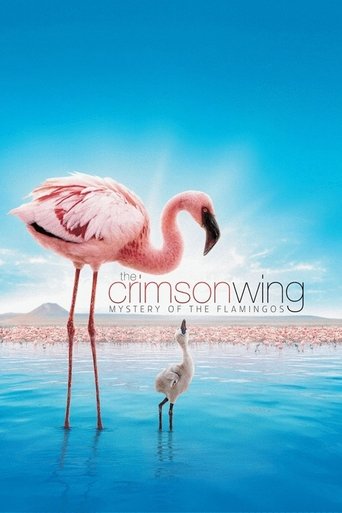
In the remote and forgotten wilderness of Lake Natron, in northern Tanzania, one of nature's last great mysteries unfolds: the birth, life and death of a million crimson-winged flamingos.

An inside look at one of the most anticipated movie sequels ever with James Cameron and cast.
The Adamant is a unique day-care centre. A floating structure located on the Seine in the heart of Paris, it welcomes adults suffering from mental disorders, offering the kind of care that grounds them in time and space and helps them to recover or keep up their spirits. The team running it tries to resist the deterioration and dehumanisation of psychiatry as best as they can.

This revealing documentary honors the legendary Sidney Poitier—iconic actor, filmmaker, and civil rights activist. Featuring interviews with Denzel Washington, Spike Lee, Halle Berry, and more.
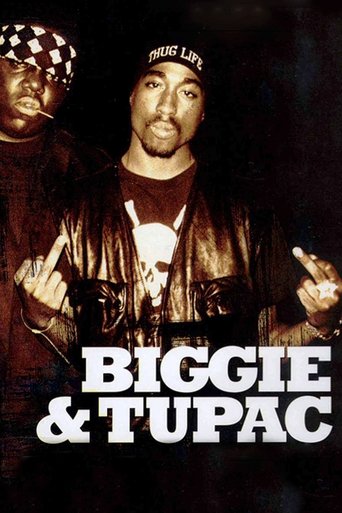
In 1997, rap superstars Tupac Shakur and Christopher Wallace (aka Biggie Smalls, The Notorious B.I.G.) were gunned down in separate incidents, the apparent victims of hip hop's infamous east-west rivalry. Nick Broomfield's film introduces Russell Poole, an ex-cop with damning evidence that suggests the LAPD deliberately fumbled the case to conceal connections between the police, LA gangs and Death Row Records, the label run by feared rap mogul Marion "Suge" Knight.

A documentary chronicling Queen and Lambert's incredible journey since they first shared the stage together on "American Idol" in 2009.

Ranjit, a farmer in India, takes on the fight of his life when he demands justice for his 13-year-old daughter, the victim of a brutal gang rape. His decision to support his daughter is virtually unheard of, and his journey unprecedented.
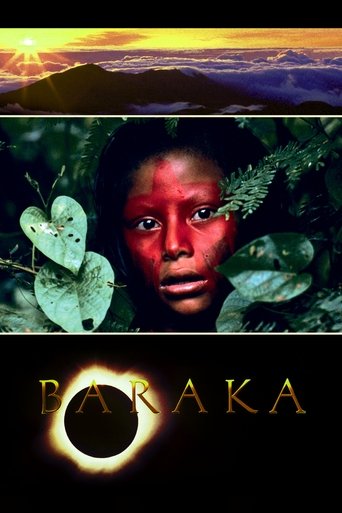
A paralysingly beautiful documentary with a global vision—an odyssey through landscape and time—that attempts to capture the essence of life.
Similar titles
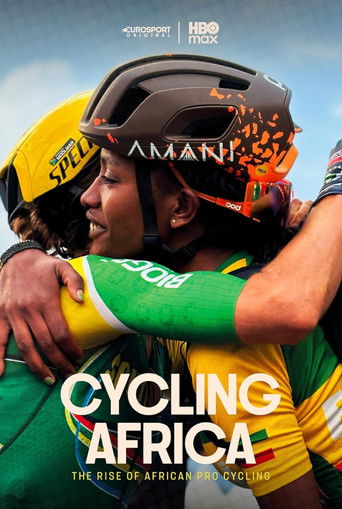
For the first time in history, the UCI Road World Championships are coming to African soil. This documentary captures the sweat, setbacks and symbolic power of cycling.
A study of the behavior of monkeys in the African jungle.
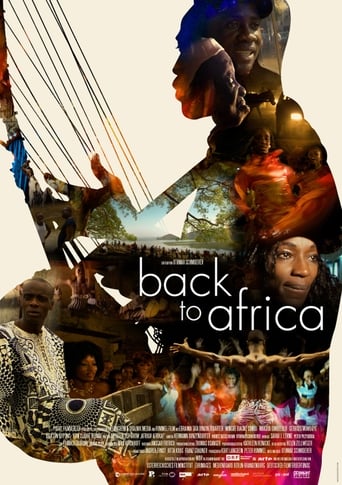
An Austrian director followed five successful African music and dance artists with his camera and followed their lives for a year. The artists, from villages in Ghana, Gambia and Congo, were the subjects of Africa! Africa! touring across Europe, but they have unbreakable roots to their homeland and their families. Schmiderer lovingly portrays his heroes, who tell their stories about themselves, their art and what it means to them to be African with captivating honesty. The interviews are interwoven with dance scenes and colourful vignettes set to authentic music.
An account of the victims of the Sierra Leone Civil War and depicts the most brutal period with the Revolutionary United Front (RUF) rebels capturing the capital city on January 1999.
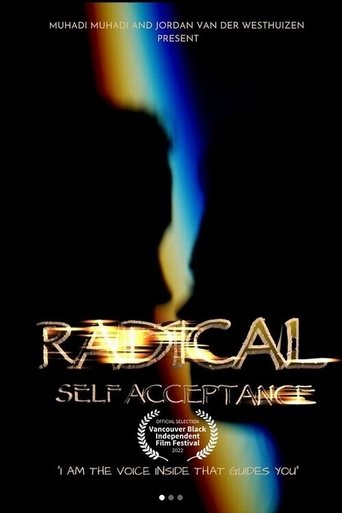
We are living in the time of a heteronormative society that antagonizes Queer people for their Being-ness. In Africa, it is believed that we are un-African to Proudly be Our LGBTQIA+ selves. In this short documentary, we share with you researched origins of modern homophobia and queerphobia, while exposing hidden truths about the English bible. The short is a testament to the harmful effects of colonialism and the dangers of religious indoctrination. This film offers audiences the opportunity to question what we have been told to believe is true about queer people.
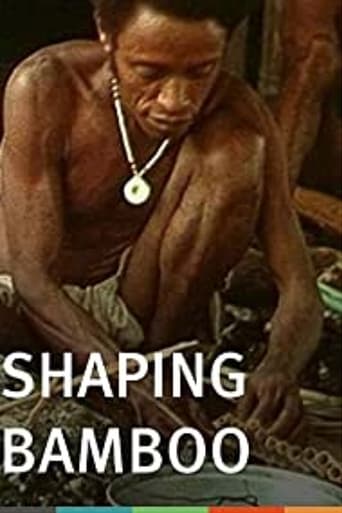
For the 'Are'are people of the Solomon Islands, the most valued music is that of the four types of panpipe ensembles. With the exception of slit drums, all musical instruments are made of bamboo; therefore the general word for instruments and the music performed with them is "bamboo" ('au). This film shows the making of panpipes, from the cutting the bamboo in the forest to the making of the final bindings. The most important part of the work consists in shaping each tube to its necessary length. Most 'Are'are panpipe makers measure the length of old instruments before they shape new tubes. Master musician 'Irisipau, surprisingly, takes the measure using his body, and adjusts the final tuning by ear. For the first time we can see here how the instruments and their artificial equiheptatonic scale-seven equidistant degrees in an octave-are practically tuned.
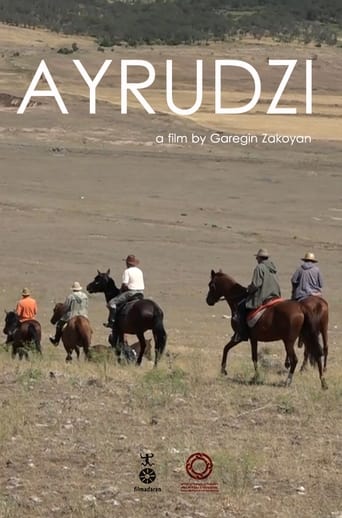
The members of the Ayrudzi troupe travel across various villages of Armenia on horseback and put on folk song and dance concerts and shadow theatre performances for the locals.
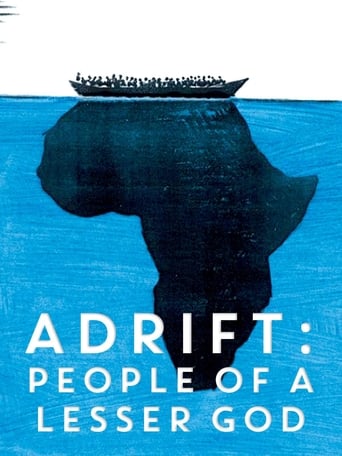
ADRIFT- People of a Lesser God is the story of an incredible odyssey made by several-times Pulitzer Prize-nominated undercover reporter Dominique C. Mollard. In this gripping story, Mollard sails with 38 African migrants, among them a five-month-old baby, out of West Africa on a quest to reach the golden shores of Europe. All aboard are packed together like sardines in a leaky fishing canoe as they set off under full moon on their harrowing journey. ADRIFT-People of a Lesser God captures the struggle of these desperate migrants as they brave their way across the cold Atlantic, risking their lives in search for a better future. —Ziad H. Hamzeh
Sexual decisions have deadly consequences. Can a small group of college students from Botswana challenge conventional wisdom about AIDS in Africa to save their generation? "The Road We Know" explores the impact of HIV/AIDS in Botswana through the efforts of these young adults who boldly advocate for behavior change to save lives. Facing cultural taboos and difficult travel, this small group sets out across the nation for five weeks with three tents, one car, and a radical solution to save lives.
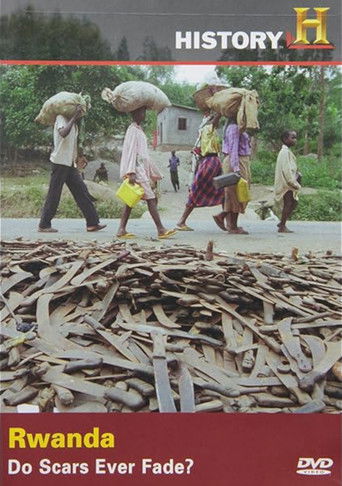
This 90-minute special presents the complex and riveting history of Rwanda, providing an in-depth look at the propaganda campaign that's crucial to understanding how genocide leaders got ordinary citizens to participate. In 1994, the small African country was awash in blood. An estimated 75 percent of the Tutsi minority was slaughtered, and in just 100 days, more than 800,000 were killed. And, at least 50,000 politically moderate Hutus also perished. We explore the 1994 genocide and post-genocide period, and grapple with the question: How does a country recover from its haunted past? Unfolding through firsthand experiences of Rwandans who lived through the genocide, we document stories of survivors, perpetrators, and government officials and sort through the difficulties of balancing justice with reconciliation.
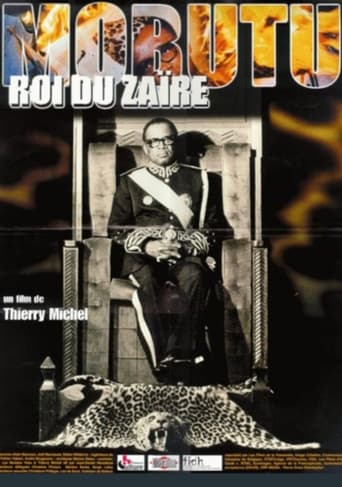
This film is the result of more than two years of work tracking down archive material and witnesses close to Mobutu in Africa, Europe and the U.S. More than 950 hours of footage have been seen by the world. Among the 104 hours selected as the basis for this film, are 30 hours of archives recently discovered in Kinshasa and never before released. Completing these exceptional documents, are more than 50 hours of interviews with those close to the former president and the events surrounding his reign, conducted by the director in Kinshasa, Brussels, Paris and Washington. Like a vast historical puzzle, this film pieces together the tragic history of a country, and its self-styled leader - the dictator, Mobutu Sese Seko, "King of Zaïre".
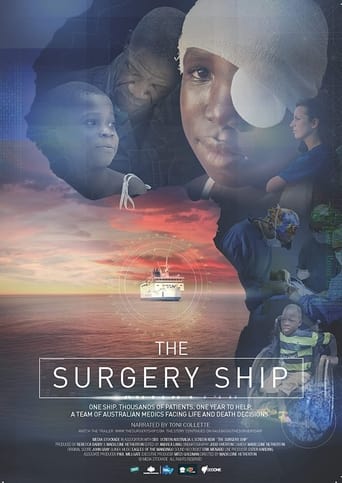
A team of volunteer doctors and nurses are on board a unique ship. Crammed with medical supplies and volunteer medics, this floating hospital sails to the poorest nations on earth. This year they sail for Guinea on the West African Coast. On arrival they will face the most severe of medical issues, not seen in other parts of the world. But the medical challenges are only half of the story. They will confront ethical decisions as they decide who will be helped and who will not. This is a searing, complex journey for the volunteer medics, as they deal with life and death cases - and balance the fates of these patients in their hands.
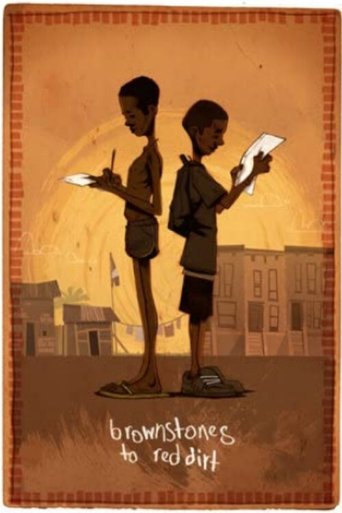
Kids from Brooklyn, NY housing projects try to change the world when they are paired with Sierra Leonean pen pals orphaned by a civil war.
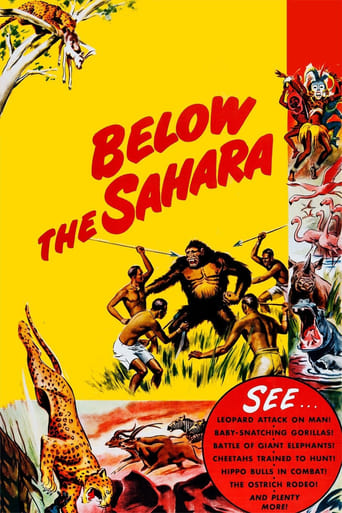
The photographic record of an African expedition led by producer-explorer Armand Denis and his (very) photogenic and camera-toting wife Michaela, who goes bird-riding at an ostrich farm. The expedition ranges from the central interior jungles and mountains to both coasts and as far south as Capetown, and ends with a gorilla hunt led by natives using 100-year-old muskets.
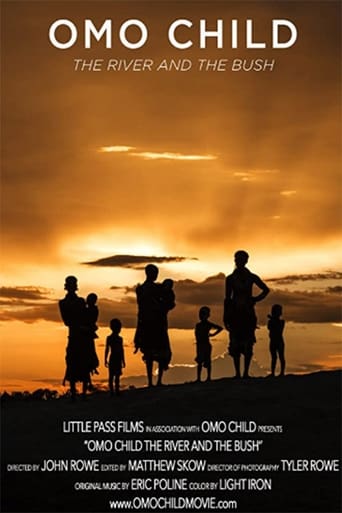
For many generations people in the Omo Valley (tribal southwest Ethiopia) believed some children are cursed and that these 'cursed' children bring disease, drought and death to the tribe. The curse is called 'mingi' and mingi children are killed. Lale Labuko, a young educated man from the Kara tribe was 15 years old when he saw a child in his village killed and also learned that he had 2 older sisters he never knew who had been killed. He decided one day he would stop this horrific practice. Filmed over a five year period we follow Lale's journey along with the people of his tribe as they attempt to change an ancient practice.

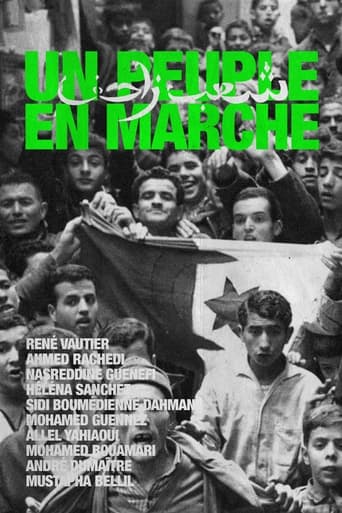
Collectively directed by the members of the Centre audiovisuel d'Alger at Ben Aknoun, the film traces, in two parts, Algeria's recent history, from colonial repression to the birth of the National Liberation Army, and the country's postwar reconstruction, framed in sympathy with the socialist project of Ahmed Ben Bella's government. Released in 1964, the film was banned and sealed after Houari Boumediene's June 1965 coup, precisely because of its favorable treatment of Ben Bella.