
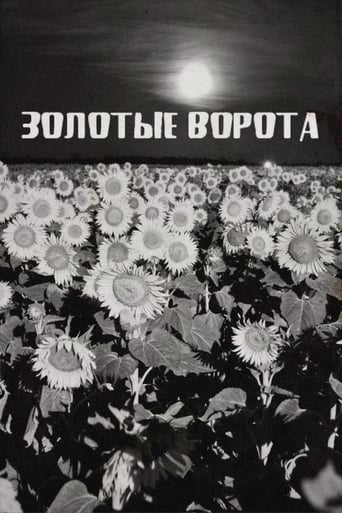
The Golden Gates
1971-03-01 · 80 min · ★ 6.5
The film-remembrance of the creative fate of the Ukrainian Soviet film director Alexander Dovzhenko, shot on his diaries. It has his statements about his work, about the role of the artist in society, his plans and sources of inspiration, his artistic style and the peculiarities of his worldview. Used excerpts from his films and documentary footage taken during the director's life, as well as filmed fragments of the unfinished scripts " The Death of the Gods” and “Tsar”.
Trailers are previews, not full movies.
No authorized playback source configured. Use the legal watch options below.
Production details
- Directors
- Yuliya Solntseva
- Production companies
- Mosfilm
- Countries
- Soviet Union
- Status
- Released
Top Cast
 Roman TkachukGod / Peasant
 Mykola HrynkoBishop
 Pyotr ShcherbakovGordei Truba
 Valentina TelichkinaMadonna
 Nikolai GubenkoSoldier Ivan
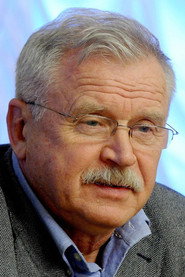 Sergey NikonenkoTsar
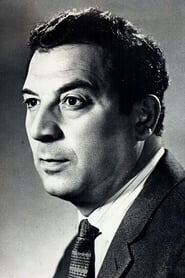 Boris SichkinNesmachny
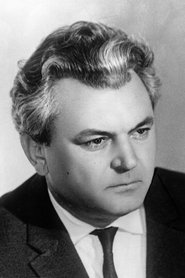 Sergei BondarchukNarrator (Voice)
Title information and images are supplied by TMDb. Explore our discovery guide for advice on comparing metadata and legal viewing options.
Where to watch
Availability provided by JustWatch via TMDb. Offers can change. Provider links are listed on TMDb; full playback requires a separately authorized source.
Availability not listed for this country.
Seasons & episodes
Recommendations
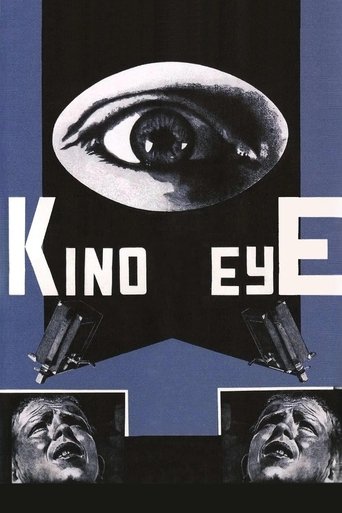
Promoting the joys of life in a Soviet village centering on the activities of the Young Pioneers. These children are constantly busy, pasting propaganda posters on walls, distributing hand bills, exhorting all to 'buy from the cooperative' as opposed to the Public Sector, promoting temperance, and helping poor widows. Experimental portions, projected in reverse, feature the un-slaughtering of a bull and the un-baking of bread.
A cameraman wanders around with a camera slung over his shoulder, documenting urban life with dazzling inventiveness.
A documentary on the making of the three Godfather films, with interviews and recollections from the film makers and cast. This feature also includes the original screen tests of some of the actors for "The Godfather" film, and some candid moments on the set of "The Godfather: Part III."

A compilation of over 30 years of private home movie footage shot by Lithuanian-American avant-garde director Jonas Mekas, assembled by Mekas "purely by chance", without concern for chronological order.
An account of the life and work of Russian filmmaker Andrey Tarkovsky (1932-86) in his own words: his memories, his vision of art and his reflections on the fate of the artist and the meaning of human existence; through extremely rare audio recordings that allow a complete understanding of his inner life and the mysterious world existing behind his complex cinematic imagery.

A visual montage portrait of our contemporary world dominated by globalized technology and violence.

A behind-the-scenes documentary about the Clinton for President campaign, focusing on the adventures of spin doctors James Carville and George Stephanopoulos.
As the Russian invasion begins, a team of Ukrainian journalists trapped in the besieged city of Mariupol struggle to continue their work documenting the war's atrocities.
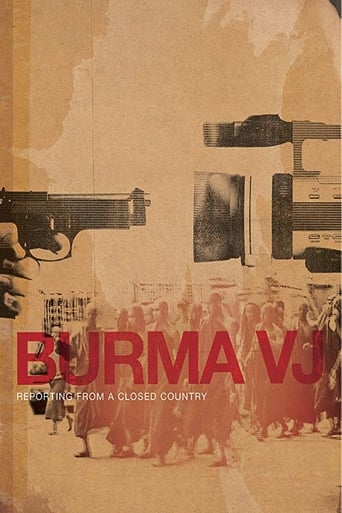
Going beyond the occasional news clip from Burma, the acclaimed filmmaker, Anders Østergaard, brings us close to the video journalists who deliver the footage. Though risking torture and life in jail, courageous young citizens of Burma live the essence of journalism as they insist on keeping up the flow of news from their closed country.
The making of Matrix Revolutions, The (2003) is briefly touched on here in this documentary. Interviews with various cast and crew members inform us how they were affected by the deaths of Gloria Foster and Aaliyah, and also delve into the making of the visual effects that takes up a lot of screen time. Written by Rhyl Donnelly
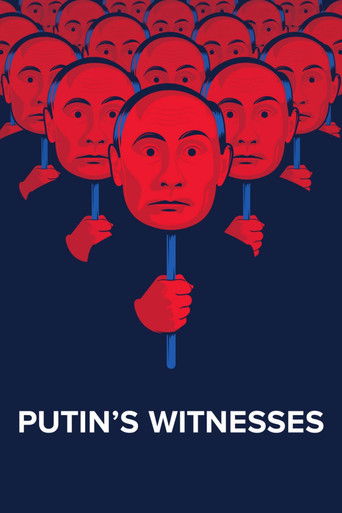
Russian Federation, December 31, 1999. After President Boris Yeltsin's unexpected resignation, Prime Minister Vladimir Putin becomes acting president of the country. From that day and for a year, Vitaly Mansky's camera documented Putin's rise to power. The story of a privileged witness. The harsh explanation of the reason why politics is the art of possibility of achieving the best with the support of many, but also of giving the worst in return.

A documentary on the expletive's origin, why it offends some people so deeply, and what can be gained from its use.
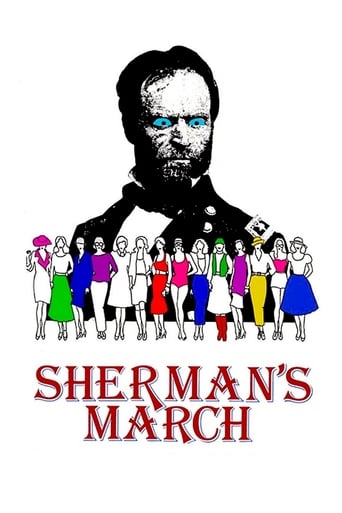
Documentarian Ross McElwee originally set out to make a travelogue of sorts tracing General William T. Sherman's infamous scorched-earth march through the Confederacy in the latter stages of the Civil War. Instead, haunted by a recent breakup with a girlfriend, McElwee ends up documenting his progress -- or lack thereof -- in starting a new relationship. His journey then becomes one of self-reflection and self-discovery rather than a historical/sociological exploration.

A 1993 documentary film about Bruce Lee. The film includes interviews from some of his fellow students and opponents who worked alongside him in his movies.
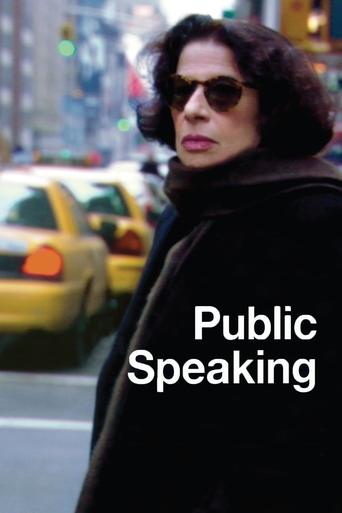
Martin Scorsese’s portrait of writer and social commentator Fran Lebowitz, celebrated for her sharp wit and observations on modern life. Filmed at New York’s Waverly Inn and intercut with archival footage and interviews, the documentary captures Lebowitz’s distinctive worldview through her spontaneous monologues and public appearances.
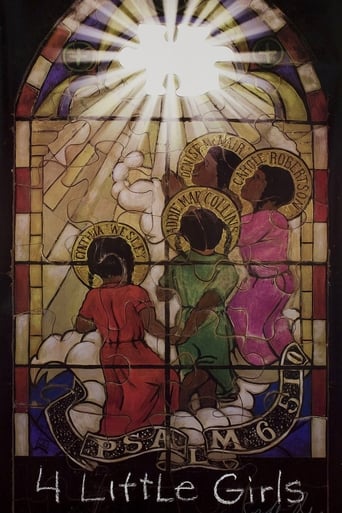
On September 15, 1963, a bomb destroyed a black church in Birmingham, Alabama, killing four young girls who were there for Sunday school. It was a crime that shocked the nation--and a defining moment in the history of the civil-rights movement. Spike Lee re-examines the full story of the bombing, including a revealing interview with former Alabama Governor George Wallace.
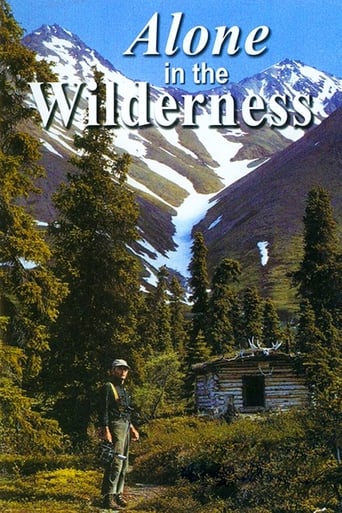
Dick Proenneke retired at age 50 in 1967 and decided to build his own cabin in the wilderness at the base of the Aleutian Peninsula, in what is now Lake Clark National Park. Using color footage he shot himself, Proenneke traces how he came to this remote area, selected a homestead site and built his log cabin completely by himself. The documentary covers his first year in-country, showing his day-to-day activities and the passing of the seasons as he sought to scratch out a living alone in the wilderness.
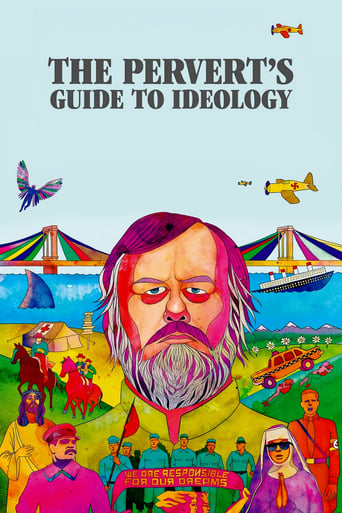
A journey into the labyrinthine heart of ideology, which shapes and justifies both collective and personal beliefs and practices: with an infectious zeal and voracious appetite for popular culture, Slovenian philosopher and psychoanalyst Slavoj Žižek analyzes several of the most important films in the history of cinema to explain how cinematic narrative helps to reinforce prevailing ethics and political ideas.

In the Realms of the Unreal is a documentary about the reclusive Chicago-based artist Henry Darger. Henry Darger was so reclusive that when he died his neighbors were surprised to find a 15,145-page manuscript along with hundreds of paintings depicting The Story of the Vivian Girls, in What is Known as the Realms of the Unreal, of the Glodeco-Angelinnian War Storm, Cased by the Child Slave Rebellion.
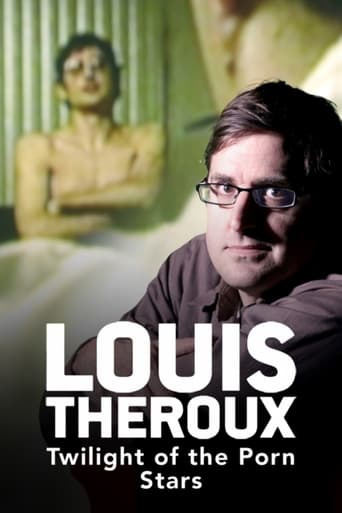
In 1997, Louis Theroux made a documentary about the world of male porn performers in Los Angeles. 15 years later, he returns to find a business struggling with the deluge of free porn on the internet. Louis revisits some of the original programme's contributors as well as meeting the latest crop of porn performers dreaming of porn stardom.
Similar titles
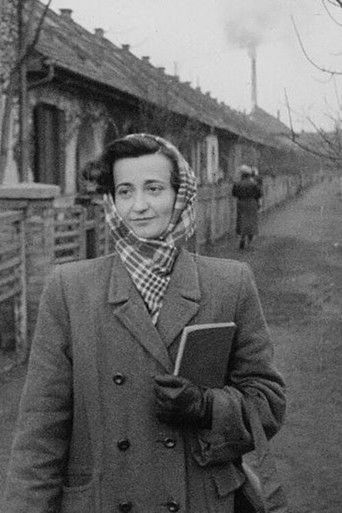
Short movie by Marta Meszaros
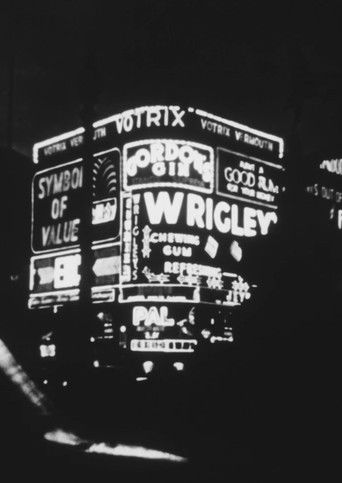
Socialist industry manufactures only those products absolutely required by workers, citizens purchase only those items essential for their everyday lives – claims the film, thereby differentiating the operational principles of domestic industry and trade from those of capitalist countries.
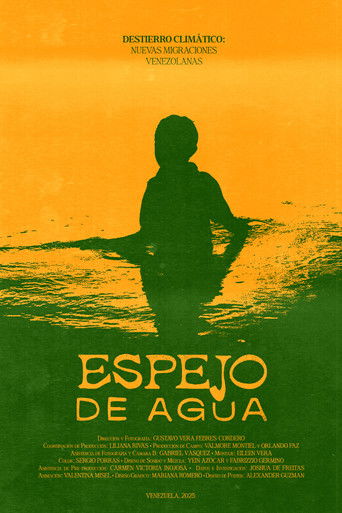
Espejo de Agua is a non-fiction short film set in Venezuela 's Sinamaica Lagoon, Zulia, where the Añú people are silently displaced due to climate change. Community leader Laura and the inhabitants of the lagoon, inside and outside their homeland, cling to the hope that it is not too late for changes and preserve their ancestral culture.

The story of Russian writer and Soviet dissident Aleksandr Solzhenitsyn (1918-2008) and his masterpiece, The Gulag Archipelago, published in Paris in 1973, which forever shook the very foundations of communist ideology.
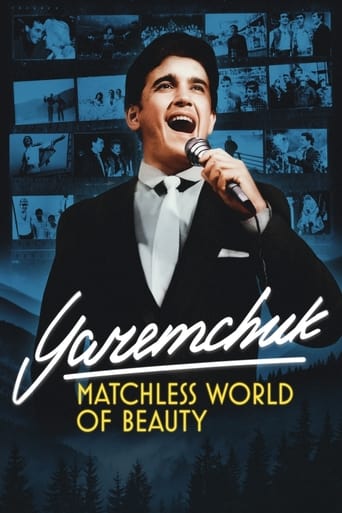
Documentary biographical drama about the life and career of the first Ukrainian pop star - Nazarii Yaremchuk.
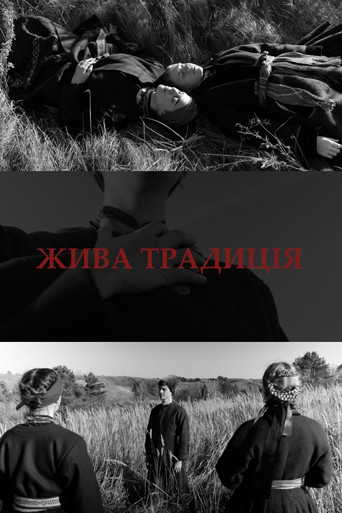

A touching and almost festive story about how to remain optimistic and continue to do your job, despite all the hardships of the times. One of the film's main characters is a chaplain, a current priest of the Orthodox Church of Ukraine, Dmytro Povorotnyi. He invites musicians with guitars to travel to military locations in Donbas. The entire musical tour led by the chaplain takes place in one day. The chaplain and the musicians are accompanied by a film crew from Suspilne Culture. The film, which was supposed to tell about a New Year's Eve volunteer trip to the military in the grey zone, became a story about mercy, understanding of need and help as a state.
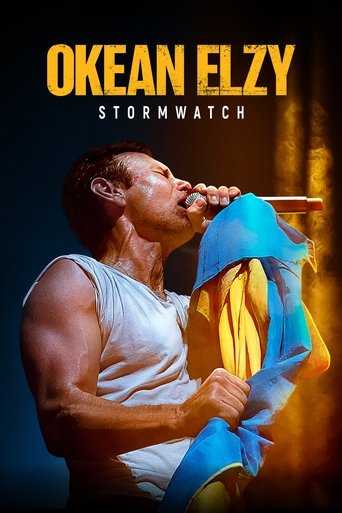
A biographical music documentary about Okean Elzy, Ukraine's most iconic band: from obscurity to stadiums, their journey spans internal conflicts, creative challenges, and the country's turbulent history.
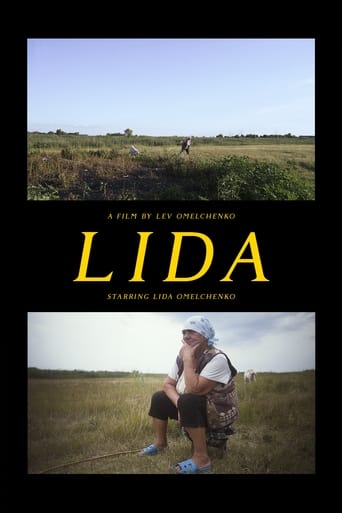
"LIDA" takes place on the day of Lida's 70th birthday. This already special day is made more unusual by the recent arrival of her grandson, Lev, who had immigrated to the United States with his family in 2001. Returning to Ukraine for the first time as an adult, Lev documents his grandmother as she tends to the small homestead and prepares for the birthday celebration in the rural village in Ukraine. By capturing moments of arduous labor, as well as through personal conversation, Lev inquires into his grandmothers relationship to her home, land - and their family.
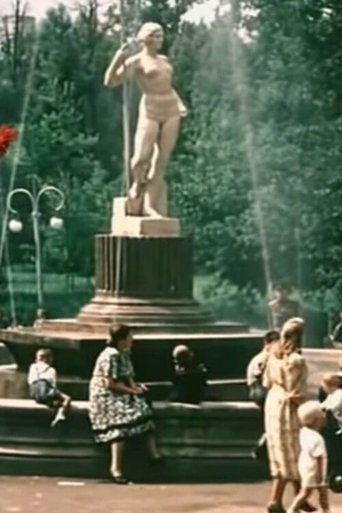
A propaganda documentary on the post war reconstruction of Miensk, capital of Belarus.
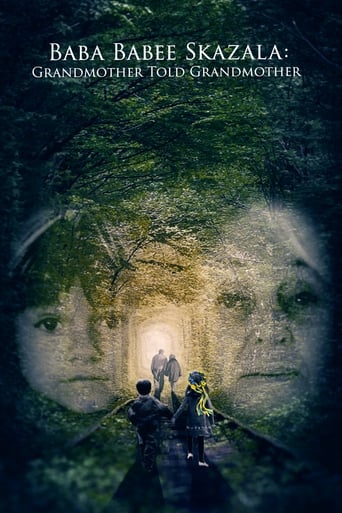
The little-known story of Ukrainian children torn from their homes in the crush between the Nazi and Soviet fronts in World War II. Spending their childhood as refugees in Europe, these inspiring individuals later immigrated to the United States, creating new homes and communities through their grit, faith and deep belief in the importance of preserving culture.
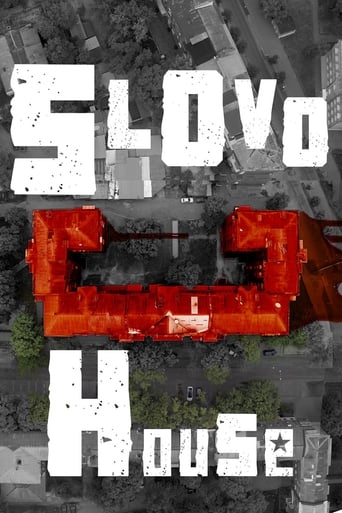
Chain-smoking artists, poets and playwrights were among the colourful array of intellectuals living in the ‘Slovo House’ in 1920s Ukraine. The communist paradise was built under Stalin's approval, but it quickly became a prison. The brutal Soviet regime spied on the inhabitants, destroying their eccentric way of life and sealing their fate. This fascinating film explores the extraordinary story of the building and its residents.

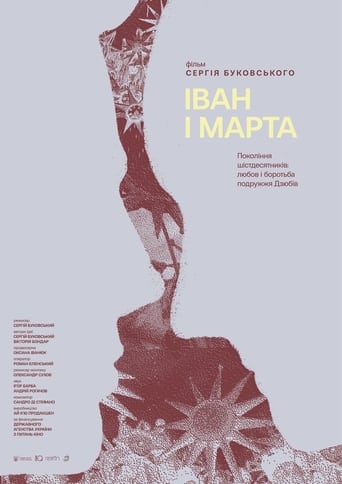
Ivan Dziuba - literary critic, public figure, academician of the National Academy of Science of Ukraine - belongs to the "sixties". He fully takes care of all the miscalculations and unfulfilled promises of his generation. Reflects on why the illusions were lost and why so few dreams came true ... Let's see and listen to him with his wife Martha, a Lviv woman who was his guardian angel. Together - all life. Exactly as they are, the right is the definition - the conscience of the nation.
The project is set in eastern Ukraine, where the main characters live — representatives of different professions, who have chosen culture as the meaning and business of their lives. They are the creators and keepers of the national cultural code. The authors study what exactly is passed down from generation to generation, and what meanings are hidden in it.
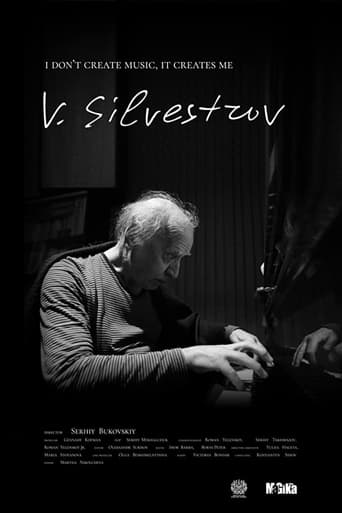
There is a rumor in the Kyiv musical community: once upon a time, in private conversation, Queen Elizabeth II mentioned Valentyn Silvestrov as one of her favorite composers of the modern age. The Royal Press Office hasn’t confirmed it, so no one knows for sure. But the stature of Silvestrov justifies this rumor. Highly respected by the world’s best music professionals, he remains a mystery for a wide audience. The documentary is far from a traditional biopic about a prominent person. It is an observation, a confession and, most of all, a story of great talent set against the backdrop of uncertain times.
Ukrainian communities of the Canadian prairies still follow the Julian calendar and celebrate Christmas on the seventh of January. Traditional foods are prepared for the holy Christmas Eve supper, eaten when the first star of the evening appears. Then traditional carols and light-hearted dances in gay costume continue the festivities. In striking contrast, on Christmas Day the Ukrainians gather at the Greek Orthodox church to worship in a solemn service with ancient ritual.
The documentary film ANCESTRAL CODE is a research into the origins of the Ukrainian and Belarusian peoples, the search for their identity through the study of the melodism of Slavic ethnographic heritage. Nowadays many people talk about brotherhood, spiritual intimacy, affinity. The authors analyze the connection between the neighboring peoples of Ukraine, Lithuania, Belarus and Poland through music and folklore.
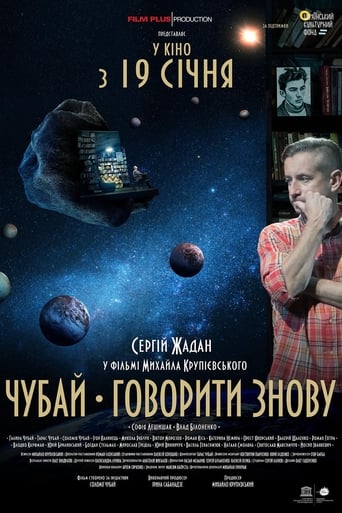
A theatrical documentary about Hrytsko Chubai, a genius of Ukrainian poetry, a connoisseur of literature, art and music and the brightest representative of Lviv underground culture of late 60s early 70s.

In Mexico, where cartel violence has become a part of daily reality and videos of brutal executions circulate online, two people set out to find their missing friend.