Vivement Truffaut
1985-07-12 · 67 min · ★ 7.5
A tribute to the late, great French director Francois Truffaut, this documentary was undoubtedly named after his last movie, Vivement Dimanche!, released in 1983. Included in this overview of Truffaut's contribution to filmmaking are clips from 14 of his movies arranged according to the themes he favored. These include childhood, literature, the cinema itself, romance, marriage, and death.
Trailers are previews, not full movies.
No authorized playback source configured. Use the legal watch options below.
Production details
- Directors
- Claude de Givray
- Production companies
- Unavailable
- Countries
- France
- Status
- Released
Top Cast
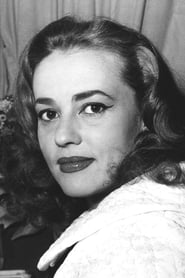 Jeanne MoreauNarrator / Self / Catherine
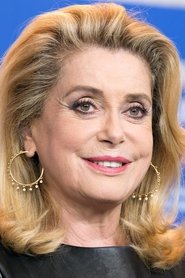 Catherine DeneuveSelf / Marion (archive footage)
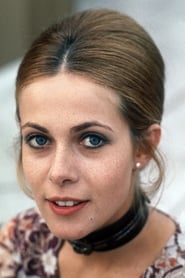 Claude JadeSelf / Christine (archive footage)
 Marie DuboisSelf / Lena (archive footage)
 Fanny ArdantSelf / Barbara (archive footage)
 Jacqueline BissetSelf / Julie (archive footage)
 Brigitte FosseySelf / Geneviève (archive footage)
 Bernadette LafontSelf / Camille (archive footage)
 Jean-Pierre LéaudSelf / Doinel (archive footage)
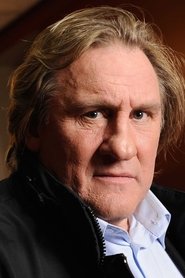 Gérard DepardieuSelf / Bernard (archive footage)
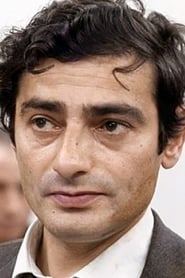 Charles DennerSelf / Bertrand (archive footage)
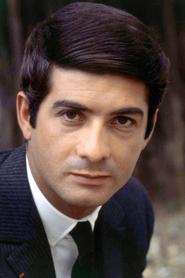 Jean-Claude BrialySelf / Corey (archive footage)
 Charles AznavourSelf / Charlie (archive footage)
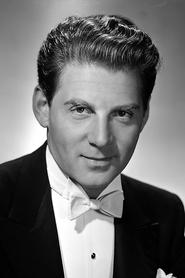 Jean-Pierre AumontSelf / Alexandre (archive footage)
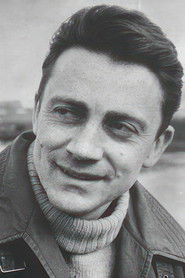 Serge RousseauSelf / Stranger (archive footage)
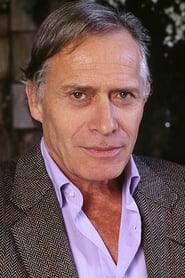 Henri GarcinSelf / Husband (archive footage)
Title information and images are supplied by TMDb. Explore our discovery guide for advice on comparing metadata and legal viewing options.
Where to watch
Availability provided by JustWatch via TMDb. Offers can change. Provider links are listed on TMDb; full playback requires a separately authorized source.
Availability not listed for this country.
Seasons & episodes
Recommendations
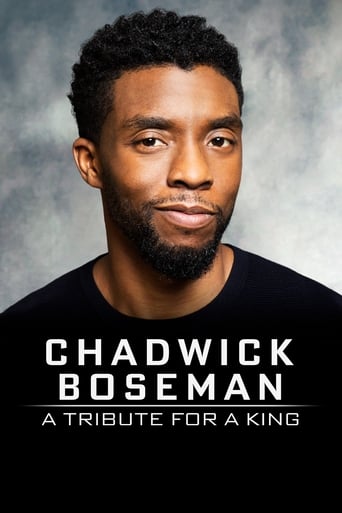
A tribute to Chadwick Boseman, celebrating his life and legacy.
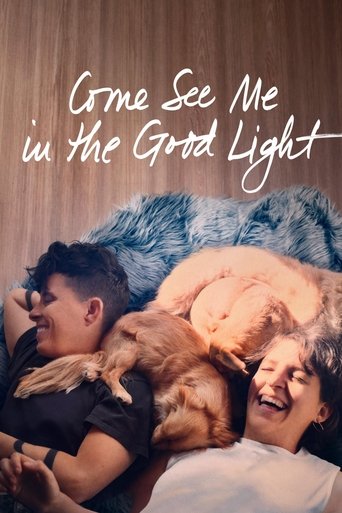
In an intimate and joyful story of love in the face of loss, celebrated poets Andrea Gibson and Megan Falley find strength—and unexpected hilarity—in what might be their final year together.
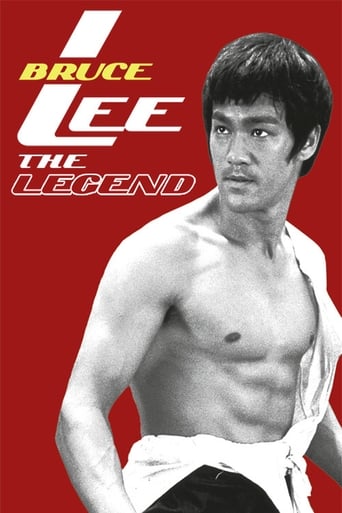
The Official Golden Harvest tribute to the Master of the Martial Arts Film, Bruce Lee.
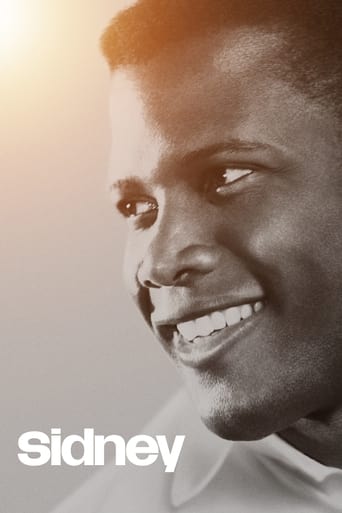
This revealing documentary honors the legendary Sidney Poitier—iconic actor, filmmaker, and civil rights activist. Featuring interviews with Denzel Washington, Spike Lee, Halle Berry, and more.

A tribute to Italian filmmaker Sergio Corbucci (1926-90), presented by American filmmaker Quentin Tarantino.

Through deeply personal interviews with her siblings and an examination of the photographs, letters, and belongings left behind, Mariska assembles a new portrait of her mother Jayne Mansfield, an extraordinary and complex woman.
Musician and performance artist Laurie Anderson reflects on the deaths of her husband Lou Reed, her mother and her beloved dog.
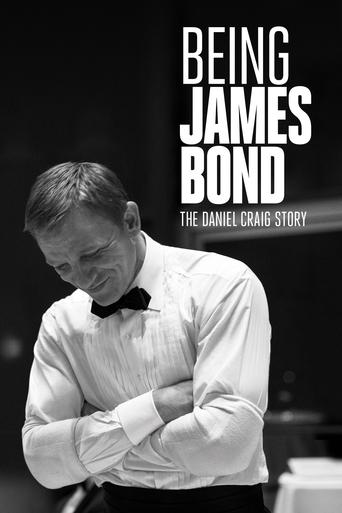
Daniel Craig candidly reflects on his 15 year adventure as James Bond. Including never-before-seen archival footage from Casino Royale to the upcoming 25th film No Time To Die, Craig shares his personal memories in conversation with 007 producers, Michael G Wilson and Barbara Broccoli.

Diaries, audiotapes, videotapes and testimonials from friends and colleagues offer insight into the life and career of Gilda Radner -- the beloved comic and actress who became an icon on Saturday Night Live.
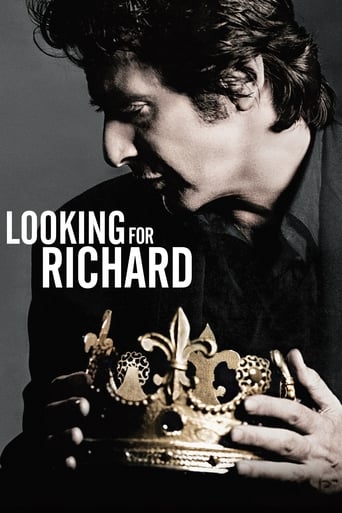
Al Pacino's deeply-felt rumination on Shakespeare's significance and relevance to the modern world through interviews and an in-depth analysis of "Richard III."
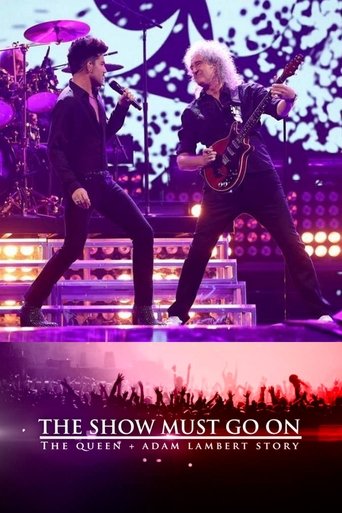
A documentary chronicling Queen and Lambert's incredible journey since they first shared the stage together on "American Idol" in 2009.
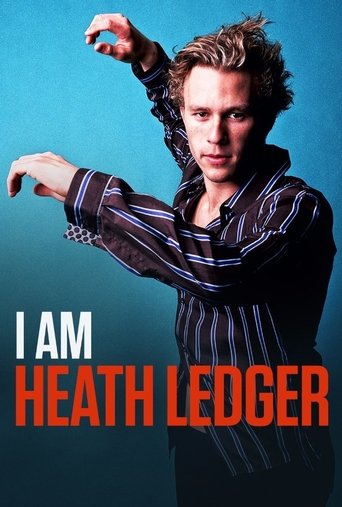
The life and career of an actor, artist, and icon. His own journey through his own camera.
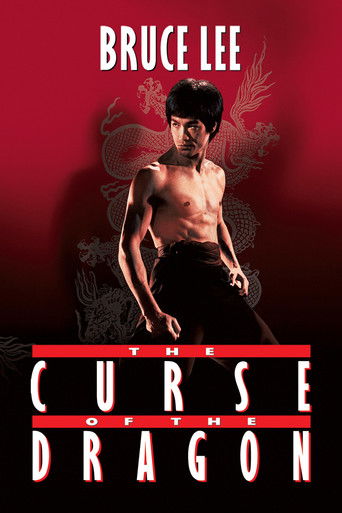
A 1993 documentary film about Bruce Lee. The film includes interviews from some of his fellow students and opponents who worked alongside him in his movies.
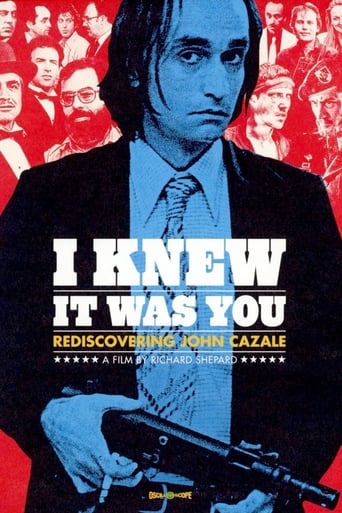
John Cazale was in only five films – The Godfather, The Conversation, The Godfather: Part II, Dog Day Afternoon and The Deer Hunter – each was nominated for Best Picture. Yet today most people don't even know his name. I KNEW IT WAS YOU is a fresh tour through movies that defined a generation.
A compilation of over 30 years of private home movie footage shot by Lithuanian-American avant-garde director Jonas Mekas, assembled by Mekas "purely by chance", without concern for chronological order.
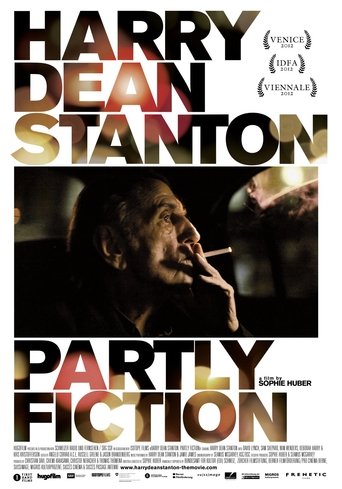
An impressionistic portrait of the iconic actor Harry Dean Stanton comprised of intimate moments, film clips from some of his 250 films and his renditions of American folk songs.

As a visually radical memoir, CAMERAPERSON draws on the remarkable footage that filmmaker Kirsten Johnson has shot and reframes it in ways that illuminate moments and situations that have personally affected her. What emerges is an elegant meditation on the relationship between truth and the camera frame, as Johnson transforms scenes that have been presented on Festival screens as one kind of truth into another kind of story—one about personal journey, craft, and direct human connection.
A visual montage portrait of our contemporary world dominated by globalized technology and violence.
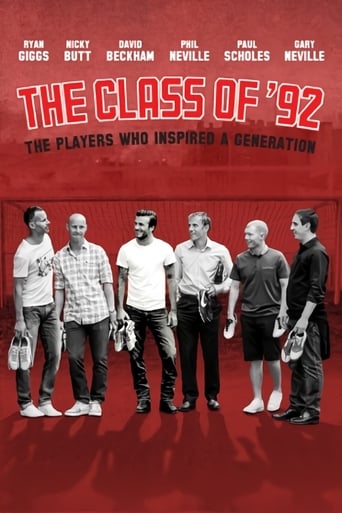
A detailing of the rise to prominence and global sporting superstardom of six supremely talented young Manchester United football players (David Beckham, Nicky Butt, Ryan Giggs, Paul Scholes, Phil and Gary Neville). The film covers the period 1992-1999, culminating in Manchester United's European Cup triumph.
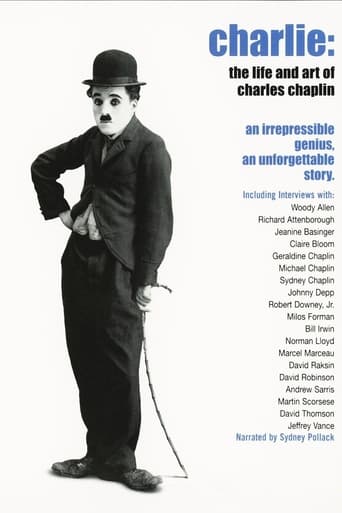
Brilliant, long in-the-works story of the life and art of the world's greatest comedian and the cinema's first genius, Charlie Chaplin. Produced, written and directed by renowned film critic Richard Schickel.
Similar titles

Maurice and Katia Krafft are a couple of scientists, filmmakers, researchers and photographers who have made vulcanology the reason for their existence. Together, they completed more than 800 hours of filming 128 volcanic eruptions and developed more than 450,000 films of great aesthetic and scientific value. A journey in stages around the world, the film pays tribute to the two protagonists, from the first ascent accomplished by Maurice, then aged 7, at Stromboli, to their tragic disappearance in 1991 on Mount Unzen in Japan.
A fascinating journey through the life of Israeli artist Dani Karavan, an irreverent and charismatic creator, recognized worldwide for radically transforming public space with his monumental environmental installations.
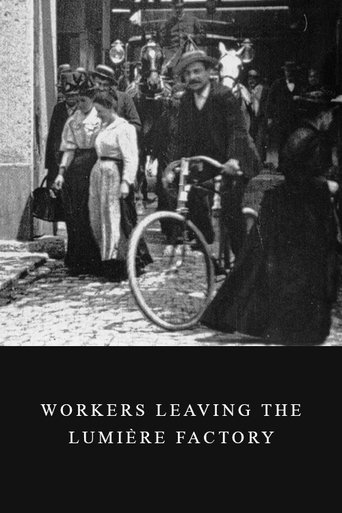
Working men and women leave through the main gate of the Lumière factory in Lyon, France. Filmed on 22 March 1895, it is often referred to as the first real motion picture ever made, although Louis Le Prince's 1888 Roundhay Garden Scene pre-dated it by seven years. Three separate versions of this film exist, which differ from one another in numerous ways. The first version features a carriage drawn by one horse, while in the second version the carriage is drawn by two horses, and there is no carriage at all in the third version. The clothing style is also different between the three versions, demonstrating the different seasons in which each was filmed. This film was made in the 35 mm format with an aspect ratio of 1.33:1, and at a speed of 16 frames per second. At that rate, the 17 meters of film length provided a duration of 46 seconds, holding a total of 800 frames.
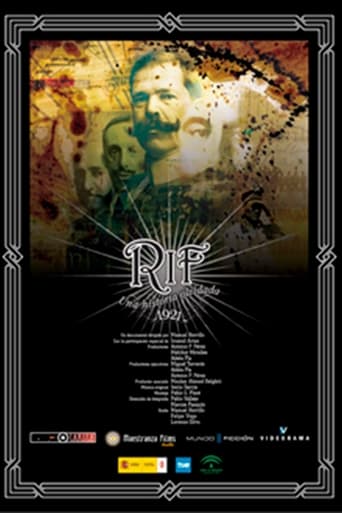
Manuel Horrillo has visited for 7 years the fields where the clashes between the Spanish troops and the rebels of the protectorate took place during the so-called Rif War, a forgotten war of the Spanish collective imaginary.
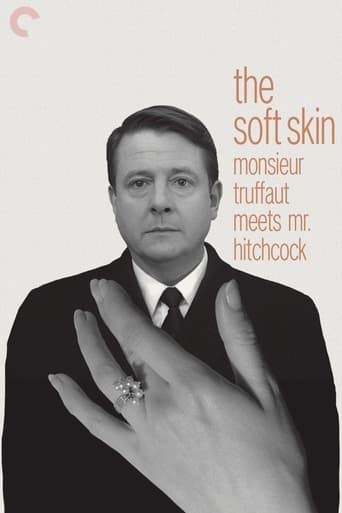
When Francois Truffaut approached Alfred Hitchcock in 1962 with the idea of having a long conversation with him about his work and publishing this in book form, he didn't imagine that more than four years would pass before Le Cinéma selon Hitchcock finally appeared in 1966. Not only in France but all over the world, Truffaut's Hitchcock interview developed over the years into a standard bible of film literature. In 1983, three years after Hitchcock's death, Truffaut decided to expand his by now legendary book to include a concluding chapter and have it published as the "Edition définitive". This film describes the genesis of the "Hitchbook" and throws light on the strange friendship between two completely different men. The centrepieces are the extracts from the original sound recordings of the interview with the voices of Alfred Hitchcock, Francois Truffaut, and Helen Scott – recordings which have never been heard in public before.
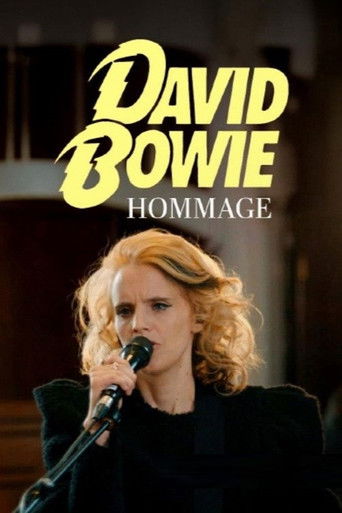
The Molotovs kick things off in style with “Rebel Rebel,” followed by magical covers of “Heroes” (The Horrors), ‘Fascination’ (La Roux), “Let's Dance” (Jeanne Added), “Rock'n'Roll Suicide” (The Libertines), “Sound and Vision” (Anna Calvi), “Starman” (The Divine Comedy), and “The Man Who Sold the World” (Yasmine Hamdan): eight intense reinterpretations of David Bowie's work, delivered during an arty and decidedly London-esque stroll, which, from stage to studio, recreates the fragile intensity of a live performance.
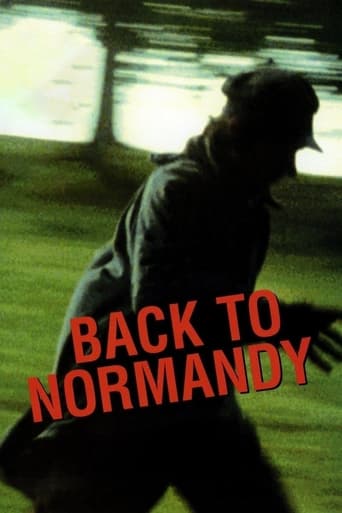
A filmmaker returns to Normandy thirty years after a working on a movie based on a local homicide and tries to find the actors who worked on the project.
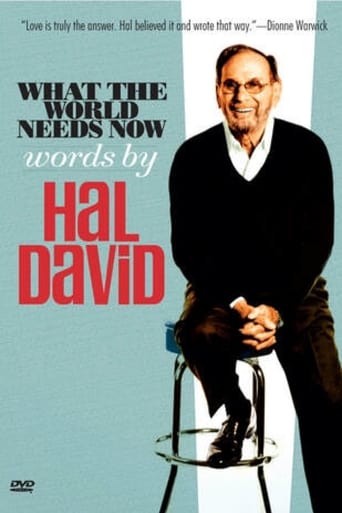
Hosted by Bette Midler, enjoy a musical tribute to the man who wrote some of the most enduring songs in American popular music. Lyricist Hal David and composer Burt Bacharach dominated the pop-music charts in the 1960s and early ’70s, crafting dozens of timeless Top 40 hits.
Hokkaido, the North Island of Japan, is a powder-lover's paradise. If you’ve never been, it’s time to start planning your trip. And consider this new film from Director Jeremy Dubs to be your crash course in traveling to Japan. Follow Dubs and crew as they explore Hokkaido’s vast mountains, welcoming locals and exotic cuisine. Whether it’s wandering around abandoned resorts, carving snow caves with chainsaws or trying their best to woo women, there’s never a dull moment with this crew.

This short was released in connection with the 20th anniversary of Warner Brothers' first exhibition of the Vitaphone sound-on-film process on 6 August 1926. The film highlights Thomas A. Edison and Alexander Graham Bell's efforts that contributed to sound movies and acknowledges the work of Lee De Forest. Brief excerpts from the August 1926 exhibition follow. Clips are then shown from a number of Warner Brothers features, four from the 1920s, the remainder from 1946/47.
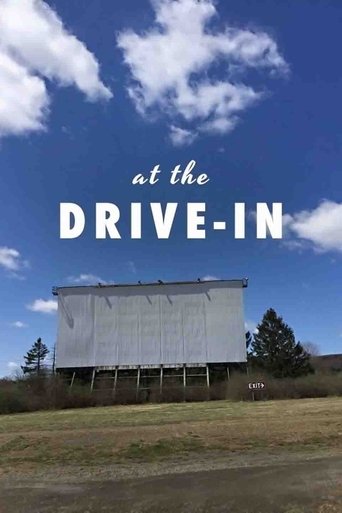
Unable to purchase a $50,000 digital projector, a group of film fanatics in rural Pennsylvania fight to keep a dying drive-in theater alive by screening only vintage 35mm film prints and working entirely for free.
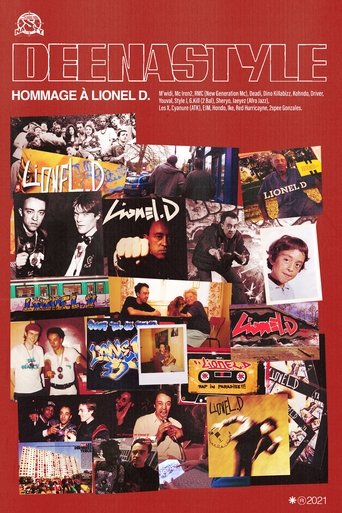
Deenastyle is a legendary French rap show first broadcast on Radio Nova between 1990 and 1993, which revealed a generation of rappers and marked a generation of listeners, back in 2021 on video, still with DJ Dee Nasty on the decks. A new format that combines freestyle sessions and interviews with different activists from the French-speaking hip-hop scene. The first show of 2021 will look back on the journey of Lionel D and the influence of Deenastyle in the French rap landscape of the time with interventions from M'widi, Iron2.0, RMC (New Generation Mc), Deadi, Dino Killabizz, Kohndo, Driver, Youval, Style J, G.Kill (2 Bal), Sheryo, Jaeyez (Afro Jazz), Les X, Cyanure (ATK), EJM, Hondo, Ike, Red Hurricayne, 2Spee Gonzales.
A short documentary exploring the ongoing relevance and power of 'Salò o le 120 giornate di Sodoma'.
The film accompanies Jenny Gröllmann, a German actress, during the last two years of her life.
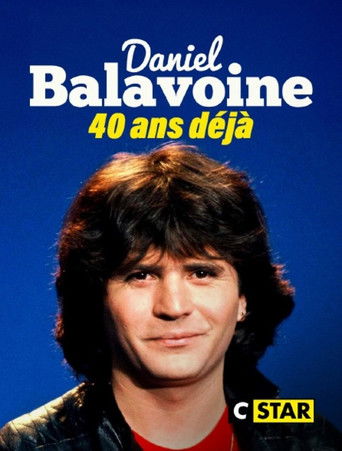
Through Daniel Balavoine's greatest songs, which have become cult classics, this documentary traces the dazzling career of a free-spirited singer, driven by an urgent need to speak out, denounce injustice, and love, whose lyrics continue to touch several generations. Rare archives, testimonials from those who knew him, expert analysis and insights from today's musicians highlight the enduring modernity of his work and examine the legacy he left to French music.
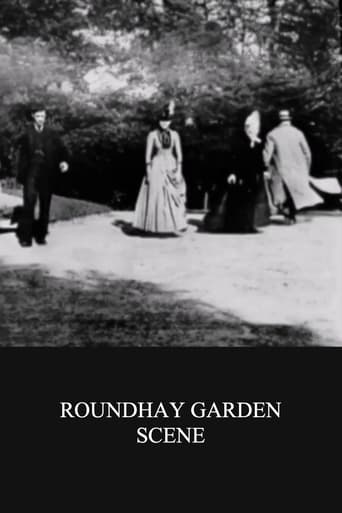
The earliest surviving motion-picture film, and believed to be one of the very first moving images ever created, was shot by Louis Aimé Augustin Le Prince using the LPCCP Type-1 MkII single-lens camera. It was taken on paper-based photographic film in the garden of Oakwood Grange, the Whitley family house in Roundhay, Leeds, West Riding of Yorkshire (UK), on 14 October 1888. The film shows Adolphe Le Prince (Le Prince’s son), Mrs. Sarah Whitley (Le Prince’s mother-in-law), Joseph Whitley, and Miss Harriet Hartley walking around in circles, laughing to themselves, and staying within the area framed by the camera. Roundhay Garden Scene is often associated with a recording speed of around 12 frames per second and runs for about 2 to 3 seconds.
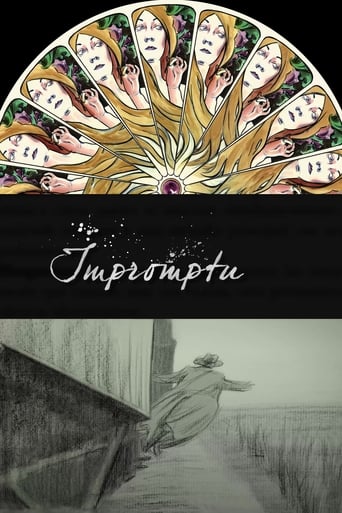
A journey to the origins of cinema, starting with its forgotten fathers: the pioneers who achieved moving images before 1895, the official year of the Lumière cinematograph. Through five studies by Frédéric Chopin, 'Impromptu' is also a tribute to the end of the 19th century, to its immortal muses, and to the fascination with movement itself.