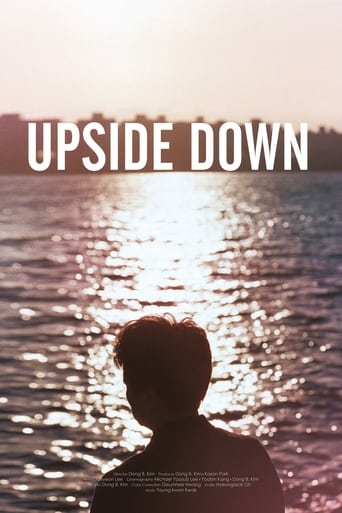
Upside Down
2016-04-14 · 65 min · ★ 9.0
304 people drowned as the car ferry sank. Four fathers recall their memories of their children; high school students who were on their field trip. Professors, lawyers, journalists, an activist, a diver, and a politician explain why the system ultimately allowed the tragedy to occur. What is stopping the next tragedy? The world has turned upside down.
Trailers are previews, not full movies.
No authorized playback source configured. Use the legal watch options below.
Production details
- Directors
- Dong B. Kim
- Production companies
- Cinema DAL
- Countries
- South Korea
- Status
- Released
Top Cast
Title information and images are supplied by TMDb. Explore our discovery guide for advice on comparing metadata and legal viewing options.
Where to watch
Availability provided by JustWatch via TMDb. Offers can change. Provider links are listed on TMDb; full playback requires a separately authorized source.
Availability not listed for this country.
Seasons & episodes
Recommendations

A visual montage portrait of our contemporary world dominated by globalized technology and violence.

This revealing documentary honors the legendary Sidney Poitier—iconic actor, filmmaker, and civil rights activist. Featuring interviews with Denzel Washington, Spike Lee, Halle Berry, and more.

An inside look at one of the most anticipated movie sequels ever with James Cameron and cast.

A purely observational non-fiction film that takes viewers into the ethically murky world of end-of-life decision making in a public hospital.
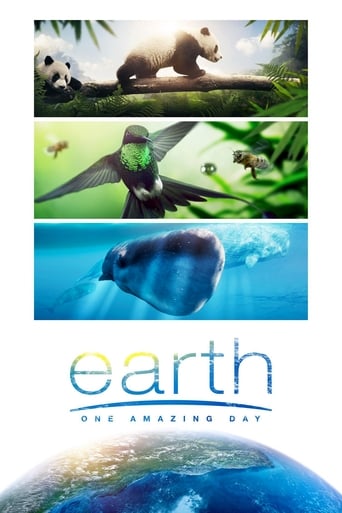
An astonishing journey revealing the awesome power of the natural world. Over the course of one single day, we track the sun from the highest mountains to the remotest islands to exotic jungles.

Using the book 'Fragments', which collects Marilyn Monroe's poems, notes and letters, and with participation from the Arthur Miller and Truman Capote estates who have contributed more material, each of the actresses will embody the legend at various stages in her life.
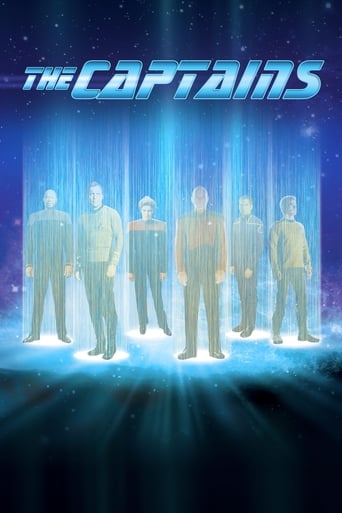
The Captains is a feature-length documentary film written and directed by William Shatner. The film follows Shatner as he interviews the other actors who have portrayed starship captains in the Star Trek franchise.
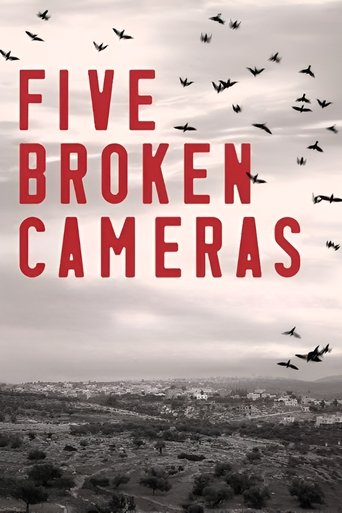
Five broken cameras – and each one has a powerful tale to tell. Embedded in the bullet-ridden remains of digital technology is the story of Emad Burnat, a farmer from the Palestinian village of Bil’in, which famously chose nonviolent resistance when the Israeli army encroached upon its land to make room for Jewish colonists. Emad buys his first camera in 2005 to document the birth of his fourth son, Gibreel. Over the course of the film, he becomes the peaceful archivist of an escalating struggle as olive trees are bulldozed, lives are lost, and a wall is built to segregate burgeoning Israeli settlements.

A documentary about how a dominant cultural and demographic institution both sustains their traditional activities and adapts to the digital revolution.
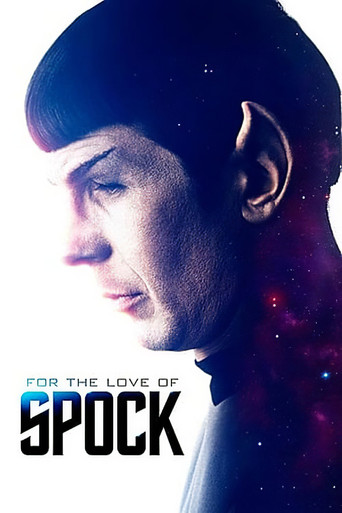
The life of Mr. Spock, as well as that of Leonard Nimoy, the actor who played him for almost fifty years, written and directed by his son: Adam.

A detailing of the rise to prominence and global sporting superstardom of six supremely talented young Manchester United football players (David Beckham, Nicky Butt, Ryan Giggs, Paul Scholes, Phil and Gary Neville). The film covers the period 1992-1999, culminating in Manchester United's European Cup triumph.

The life and career of an actor, artist, and icon. His own journey through his own camera.

The film follows adventurer Jeff Johnson as he retraces the epic 1968 journey of his heroes Yvon Chouinard and Doug Tompkins to Patagonia.
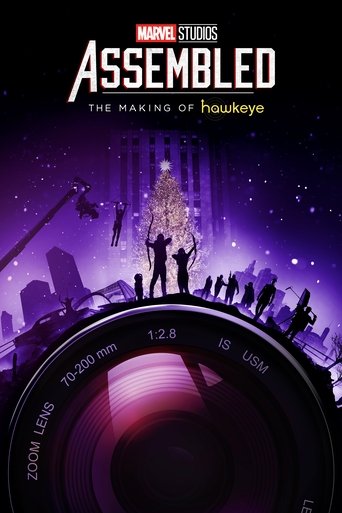
Join the likes of Jeremy Renner, Hailee Steinfeld, Florence Pugh, and Vincent D’Onofrio as they reveal how Marvel Studios’ “Hawkeye” was conceived and created. Witness firsthand what it took to pull off the show’s pulse-pounding action set pieces, and discover how iconic characters from the pages of Marvel Comics such as Kate Bishop were adapted and brought to life for the six-episode series.

“White Boy Rick”, as he was called, was a novelty: A white teenager seemingly running a major inner-city drug operation. In May of 1987, 17-year-old Richard Wershe Jr. was charged with a non-violent, juvenile drug offense. By the time of his arrest he was already a Detroit legend, frequently making front-page headlines and leading the local television news. In this film, gangsters, hit men, journalists and federal agents struggle to explain why he remains in prison at nearly 50 years old. The possible explanation is more stunning than the crimes Wershe was alleged to have committed.
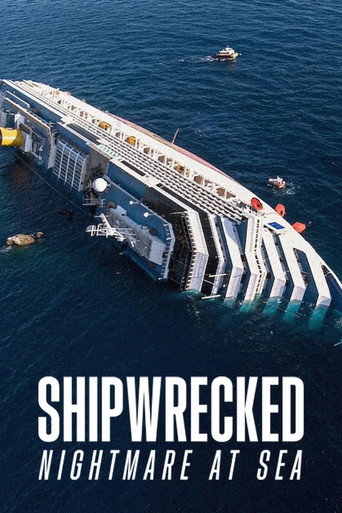
Never-before-seen footage and survivor accounts trace the 2012 shipwreck of a luxury cruise and the disaster that ensued, in this immersive documentary.
A road trip across five countries to explore the social and political movements as well as the mainstream media's misperception of South America while interviewing seven of its elected presidents.

Al Pacino's deeply-felt rumination on Shakespeare's significance and relevance to the modern world through interviews and an in-depth analysis of "Richard III."

Martin Scorsese, Robert De Niro, Joe Pesci, and Al Pacino in conversation about The Irishman.
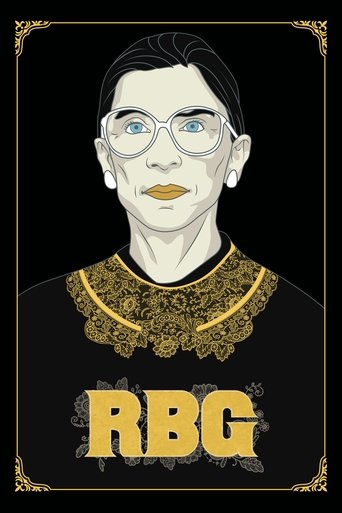
Justice Ruth Bader Ginsburg now 84, and still inspired by the lawyers who defended free speech during the Red Scare, Ginsburg refuses to relinquish her passionate duty, steadily fighting for equal rights for all citizens under the law. Through intimate interviews and unprecedented access to Ginsburg’s life outside the court, RBG tells the electric story of Ginsburg’s consuming love affairs with both the Constitution and her beloved husband Marty—and of a life’s work that led her to become an icon of justice in the highest court in the land.
Similar titles
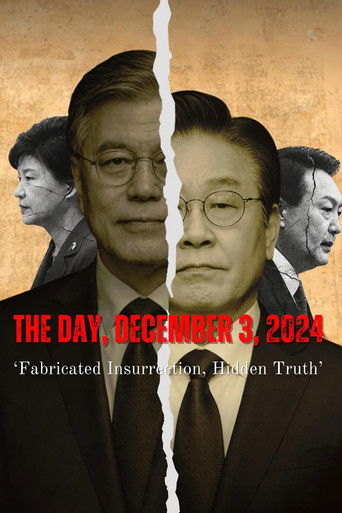
On the night of December 3, 2024, South Korea was thrown into chaos. What the public first heard as "an insurrection" quickly became one of the most polarising political events in modern Korean history. This documentary revisits that night and asks a deeper question: Was it really a coup attempt or the result of a calculated political trap? Through interviews, legal analysis, and evidence, the film investigates the impeachment of President Yoon Suk-yeol and the rapid collapse of his administration. It explores claims that an overwhelming opposition majority, built through alleged election manipulation, enabled a form of "legislative dictatorship" that mirrored the path that led to President Park Geun-hye's impeachment eight years earlier.
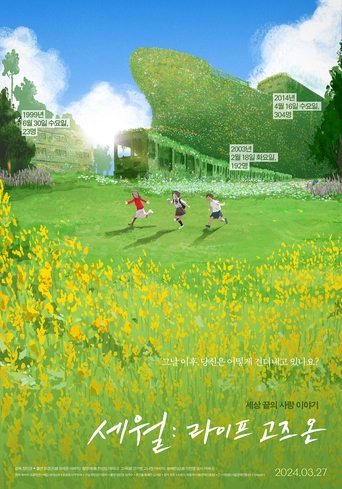
Yoo Kyung-geun, who lost her daughter Ye-eun in the Sewol Ferry Disaster, sits down at the podcast production studio. It is to meet with the bereaved families of numerous social disasters before and after the Sewol Ferry Disaster. They are Hwang Myung-ae, the mother of Han Sang-im who died in the 2003 Daegu Subway Fire, Ko Seok, the father of Gahyun and Nahyun who died in the 1999 Sealand Youth Training Center Fire, and Bae Eunsim, the mother of Lee Hanyeol who died in 1987's June Struggle. The bereaved families talk about "the life after" and their daily lives, and Yoo Kyung-geun learns to live without Ye-eun.

Crossroads explores the ever changing face of South Korea since the Sewol ferry disaster that tragically killed 304 people, mainly schoolchildren, in April 2014. The film takes us on a journey through Korean modern history exploring the changes the country has gone through since April 16th 2014, encompassing emotional re-enactment narrations from survivors, interviews with family members, activists, historians and the general public, as we go in search of how Korea came to yet another crossroad in its history.
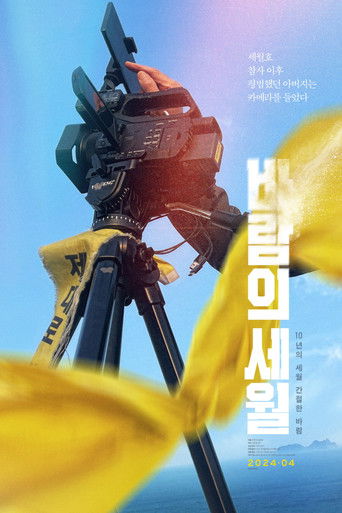
The 10-year struggle of the families who lost their children from the Sewol Ferry Disaster.

Ten years have passed since the Sewol ferry disaster. The life of KIM Dong-soo, who came back alive from the disaster, has changed a lot from before. KIM Dong-soo, who used to live as a truck driver, lost his truck in a disaster and now guards the Hallasan trail everyday. He is repeatedly hospitalized and discharged from the psychiatric ward and suffers from pain all over his body. Still, he struggles to restore his daily life by participating in the marathon event. KIM Dong-soo's wife, KIM Hyung-sook, and his two daughters support him in his daily life. The eyes looking at KIM Dong-soo with a desperate expression, asking for help, revive every moment and shake his heart, but he still lives by holding the hands of his family who stand by his side.
A documentary on the South Korean ferry disaster that claimed the lives of more than 300 passengers in April, 2014.
A documentary that reports on the the rescue failure of the Sewol incident. In the days of media control, Park Geun-hye and her government sabotaged the screening of "Diving Bell" at the Busan International Film Festival.
A thousand lies to conceal the truth of the Sewol Ferry. As many as 1,000 ships, 160,000 AIS data, were manipulated to hide the truth behind the sinking of the Sewol Ferry on April 16, 2014. Who are the organizers of this and why did they build a ghost ship! We must ask persistent questions. Since that day, nothing has been revealed yet. Government AIS data of a thousand lies. Now it is time for the Korean prosecution to answer.
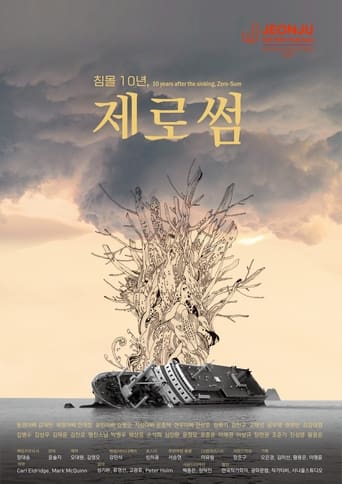
Ten years ago, 304 innocent people aboard the Sewol ferry in Korea lost their lives at sea. The reason for the sinking and the complete failure of the rescue are crucial factors yet to be revealed. But the government continues to withhold key evidence, citing national security reasons. This documentary finds a conclusion of why all the matters have gone wrong.
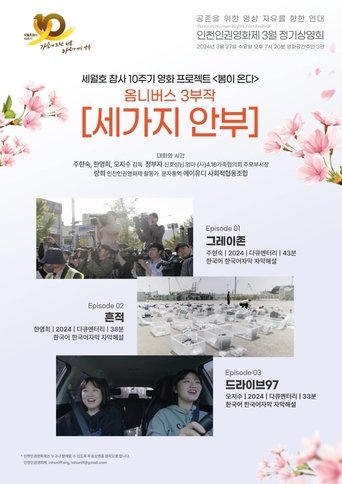
This documentary tells the story of people who were at the scene of the 2014 Sewol Ferry disaster: journalists, bereaved families of the victims, and the survivors. Ten years after the disaster, what did it leave them? These are three omnibus documentaries with different perspectives.
10 years have passed since the Ferry Sewol disaster. People are still waiting for the truth about the incident at Paengmok Port.
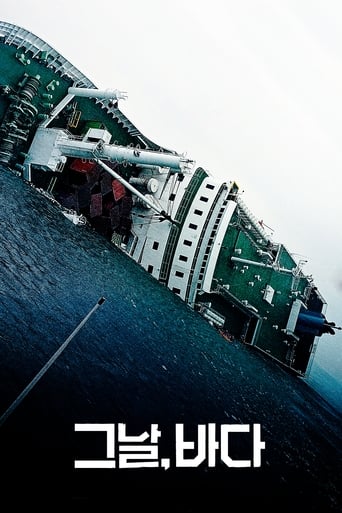
A documentary that scientifically analyses and tracks down the route of the Sewol Ferry that sank on the 16th of April in 2014 using its AIS to discover the cause of the unconfirmed sinking.

On the 16th April 2014 South Korea was changed as a nation. After the days, weeks and months that followed the Sewol tragedy, the country became undone, untrusting and more divided than we have ever seen in its history. "After the Sewol" explores the changing faces of this nation through the eyes of two British film makers. They talk with relatives of the victims, rescue divers and activists about their struggles and battles since this tragic accident happened and embark upon a journey to uncover how this accident came about, looking deep into Korean history about why no action was taken to prevent it in the first place. This journey takes them all over Korea, meeting an older generation struggling to create a safer place for their children to live in and a young vibrant generation fighting for a corrupt free society.But, all of them searching for one thing, the truth about why the Sewol victims died.
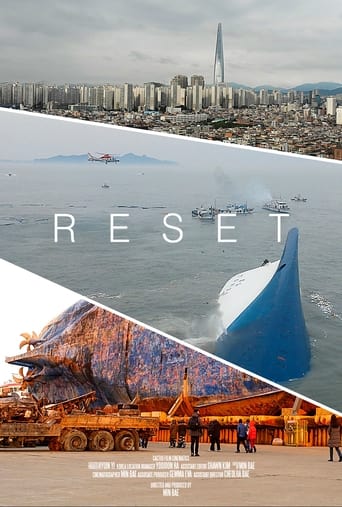
On April 16th, 2014, the Sewol Ferry sank in South Korea, taking with it the lives of 304 of its 476 passengers. South Korea's worst maritime disaster traumatized a nation while simultaneously sinking the country's emotional spirit. The film asks why the rescue of Korea's children and people was neglected on the fateful day the Sewol sank.

In April 2014, the South Korean ferry Sewol sinks. 304 people, most of them schoolchildren, drowned. Greed and official failure contributed to the scale of the disaster. The government reacts restrictively against the rebellious parents of the victims. However, they are demanding a full investigation into the background.

In April 2014, the entire nation of South Korea watched on television live as The Sewol capsized off the coast of Jindo. The tragedy left life-long wounds in the hearts of people whose family and friends had been among the 304 passengers killed. The majority of the victims were high school students on a school trip. Their parents were not even given the luxury of grieving, as they had to camp out in front of the Parliament, City Hall and the Presidential House, asking for only one thing - to know the truth about why their children had been left to die. But after more than a year, that truth has yet to be brought to light. This film is a documentation of the year-long struggle and painful soul-searching of people destined to be labelled as 'bereaved families' for the rest of their lives, as they come face to face with the naked face of their cruel country.

In her first feature-length documentary, filmmaker Nam Arum turns her camera on her parents, two members of South Korea’s 386 Generation. The political activism of this generation came to a head in June 1987 with major protests that forced the authoritarian government to hold universal suffrage elections and implement key democratic reforms. Over 35 years later, the filmmaker reflects on the state of this democracy through a warm-hearted family portrait set against the backdrop of the country’s recent history. Using a personal and intimate cinematic style, Arum examines her father's adherence to conventionality as a high-ranking civil servant and her mother's fervent enthusiasm as a feminist activist. In the midst of these two contrasting dynamics, Arum seeks to discover her own role and how she can contribute to social change.
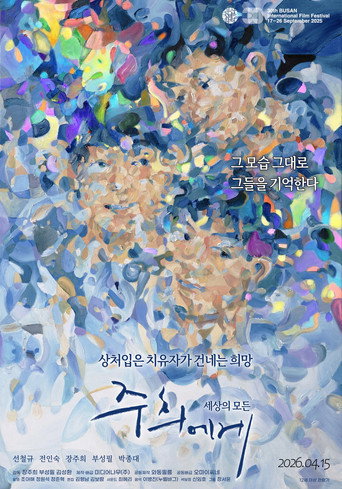
After recovering from leukemia, Jang Juhee, who once dreamed of becoming a filmmaker, begins working at a center for independent living for people with disabilities. There, she meets documentary director Bu Seongpil, disabled and bedridden Seon Cheol-gyu, and In-sook, who lost a family member in the Sewol ferry tragedy. Shaped by childhood memories of domestic violence and years of illness-induced isolation, Jang’s gaze and inner world begin to expand through these individuals.